
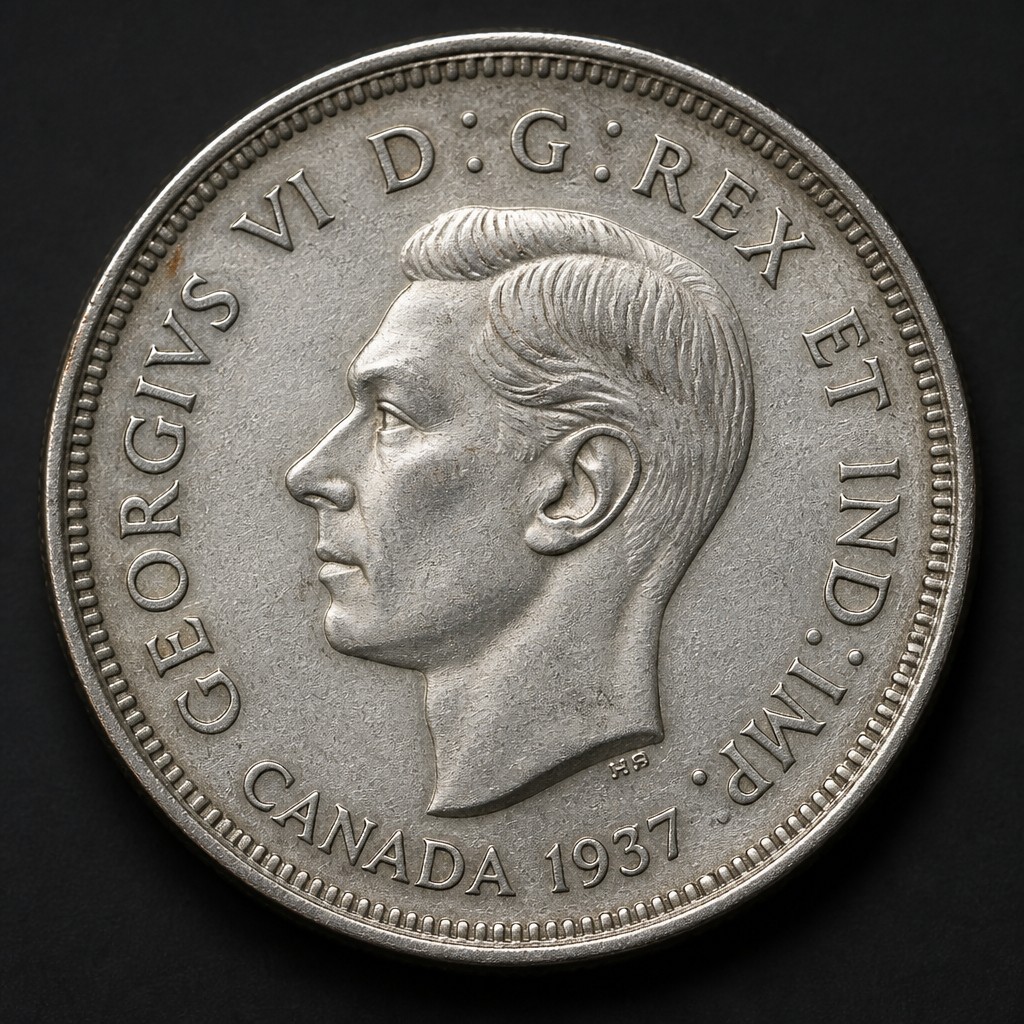
Bluenose Ten Cents (dime)
Canada's iconic ten-cent coin featuring the famous racing and fishing schooner Bluenose, a design introduced in 1937 that remains in use on the modern dime today.
- Country
- Canada
- Denomination
- Ten Cents
- Metal
- 80% Silver (pre-1968); Nickel/Nickel-plated Steel (later)
Got a coin like this?
Identify any coin from a photo, free.
Overview
The Bluenose dime is one of the most beloved and enduring coin designs in the world, celebrating a real ship that became a powerful symbol of Canadian maritime heritage and national pride. Introduced in 1937, the design has remained on Canada's ten-cent coin with only minor refinements for well over eighty years.
Collectors value the series both for its rich, accessible date run across changing metal compositions and for its status as a design classic recognized well beyond the numismatic community.
History & Background
The Bluenose was a Nova Scotia fishing and racing schooner launched in 1921 that became famous for repeatedly defeating American challengers in the International Fishermen's Cup races throughout the 1920s and 1930s, earning a place on Canada's ten-cent coin, its provincial license plates, and even its currency notes. Sculptor Emanuel Hahn designed the dime's reverse, capturing the ship under full sail.
The design debuted in 1937 as part of a broader refresh of Canadian coin reverses coinciding with George VI's accession, alongside new designs for other denominations such as the maple-leaf cent and beaver nickel. It has continued through the reigns of George VI and Elizabeth II with the obverse portrait updated periodically while the reverse ship design remained essentially unchanged.
The coin's metal composition shifted over the decades, moving from silver to pure nickel in 1968 and eventually to nickel-plated steel in the early 2000s, mirroring changes across other Canadian circulating denominations, while the Bluenose imagery itself endured as a point of continuity.
How to Identify
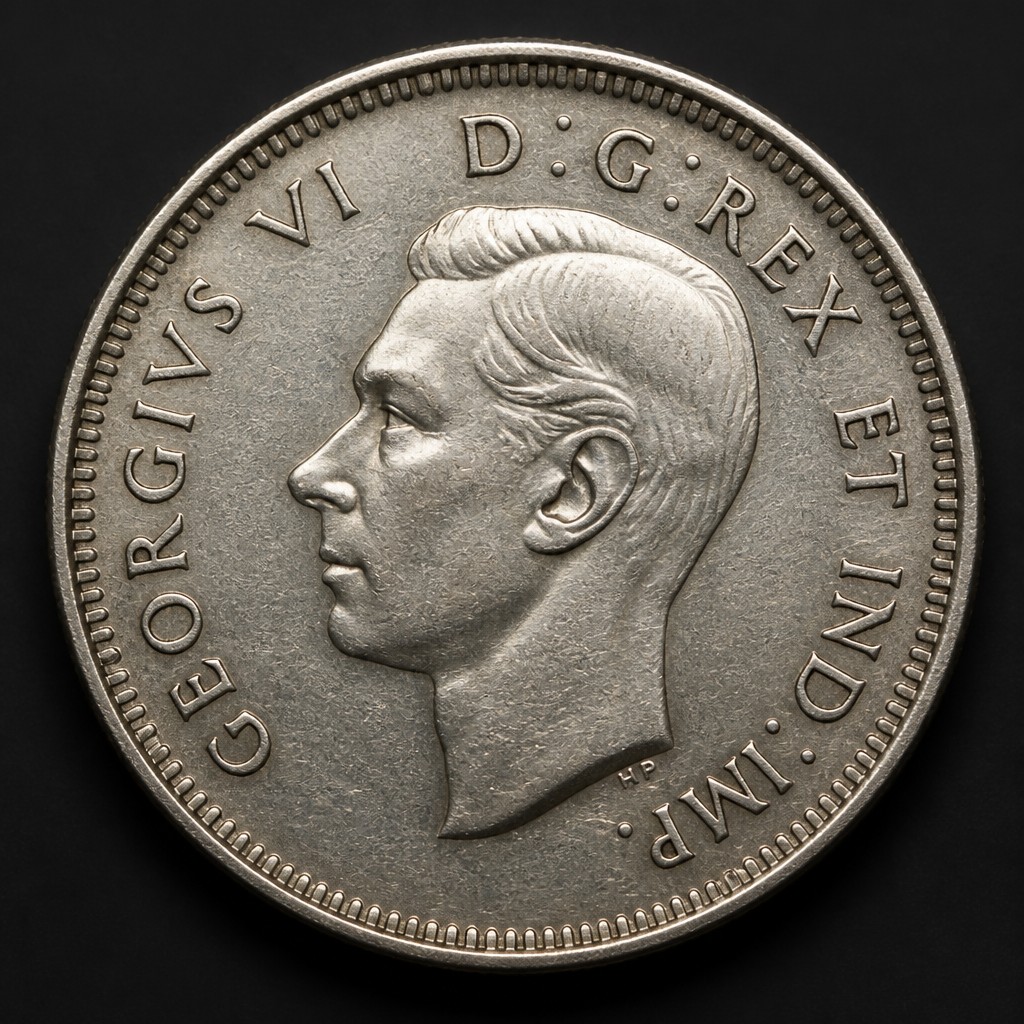
The obverse carries the portrait of the reigning monarch, whether George VI or one of the several Elizabeth II portrait styles used over her long reign. The reverse depicts the schooner Bluenose under full sail, with CANADA and the date arranged around the design.
The coin's size has remained small and thin, consistent with the historical Canadian dime format, though its edge is reeded and its color and attraction to a magnet vary by era, with pre-1968 issues being silver and non-magnetic, and post-2000 issues being magnetic nickel-plated steel.
Collectors distinguish dates and eras primarily by the obverse portrait style and by testing composition, since the reverse Bluenose design has changed only in minor engraving details across the decades.
Value & Collectibility
The vast majority of Bluenose dimes are common, particularly modern nickel-plated steel issues, which trade for little above face value in circulated condition. Pre-1968 silver dimes carry a bullion-based premium tied to their silver content in addition to any collector value.
A handful of lower-mintage dates and certain die varieties across the long series attract stronger collector interest, and choice uncirculated examples of any era typically command a premium over average circulated pieces.
Frequently asked questions
What is the Bluenose?
It was a famous Nova Scotia racing and fishing schooner from the 1920s and 1930s that became a national symbol of Canadian maritime achievement.
Who designed the dime's reverse?
Sculptor Emanuel Hahn designed the Bluenose reverse introduced in 1937.
Are Bluenose dimes still made today?
Yes, the same basic ship design continues on Canada's circulating ten-cent coin.
How do I know if my dime is silver?
Dimes dated 1967 and earlier are silver; a magnet test can also help, since modern nickel-plated steel dimes are magnetic while silver ones are not.
Are Bluenose dimes valuable?
Most are common, though pre-1968 silver dimes carry bullion value and a few specific dates and varieties are more sought after.
Other coins you may enjoy
1953 Coronation Voyageur Dollar
1953
1911 Canadian Silver Dollar (Pattern)
1911
George V Twenty-Five Cents (silver)
1911–1936
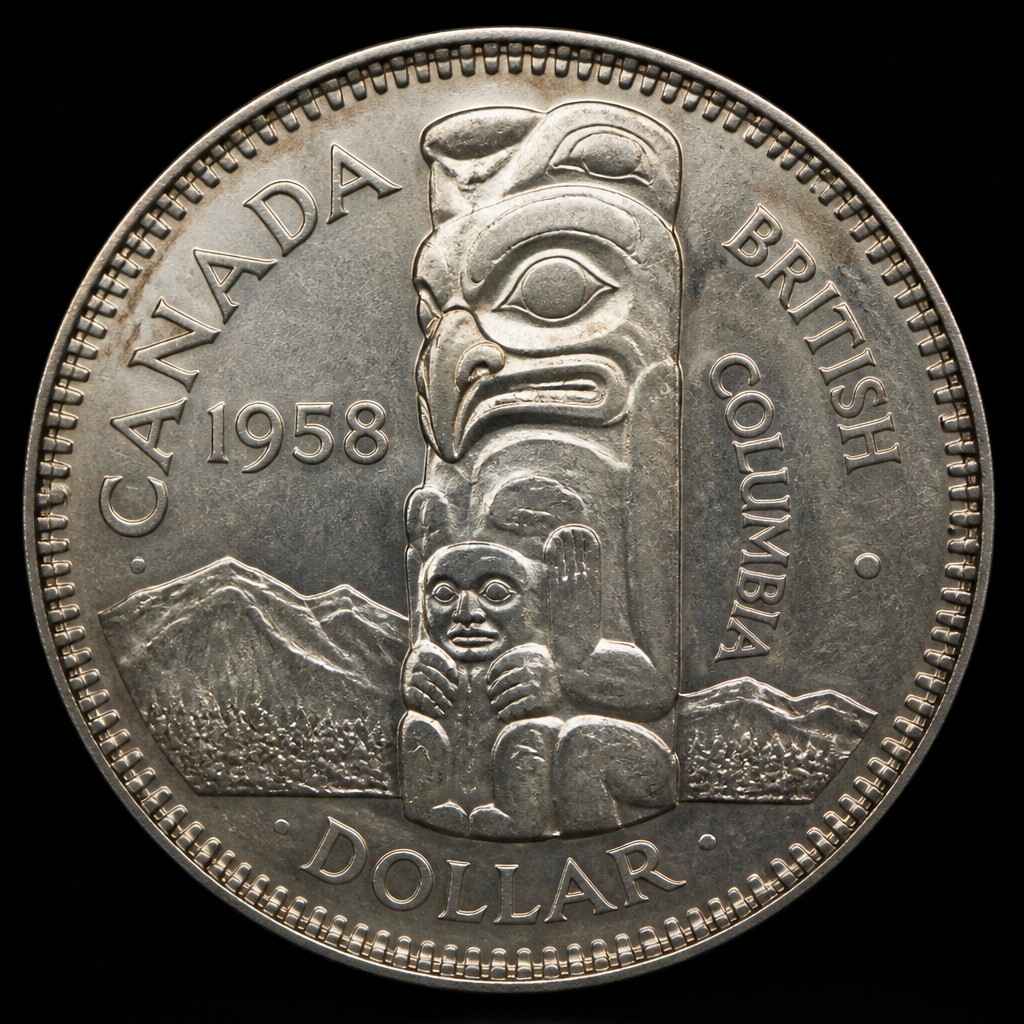
1958 British Columbia Totem Pole Dollar
1958
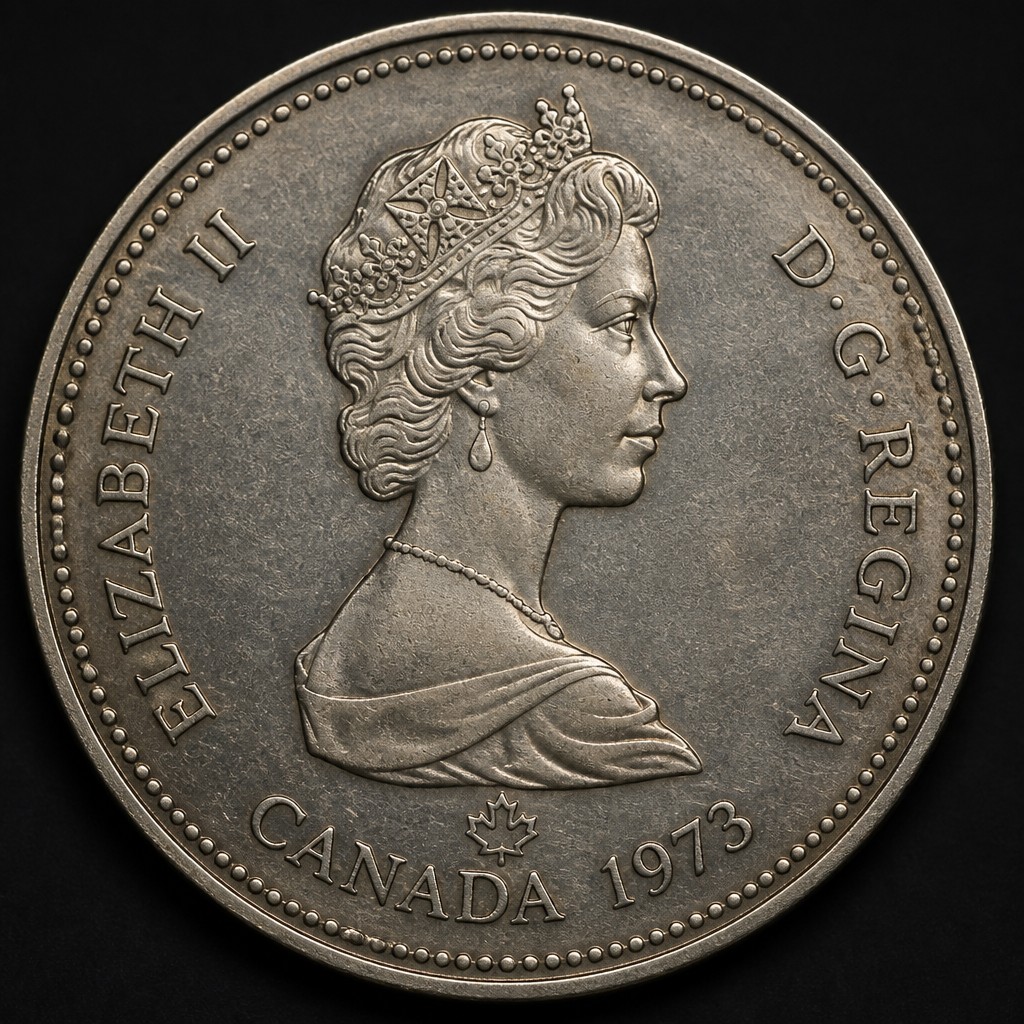
1973 RCMP Centennial Dollar
1973
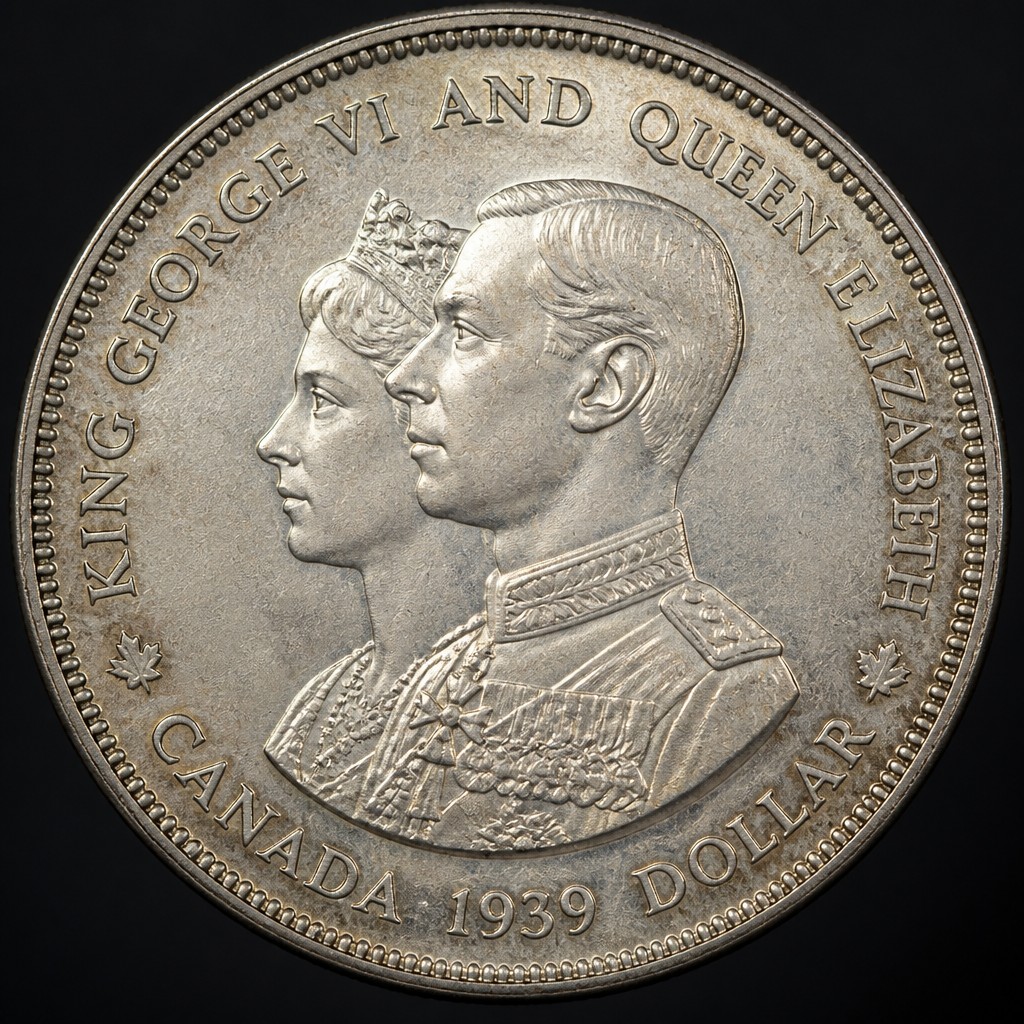
1939 Royal Visit Silver Dollar (Parliament)
1939
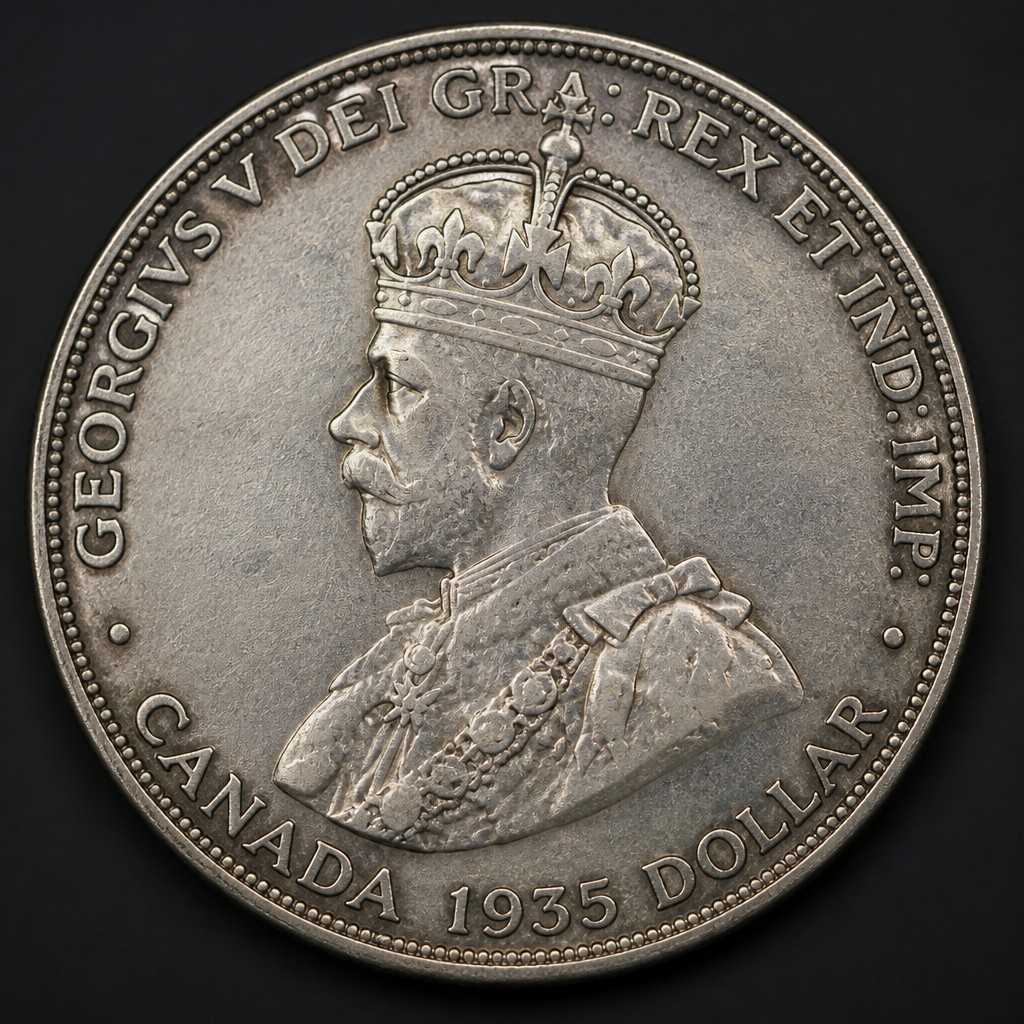
1935 George V Silver Jubilee Dollar (Voyageur)
1935
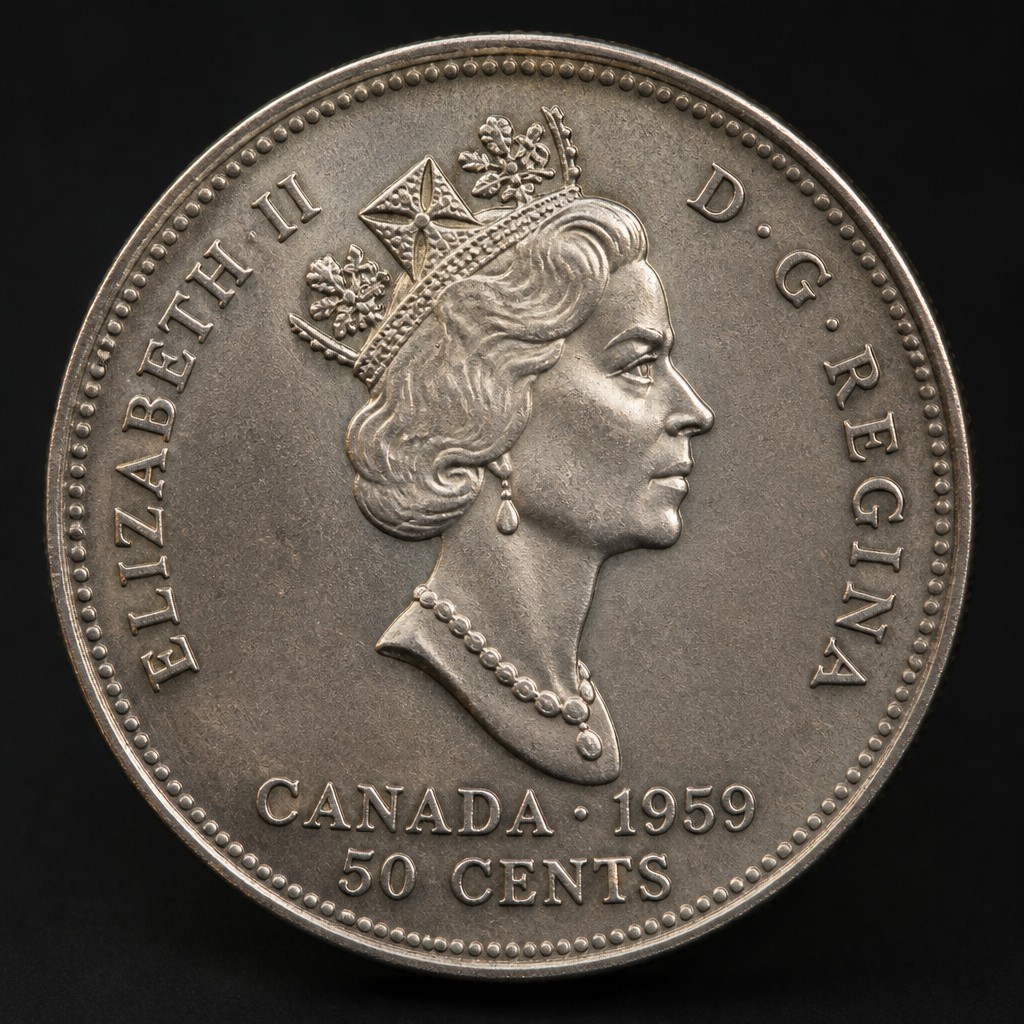
Coat of Arms Fifty Cents (Elizabeth II)
1959–present
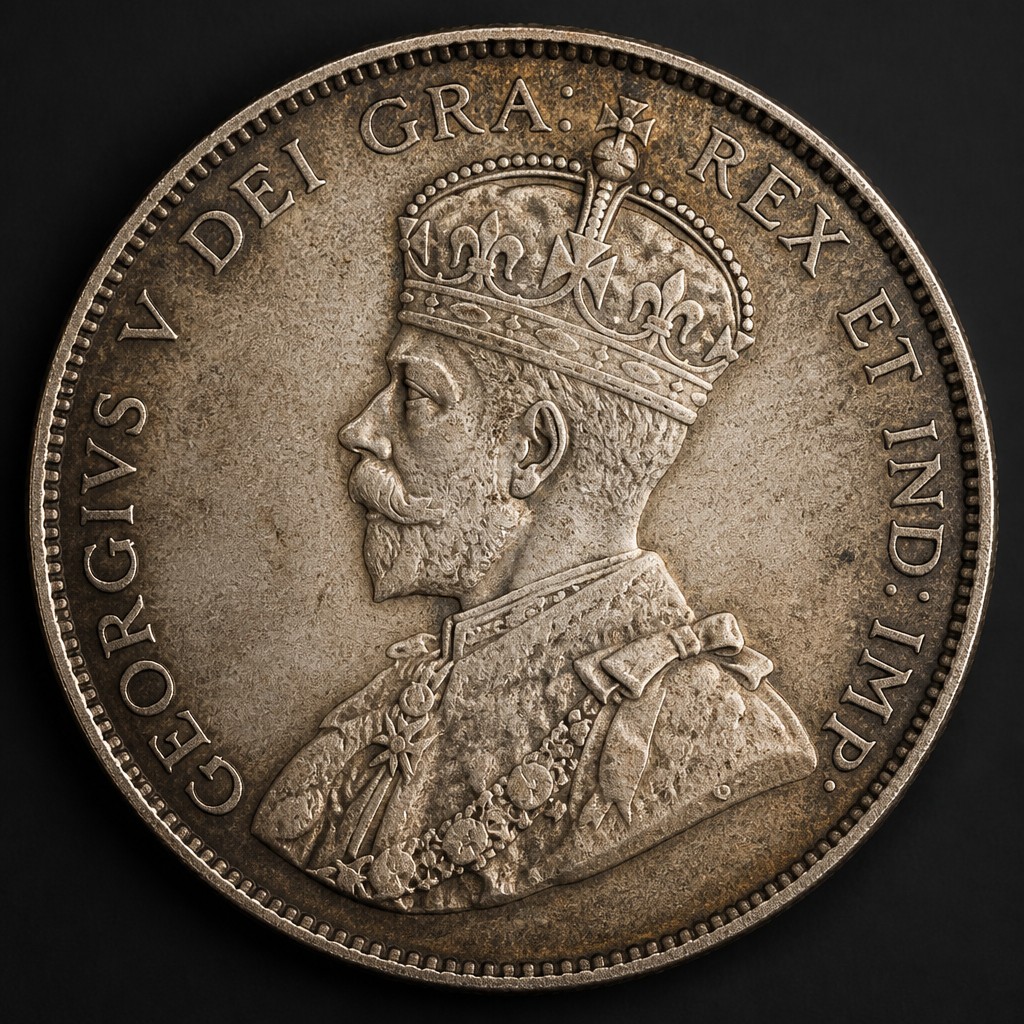
1921 Fifty Cents (King of Canadian Coins)
1921
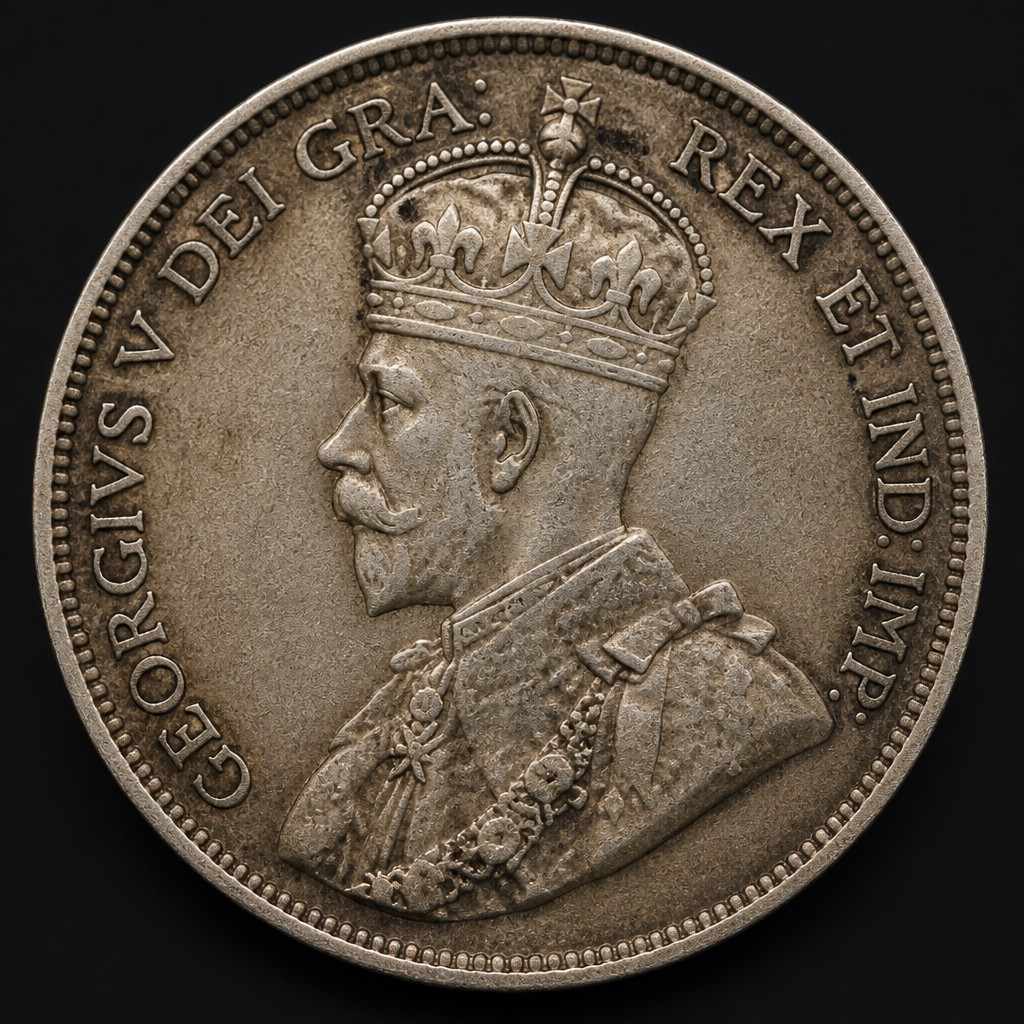
George V Fifty Cents
1911–1936
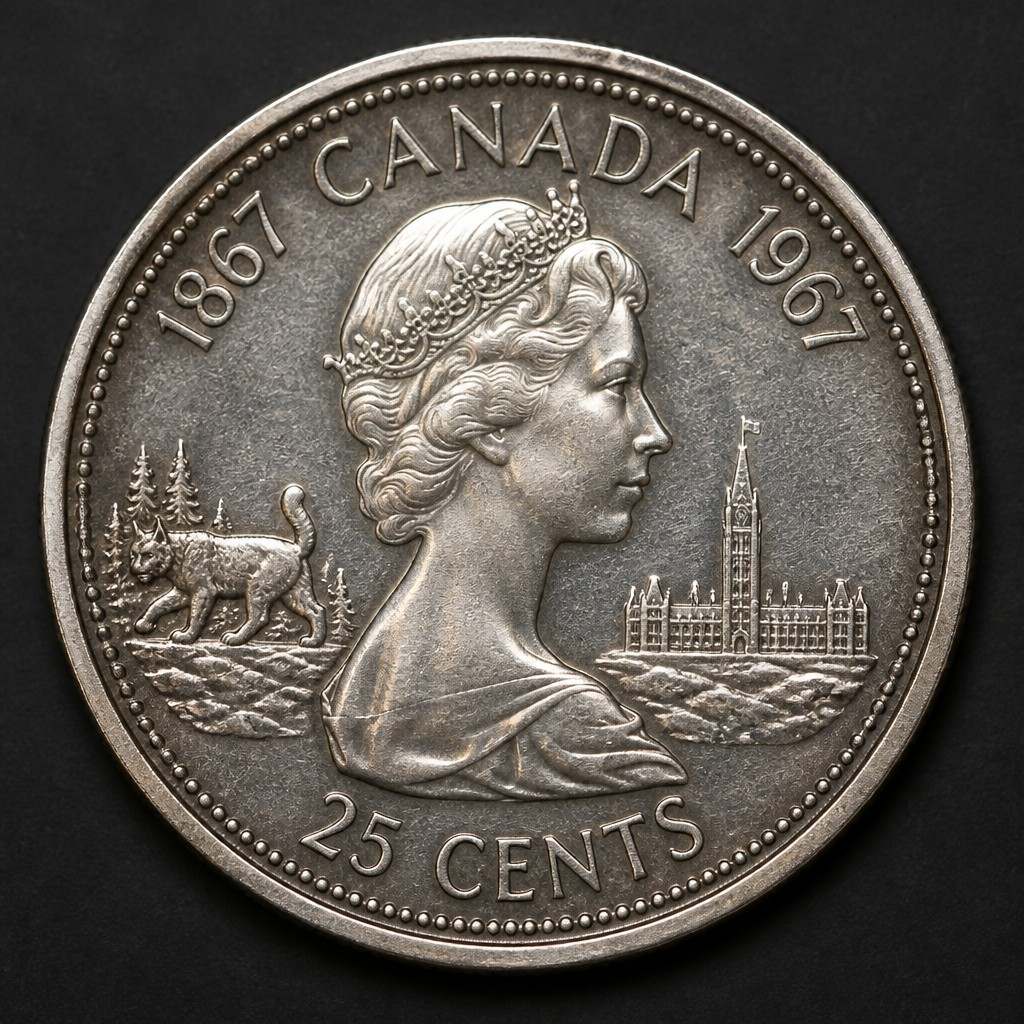
1967 Bobcat Centennial Quarter
1967
Caribou Twenty-Five Cents (quarter)
1937–present