
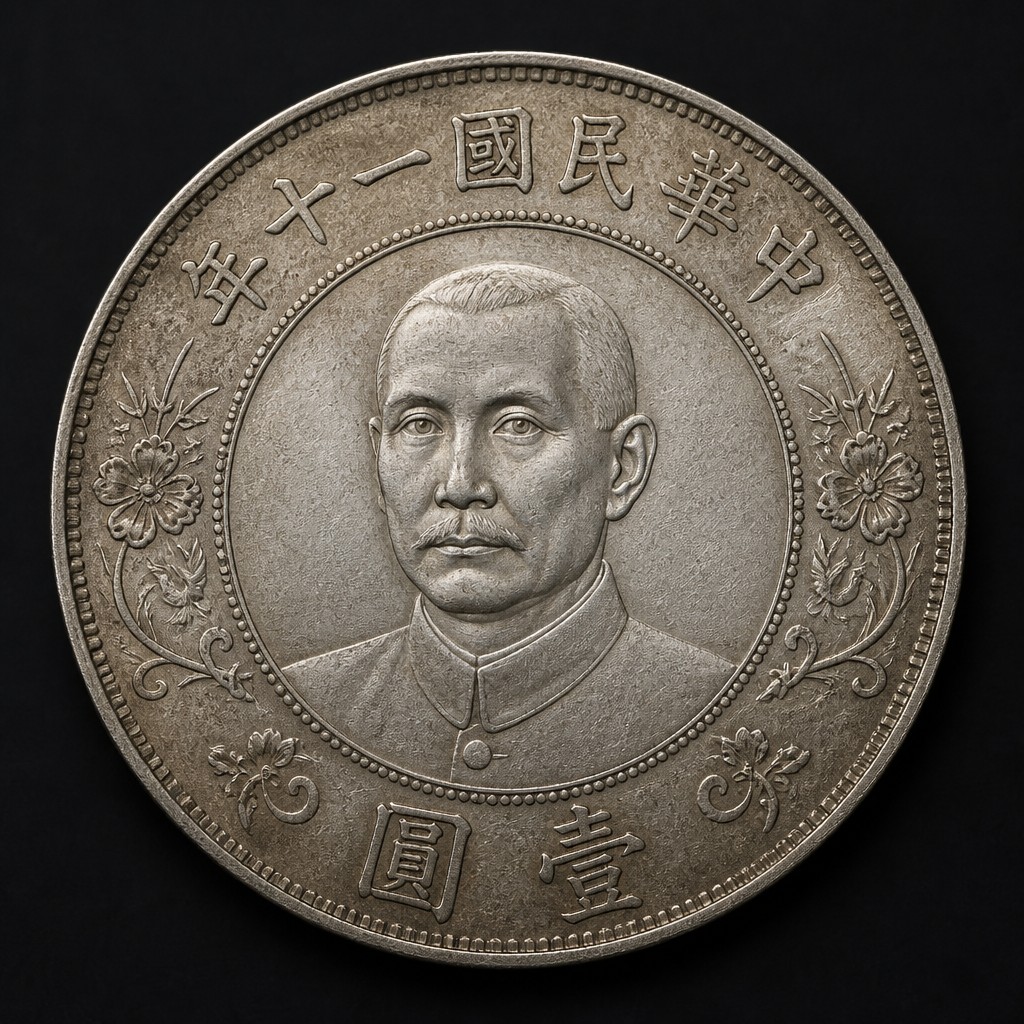
Sun Yat-sen Memorial Dollar (Junk Dollar)
A Republic of China silver dollar honoring founding father Sun Yat-sen, nicknamed the junk dollar for its reverse image of a traditional Chinese sailing ship, a widely collected 1930s Chinese coin.
- Country
- China (Republic of China)
- Denomination
- Dollar (Yuan)
- Metal
- Silver (approx. .880)
Got a coin like this?
Identify any coin from a photo, free.
Overview
The Sun Yat-sen junk dollar is one of the most recognizable Chinese coins of the Republican era, pairing a dignified portrait of revolutionary leader Sun Yat-sen with a scenic reverse showing a Chinese junk under sail. It represented an effort to standardize China's fragmented silver coinage under the young Nationalist government.
Its attractive design and Republican-era history make it a favorite among collectors beginning a collection of Chinese silver dollars.
History & Background
After decades of competing provincial dragon dollars and warlord-era coinages, the Nationalist government of the Republic of China introduced the junk dollar in the early 1930s as part of a currency reform aimed at unifying the nation's silver coinage under central authority.
Struck primarily at the Shanghai mint, the coin honored Dr. Sun Yat-sen, the recently deceased founding father of the Republic, whose portrait had already become a familiar feature on Chinese coins and stamps commemorating the 1911 revolution.
How to Identify
The obverse shows a left-facing portrait bust of Sun Yat-sen, with Chinese characters identifying the Republic of China and the year of issue by the Chinese republican calendar.
The reverse depicts a three-masted junk sailing on open water beneath a rising sun, with a flock of birds above on most varieties, and the denomination given as one dollar or its Chinese equivalent. Several die varieties are distinguished by the number of birds, the presence or absence of sun rays, and other small design differences between the 1932, 1933, and 1934 issues, which collectors track closely.
Value & Collectibility
Junk dollars are common enough in worn condition to serve as an affordable, popular introduction to Republican Chinese coinage, but certain varieties, such as specific bird arrangements or particular mint years, are considerably scarcer and can command a substantial premium.
High-grade uncirculated examples of any variety are also disproportionately valuable compared to typical circulated pieces, so both variety identification and condition matter greatly to value.
Frequently asked questions
Why is it called the junk dollar?
It gets its nickname from the traditional Chinese sailing ship, called a junk, depicted on the coin's reverse.
Who is shown on the obverse?
The obverse portrays Dr. Sun Yat-sen, widely regarded as the founding father of the Republic of China.
Do all junk dollars look the same?
No, several varieties exist with differences such as the number of birds above the junk or the presence of sun rays, which collectors distinguish carefully.
Are junk dollars valuable?
Common varieties in worn condition are quite affordable, while rarer varieties and high-grade examples can be considerably more valuable.
Other coins you may enjoy
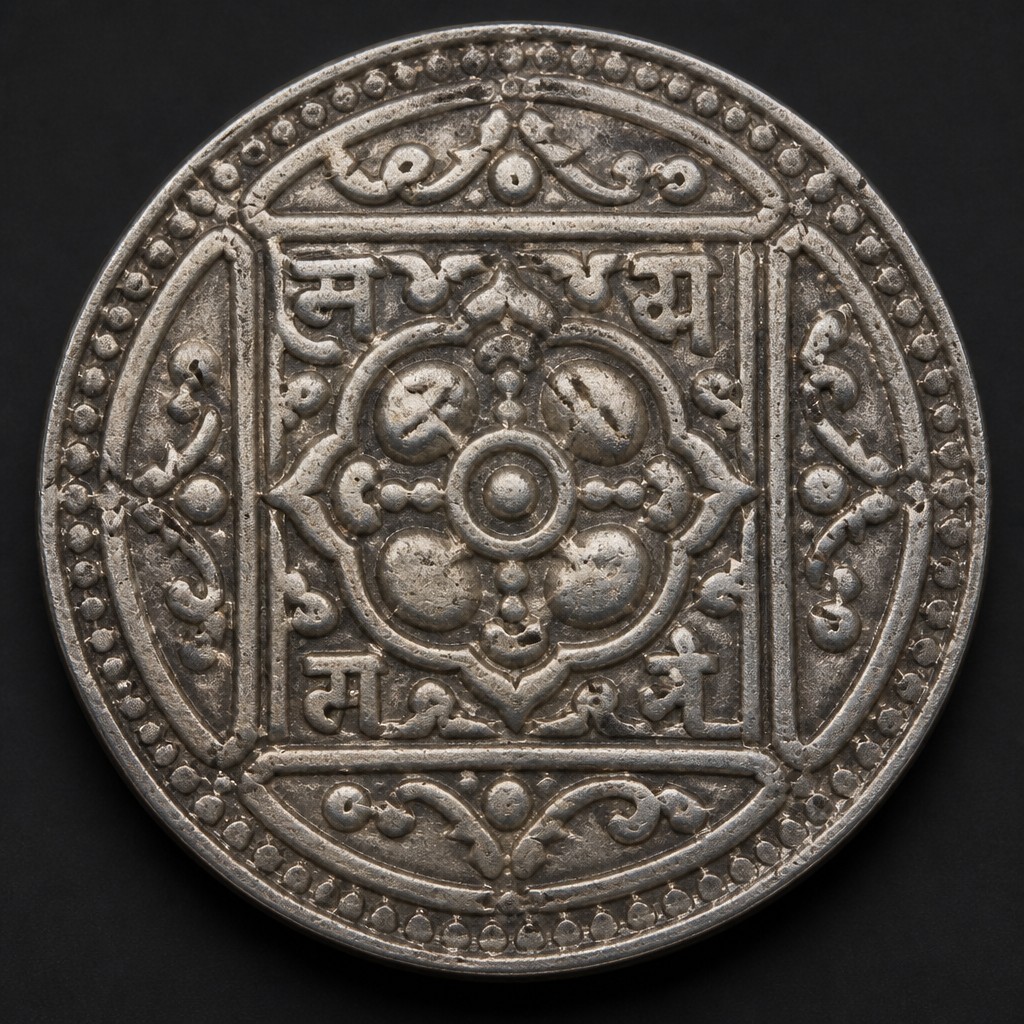
Nepal Silver Mohar
c. 16th–19th century
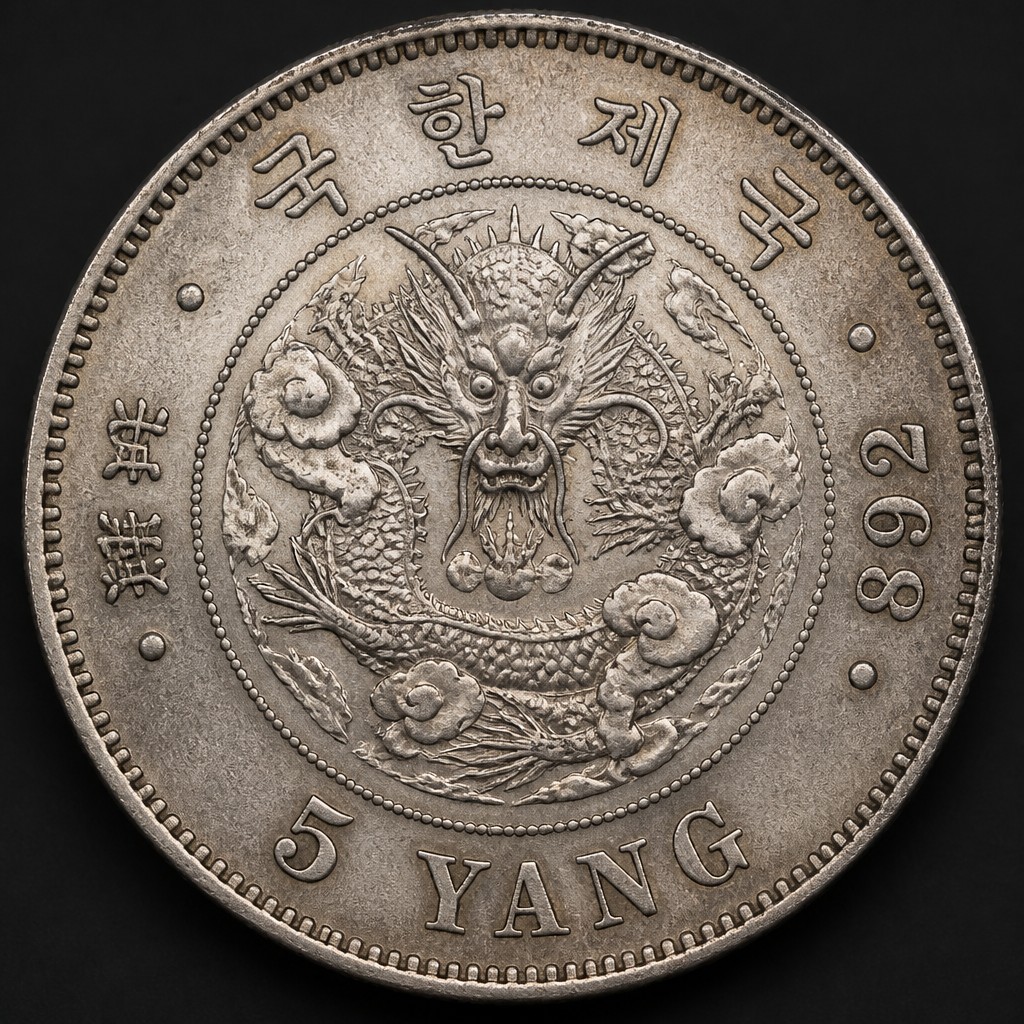
Korean 5 Yang Silver Dollar (1892)
1892
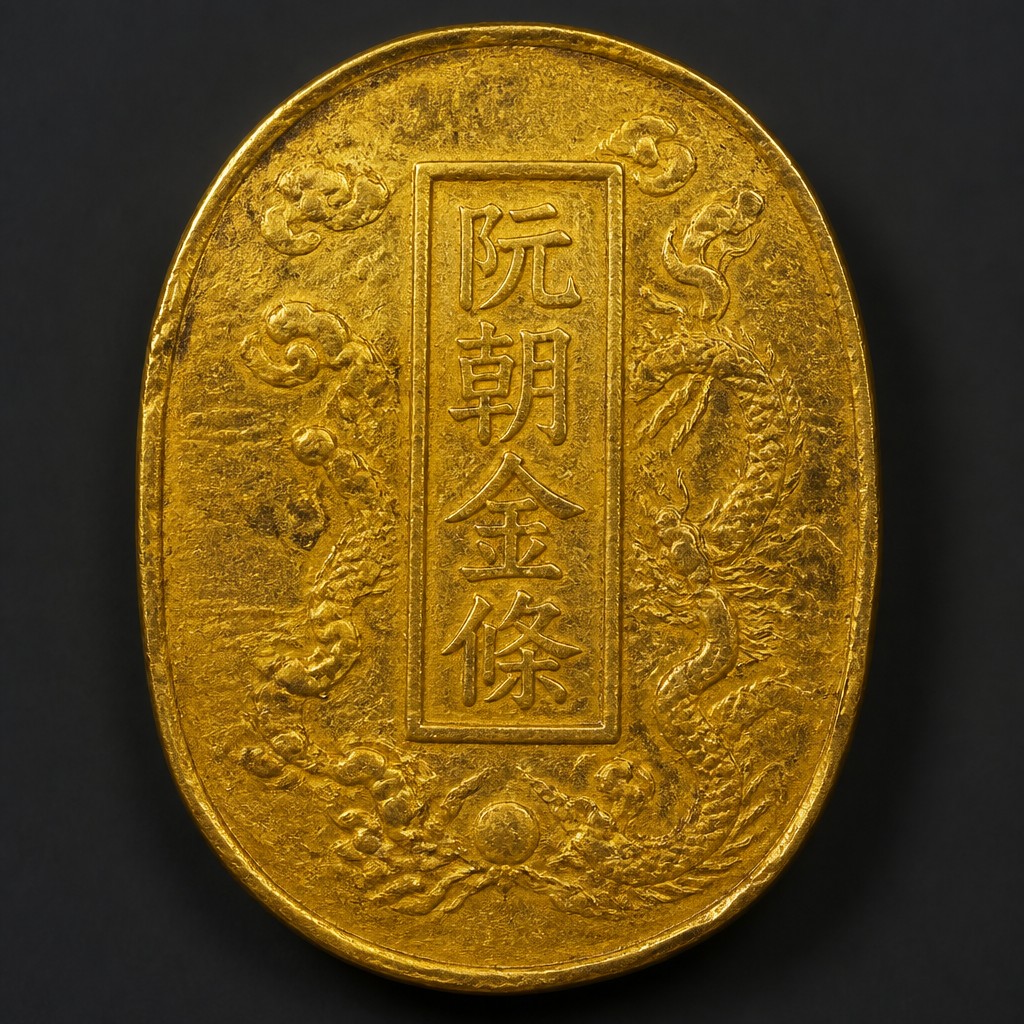
Nguyen Dynasty Gold Bar (Vietnam)
19th century
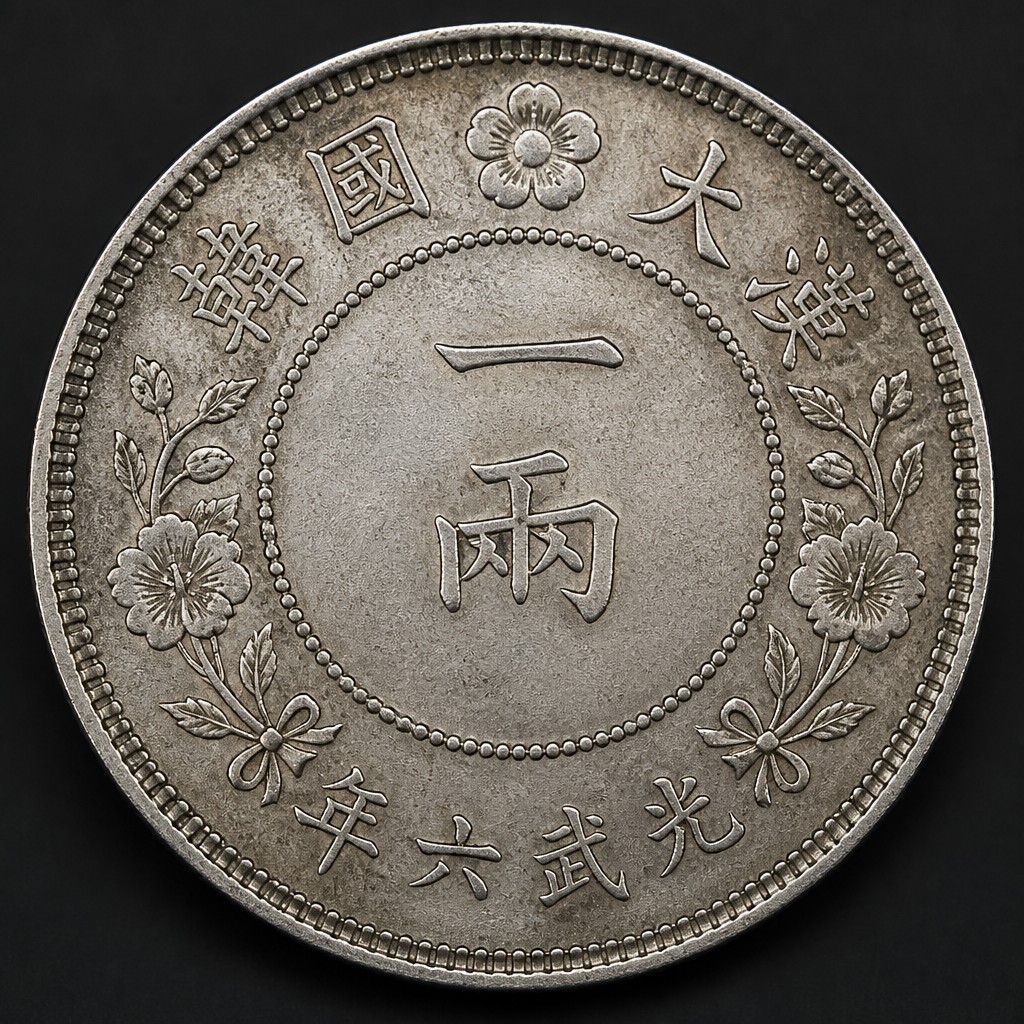
Korean 1 Yang Silver (Joseon/Great Han Empire)
1892–1902
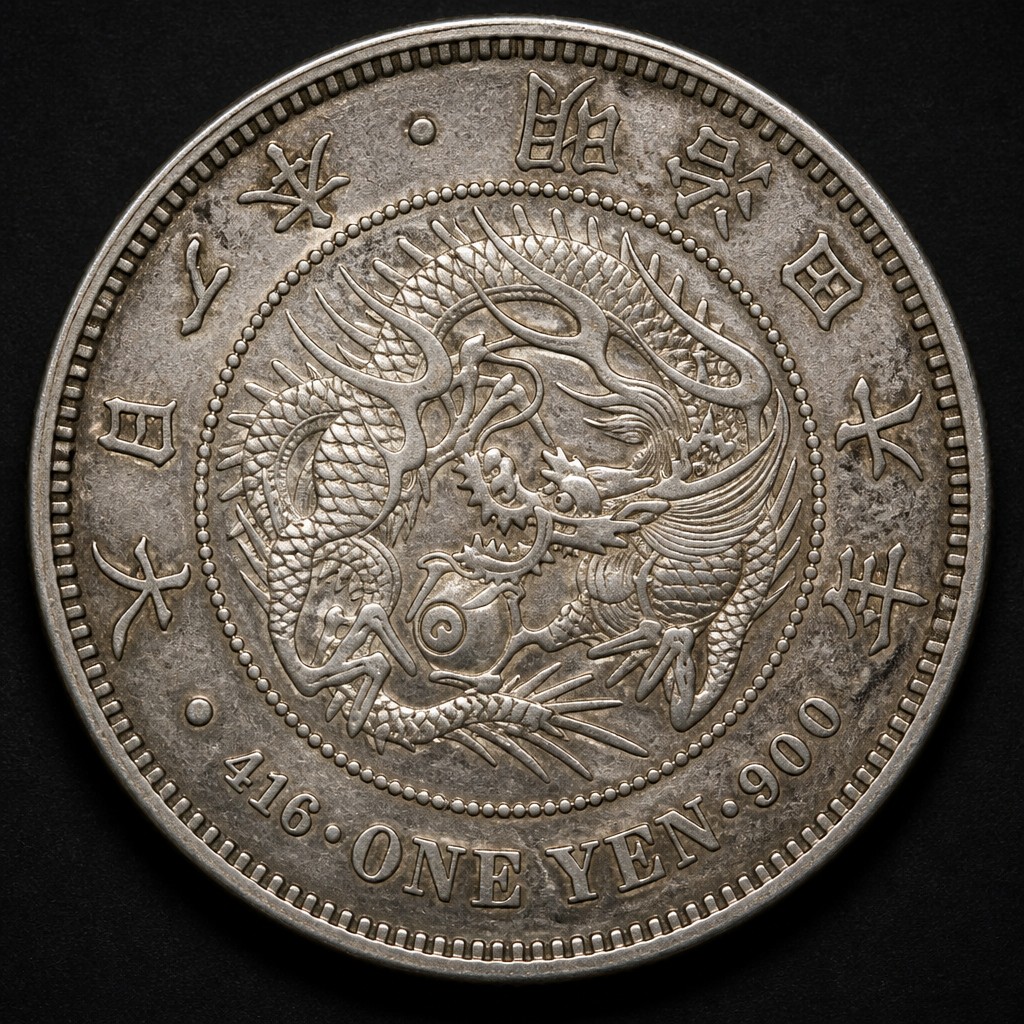
Japanese 1 Yen Silver 'Dragon' Trade Dollar
1870–1914 (trade dollar variant 1875–1877)
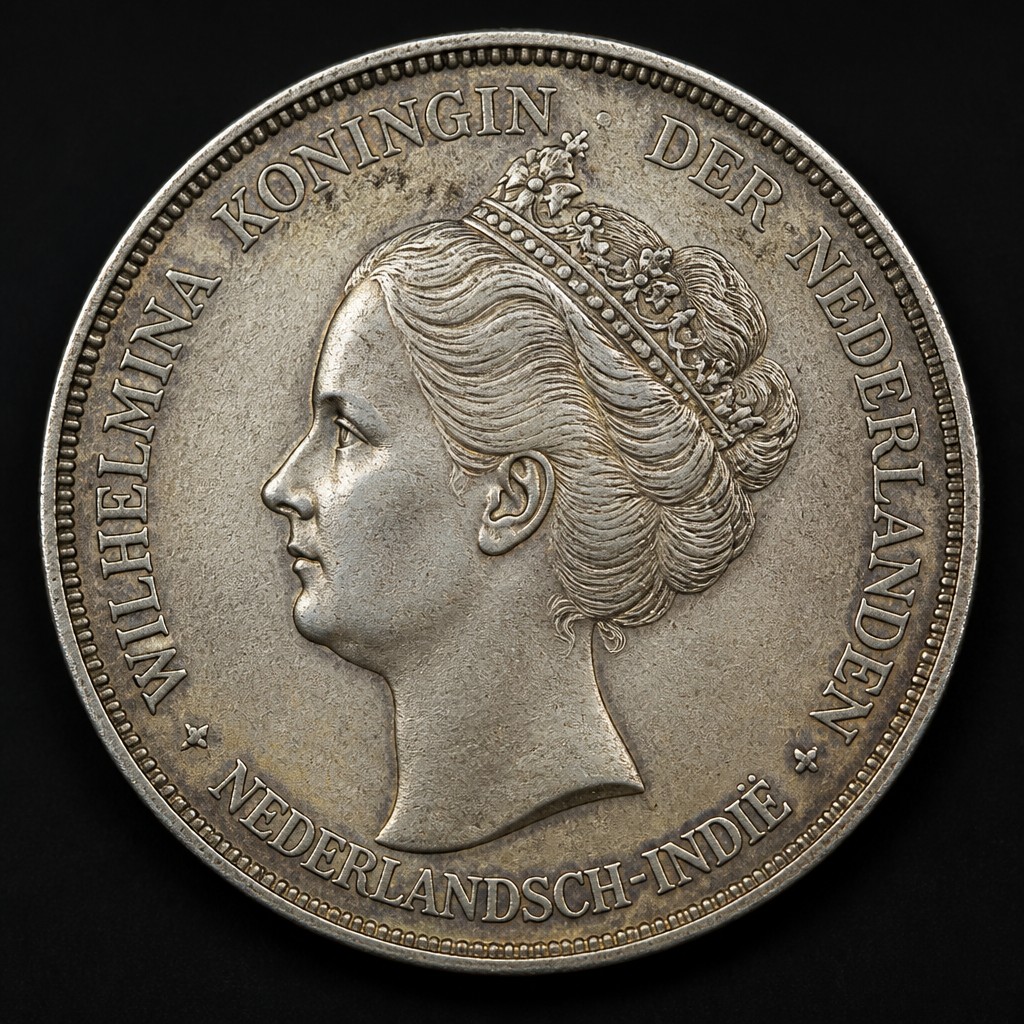
Netherlands East Indies Gulden (Wilhelmina)
1897–1945
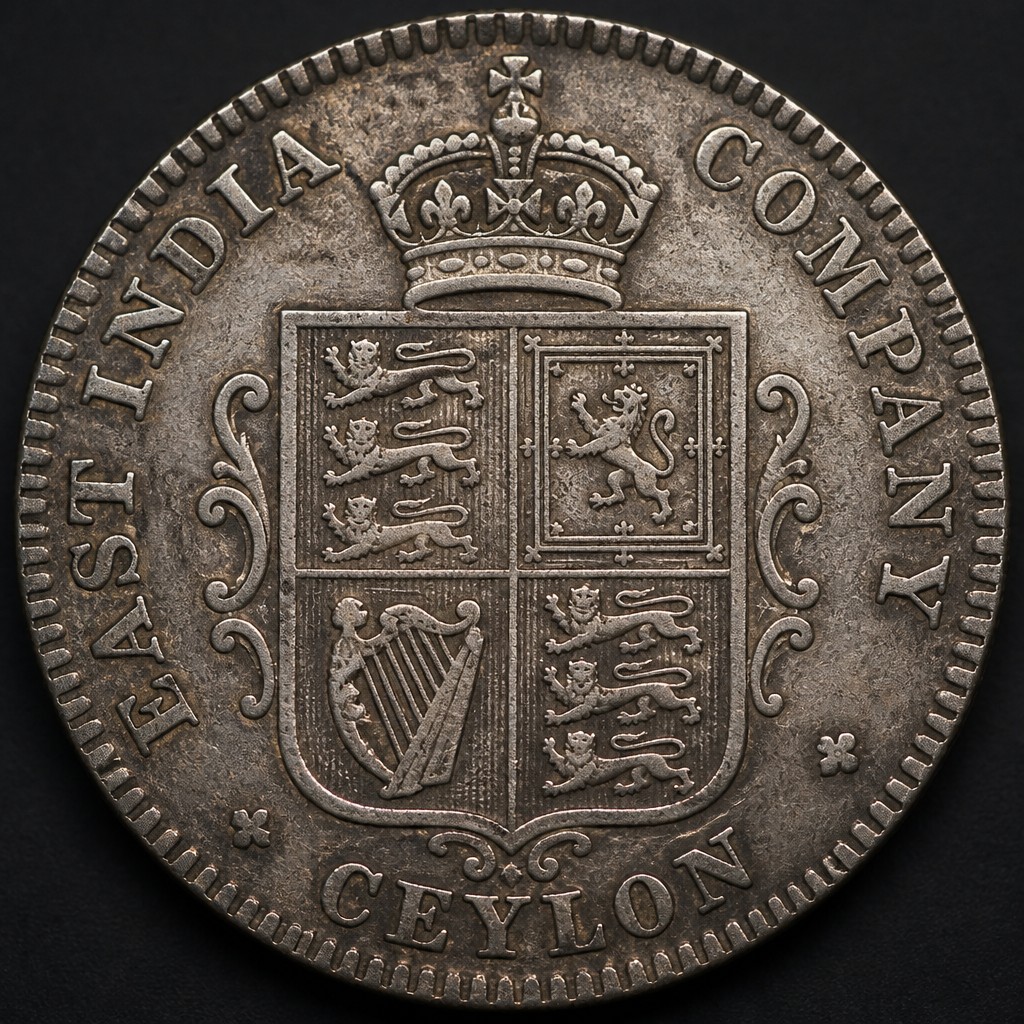
Ceylon (Sri Lanka) EIC Rixdollar
c. 1802–1821
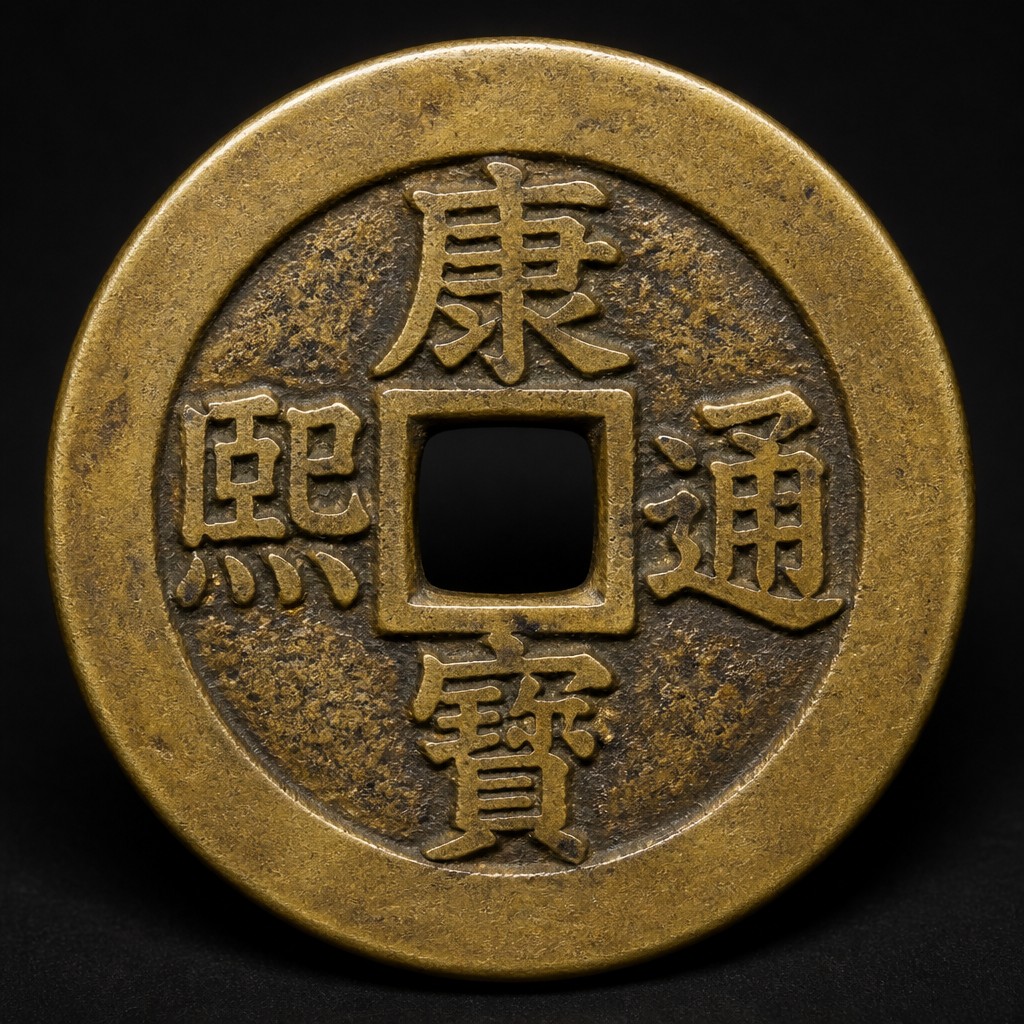
Chinese Cash Coin (Qing Dynasty 'Kangxi Tongbao')
1662–1722
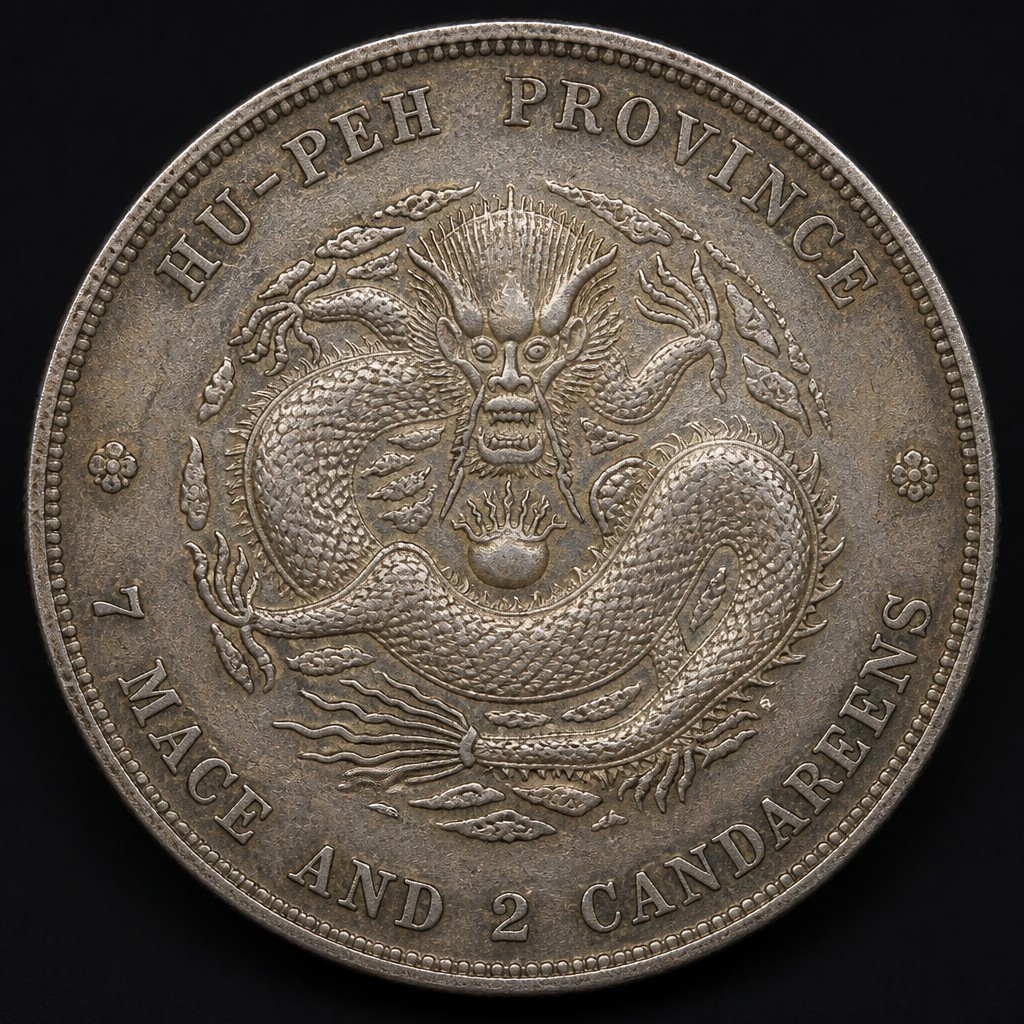
Chinese Hupeh Province Dragon Dollar
c. 1895–1909
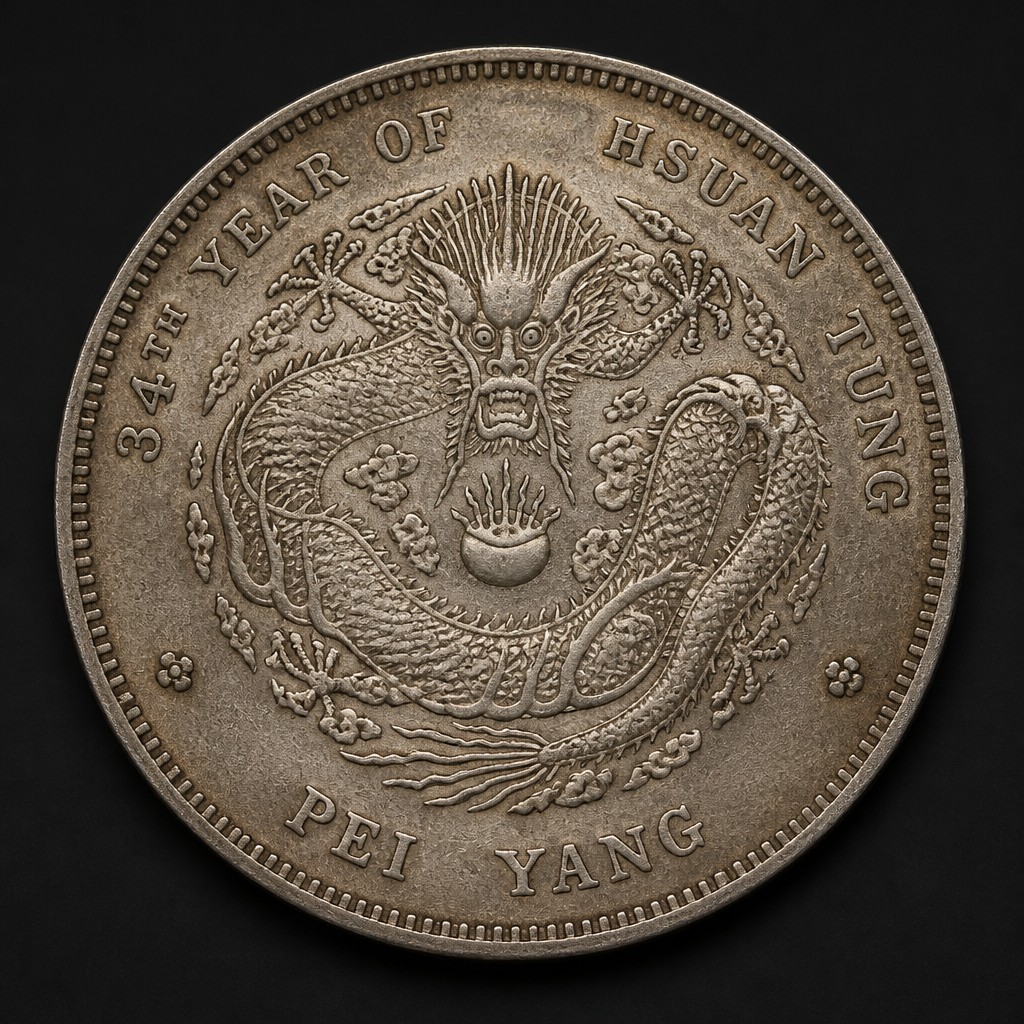
Chinese Empire Silver Dollar (Hsuan Tung Dragon)
1909–1911
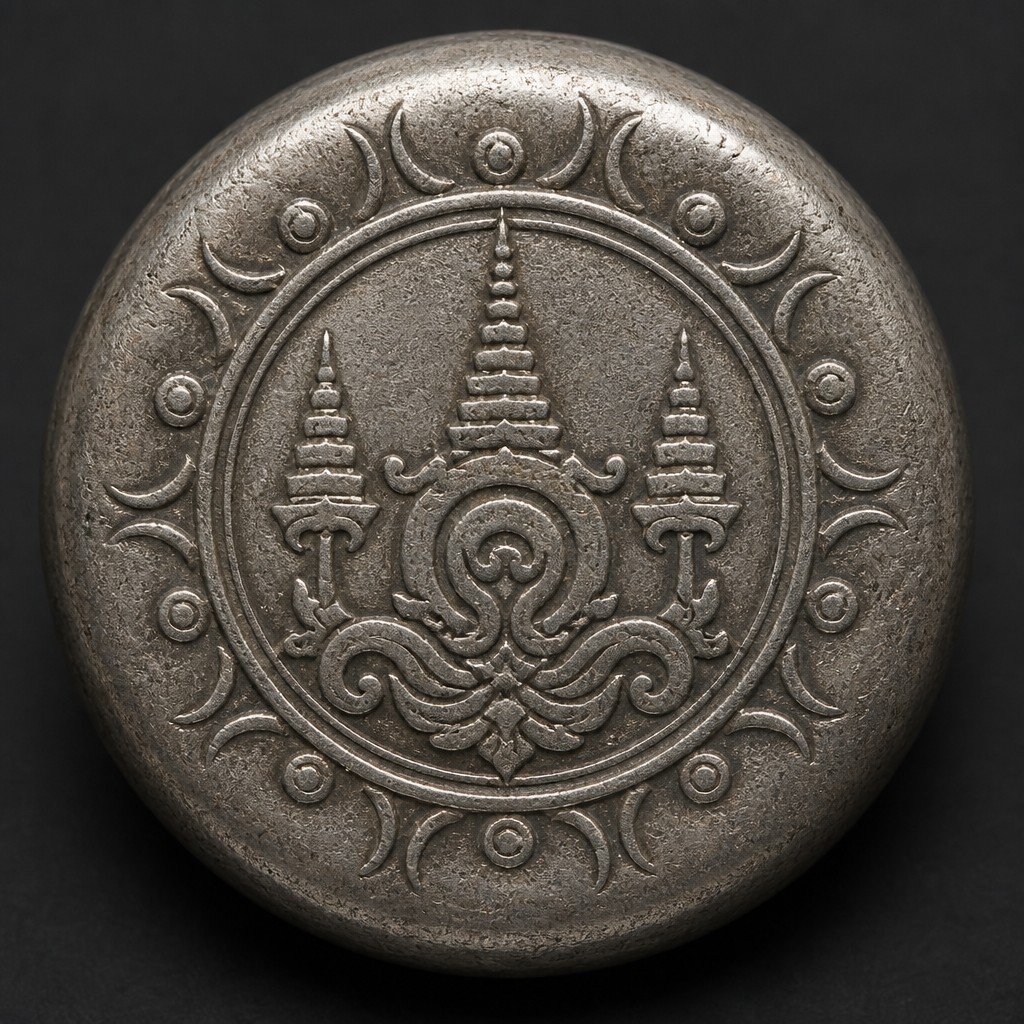
Thailand (Siam) Silver Baht 'Bullet Money' (Pod Duang)
c. 13th century – late 19th century
Yuan Shikai 'Fatman' Dollar (1914)
Dated 1914, struck into the early 1920s