
Coin Encyclopedia
Search and identify coins from around the world — with country, denomination, metal, mint, history, and how to tell them apart.
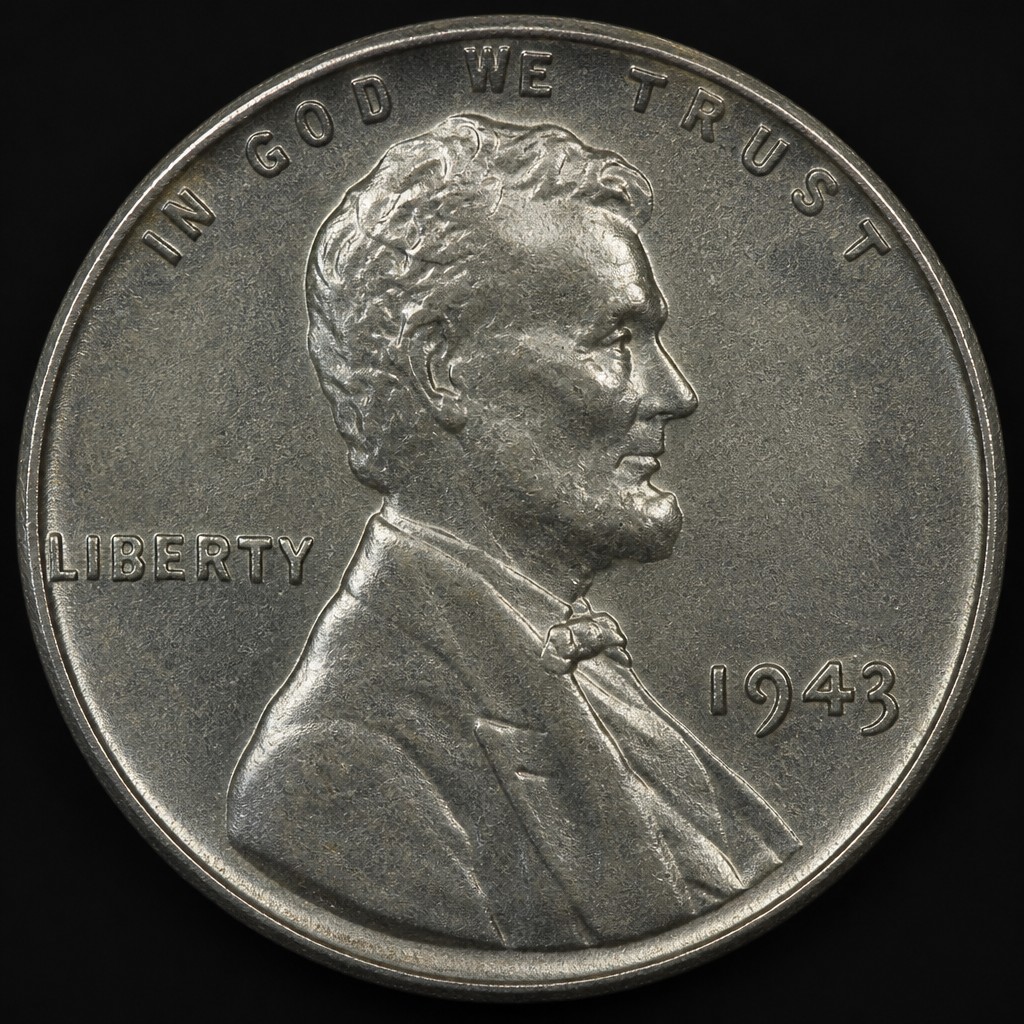
1943 Steel Cent
A one-year-only zinc-coated steel cent struck to conserve copper for World War II ammunition and equipment production, easily recognized by its silvery color.
United States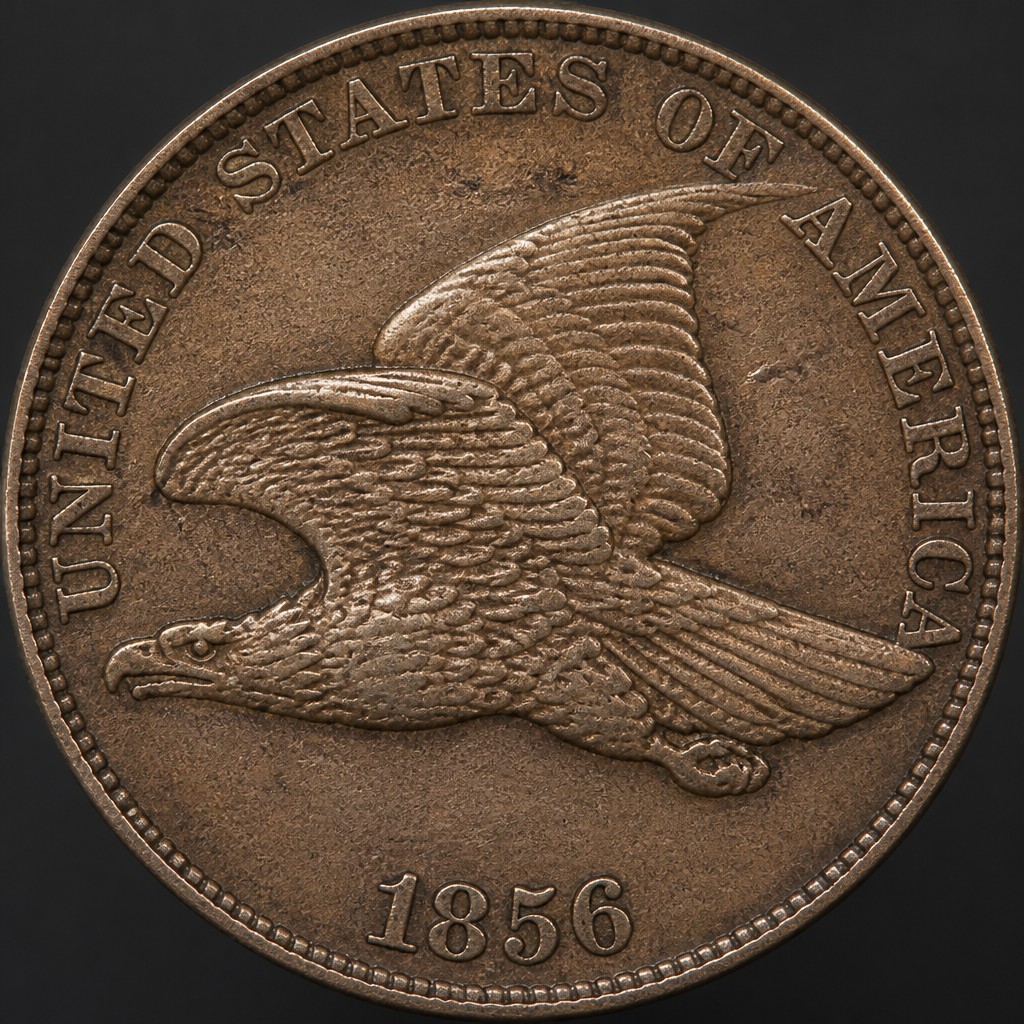
Flying Eagle Cent
The first small-size U.S. cent, introduced in 1856 to replace the large copper cent, featuring a flying eagle obverse designed by James B. Longacre.
United States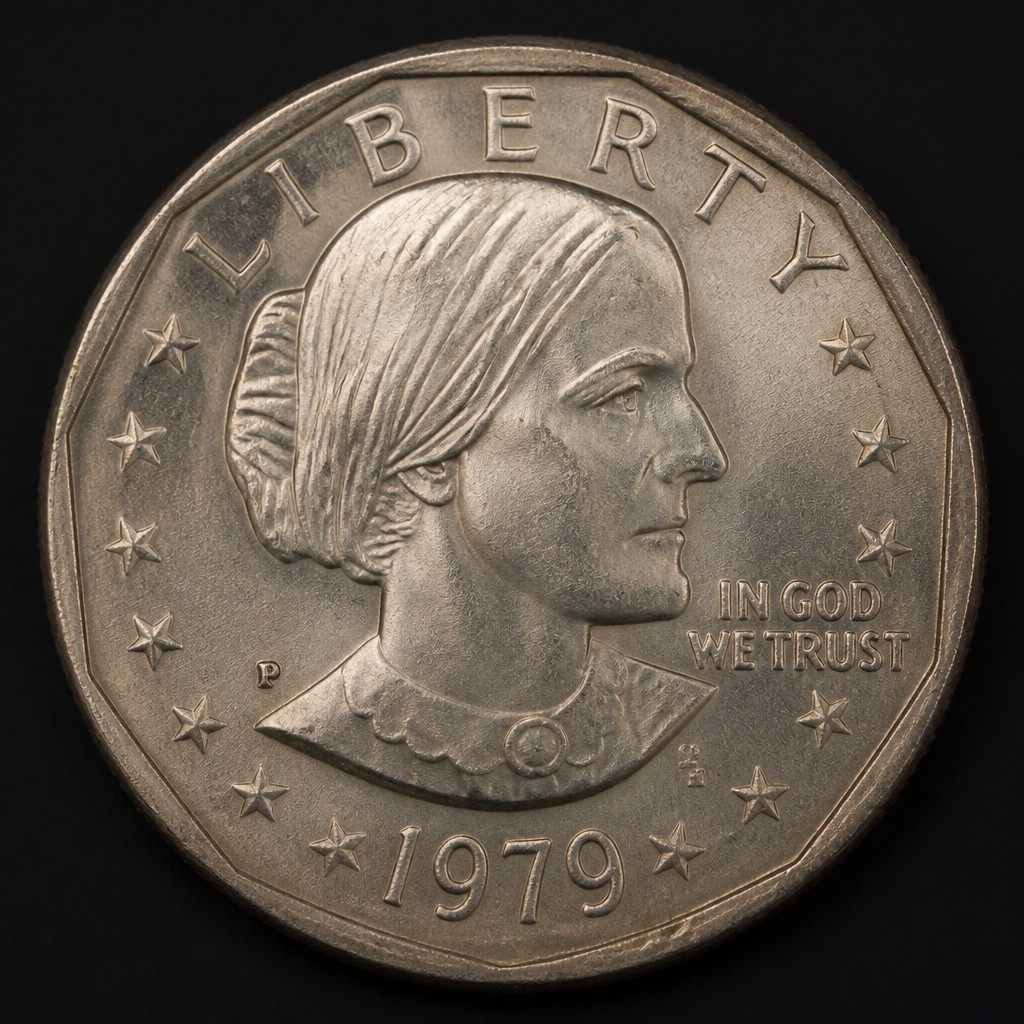
Susan B. Anthony Dollar
A small-size dollar coin honoring women's suffrage leader Susan B. Anthony, notable as the first U.S. coin to depict a specific historical American woman.
United States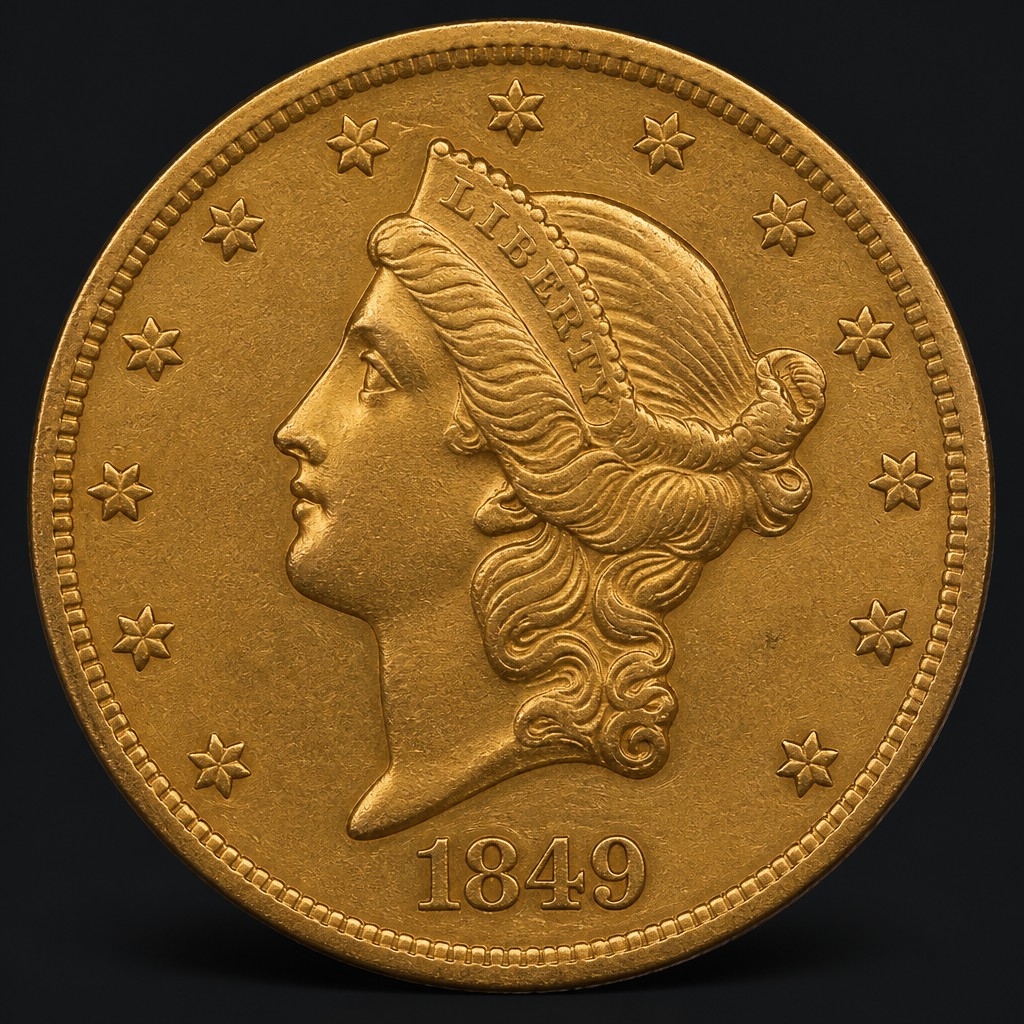
Liberty Head Double Eagle
A large gold twenty-dollar coin featuring Liberty's coronet-crowned head, struck for decades amid the California Gold Rush and westward mint expansion.
United States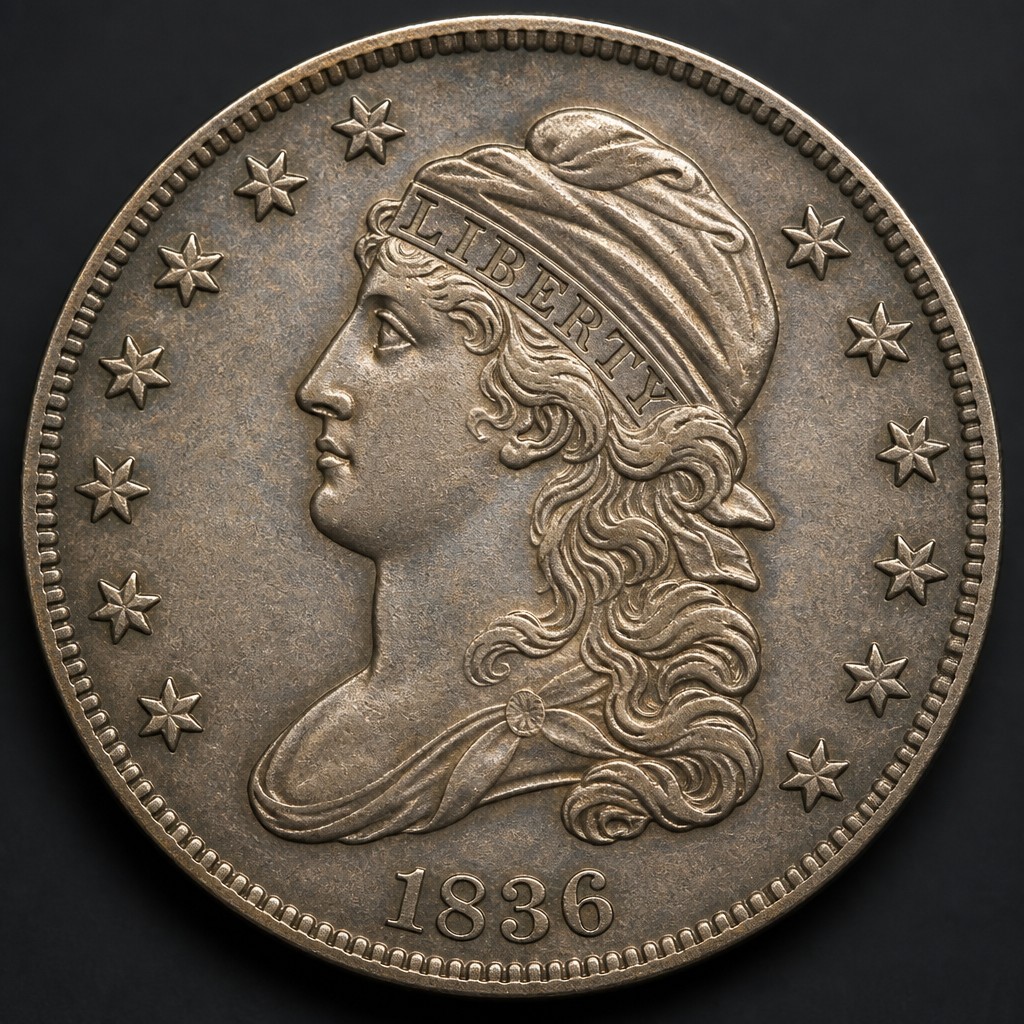
Gobrecht Dollar
A transitional silver dollar designed by Christian Gobrecht featuring a seated Liberty obverse and a flying eagle reverse, bridging older and newer designs in U.S. coinage.
United States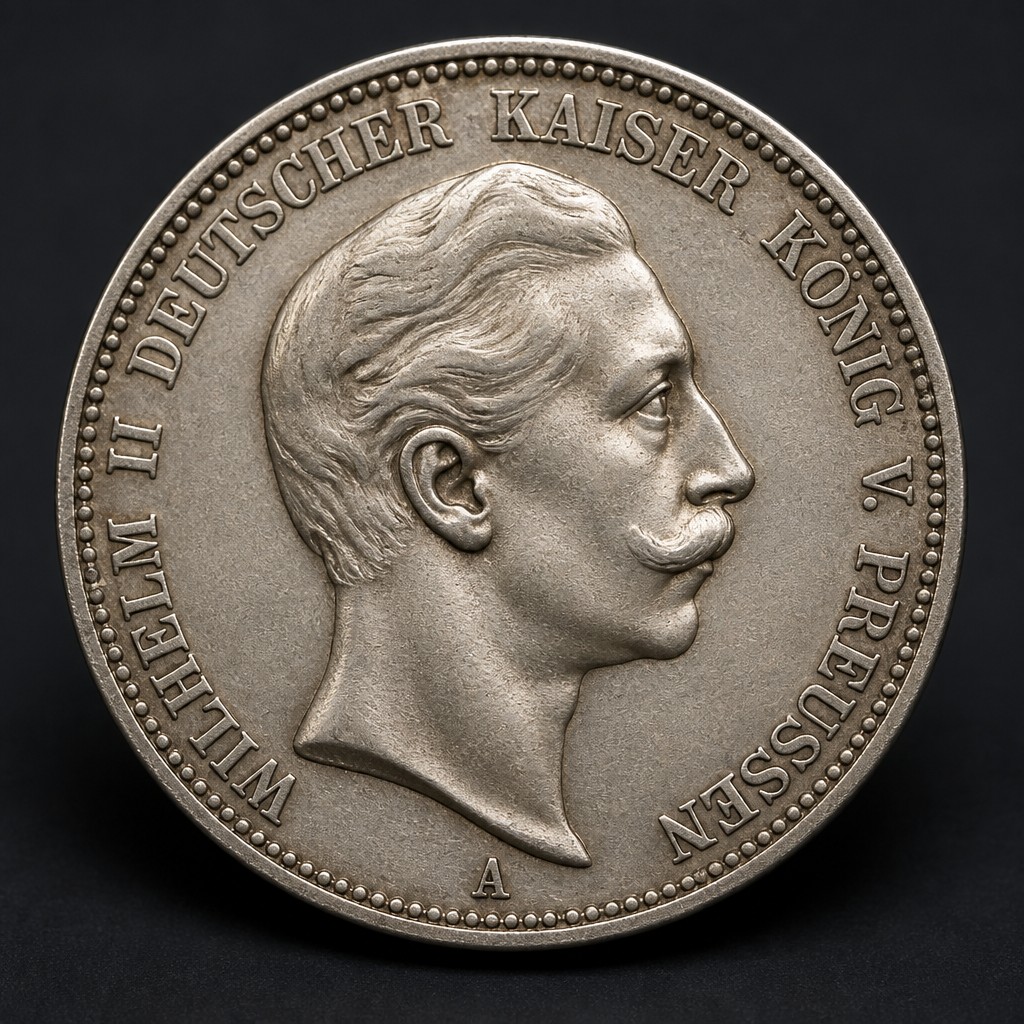
German 3 Mark Silver
A large silver coin of Imperial Germany, issued by the various constituent states with distinct rulers' portraits and commemorative designs.
European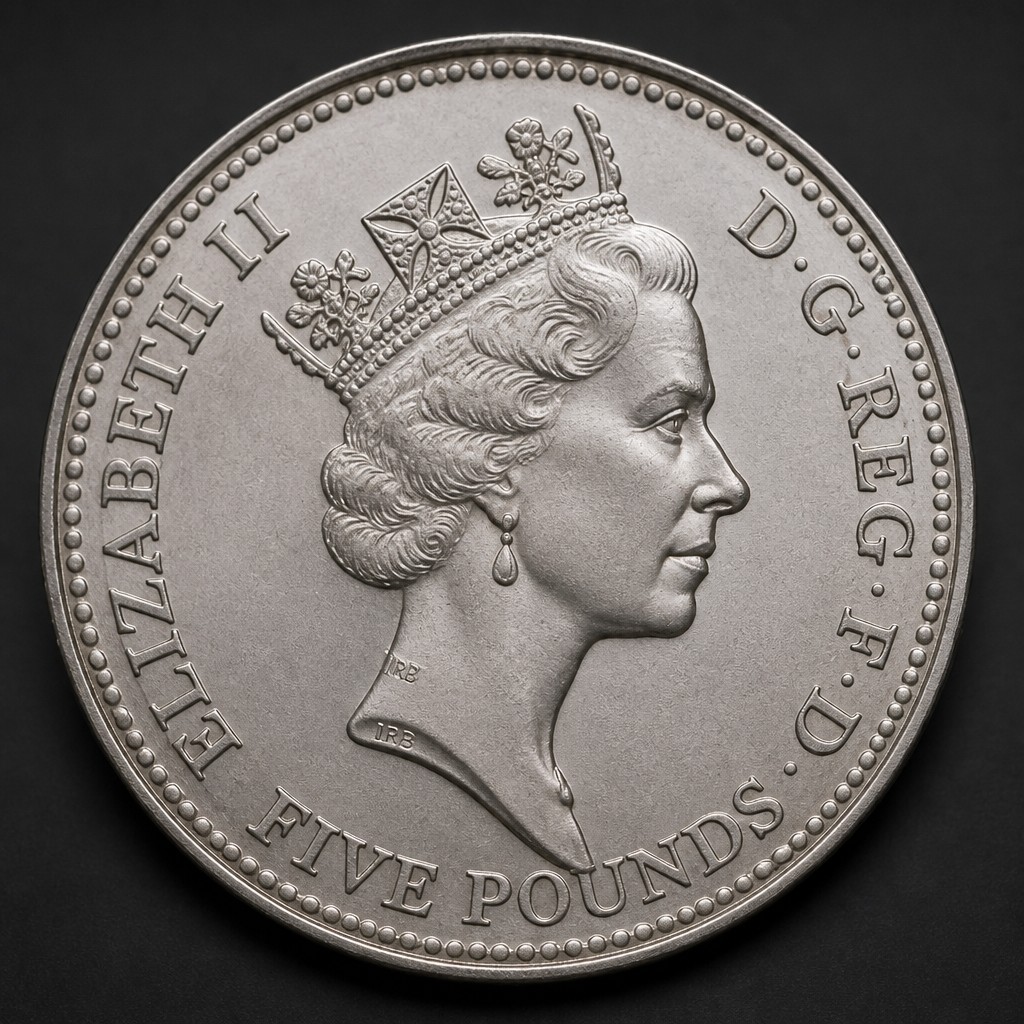
Royal Mint £5 Crown Commemorative
The modern British £5 coin descends from the historic crown and is issued almost exclusively for commemorative purposes, marking royal events, anniversaries, and national milestones.
Commemorative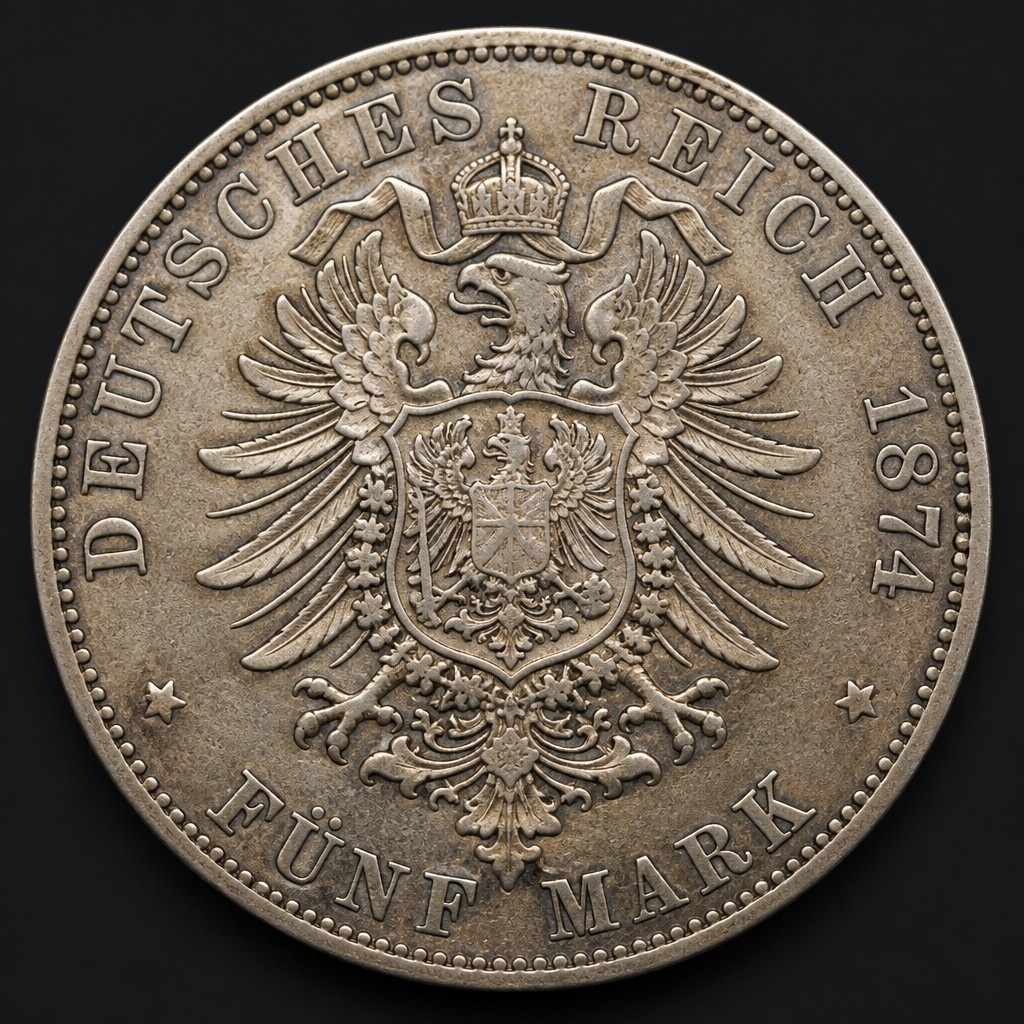
German Empire 5 Mark
A large silver crown of Imperial Germany bearing the portrait or arms of individual constituent states, unified under a common eagle reverse after German unification in 1871.
European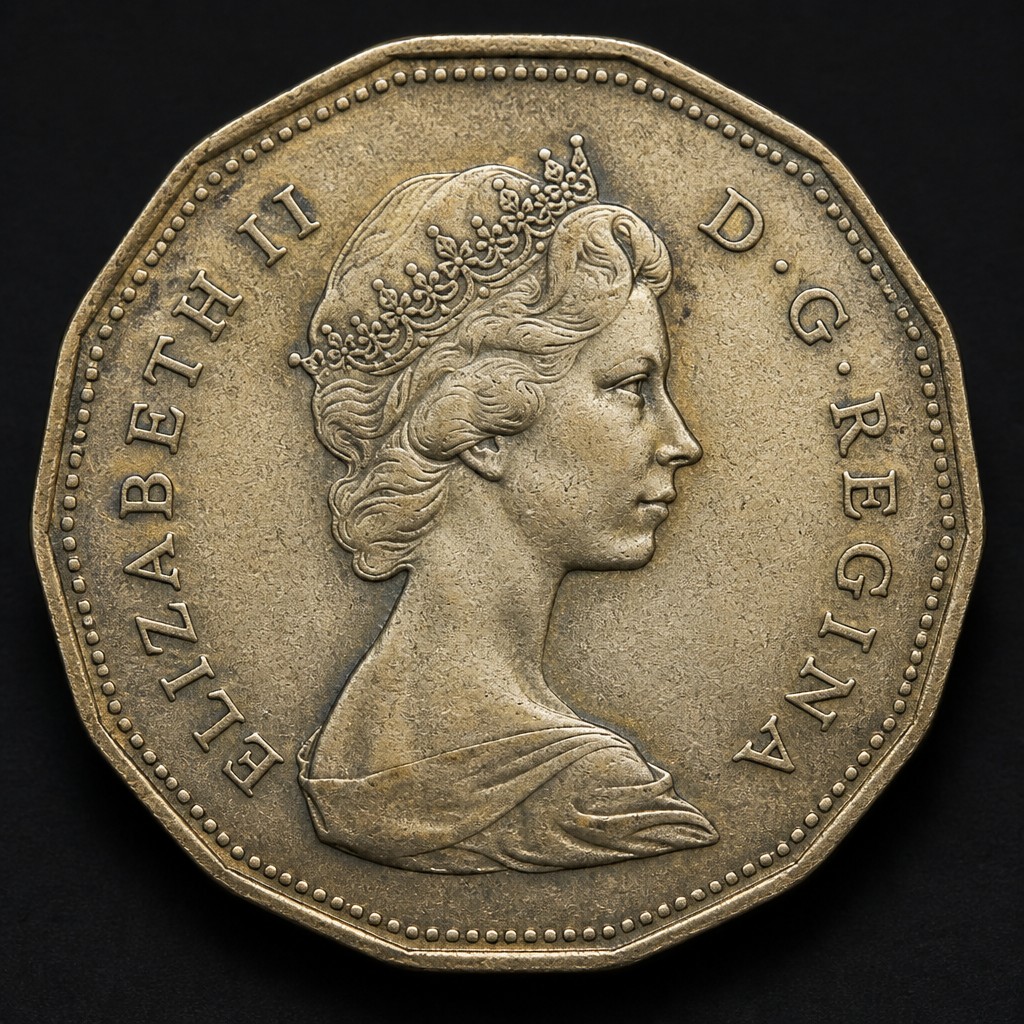
Threepence
A small British coin worth three pence, issued first as a tiny silver piece and later as the distinctive 12-sided brass 'threepenny bit' beloved for its unusual shape.
British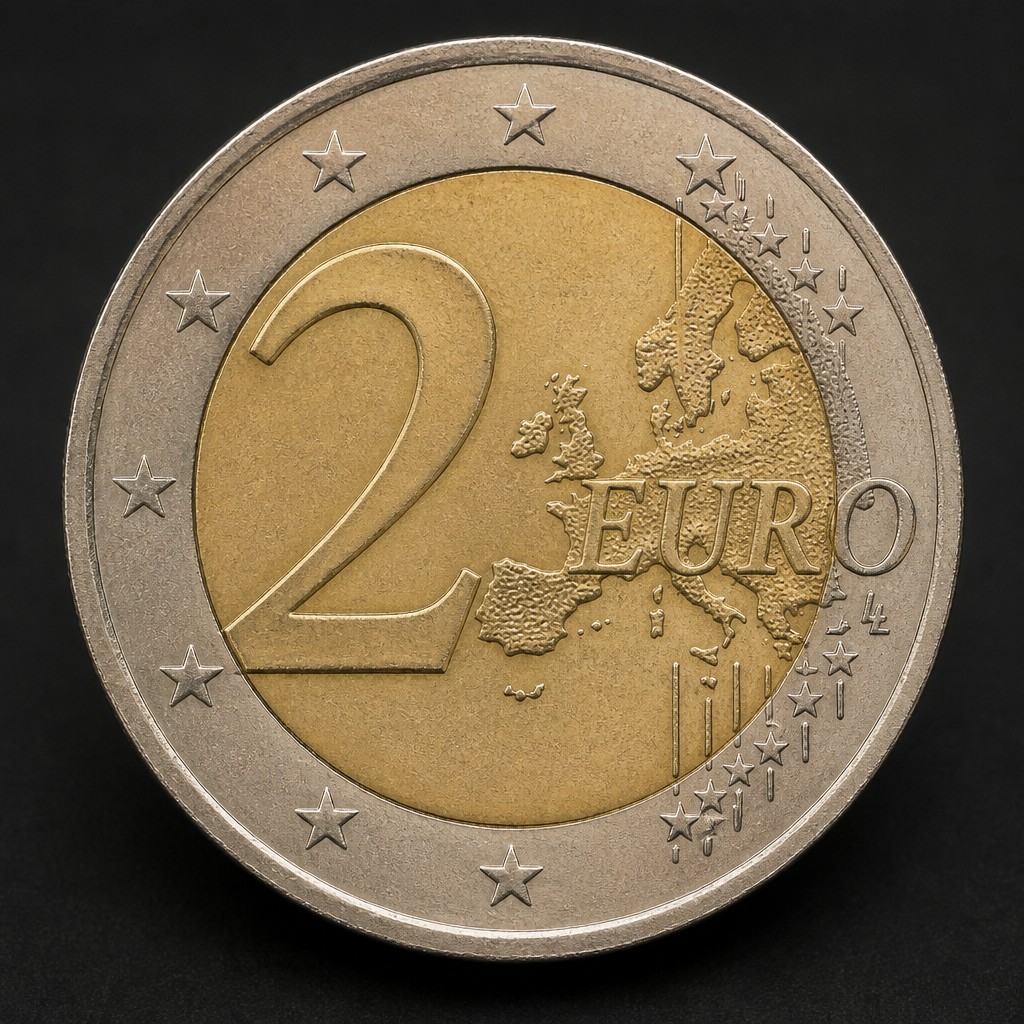
Euro €2 Commemorative Coins
Since 2004, Eurozone countries have issued special-design €2 coins commemorating anniversaries and events while keeping the coin's normal size, weight, and legal-tender status.
Commemorative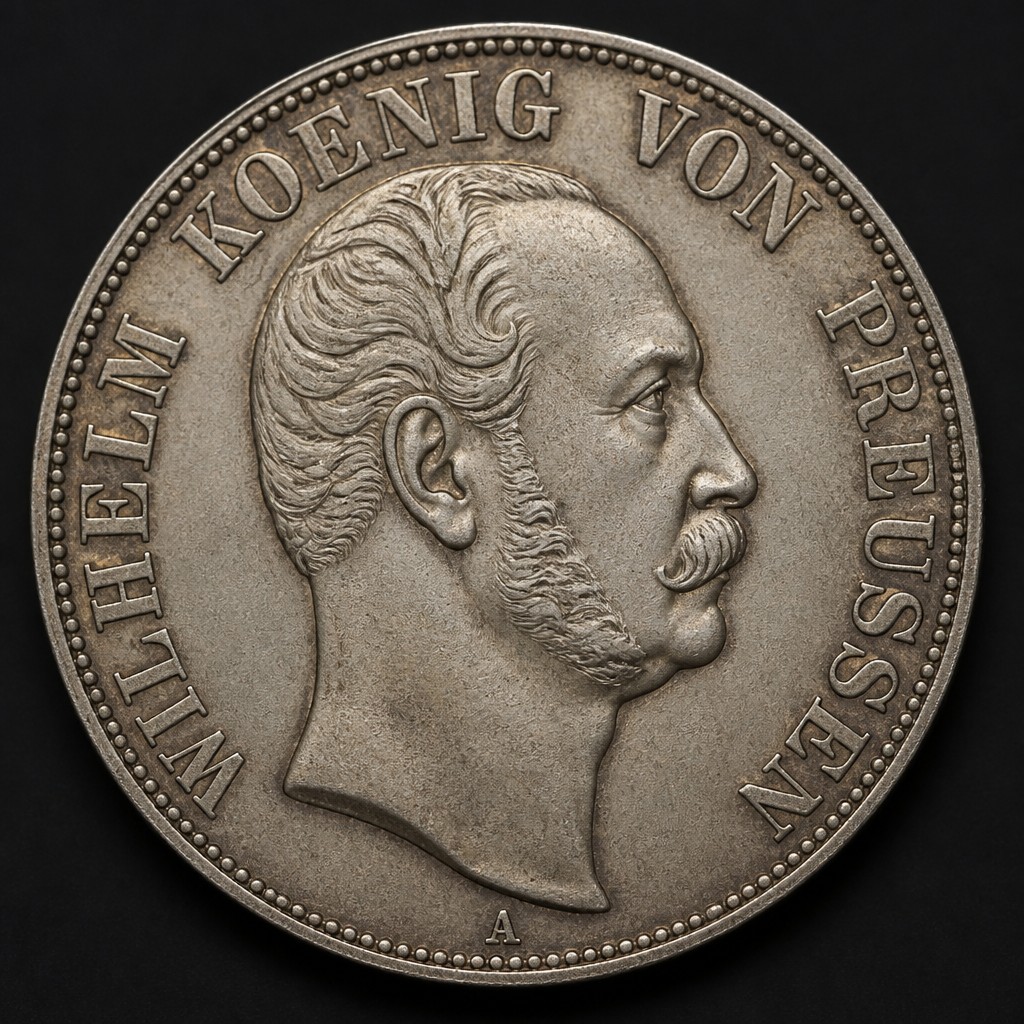
Prussian Vereinsthaler
A standardized silver thaler struck by the Kingdom of Prussia under the 1857 Vienna Monetary Treaty, unifying weight and fineness across many German and Austrian states before German unification.
European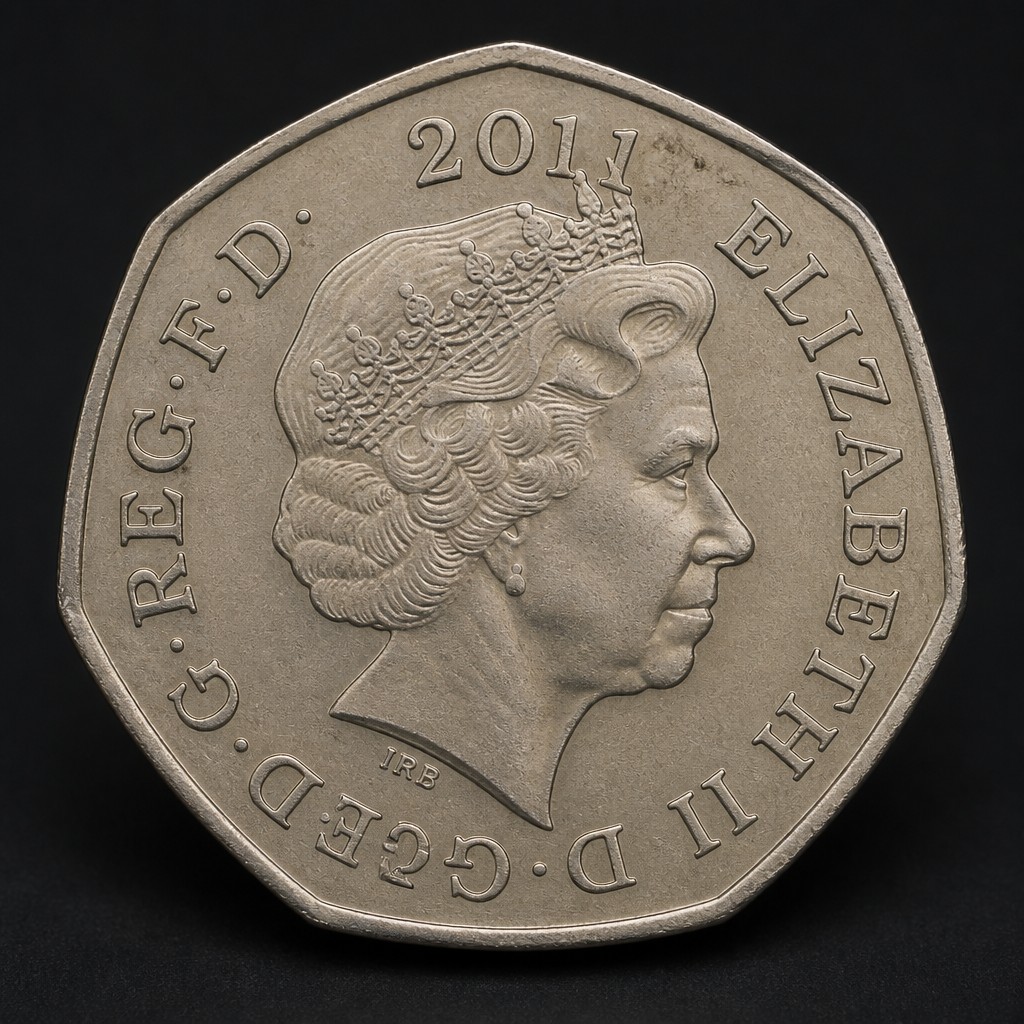
2012 London Olympics 50p Series
The Royal Mint issued 29 different circulating 50 pence coins in 2011, each honoring a different sport of the London 2012 Olympic and Paralympic Games, sparking a nationwide coin-collecting craze in Britain.
Commemorative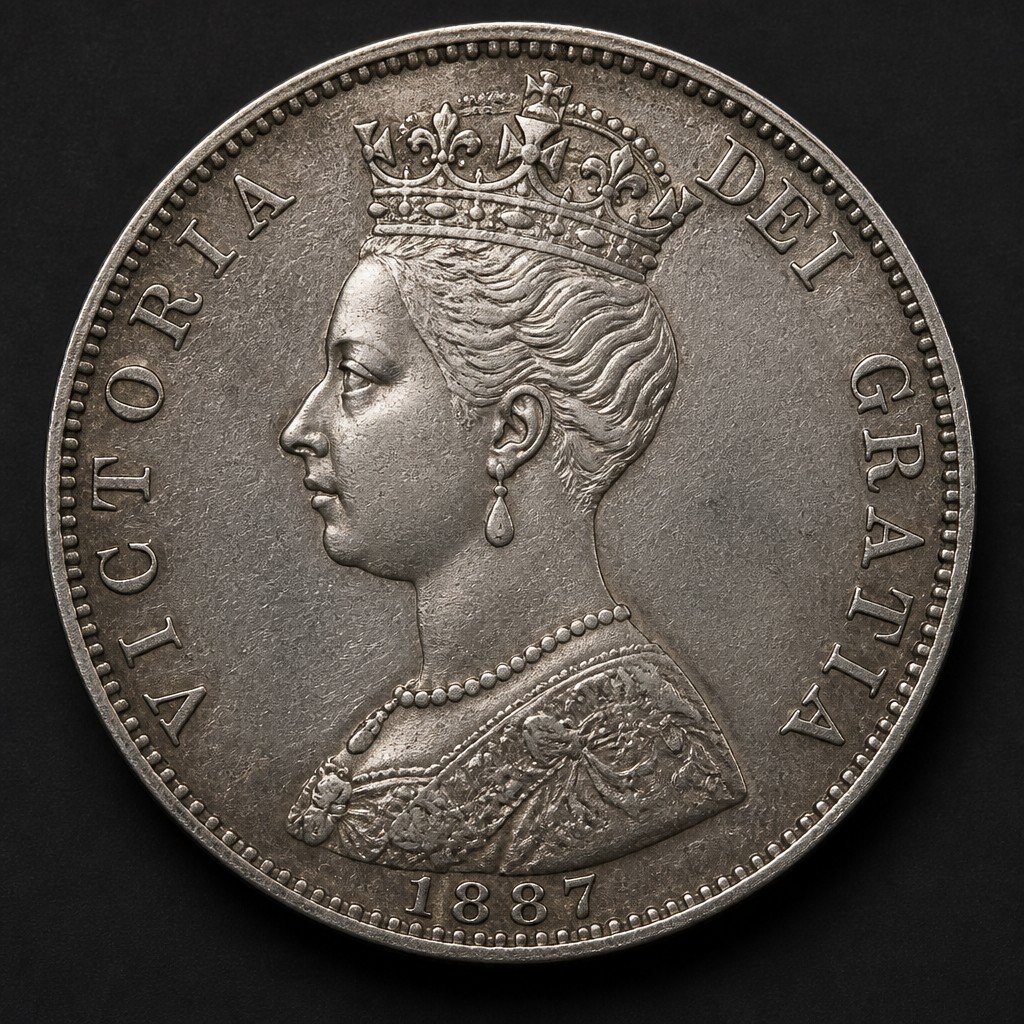
Crown
Large British coin traditionally worth five shillings, historically struck in silver and famed for elaborate designs, now issued mainly as a cupro-nickel commemorative.
British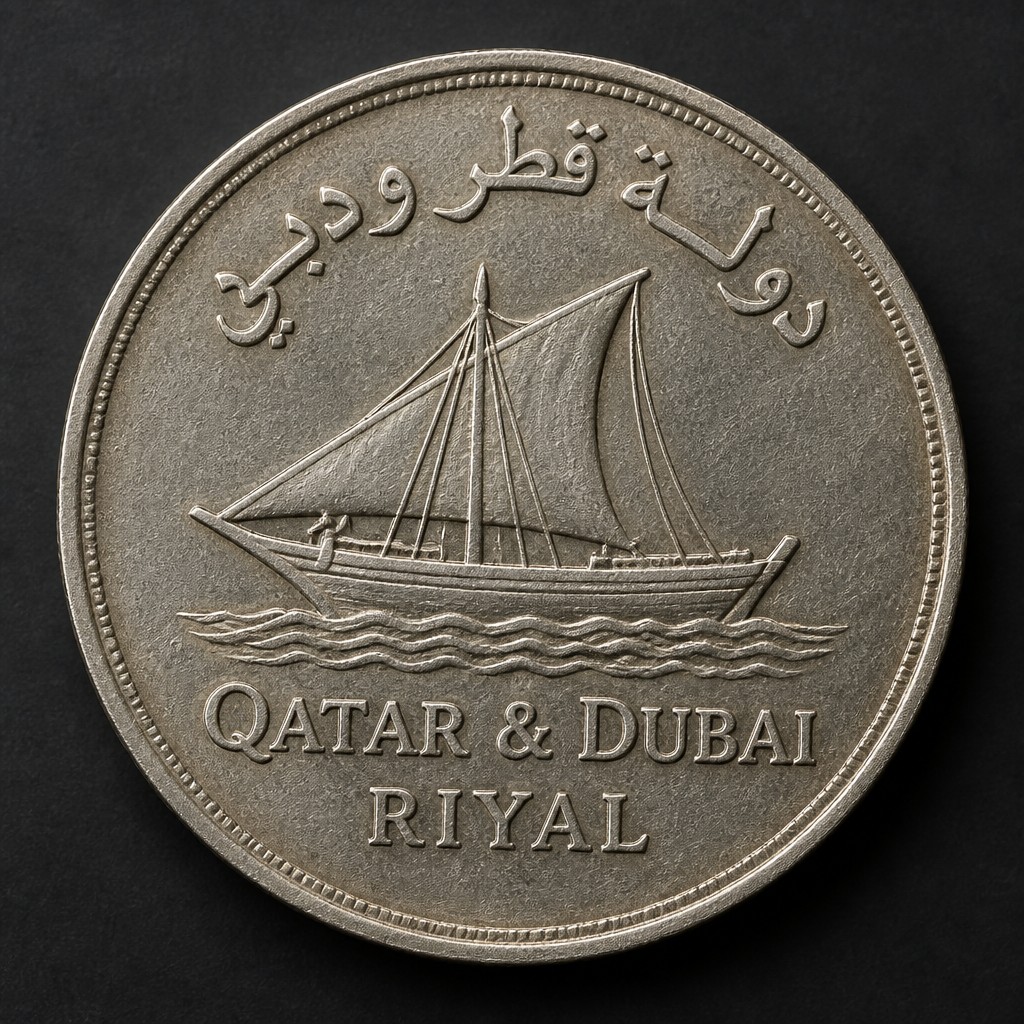
Qatar and Dubai Riyal
A short-lived joint currency issued for Qatar and Dubai between 1966 and 1973, created to replace the Gulf Rupee and used until each formed its own separate national currency.
Asian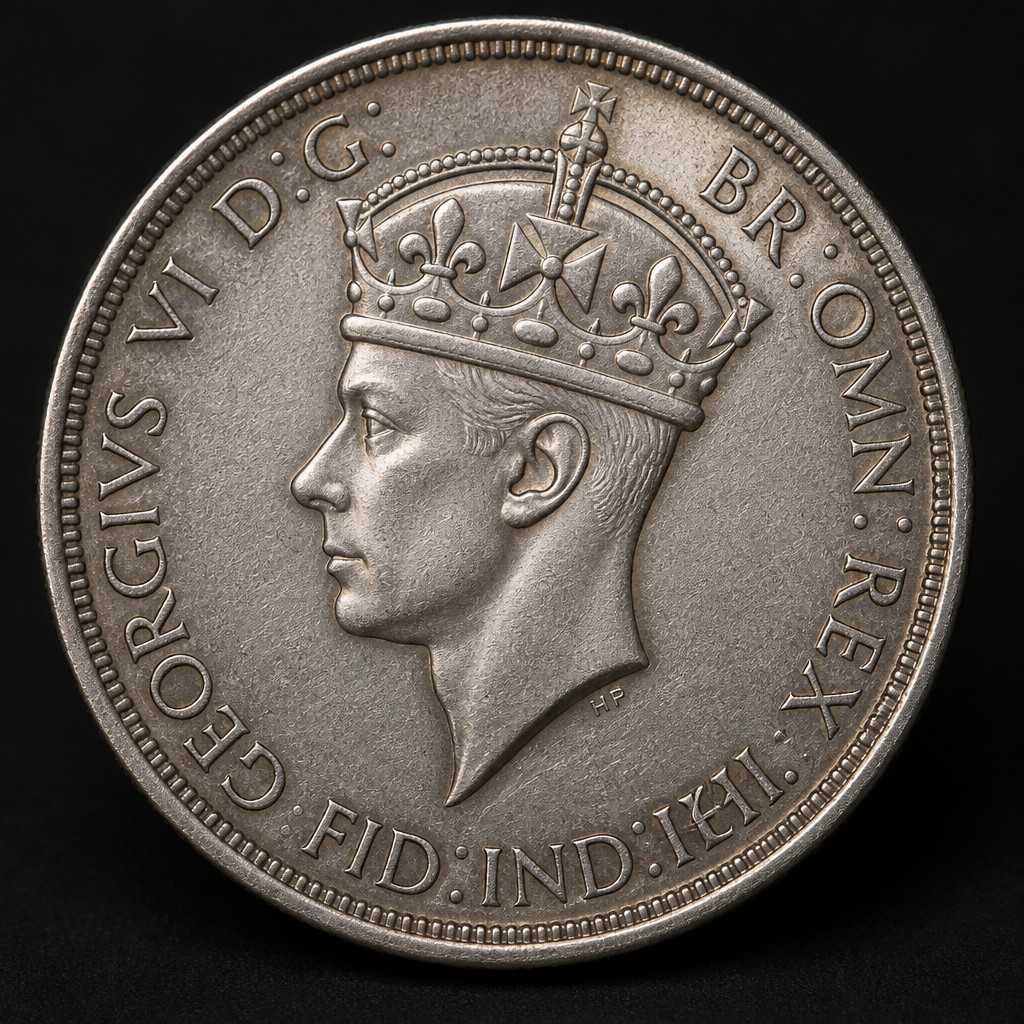
British Crown
Valued at five shillings, the British crown is a large silver (and later cupro-nickel) coin with a production history stretching from Tudor England to modern commemorative issues.
British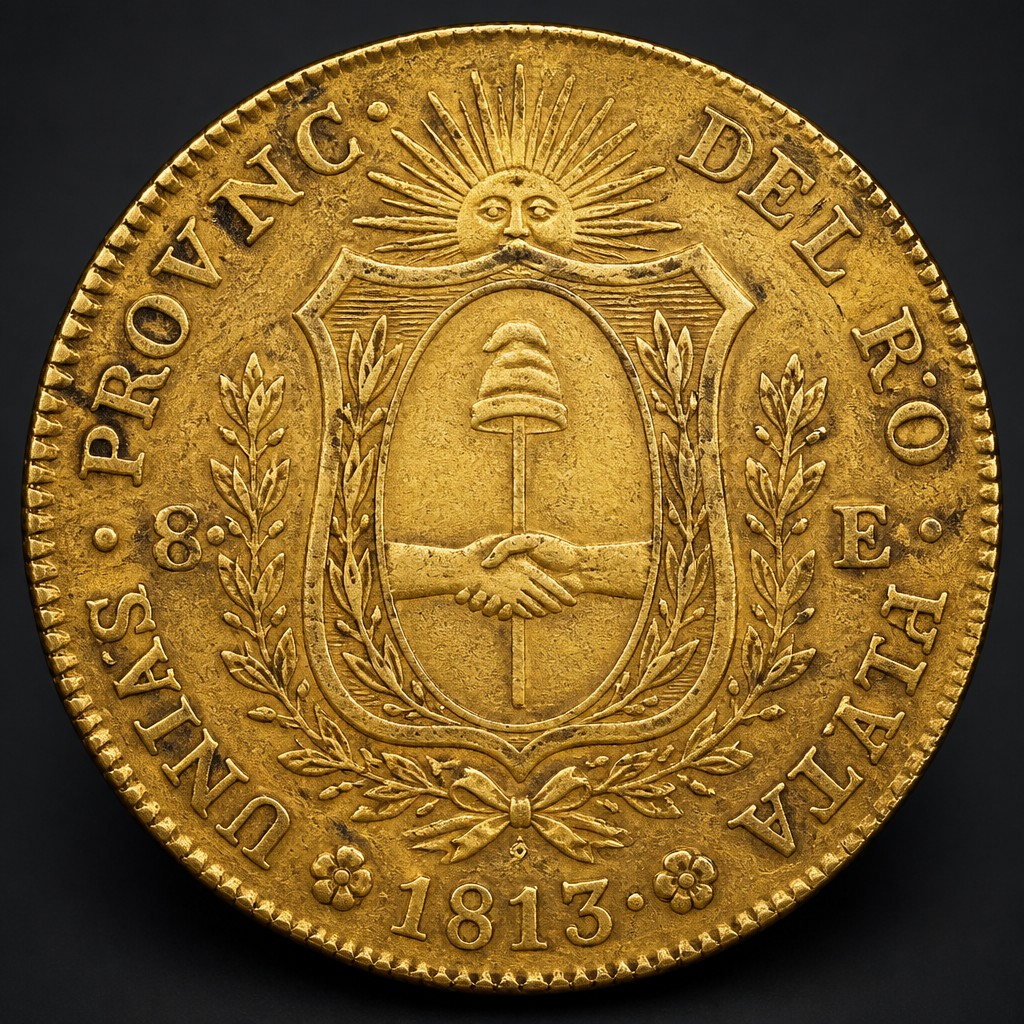
Argentine 8 Escudos Gold (1813)
An extremely rare gold coin from the earliest years of Argentine independence, struck briefly at Potosí under revolutionary authority and bearing the iconic Sun of May.
Latin American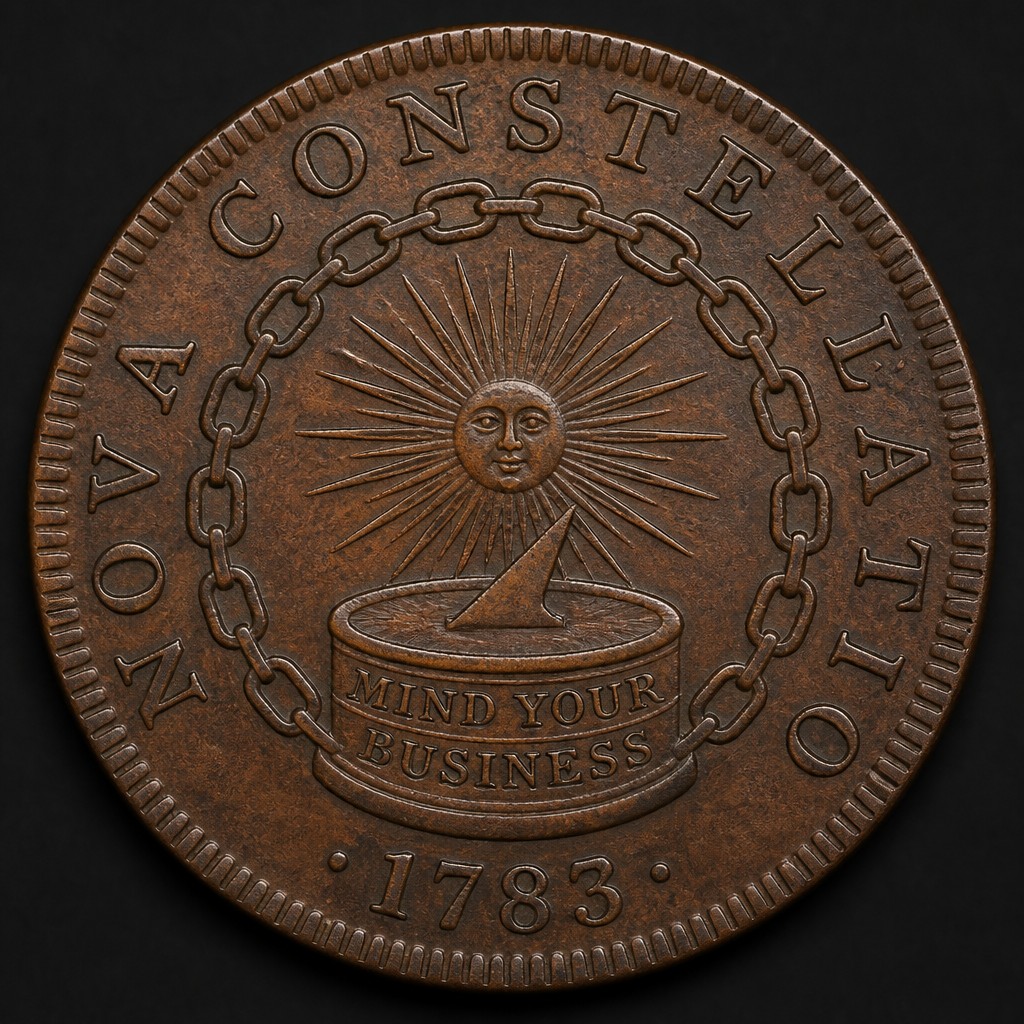
Nova Constellatio Copper
Distinctive early American copper coin featuring a radiant eye within a circle of stars, associated with Gouverneur Morris's proposed decimal coinage plans of the early 1780s.
United States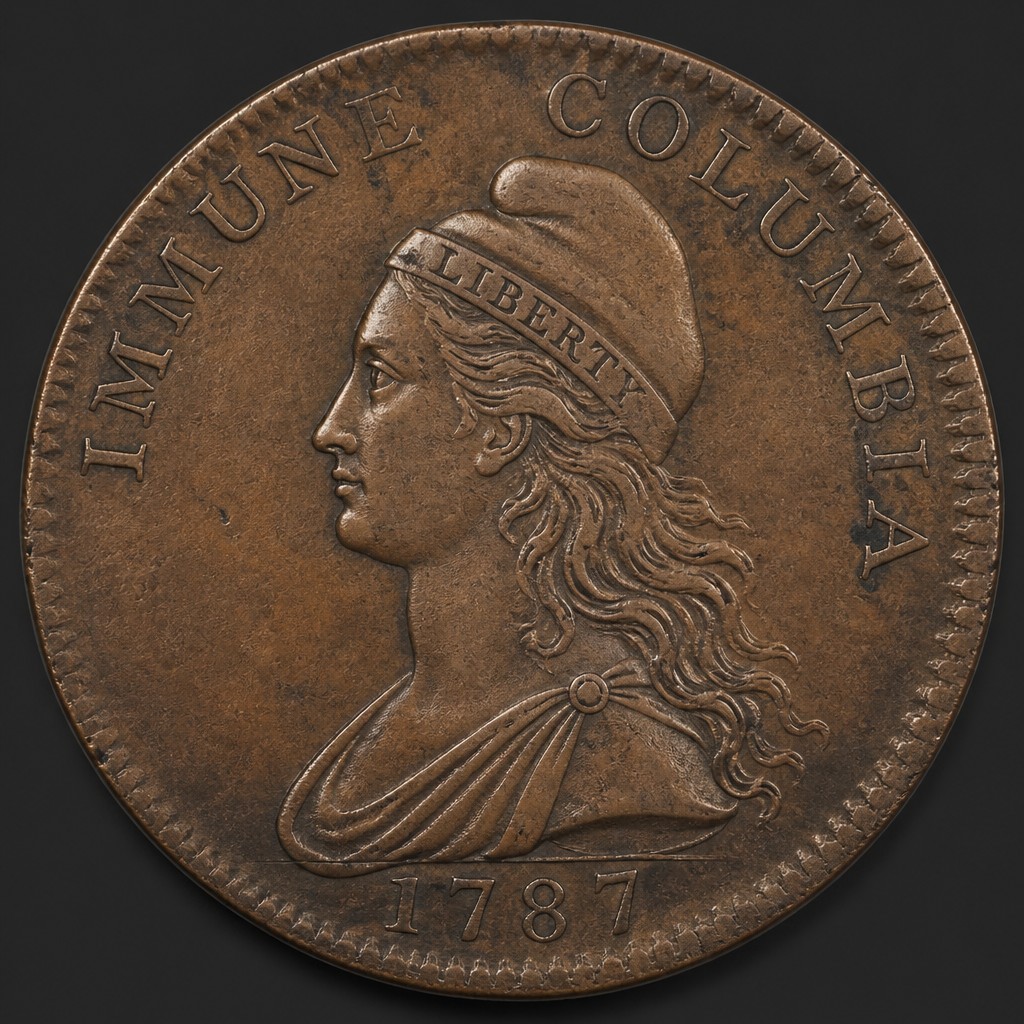
Immune Columbia Copper
An extremely rare Confederation-era copper carrying the Latin legend 'IMMUNIS COLUMBIA,' known for numerous unusual die combinations and mules with other early American and British designs.
United States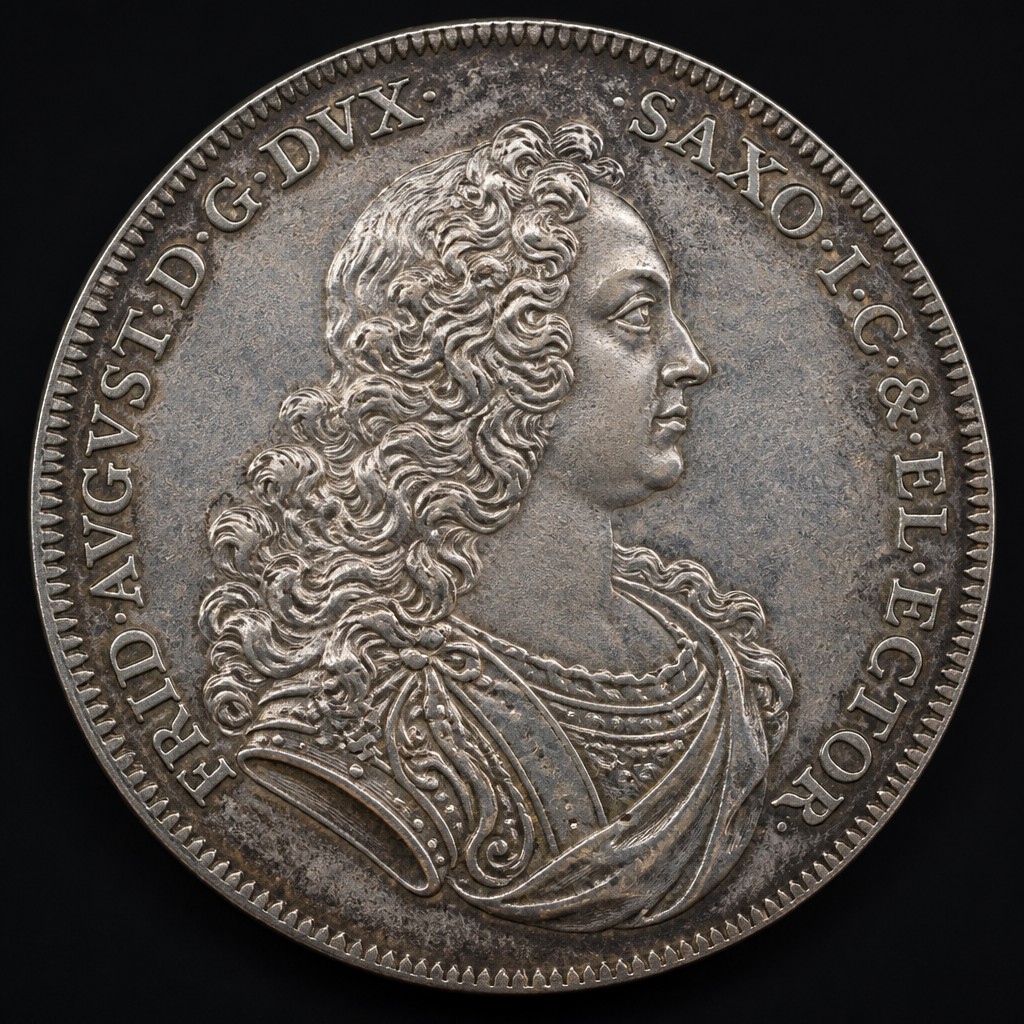
Saxon Speciestaler
Full-weight silver taler issued by the Electors and later Kings of Saxony, distinguished from lesser-value "current" talers used for everyday commerce.
European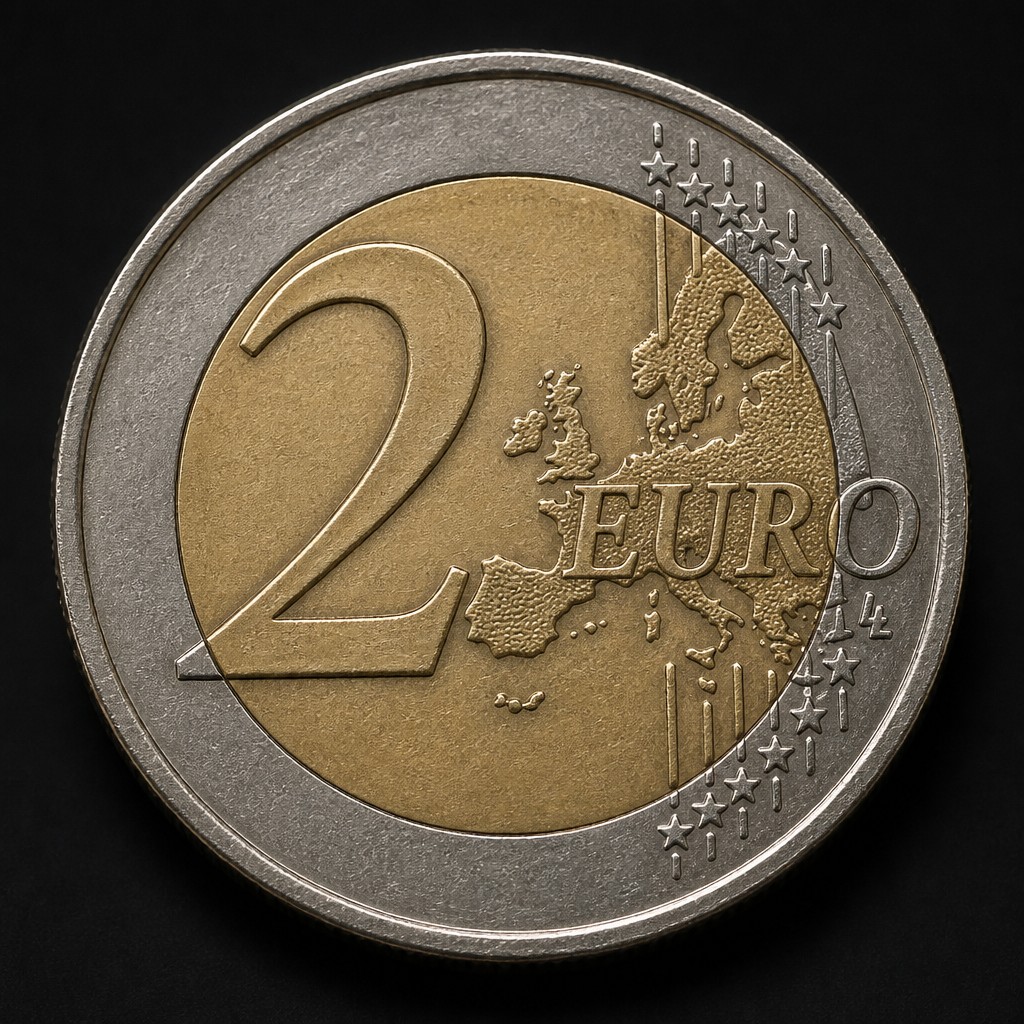
2 Euro Coin
The highest-denomination circulating euro coin, with a silver-colored center inside a gold-colored ring, widely used by member states to issue popular commemorative designs collected across Europe.
European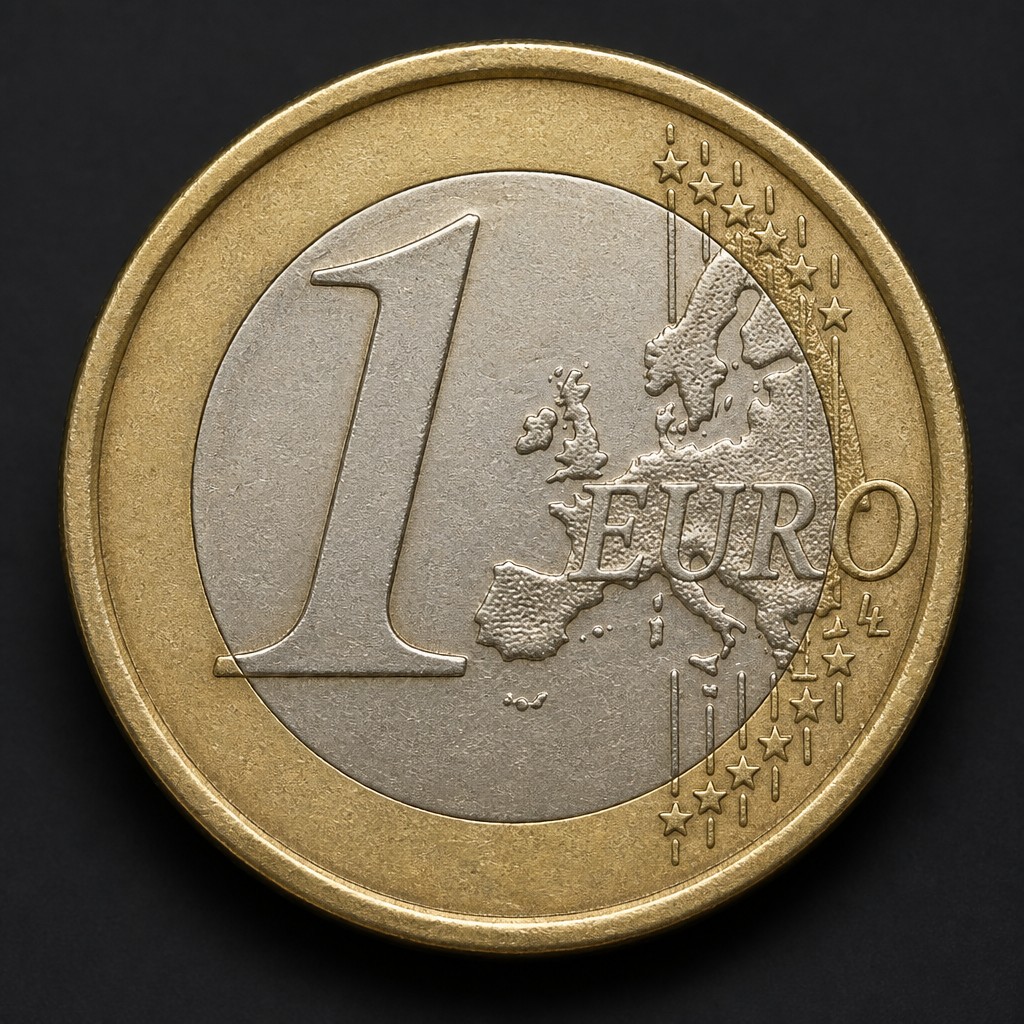
1 Euro Coin
The standard circulating one-euro coin used across the Eurozone since 2002, bimetallic with a gold-colored center and silver-colored ring, and a national obverse that varies by issuing country.
European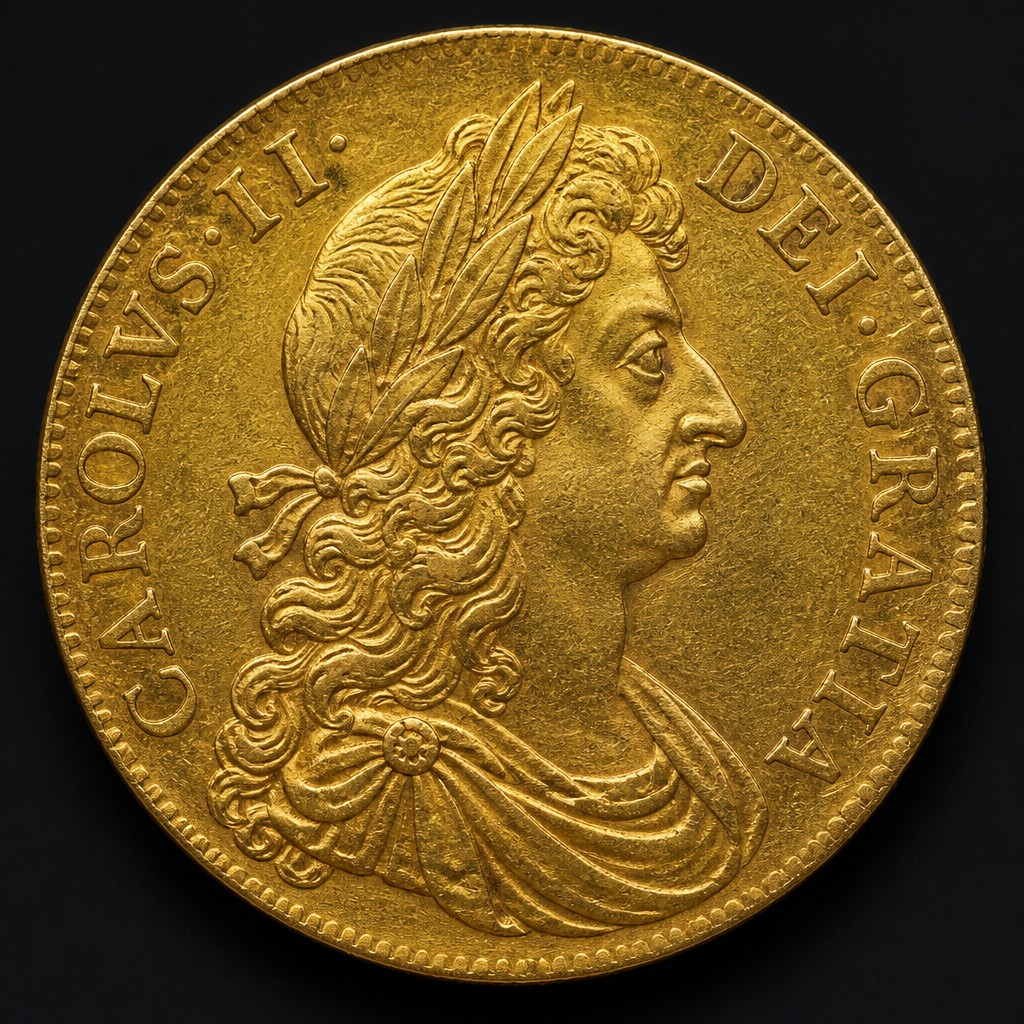
British Gold Guinea
Struck from 1663 to 1814 and named for the West African gold used in its earliest issues, the guinea was Britain's leading gold coin and gave its name to a unit of value still referenced today.
British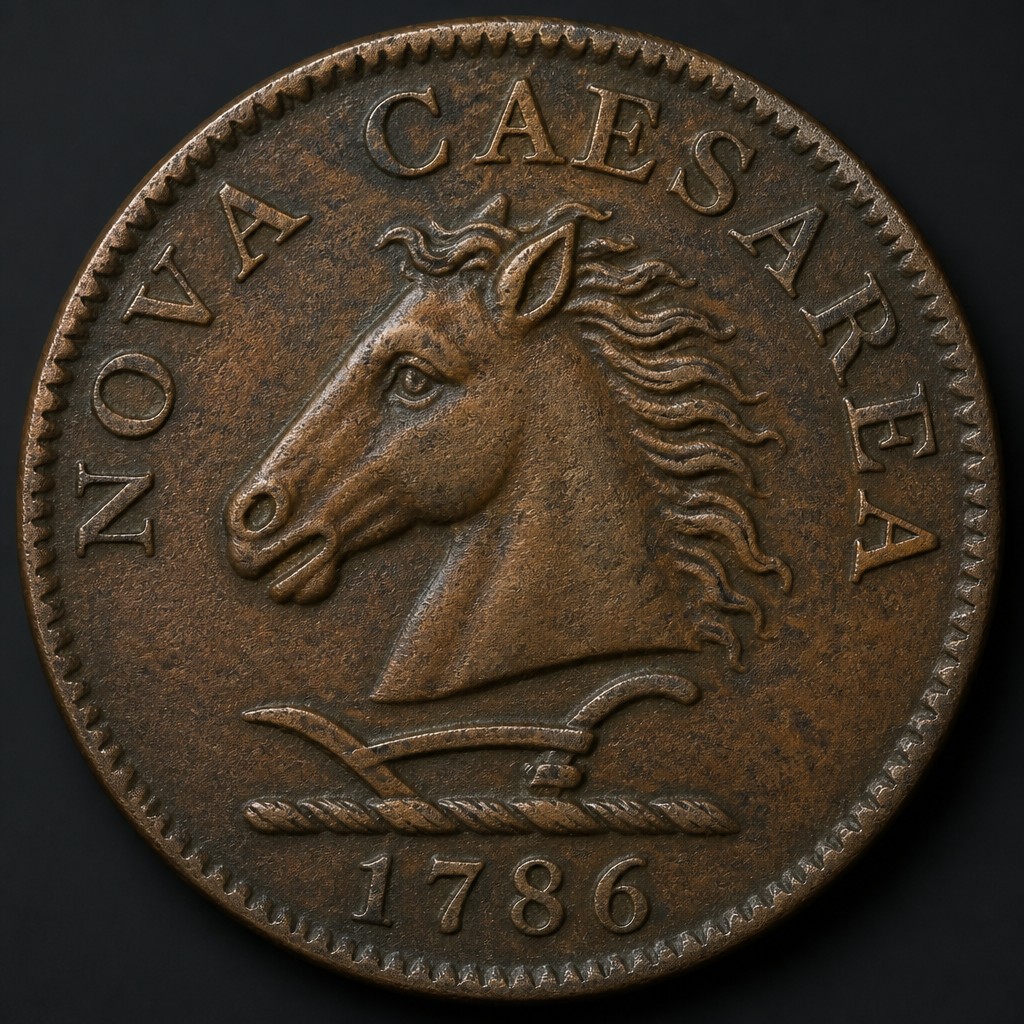
New Jersey Copper
State-authorized copper coinage struck for New Jersey in the late 1780s, famous for its horse-head-and-plow obverse and shield reverse design.
United States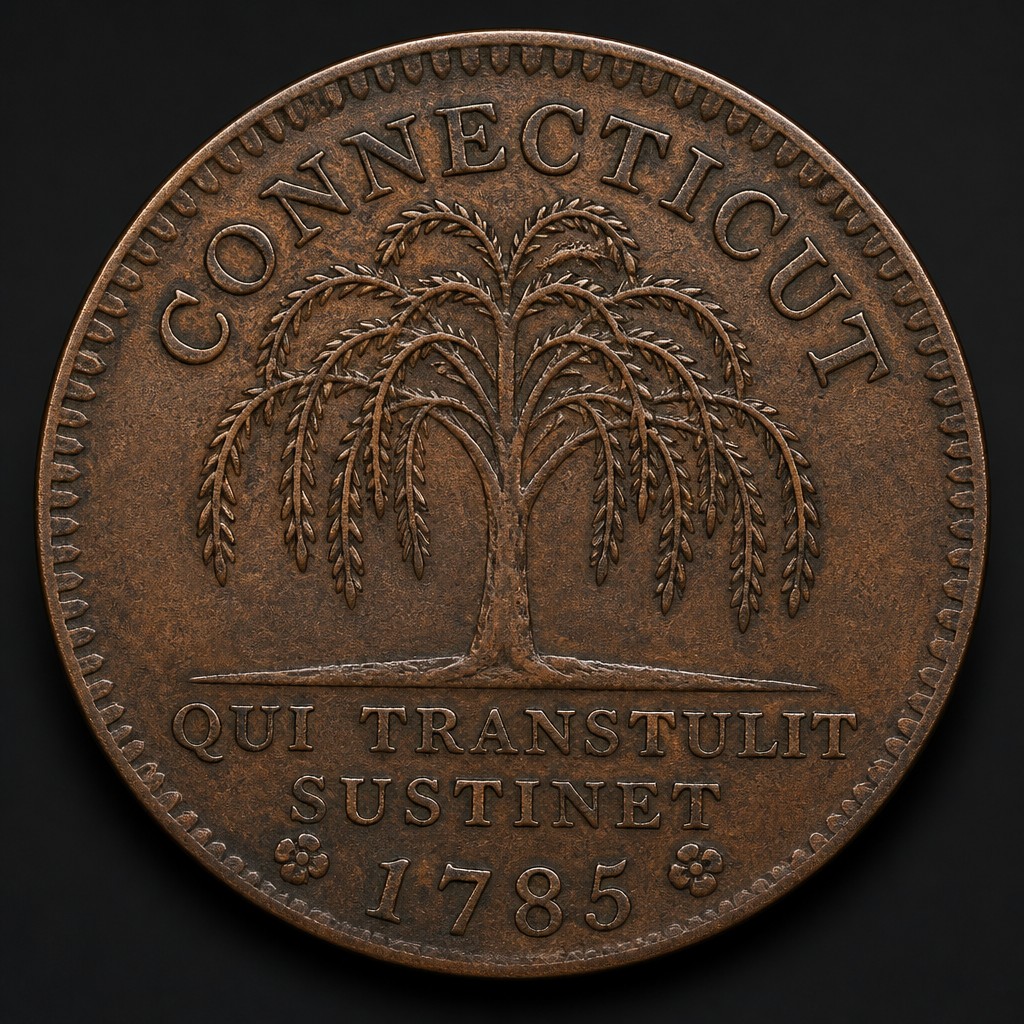
Connecticut Copper
State-authorized copper coinage struck for Connecticut in the mid-1780s, featuring a bust obverse and seated Liberty reverse across numerous die varieties.
United States