
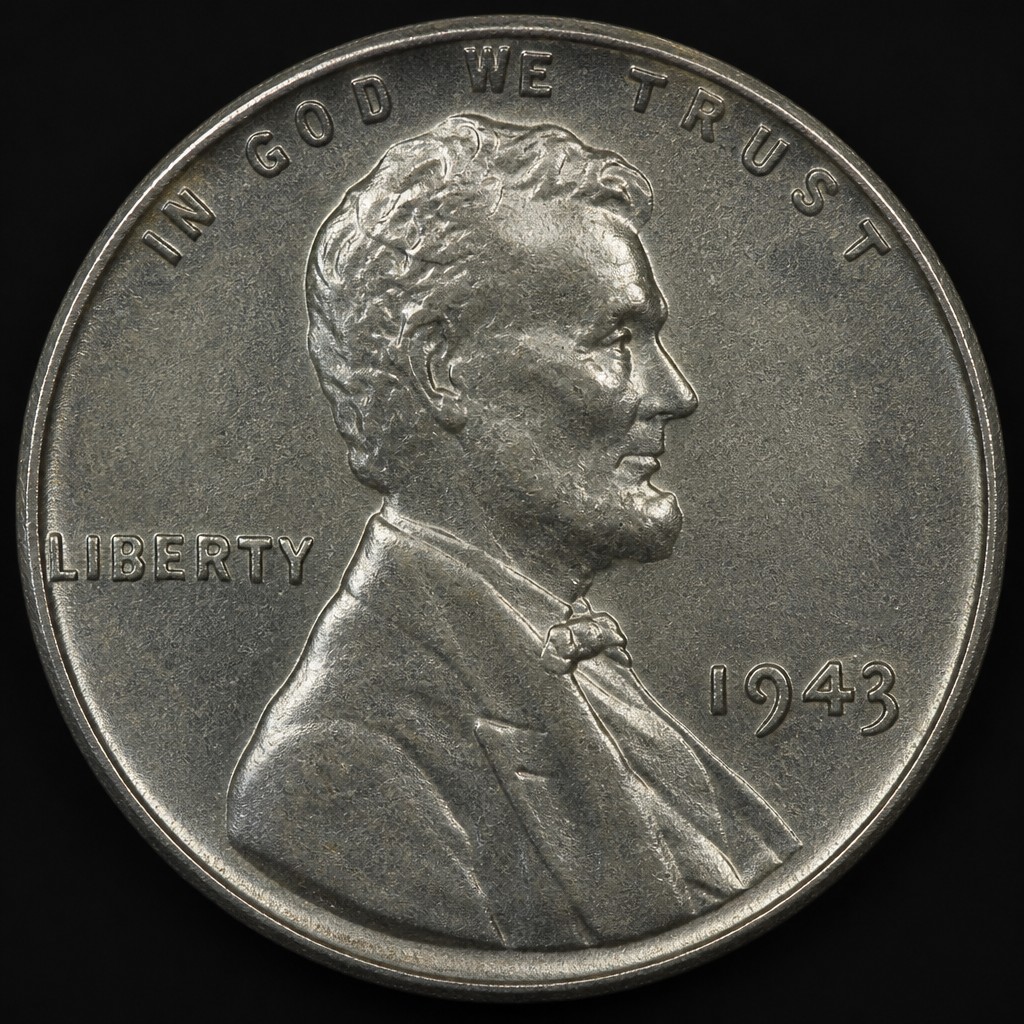
1943 Steel Cent
A one-year-only zinc-coated steel cent struck to conserve copper for World War II ammunition and equipment production, easily recognized by its silvery color.
- Country
- United States
- Denomination
- One Cent
- Metal
- Zinc-coated Steel
Got a coin like this?
Identify any coin from a photo, free.
Overview
The 1943 Steel Cent is one of the most immediately recognizable coins in American history thanks to its unusual silvery-gray appearance, a direct result of wartime metal conservation during World War II. Rather than the familiar copper-colored cent, this issue was struck in zinc-coated steel to free up copper for military production.
Collectors enjoy the steel cent both as an accessible, inexpensive piece of tangible World War II history and as the gateway to one of numismatics' most famous error stories: the extremely rare 1943 copper cent, mistakenly struck on leftover bronze planchets. The steel cent itself, while common, is popular for its novelty and its role marking a single unusual year in the otherwise unbroken run of copper Lincoln cents.
Because the zinc coating readily reacts with air and moisture, well-preserved, bright examples are more desirable than typical circulated pieces showing gray or rust-toned discoloration.
History & Background
With copper deemed a critical strategic material for wartime ammunition casings, wiring, and other military equipment, the U.S. Mint sought an alternative material for the one-cent coin in 1943 and settled on low-carbon steel coated with a thin layer of zinc to resist rust. The design retained Victor David Brenner's familiar Lincoln portrait and wheat ears reverse used since 1909, changing only the underlying metal.
The steel cents proved unpopular almost immediately: their light weight and silvery color caused confusion with dimes, they rusted quickly when the zinc coating wore or chipped, and they could be mistaken by vending machines calibrated for other metals. Due to these practical problems, the experiment lasted only a single year, and the Mint returned to a copper-based alloy (using salvaged shell casings) for 1944 cents.
A small number of 1943 cents were mistakenly struck on leftover bronze cent planchets from 1942, creating the famous and extremely rare 1943 bronze/copper cent error, which stands as one of the most celebrated error coins in American numismatics and is entirely separate from the common steel cent.
How to Identify
The obverse and reverse designs match the standard Lincoln Wheat Cent of the era, with Lincoln's portrait, 'IN GOD WE TRUST,' 'LIBERTY,' and the date on the obverse, and two wheat ears flanking 'ONE CENT' on the reverse. The defining identification feature is the metal itself: a genuine 1943 steel cent is silvery-gray in color rather than copper-toned, and it is attracted to a magnet, unlike copper cents, which are not magnetic.
Mintmarks appear below the date: no mintmark for Philadelphia, 'D' for Denver, and 'S' for San Francisco. Because the coin is steel with only a thin zinc coating, many surviving examples show gray staining, spotting, or light rust, especially on coins that circulated or were stored in damp conditions; bright, lustrous, unspotted examples are considered more desirable.
Coins that appear copper-colored but are dated 1943 should be checked carefully, as the vast majority are steel cents that have been copper-plated to imitate the genuine, extremely rare 1943 bronze error; a simple magnet test quickly reveals this, since plated steel cents are still magnetic while genuine bronze error coins are not.
Value & Collectibility
Ordinary 1943 steel cents are common and inexpensive, typically valued at a modest amount above face value even in circulated condition, reflecting their large original mintage and the fact that many were saved as novelties. Choice, bright uncirculated examples without staining or spotting bring higher premiums than typical worn or discolored pieces.
It is important not to confuse the common steel cent with the genuine 1943 bronze/copper error cent, which is a completely different and vastly more valuable rarity; a simple magnet test (steel cents stick to a magnet, genuine bronze errors do not) is the quickest way to rule out a counterfeit copper-plated steel cent being passed off as the rare error.
Frequently asked questions
Why is the 1943 cent made of steel?
Copper was needed for World War II ammunition and military equipment, so the Mint switched the cent to zinc-coated steel for that one year.
Is a 1943 steel cent rare?
No, it was produced in large numbers and is common and inexpensive; the truly rare 1943 coin is the bronze/copper error version, a completely different find.
How can I tell if my 1943 cent is the rare copper version?
Use a magnet: genuine steel cents stick to a magnet, while a genuine bronze error does not; most 'copper' 1943 cents are actually plated steel cents and will still be magnetic.
Why do many 1943 steel cents look rusty or gray?
The zinc coating that protects the underlying steel wears down or reacts with moisture over time, causing rust spots or gray discoloration.
Did the Mint make steel cents in other years?
No, 1943 was the only year steel cents were struck for general circulation; the design returned to a copper-based alloy in 1944.
Other coins you may enjoy
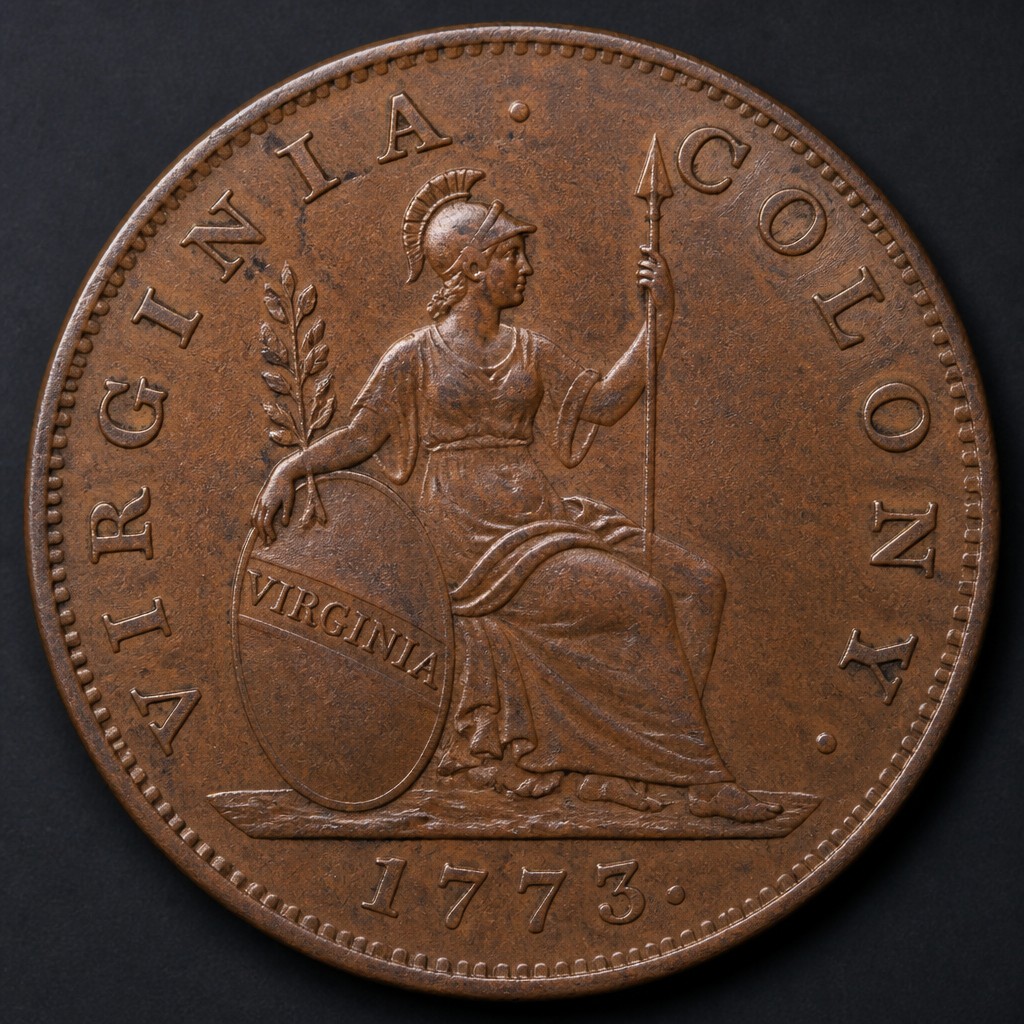
Virginia Halfpenny
1773
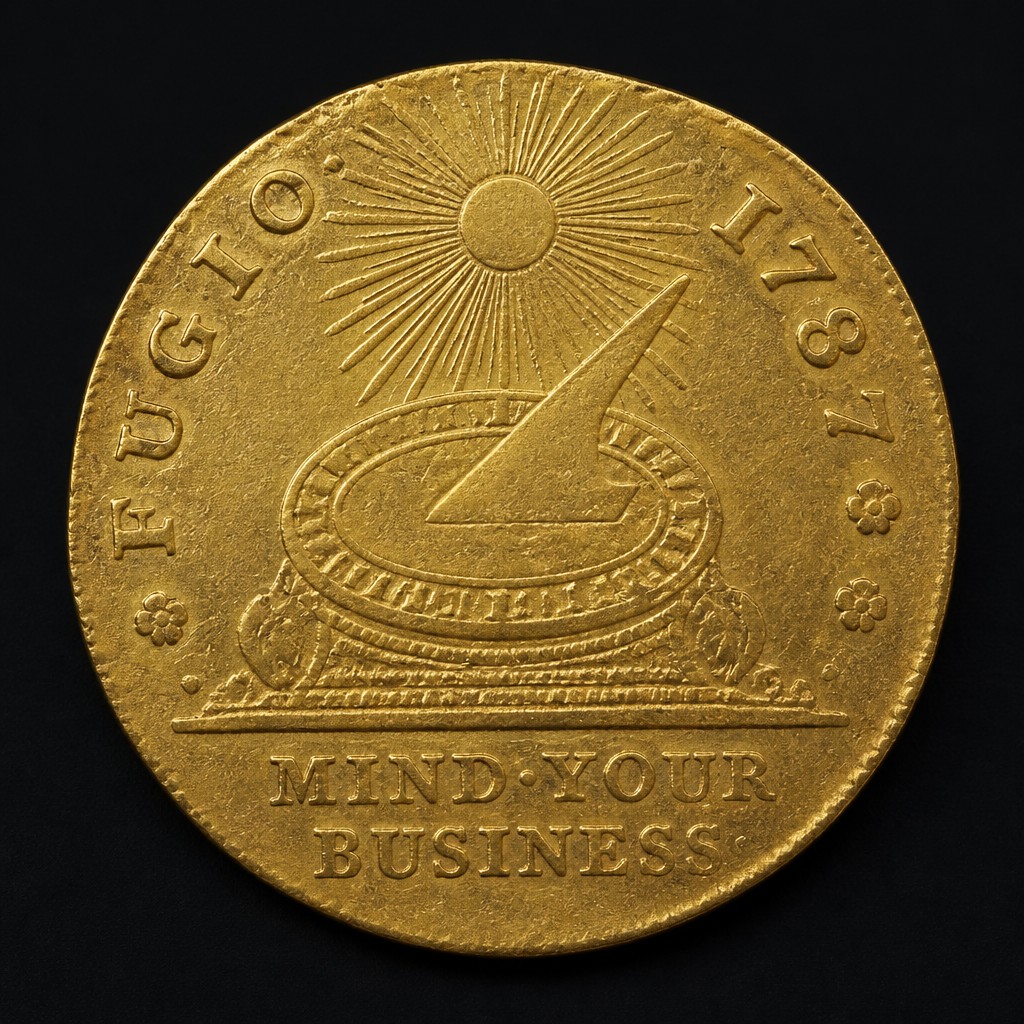
Brasher Doubloon
1787
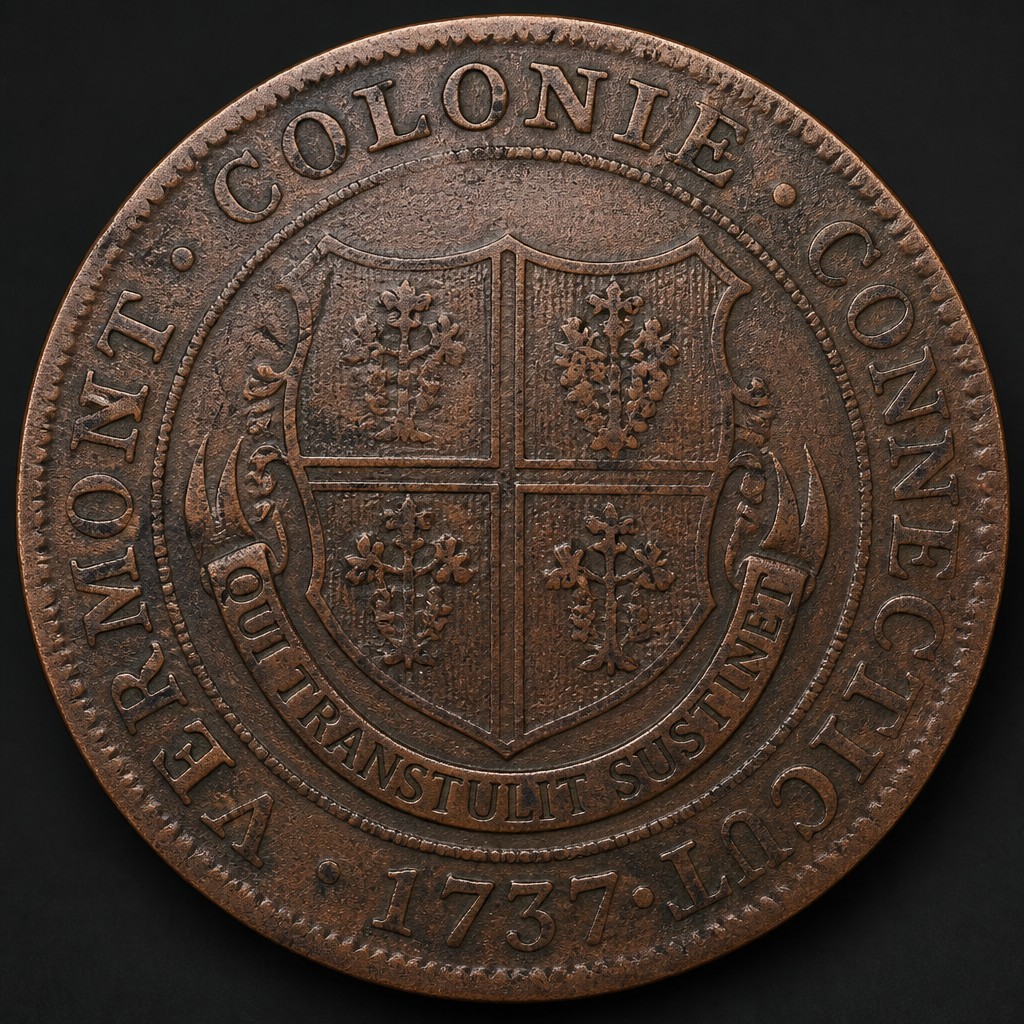
Higley Copper
1737–1739
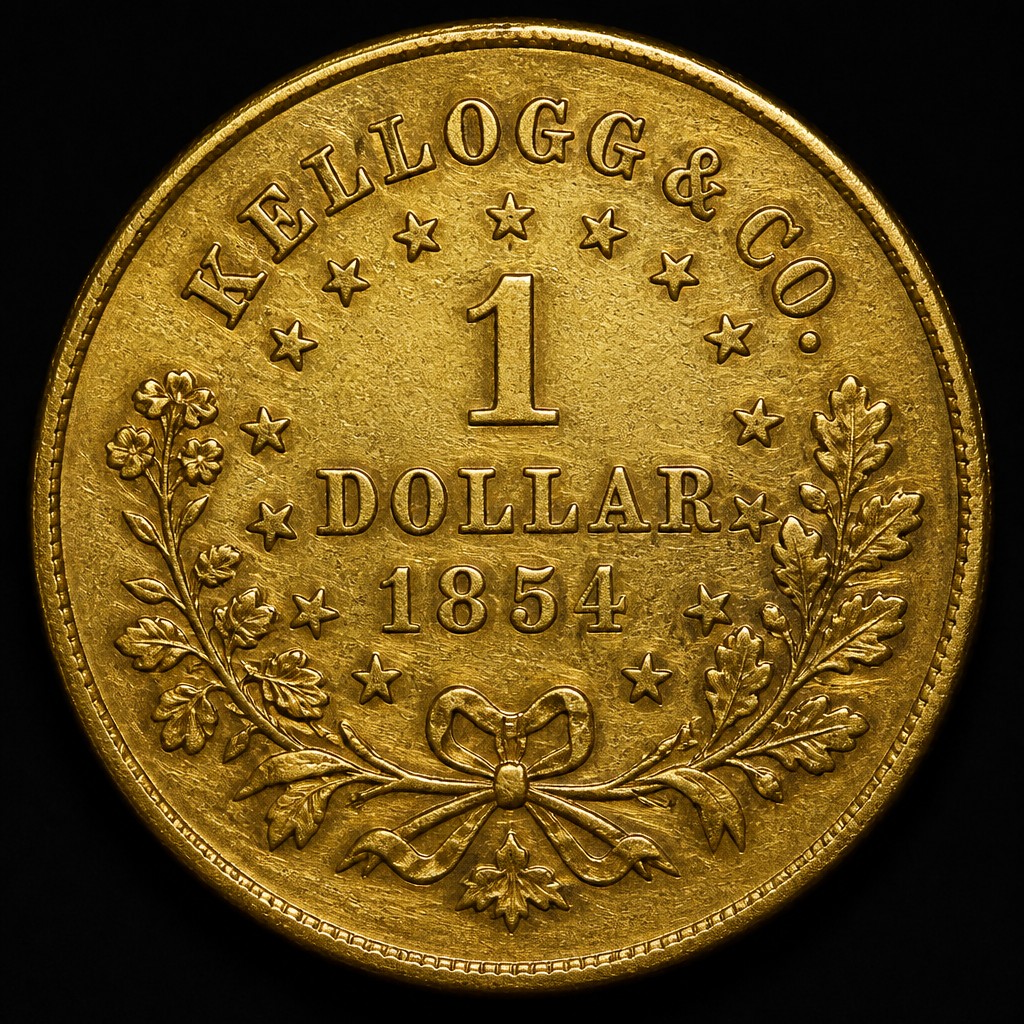
Kellogg & Co. Gold Piece
1854–1855
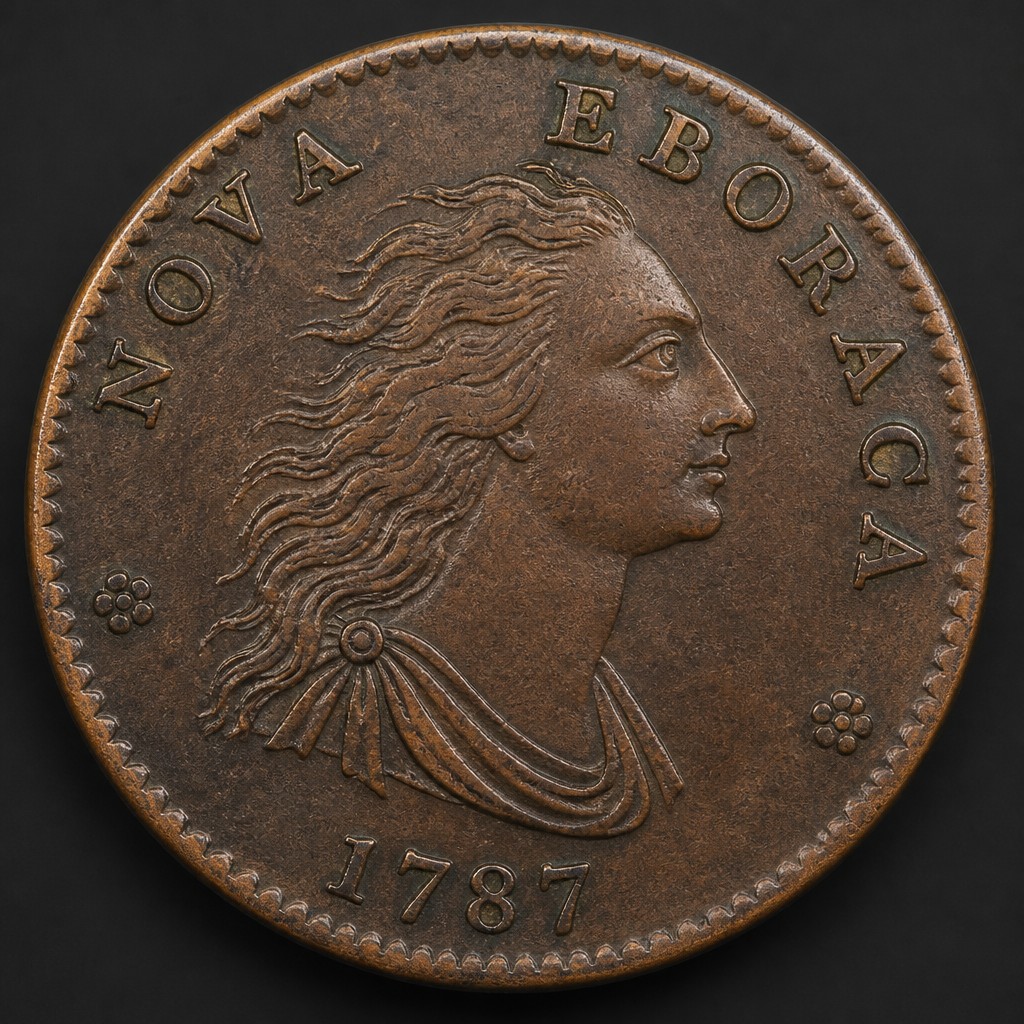
Nova Eborac Copper
1787
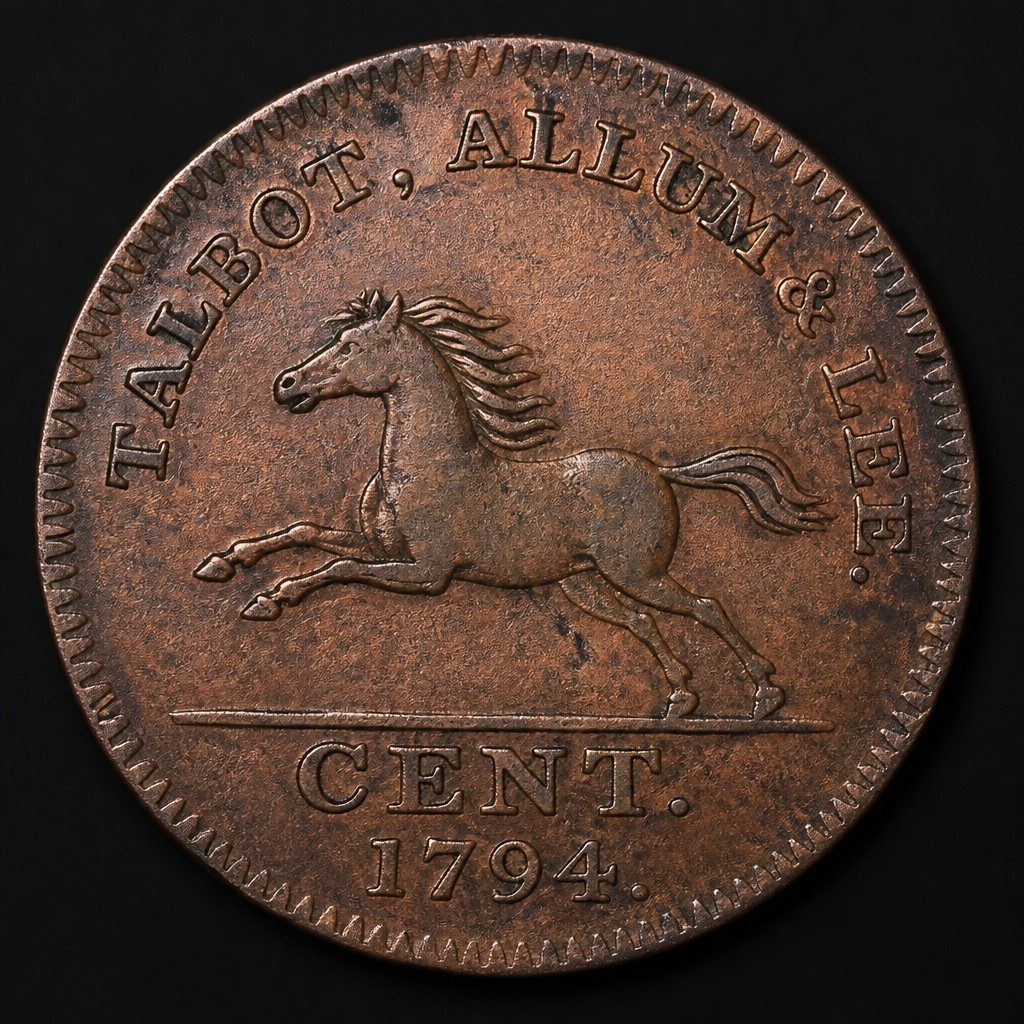
Talbot, Allum & Lee Cent
1794–1795
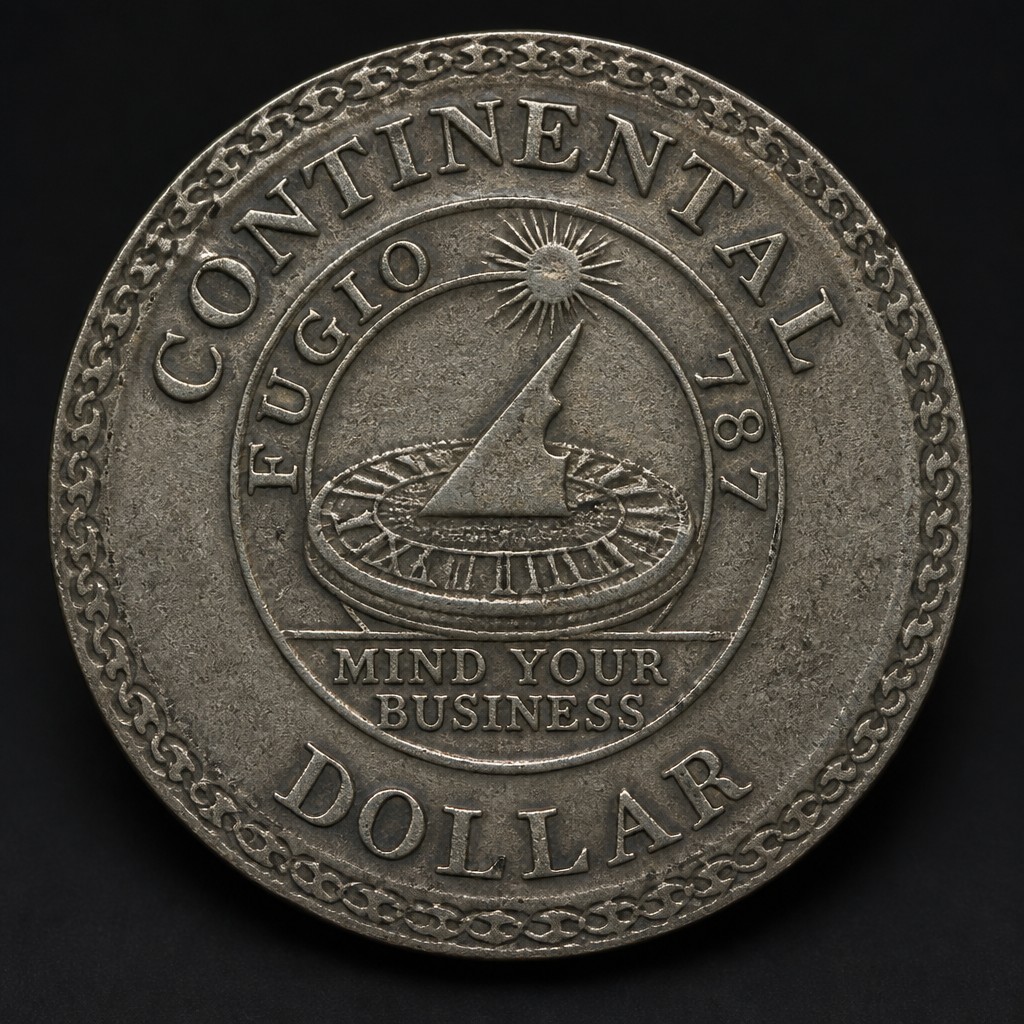
Continental Dollar
1776
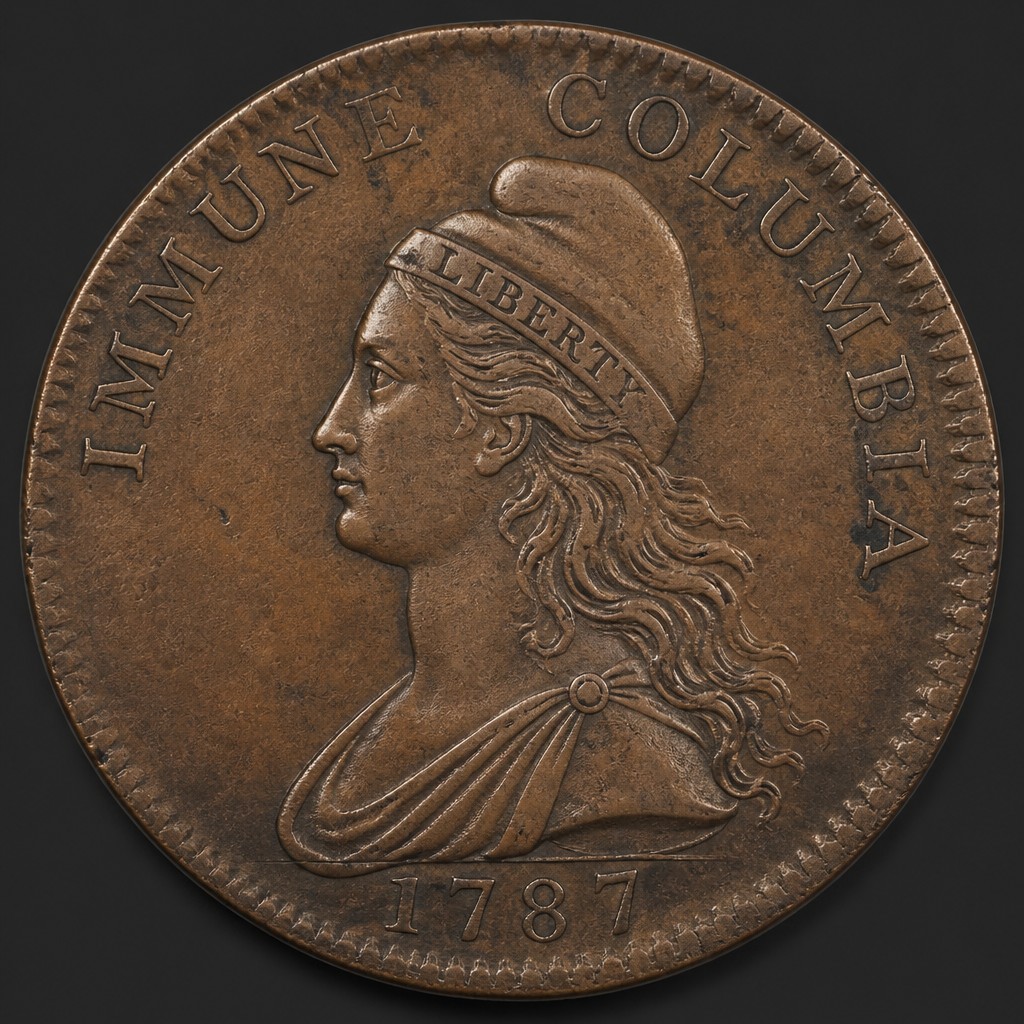
Immune Columbia Copper
circa 1785–1787
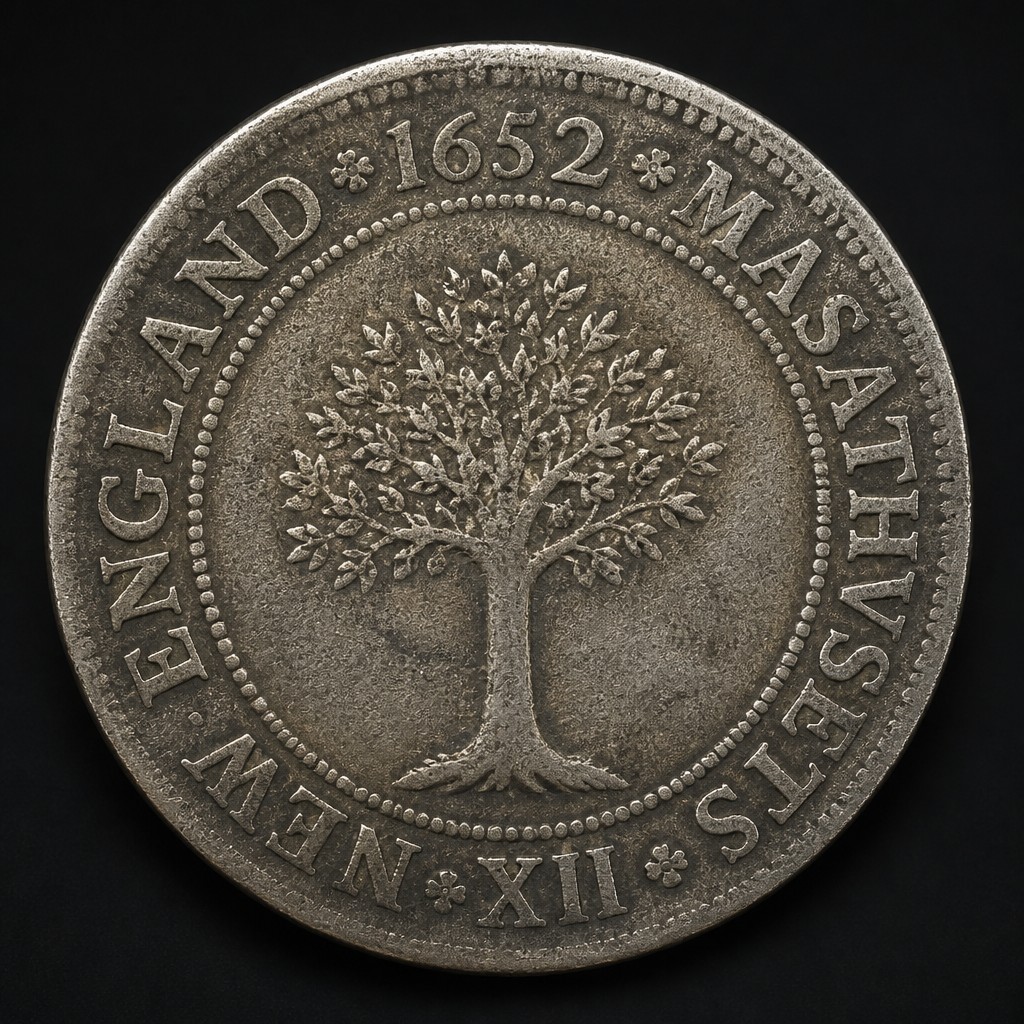
Massachusetts Oak Tree Shilling
Dated 1652, struck circa 1660–1667
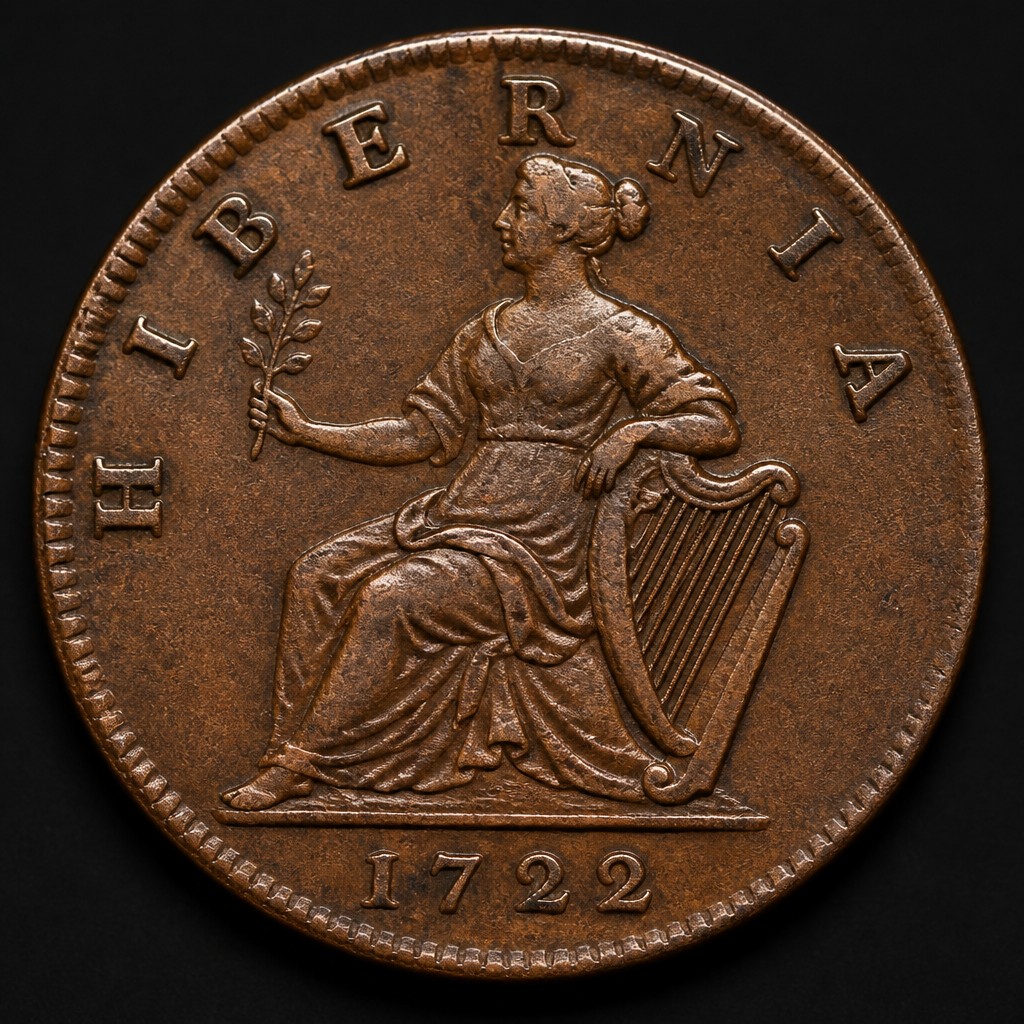
Wood's Hibernia Halfpenny
1722–1724
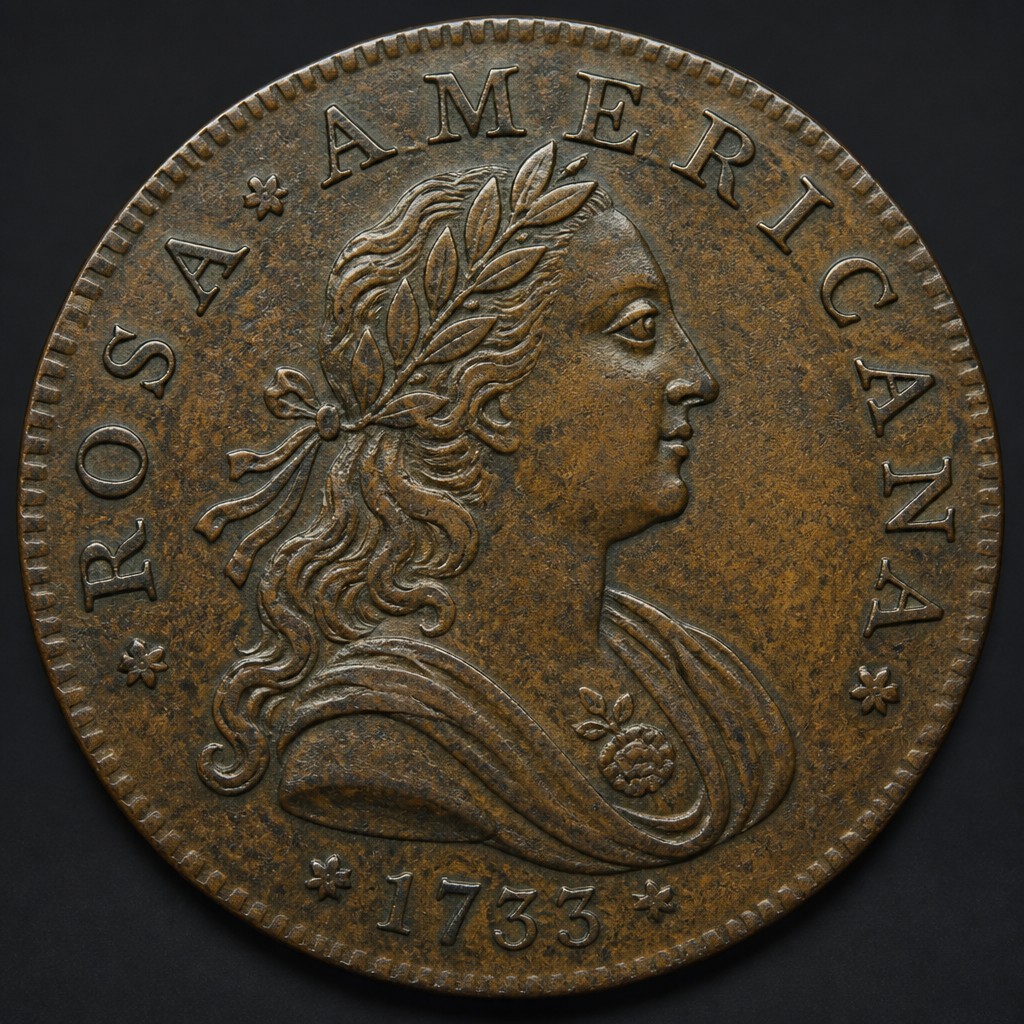
Rosa Americana Coinage
1722–1724 (with pattern issues dated 1733)
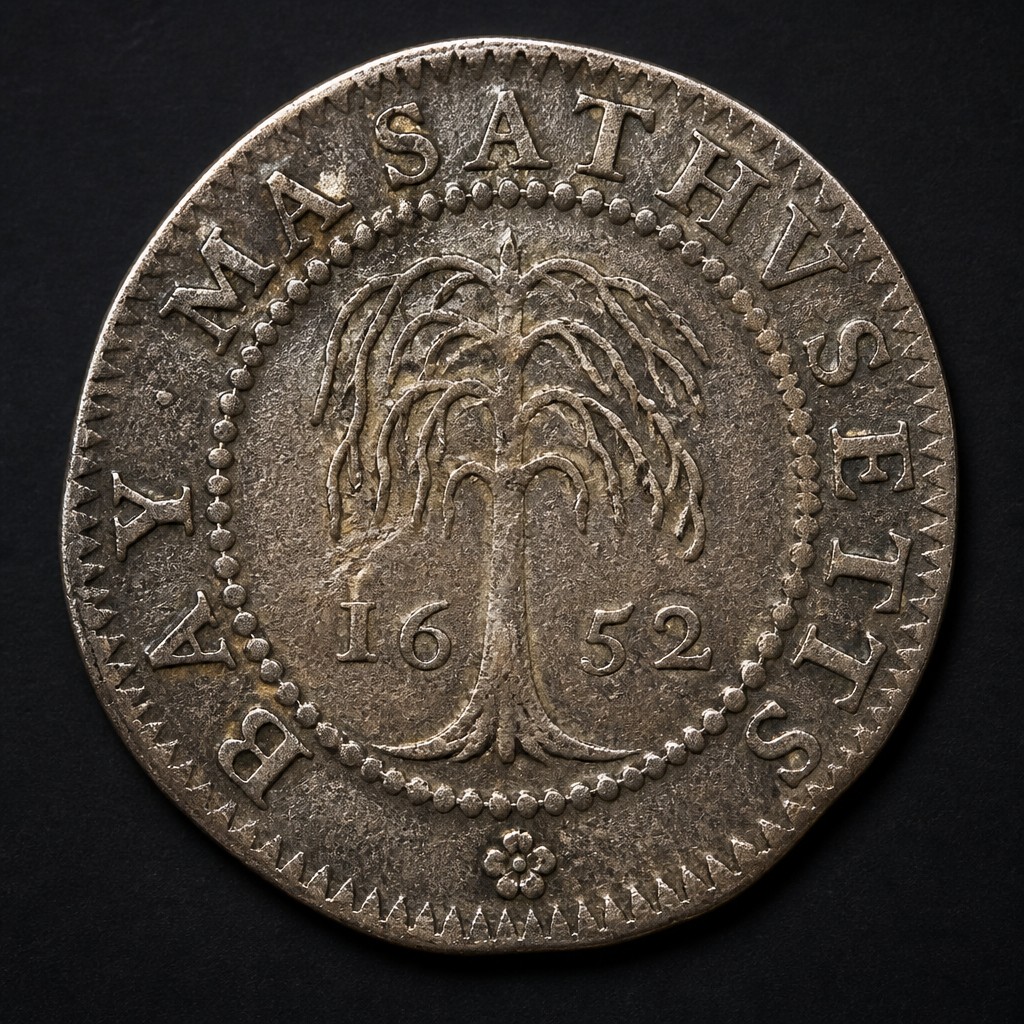
Massachusetts Willow Tree Shilling
Dated 1652, struck circa 1653–1660