
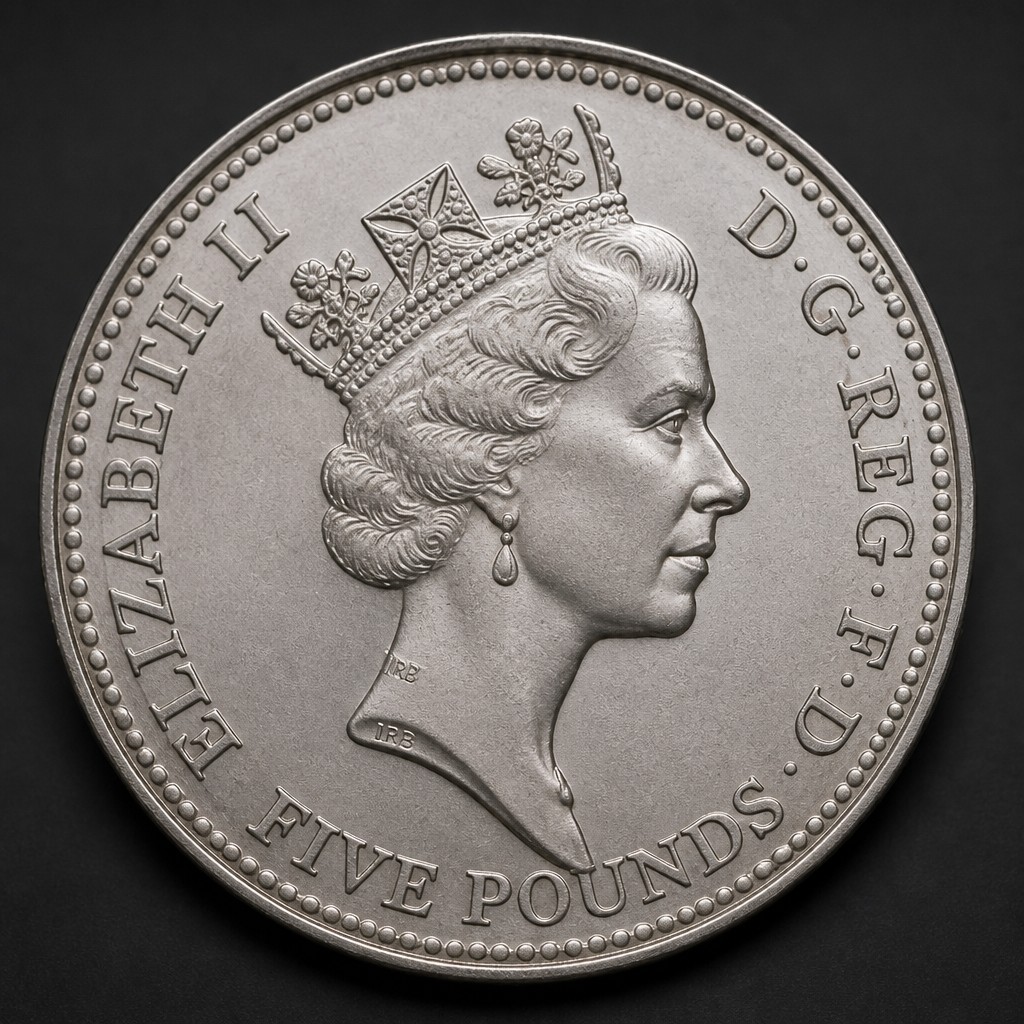
Royal Mint £5 Crown Commemorative
The modern British £5 coin descends from the historic crown and is issued almost exclusively for commemorative purposes, marking royal events, anniversaries, and national milestones.
- Country
- United Kingdom
- Denomination
- 5 Pounds
- Metal
- Cupronickel (circulation issues); gold and silver for proof/collector versions
Got a coin like this?
Identify any coin from a photo, free.
Overview
The £5 coin is the modern successor to the pre-decimal crown, a large silver coin that circulated for centuries before decimalization. Since 1990 the Royal Mint has struck a five-pound coin as the crown's direct heir, using it almost entirely as a commemorative vehicle rather than an everyday circulating denomination.
Most £5 coins are struck in cupronickel for face-value sale and are technically legal tender, though they are rarely seen in day-to-day transactions because of their comparatively high denomination and collector-driven purpose. The Royal Mint also strikes limited numbers in sterling silver and gold, often with proof finishes, for numismatic sale at a premium far above face value.
Subjects have included royal weddings, jubilees, coronations, birthdays of senior royals, historic anniversaries such as World War commemorations, and major national events like the London 2012 Olympics.
History & Background
The crown, valued at five shillings, was a staple of British coinage from the Tudor period onward, traditionally struck for special occasions rather than general circulation in its later life. When Britain decimalized in 1971, the crown's role was effectively suspended until the Royal Mint revived a five-pound coin in 1990 to mark the Queen Mother's 90th birthday, explicitly reviving the crown's commemorative tradition at a new decimal value.
Since that reintroduction, the Royal Mint has issued a steady stream of £5 commemoratives nearly every year, tied to royal anniversaries, historical centenaries, and cultural milestones. The coins are produced under Royal Mint authority with designs commissioned from various in-house and freelance artists depending on the subject.
Because the coin is legal tender at face value but sold to collectors at a premium (especially in silver or gold proof form), it occupies a dual role: a genuine circulating denomination that is almost never spent, and a flagship commemorative product for the Royal Mint's collector business.
How to Identify
Obverse designs across the series carry the reigning monarch's portrait, updated periodically to reflect new official effigies (for example, the fifth definitive portrait of Elizabeth II by Jody Clark, later replaced by King Charles III's effigy from 2022 onward). The legend around the portrait typically reads the monarch's name and title in Latin abbreviation.
Reverse designs vary entirely by commemorative theme and are the primary way to identify a specific issue year and occasion, ranging from portraits of royal family members to historical or national emblems. The denomination "FIVE POUNDS" appears on most issues, usually on the reverse.
Standard cupronickel circulation-style coins measure about 38.61mm in diameter, matching the historic crown's large size, and weigh around 28.28 grams. Silver proof versions are struck in .925 or .999 fine silver and often carry additional finishes such as gilding, coloring, or piedfort (double-thickness) treatments; gold versions are struck in .9999 fine gold in various weights.
Value & Collectibility
Standard cupronickel £5 coins sold at face value or slightly above by the Royal Mint generally carry little to no premium on the secondary market, since they were produced in relatively large numbers for a commemorative circulating coin. Some early 1990s issues, like the Queen Mother 90th birthday crown, can command modest collector interest.
Silver proof and gold proof versions are valued primarily by precious metal content plus a collectibility premium tied to the specific commemorative subject, mintage size, and condition; scarcer limited editions and early gold issues tend to hold value best. Typical silver proof £5 coins trade from roughly $40 to $150 depending on subject and metal weight, while gold versions can range from several hundred to well over a thousand dollars.
Condition matters less for the cupronickel base-metal issues since most survive in essentially uncirculated condition, but original packaging, certificates of authenticity, and low mintage numbers all support stronger prices for the precious-metal editions.
Frequently asked questions
Is the £5 coin the same as the old British crown?
Yes, it is the modern decimal successor to the pre-decimal crown, reviving that coin's tradition of commemorative rather than everyday use.
Can I spend a £5 coin in shops?
Yes, it is legal tender at face value, though shops rarely see them since most are kept by collectors.
Are all £5 coins made of silver?
No, most circulating-style £5 coins are cupronickel; only special proof editions are struck in silver or gold.
What determines the value of a £5 commemorative?
Metal content, mintage size, subject popularity, and condition all influence value, with silver and gold proofs worth more than base-metal issues.
Whose portrait appears on the obverse?
The reigning monarch at time of issue; coins minted before September 2022 show Queen Elizabeth II, later issues show King Charles III.
Royal Mint £5 Crown Commemorative identified by the community
Real coins identified with Coin Identifier.
Other coins you may enjoy
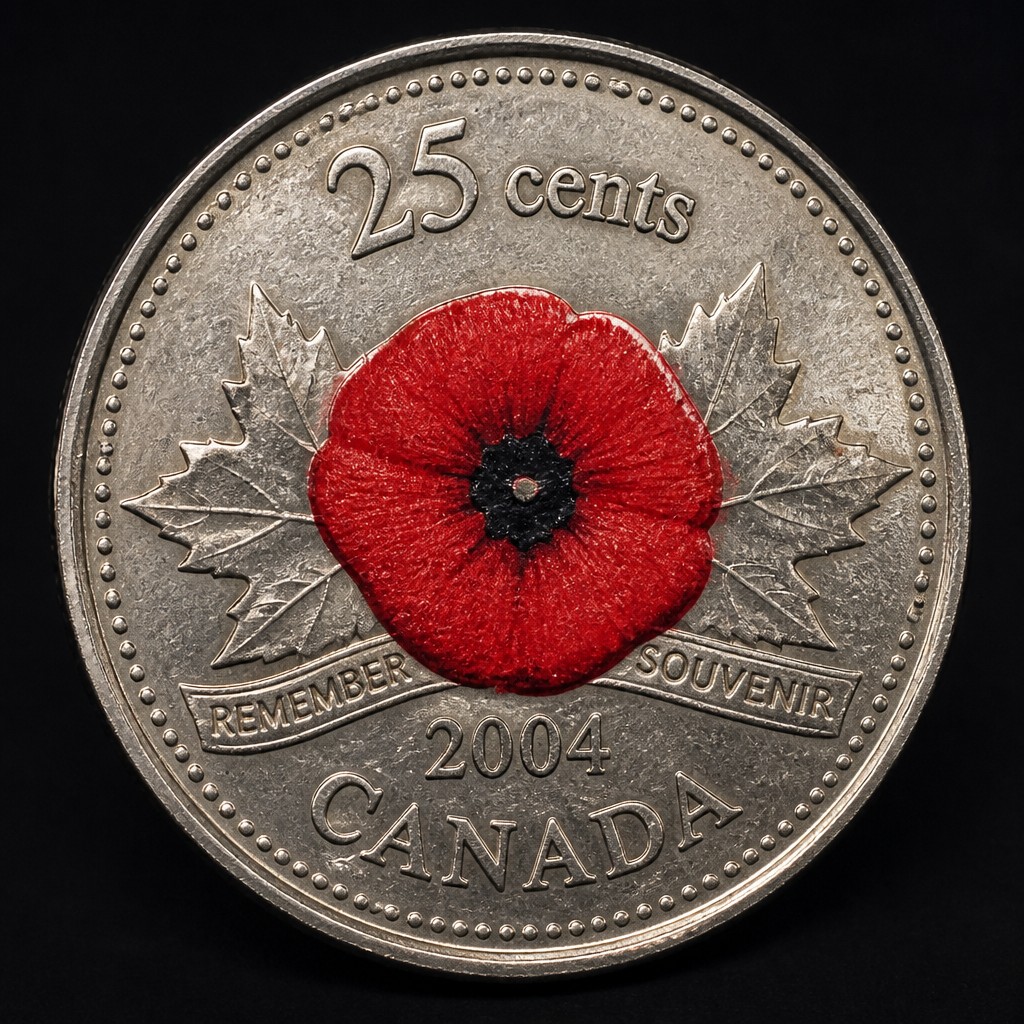
Royal Canadian Mint Colored Poppy Quarter (2004)
2004
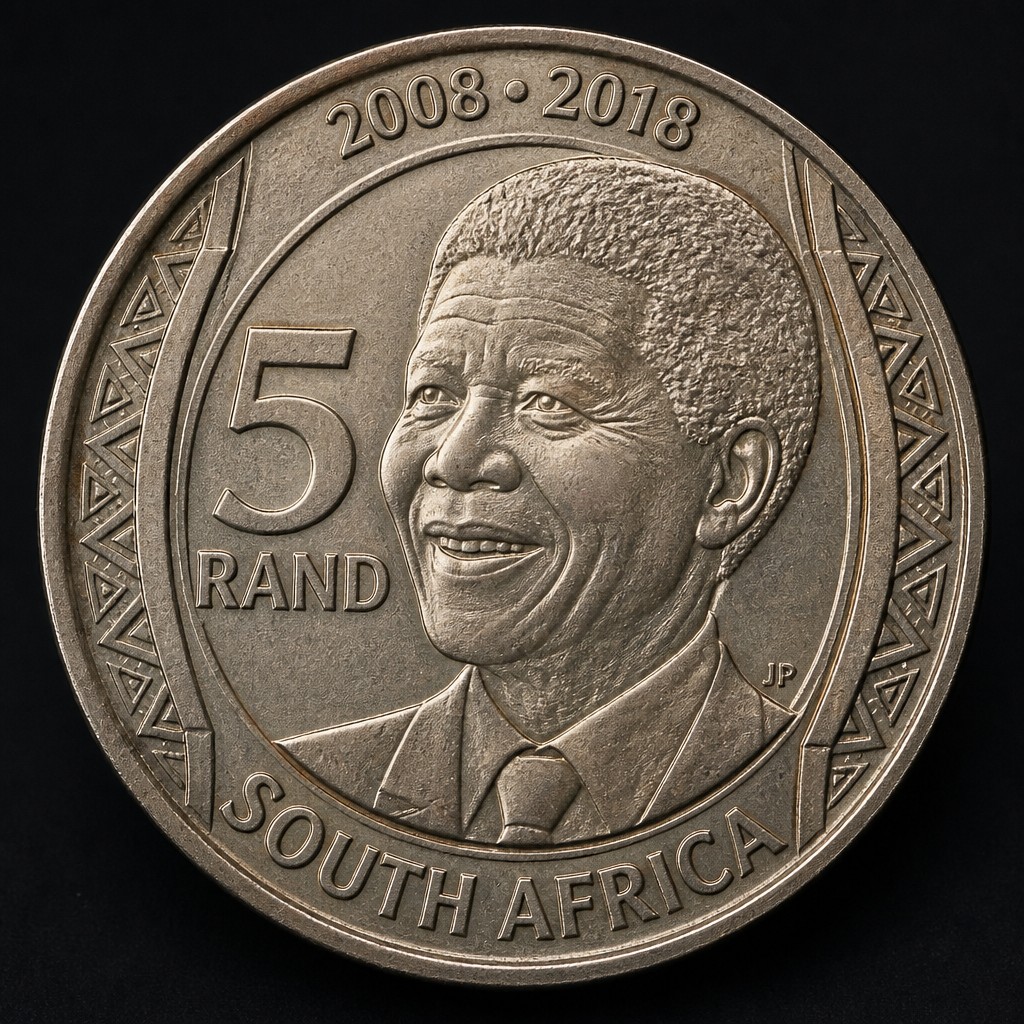
South African Mandela R5 Coin
2008; 2018
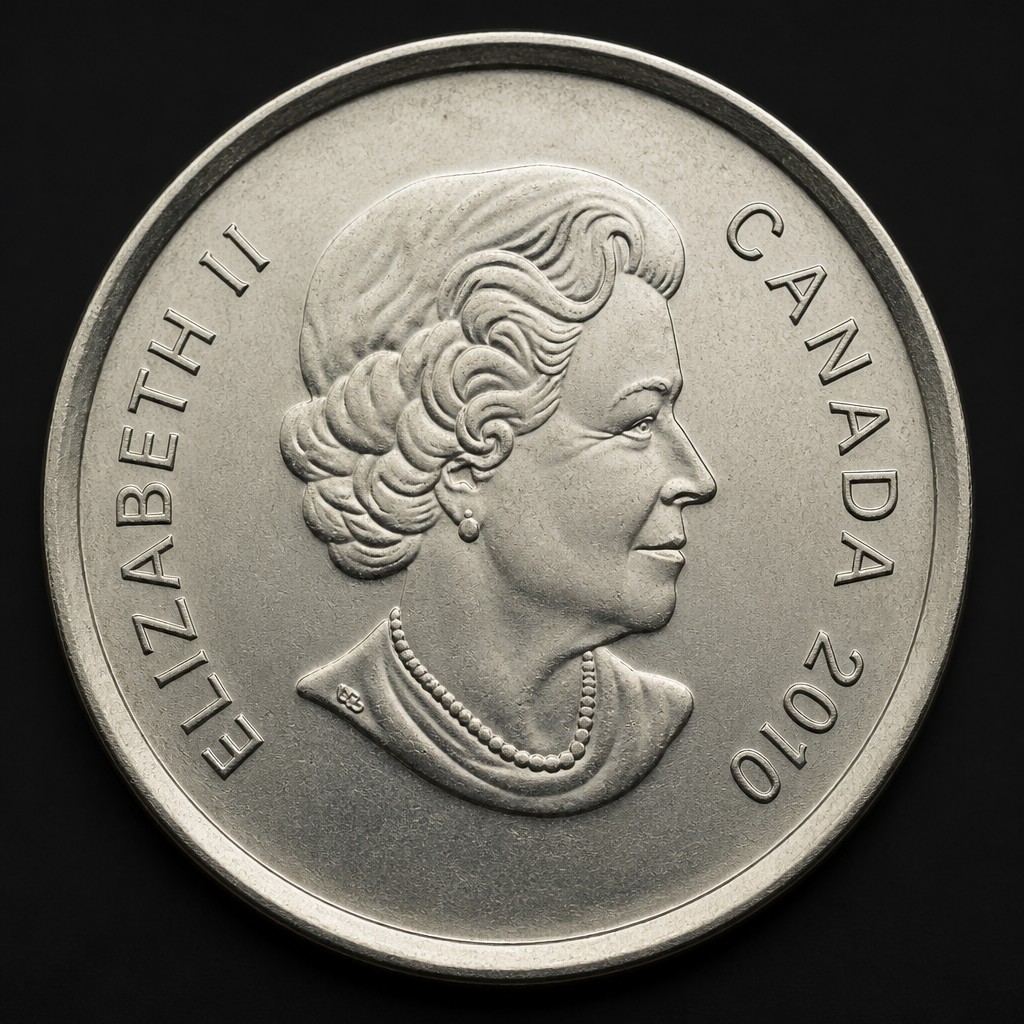
Canadian 2010 Vancouver Olympics Coins
2007–2010
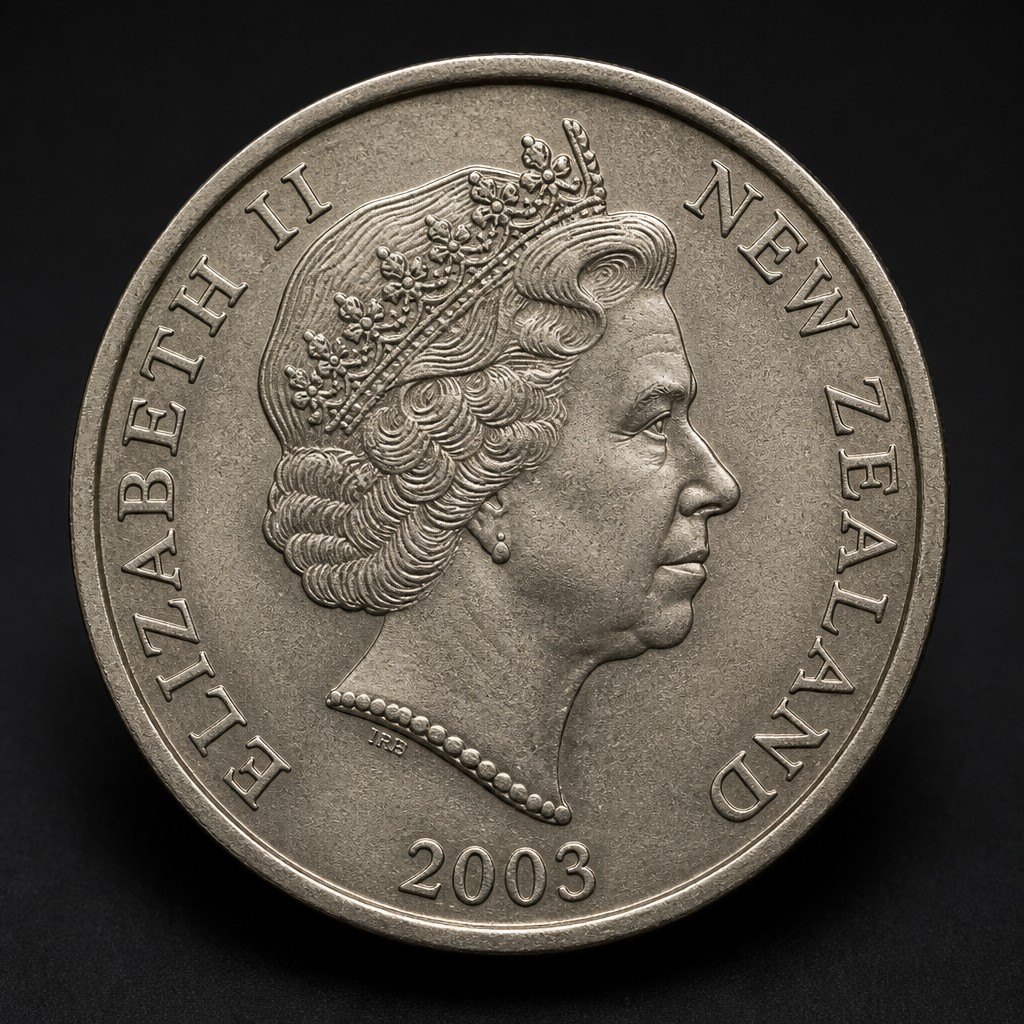
New Zealand Lord of the Rings Coins (2003)
2003 (continuing in following years)
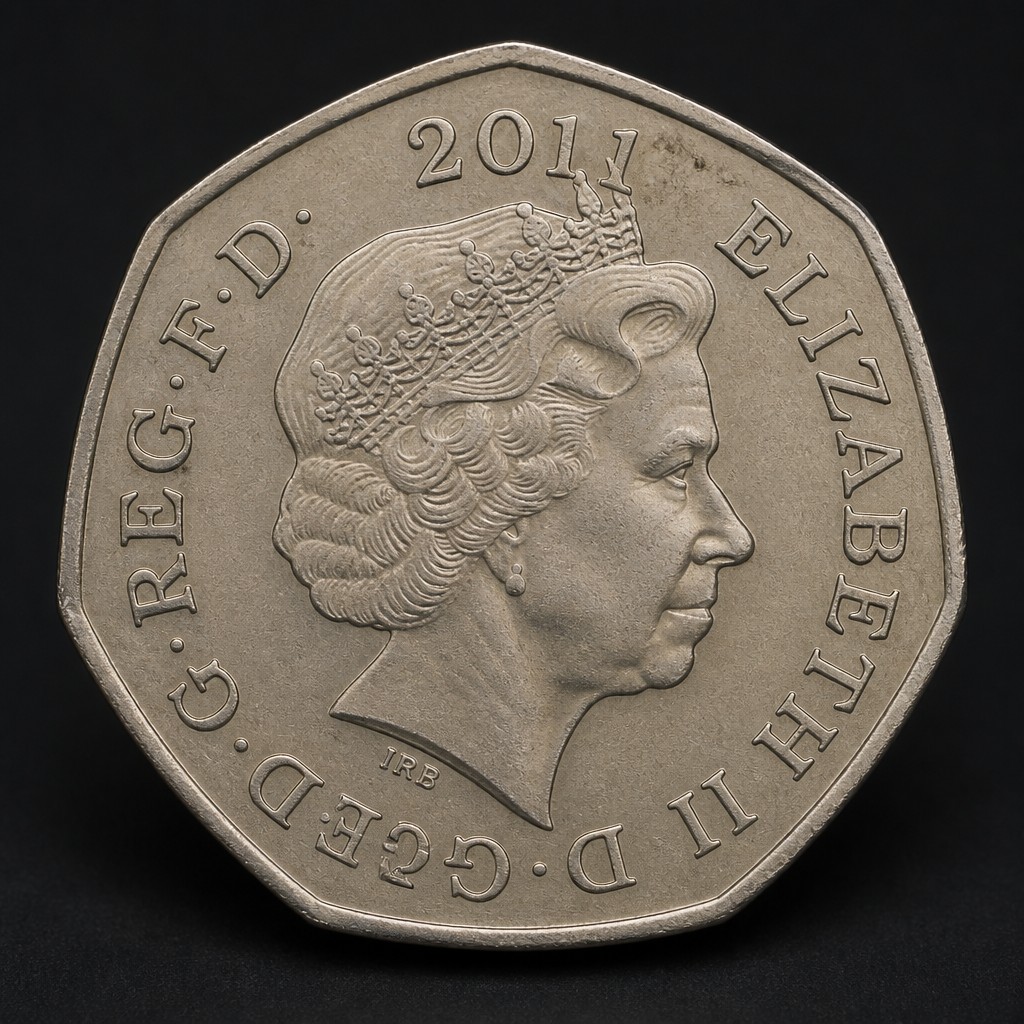
2012 London Olympics 50p Series
2011
Tuvalu Marvel Silver Coins
2010s-present
US Olympic Commemorative Dollar (1983)
1983
2000 Sydney Olympics Coin Series
1997–2000
Euro €2 Commemorative Coins
2004–present
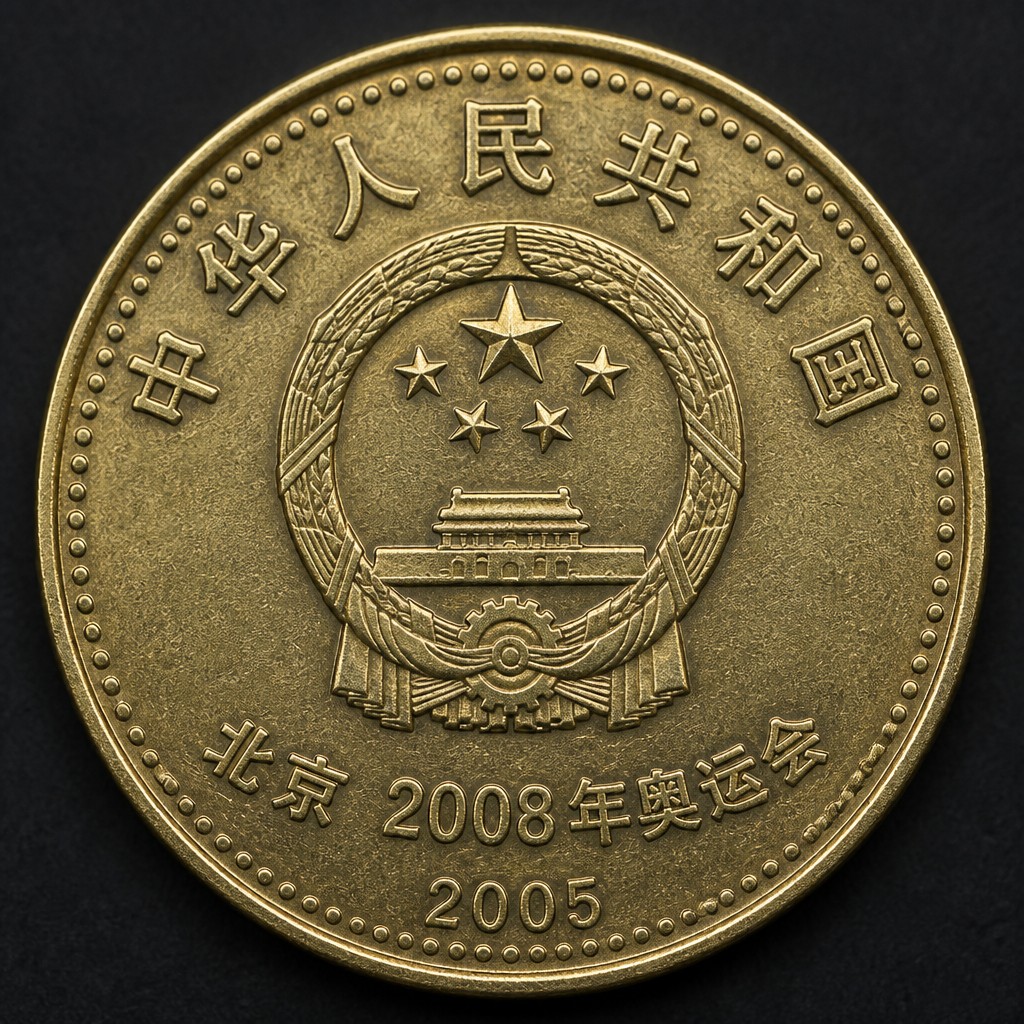
2008 Beijing Olympics Commemorative Coins
2005–2008
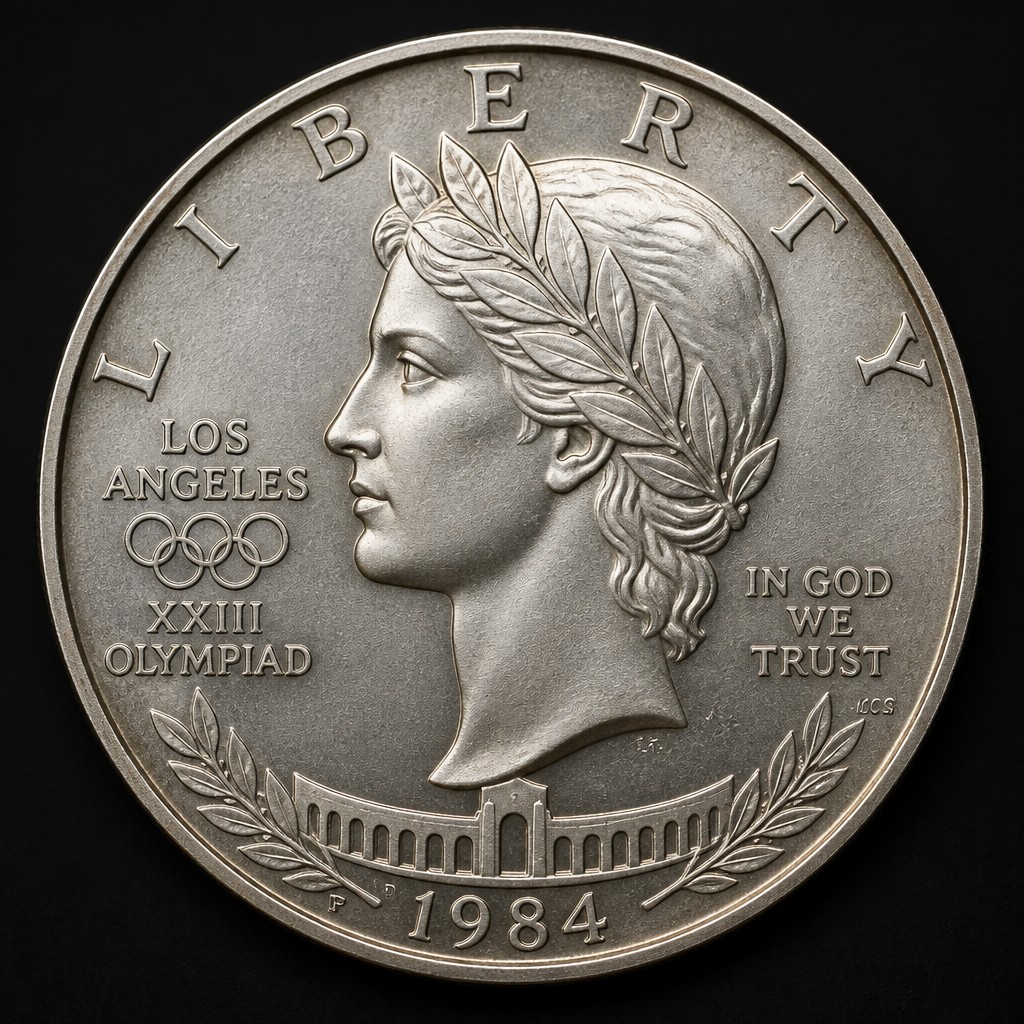
1984 Los Angeles Olympics Commemorative Dollar
1984
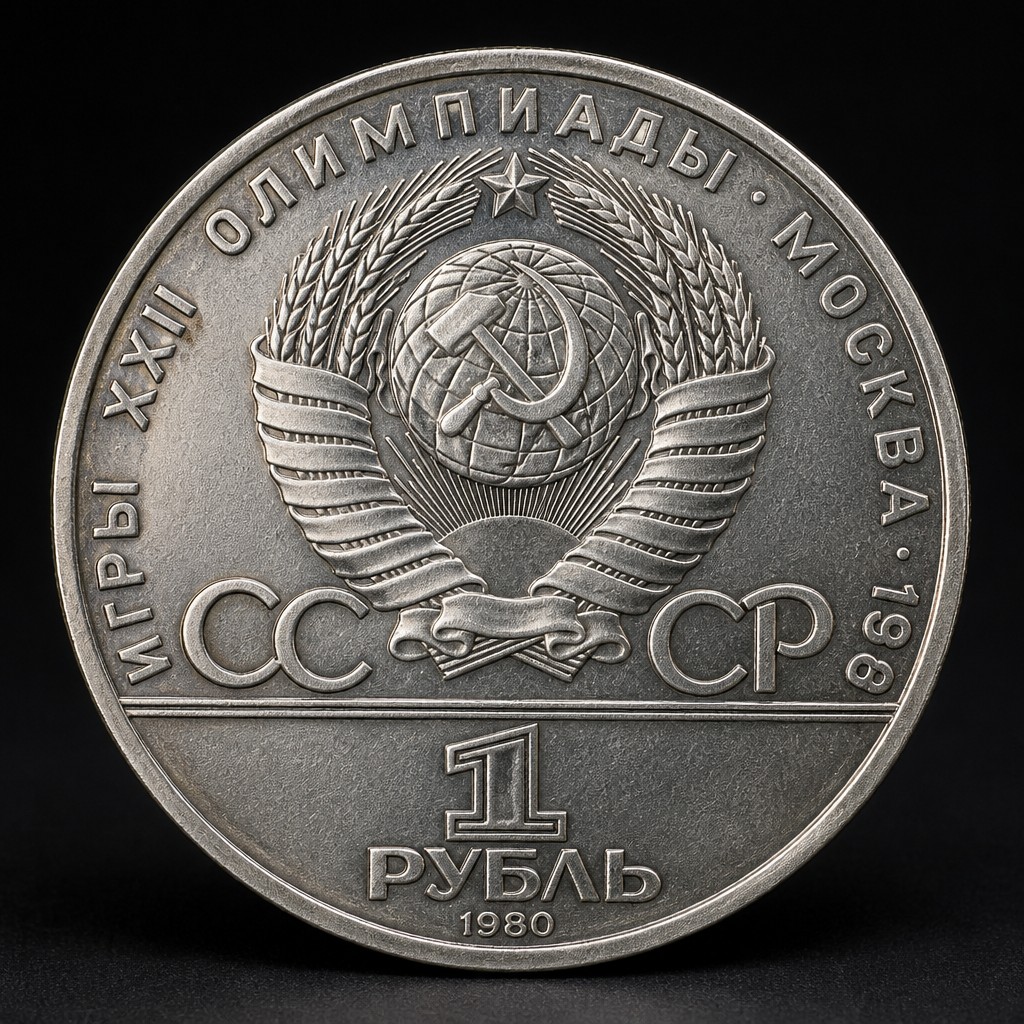
1980 Moscow Olympics Silver Rouble
1977–1980