
Coin Encyclopedia
Search and identify coins from around the world — with country, denomination, metal, mint, history, and how to tell them apart.
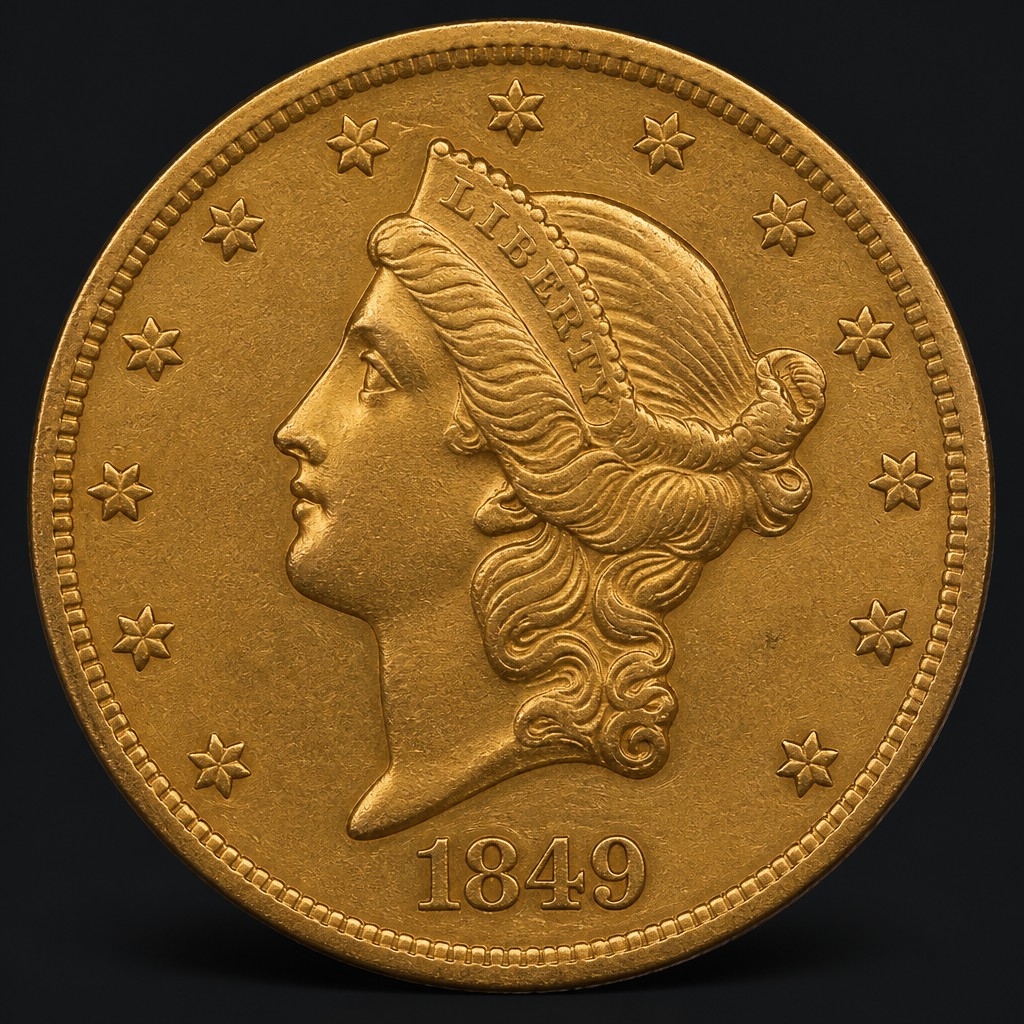
Liberty Head Double Eagle
A large gold twenty-dollar coin featuring Liberty's coronet-crowned head, struck for decades amid the California Gold Rush and westward mint expansion.
United States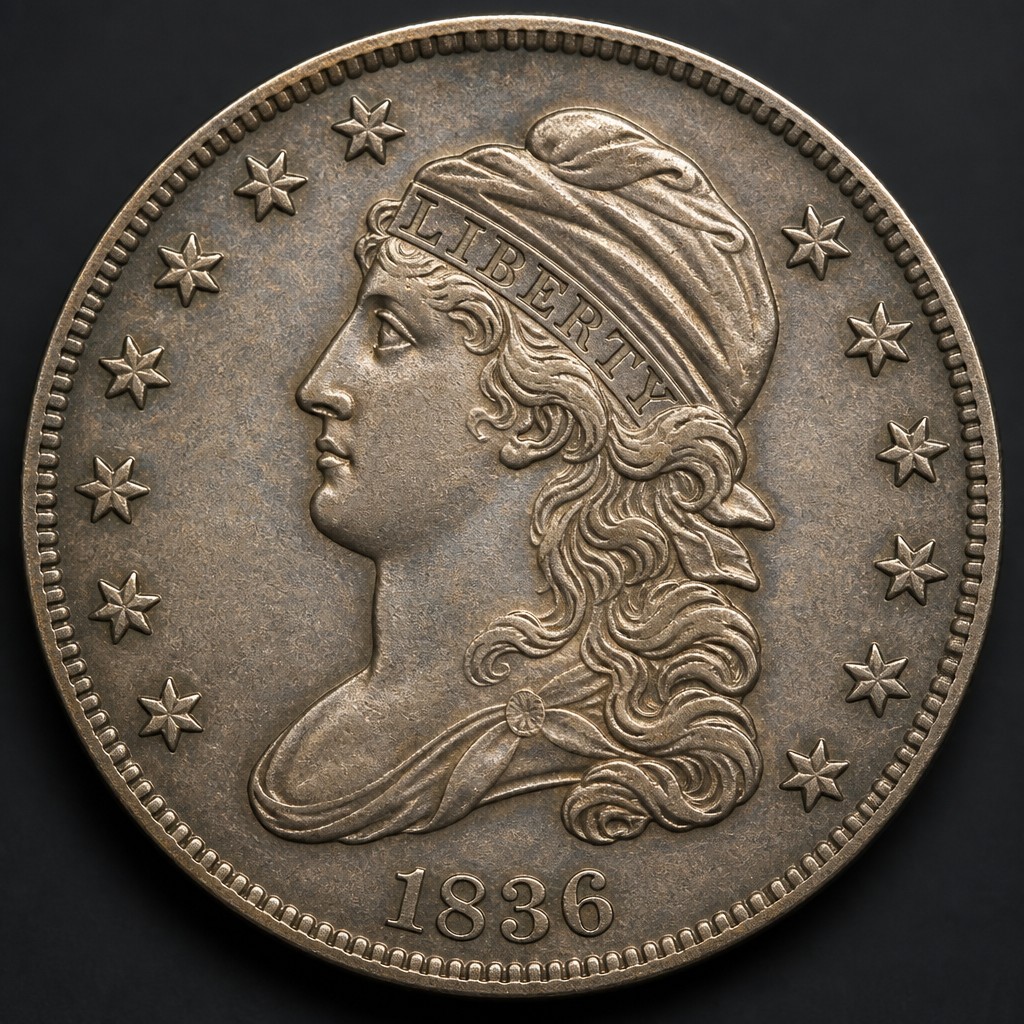
Gobrecht Dollar
A transitional silver dollar designed by Christian Gobrecht featuring a seated Liberty obverse and a flying eagle reverse, bridging older and newer designs in U.S. coinage.
United States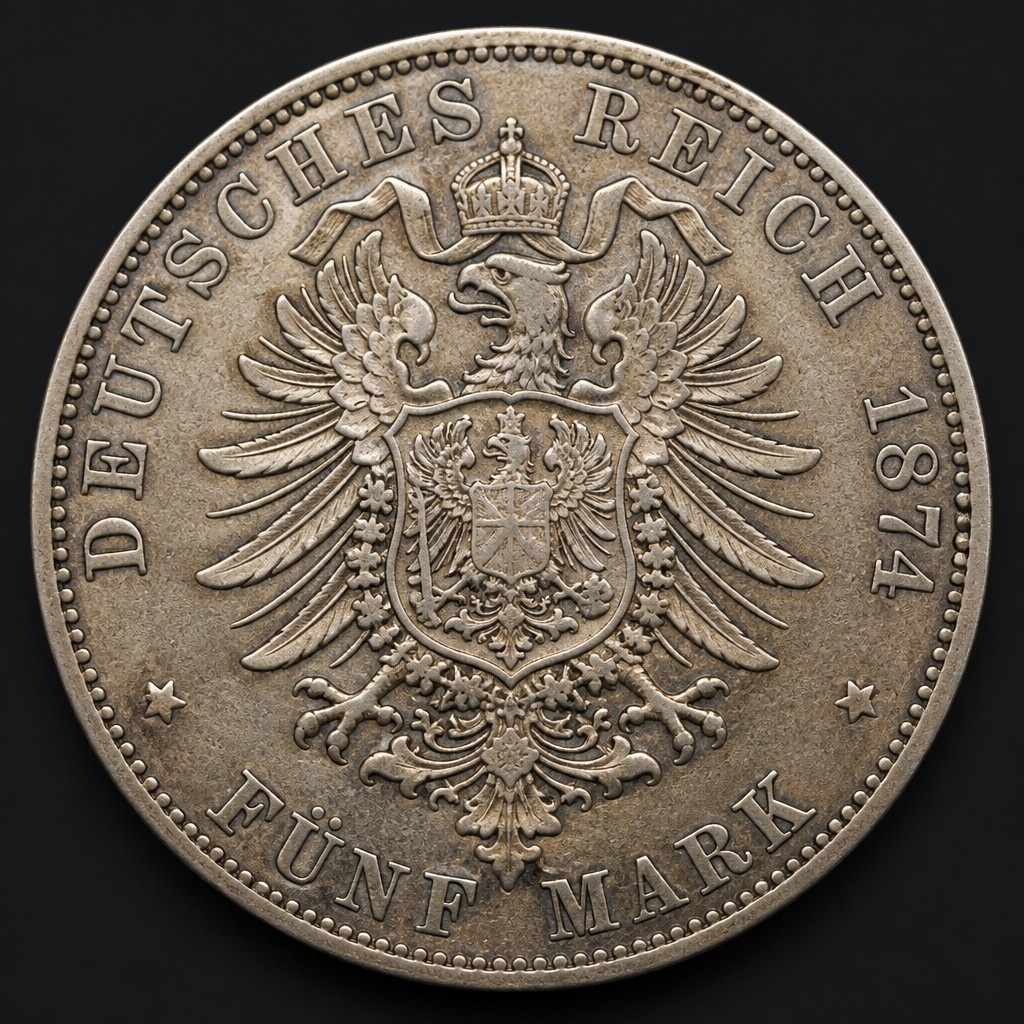
German Empire 5 Mark
A large silver crown of Imperial Germany bearing the portrait or arms of individual constituent states, unified under a common eagle reverse after German unification in 1871.
European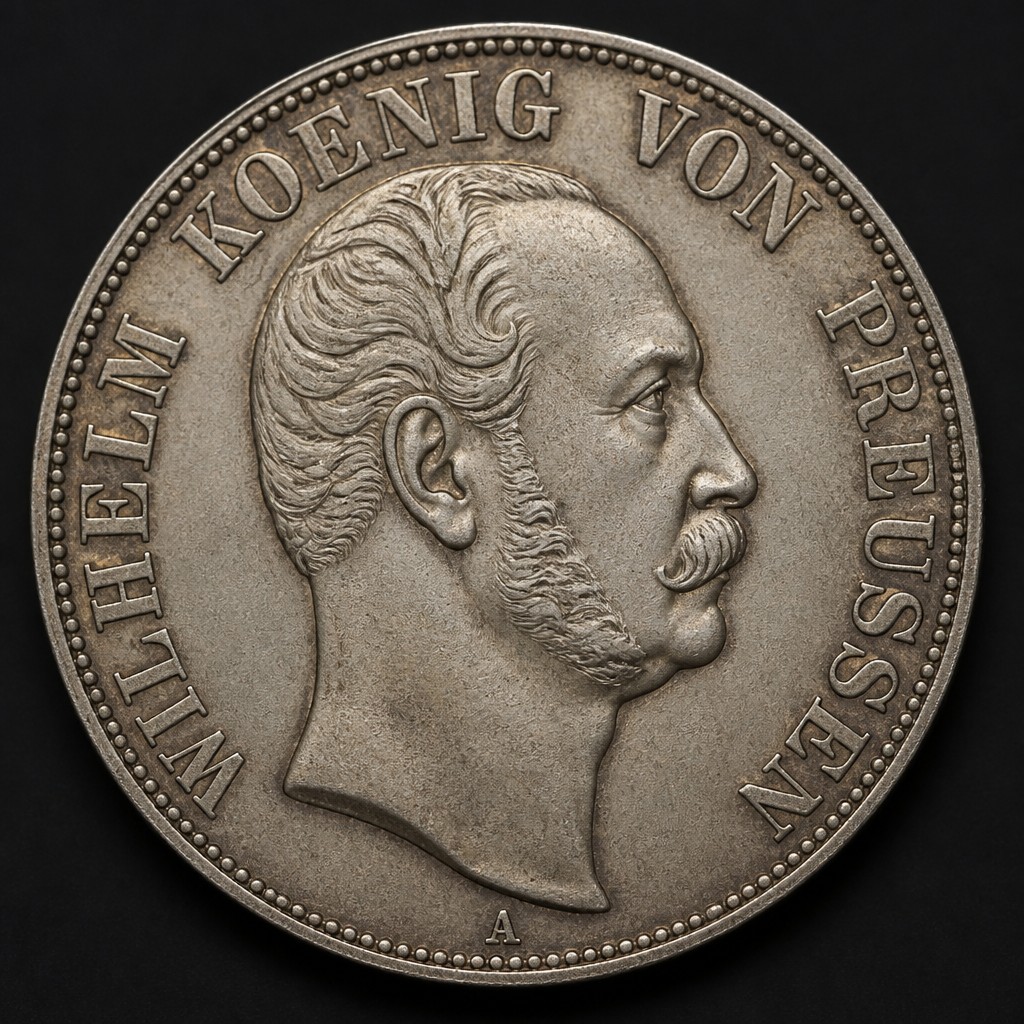
Prussian Vereinsthaler
A standardized silver thaler struck by the Kingdom of Prussia under the 1857 Vienna Monetary Treaty, unifying weight and fineness across many German and Austrian states before German unification.
European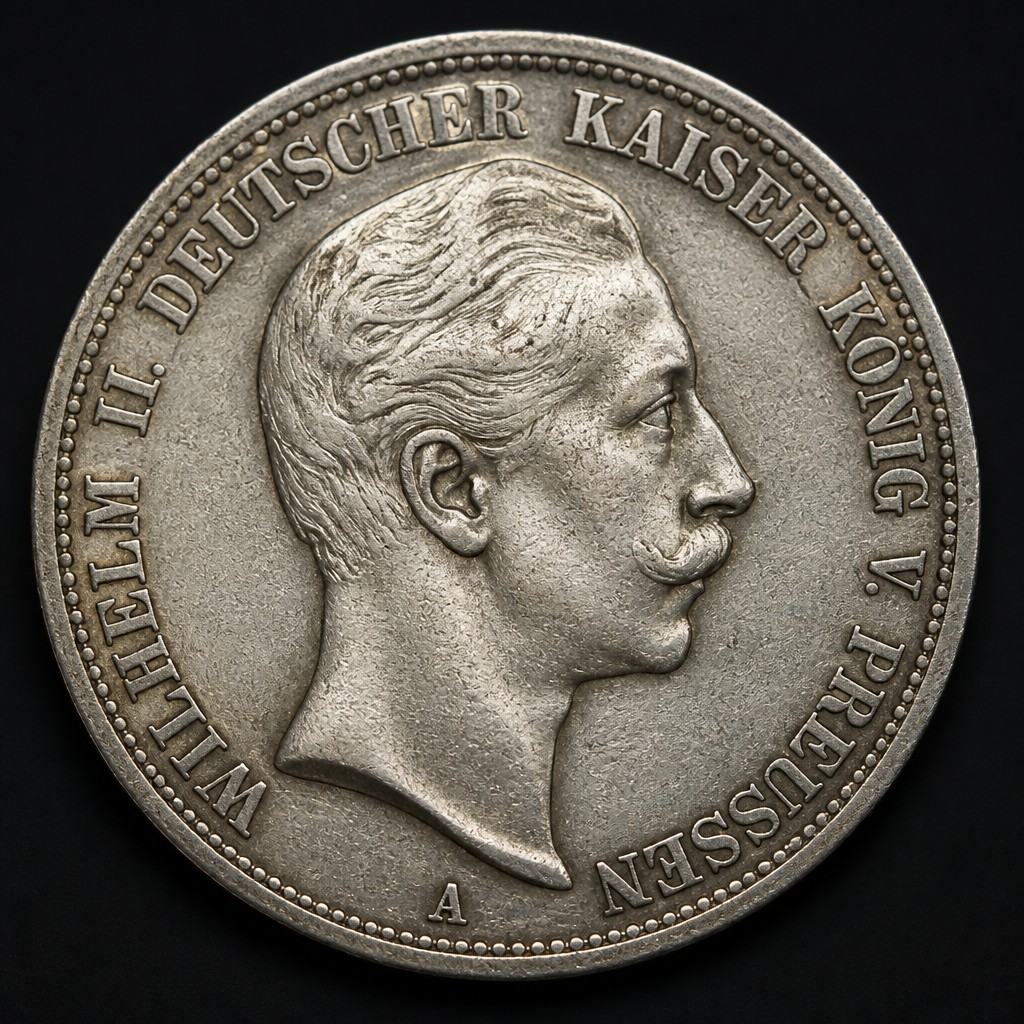
German 5 Mark Silver (Kaiserreich)
The 5 Mark was the largest circulating silver coin of the German Empire, issued by numerous constituent states and free cities, each with its own portrait or design under a common imperial system.
European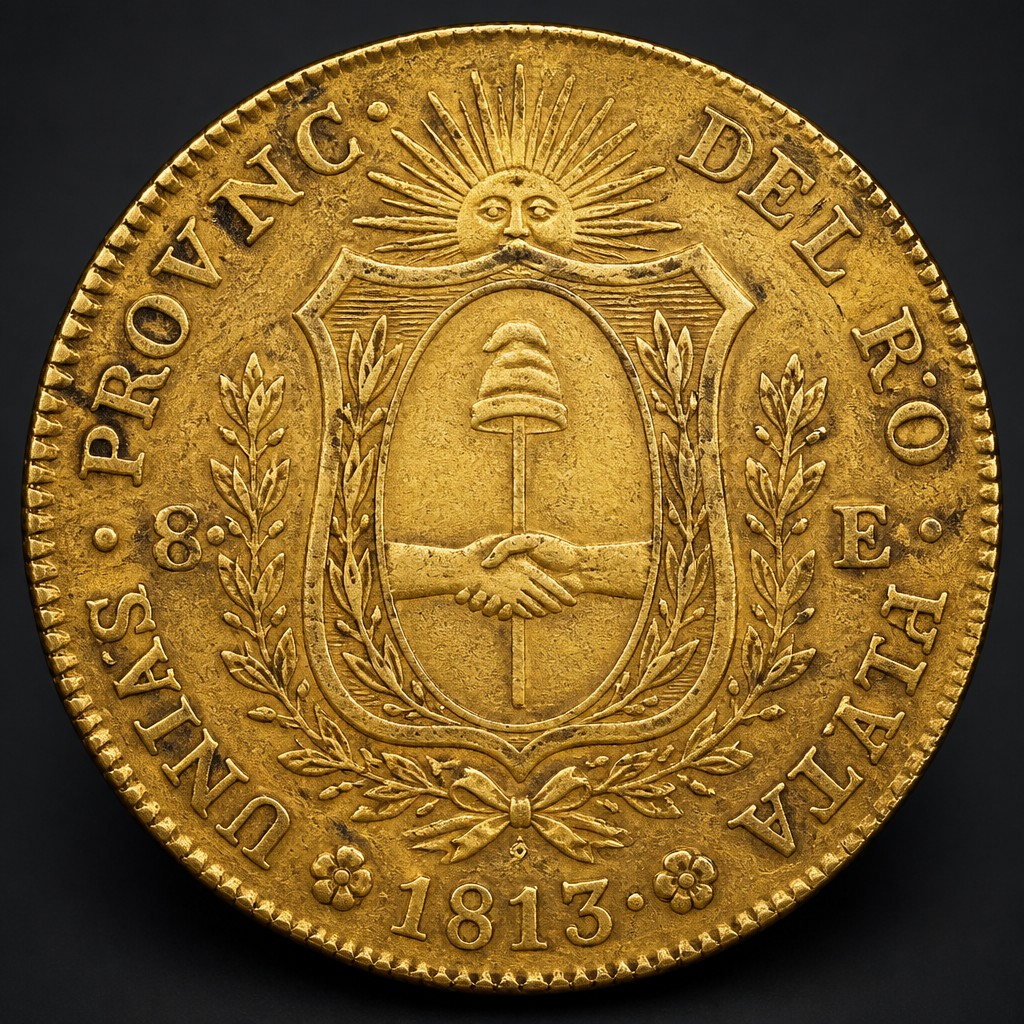
Argentine 8 Escudos Gold (1813)
An extremely rare gold coin from the earliest years of Argentine independence, struck briefly at Potosí under revolutionary authority and bearing the iconic Sun of May.
Latin American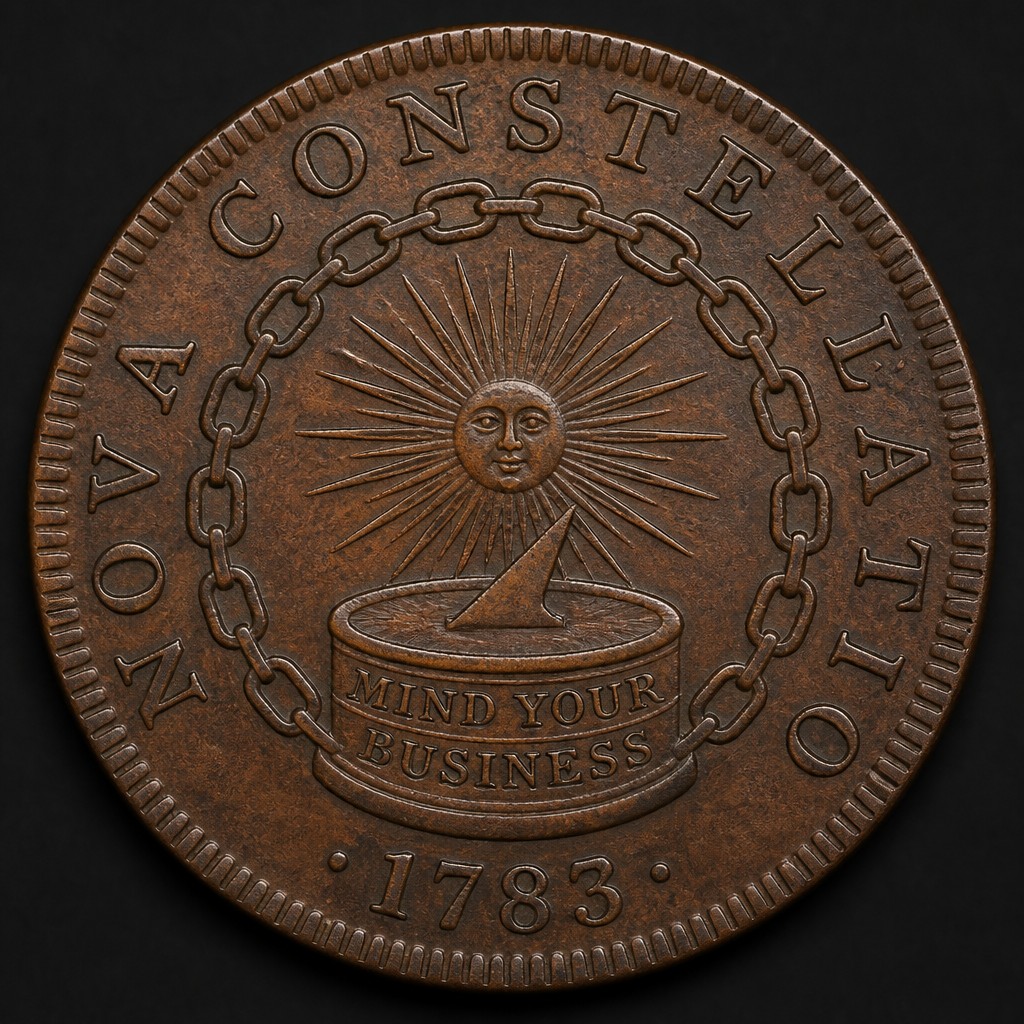
Nova Constellatio Copper
Distinctive early American copper coin featuring a radiant eye within a circle of stars, associated with Gouverneur Morris's proposed decimal coinage plans of the early 1780s.
United States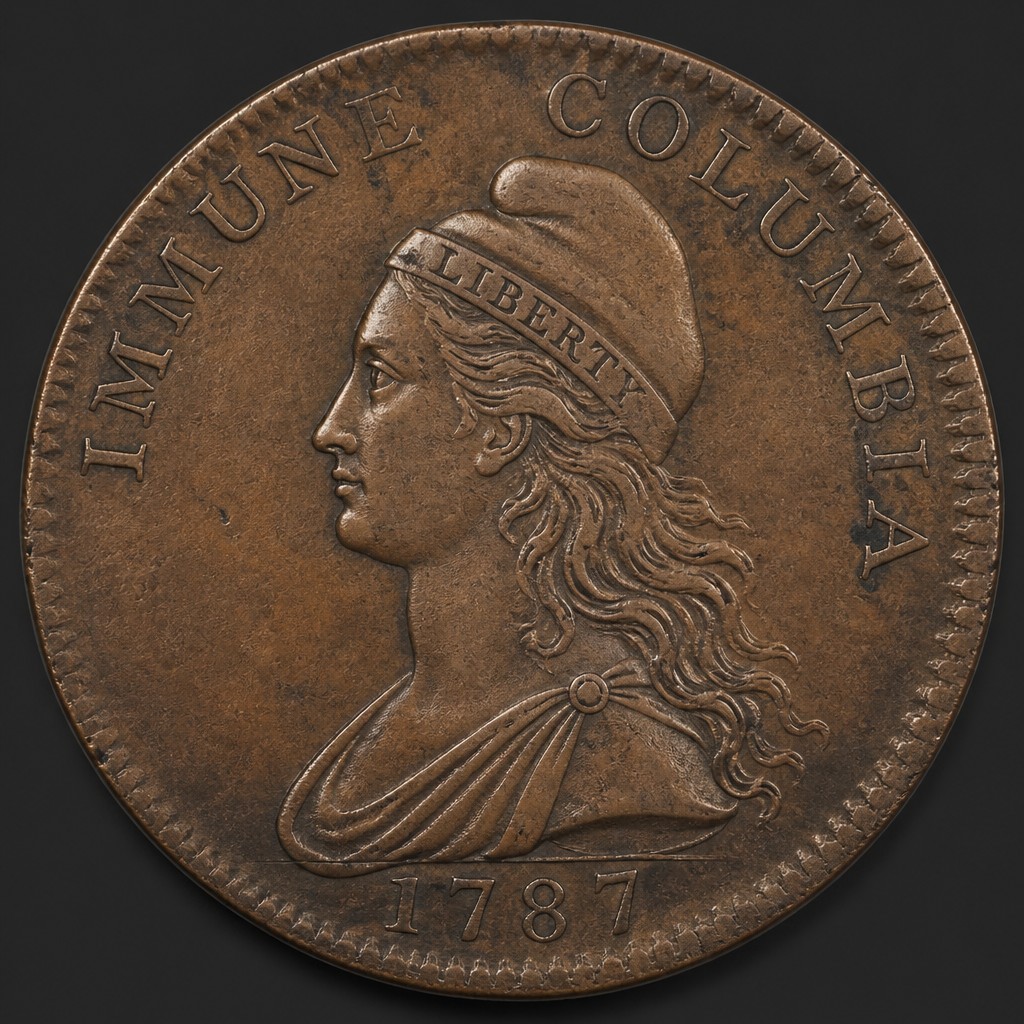
Immune Columbia Copper
An extremely rare Confederation-era copper carrying the Latin legend 'IMMUNIS COLUMBIA,' known for numerous unusual die combinations and mules with other early American and British designs.
United States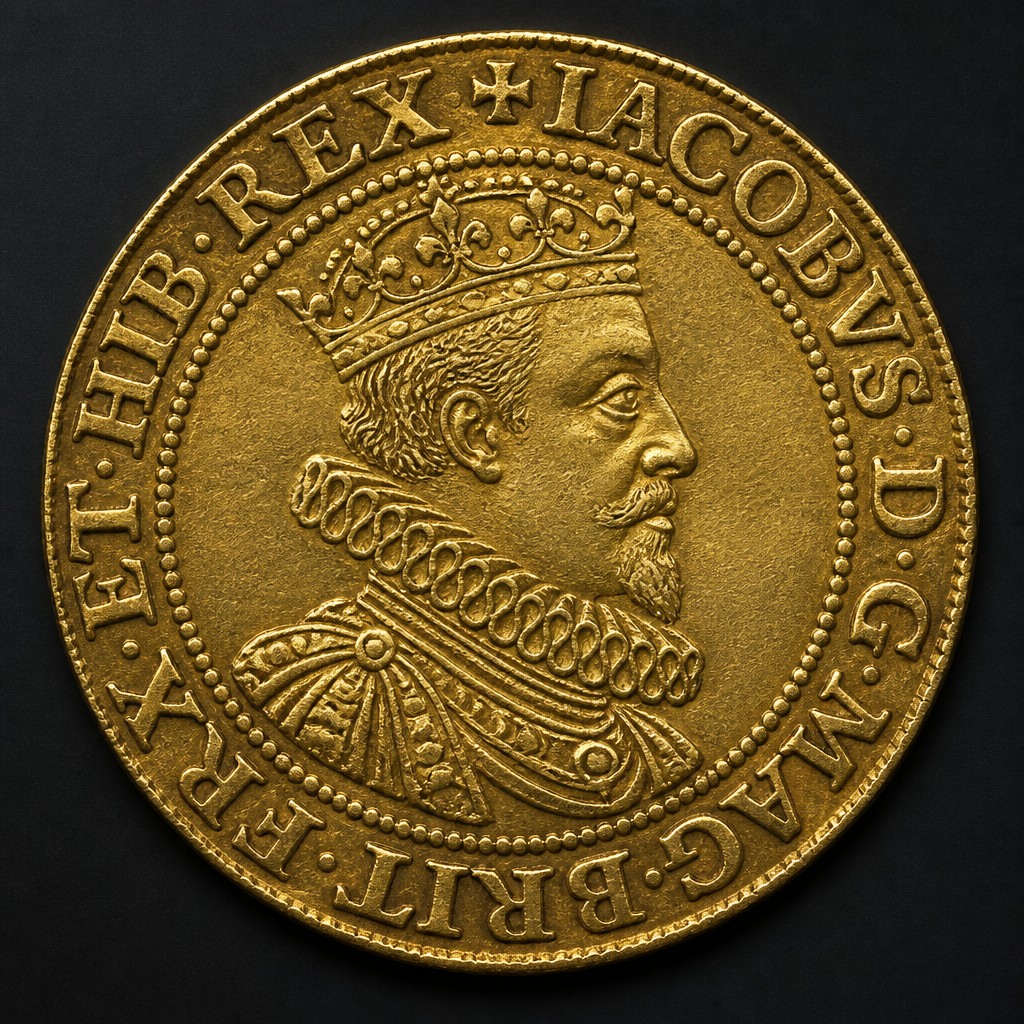
Unite
A gold twenty-shilling coin introduced by James I in 1604 to celebrate the union of the English and Scottish crowns, its name literally symbolizing the joining of the two kingdoms.
British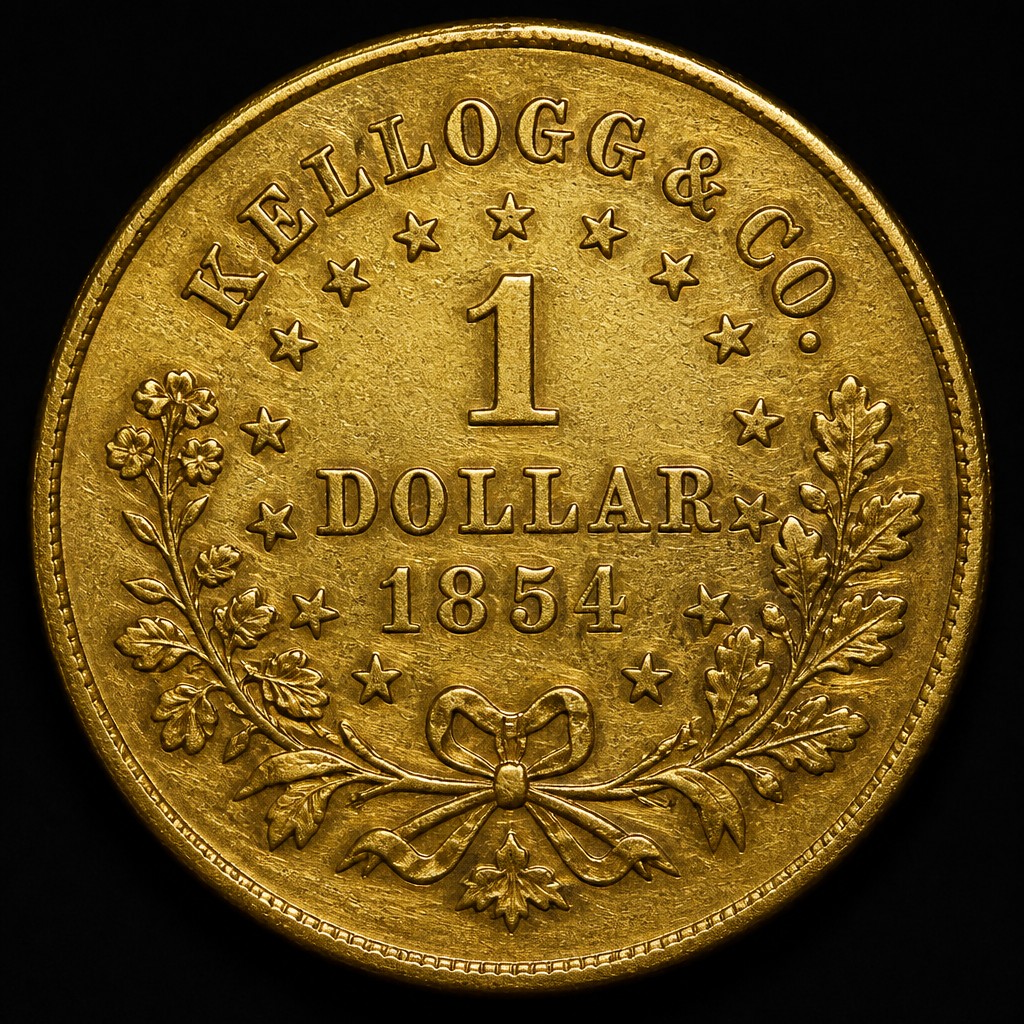
Kellogg & Co. Gold Piece
Private gold coinage struck by the San Francisco firm Kellogg & Co. during the California Gold Rush, including the famous octagonal fifty-dollar 'slug' of 1855, filling a shortage of circulating coin.
United States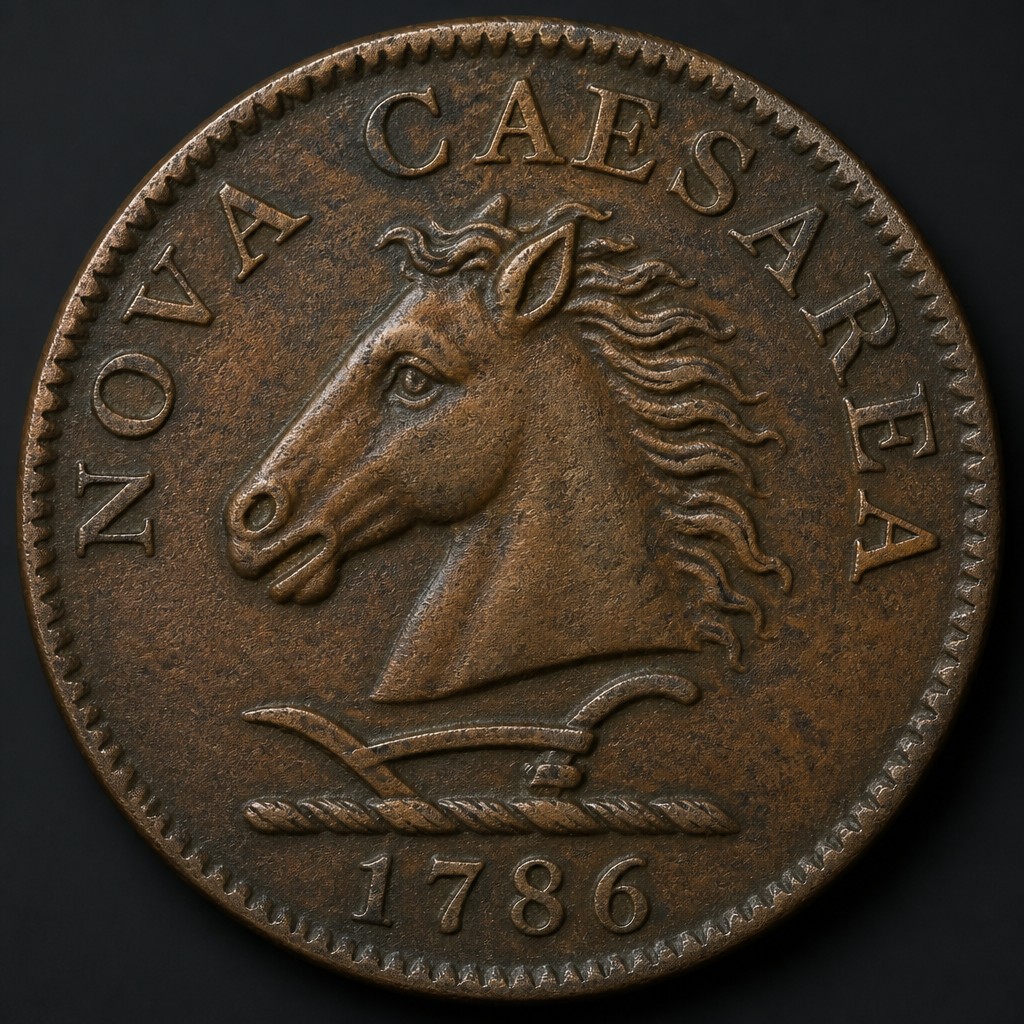
New Jersey Copper
State-authorized copper coinage struck for New Jersey in the late 1780s, famous for its horse-head-and-plow obverse and shield reverse design.
United States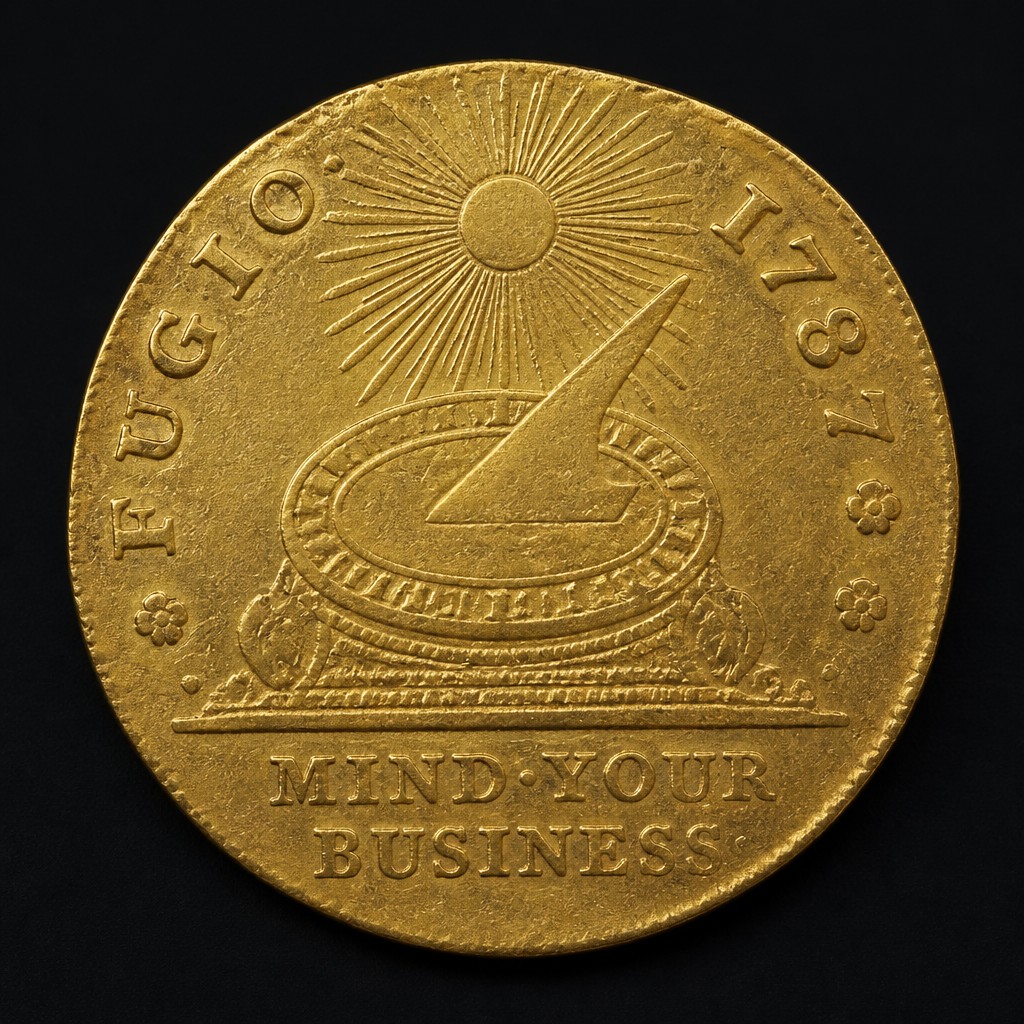
Brasher Doubloon
A famous privately struck gold coin made in 1787 by New York goldsmith Ephraim Brasher, a neighbor of George Washington, and one of the most valuable and celebrated coins in American numismatics.
United States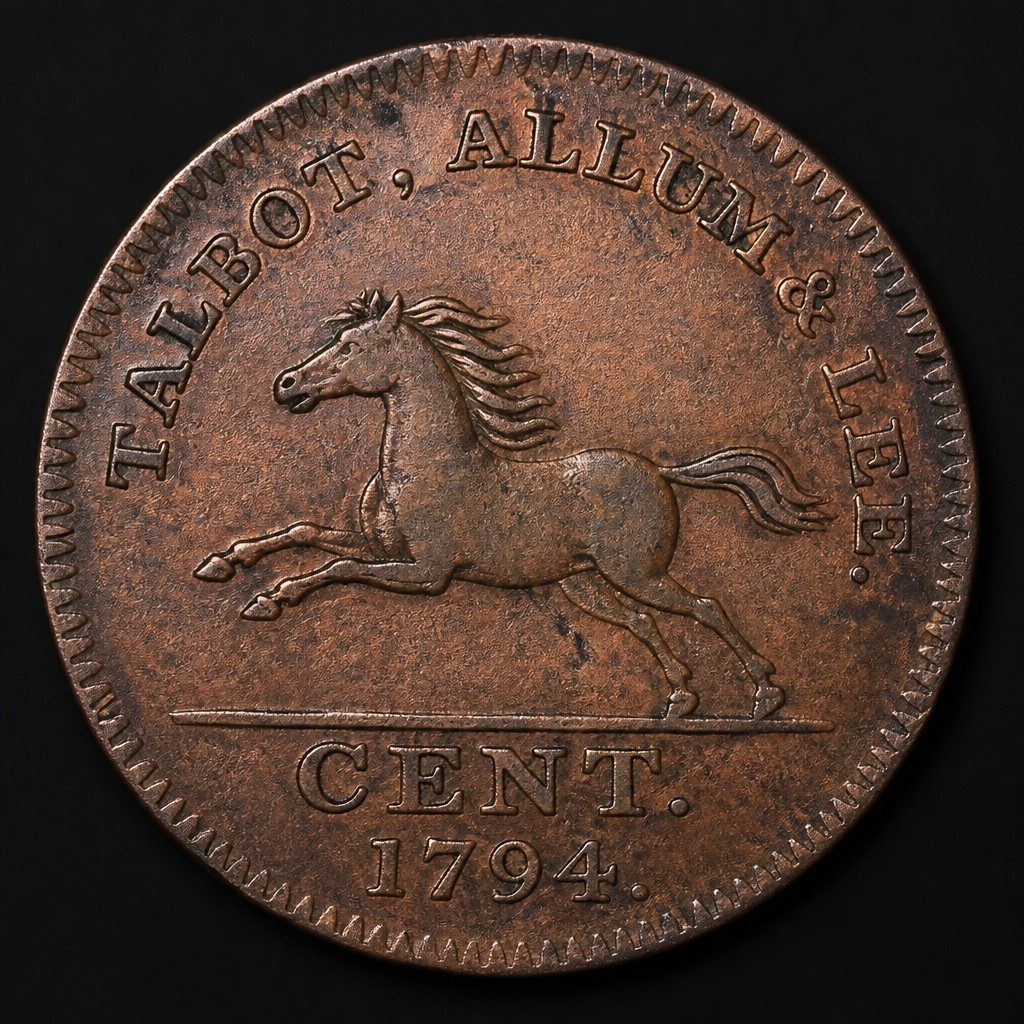
Talbot, Allum & Lee Cent
A merchant token issued by the New York trading firm Talbot, Allum & Lee to help ease the shortage of small change in the 1790s, featuring a sailing ship on the obverse.
United States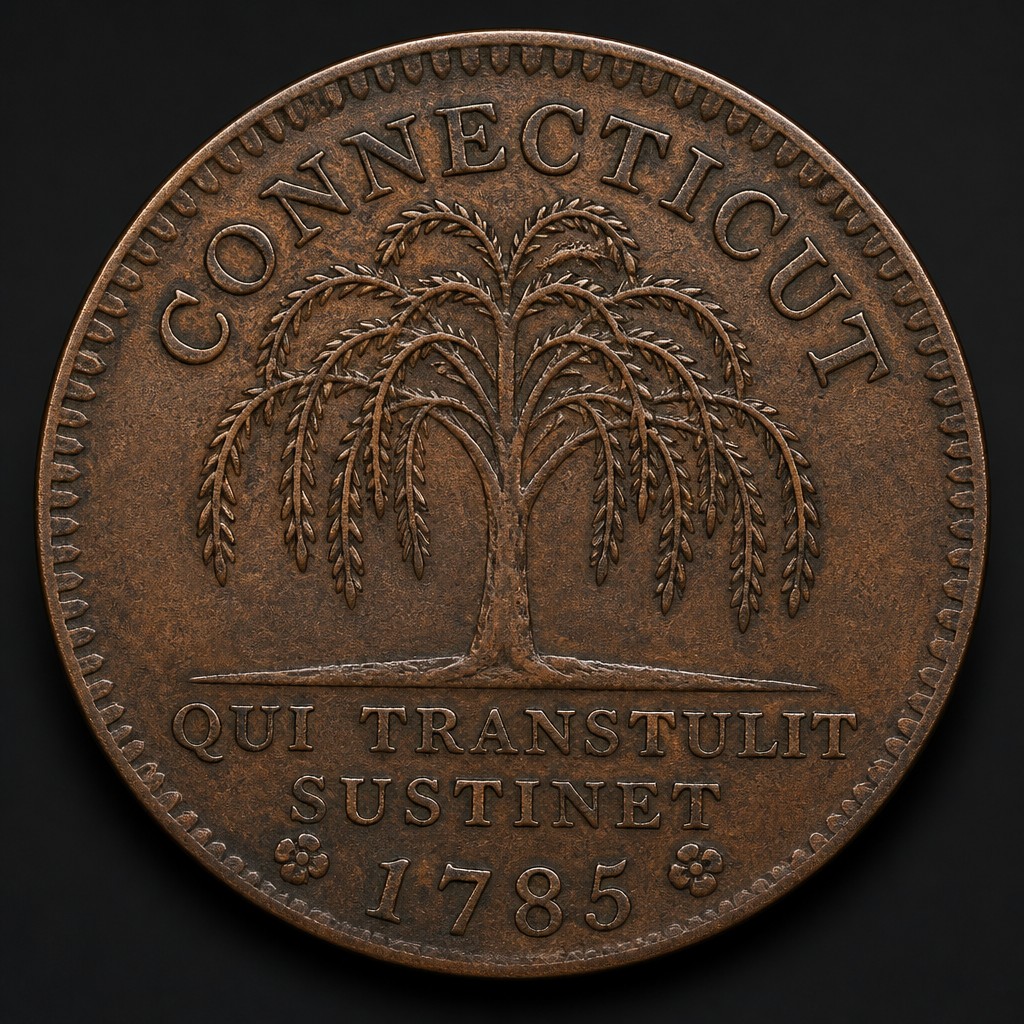
Connecticut Copper
State-authorized copper coinage struck for Connecticut in the mid-1780s, featuring a bust obverse and seated Liberty reverse across numerous die varieties.
United States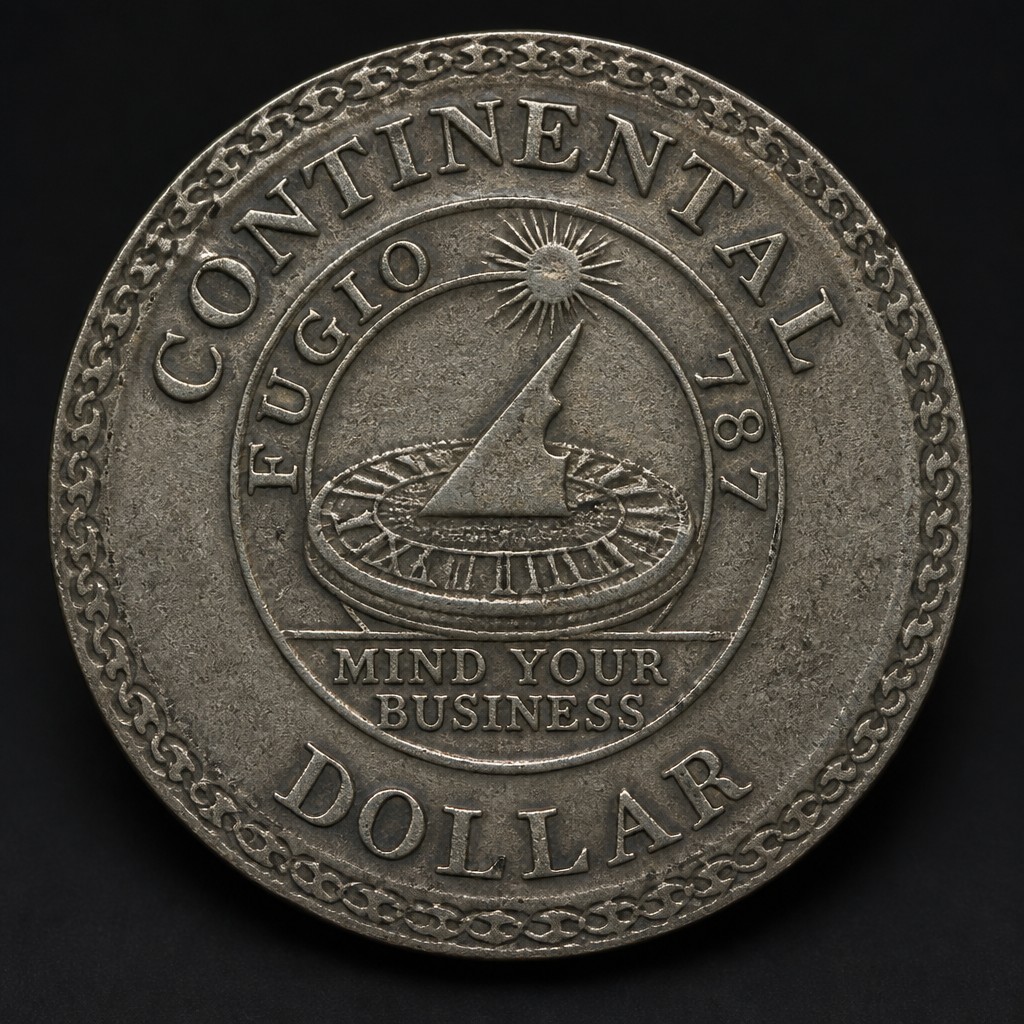
Continental Dollar
A large 1776-dated piece bearing a sundial, 'MIND YOUR BUSINESS,' and a thirteen-link chain, long debated as either an intended Continental Congress dollar or a contemporary satirical piece.
United States
Massachusetts Cent (1787-1788)
State-issued copper coinage struck by the Commonwealth of Massachusetts in 1787 and 1788, notable as the first official U.S. coinage to use the denomination 'cent'.
United States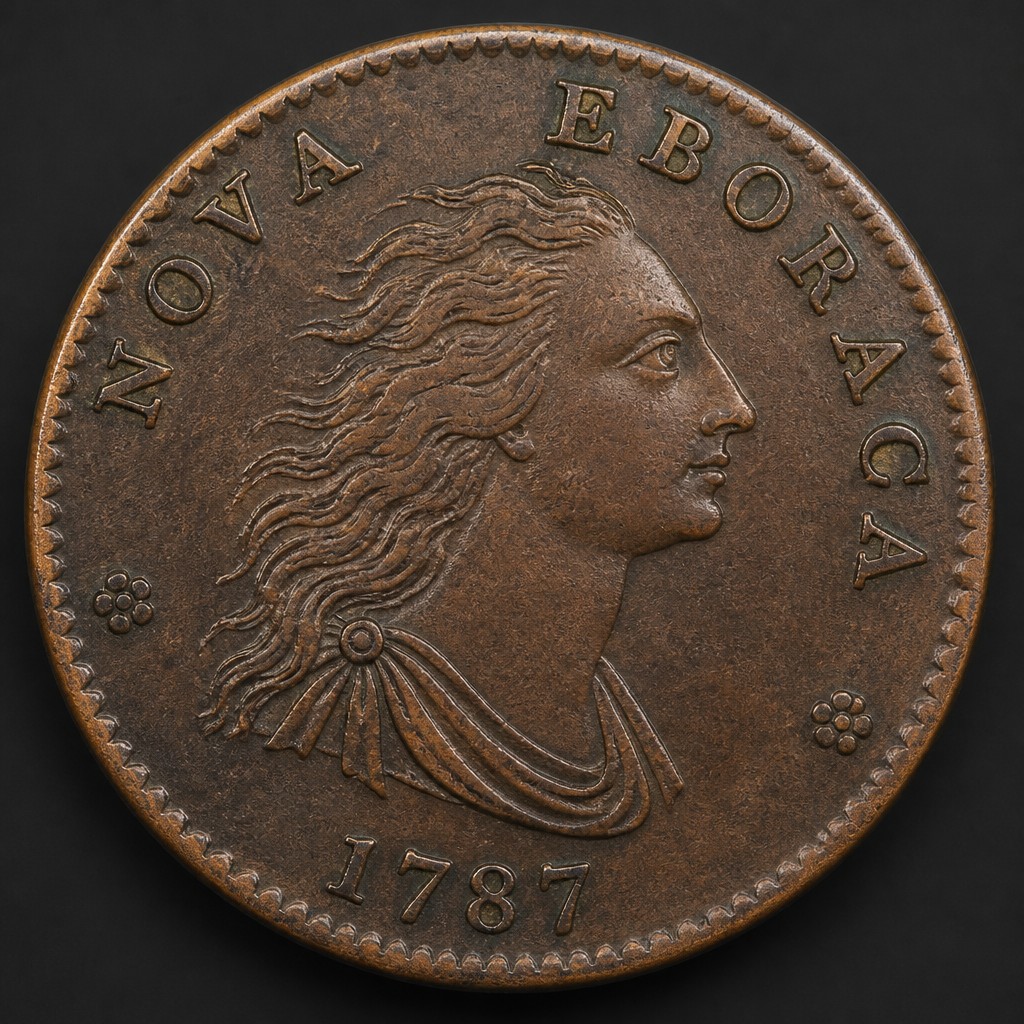
Nova Eborac Copper
A 1787-dated copper bearing the Latin name for New York, struck privately after the state failed to authorize its own copper coinage contract during the chaotic Confederation-era coin shortage.
United States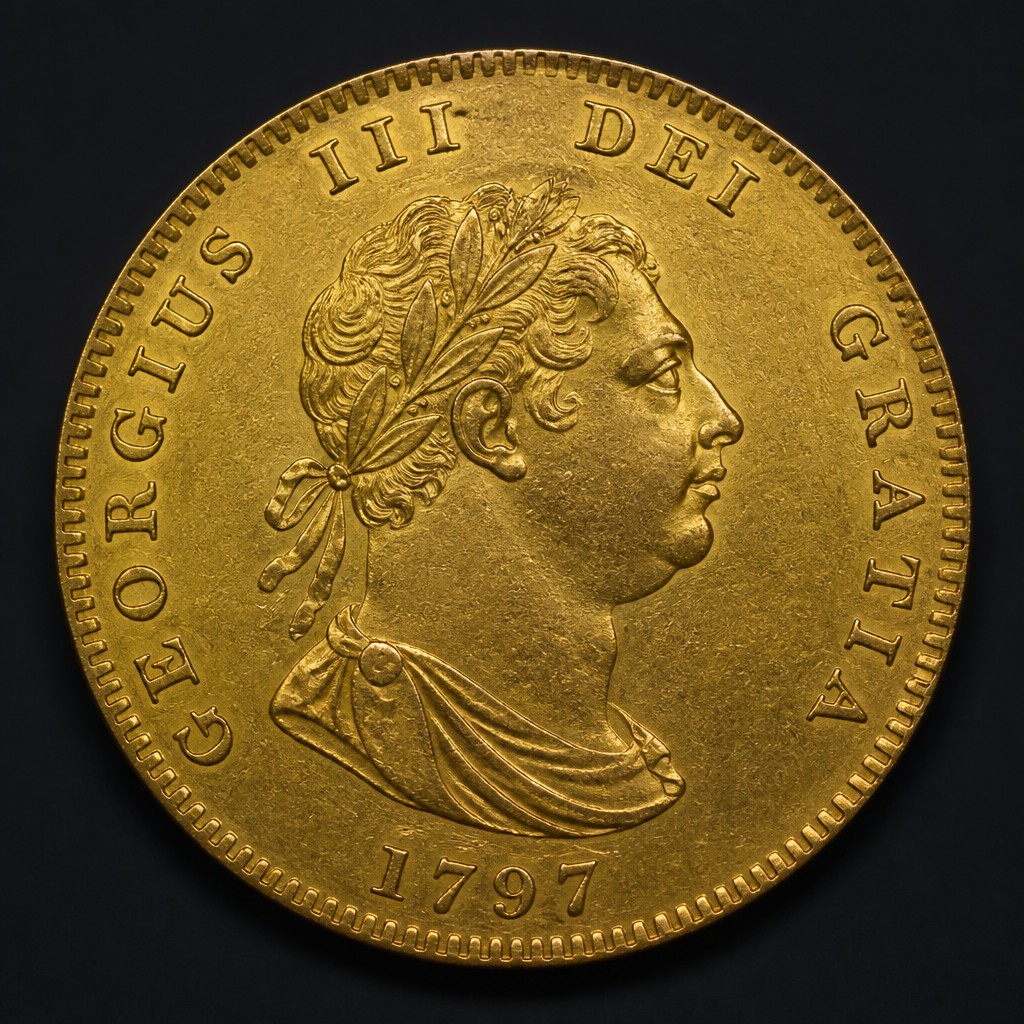
Third Guinea
A small gold coin worth one-third of a guinea, or seven shillings, struck under George III in the years leading up to the introduction of the modern sovereign.
British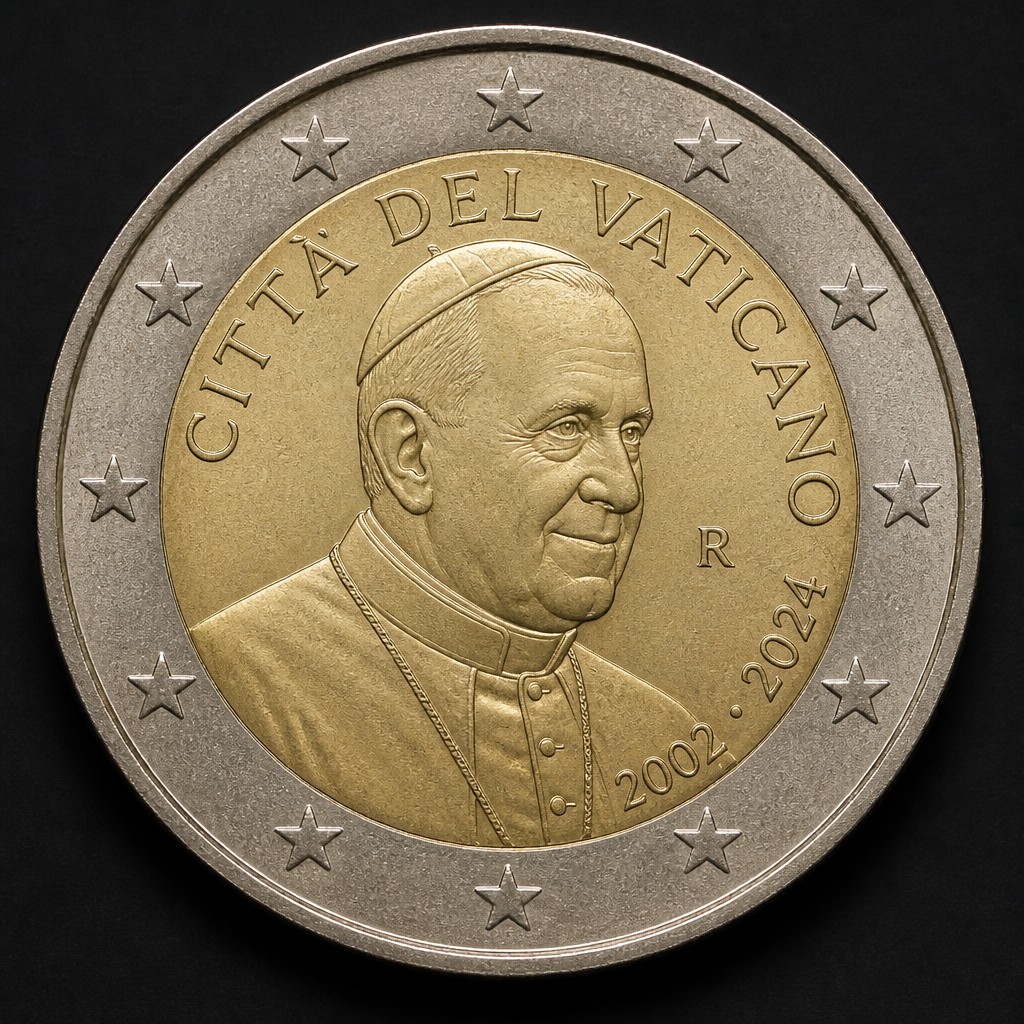
Vatican Euro Coins
Official euro coinage of the world's smallest sovereign state, struck in very limited quantities and highly sought after by euro coin collectors worldwide.
European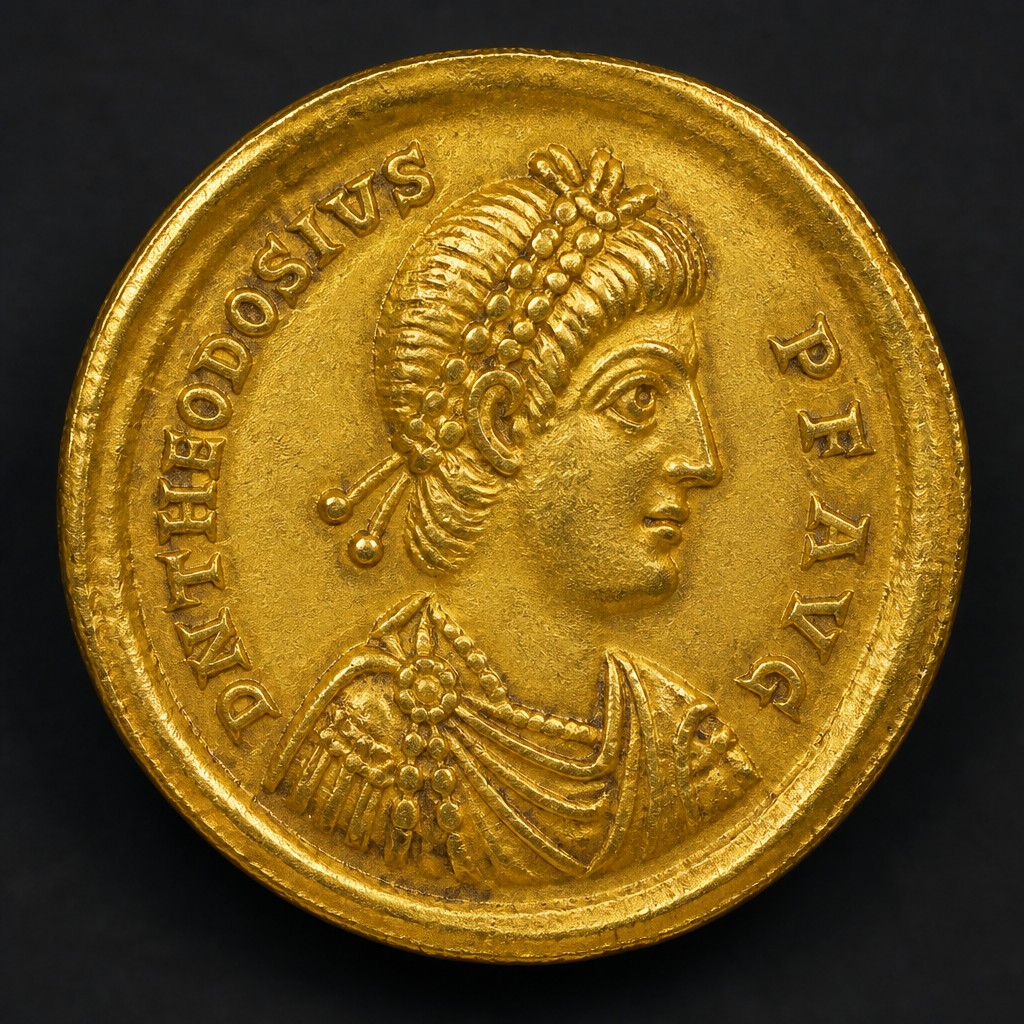
Theodosius I Solidus
A gold solidus of Theodosius I, the last emperor to rule a united Roman Empire and the ruler who made Nicene Christianity the state religion.
Ancient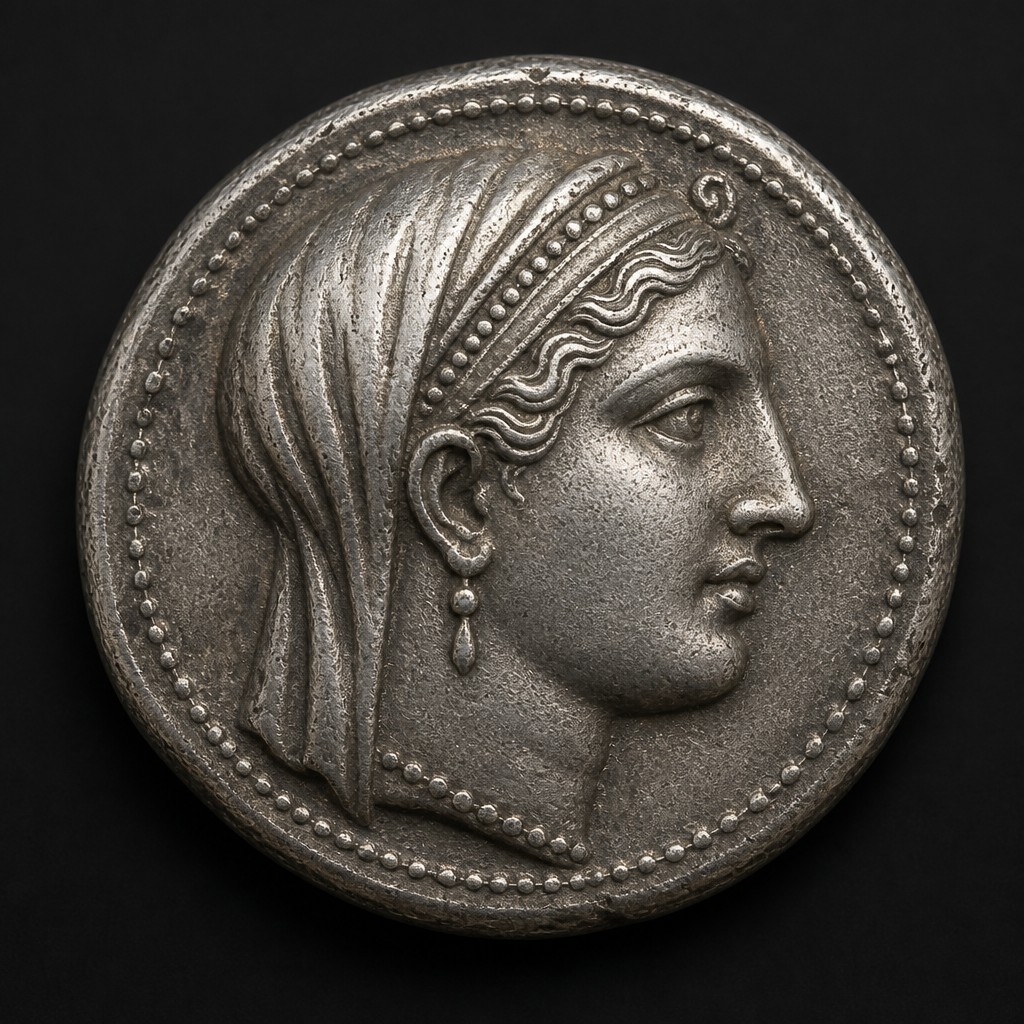
Boeotia Federal Coinage Stater
A silver stater struck under the Boeotian League's shared coinage system, instantly recognizable by the distinctive figure-eight Boeotian shield on the obverse.
Ancient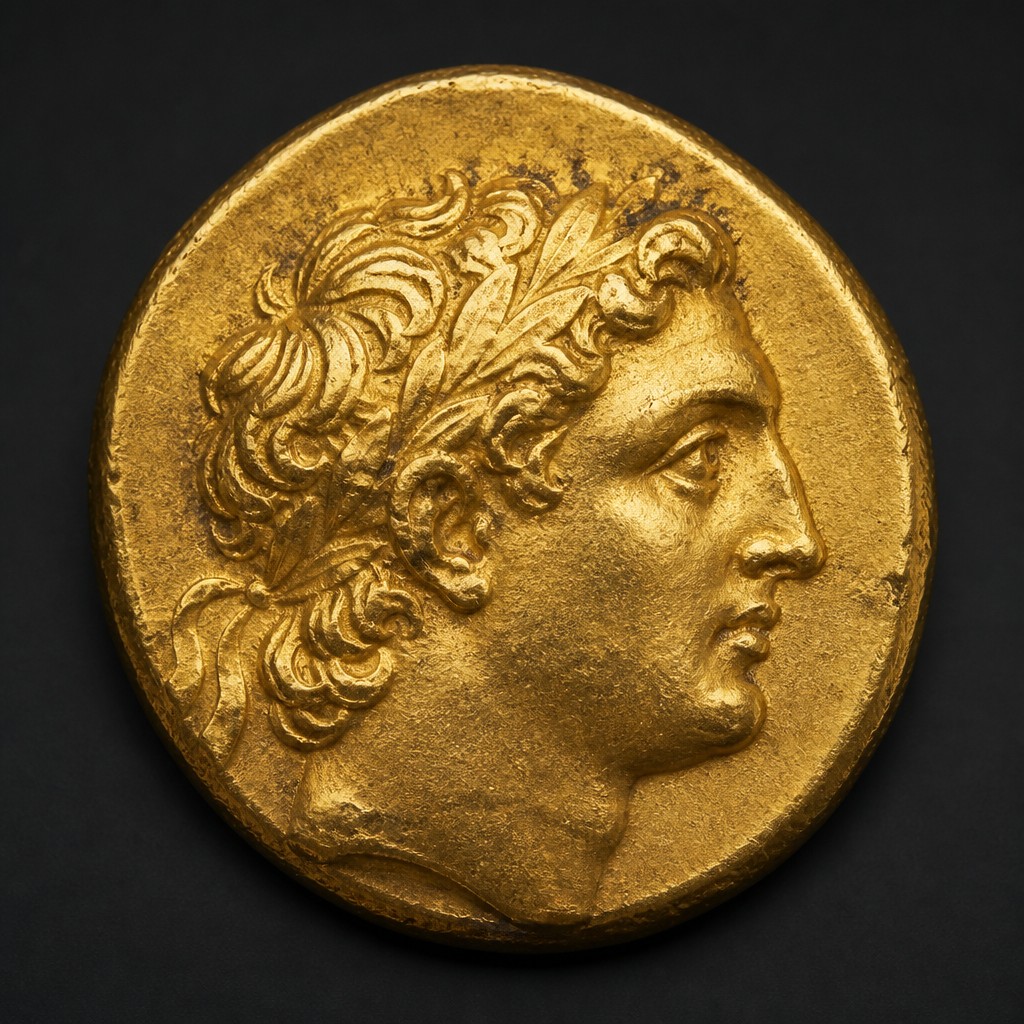
Philip II of Macedon Gold Stater
A gold stater struck under Philip II of Macedon, father of Alexander the Great, widely circulated and imitated across the ancient Mediterranean and beyond.
Ancient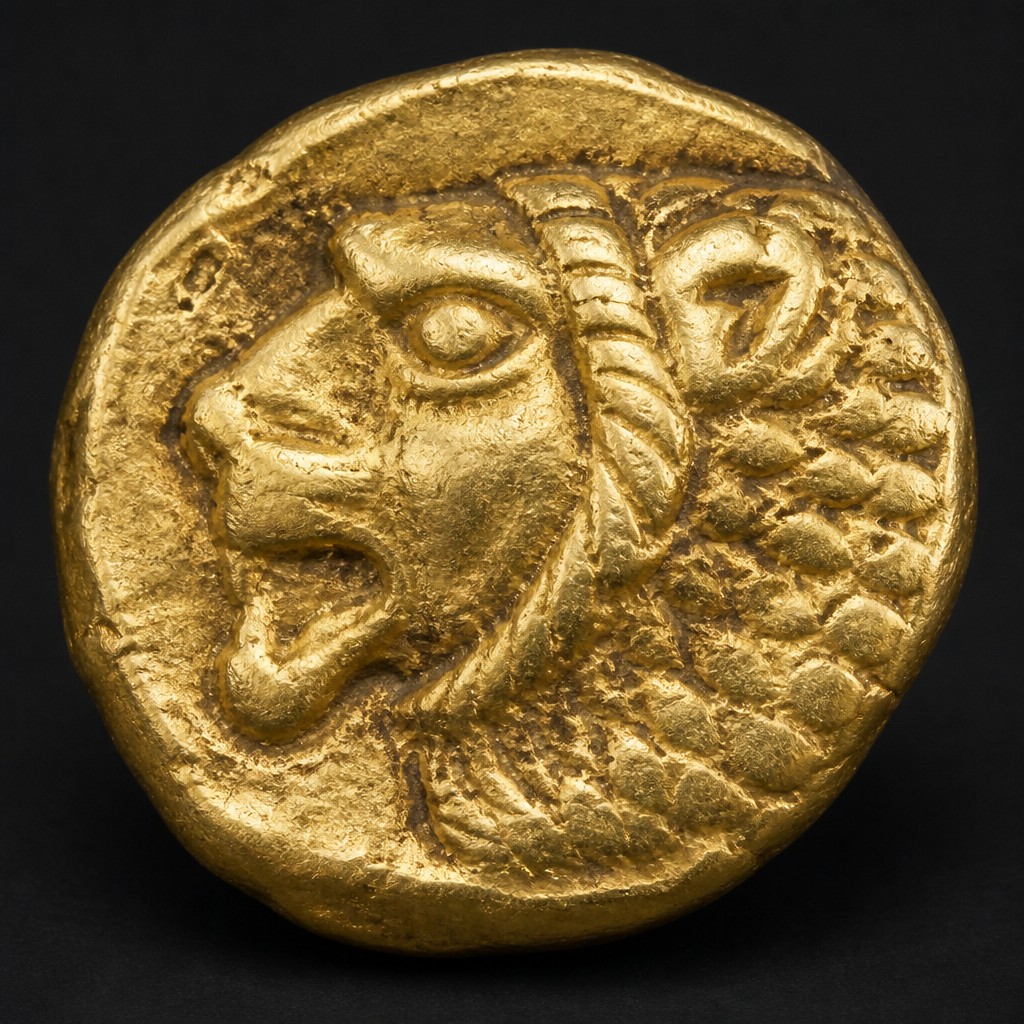
Kroisos (Croeseid) Gold Stater of Lydia
A pure gold stater struck under King Croesus of Lydia, part of history's first coinage issued in separate fixed-purity gold and silver denominations.
Ancient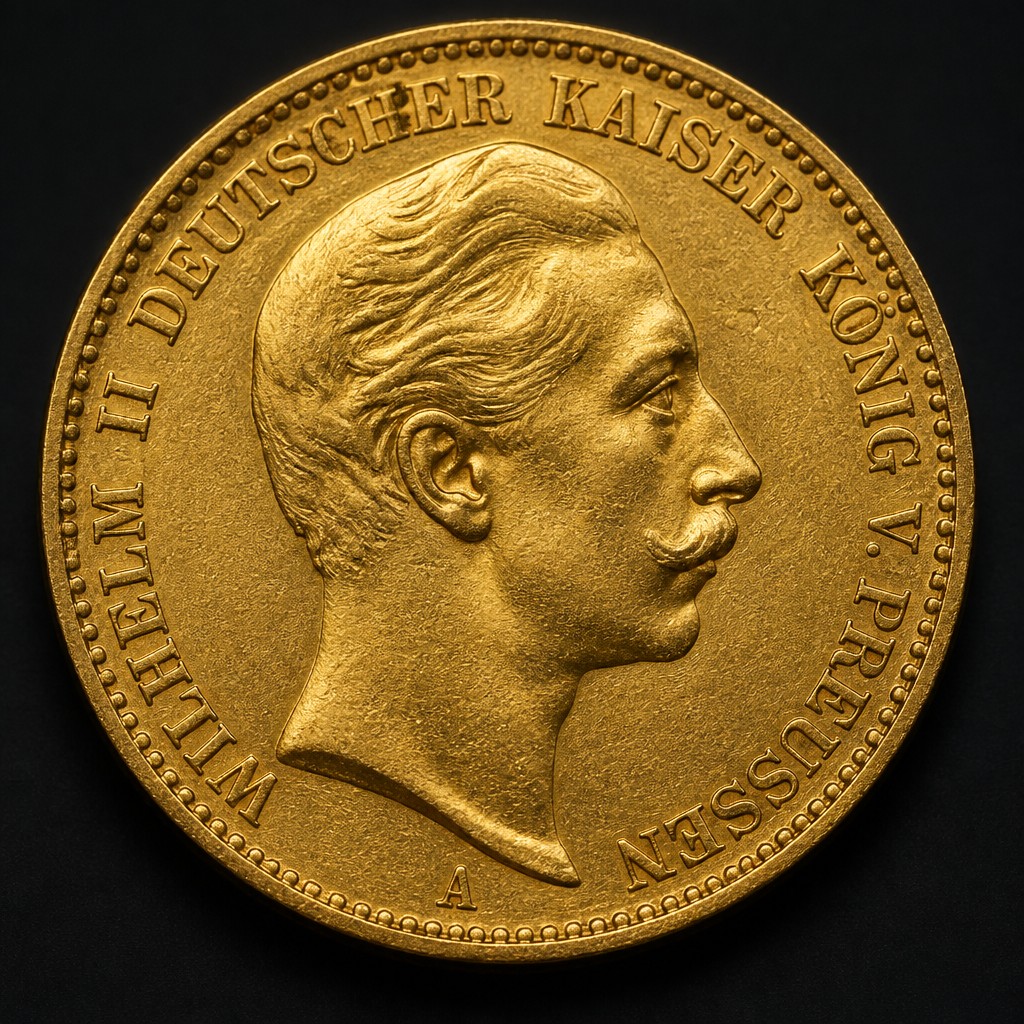
German Empire 20 Mark Gold (Wilhelm II)
The standard gold coin of the German Empire under Kaiser Wilhelm II, struck at multiple state mints and widely collected for its imperial portrait and eagle reverse.
European