
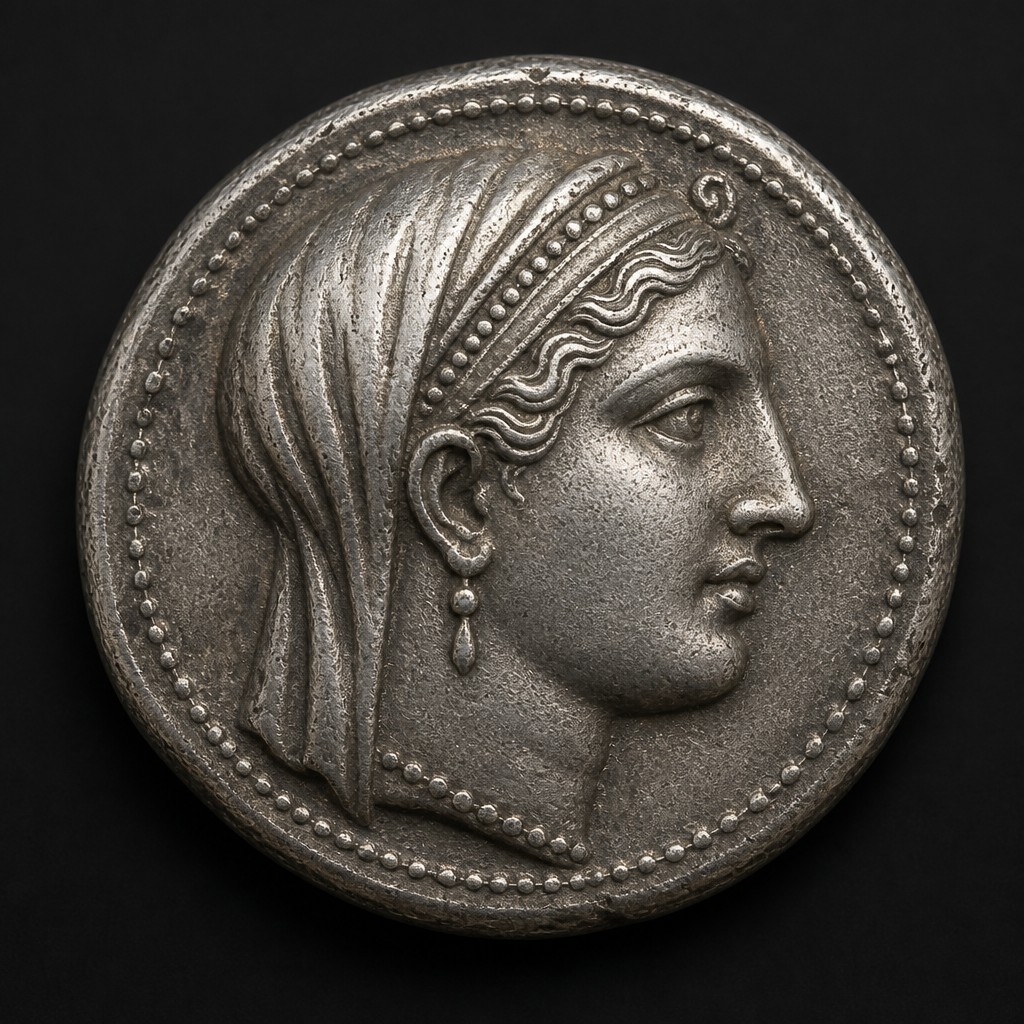
Boeotia Federal Coinage Stater
A silver stater struck under the Boeotian League's shared coinage system, instantly recognizable by the distinctive figure-eight Boeotian shield on the obverse.
- Country
- Ancient Greece (Boeotian League)
- Denomination
- Stater
- Metal
- Silver
Got a coin like this?
Identify any coin from a photo, free.
Overview
The Boeotian League stater is a foundational example of ancient federal, or 'koinon,' coinage, struck not by a single city but under a shared regional political and monetary arrangement among the cities of Boeotia in central Greece. Its unmistakable emblem, the concave, waisted 'Boeotian shield,' appears consistently across the series regardless of which member city physically struck a given issue, making it one of the clearest ancient illustrations of a shared civic identity expressed through coin design.
Collectors value the series both for its historical importance as an early monetary union and for the shield's bold, easily recognized geometric form, which stands apart from the deity heads and animal types common elsewhere in Greek coinage.
History & Background
The Boeotian League was a federation of city-states in the region of Boeotia in central Greece, dominated at various times by Thebes but including cities such as Tanagra, Orchomenos, and others. The league struck a shared silver coinage from at least the sixth century BC onward, with the Boeotian shield, the region's characteristic military emblem, serving as a common obverse type across member cities.
Boeotia's political fortunes, and correspondingly its coinage, fluctuated with the league's periods of unity and dissolution, including Theban hegemony in the fourth century BC following victories such as Leuctra in 371 BC. Federal coinage of this kind continued with interruptions until Macedonian domination under Philip II and Alexander the Great reshaped the political landscape of Greece after the Battle of Chaeronea in 338 BC.
How to Identify
The obverse of the stater invariably shows the Boeotian shield, a distinctive round shield with concave, crescent-like cutouts on either side, giving it a waisted or figure-eight silhouette. The reverse type varies more by period and issuing city, including designs such as an amphora, the head of Herakles or Dionysos, a trident, or other symbols, often accompanied by the initial letters of the specific city that struck the piece, such as Thebes.
Because many Boeotian cities struck coinage under the shared shield emblem, collectors and scholars distinguish individual issues by the reverse type and by small city-identifying letters or monograms, while the constant, easily recognized shield obverse ties the whole series together as a coherent federal coinage.
Value & Collectibility
Boeotian League staters are reasonably available on the ancient coin market compared to some rarer Greek city issues, making them accessible to collectors at a range of budgets. Common, moderately worn examples can often be acquired for a few hundred dollars, while well-struck, well-centered pieces with clear reverse detail and identifiable city letters command higher prices, particularly for scarcer issuing cities or periods.
Value is influenced by the clarity of the shield's distinctive cutout shape, the sharpness of the reverse type, and the historical interest attached to the specific issuing city or period, such as coins struck during Theban hegemony.
Frequently asked questions
What is a 'federal' or koinon coinage?
It refers to coinage struck under a shared political and monetary arrangement among multiple allied city-states, rather than by a single independent city, with a common design symbolizing the union.
Why does the shield look like a figure eight?
The Boeotian shield had concave cutouts on either side for maneuverability in combat, giving it its distinctive waisted silhouette, which became the region's numismatic emblem.
Which city dominated the Boeotian League?
Thebes was generally the leading and most powerful city within the league, though membership and internal power balance shifted over time.
How can I tell which city struck a specific coin?
Small identifying letters or monograms on the reverse, alongside the varying reverse type, typically indicate the specific Boeotian city responsible for a given issue.
Other coins you may enjoy
Theodosius I Solidus
379–395 AD
Republican Victoriatus
c. 211–170 BC
Islamic Gold Dinar (Umayyad)
c. 696–750 AD
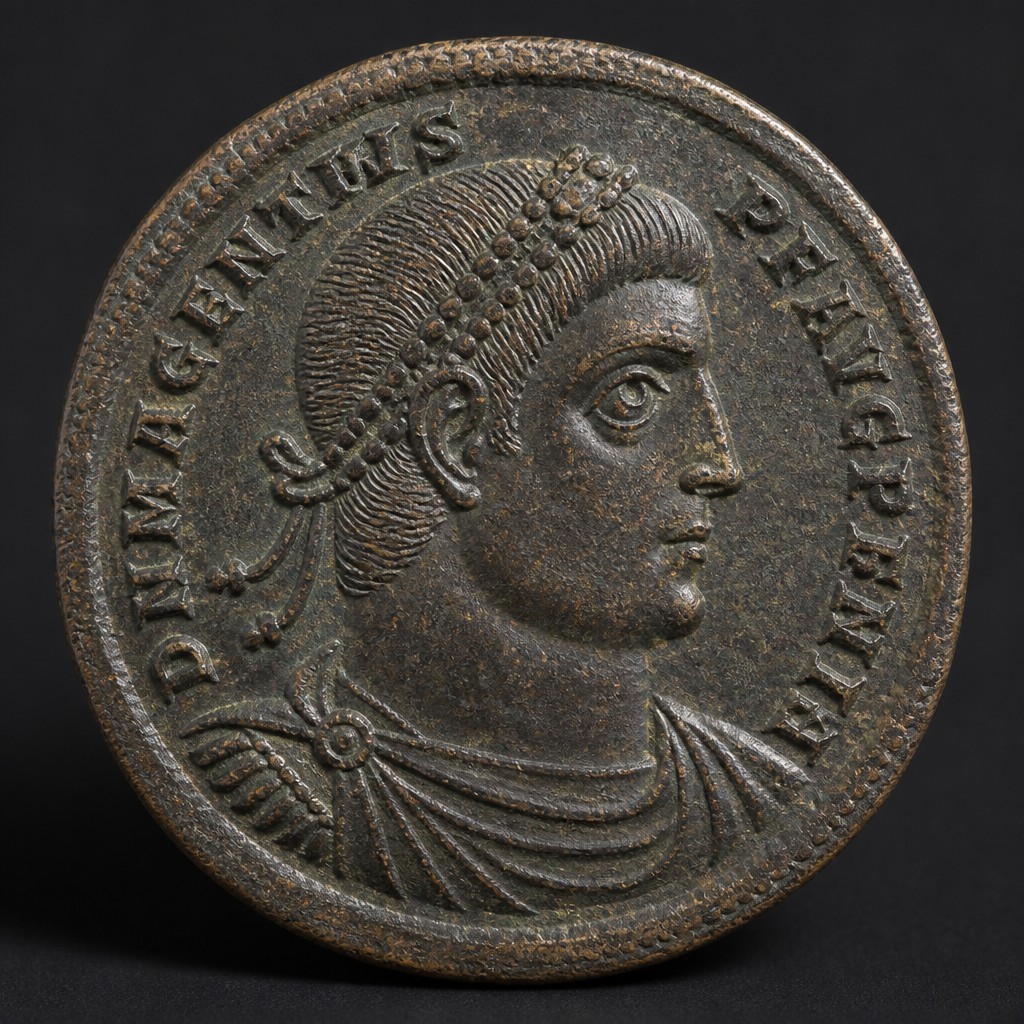
Magnentius Double Centenionalis
350–353 AD
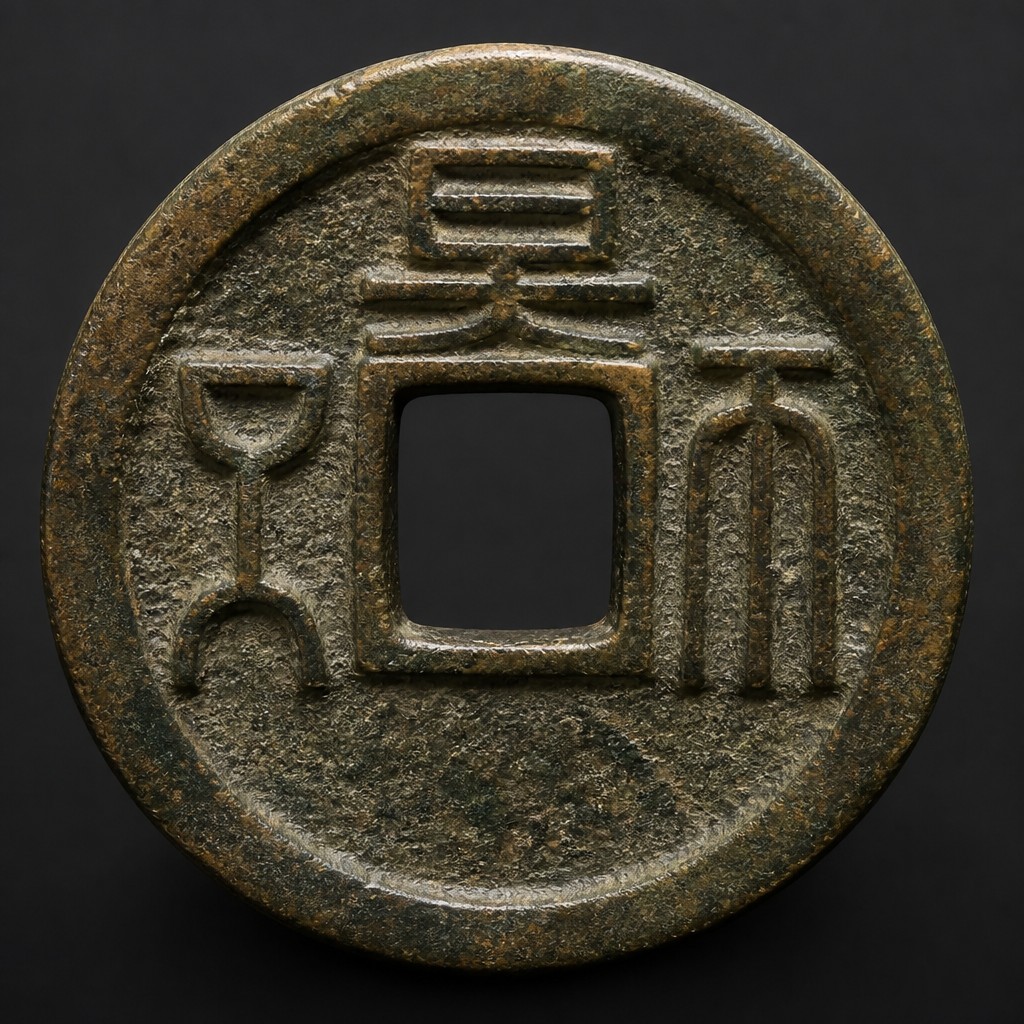
Chinese Wu Zhu Cash
118 BC – 618 AD
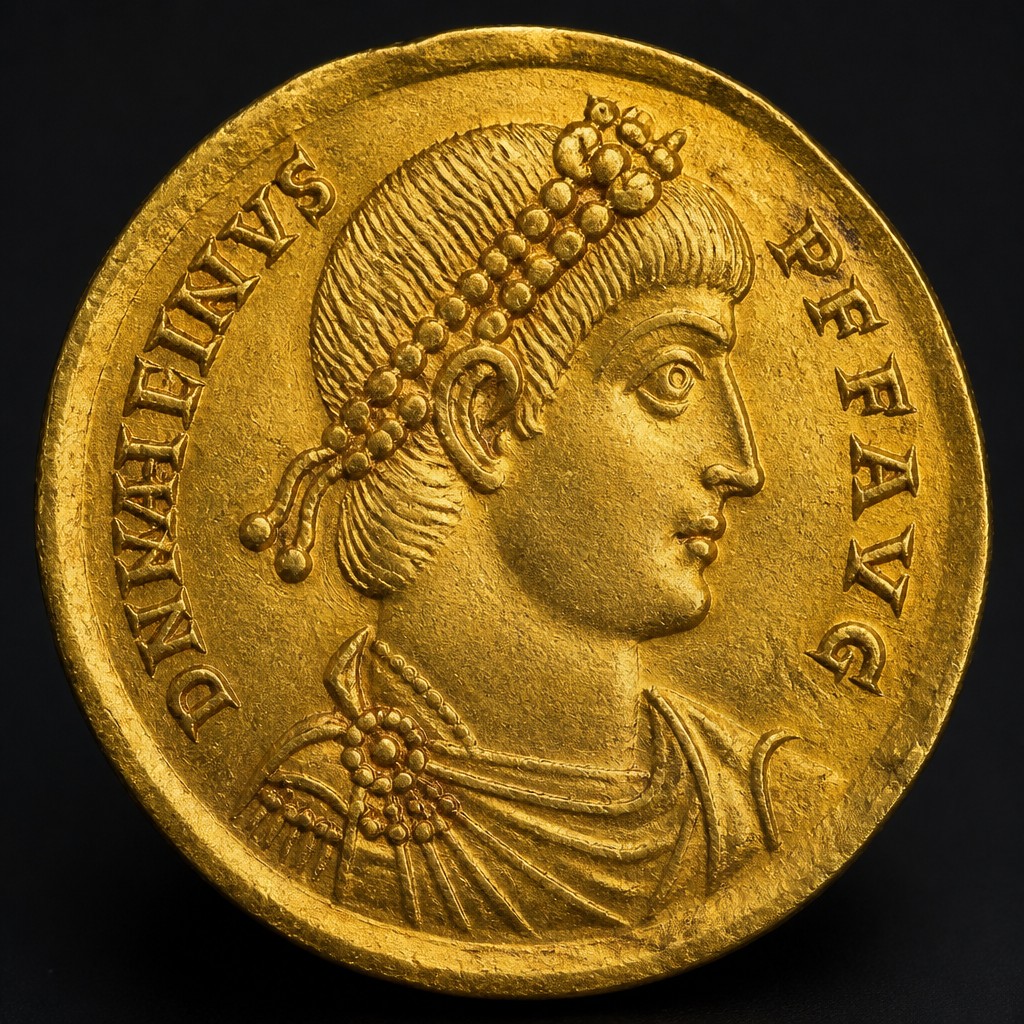
Valentinian I Solidus
364–375 AD
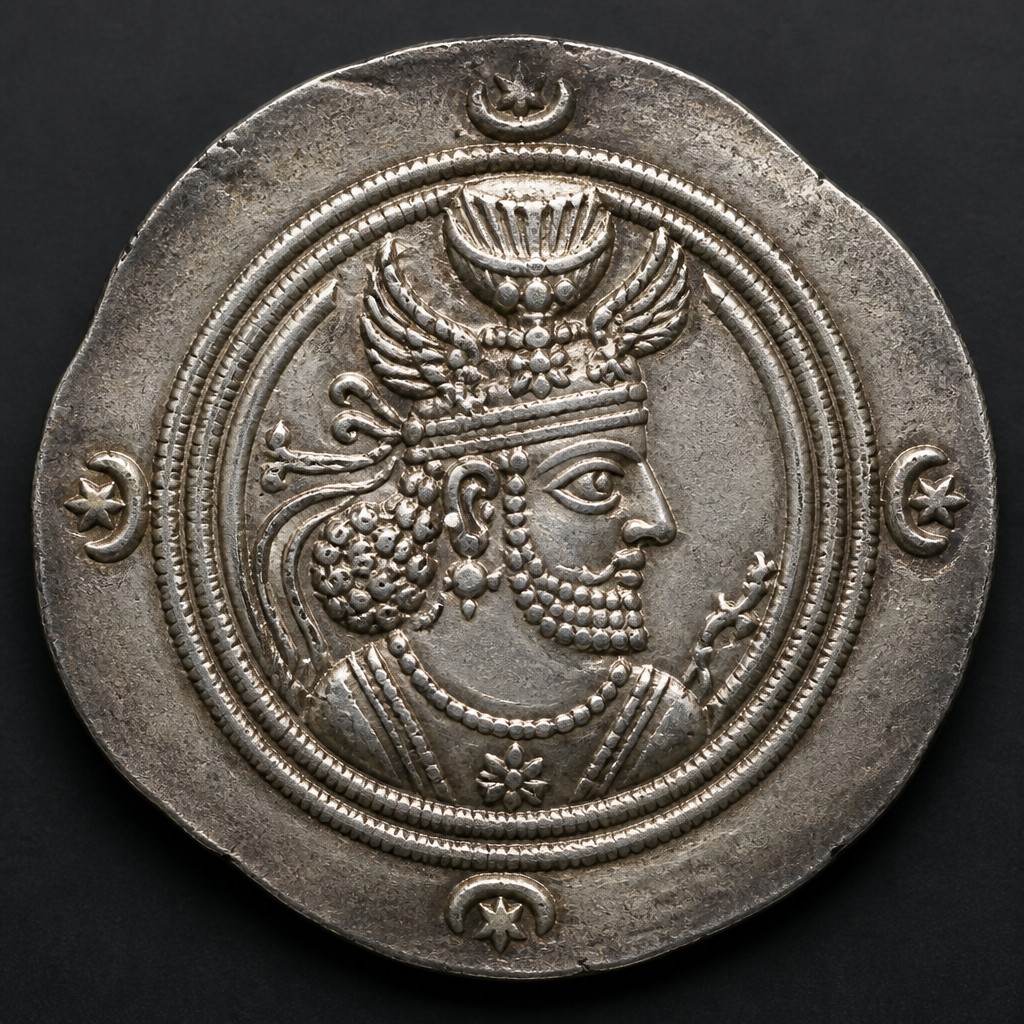
Sassanian Silver Drachm
c. 224–651 AD
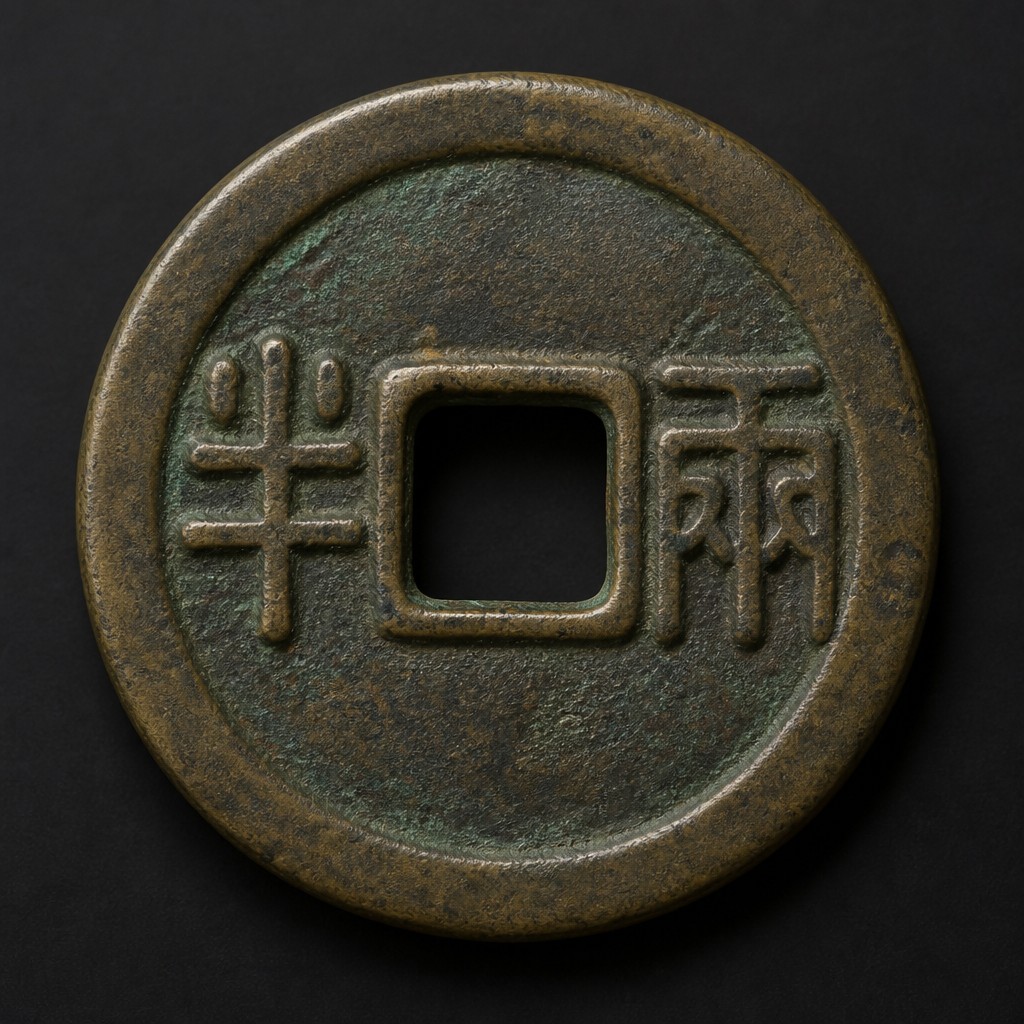
Chinese Ban Liang Cash
c. 221–118 BC
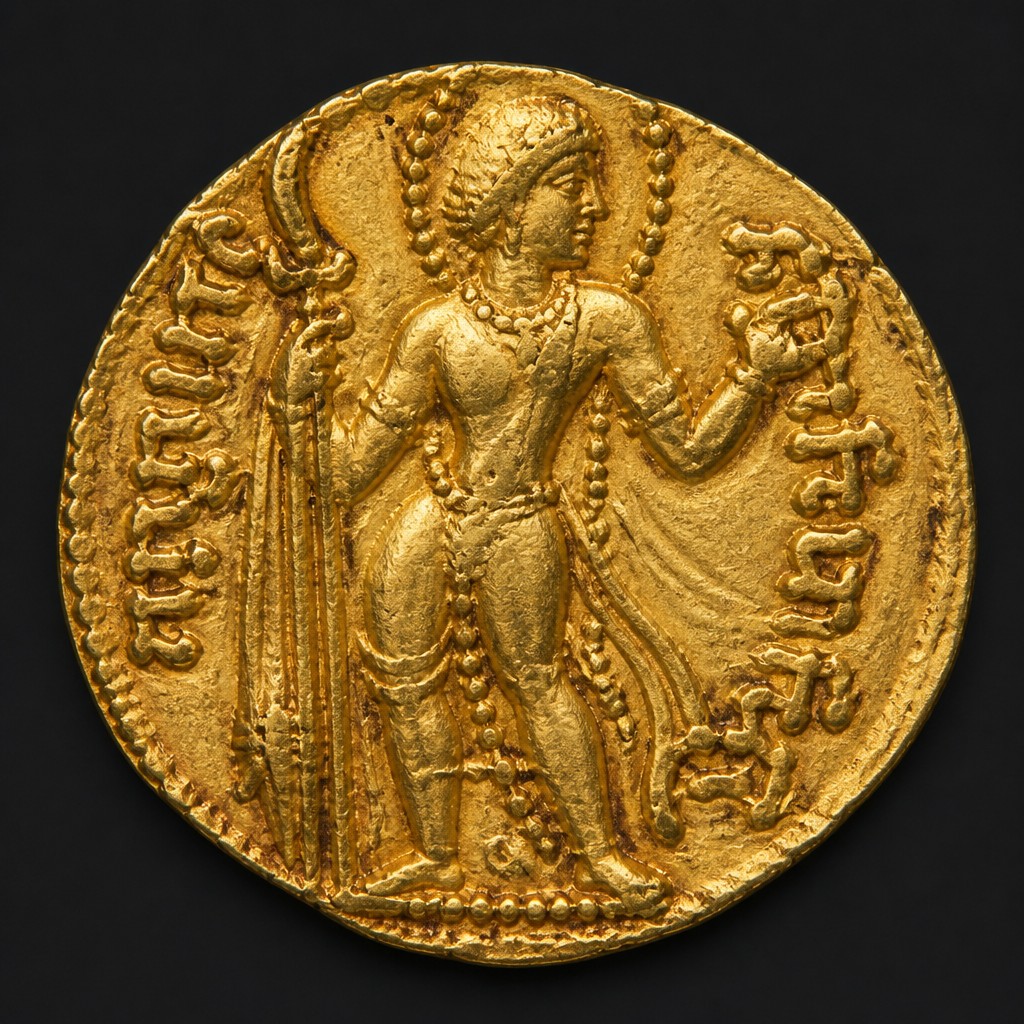
Gupta Empire Gold Dinar
c. 320–550 AD
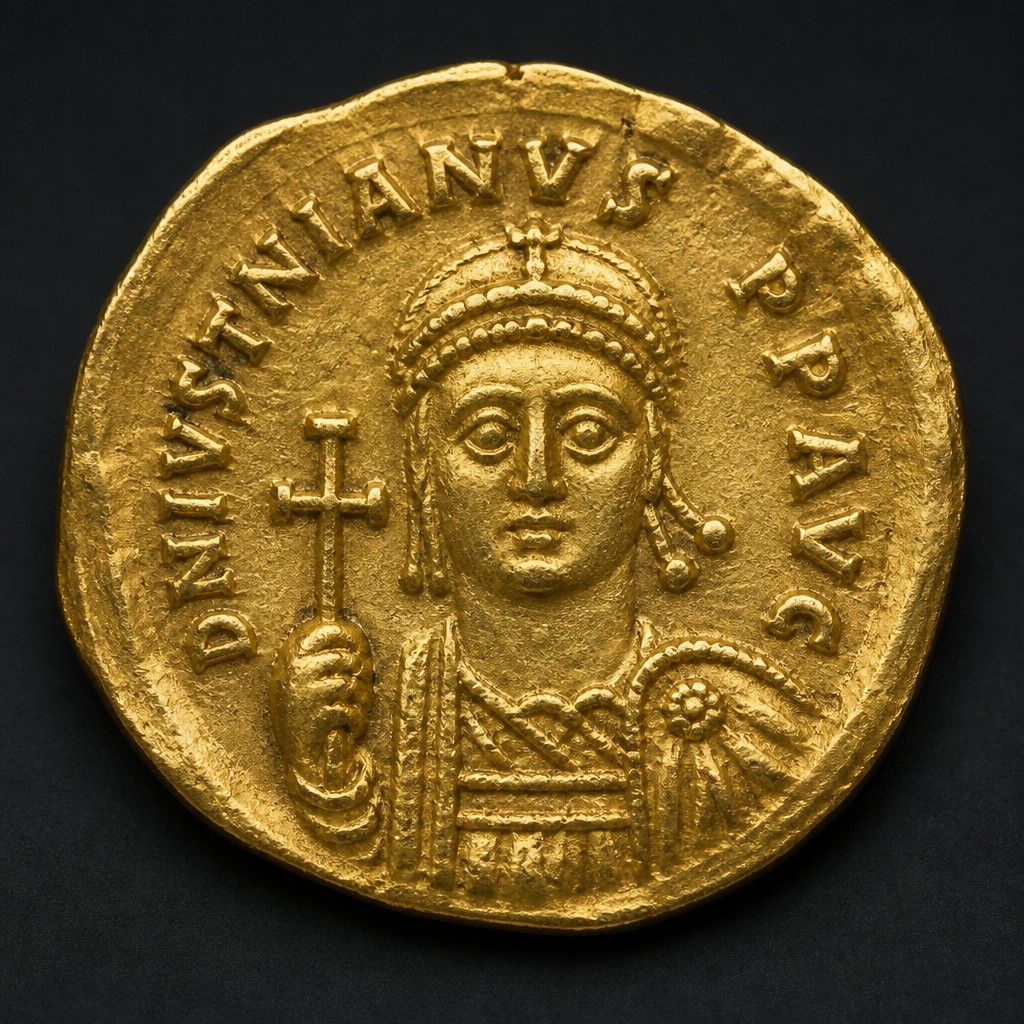
Byzantine Gold Tremissis
c. 4th–7th century AD
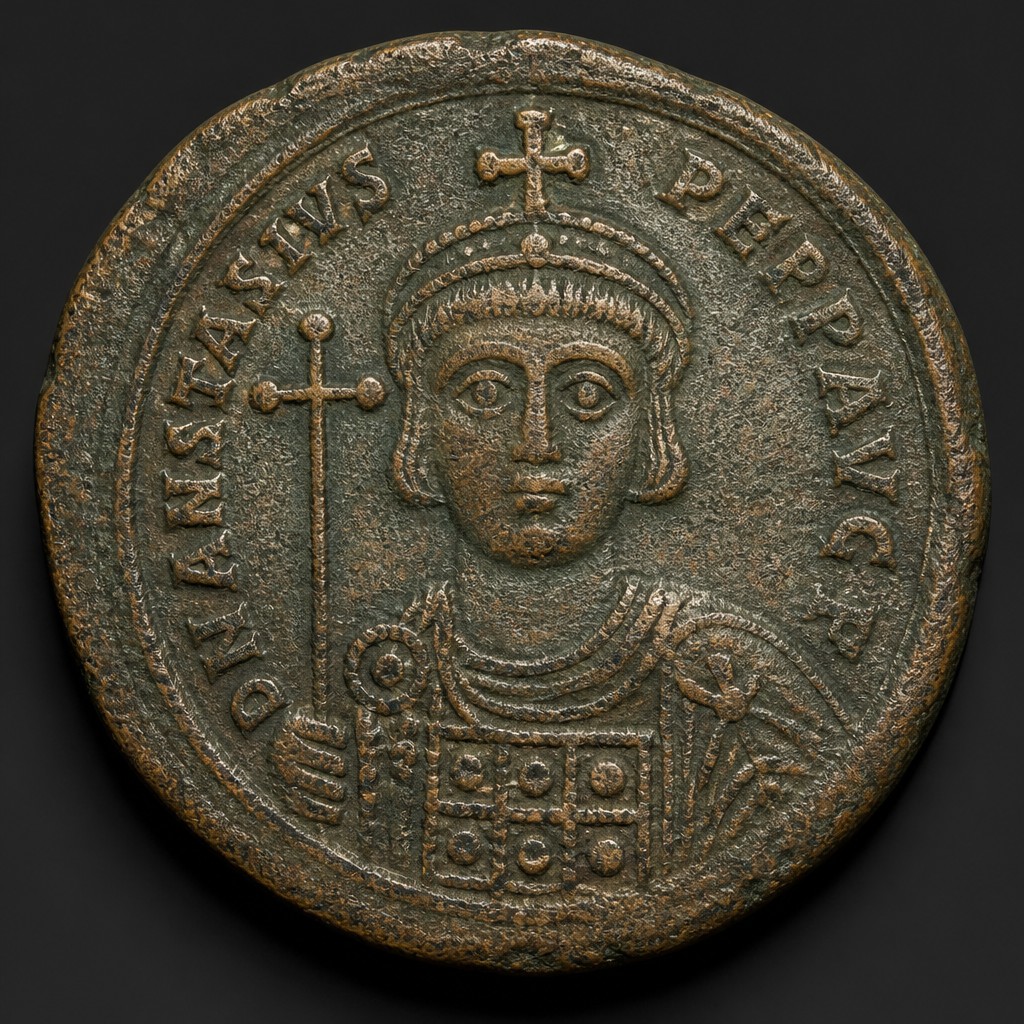
Byzantine Follis
498–c. 11th century AD
Celtic Gold Stater
c. 3rd century BC – 1st century AD