
Coin Encyclopedia
Search and identify coins from around the world — with country, denomination, metal, mint, history, and how to tell them apart.
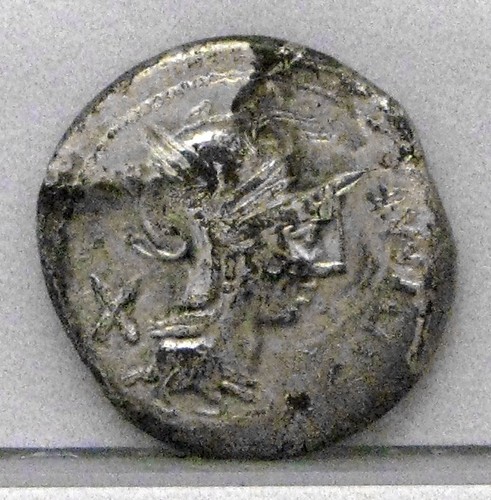
Roman Republican Denarius (Unidentified)
A silver Roman Republican denarius of about 115-114 BC: helmeted Roma on the obverse, Victory driving a two-horse chariot on the reverse.
Ancient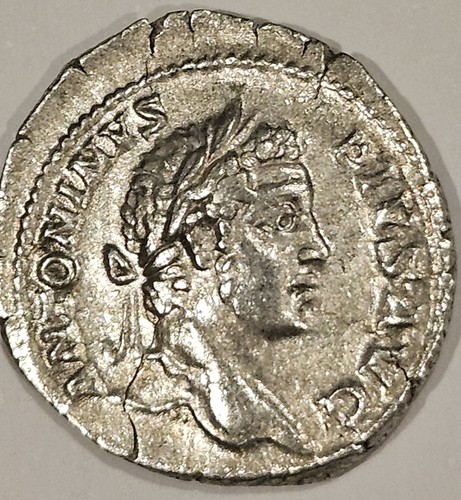
Denarius of Caracalla
A silver denarius of the Roman emperor Caracalla, struck 198–217 CE, showing his laureate right-facing bust and a Latin legend encircling the design.
Ancient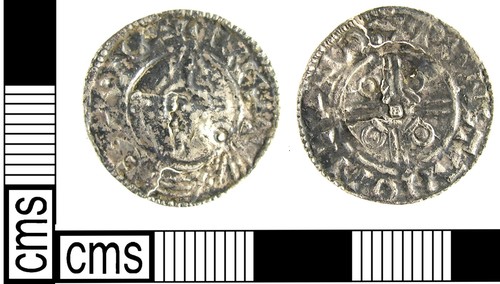
Penny of Cnut
Anglo-Saxon silver penny of King Cnut (Canute), showing a diademed bust facing left with a cross-and-pellets reverse, struck c.1024-1030.
Medieval Coins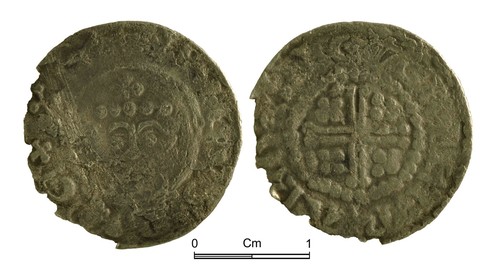
Short Cross Penny
Hammered silver penny of Henry II showing a crowned facing-left royal portrait and a cross-crosslet (cross-and-crosslets) reverse.
Medieval Coins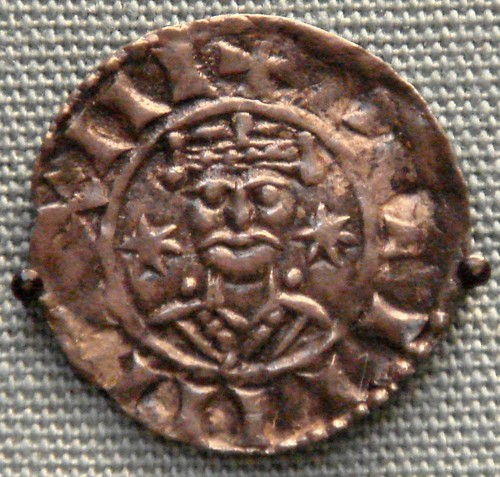
Penny of William I
Hammered silver penny of William the Conqueror, the example showing a profile portrait of the king and a decorated cross reverse, struck circa 1075.
Medieval Coins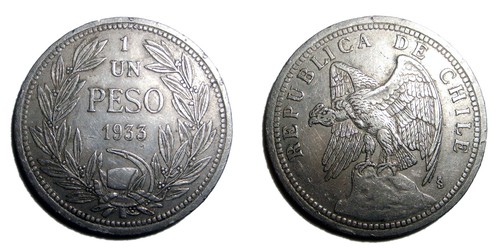
Chilean Peso (1875 Type)
A silver one-peso coin of Chile: the national coat of arms with its lone star and laurel wreaths on one side, and a large bird in flight on the other.
Circulation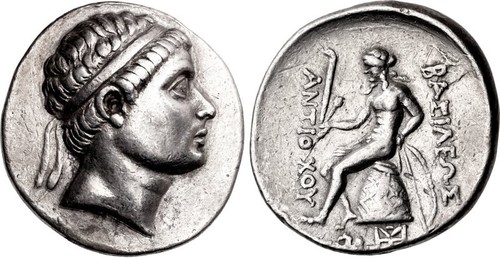
Antiochos Hierax Tetradrachm
Silver tetradrachm of the Seleucid prince Antiochos Hierax, c. 242-227 BC, with a diademed royal head and a reverse figure bearing shield and spear.
Ancient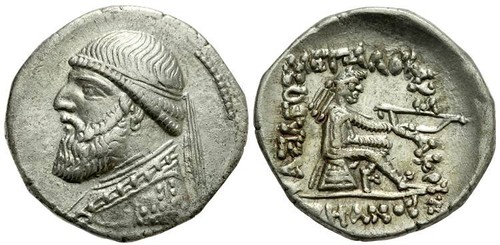
Parthian Drachm
Silver drachm of the Parthian (Arsacid) Empire, pairing a bearded royal profile with a seated archer holding a bow, struck in the era of Mithradates II.
Ancient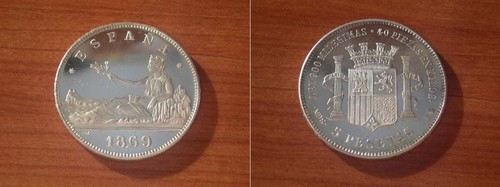
Duro (5 Pesetas)
A large .900 silver five-peseta crown struck under Spain's Provisional Government, with a profile head personifying Hispania and a crowned coat of arms reverse.
Modern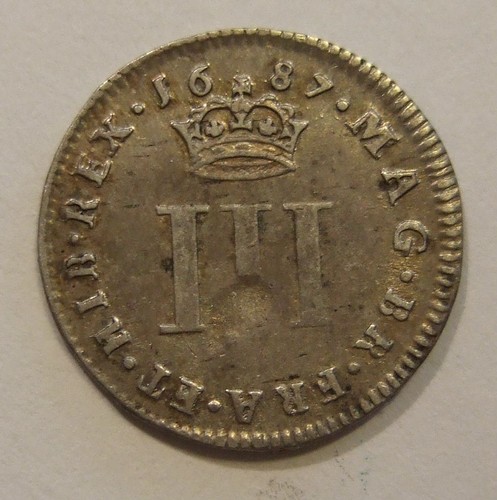
Maundy Money Threepence
A tiny sterling-silver British threepence; the 1687 James II example shows a crowned bust and a crowned Roman numeral III on the reverse.
Maundy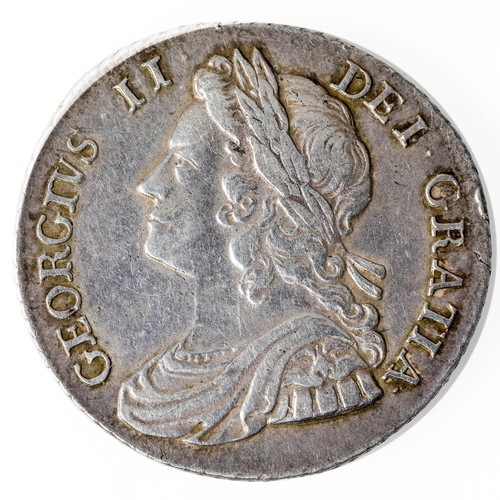
Shilling of George II
A milled silver shilling of George II, with a left-facing bust reading GEORGIVS II DEI GRATIA and a crowned cruciform-shields reverse; this one is a 1736 roses and plumes issue.
Milled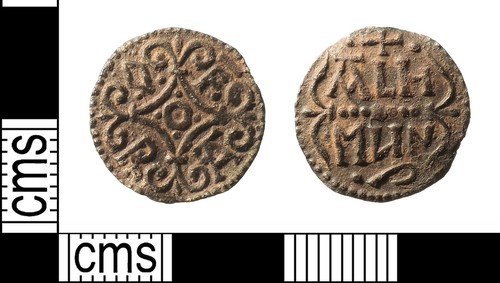
Penny of Offa
Thin silver penny of King Offa of Mercia, showing a portrait or name inscription and a cross with geometric ornament on the reverse.
Medieval Coins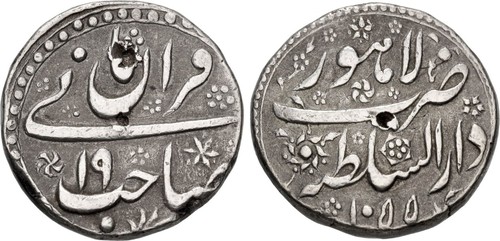
Shah Jahan Half Rupee
Silver half rupee of Mughal emperor Shah Jahan, dated AH 1055, carrying Persian-script inscriptions and ornamental borders instead of any portrait.
Mughal India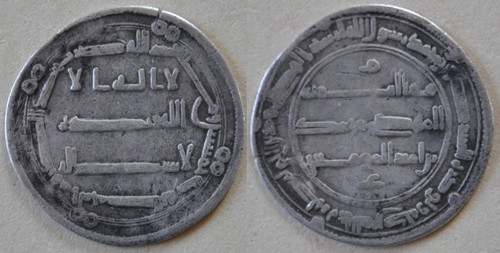
Dirham of Caliph al-Mansur
An Abbasid silver dirham dated AH 150 (767 CE), from the reign of Caliph al-Mansur, bearing purely Arabic religious inscriptions and a named mint.
Islamic (Medieval)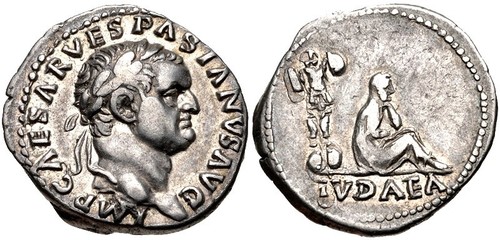
Vespasian Judaea Capta Denarius
Silver denarius of Emperor Vespasian (71–79 AD) with his laureate bust and a Judaea Capta reverse showing a mourning seated captive.
Ancient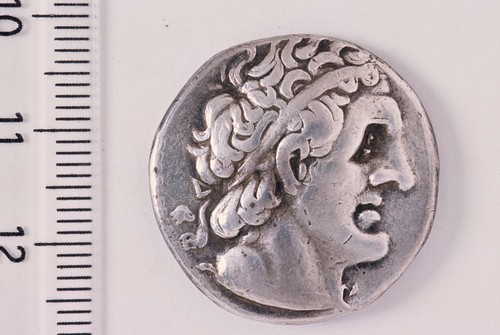
Ancient Hellenistic Tetradrachm
A large Hellenistic silver tetradrachm with a bearded, curly-haired head on the obverse and an eagle standing on a thunderbolt on the reverse.
Ancient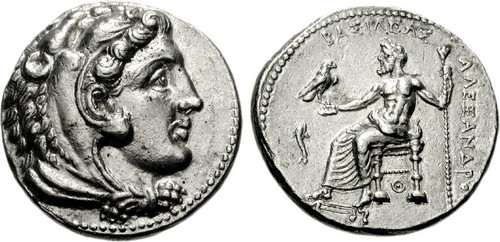
Alexander the Great Tetradrachm
Silver tetradrachm of Alexander III of Macedon with the head of Heracles in a lion skin and an enthroned deity holding an eagle on the reverse.
Ancient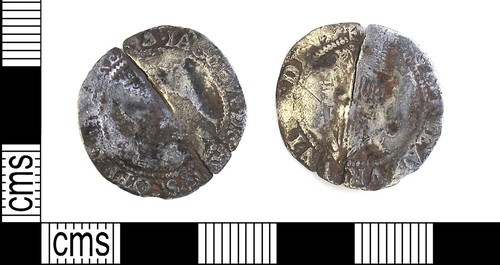
Sixpence of James I
A hammered silver sixpence of James I of England: crowned profile bust with VI value mark, and a dated garnished shield over a cross on the reverse.
Hammered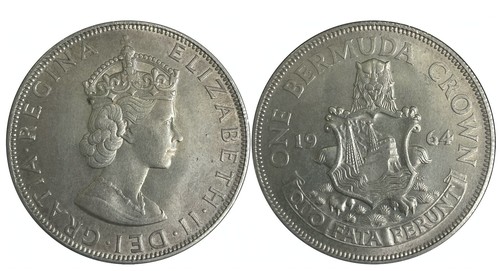
Bermuda Crown
Bermuda's 1959 silver Crown: Queen Elizabeth II in profile on the obverse, two sailing ships above the island group on the reverse.
Commemorative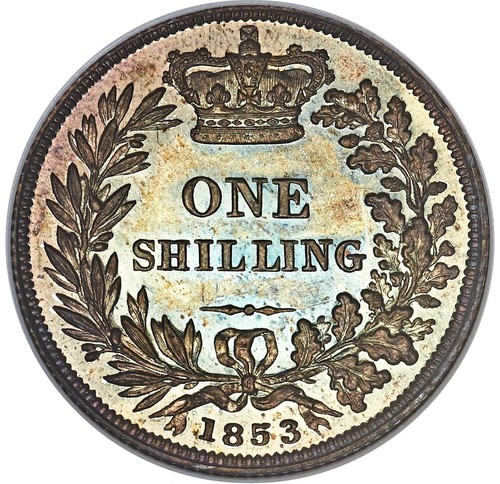
Shilling of Victoria
A milled sterling-silver British shilling of Queen Victoria, worth twelvepence, with the queen's head on the obverse and a crowned 'ONE SHILLING' reverse.
Milled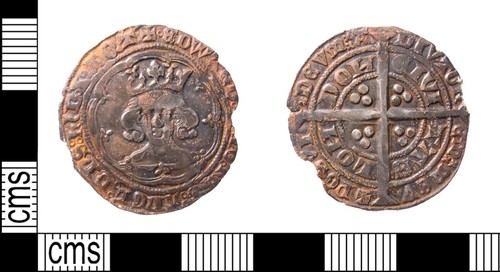
Edward III Groat
Hammered silver fourpence of King Edward III, showing a crowned bust of the king and a long cross with pellets in the quarters.
Medieval Coins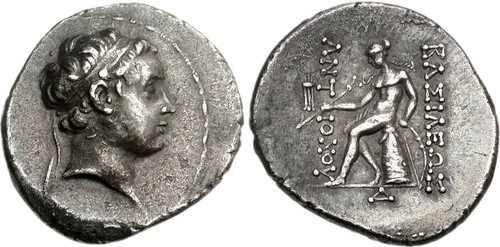
Antiochos the Child Tetradrachm
Silver Seleucid tetradrachm, c. 175 BC, with a young diademed head and a martial reverse figure with spear and shield.
Ancient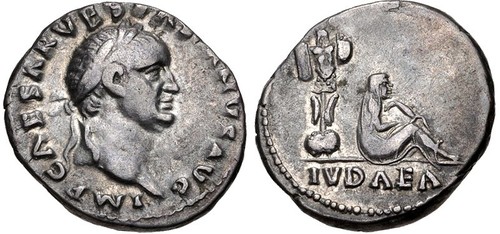
Denarius of Vespasian
Silver denarius struck under the emperor Vespasian (AD 69-79), founder of the Flavian dynasty, with his laureate portrait on the obverse.
Ancient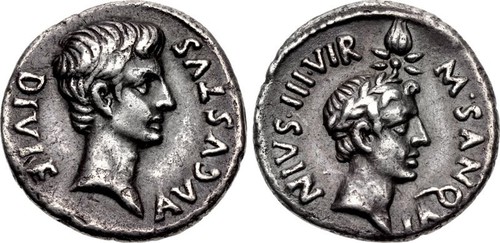
Denarius of Octavian and Caesar
A Roman Imperatorial silver denarius pairing the young Octavian with his adoptive father Julius Caesar, struck around 43–42 BC.
Ancient