
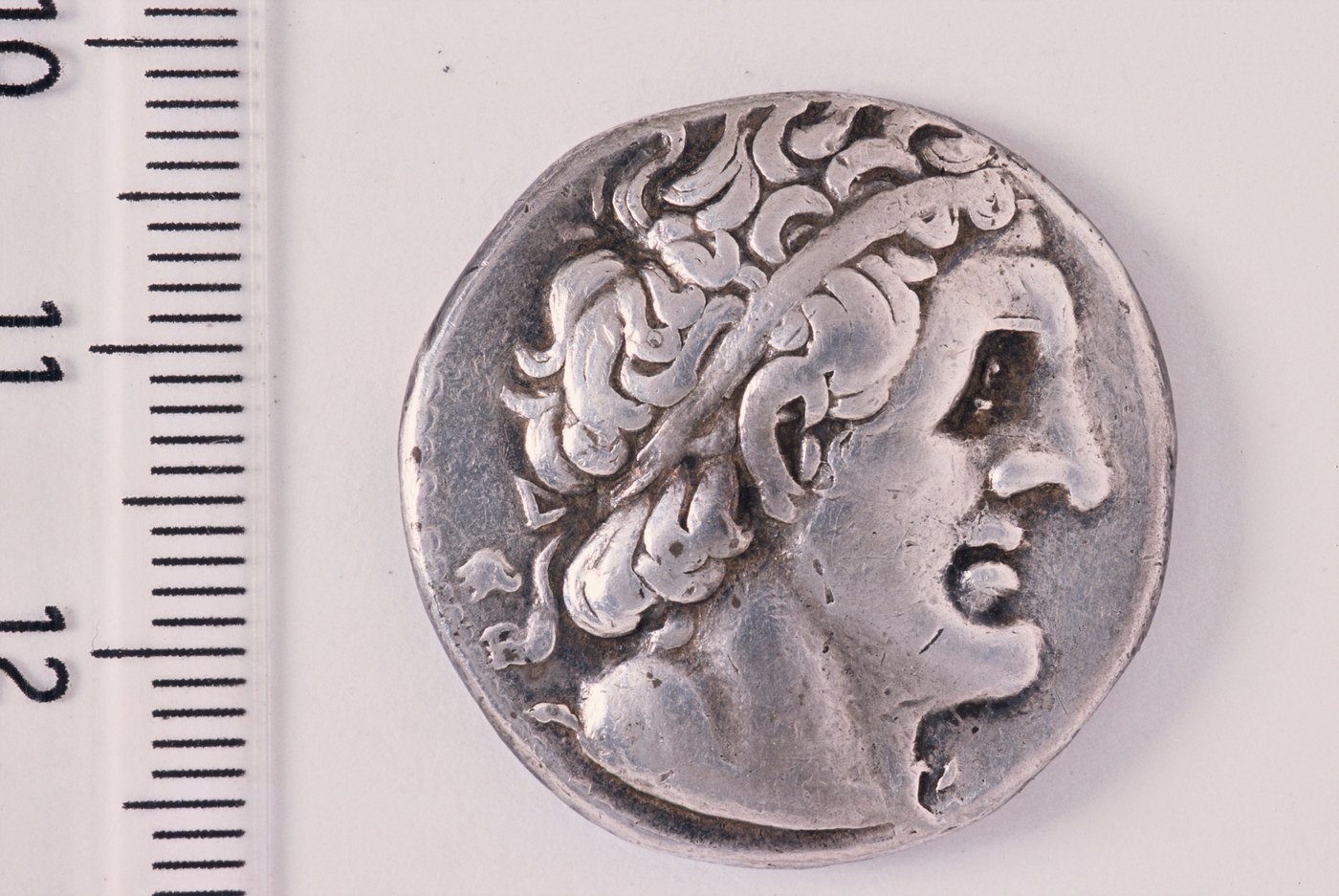
Ancient Hellenistic Tetradrachm
A large Hellenistic silver tetradrachm with a bearded, curly-haired head on the obverse and an eagle standing on a thunderbolt on the reverse.
- Country
- Ancient Mediterranean
- Denomination
- Tetradrachm
- Metal
- Silver
Got a coin like this?
Identify any coin from a photo, free.
Overview
The Ancient Hellenistic Tetradrachm is a broad, heavy silver coin from the Greek-speaking world of the Hellenistic period, the era that followed the conquests of Alexander the Great. The tetradrachm ("four-drachm" piece) was the workhorse high-value silver denomination of the age, used to pay soldiers and settle large trade across the eastern Mediterranean and Near East.
The example shown carries a bearded head with curly hair on the obverse and an eagle standing on a thunderbolt on the reverse. The eagle-on-thunderbolt is one of the most recognizable Hellenistic reverse types, most closely associated with the coinage of Ptolemaic Egypt and coinages influenced by it, while the bearded, idealized head represents a deity or a deified ruler rather than an ordinary portrait.
Because the Hellenistic world was made up of rival kingdoms and free cities that each struck their own money on shared weight standards, tetradrachms of this general character were produced at many mints over roughly three centuries. They share a common feel: a large silver flan, a bold divine or royal head, and a strong emblematic reverse.
History & Background
After Alexander the Great died in 323 BC, his empire fractured into the great Hellenistic kingdoms ruled by his successors, the Diadochi, including the Ptolemies in Egypt and the Seleucids in Asia. These states minted silver tetradrachms in large numbers to fund armies, administration and commerce, and the denomination became the standard large silver coin of the era.
The eagle standing on a thunderbolt seen on this coin is the badge most famously used by the Ptolemaic dynasty of Egypt from the early 3rd century BC onward, echoing the eagle of Zeus and projecting royal power. Bearded, curly-haired heads on Hellenistic silver typically show a god such as Zeus or Zeus-Ammon, or a ruler shown in divine guise, rather than a plain likeness of a living king.
The Hellenistic period is conventionally closed at 31-30 BC, when the last major Hellenistic kingdom, Ptolemaic Egypt, fell to Rome. Tetradrachms of this type therefore span from the age of Alexander's successors down to the eve of Roman domination, and no calendar date appears on the coin itself.
How to Identify
The obverse shows a bearded male head in profile with thick, curly hair, idealized rather than realistic. Such heads on Hellenistic tetradrachms usually depict a deity (commonly Zeus or Zeus-Ammon, sometimes shown with a ram's horn) or a ruler rendered in godlike form. There is generally no obverse legend naming the figure.
The reverse shows an eagle standing on a thunderbolt, typically with wings folded or partly open, accompanied by a Greek legend running down the fields that names the issuing king or city. Small control marks, monograms or letters often sit in the field; these identify the mint and issue rather than a date.
In hand this is a large, dense silver coin, generally in the range of about 24-30 mm across and roughly 13-17 grams depending on the local weight standard, usually toned grey with age. Genuine strikes are hand-made and show natural irregularity in centering, flan shape and die wear. The pairing of a bearded, curly-haired head with an eagle-on-thunderbolt reverse and a Greek legend is the coin's core identifier.
Value & Collectibility
Hellenistic silver tetradrachms are genuine ancient coins with a deep, well-established collector market. Worn but clearly identifiable examples commonly trade in the low-to-mid hundreds of dollars, while sharply struck, well-centered coins with a bold head and crisp eagle can reach well into the four figures for desirable rulers and mints.
Value depends on the strength of the head and reverse detail, centering, metal quality and toning, the specific issuing authority and mint, and rarity of the particular issue. Attractive style, complete legends and a securely attributed ruler or dynasty command clear premiums, and a coin that can be tied to a well-known Hellenistic king is generally worth more than a generic or uncertain piece.
The figures here are general context, not appraisals. Because these types were struck at many mints across several centuries, and because forgeries exist, any specific coin's value depends heavily on precise attribution, condition and authenticity, and significant pieces are often sold with specialist attribution or third-party certification.
Frequently asked questions
Who is the bearded man on the obverse?
On Hellenistic tetradrachms a bearded, curly-haired head most often represents a deity such as Zeus or Zeus-Ammon, or a ruler shown in divine form, rather than a plain portrait of a living king. Without the legend and mint marks it is identified by style rather than a name on the front.
What does the eagle on a thunderbolt mean?
The eagle standing on a thunderbolt is a symbol of Zeus and of royal power. It is the signature reverse of Ptolemaic Egypt and coinages influenced by it, and it signals a large civic or royal Hellenistic silver issue.
How old is a coin like this?
It belongs to the Hellenistic period, roughly 323 to 31 BC, the era of Alexander's successor kingdoms down to the Roman conquest. No exact year appears on the coin; dating comes from style, legend and mint marks.
How big and heavy is a tetradrachm?
It is a large silver coin, generally about 24-30 mm across and roughly 13-17 grams depending on the local weight standard. It is broad and substantial compared with smaller Greek silver denominations.
Is it made of real silver?
Yes. Tetradrachms were struck in high-grade silver and are usually toned grey with age. Genuine examples are hand-struck and show natural irregularity in shape and centering rather than machine-perfect edges.
Ancient Hellenistic Tetradrachm guides
In-depth guides for identifying, valuing, and collecting Ancient Hellenistic Tetradrachm.
Other coins you may enjoy
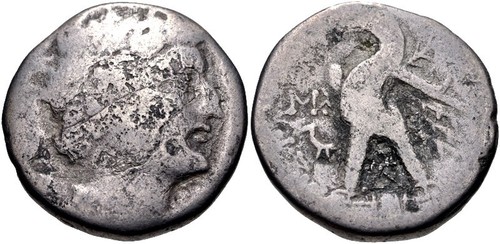
Tetradrachm of Ptolemy XII
80-51 BC
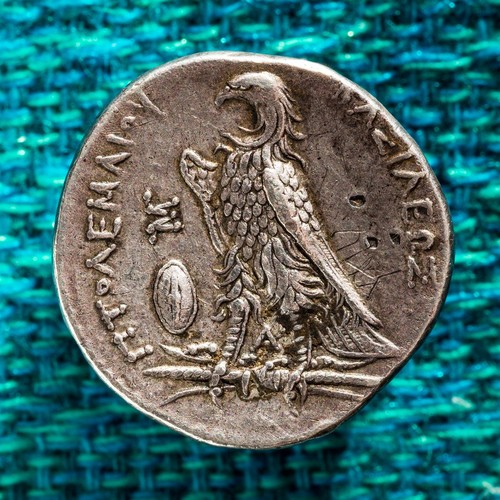
Tetradrachm of Ptolemy I
305-283 BC
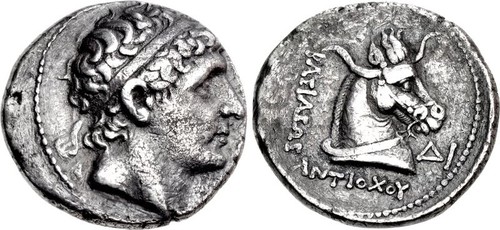
Tetradrachm of Antiochos I Soter
281-261 BC
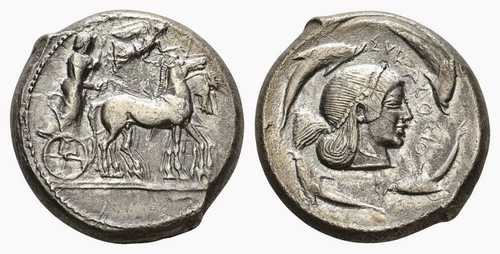
Syracuse Tetradrachm
c. 5th-4th century BC (Classical period)
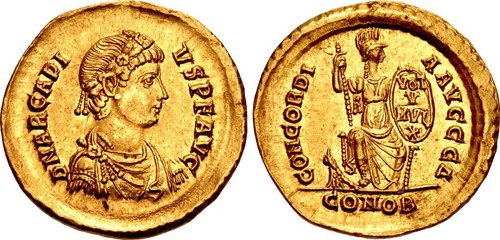
Solidus of Arcadius
AD 395-402
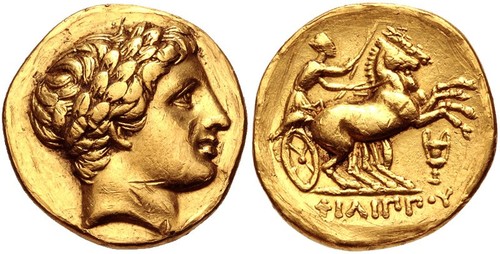
Philip III Gold Stater
323-317 BC
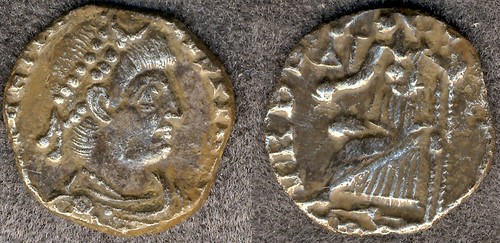
Siliqua of Gratian
AD 367-383
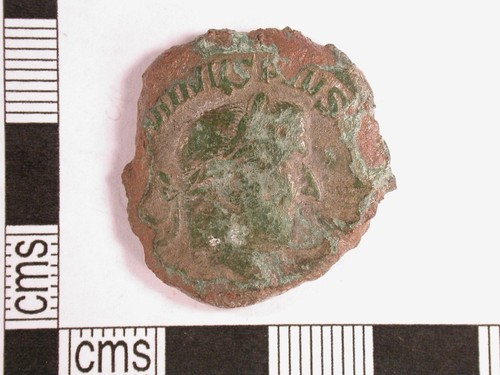
Sestertius of Maximinus Thrax
235-238 AD
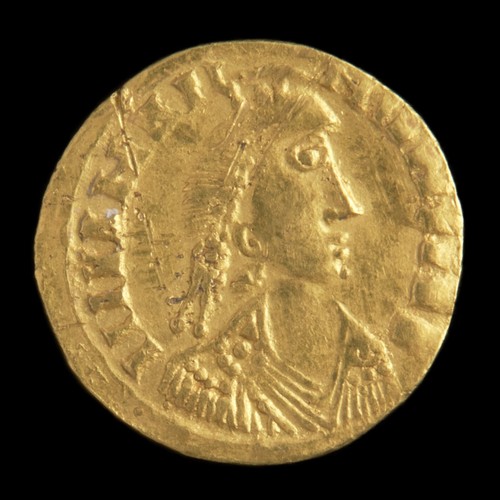
Solidus of Valentinian III
AD 425-455
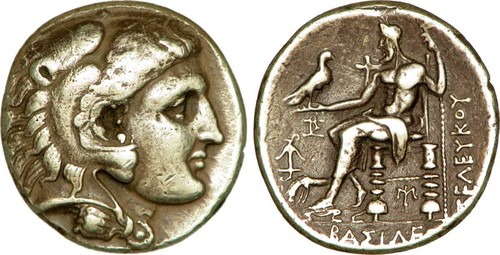
Seleucus I Nicator Tetradrachm
Late 4th-3rd century BC
Nummus of Magnentius
AD 350-353
Follis of Galerius
AD 308-310