
How to Identify the Ancient Hellenistic Tetradrachm
A collector's guide to recognizing a Hellenistic silver tetradrachm by its bearded curly-haired head, eagle-on-thunderbolt reverse, weight and mint marks.
Read the full Ancient Hellenistic Tetradrachm encyclopedia entry →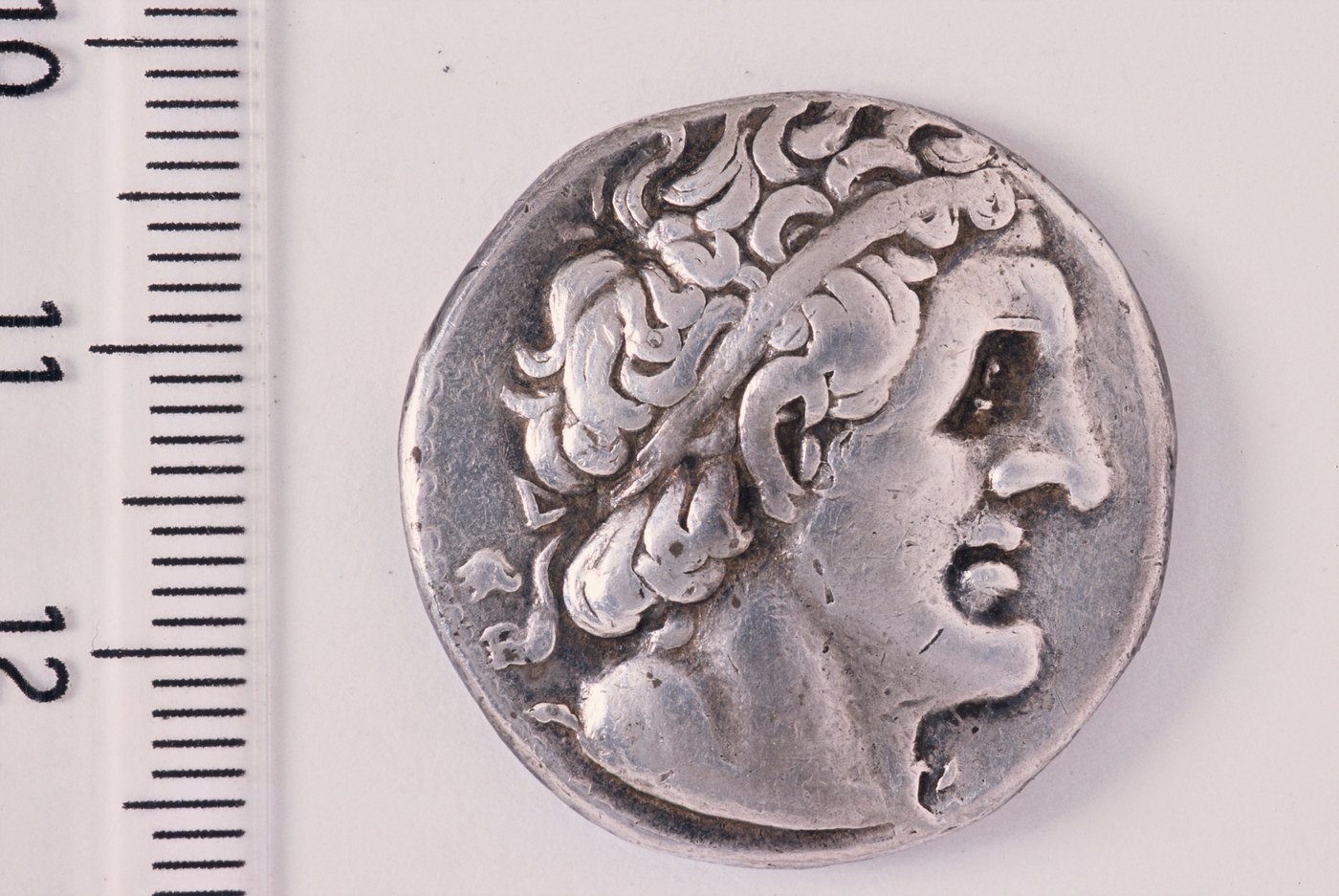
Start with the obverse head. This type shows a bearded male head in profile with thick, curly hair, idealized and godlike. Look for divine attributes: a plain bearded head suggests Zeus, while a ram's horn curling by the ear points to Zeus-Ammon, and a diadem band can indicate a deified ruler. If the head is beardless, wears a lion-skin cap, or is a realistic elderly portrait, you are likely looking at a different Hellenistic type rather than this one.
Turn to the reverse and confirm the emblem and legend together. The key diagnostic is an eagle standing on a thunderbolt, wings folded or partly spread, with a Greek legend down the fields naming the issuing king or city. This eagle type is the hallmark of Ptolemaic Egypt and related coinages, so its presence, paired with a bearded head, is a strong signal. A different reverse animal, a seated figure, or a standing deity points away from this type.
Check size, weight and metal. A genuine tetradrachm is a broad silver coin, roughly 24-30 mm across and about 13-17 grams depending on the weight standard used by that mint, and it should feel dense with a natural grey tone. Hand-struck ancient coins show irregular flan shape, off-center strikes and honest die wear. A piece that is suspiciously light, undersized, seamed, or a bright modern white metal deserves caution.
Use the control marks, but do not expect a date. Small monograms, letters or symbols in the field identify the mint and issue, and specialists use them together with the legend and portrait style to attribute the coin to a specific ruler, city and approximate period. There is no calendar year on the coin, so any dating comes from this analysis rather than from a number in the legend.
Be aware of look-alikes and authenticity risks. Many Hellenistic kingdoms and cities used eagles, thunderbolts and bearded divine heads, so a confident attribution to a particular ruler requires reading the Greek legend and matching it to published references. Cast forgeries betray a seam around the edge, soft or bubbly surfaces and a dull tone, while tooled coins show unnaturally sharp detail added to worn metal. Because good tetradrachms carry real value, treat bargain offers with suspicion and, for an important purchase, rely on specialist attribution or third-party certification and documented provenance.
Frequently asked questions
How do I know this is Hellenistic and not Roman or Classical Greek?
The combination of a large silver tetradrachm, an idealized bearded divine head and an eagle-on-thunderbolt reverse with a Greek legend is characteristic of the Hellenistic kingdoms after Alexander. Roman coins carry Latin legends and different types, and earlier Classical Greek silver rarely uses this eagle emblem in the same way.
There is no date on the coin. How is it dated and attributed?
Ancient tetradrachms carry no year. Attribution comes from the Greek legend, the style of the head and eagle, and the control marks or monograms that identify the mint, all compared against published catalogs by a specialist.
What weight and size should a genuine one be?
Expect a broad silver coin about 24-30 mm across and roughly 13-17 grams, depending on the local weight standard. A markedly light, small or bright modern-looking piece is a warning sign worth investigating before buying.
What are the main signs of a fake?
A seam around the rim, soft or bubbly surfaces and a dull non-metallic tone suggest a cast copy, while unnaturally crisp, scratchy detail on otherwise worn metal suggests tooling. For valuable examples, seek specialist attribution or certification.