
Coin Encyclopedia
Search and identify coins from around the world — with country, denomination, metal, mint, history, and how to tell them apart.
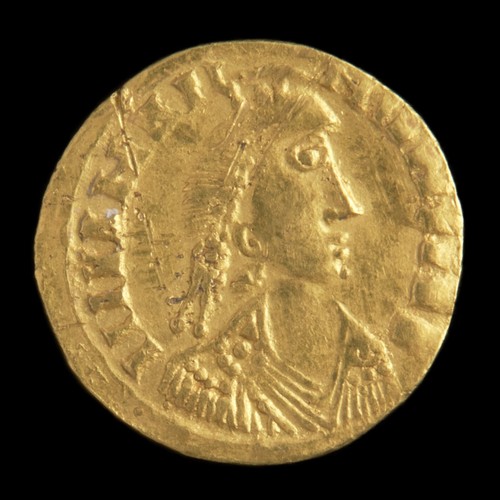
Solidus of Valentinian III
A gold solidus of the Western Roman emperor Valentinian III (AD 425-455), with his diademed profile and an imperial or military reverse.
Ancient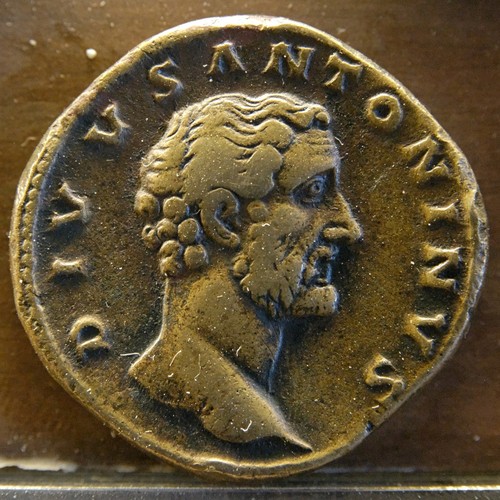
Sestertius of Antoninus Pius
Large Roman bronze coin of Emperor Antoninus Pius, with his bearded profile head and a standing deity or figure on the reverse.
Ancient Coins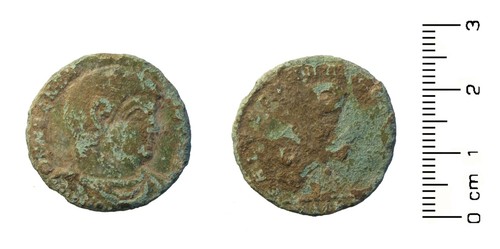
Nummus of Magnentius
A late Roman bronze struck for the usurper Magnentius (AD 350-353), noted for its bold bare-headed portrait and large Chi-Rho reverses.
Ancient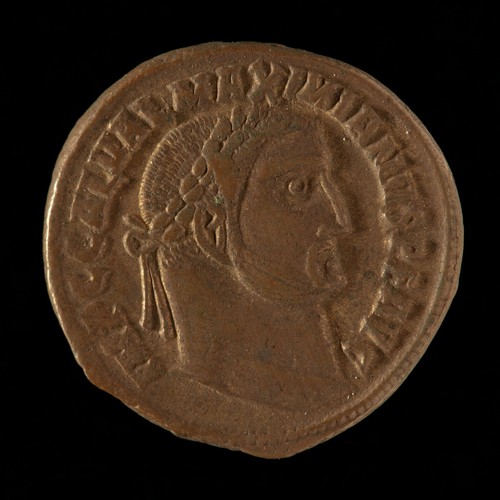
Follis of Galerius
A large silvered bronze follis of the emperor Galerius (Augustus AD 305-311), struck across the Tetrarchic mints with a laureate portrait and a standing deity reverse.
Ancient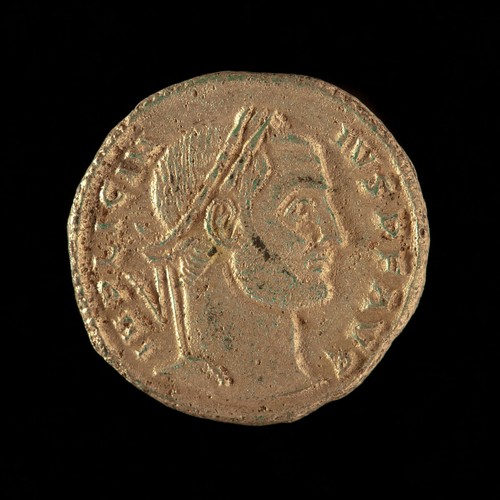
Follis of Licinius I
A small bronze follis of the emperor Licinius I (AD 308-324), showing his portrait and a standing deity reverse, struck around AD 320-321.
Ancient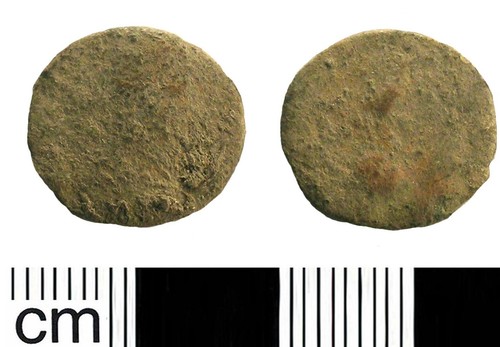
Half Centenionalis of Constans or Constantius II
A small mid-4th-century Roman bronze attributed to Constans or Constantius II, sons of Constantine the Great, worn but identifiable by its imperial portrait and era.
Ancient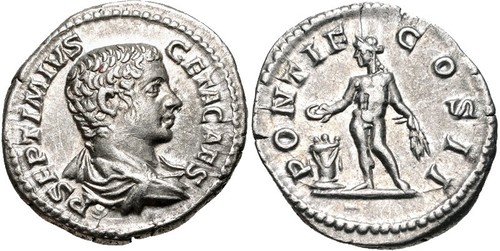
Denarius of Geta
Silver denarius of the Severan prince Geta, showing his youthful bust with a standing deity or personification on the reverse.
Ancient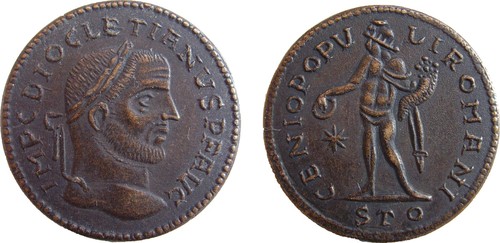
Follis of Diocletian
A large silver-washed bronze coin of the Tetrarchy, introduced by Diocletian's currency reform around AD 294 with a stern laureate portrait.
Ancient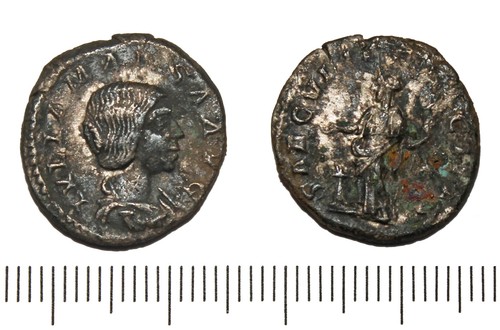
Denarius of Julia Maesa
Roman silver denarius struck for Julia Maesa (c. 218–222 CE), showing her draped bust with wavy hair and a standing deity on the reverse.
Ancient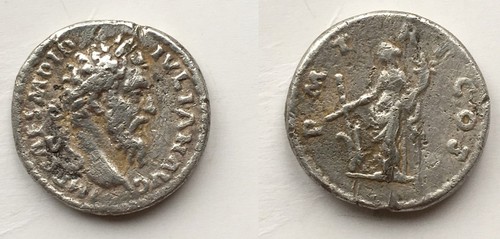
Denarius of Didius Julianus
A silver denarius of Didius Julianus, the short-lived emperor of 193 AD, bearing his laureate portrait and an imperial standing reverse.
Ancient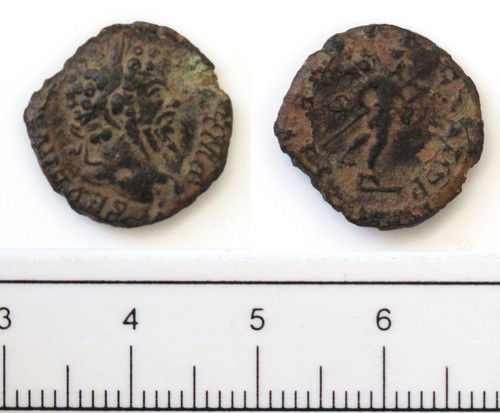
Denarius of Septimius Severus
Silver denarius of the Roman emperor Septimius Severus (193–211 AD), showing his laureate head and a standing reverse figure.
Ancient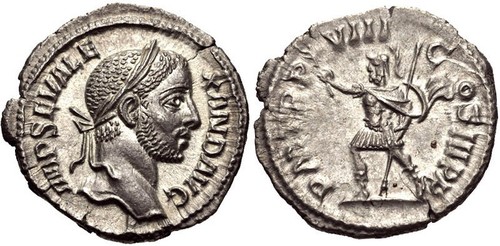
Denarius of Severus Alexander
Silver denarius of the emperor Severus Alexander (AD 222–235), with his laureate portrait and a Mars reverse dated to about AD 229.
Ancient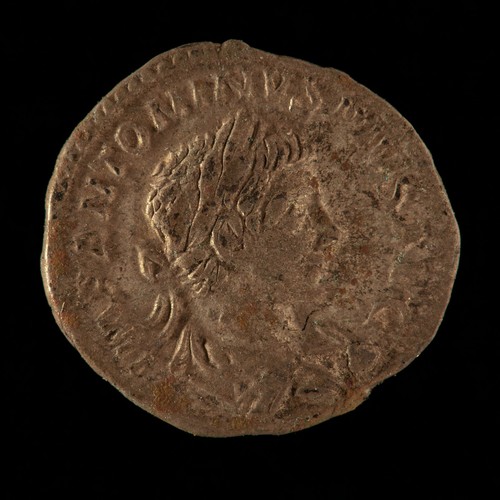
Denarius of Elagabalus
Silver denarius of the young Severan emperor Elagabalus (218–222 AD), with his laureate bust and a standing personified deity on the reverse.
Ancient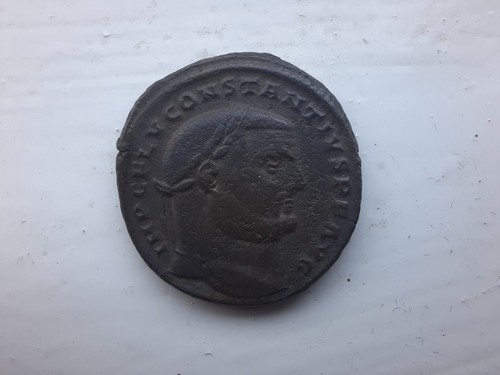
Follis of Constantius Chlorus
Large silvered-bronze follis of Constantius I (Chlorus), the Tetrarchic emperor and father of Constantine, showing his laureate portrait facing right.
Ancient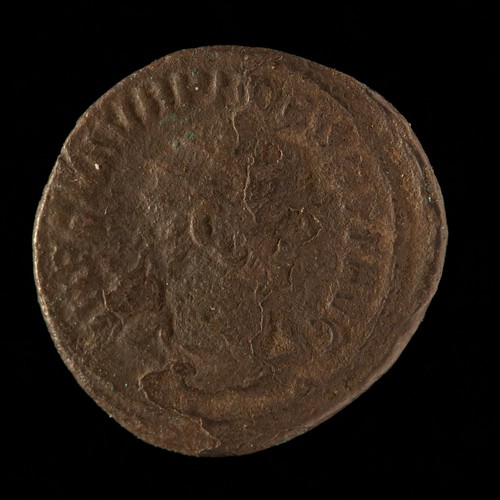
Antoninianus of Probus
Late Roman billon antoninianus of Emperor Probus (276-282 AD), identified by his radiate crown portrait on the obverse.
Ancient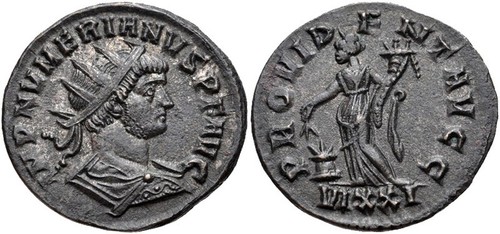
Antoninianus of Numerian
Late Roman radiate coin of the short-lived emperor Numerian (283-284 AD), showing his spiked crown and a Victory or standing deity on the reverse.
Ancient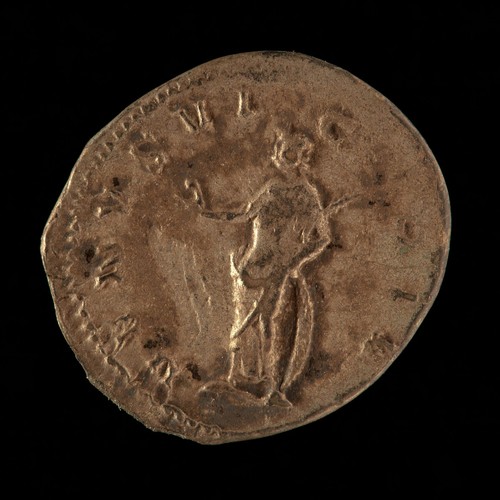
Antoninianus of Salonina
Billon antoninianus of the empress Salonina, wife of Gallienus, showing her draped bust and a standing deity on the reverse (256-257 AD).
Ancient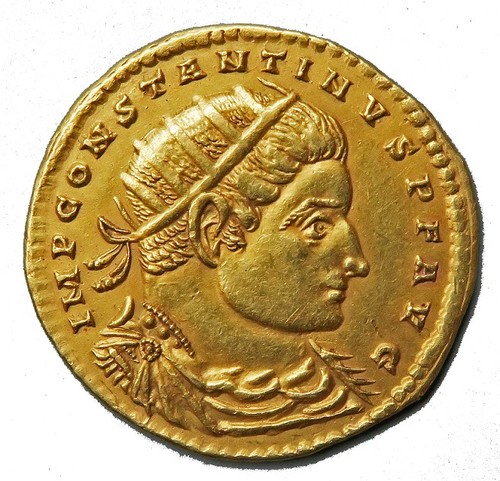
Aureus of Constantine I the Great
A Roman gold aureus struck for Constantine I the Great, showing his laureate portrait, from the era of his rise to sole power around AD 313.
Ancient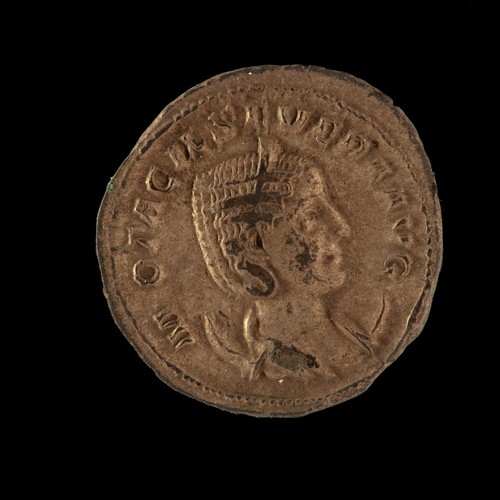
Antoninianus of Otacilia Severa
Roman double-denarius of the empress Otacilia Severa, wife of Philip I (246-248 AD), with her draped bust and a standing personification on the reverse.
Ancient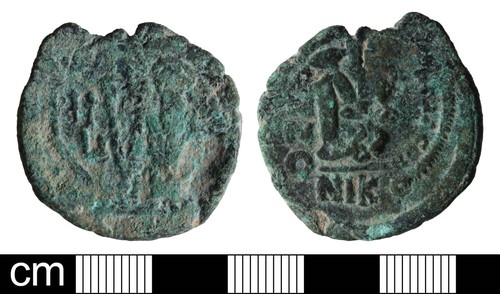
Byzantine Nummus of Tiberius Constantine
A small bronze coin of Byzantine emperor Tiberius II Constantine (AD 578-582), with an imperial portrait or inscription and a mark of value or monogram.
Ancient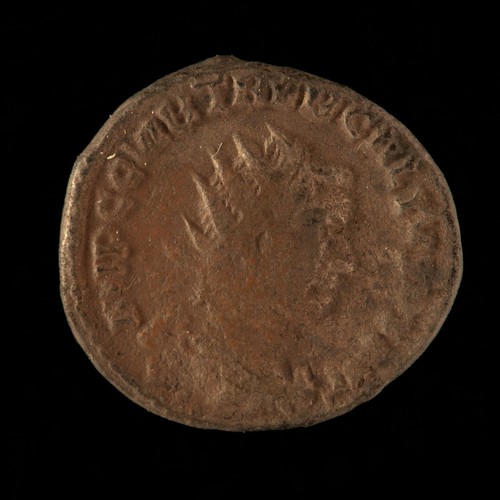
Antoninianus of Trebonianus Gallus
A radiate-crowned billon antoninianus of the emperor Trebonianus Gallus, struck AD 251-253 with a standing deity or personification on the reverse.
Ancient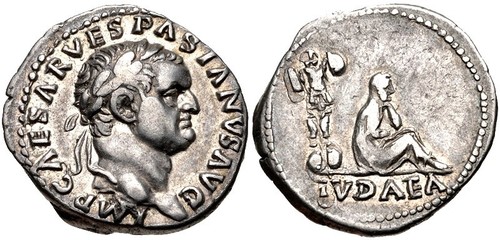
Vespasian Judaea Capta Denarius
Silver denarius of Emperor Vespasian (71–79 AD) with his laureate bust and a Judaea Capta reverse showing a mourning seated captive.
Ancient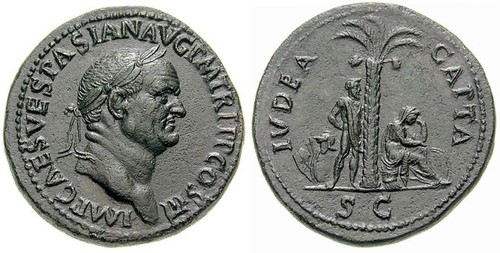
Sestertius of Vespasian (Iudaea Capta)
Large Roman bronze sestertius of Vespasian (AD 70–71) marking the conquest of Judaea, with a palm tree and mourning captives on the reverse.
Ancient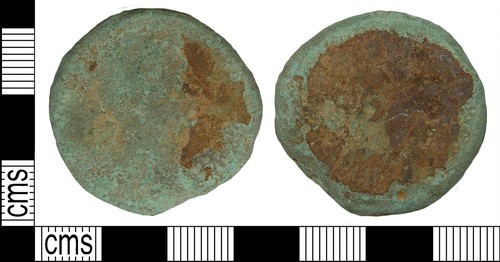
Sestertius of Commodus
A large Roman bronze sestertius of Emperor Commodus (180–192 AD), his laureate bearded head on one side and a standing figure on the other.
Ancient