
Coin Encyclopedia
Search and identify coins from around the world — with country, denomination, metal, mint, history, and how to tell them apart.
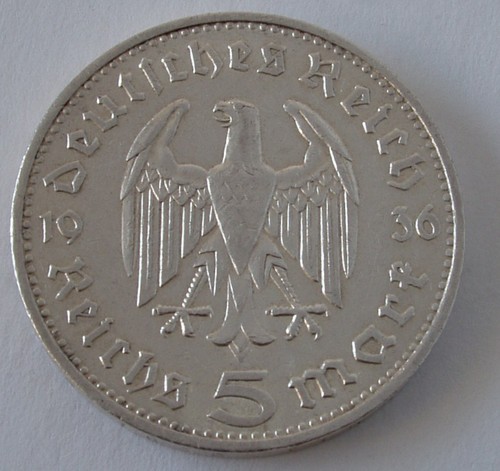
German 5 Reichsmark (Hindenburg)
German silver 5 Reichsmark of the Third Reich, pairing a portrait of Paul von Hindenburg with an eagle-and-swastika reverse; dated 1936.
Circulation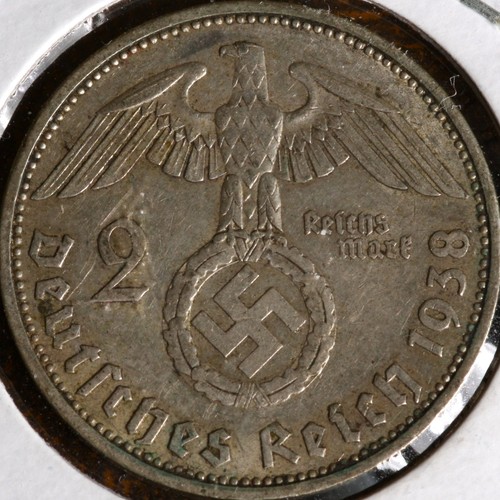
German 2 Reichsmark (Hindenburg)
Third Reich silver 2 Reichsmark showing an eagle over a swastika shield and, on the other side, Paul von Hindenburg with the value and date.
Circulation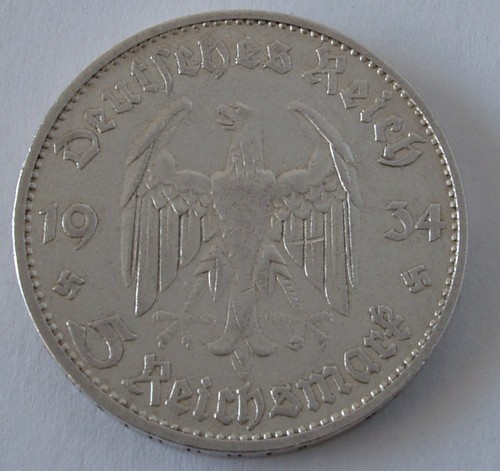
German 5 Reichsmark Garrison Church Commemorative
A 1934 German silver 5 Reichsmark commemorative with a spread-winged Reichsadler and 'Deutsches Reich' on the obverse and the Potsdam Garrison Church reverse.
Commemorative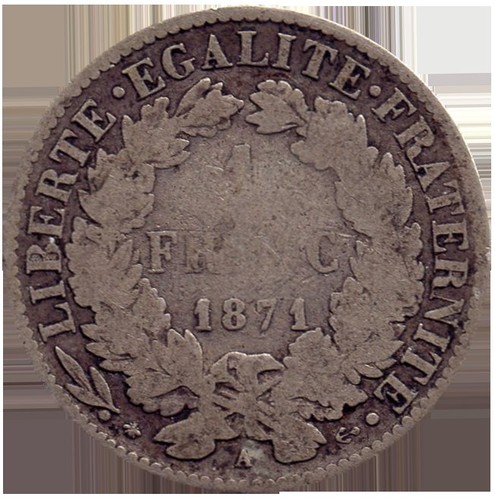
1 Franc Ceres
A small silver French franc showing the head of Cérès, goddess of the harvest, wearing wheat and a star, with the LIBERTE EGALITE FRATERNITE reverse dated 1871.
Circulation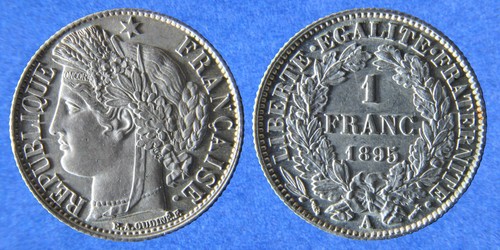
French Cérès 1 Franc
A .835 silver French 1 Franc showing the goddess Cérès in a liberty cap; this example is an 1895 Third Republic issue with a wreath-and-value reverse.
Circulation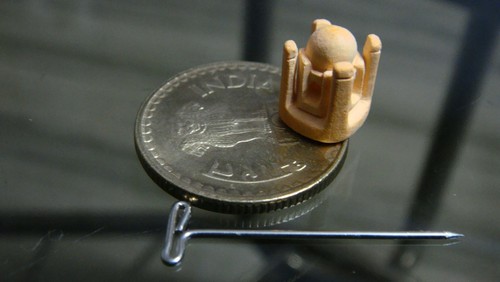
India 1 Rupee Commemorative
Copper-nickel Republic of India one rupee showing the Ashoka Lion Capital emblem, with the value and Devanagari legends on the reverse, from the late 20th century.
Modern India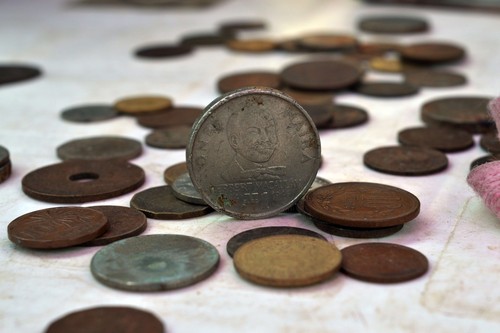
Nigeria 1 Naira
Nigeria's copper-nickel 1 Naira showing the nationalist Herbert Macaulay on the obverse and the national coat of arms on the reverse.
World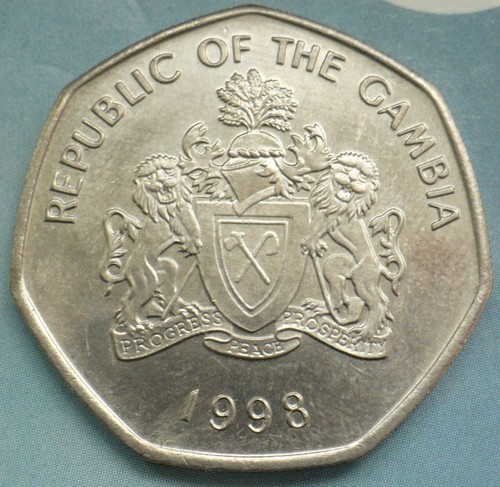
Gambia 1 Dalasi
A distinctive octagonal copper-nickel coin of The Gambia, showing the national coat of arms and the bold value 1 Dalasi dated 1998.
World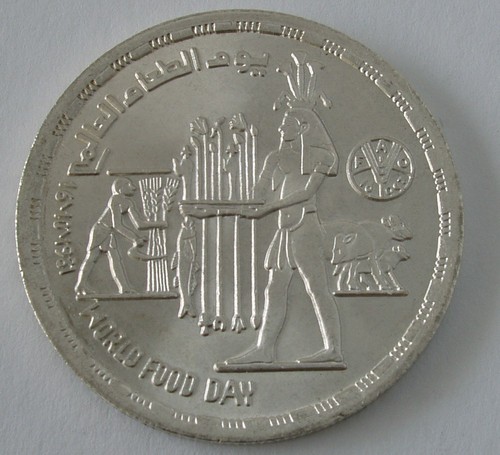
Egyptian 1 Pound
An Egyptian cupro-nickel 1 Pound commemorative marking World Food Day 1981, its reverse showing standing figures with wheat sheaves.
World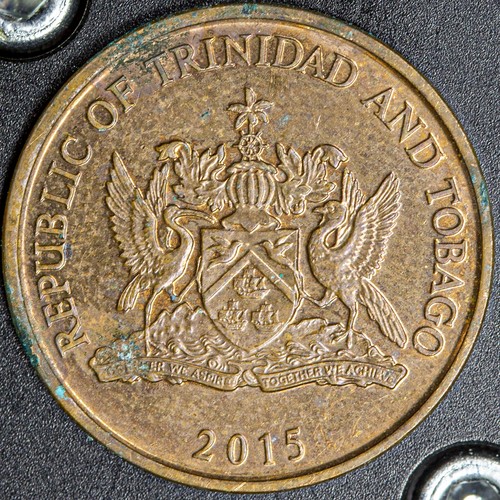
Trinidad and Tobago 1 Dollar
A nickel-plated steel one-dollar coin of Trinidad and Tobago, carrying the national coat of arms and heraldic emblems, dated 2015.
Circulation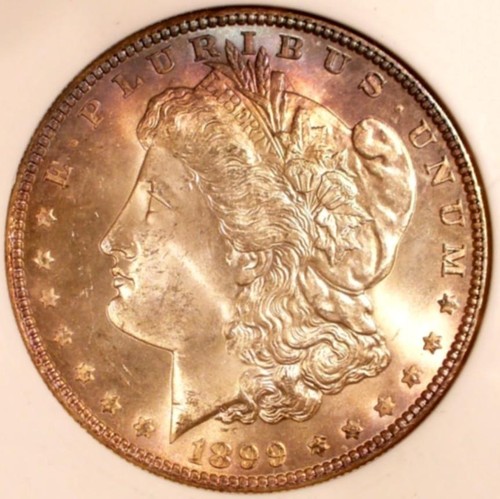
French Silver Franc
A small Third Republic silver 1-franc coin with an allegorical Marianne head and a REPUBLIQUE FRANCAISE reverse; the pictured piece is dated 1899.
World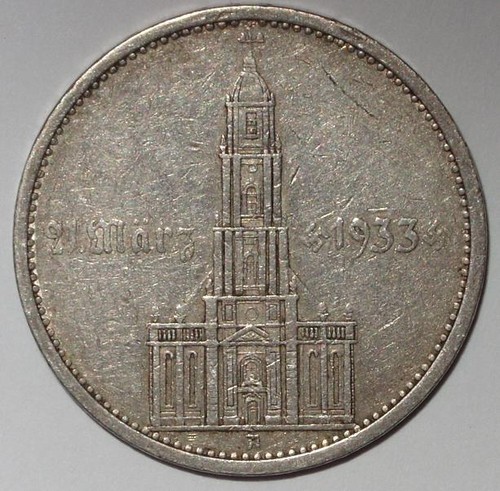
German 2 Reichsmark Garrison Church Commemorative
A 1933 German silver 2 Reichsmark commemorative showing the Potsdam Garrison Church tower, issued to mark the "Day of Potsdam."
Commemorative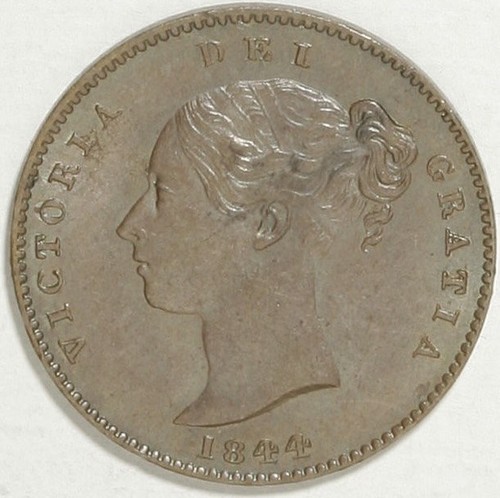
British Third Farthing
A tiny 1844 Victoria copper coin: young left-facing queen's bust obverse, crowned value reverse. One of Britain's smallest denominations, struck for Malta.
Circulation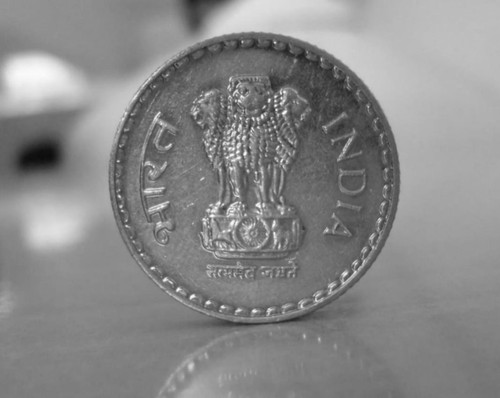
India One Rupee (Cupronickel)
A 1947 British India one rupee in cupro-nickel, its obverse bearing King George VI's crowned bust and its reverse a striding lion above ONE RUPEE INDIA.
Modern India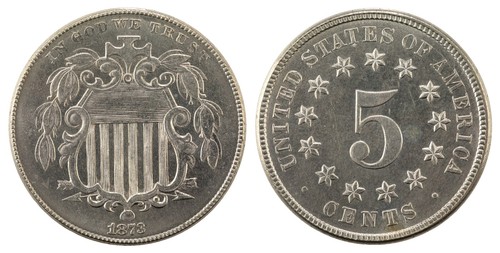
Shield Nickel
The first U.S. five-cent piece struck in copper-nickel, showing a Union shield on the obverse and a large numeral 5 on the reverse, made 1866–1883.
Nickel Five Cent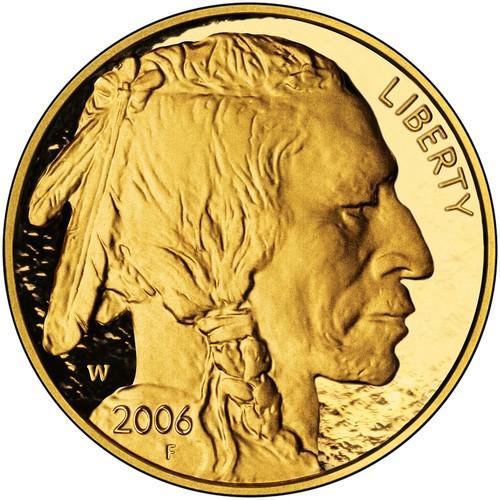
Buffalo Nickel
Iconic U.S. five-cent coin struck 1913–1938, with a Native American profile on the obverse and a standing American buffalo on the reverse.
Nickel Five Cent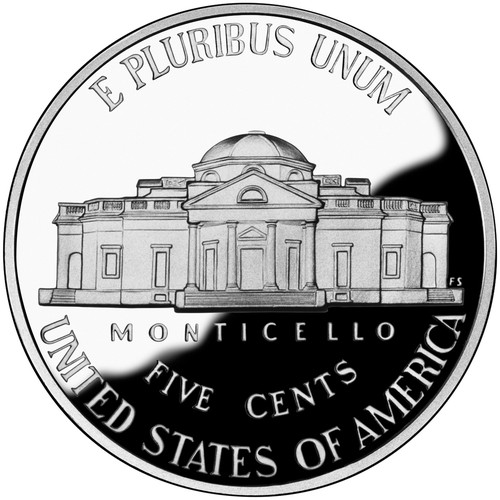
Jefferson Nickel
U.S. five-cent piece introduced in 1938, showing Thomas Jefferson on the obverse and his Monticello home on the reverse. 1942–1945 issues are 35% silver.
Nickel Five Cent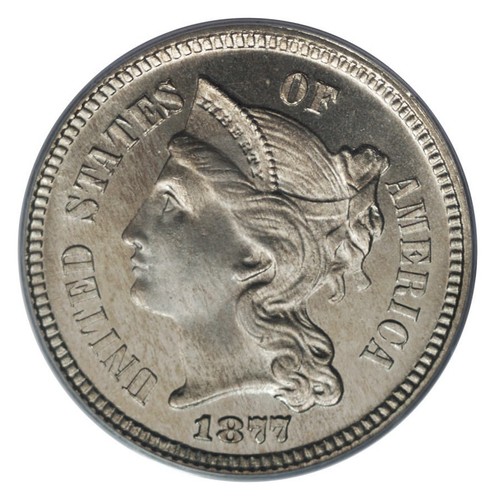
Three Cent Nickel
A small copper-nickel three-cent coin with a Liberty head obverse and a Roman numeral III inside a wreath; struck at Philadelphia from 1865 to 1889.
Three Cent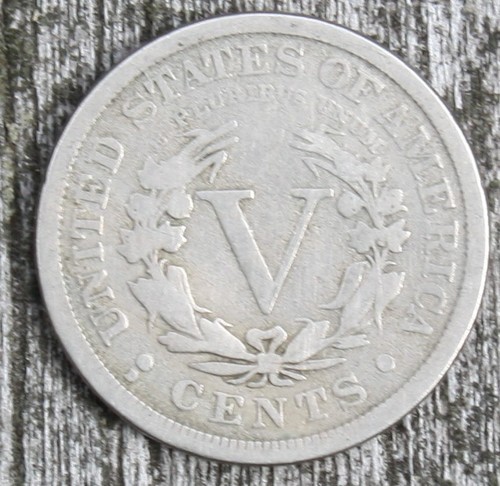
Liberty Head Nickel
U.S. five-cent piece struck 1883–1912, showing a left-facing Liberty head ringed by stars, with a Roman-numeral "V" reverse; the 1913 issue is a legendary rarity.
Nickel Five Cent
Canadian Five Cents (Nickel)
Canada's five-cent 'nickel,' with G.E. Kruger Gray's beaver reverse. This 1987 example pairs the beaver with an Elizabeth II portrait.
Canadian & Provincial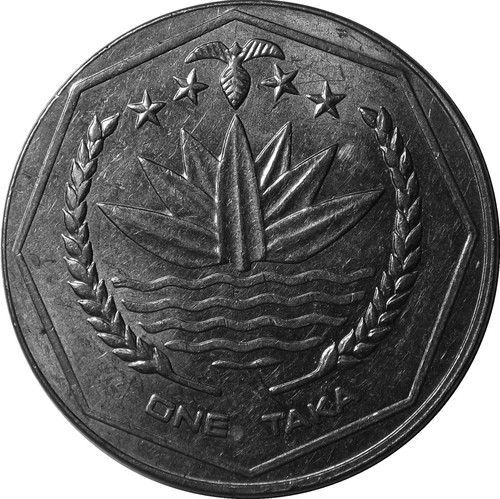
Bangladesh One Taka
A small nickel-plated steel coin of Bangladesh worth one Taka, showing a jute plant with stars on the obverse and the numeral 1 with Bengali text and date on the reverse.
South Asia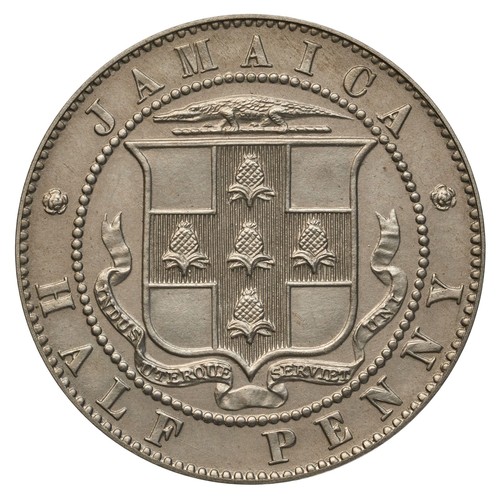
Bermuda Half Penny
A colonial-era copper-nickel half penny tied to Bermuda, showing a lion-crested coat of arms with pineapples and a Latin motto, dated 1909.
Colonial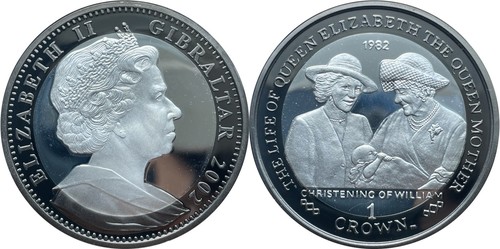
Gibraltar Crown
A 1982 Gibraltar cupro-nickel crown marking the christening of Prince William, showing the Queen Mother and Princess Diana with the infant prince.
Commemorative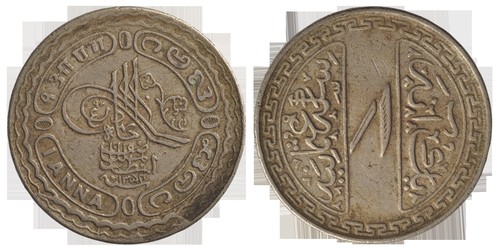
Hyderabad One Anna
A copper-nickel 1-anna coin of Hyderabad State under Nizam Osman Ali Khan, with Urdu inscriptions and floral borders, dated AH 1354 (c. 1935).
Princely & Presidency States