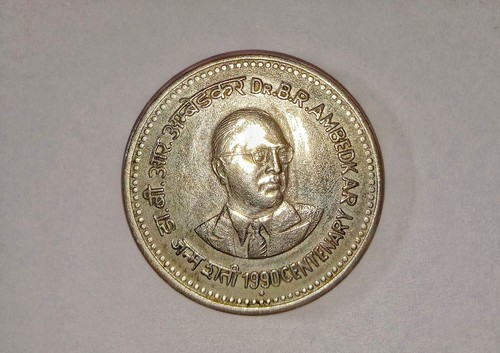
India 1 Rupee Commemorative
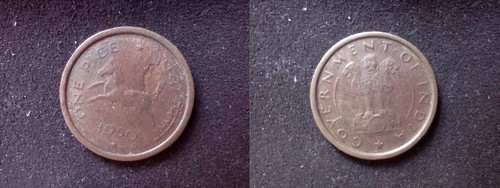
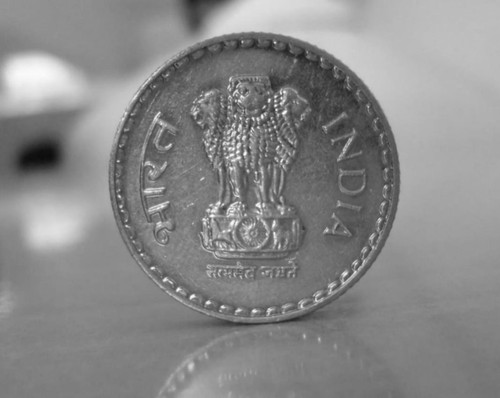
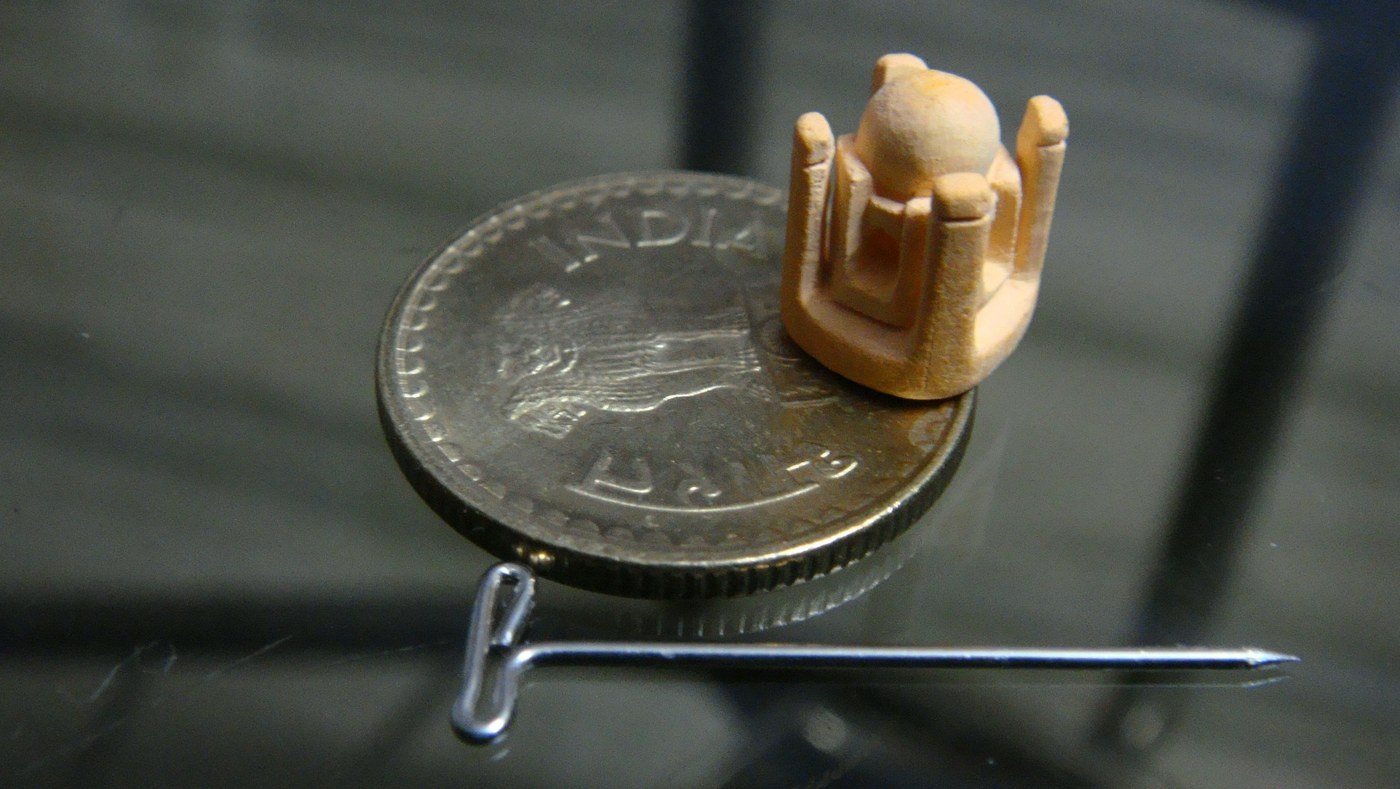
Copper-nickel Republic of India one rupee showing the Ashoka Lion Capital emblem, with the value and Devanagari legends on the reverse, from the late 20th century.
- Country
- India
- Denomination
- 1 Rupee
- Metal
- Copper-nickel
Got a coin like this?
Identify any coin from a photo, free.
Overview
This is a Republic of India one rupee struck in copper-nickel (cupro-nickel), the standard alloy for the larger Indian rupee coins of the late 20th century. The photographed face carries the Lion Capital of Ashoka, India's state emblem, shown facing left with a fan of rays around it; the opposite face bears the denomination in numerals together with Devanagari and English script identifying the country and value.
India issued a long run of one rupee coins in this period, including many commemorative types that share the same size and metal as the ordinary circulating rupee but replace the plain reverse with a themed design and inscription. Because the exact theme and date are what distinguish one commemorative from another, this entry describes the type by its confirmed physical traits: cupro-nickel metal, the Ashoka emblem, and the bilingual denomination markings.
History & Background
After India became a republic, its coinage adopted the Lion Capital of Ashoka as the state emblem in place of a monarch's portrait. Through the 1970s and 1980s the one rupee was a substantial copper-nickel coin, and the Government of India and the India Government Mint used the denomination for numerous commemorative programs marking anniversaries, leaders, and social and development campaigns.
Commemorative rupees of this era typically keep the emblem side unchanged while the reverse carries a subject-specific design and slogan in Hindi and English. Many were tied to national and international themes of the day, and some coincided with development, food, and family-welfare campaigns promoted through coinage. The plain circulating one rupee of the same alloy ran alongside these issues, so a coin of this description may be either a regular strike or a commemorative depending on its reverse.
Exact mintages, dates, and themes vary widely across the series and are not readable from the emblem side alone. Firm attribution to a specific commemorative issue should rest on the reverse design, the year, and the mint mark rather than on the Ashoka emblem, which is common to the whole family of coins.
How to Identify
The defining features here are the Lion Capital of Ashoka on the pictured face, shown facing left with rays behind it, and a copper-nickel fabric that gives the coin a silvery-grey tone and a firm, non-magnetic feel. The reverse carries the denomination as a large numeral alongside the word for rupee in Devanagari script and, on most issues, the value in English, with the year usually shown near the base.
To pin down the exact type, read the reverse in full: note the numeral, the Devanagari and English legends, any commemorative motif or slogan, the four-digit year, and any small mint mark below the date (a dot, diamond, star, or letter indicating the striking mint). Record the diameter, weight, and edge, since the late-20th-century copper-nickel rupee is a larger coin than the smaller stainless-steel and ferritic rupees introduced later.
Do not confuse this cupro-nickel piece with the later, smaller rupees struck in stainless steel or other magnetic alloys, which are lighter and often respond to a magnet. The silvery non-magnetic metal, the larger module, and the rayed Ashoka emblem together mark this as a late-20th-century copper-nickel rupee rather than a modern low-value strike.
Value & Collectibility
Most late-20th-century copper-nickel one rupee coins from India are common in circulated grades and carry only modest collector value, often a small handful of dollars in US terms, with worn examples worth little more than face interest. Copper-nickel has negligible bullion content, so demand is driven by condition, the specific commemorative theme, and eye appeal rather than metal.
Commemorative issues generally attract more interest than the plain circulating rupee, and scarcer themes, low-mintage dates, proof or uncirculated pieces, and coins from particular mints can command higher premiums. As with the whole series, the reverse design, year, and mint mark determine which issue you hold and therefore its value.
Because values swing with the exact type and grade, treat any single figure as indicative and compare recent sales of the same commemorative, in the same condition, before pricing a coin. Uncirculated or certified examples of desirable themes are worth far more than well-worn circulation finds.
Frequently asked questions
What is the emblem on the front of the coin?
It is the Lion Capital of Ashoka, the sculpture the Republic of India adopted as its state emblem. Shown facing left with rays, it appears on the obverse of India's rupee coins in place of a ruler's portrait.
Is this coin silver?
No. Despite the silvery-grey color it is copper-nickel (cupro-nickel), the standard alloy for the larger Indian rupee coins of the late 20th century. It has little bullion value and is non-magnetic.
How do I tell a commemorative from an ordinary one rupee?
Check the reverse. A plain circulating rupee shows only the value and script, while a commemorative adds a themed design and a slogan in Hindi and English tied to an anniversary or campaign, along with the year.
How can I find the exact year and issue?
Read the four-digit year on the reverse, usually near the base, and look for a small mint mark below it. The year, mint mark, and commemorative design together identify the specific issue.
What is a coin like this typically worth?
Common circulated examples are usually worth only a few dollars, driven by condition and theme rather than metal. Scarcer commemoratives, proof or uncirculated pieces, and specific mints can be worth more; compare recent sales of the same type.
India 1 Rupee Commemorative guides
In-depth guides for identifying, valuing, and collecting India 1 Rupee Commemorative.