Republic India One Pice
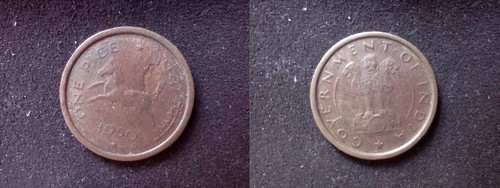
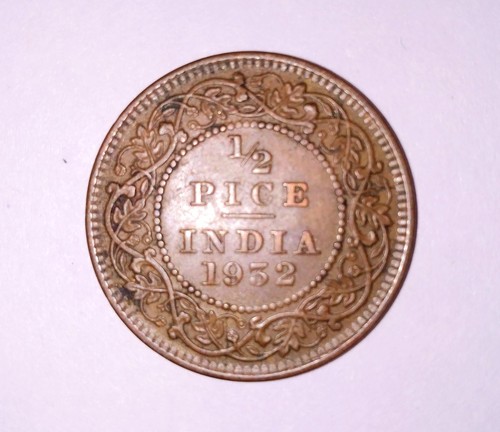
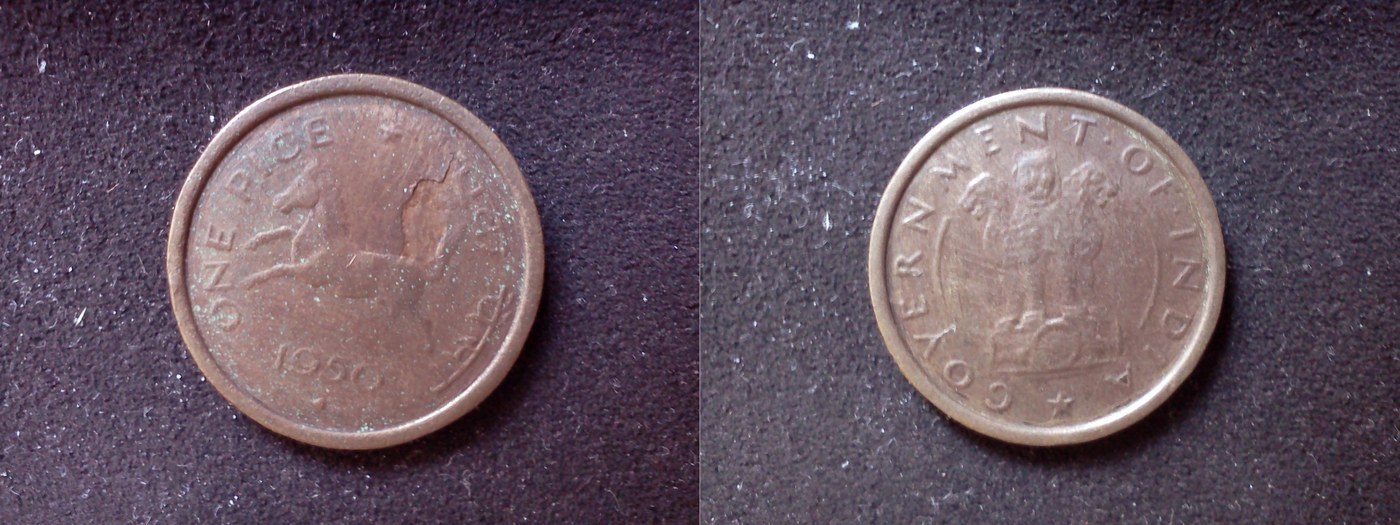
A small bronze one-pice from 1950, the first year of the Republic of India, the lowest coin of the pre-decimal anna series struck in a copper alloy.
- Country
- India
- Denomination
- 1 Pice
- Metal
- Copper
Got a coin like this?
Identify any coin from a photo, free.
Overview
The Republic India One Pice is a small copper-alloy (bronze) coin issued in 1950, the opening year of coinage for the newly declared Republic of India. It belongs to the pre-decimal "anna series" struck from 1950 onward, in which the rupee was divided into 16 annas, 64 pice and 192 pies. As the one-pice piece, it sat at the bottom of that system, worth one sixty-fourth of a rupee and serving as everyday small change.
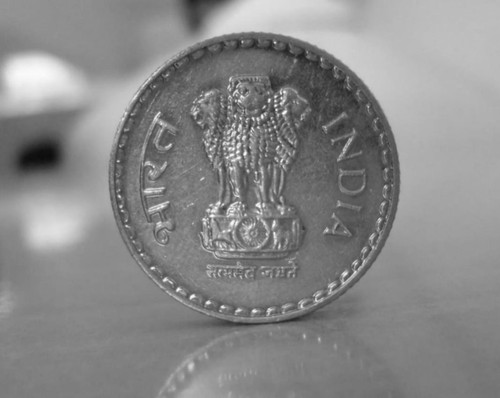
The face shown in our photograph carries an ornamental, patterned design typical of this issue; the coin's other side of the type bears the Lion Capital of Ashoka, the state emblem adopted by the Republic, together with the legend GOVERNMENT OF INDIA, the country name भारत, and the date. The reverse is not visible in our image, so the description here follows the standard design of the type rather than a reading of the coin's second face.
Because it dates to the very first year of the Republic and is the smallest denomination of the early series, the 1950 one pice is a familiar starting point for collectors of modern Indian coinage.
History & Background
India became a sovereign republic on 26 January 1950, and its first republican coinage followed that same year, replacing the earlier issues that had carried the British monarch. The 1950 series retained the traditional Indian money of account — the rupee, anna, pice and pie — but swapped royal imagery for national symbols, most notably the Lion Capital of Ashoka, which had been adopted as the State Emblem of India.
The one pice was the humblest coin of this pre-decimal system. Struck in bronze rather than the cupro-nickel or nickel used for the higher anna and rupee values, it circulated as low-value small change during the early 1950s. The whole anna-based series was relatively short-lived: India moved to a decimal system in 1957, when the rupee was redivided into 100 naye paise, and the old pice was retired.
It is important not to confuse this pre-decimal 1950 pice, worth one sixty-fourth of a rupee, with the later decimal "naya paisa" of one hundredth of a rupee that appeared from 1957. Despite the similar names, they belong to two different monetary systems.
How to Identify
Look for a small, round copper-colored coin dated 1950. The type pairs the Lion Capital of Ashoka — the three visible addorsed lions on their abacus — with the legend GOVERNMENT OF INDIA, the Devanagari country name भारत, and the date on one face, and an ornamental patterned design carrying the denomination on the other. The example photographed shows one such ornamental face; the second side is not visible in our image.
The coin is a bronze (copper-alloy) piece, so it has a warm brown to reddish-brown tone rather than the pale silvery look of the cupro-nickel half-anna, one-anna and two-anna coins or the nickel quarter-, half- and one-rupee coins of the same series. It is a small, lightweight coin, roughly on the order of 20–21 mm across and only a few grams in weight, consistent with its role as the lowest denomination.
The combination of copper color, small size, the 1950 date and the anna-series styling is diagnostic. Any mint mark, where present, appears as a small symbol beneath the date. Reading the denomination legend confirms it as a one-pice rather than a fractional-anna coin of similar era.
Value & Collectibility
The 1950 one pice was a circulating small-change coin, so worn examples are common and generally carry only a modest premium over their token value. Interest comes largely from its status as first-year Republic coinage and the lowest coin of the early anna series rather than from rarity.
Condition is the main driver of value. Heavily circulated pieces with flattened detail are inexpensive, while coins retaining sharp design, full ornamental pattern and original surfaces — especially uncirculated examples with red or red-brown bronze color — are more desirable to collectors of modern India. As with other base-metal coins, corrosion, cleaning or environmental damage sharply reduces appeal.
Precise prices depend on grade, eye appeal and collector demand, so any figures should be treated as general context rather than fixed quotes. A clean, well-struck example is an affordable and attractive type coin; problem-free uncirculated bronze commands the strongest interest.
Frequently asked questions
What is a "pice"?
In the pre-decimal Indian system used in 1950, the rupee was divided into 16 annas, 64 pice and 192 pies. One pice was therefore one sixty-fourth of a rupee, the smallest everyday denomination of the early Republic series.
Is this the same as a modern paisa?
No. This 1950 pice belongs to the old anna system and is worth one sixty-fourth of a rupee. The decimal "paisa" (naya paisa) worth one hundredth of a rupee only appeared in 1957. The names are similar but the two coins come from different monetary systems.
What metal is the coin made of?
It is a bronze coin, a copper-based alloy, which gives it a warm brown to reddish tone. This sets it apart from the pale cupro-nickel and nickel coins of the same 1950 series.
Why does it show lions instead of a king or queen?
India became a republic in 1950 and replaced royal portraits with national symbols. The type carries the Lion Capital of Ashoka, the State Emblem of India, on one face along with GOVERNMENT OF INDIA and the country name भारत.
Is the 1950 one pice valuable?
Most circulated examples are common and worth only a small premium over token value. Well-preserved or uncirculated pieces with full original bronze color are more sought after by collectors of modern Indian coinage.
Republic India One Pice guides
In-depth guides for identifying, valuing, and collecting Republic India One Pice.