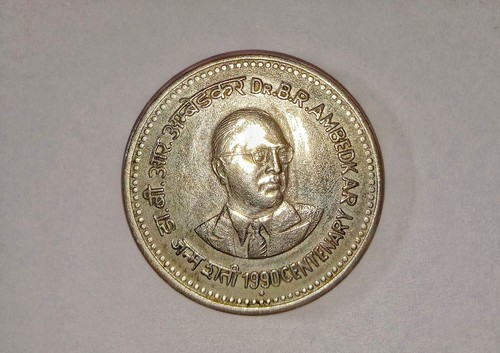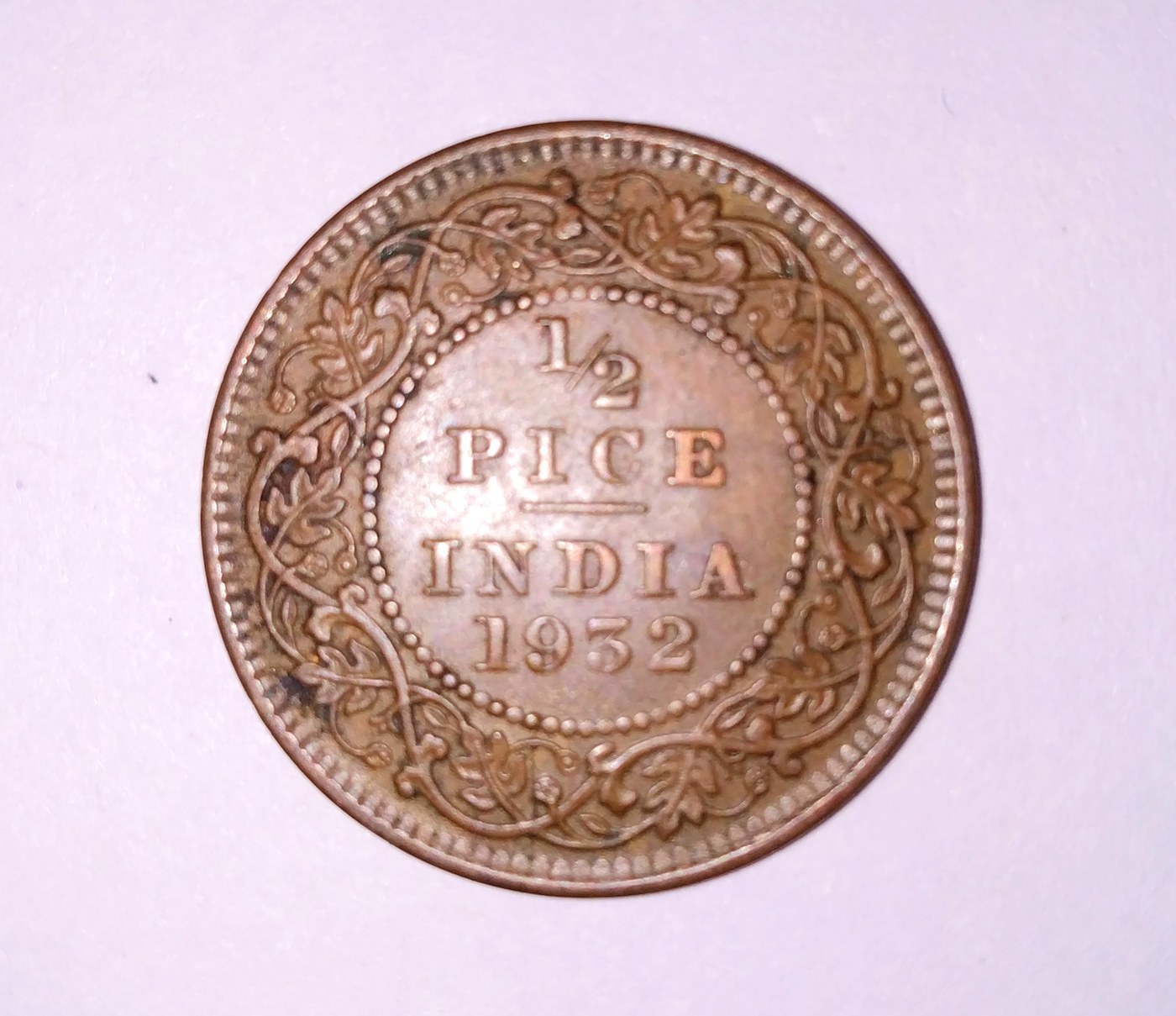
India Half Pice
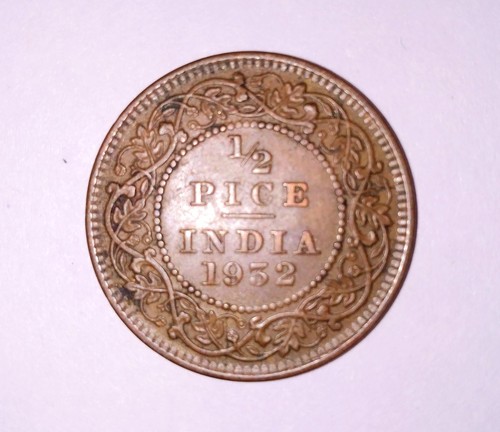
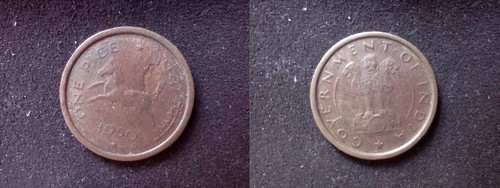
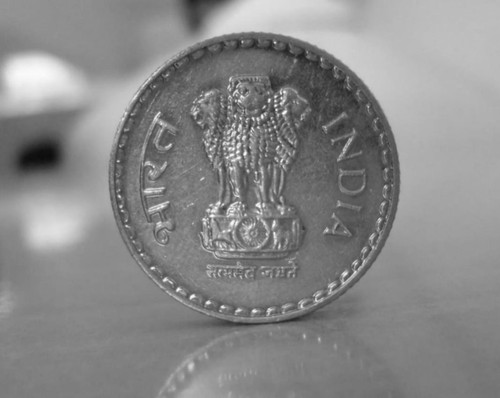
A small copper half pice from India carrying a crowned obverse with the word INDIA; the pice is a sub-unit of the old pre-decimal Indian coinage system.
- Country
- India
- Denomination
- 1/2 Pice
- Metal
- Copper
Got a coin like this?
Identify any coin from a photo, free.
Overview
The India Half Pice is a small copper coin denominated at one half of a pice, a minor unit of the old, pre-decimal Indian money system. The example shown displays an obverse dominated by a crown, the word INDIA, and a surrounding inscription. The reverse is not visible in the available image, so any denomination legend, date placement, or issuer marks that would normally appear on the back cannot be described here.
Within the traditional Indian system a rupee was divided into 16 annas, each anna into 4 pice (paise), and each pice into 3 pies, so a half pice was a very low-value everyday coin used for small purchases. Its copper composition, modest diameter, and simple crowned design are all consistent with this humble role in daily commerce.
Because only the crowned obverse is visible, this entry describes the coin as observed rather than assigning it to one specific issuer or reign. The crown-and-INDIA style is characteristic of British-influenced Indian coinage and of later pieces made in that tradition.
History & Background
The pice (also spelled paisa) and its fractions were core units of the pre-decimal coinage used across India for generations. Copper and later bronze were the standard metals for these low denominations, which circulated alongside silver annas and rupees and gold pieces. The half pice sat near the bottom of that ladder, worth one one-hundred-twenty-eighth of a rupee, and was intended for the smallest cash transactions.
Crowned obverse designs bearing the word INDIA belong to the British colonial and Crown-era coinage tradition, in which the reigning monarch and imperial symbols such as the crown appeared on Indian coins. India moved to a decimal currency in 1957, when the rupee was divided into 100 (naye) paise, retiring the older anna-pice-pie fractions from official issue. For that reason the half pice as a circulating denomination belongs to the pre-decimal era.
The date read on this coin as 1972 falls after decimalization, which is worth noting: pieces combining a crown-and-INDIA design with the archaic half-pice denomination and a modern date are frequently modern reproductions, souvenir strikes, or fantasy pieces made in the style of older colonial coinage rather than official circulating money. The visible side alone is not enough to settle the question, so the date should be treated with care.
How to Identify
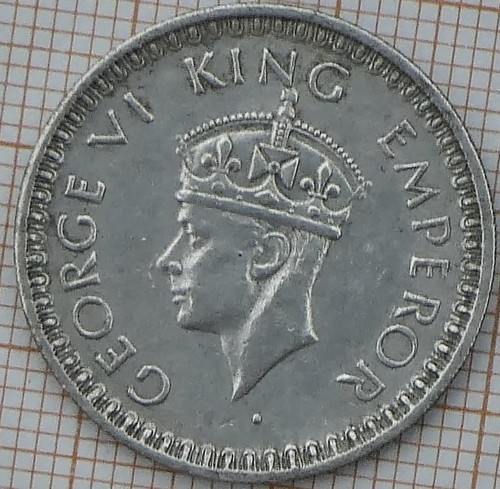
The coin is a small, round copper piece. The visible obverse shows a crown as the central device, the word INDIA, and a surrounding inscription; there is no portrait bust visible on the shown face. Half pice coins are physically small and light, typically only a couple of centimeters across and a few grams in weight, in keeping with their low value and copper content.
The reverse is not shown in the image. On coins of this general type the back would usually carry the denomination (for example a legend reading the value) together with the date and any issuer or ornamental design, so confirming the exact attribution really requires seeing that missing side. Copper tone ranges from bright reddish-brown when fresh to dark chocolate brown or green-tinged when worn and oxidized.
Key diagnostics on the visible face are the crown, the word INDIA, and the surrounding lettering. Reading that full inscription, checking the metal (copper, non-magnetic), and measuring the diameter and weight are the practical first steps. Because the crowned-INDIA style was used both on genuine colonial-era minor coins and on later imitations, identification should not stop at the obverse design alone.
Value & Collectibility
Minor copper coins such as a half pice are, as a class, among the most affordable pieces in Indian numismatics. Very large numbers of low-denomination copper coins were produced and many survive, so ordinary circulated examples generally carry only modest value, driven mainly by condition, sharpness of the crown and lettering, and originality of surface.
Value depends heavily on exactly what the coin turns out to be once the reverse, date, and issuer are confirmed. A genuine, correctly dated colonial-era half pice in clean condition is collectible on its own terms, while a modern reproduction, souvenir, or fantasy strike in the same style has little numismatic value regardless of how attractive it looks. The date read here as 1972, after India's 1957 decimalization, is a reason to verify authenticity before assuming the coin is an official pre-decimal issue.
Figures for coins like this are best treated as general context rather than fixed prices. An accurate identification of the full legend, date, and reverse design is the single biggest factor in placing the piece, and where value or authenticity is in doubt, examination by someone familiar with Indian copper coinage is worthwhile.
Frequently asked questions
What is a half pice worth in the old Indian system?
In the pre-decimal system a rupee equaled 16 annas, each anna 4 pice, and each pice 3 pies. A half pice was therefore one one-hundred-twenty-eighth of a rupee, a very small everyday denomination.
What metal is the India Half Pice made of?
It is a copper coin (later Indian minor coins of this class were sometimes bronze). Copper minors like this are non-magnetic and develop a brown or reddish-brown patina with age and wear.
Why does the coin show a crown and the word INDIA?
A crown together with the word INDIA reflects the British colonial and Crown-era coinage tradition, in which imperial symbols and the country name appeared on Indian coins. The style was also copied on later reproductions.
Is a half pice dated 1972 a genuine circulating coin?
India decimalized its currency in 1957, retiring the anna-pice-pie fractions, so an official circulating half pice would predate that. A half-pice piece with a 1972 date and crown design may well be a modern reproduction or fantasy strike and should be verified.
Can the coin be identified from the crown side alone?
Not fully. The reverse normally carries the denomination, date, and issuer details, so a firm attribution really needs that missing side. The crowned obverse narrows the style but is not enough on its own.
India Half Pice guides
In-depth guides for identifying, valuing, and collecting India Half Pice.