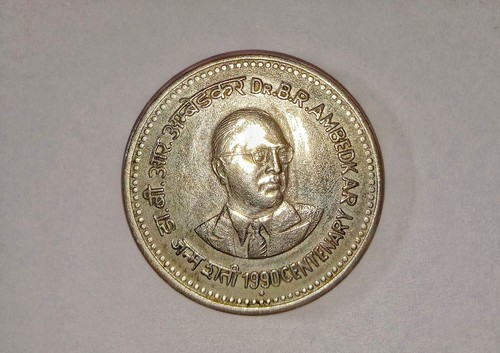
India Four Anna
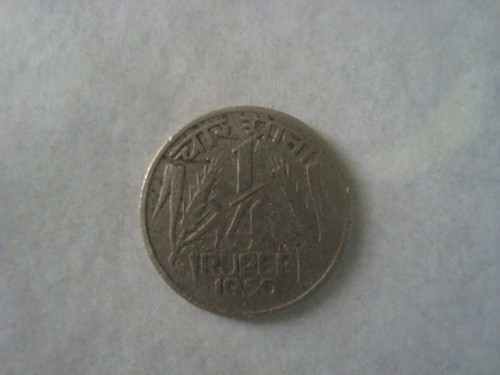
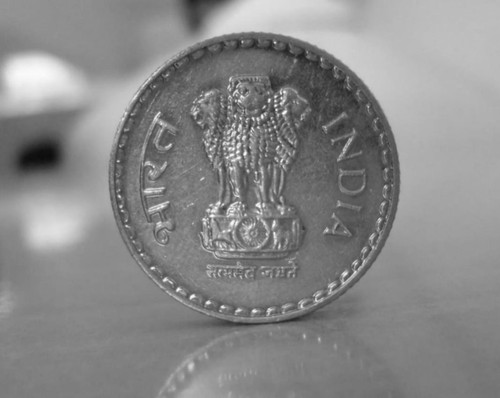
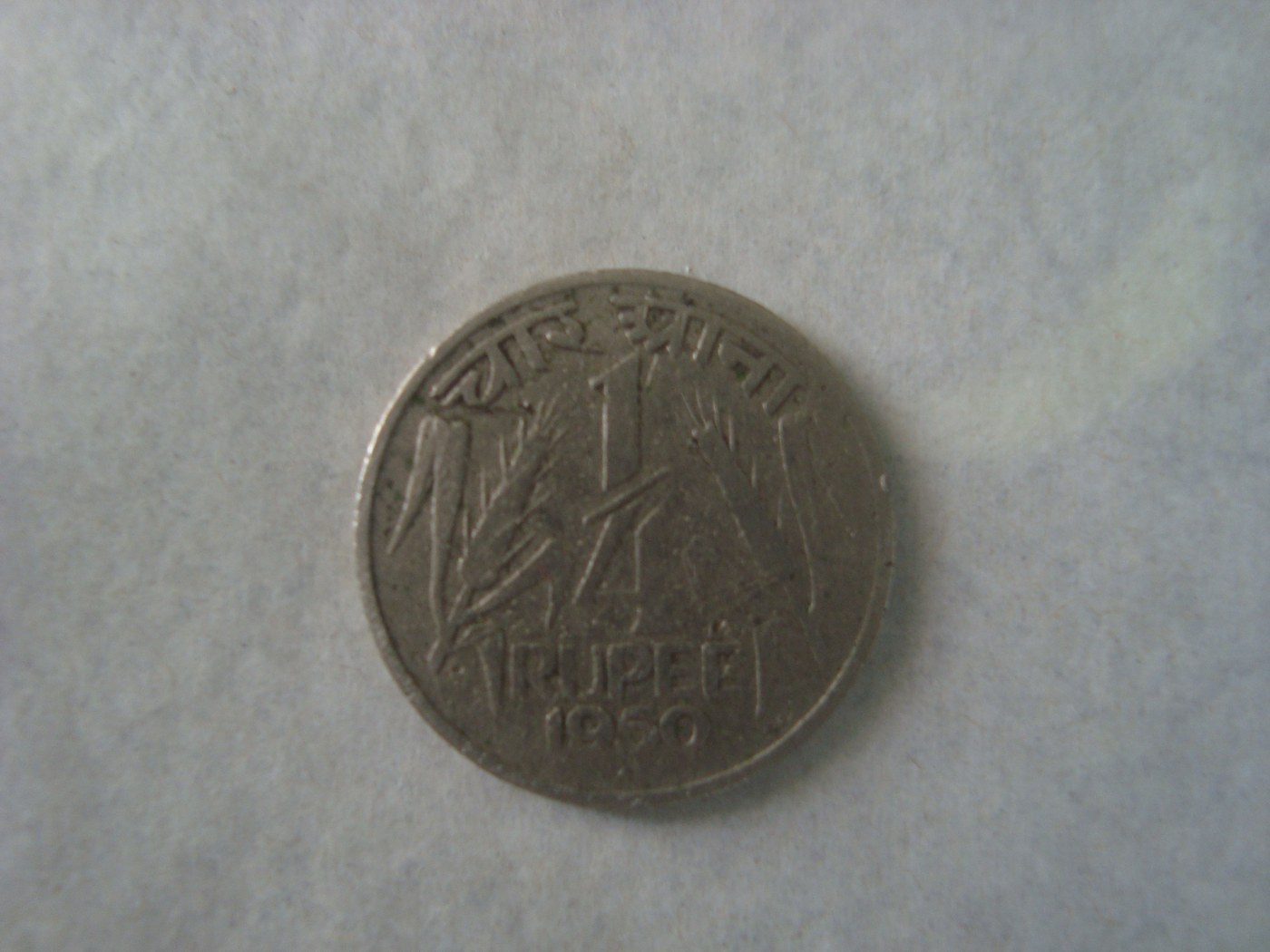
An early Republic of India quarter rupee (four annas) of 1950, showing the Ashoka Lion Capital emblem with radiating rays and the country name INDIA.
- Country
- India
- Denomination
- 1/4 Rupee (Four Anna)
- Metal
- Copper-nickel
Got a coin like this?
Identify any coin from a photo, free.
Overview
The India Four Anna is a small pale-metal coin from the first coinage of the Republic of India, dated 1950. It represents the quarter rupee, equal to four annas in the old sixteen-anna rupee system that India still used at the start of the 1950s.
The example shown carries the Ashoka Lion Capital emblem surrounded by radiating rays on the obverse and, on the reverse, the lion emblem together with the country name INDIA and the coin's denomination. It is a copper-nickel piece with a whitish, silvery appearance, though it contains no precious metal.
As one of the earliest coins issued after India became a republic in 1950, the four anna is a popular and accessible piece for collectors of modern Indian coinage and a familiar example of the short-lived pre-decimal Republic series.
History & Background
India became a sovereign republic on 26 January 1950, and its first republican coinage was introduced that same year to replace the coins bearing the portrait of the British monarch. These early Republic issues kept the old anna system, in which one rupee was divided into sixteen annas, so the quarter rupee was equivalent to four annas.
The new coins adopted national symbols in place of a royal effigy. The Lion Capital of Ashoka — the sculpted capital of an ancient pillar erected by the Emperor Ashoka, adopted as the State Emblem of India — became the central device, paired with the country name in English and Devanagari. This 1950 four anna belongs to that first pre-decimal Republic series.
The anna system was short lived under the Republic. In 1957 India moved to a decimal currency in which the rupee was divided into 100 (naye) paise, and denominations expressed in annas were retired. That makes the 1950 four anna a coin of a brief transitional period between colonial-era and decimal Indian money.
How to Identify
The India Four Anna is a small, round copper-nickel coin with a plain, silvery-grey look and no gold or silver content. It is a compact piece, roughly 19 mm across and only a few grams in weight; exact figures vary slightly, so weigh and measure a coin rather than assuming a precise standard. The year 1950 appears with the coin's design.
The obverse presented here shows the Ashoka Lion Capital emblem at the center with rays radiating outward around it. The reverse carries the lion emblem again together with the raised legend INDIA and the statement of denomination as the quarter rupee (four annas), typically accompanied by the country name in Devanagari script.
Because it is a machine-struck modern coin, the four anna is sharply and evenly struck, unlike the off-center hand-struck coins of earlier Indian history. Small mint marks beneath the date distinguish the striking mint — for example a dot for Bombay versus no mark for Calcutta — and are worth checking when attributing a specific example.
Value & Collectibility
As an early but widely produced Republic issue, the 1950 four anna is generally an affordable, collectible coin rather than a rarity. It contains no precious metal, so its value comes entirely from collector demand and condition rather than from bullion content.
Worn, circulated examples are common and trade for modest sums, while pieces that retain sharp detail and original luster command higher premiums. Condition, eye appeal, the specific mint, and any die varieties are the main factors that move value within the series.
Because prices depend heavily on grade and market demand, treat any figure as general context rather than a fixed valuation. A well-preserved, clearly struck example with an identifiable mint mark will always sit at the stronger end of the range for this type.
Frequently asked questions
What is the India Four Anna coin?
It is the quarter rupee of the Republic of India, equal to four annas in the old sixteen-anna system. This example is dated 1950, part of India's first coinage after becoming a republic.
Is the Four Anna made of silver?
No. This coin is copper-nickel, a base-metal alloy with a whitish, silvery appearance. It carries no precious-metal content, so its worth is collector value, not bullion value.
How much is four annas worth?
Four annas equalled one quarter of a rupee, since the pre-decimal rupee was divided into sixteen annas. After India decimalized in 1957 the anna was retired in favor of paise.
What is the emblem on the coin?
It is the Lion Capital of Ashoka, an ancient sculpted pillar capital adopted as the State Emblem of India. On this coin it appears with radiating rays and the country name INDIA.
Is the 1950 Four Anna rare?
Not especially. It was produced in quantity and is readily available to collectors, so common circulated examples are inexpensive. Higher grades with strong detail and luster are worth more.
India Four Anna guides
In-depth guides for identifying, valuing, and collecting India Four Anna.