
How to Identify the India Half Pice
A collector's guide to a copper Indian half pice: reading the crowned obverse, checking size and metal, finding the reverse legend, and spotting reproductions.
Read the full India Half Pice encyclopedia entry →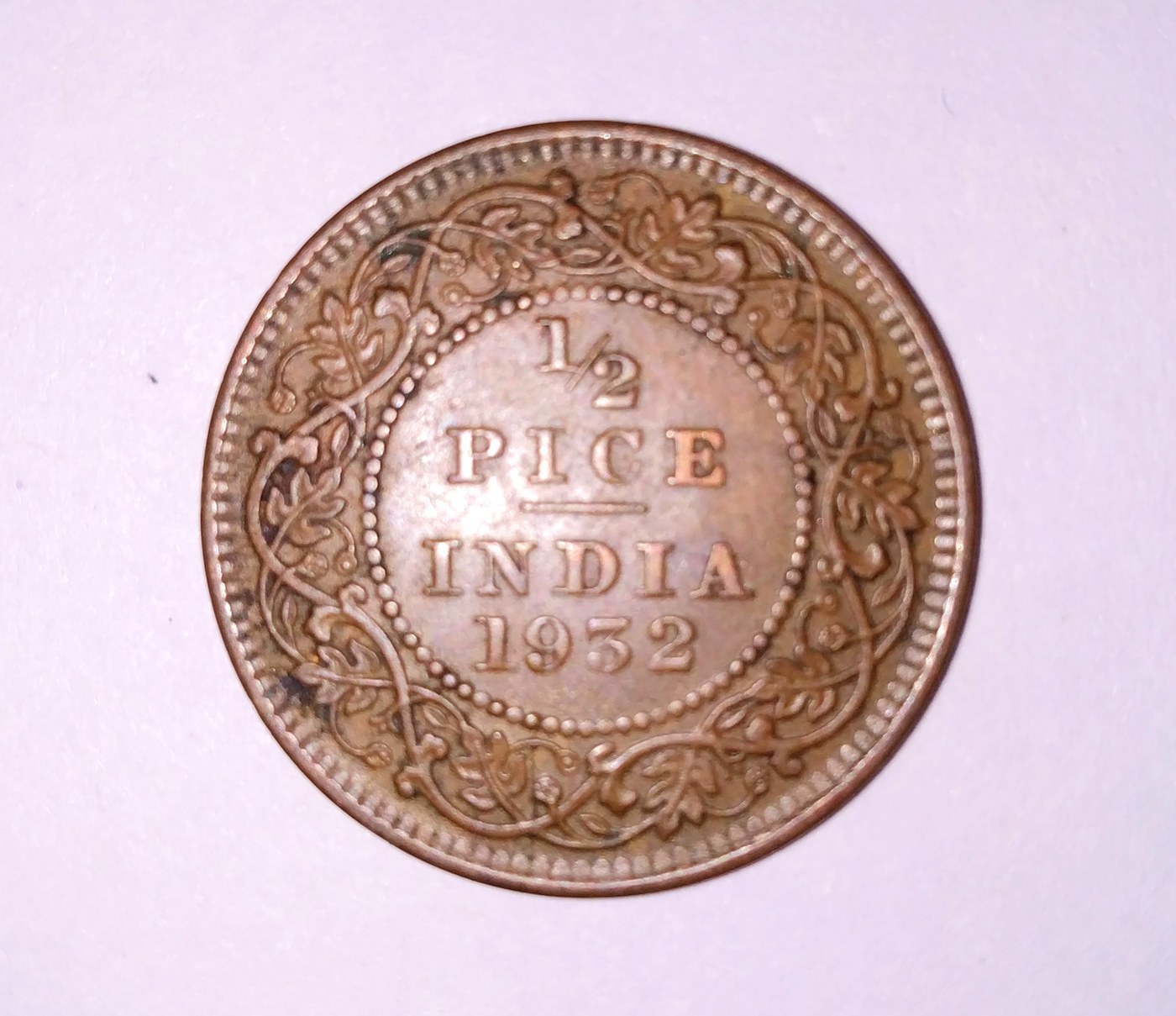
Begin with the physical coin. A half pice is a small copper piece, only a couple of centimeters across and a few grams in weight, so a large or heavy coin is something else entirely. Confirm the metal is copper: it should be non-magnetic and show a warm brown, reddish, or darkened patina rather than the grey of silver or the yellow of brass. A magnet test and a quick diameter and weight measurement are cheap, useful first checks.
Read the visible obverse carefully. This example centers on a crown with the word INDIA and a surrounding inscription. Note whether the crown is the sole device or whether a portrait bust or additional titles are present, and try to transcribe the full legend. The crowned-INDIA style points to the British colonial and Crown-era tradition of Indian coinage, but that style was widely reused, so treat the obverse as a starting clue rather than a conclusion.
The reverse does most of the identifying work, and it is not shown in this image. On coins of this type the back normally carries the denomination legend, the date, and any issuer or ornamental design. To pin down exactly what the coin is, you need to see and read that side: the denomination confirms it is a half pice, and the date and any issuer marks establish when and by whom it was made. Photograph both faces in even light before drawing conclusions.
Watch specifically for reproductions and fantasy pieces. India decimalized in 1957, so the anna-pice-pie fractions were retired from official coinage; a half-pice coin bearing a later date, such as the 1972 read here, is a strong reason to suspect a modern souvenir, replica, or fantasy strike made in the old style. Signs to weigh include unusually crisp or artificially aged surfaces, casting bubbles or seams (genuine coins are struck, not cast), incorrect weight or diameter, and dates that do not fit the denomination.
When the reverse legend, date, and issuer do not add up, or when you cannot read them at all, set the coin against standard references for Indian copper minors or ask someone familiar with the series. Confirming the full legend and the missing reverse is the decisive step; the crowned obverse alone can look convincing on both authentic coins and imitations.
Frequently asked questions
What should I check first on a suspected half pice?
Confirm it is small copper: measure the diameter and weight, and test that it is non-magnetic with a brown copper tone. Size and metal quickly rule out larger or higher-value coins struck in silver or brass.
Why do I need to see the reverse to identify it?
The reverse normally carries the denomination legend, the date, and issuer or ornamental details. The crowned obverse only signals the general style, so the back is what confirms the coin is a half pice and when it was made.
How can I tell a genuine coin from a reproduction?
Genuine coins are struck, so look out for casting seams, bubbles, or a soft mushy surface, and for wrong weight or diameter. A half-pice denomination combined with a post-1957 date is a particular warning sign of a modern replica or fantasy piece.
Does the crown tell me which ruler issued the coin?
Not by itself. A crown with INDIA reflects the colonial and Crown-era style but does not name a ruler. You would need the full obverse legend and the reverse details to attribute the coin to a specific issuer or period.