
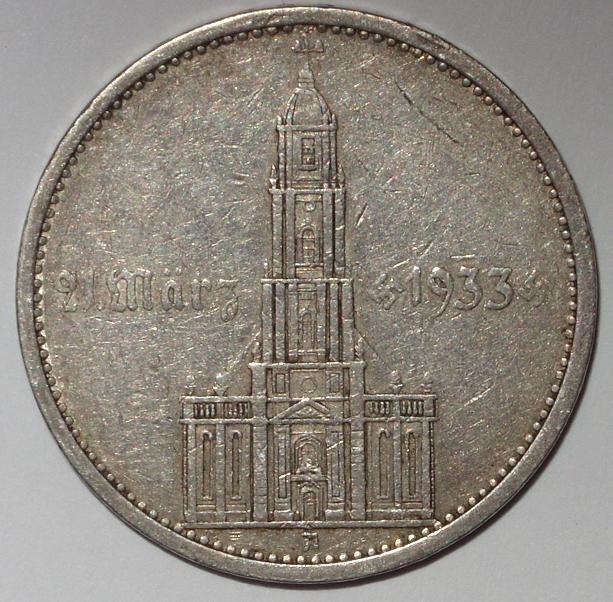
German 2 Reichsmark Garrison Church Commemorative
A 1933 German silver 2 Reichsmark commemorative showing the Potsdam Garrison Church tower, issued to mark the "Day of Potsdam."
- Country
- Germany
- Denomination
- 2 Reichsmark
- Metal
- Silver
Got a coin like this?
Identify any coin from a photo, free.
Overview
The German 2 Reichsmark Garrison Church commemorative is a silver coin dated 1933 whose obverse depicts the tower of the Garnisonkirche (Garrison Church) at Potsdam. It was struck to commemorate the ceremonial opening of the new Reichstag on 21 March 1933, an event staged at the church and later known as the "Day of Potsdam" (Tag von Potsdam).
The piece belongs to the commemorative coinage of the Reichsmark system that circulated in Germany between the wars and into the early 1930s. A companion 5 Reichsmark commemorative shares the same Garrison Church design, so the two denominations are often described together. The example shown here is the smaller 2 Reichsmark value.
Because it was issued at the very start of a heavily politicized period in German history, this type carries strong historical interest for collectors of German and 20th-century coinage. It survives in reasonable numbers and is a widely collected representative of early-1930s German commemoratives.
History & Background
By 1933 Germany's currency was the Reichsmark, and the national mints regularly produced silver 2 and 5 Reichsmark pieces both for circulation and to mark notable occasions. The Garrison Church type was authorized in that year to commemorate the opening of the newly elected Reichstag, a ceremony held at the Potsdam Garrison Church on 21 March 1933.
The design pairs the historic Baroque church tower with the standard German eagle and denomination on the reverse. Catalogues record the type in two principal varieties: one carrying the commemorative date "21. MÄRZ 1933" beneath or beside the church, and one without that added date. The coin exists across the several German mints active at the time, each identified by its own mint letter.
The issue appeared at the outset of the National Socialist era, and its imagery and inscriptions reflect that political moment. Collectors generally treat it as a historical document of the period. Its production was short, confined to the 1933 date, which is part of why it is remembered as a distinct commemorative rather than an ordinary circulating coin.
How to Identify
Obverse (shown): the tall tower of the Potsdam Garrison Church, rendered in detail, with the church name in the legend and the year 1933. On the dated variety the inscription "21. MÄRZ 1933" also appears; on the other variety it is absent.
Reverse (not visible on this example): the standard German eagle with DEUTSCHES REICH, the value 2 REICHSMARK, the year, and a single mint-mark letter (A Berlin, D Munich, E Muldenhütten, F Stuttgart, G Karlsruhe, or J Hamburg).
Physical clues: the 2 Reichsmark is a silver coin of modest fineness, smaller and lighter than its 5 Reichsmark companion, with a reeded edge and the crisp machine strike typical of the period. The quickest identifiers are the distinctive church-tower obverse, the 1933 date, and the 2 REICHSMARK denomination on the reverse, which separate it from the larger 5 Reichsmark version of the same design.
Value & Collectibility
As a historically significant but not especially rare commemorative, the 2 Reichsmark Garrison Church coin has an active collector market. Circulated examples in average condition are generally affordable, while values rise with grade, with sharp uncirculated pieces and attractive original toning commanding a premium.
The variety matters: the dated ("21. MÄRZ 1933") and undated types, and the specific mint mark, can each affect desirability and price. Proof or specimen strikes, where available, sit well above ordinary business strikes.
Because prices depend on variety, mint mark, grade and current demand, treat any single figure as a rough guide. Compare recent sales of the same variety and grade, and be aware that this widely collected type is also one that attracts reproductions, so authentication matters for higher-value examples.
Frequently asked questions
What does the German 2 Reichsmark Garrison Church coin commemorate?
It marks the opening of the new Reichstag on 21 March 1933, a ceremony held at the Potsdam Garrison Church and remembered as the "Day of Potsdam." The church tower is shown on the obverse.
What metal is it made of?
It is a silver coin of modest fineness, smaller and lighter than the matching 5 Reichsmark Garrison Church piece. It has a reeded edge and a standard machine strike.
Are there different versions of this coin?
Yes. Catalogues list a variety carrying the date "21. MÄRZ 1933" and a variety without that date, and the coin was struck at several German mints, each shown by a mint letter on the reverse.
Is it valuable?
It is collectible but not extremely rare. Worn examples are affordable, while high-grade coins, scarcer mint marks or the sought-after variety bring more. Variety, mint mark and condition drive the price.
How do I tell the 2 from the 5 Reichsmark version?
Both share the church-tower design, but the reverse denomination differs: this one reads 2 REICHSMARK and the coin is smaller and lighter than the 5 REICHSMARK piece.
German 2 Reichsmark Garrison Church Commemorative guides
In-depth guides for identifying, valuing, and collecting German 2 Reichsmark Garrison Church Commemorative.
Other coins you may enjoy
Leif Erikson Commemorative 1000 Króna
2000
Swedish Gold Commemorative
Early 20th century
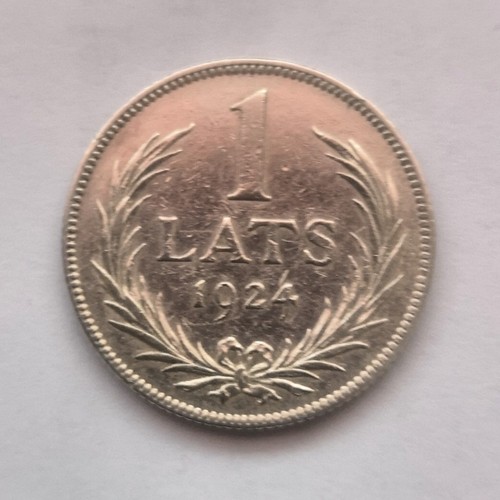
1 Lats (Christmas Bells)
2012
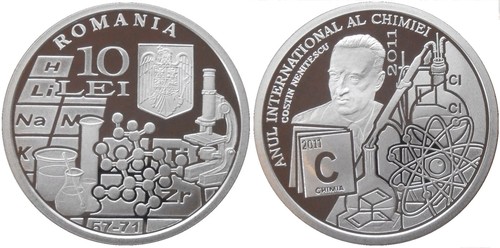
Romania International Year of Chemistry Commemorative
2011
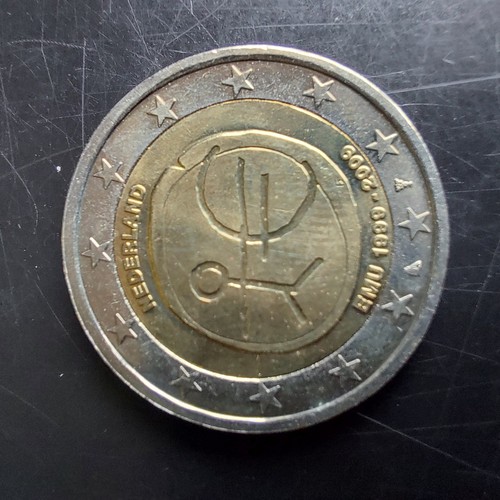
1 Euro (10 Years EMU)
1999-2009
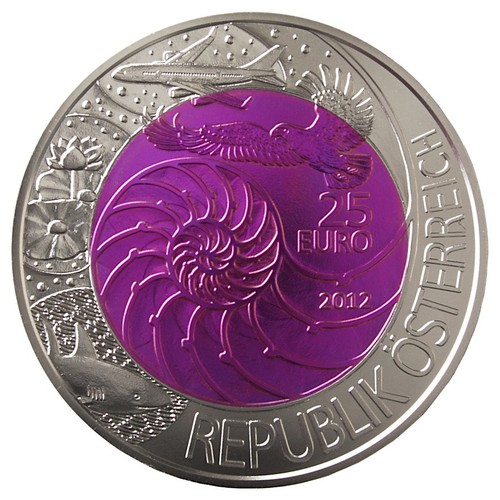
25 Euro (Bionik)
2012
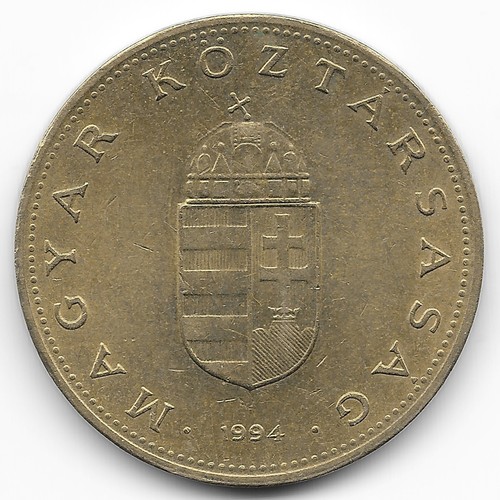
100 Forint (Commemorative)
commemorative issue
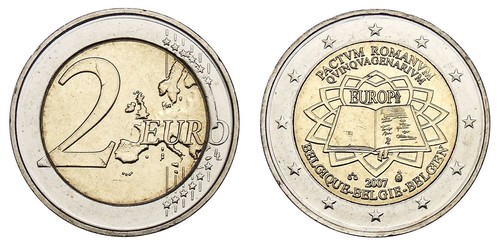
2 Euro (150 Years PSP)
2018
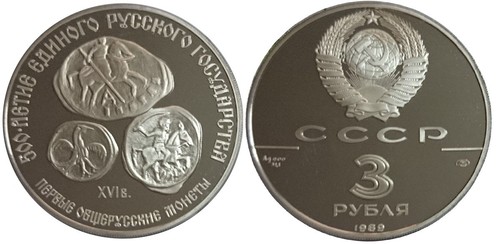
3 Roubles (First All-Russian Coins)
1982
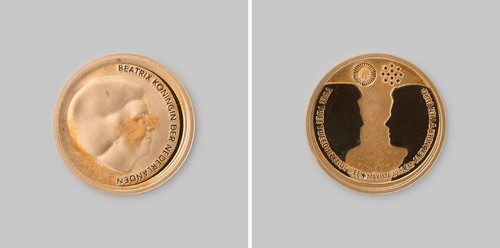
10 Euro (Royal Marriage)
2002
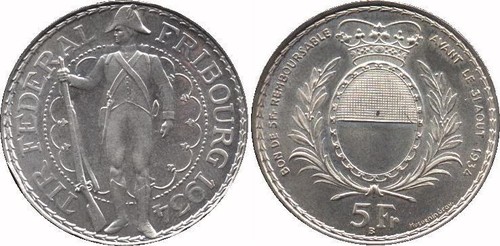
Swiss Shooting Thaler
1934
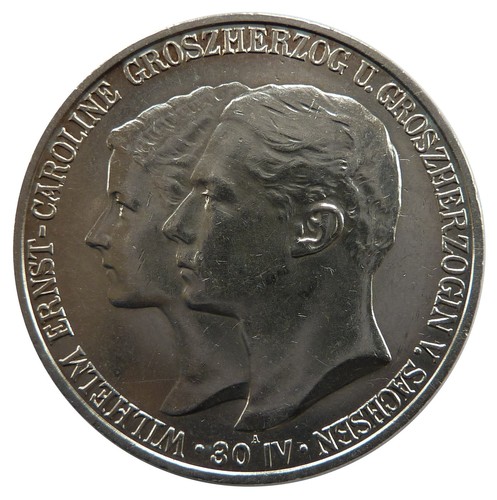
Sachsen-Weimar-Eisenach 5 Mark Wedding Commemorative
1903-1910