
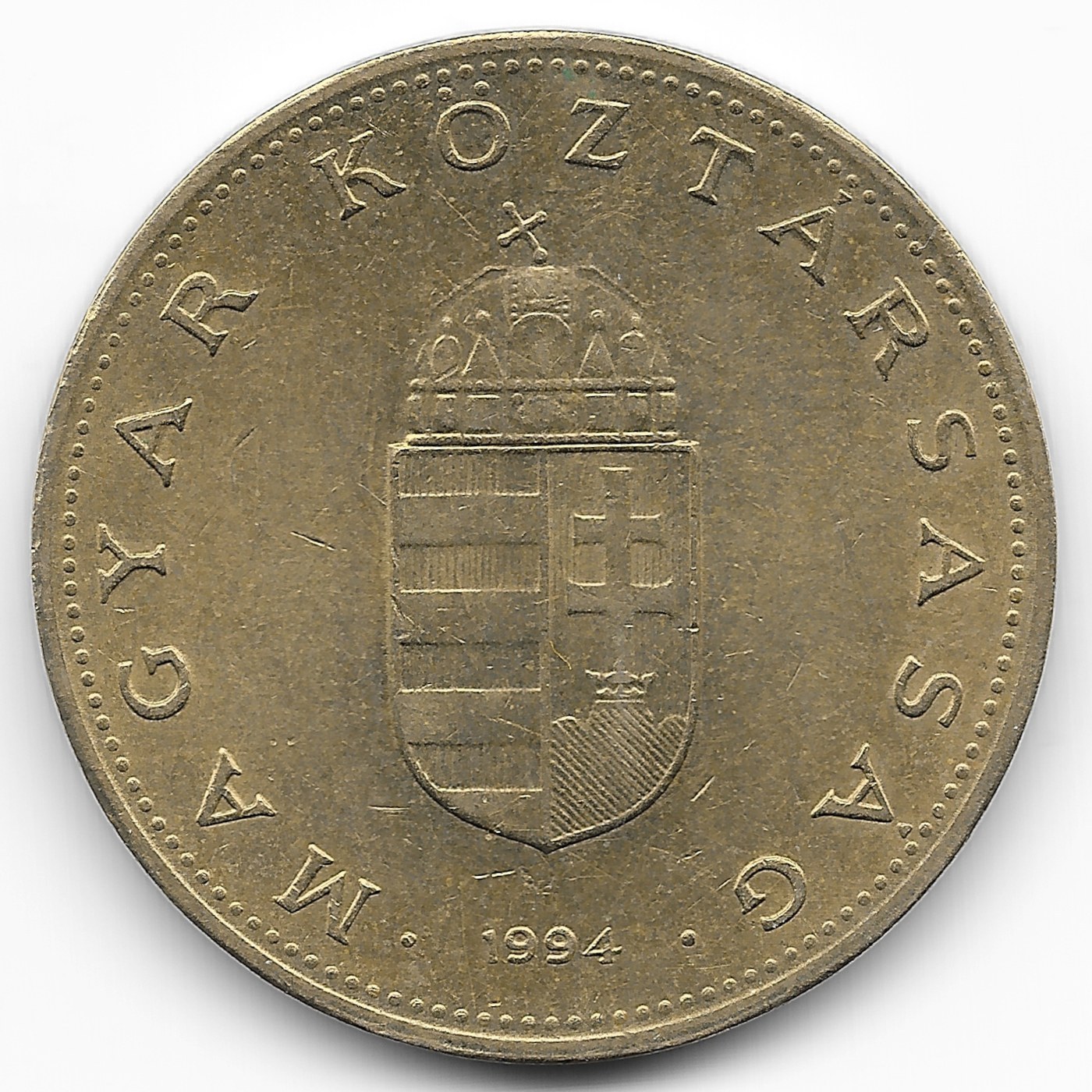
100 Forint (Commemorative)
A Hungarian bi-metallic 100 Forint commemorative pairing the national coat of arms with a bird of prey in flight, struck in a gold-toned ring and pale center.
- Country
- Hungary
- Denomination
- 100 Forint
- Metal
- Bi-metallic
Got a coin like this?
Identify any coin from a photo, free.
Overview
The 100 Forint (Commemorative) is a modern Hungarian coin struck in a bi-metallic format, with a lighter, silver-toned outer ring surrounding a darker, gold-toned center. On this example the obverse carries the Hungarian coat of arms accompanied by patriotic symbolism and a badge-like emblem, while the reverse shows a bird of prey in flight rendered with decorative detail.
The 100 forint is one of Hungary's higher circulating denominations, and its bi-metallic construction makes it visually distinctive at a glance. Commemorative versions keep the same two-tone format and general size as the everyday coin but replace one or both designs with special imagery tied to an anniversary, institution, or national theme.
Because it is a base-metal circulating-type commemorative rather than a precious-metal collector strike, it is affordable and widely available. Collectors seek it as a design variant within a Hungarian type set or as a representative example of the country's modern two-tone coinage.
History & Background
The forint has been Hungary's currency since 1946, when it replaced the hyperinflated pengo, and it remains in use today rather than the euro. The 100 forint denomination has appeared in several forms over the decades, and in its modern circulating incarnation it is a bi-metallic coin, an arrangement Hungary adopted to give the country's top everyday denomination a clear, tamper-resistant look.
Hungary's mint in Budapest regularly issues commemorative coins that share the size and metal of a circulating denomination but carry special designs. These pieces mark anniversaries, historic events, national symbols, and public institutions, and many enter circulation alongside the standard coinage, which is why they turn up in change and in accumulations.
This particular coin belongs to that tradition of circulating commemoratives. Its imagery, the national arms paired with a bird of prey, draws on long-standing Hungarian symbolism, including the mythic Turul associated with the nation's founding legends. Exact issue dates and themes vary from one commemorative to the next, so the specific occasion should be read from the coin's own inscriptions and date.
How to Identify
Look first at the construction: this is a bi-metallic coin with a pale outer ring around a warmer, gold-toned center disc. That two-tone build, combined with the value 100 and the word FORINT, identifies the denomination. Hungarian coins of this type also carry the country name in the form MAGYARORSZAG (or the older MAGYAR KOZTARSASAG on earlier pieces).
The obverse shows the Hungarian coat of arms, a shield combining the red-and-white Arpad stripes with the double (patriarchal) cross on a mound and, above, the Holy Crown, here described alongside additional patriotic symbols and a badge-like emblem. The reverse of this example depicts a bird of prey in flight with decorative surrounding detail, a motif consistent with the Turul or eagle imagery used in Hungarian commemoratives.
Use the date and any commemorative legend to pin down the exact issue, since the 100 forint has been struck in more than one design. Diagnostic cues are the bi-metallic layout, the 100 FORINT value, the Hungarian coat of arms with the Holy Crown, and the winged bird motif. The coin is a mid-sized circulation-standard piece, not a large silver crown, so it should feel like an ordinary base-metal coin rather than a heavy bullion strike.
Value & Collectibility
As a base-metal circulating commemorative, the 100 Forint typically carries modest value. Ordinary circulated examples are worth little more than a small premium over face, generally in the range of a couple of dollars, and are readily found in dealer bins and mixed world-coin lots.
Condition drives most of the difference. Uncirculated pieces with full luster, and any that were sold in original mint packaging or as part of a commemorative set, command a somewhat higher premium than worn coins pulled from change. Scarcer commemorative themes or lower-mintage issues can be worth more to specialists, but this remains an affordable area of Hungarian collecting.
Treat all figures as general ranges rather than fixed prices, since value depends on the specific year, theme, grade, and current demand. Cleaned or damaged coins trade below problem-free examples, and there is little bullion value here because the coin is struck in base metals rather than silver or gold.
Frequently asked questions
Is the 100 Forint made of silver or gold?
No. Despite its two-tone look, it is a bi-metallic base-metal coin. The pale ring and gold-toned center are ordinary coinage alloys, not precious metal, so it has little bullion value.
What bird is on the reverse?
This example shows a bird of prey in flight, a motif consistent with the Turul or eagle used in Hungarian symbolism. The Turul is a mythic bird tied to Hungary's founding legends.
What do the symbols on the coat of arms mean?
The Hungarian arms combine the red-and-white Arpad stripes and the double cross on a green mound, topped by the Holy Crown, all long-standing national emblems of Hungary.
How can I tell which commemorative I have?
Read the date and any special legend on the coin. The 100 forint has been issued with several designs, so the inscriptions and year identify the specific commemorative occasion.
Is this coin valuable?
Usually only modestly. Circulated pieces bring a small premium over face, while uncirculated or packaged examples and scarcer themes are worth somewhat more to collectors.
100 Forint (Commemorative) guides
In-depth guides for identifying, valuing, and collecting 100 Forint (Commemorative).
Other coins you may enjoy
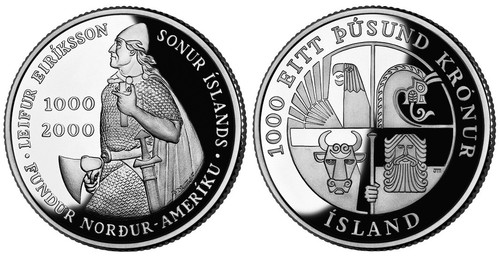
Leif Erikson Commemorative 1000 Króna
2000
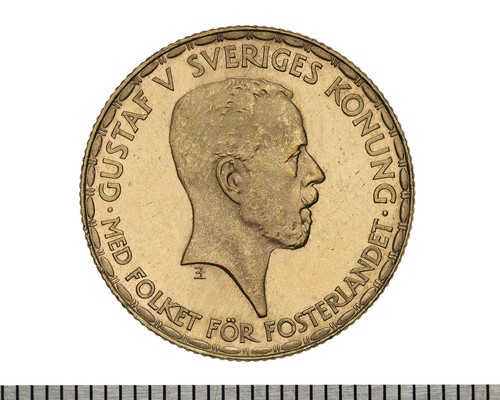
Swedish Gold Commemorative
Early 20th century
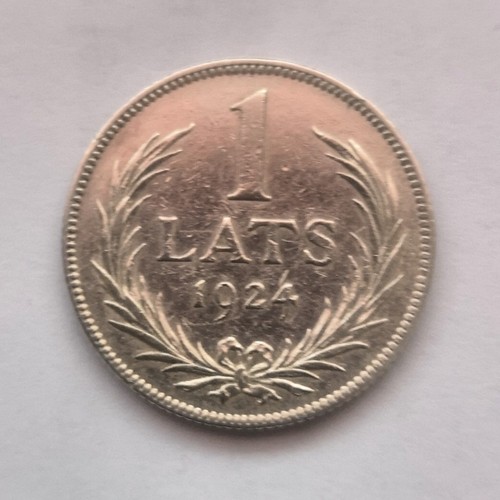
1 Lats (Christmas Bells)
2012
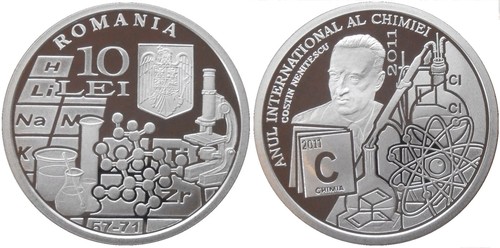
Romania International Year of Chemistry Commemorative
2011
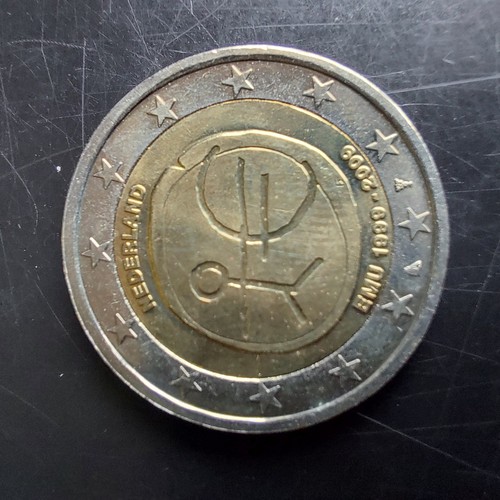
1 Euro (10 Years EMU)
1999-2009
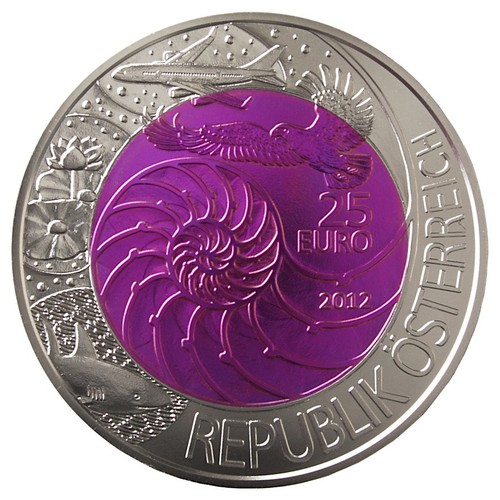
25 Euro (Bionik)
2012
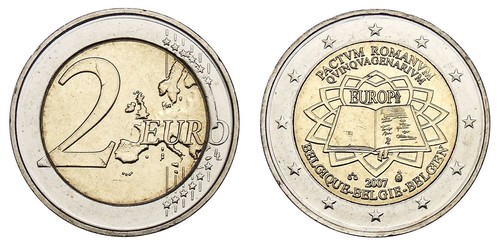
2 Euro (150 Years PSP)
2018
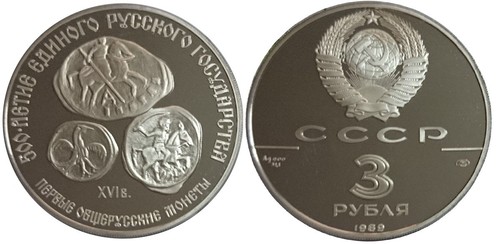
3 Roubles (First All-Russian Coins)
1982
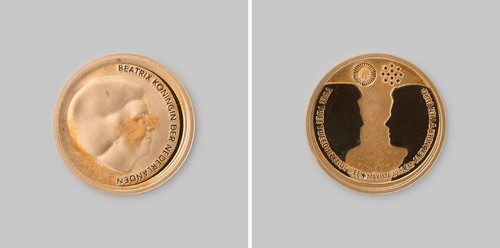
10 Euro (Royal Marriage)
2002
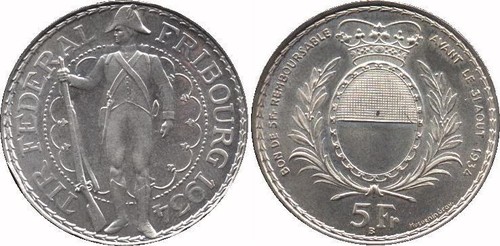
Swiss Shooting Thaler
1934
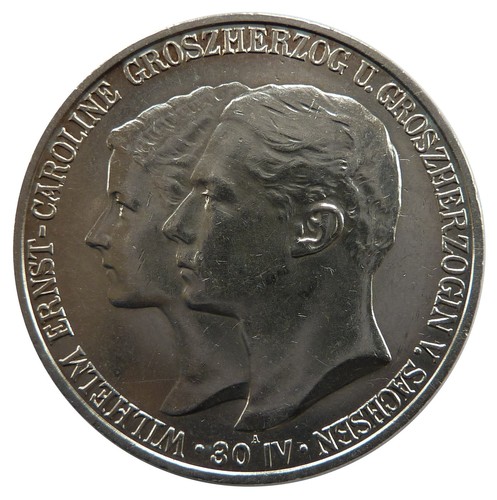
Sachsen-Weimar-Eisenach 5 Mark Wedding Commemorative
1903-1910
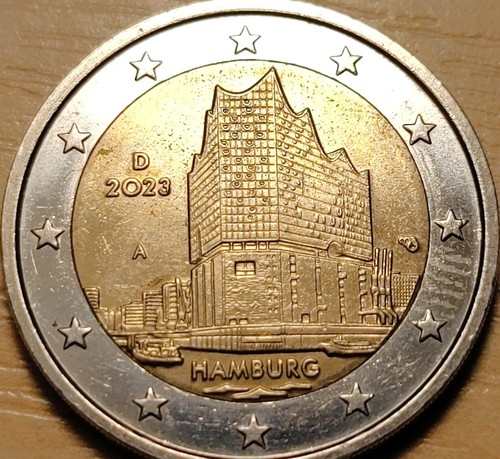
Germany 2 Euro Elbphilharmonie Commemorative
2017