
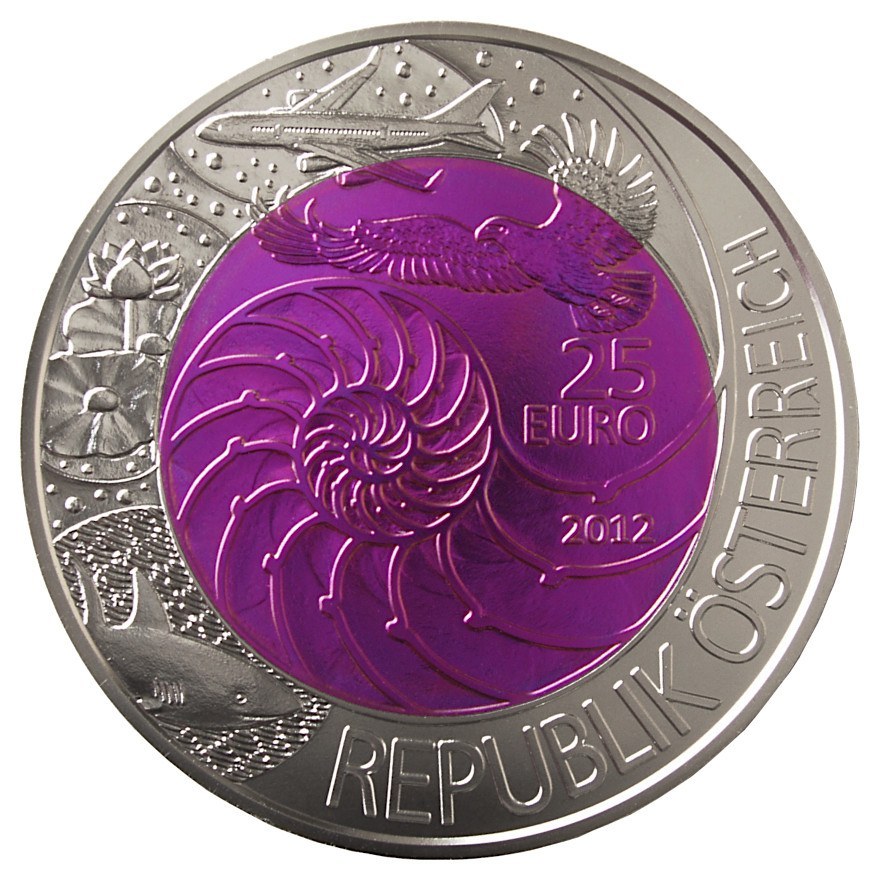
25 Euro (Bionik)
Austria's 2012 silver-niobium 25 euro coin, part of the Silver Niobium Series, with a purple niobium core and a Bionik (bionics) theme.
- Country
- Austria
- Denomination
- 25 Euro
- Metal
- Silver with niobium insert
Got a coin like this?
Identify any coin from a photo, free.
Overview
The 25 Euro (Bionik) is a collector coin issued by Austria in 2012 as part of the Münze Österreich (Austrian Mint) Silver Niobium Series. It combines an outer ring of silver with an inner core of niobium, a metal that is electrolytically anodized to produce a vivid color. On this issue the core is a purple-to-magenta shade, framing a biomimetic design of shell- and wave-like organic forms.
The obverse carries the legend REPUBLIK ÖSTERREICH together with the denomination and imagery inspired by bionics (Bionik) — the study of nature-derived engineering. The reverse shows the colored niobium center with a stylized biomimetic shell or wave pattern and the date 2012. It is a legal-tender commemorative sold to collectors rather than a circulating coin.
History & Background
Austria's Silver Niobium Series began in 2003 and made the Austrian Mint one of the first mints in the world to combine a precious-metal ring with an anodized niobium core in a legal-tender coin. Each year's issue takes a new theme and a new niobium color, produced by passing a controlled voltage through the metal to build up an oxide layer that refracts light into a specific hue.
The 2012 'Bionik' issue is themed around bionics / biomimetics — the transfer of principles from living nature into technology and design. Its purple-magenta core and organic shell-and-wave motifs reflect that theme. Like other coins in the series it was struck in limited numbers for the collector market, typically in a bi-metallic special uncirculated finish and packaged with a numbered certificate.
How to Identify
The clearest markers are the two-tone construction — a silver outer ring surrounding a colored niobium core — and the purple/magenta hue of that core, which is characteristic of the 2012 issue. Read the legend REPUBLIK ÖSTERREICH and the denomination 25 EURO, and confirm the date 2012. The organic, biomimetic shell/wave imagery and the Bionik theme distinguish this coin from other years in the series, which use different colors and subjects.
Physically these coins are large and distinctive: about 34 mm in diameter and roughly 16.5 g in total, combining approximately 9 g of silver (.900 fine) in the ring with about 6.5 g of niobium in the core. The niobium color is part of the metal itself, not a printed or painted coating, so it does not sit as a raised layer on the surface.
Value & Collectibility
As a limited-mintage collector coin with a niobium core, the 25 Euro (Bionik) trades above its face value, though it is not a rare rarity — issues in this series were typically struck in the tens of thousands. Value is driven by collector demand for the series, the intact original packaging, and the coin's condition.
Expect prices in the range of a modest premium over the 25 euro face value for a nice example, with more asked for pristine pieces accompanied by the original Austrian Mint case and numbered certificate. Because the appeal is numismatic rather than bullion — the silver content is small relative to the coin's size — completeness of packaging and eye appeal of the color matter most. For a current figure, check recent sales of the specific 2012 Bionik issue.
Frequently asked questions
What is the colored center of this coin made of?
It is niobium, a metal that the Austrian Mint anodizes electrolytically to create color. On the 2012 Bionik issue the niobium core is purple-to-magenta. The color comes from a light-refracting oxide layer, not paint.
Is the 25 Euro Bionik a circulating coin?
No. It is a legal-tender collector coin from Austria's Silver Niobium Series, sold in original packaging with a certificate rather than issued into general circulation.
What does 'Bionik' mean on this coin?
Bionik is the German term for bionics or biomimetics — the study of applying designs and principles from living nature to technology. The 2012 issue's shell and wave motifs reflect that theme.
How much silver does it contain?
The silver is only the outer ring — roughly 9 grams of .900 fine silver — surrounding the niobium core. Its value is collector-driven, not bullion-driven, because the precious-metal content is modest.
How can I tell which year of the series I have?
Read the date and note the niobium color and theme. The 2012 Bionik coin has a purple-magenta core and biomimetic shell/wave imagery; other years use different colors and subjects.
25 Euro (Bionik) guides
In-depth guides for identifying, valuing, and collecting 25 Euro (Bionik).
Other coins you may enjoy
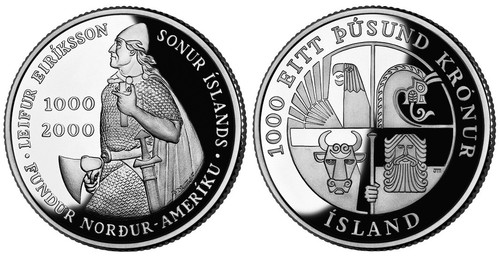
Leif Erikson Commemorative 1000 Króna
2000
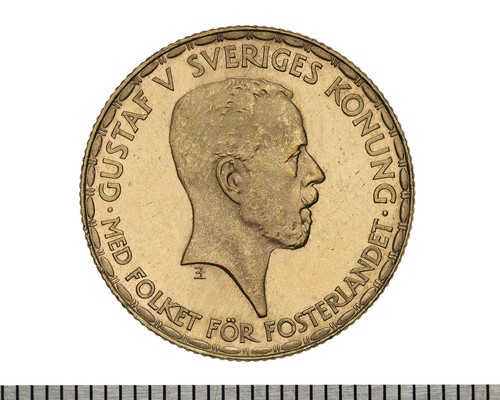
Swedish Gold Commemorative
Early 20th century
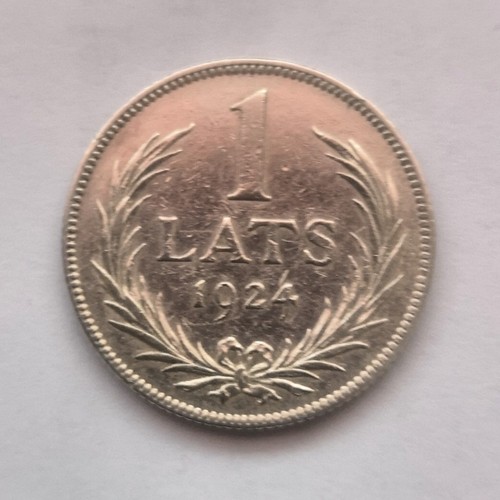
1 Lats (Christmas Bells)
2012
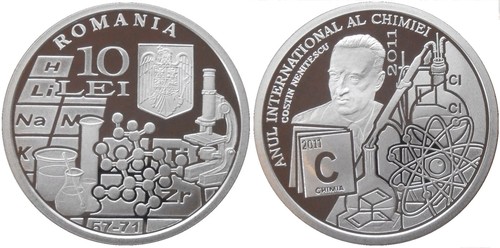
Romania International Year of Chemistry Commemorative
2011
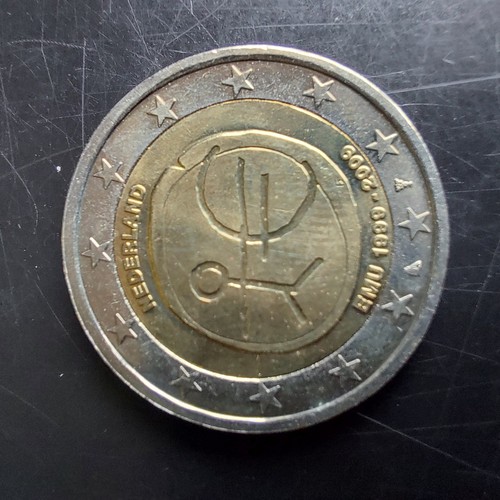
1 Euro (10 Years EMU)
1999-2009
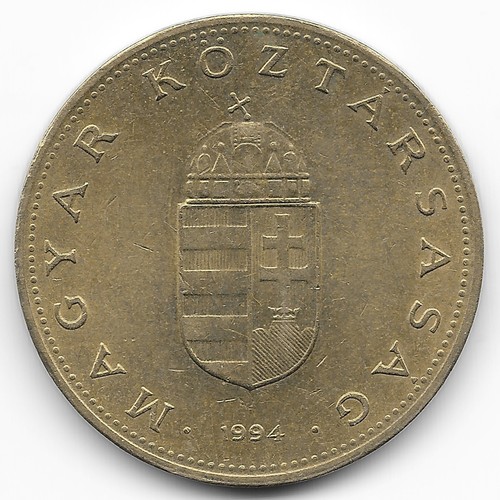
100 Forint (Commemorative)
commemorative issue
2 Euro (150 Years PSP)
2018
3 Roubles (First All-Russian Coins)
1982
10 Euro (Royal Marriage)
2002
Swiss Shooting Thaler
1934
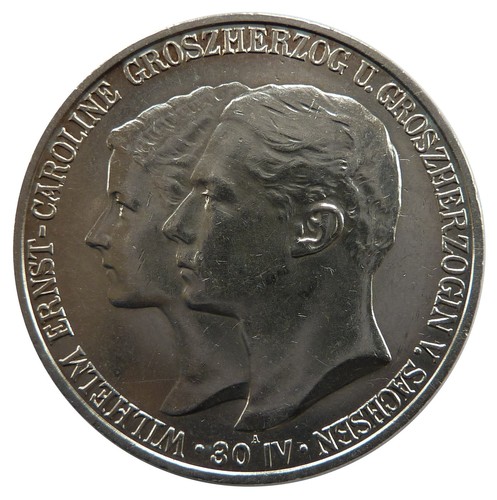
Sachsen-Weimar-Eisenach 5 Mark Wedding Commemorative
1903-1910
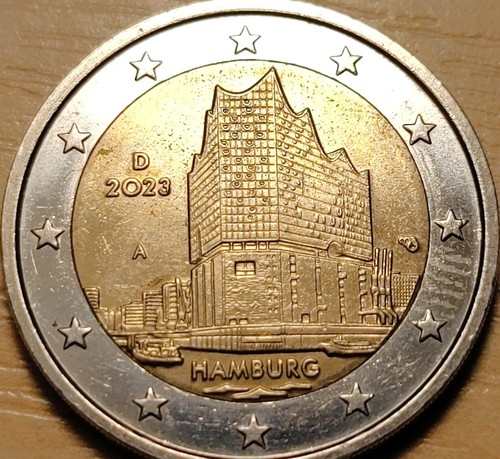
Germany 2 Euro Elbphilharmonie Commemorative
2017