
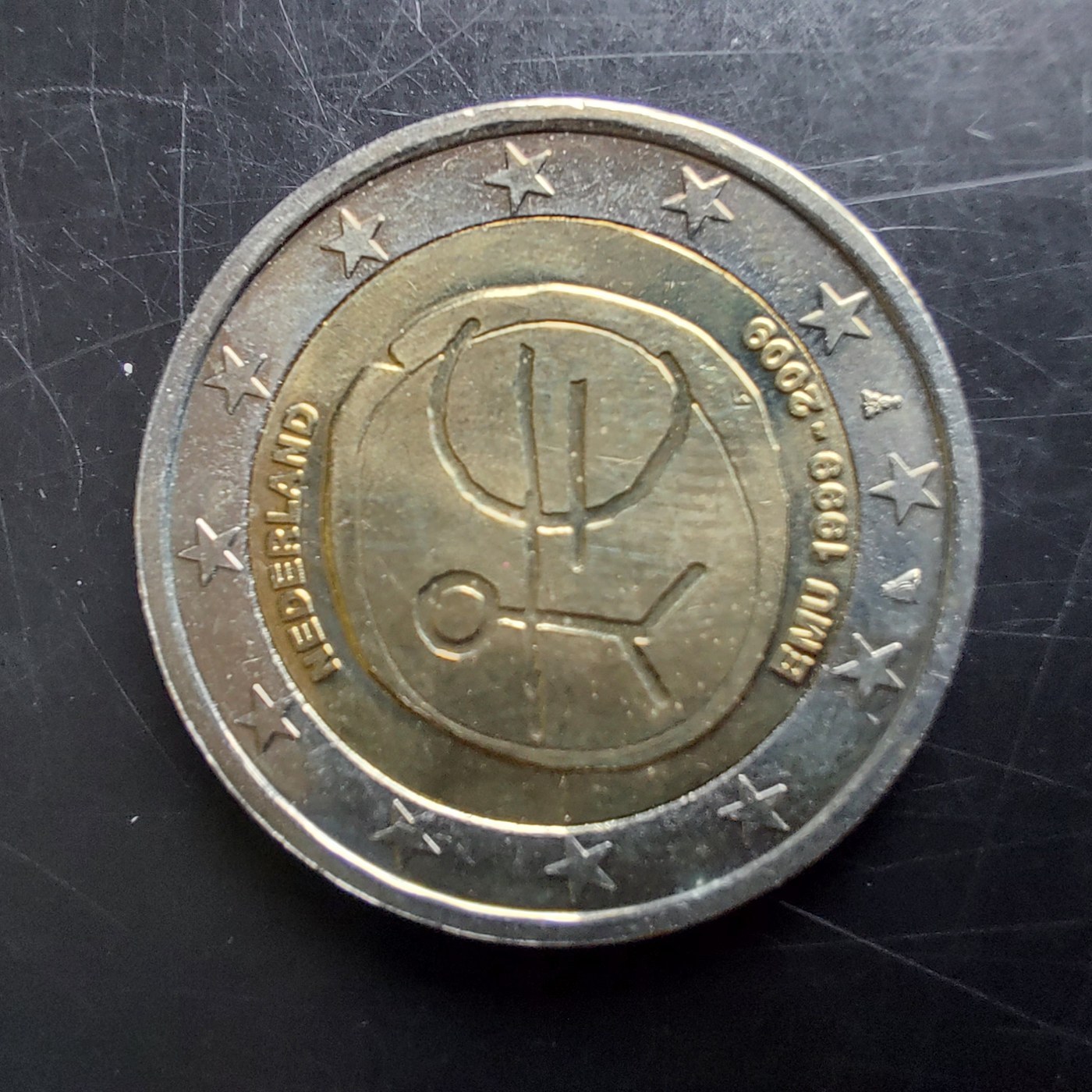
1 Euro (10 Years EMU)
Dutch bi-metallic 1 Euro marking ten years of Economic and Monetary Union, with a stylized integration design and the twin dates 1999 and 2009.
- Country
- Netherlands
- Denomination
- 1 Euro
- Metal
- Bi-metallic
Got a coin like this?
Identify any coin from a photo, free.
Overview
This is a Netherlands commemorative 1 Euro struck to mark ten years of the Economic and Monetary Union (EMU), the framework behind the single European currency. Its design carries the twin dates 1999 and 2009, referencing the launch of the euro as an accounting currency in 1999 and the tenth anniversary a decade later.
The coin is bi-metallic, pairing an outer ring and an inner center of contrasting color, in the familiar format of a higher-value euro circulation coin. The obverse presents a stylized map and symbols evoking European integration and monetary union, while the reverse frames the design with the circle of European stars.
As an anniversary piece tied to a pan-European theme, it appeals to collectors of euro-era commemoratives and of Dutch numismatics. It is a modern, base-metal issue whose interest lies in its historical subject and design rather than in precious-metal content.
History & Background
The Economic and Monetary Union brought the euro into being: the currency was introduced in 1999 as a unit of account for banking and financial markets, with euro notes and coins entering circulation in participating countries in 2002. The Netherlands was among the founding members that adopted the euro from the outset.
In 2009 the tenth anniversary of EMU was commemorated across the eurozone. This Dutch 1 Euro belongs to that anniversary moment, using the dates 1999 and 2009 to bracket the first decade of the single currency and to celebrate European monetary integration.
The piece was produced by the Royal Dutch Mint (Koninklijke Nederlandse Munt) in Utrecht, the national mint responsible for the Netherlands' euro coinage. It sits within a broader wave of euro-area anniversary issues that used shared themes of integration and union around the same period.
How to Identify
Look for the twin dates 1999 and 2009 on the coin, which pin it to the ten-year EMU anniversary rather than a standard circulating euro. The obverse shows a stylized map and abstract symbols of European integration and monetary union, an emblematic design rather than a portrait, and the reverse carries the ring of European stars around its border.
The coin is bi-metallic, with a distinct outer ring and inner disc of contrasting metal colors, matching the format of a 1 Euro or 2 Euro type piece. It is base metal (copper-nickel and nickel-brass alloys), not silver or gold, so it is light for its size and not a precious-metal issue. The denomination is stated as 1 Euro.
Key identifiers are the paired 1999/2009 dates, the EMU/European-integration imagery, the circle of twelve stars, the two-tone bi-metallic construction, and the Netherlands attribution. Together these separate it from ordinary Dutch euro circulation coins bearing a royal portrait and from other countries' EMU-anniversary issues.
Value & Collectibility
As a modern base-metal commemorative, this coin's value rests on collector demand and condition rather than metal content. Circulated examples typically trade for a modest premium over face value, in the low single-digit to low tens of dollars or euros depending on the specific issue and grade.
Uncirculated pieces, and any struck as proofs or issued in special mint packaging, command higher premiums than worn coins pulled from change. Original mint sets, folders, or certificates add to desirability, and pristine surfaces with full luster are worth clearly more than handled examples.
Because exact prices depend on grade, packaging, and market demand, treat these as general ranges rather than fixed quotes. This is an affordable collectible: it is not a rare or precious-metal rarity, and cleaned or damaged pieces trade below intact original ones.
Frequently asked questions
What does the 1 Euro 10 Years EMU coin commemorate?
It marks the tenth anniversary of the Economic and Monetary Union. The euro launched as an accounting currency in 1999, and this issue celebrates the first decade of the single currency in 2009.
Why are there two dates, 1999 and 2009?
The dates bracket ten years of EMU: 1999 marks the euro's introduction for financial and accounting use, and 2009 marks the tenth-anniversary commemoration.
Is this coin made of silver or gold?
No. It is a bi-metallic base-metal coin of copper-nickel and nickel-brass alloys, so its value comes from collector interest and condition rather than precious-metal content.
What do the stars on the coin represent?
The circle of twelve stars is the standard European motif used on euro coinage, symbolizing the union and unity of Europe.
Is the 1 Euro 10 Years EMU coin rare or valuable?
It is a modern collectible rather than a rarity. Worn examples bring a small premium over face value, while uncirculated or specially packaged pieces are worth more.
1 Euro (10 Years EMU) guides
In-depth guides for identifying, valuing, and collecting 1 Euro (10 Years EMU).
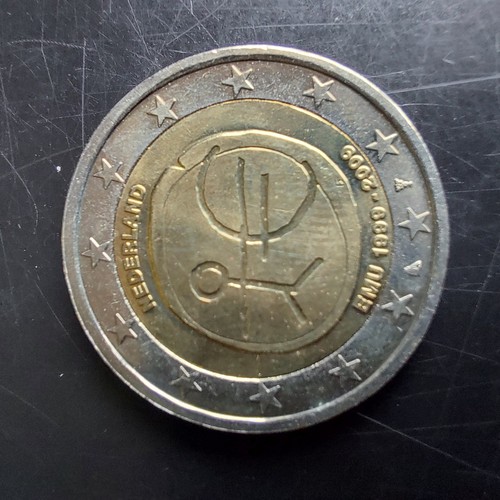
1 Euro (10 Years EMU) identified by the community
Real coins identified with Coin Identifier.
Other coins you may enjoy
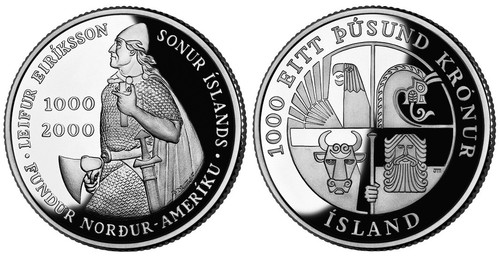
Leif Erikson Commemorative 1000 Króna
2000
Swedish Gold Commemorative
Early 20th century
1 Lats (Christmas Bells)
2012
Romania International Year of Chemistry Commemorative
2011
25 Euro (Bionik)
2012
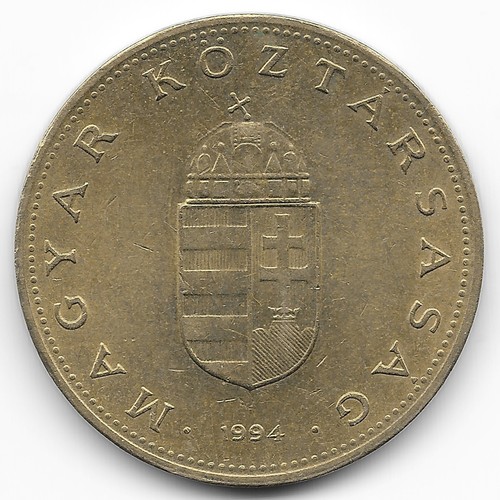
100 Forint (Commemorative)
commemorative issue
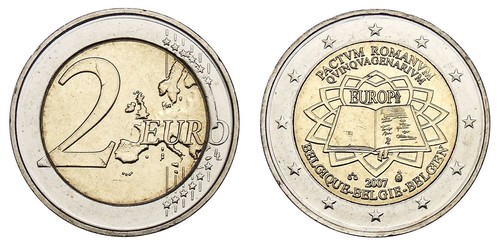
2 Euro (150 Years PSP)
2018
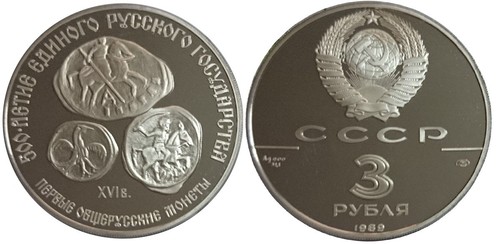
3 Roubles (First All-Russian Coins)
1982
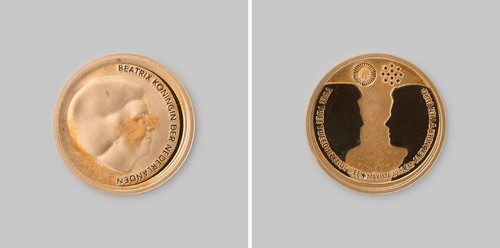
10 Euro (Royal Marriage)
2002
Swiss Shooting Thaler
1934
Sachsen-Weimar-Eisenach 5 Mark Wedding Commemorative
1903-1910
Germany 2 Euro Elbphilharmonie Commemorative
2017