
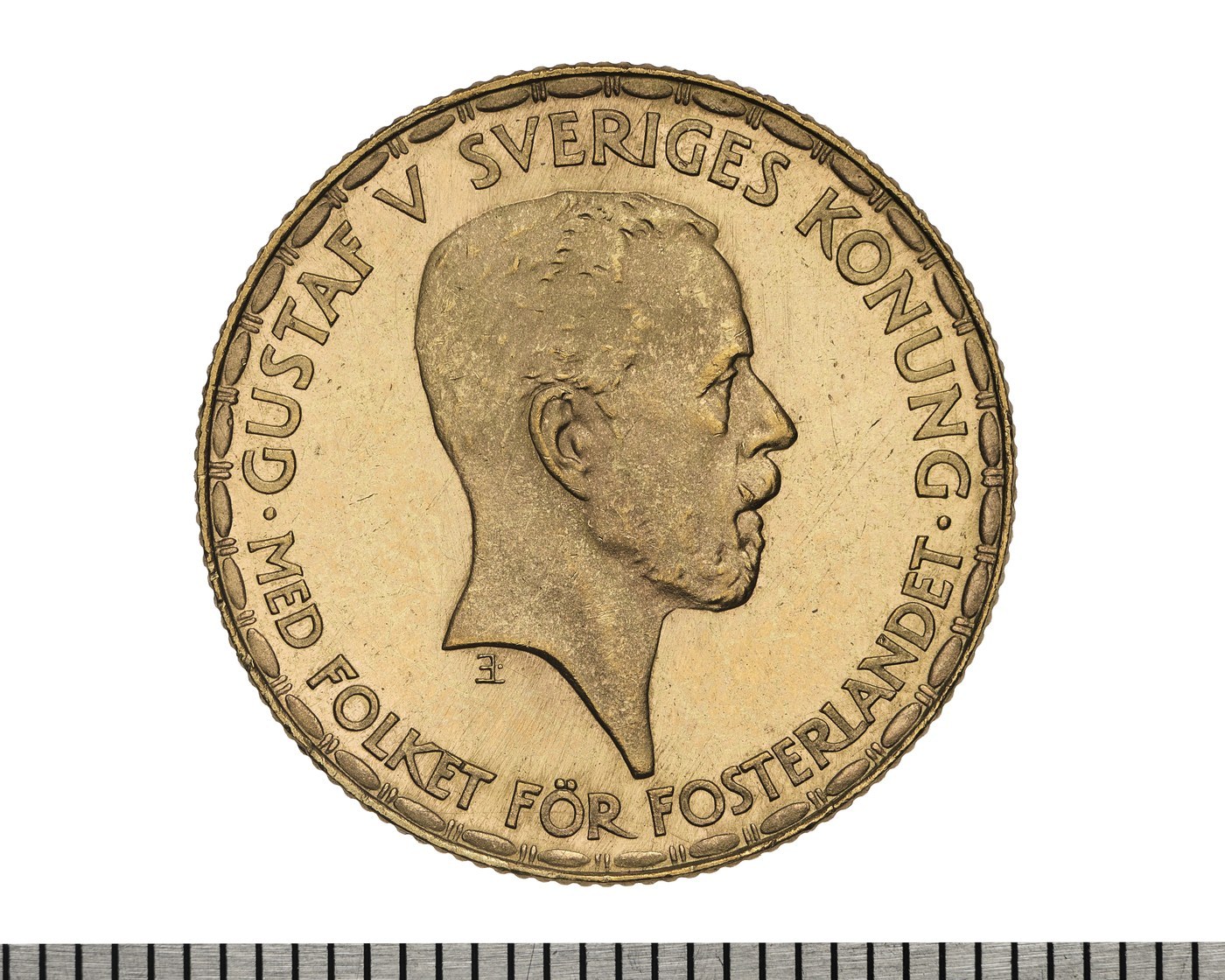
Swedish Gold Commemorative
An early-20th-century Swedish gold coin showing a right-facing royal profile with the legend SVERIGES KONUNG and the fatherland motto.
- Country
- Sweden
- Denomination
- Unknown
- Metal
- Gold
Got a coin like this?
Identify any coin from a photo, free.
Overview
This is an early-20th-century Swedish gold coin whose obverse carries the right-facing profile of a Swedish monarch, ringed by the Swedish legend for "King of Sweden" (SVERIGES KONUNG) together with the royal device referencing the fatherland (fosterlandet). Coins of this pattern were struck in high-purity gold at the Royal Swedish Mint and belong to the classic Scandinavian gold-standard coinage of the period.
Because the denomination is not confirmed from a single obverse view, the exact face value should be read from the reverse. Swedish gold of this era was issued chiefly as circulating kronor coinage, and some pieces were also struck to mark specific royal or national occasions, which is why examples are frequently catalogued under the broad "Swedish gold commemorative" heading.
The combination of a right-facing king, the SVERIGES KONUNG legend, and a fatherland motto places this coin firmly within the reigns spanning the late Union period and the early 20th-century Swedish monarchy.
History & Background
Sweden joined the international gold standard in 1873 through the Scandinavian Monetary Union with Denmark and (later) Norway, which fixed the krona to a set weight of gold and standardized gold coinage across the member states. Under this system Sweden struck gold coins in denominations such as 5, 10, and 20 kronor from the 1870s into the 1920s.
The fatherland motto seen on this obverse is closely associated with the royal device of Gustaf V, who reigned from 1907 to 1950; his coins carry the Swedish legend meaning "With the people for the fatherland." Earlier Swedish gold of the same broad type was issued under Oscar II (reigned 1872–1907), whose portrait likewise faced right on the coinage.
Gold coinage effectively ceased for circulation after the First World War as Sweden and its neighbors suspended the gold standard, so surviving pieces are prized survivors of the pre-war Scandinavian monetary order rather than everyday currency.
How to Identify
Look first at the obverse legend. A genuine piece of this type reads SVERIGES KONUNG ("King of Sweden") around a bare-headed royal profile facing right, often paired with a Swedish royal motto referencing the fatherland. Worn or partially struck letters can appear as fragments such as "SVERIGE KONUNG" or "...FOSTERLANDET," but the intended wording is the full Swedish royal titulature.
The metal is yellow gold, and period Swedish coins of this kind were struck to a high fineness (typically .900 gold). Diameter and weight depend on the denomination: smaller gold kronor are under 20 mm, while the larger 20-kronor pieces are around 23 mm and roughly 9 grams. Confirm the denomination and date from the reverse, which normally carries the value, the year, and the Swedish arms with three crowns.
Mint and privy marks for the Royal Swedish Mint typically appear near the date on the reverse. Because only the obverse is visible here, the specific denomination and exact year remain to be verified against the reverse and edge.
Value & Collectibility
Value is driven mainly by the coin's gold content, its denomination, the date, and its state of preservation. Common-date Swedish gold kronor generally trade close to their bullion (melt) value, with a modest collector premium, while scarcer dates, low-mintage issues, or coins tied to a specific commemorative occasion can command significantly more.
Condition matters greatly: an original, lightly handled example with full luster is worth a clear premium over a cleaned, bent, or heavily worn piece. Because face value cannot be confirmed from the obverse alone, any appraisal should start by identifying the denomination and year from the reverse.
For a firm figure, weigh and measure the coin, confirm the denomination, and compare against recent auction results or have it evaluated by a reputable dealer or third-party grading service. Avoid treating any single online "price" as definitive.
Frequently asked questions
What does SVERIGES KONUNG mean?
It is Swedish for "King of Sweden," the standard royal titulature that surrounds the monarch's portrait on Swedish coinage of this era.
What is the motto referencing the fatherland?
The fatherland (fosterlandet) motto is a royal device; the version "With the people for the fatherland" is associated with Gustaf V, king of Sweden from 1907 to 1950.
What denomination is this coin?
The denomination cannot be confirmed from the obverse alone. Swedish gold of this period was struck as 5, 10, and 20 kronor; check the reverse for the value and date.
Is it made of real gold?
Swedish gold coins of this type were struck in high-purity gold, typically .900 fine. Confirm authenticity by weight, diameter, and the reverse details, or through professional testing.
Is it rare?
It depends entirely on the denomination, date, and mintage. Many issues are common and trade near bullion value, while specific low-mintage dates are genuinely scarce.
Swedish Gold Commemorative guides
In-depth guides for identifying, valuing, and collecting Swedish Gold Commemorative.
Other coins you may enjoy
Leif Erikson Commemorative 1000 Króna
2000
1 Lats (Christmas Bells)
2012
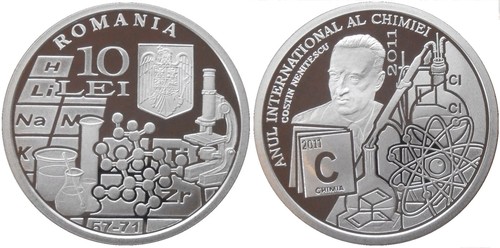
Romania International Year of Chemistry Commemorative
2011
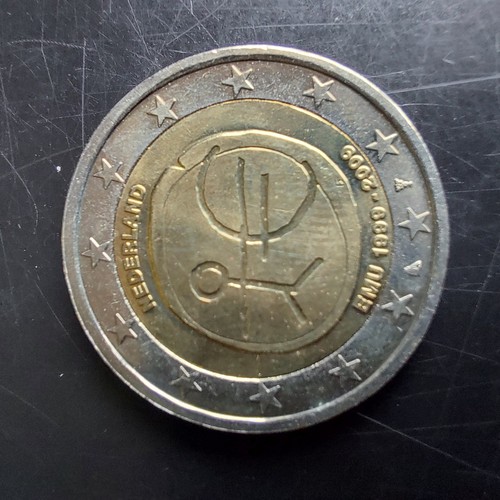
1 Euro (10 Years EMU)
1999-2009
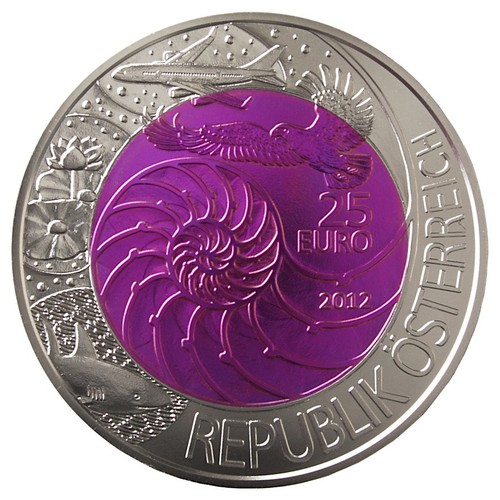
25 Euro (Bionik)
2012
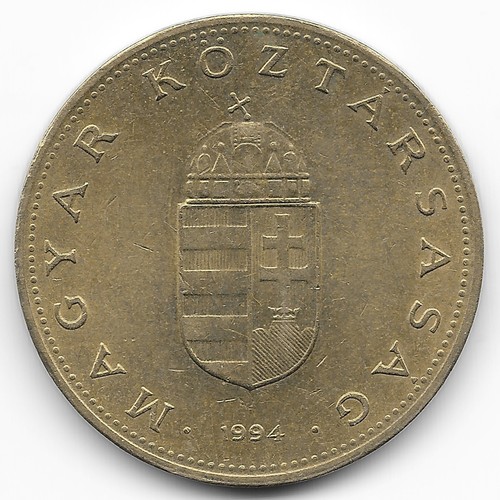
100 Forint (Commemorative)
commemorative issue
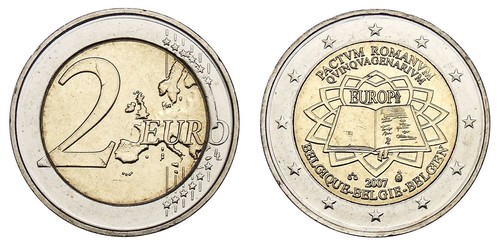
2 Euro (150 Years PSP)
2018
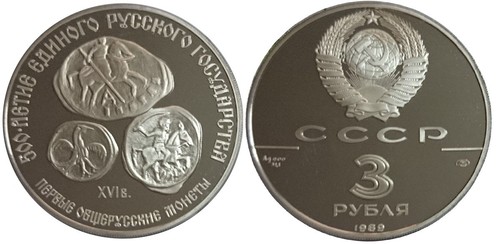
3 Roubles (First All-Russian Coins)
1982
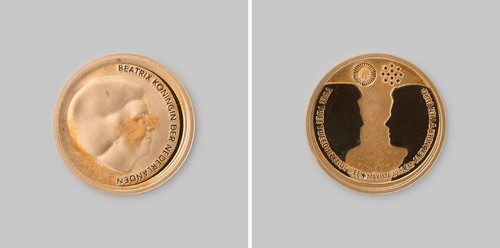
10 Euro (Royal Marriage)
2002
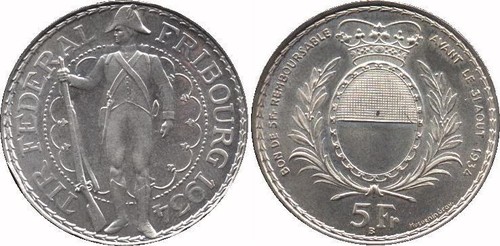
Swiss Shooting Thaler
1934
Sachsen-Weimar-Eisenach 5 Mark Wedding Commemorative
1903-1910
Germany 2 Euro Elbphilharmonie Commemorative
2017