
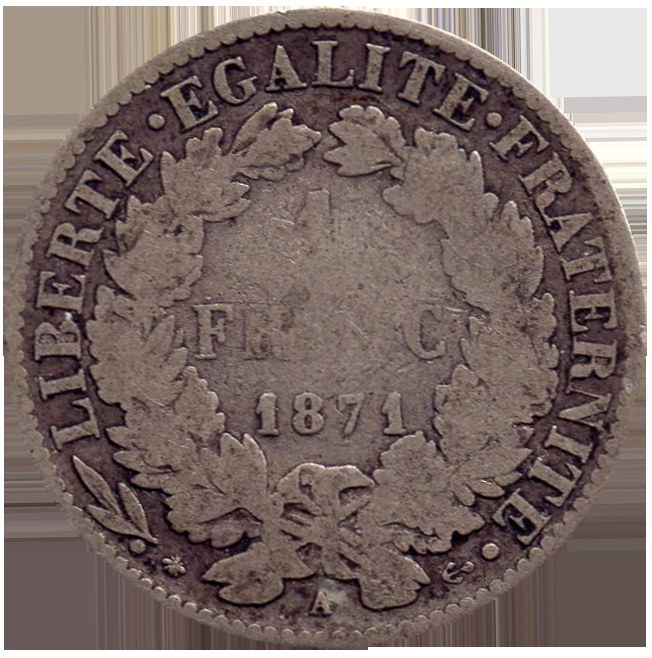
1 Franc Ceres
A small silver French franc showing the head of Cérès, goddess of the harvest, wearing wheat and a star, with the LIBERTE EGALITE FRATERNITE reverse dated 1871.
- Country
- France
- Denomination
- 1 Franc
- Metal
- Silver
Got a coin like this?
Identify any coin from a photo, free.
Overview
The 1 Franc Cérès is a small silver coin of France whose obverse shows the head of Cérès (Ceres), the Roman goddess of agriculture and the harvest, facing left and crowned with ears of wheat, with a small star in the field. This example is dated 1871, placing it at the very start of the French Third Republic, when the classic Cérès design of the mid-nineteenth century was revived for circulating silver.
The coin is modest in size and value: a single franc was a low denomination, struck to the standard silver franc weight rather than as a prestige piece. The reverse carries the republican motto LIBERTE EGALITE FRATERNITE around a wreath, enclosing the denomination as 1F together with the date.
The Cérès head is one of the older allegorical portraits in French coinage, first used under the Second Republic around 1849 and brought back for this Third Republic series. The 1871 date marks a turbulent moment — the fall of the Second Empire and the early Republic — captured on a plain, workaday silver franc.
History & Background
The Cérès type was originally engraved for the coinage of the Second Republic near 1849, when France sought republican imagery to replace the imperial portraits that had come before. The goddess of the harvest, crowned with wheat, served as a peaceful emblem of the nation and its agriculture.
After the collapse of the Second Empire in 1870 and the proclamation of the Third Republic, France again reached for republican symbols, and the Cérès head returned to the silver 50 centimes, 1 franc and 2 francs. This 1871-dated 1 Franc belongs to the opening year of that revived series, struck amid the aftermath of the Franco-Prussian War and the upheavals of 1870–71.
The silver franc of this period was made to the Latin Monetary Union standard shared by France and several neighbouring countries, which fixed the weight and fineness of the franc and its multiples. The Cérès franc continued into the mid-1890s before the design gave way to newer types such as the Sower (Semeuse) and the sowing figures of the twentieth century.
How to Identify
The silver 1 Franc Cérès is a small coin, about 23 mm across and roughly 5 g in weight, struck in silver of the standard franc fineness (about .835). The obverse shows the head of Cérès facing left, wreathed with ears of wheat and often other produce, with a small star in the field; the engraver's name appears in tiny letters below the truncation of the neck.
The reverse displays the value 1F and the date within a wreath tied at the base, encircled by the motto LIBERTE EGALITE FRATERNITE and REPUBLIQUE FRANÇAISE. On this piece the date reads 1871. A mint-mark letter and small privy symbols sit near the base of the reverse, identifying the striking mint and its officials; the Paris mint is the most common.
The combination of the wheat-crowned Cérès head, the motto-and-wreath reverse reading 1F, the small module and the silver colour together confirm the type. Read the denomination directly from the reverse, since the same Cérès head was also used on the 50 centimes and 2 francs of the series.
Value & Collectibility
The silver 1 Franc Cérès is a nineteenth-century type coin that survives in collectable numbers, so most circulated examples are valued modestly. As a small piece of roughly .835 silver weighing about 5 g, it carries a base worth tied to its silver content — a fraction of a troy ounce — which sets a floor for well-worn pieces regardless of date.
Above that bullion floor, value depends on the year, the mint mark and the condition. Common date-and-mint combinations in average circulated grade trade for a small premium, while scarcer mints, low-mintage years and coins in sharp, lightly worn or uncirculated condition can bring considerably more from collectors. Early Third Republic dates such as 1871 are of interest for their historical moment.
As with any silver type coin, originality matters: cleaned, damaged or heavily worn pieces sit at the low end, while an attractive, well-struck Cérès with clear wheat and facial detail is worth more. For a reliable figure, compare recent sales for the exact date and mint mark rather than relying on a single catalogue number.
Frequently asked questions
Who is the figure on the front of the coin?
It is Cérès (Ceres), the Roman goddess of agriculture and the harvest, shown facing left and crowned with ears of wheat, with a small star in the field. She served as a peaceful republican emblem of France and its farmland.
Is the 1 Franc Cérès made of silver?
Yes. The circulating 1 Franc Cérès of this series, including the 1871 example, is silver of roughly .835 fineness, made to the standard weight for the French franc of the period.
What does the 1871 date mean historically?
1871 falls at the start of the French Third Republic, just after the fall of the Second Empire and during the aftermath of the Franco-Prussian War. The Cérès design, first used under the Second Republic, was revived for silver coinage at this time.
How big is the silver 1 Franc Cérès?
It is a small coin, about 23 mm in diameter and roughly 5 g in weight — the standard silver franc size, smaller than the 2 franc piece that shares the same Cérès head.
Is an 1871 1 Franc Cérès valuable?
Most examples are common and valued modestly, with a floor set by their silver content. Scarcer mint marks and dates, or coins in high grade, are worth more; check recent sales for the exact date and mint mark.
1 Franc Ceres guides
In-depth guides for identifying, valuing, and collecting 1 Franc Ceres.
Other coins you may enjoy
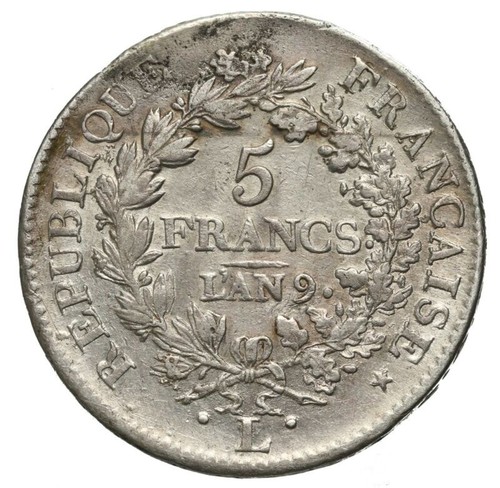
5 Francs (First Republic)
L'an 9 (1800–1801)
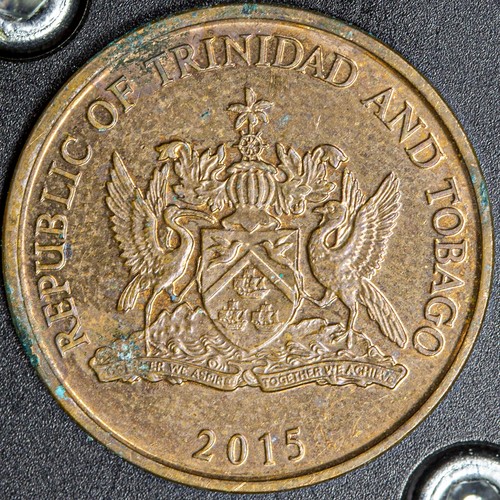
Trinidad and Tobago Dollar
2015
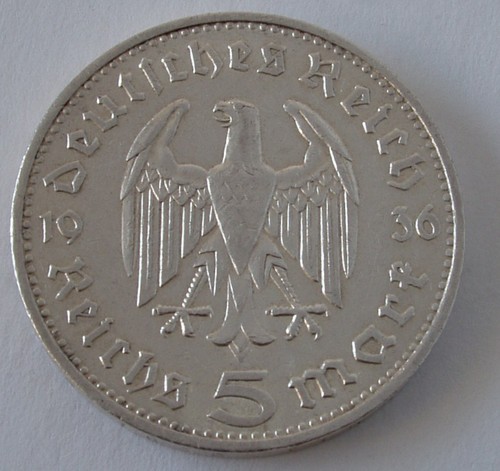
German 5 Reichsmark (Hindenburg)
1935–1936 (Hindenburg type with swastika)
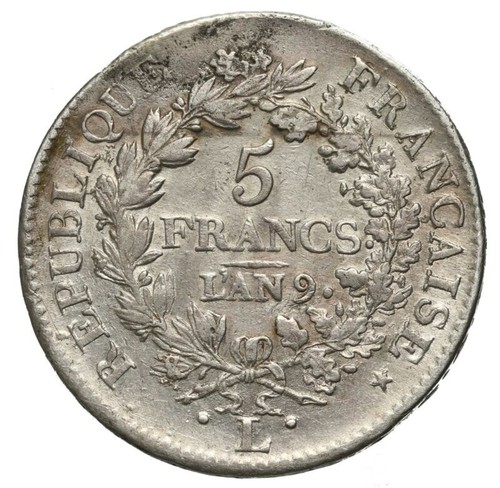
5 Francs Semeuse
1960–1969
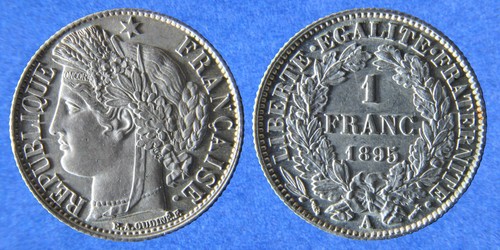
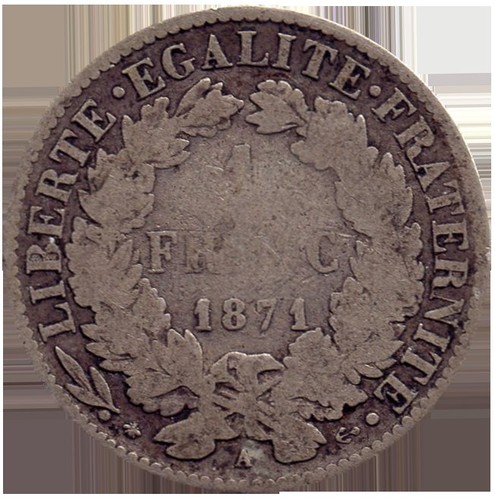
French Cérès 1 Franc
1849–1895
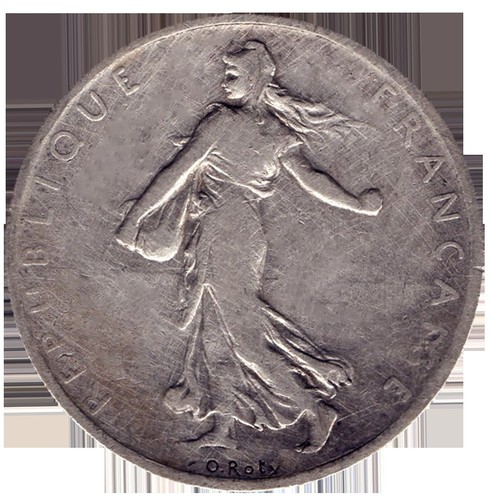
French Semeuse 2 Francs
1898–1920 (silver issues; pictured example dated 1899)
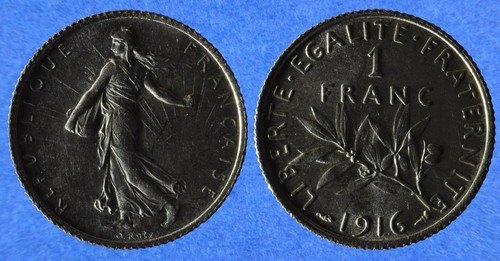
French Semeuse 1 Franc
1898–1920 (silver Semeuse 1 franc type)
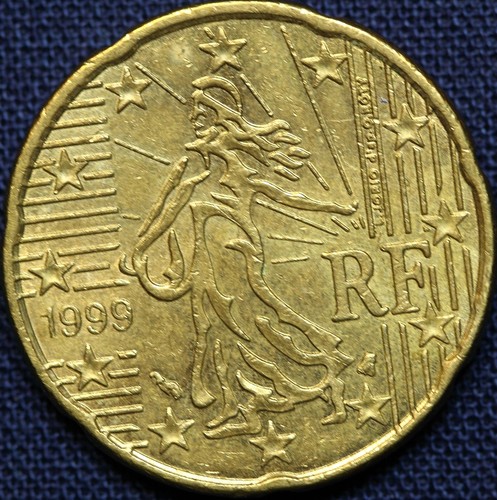
France 50 Cent Euro
1999–present
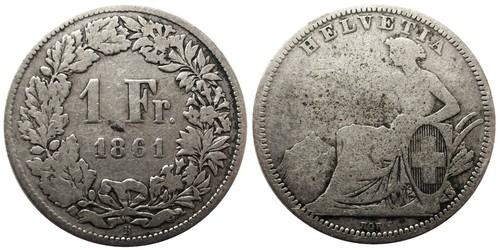
Swiss 1 Franc
1861
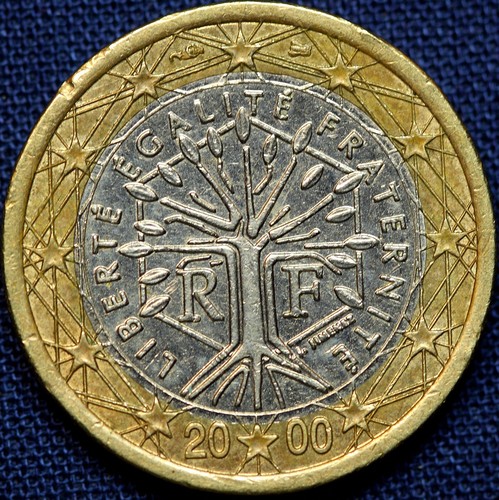
France 20 Centimes
1962–2001 (Fifth Republic, Marianne / Lagriffoul type)
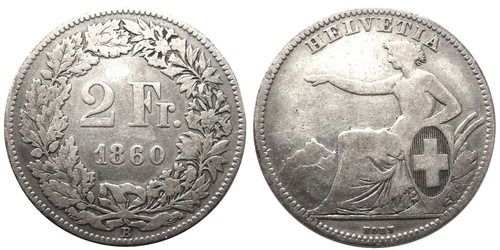
Swiss 2 Francs
1860
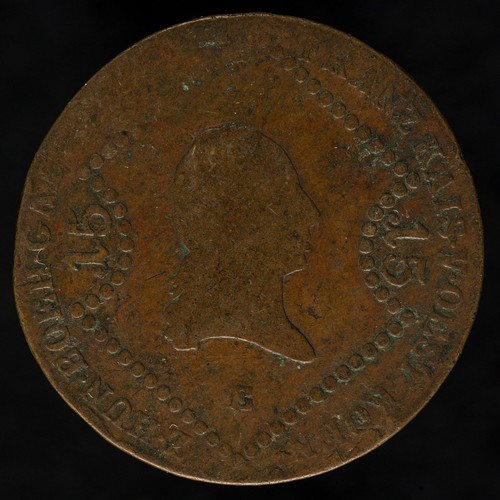
Austria-Hungary 15 Kreuzer
1807