
Coin Encyclopedia
Search and identify coins from around the world — with country, denomination, metal, mint, history, and how to tell them apart.
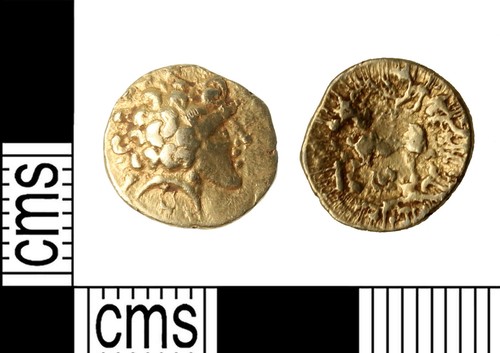
Celtic Gold Quarter Stater
A small Iron Age gold coin struck by the Celtic peoples of ancient Britain, valued at one-quarter of a full stater and marked by abstract, geometric designs.
Ancient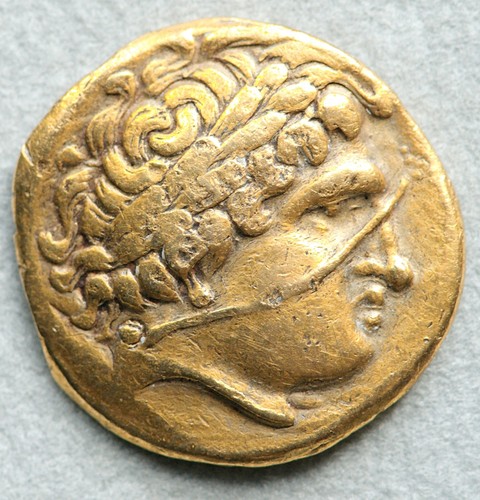
Gallic Imitation Stater
A gold stater struck by the tribes of Gaul, whose stylized head and single horse descend from Greek Macedonian prototypes reworked into abstract Celtic art.
Ancient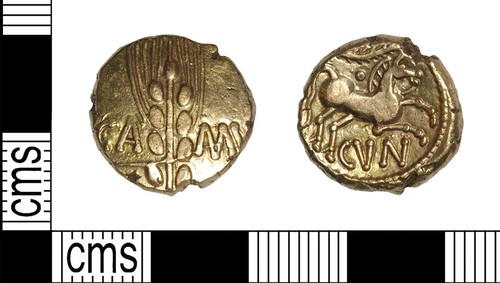
Gold Stater of the Catuvellauni and Trinovantes
An Iron Age British gold stater of the Catuvellauni and Trinovantes, showing stylized wheat/barley ears on one face and a dynamic horse on the other.
Ancient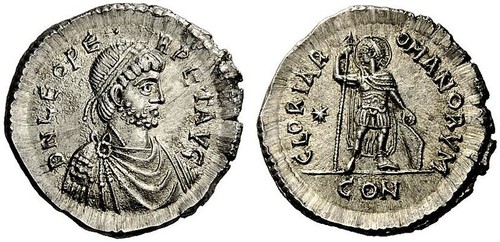
Miliarense of Leo I
Eastern Roman silver miliarensis of Leo I (AD 457-474), showing his diademed bust and a standing military figure with spear and shield.
Ancient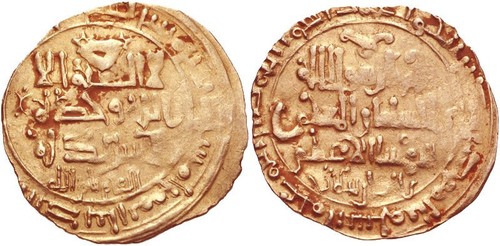
Gold Dinar of Alp Arslan
A hand-struck Islamic gold coin of the Great Seljuk sultan Alp Arslan, covered in concentric Arabic inscriptions naming the ruler and caliph, AH 455–465.
Islamic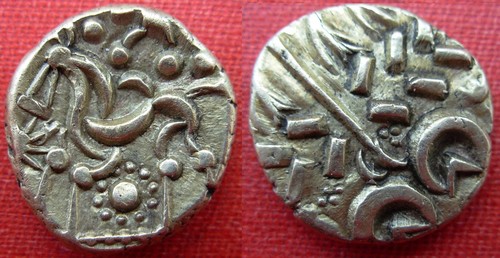
Corieltauvi Stater
A gold stater of the Corieltauvi tribe of Iron Age Britain, with an abstracted head on the obverse and a stylized horse and symbols on the reverse.
Ancient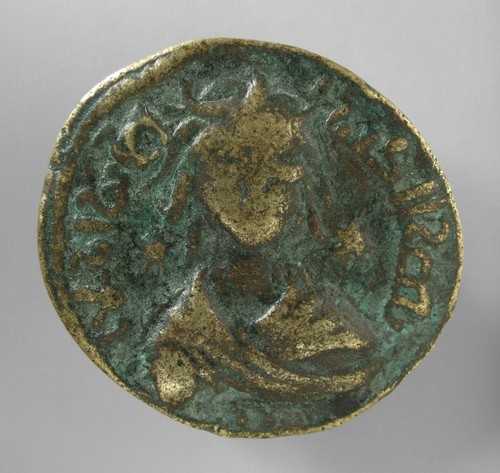
Artuqid Bronze Dirham
A 12th-century bronze coin of the Artuqid Turkmen dynasty, struck with Arabic inscriptions inside ornamental borders across eastern Anatolia.
Medieval Islamic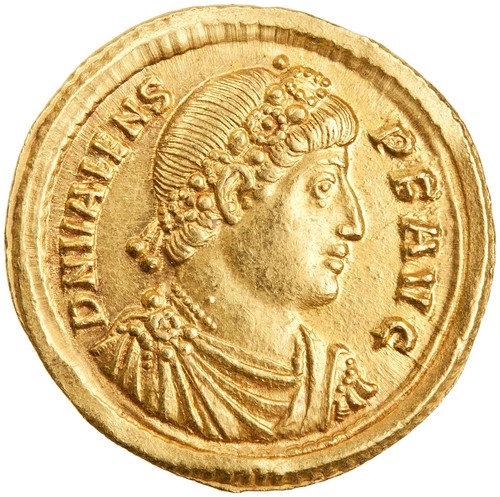
Solidus of Valens
A late Roman gold solidus struck for Valens, eastern emperor from AD 364 to 378, showing his diademed profile facing right.
Ancient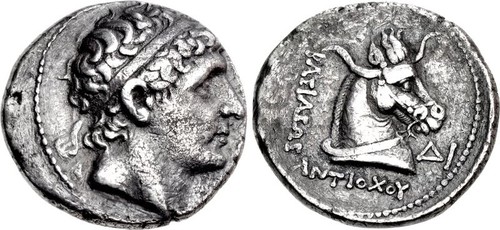
Tetradrachm of Antiochos I Soter
A large Seleucid-era silver coin of Antiochos I Soter, showing a helmeted bearded royal head and a standing elephant, a symbol of eastern military power.
Ancient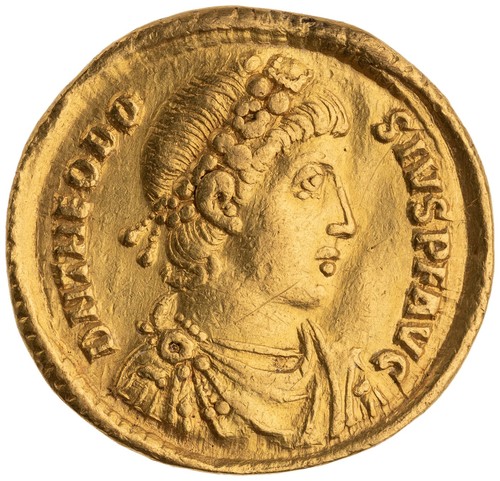
Solidus of Theodosius I
A late Roman gold solidus struck for the emperor Theodosius I (AD 379-395), showing his diademed portrait and the legend D N THEODOSIVS AVG.
Ancient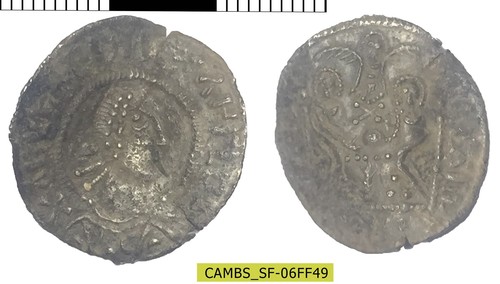
Penny of Alfred the Great
Hand-struck silver penny of Alfred the Great of Wessex, showing a right-facing royal bust and a cross-based reverse with a moneyer's inscription.
Medieval Coins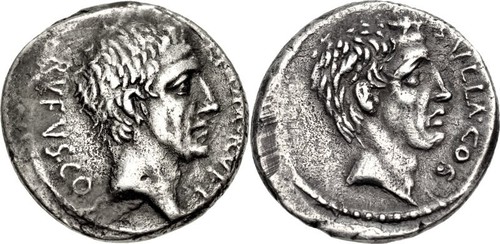
Denarius of the Pompeia Family
Silver Roman Republican denarius of the Pompeia family, with a male portrait head and a Victory driving a chariot on the reverse.
Ancient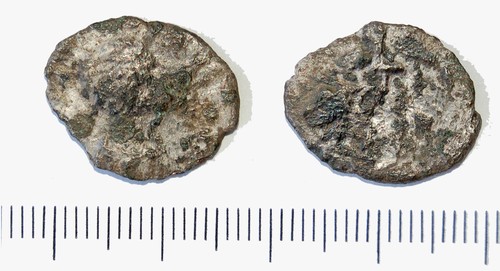
Denarius of Faustina the Elder
A silver Roman denarius honoring Faustina the Elder, wife of Antoninus Pius, with her draped bust and a seated Fortuna reverse, struck c. 141–161 AD.
Ancient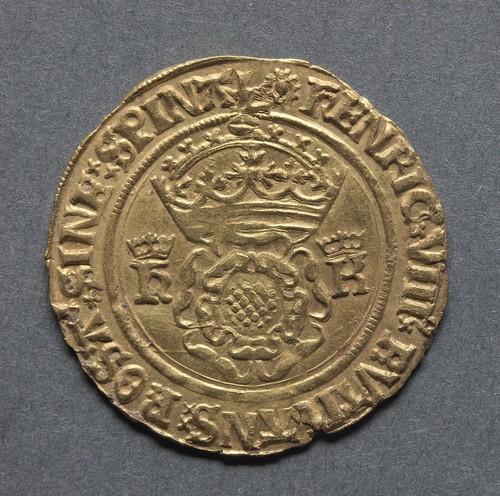
Crown of the Double Rose
A hammered Tudor gold crown of Henry VIII, valued at five shillings and named for the crowned double Tudor rose that defines its design.
Hammered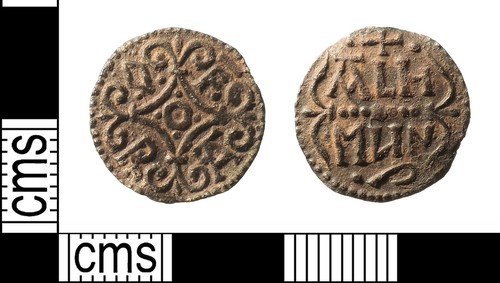
Penny of Offa
Thin silver penny of King Offa of Mercia, showing a portrait or name inscription and a cross with geometric ornament on the reverse.
Medieval Coins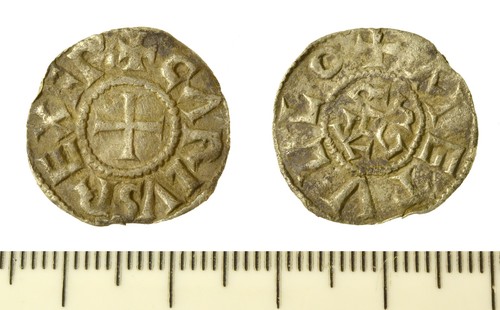
Denier of Charles the Bald
A small hammered silver denier of the Carolingian king Charles the Bald (r. 840–877), pairing a cross or monogram design with a ruler's profile.
Medieval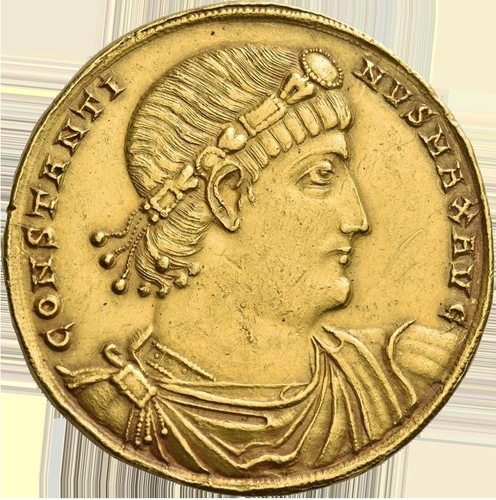
Solidus of Constantine I the Great
Constantine the Great's gold solidus, a high-purity coin struck from about AD 309 that became the standard of late Roman and Byzantine gold.
Ancient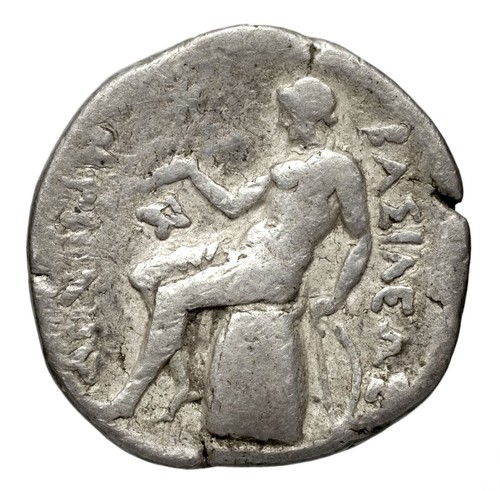
Drachm of Antiochos II Theos
Silver drachm struck under Antiochos II Theos of the Seleukid realm, showing a seated helmeted Athena and, on the reverse, Nike beside an altar.
Ancient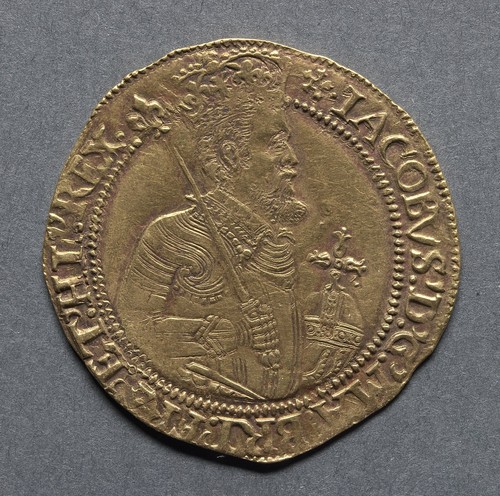
Unite of James I
A hammered gold pound coin of James I, named to celebrate the union of England and Scotland under one crown.
Hammered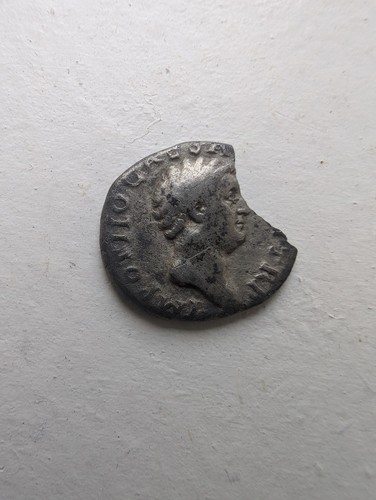
Denarius of Otho
Silver denarius of the emperor Otho, struck at Rome during his brief AD 69 reign, showing his bare head right with the legend IMP OTHO CAESAR.
Ancient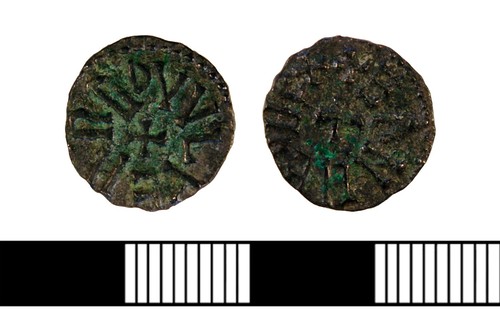
Styca of Eanred
Small base-metal coin of King Eanred of Northumbria, with a cross and legend on one face and a central symbolic motif on the other.
Medieval Coins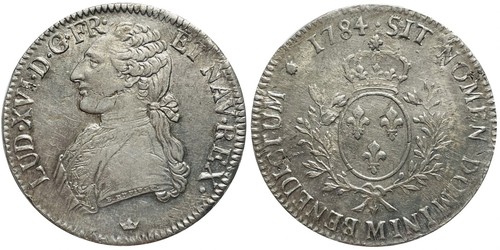
Ecu of Louis XVI
A large French silver ecu of Louis XVI dated 1784: left-facing royal bust obverse, crowned arms of France and Navarre framed by laurel on the reverse.
Royal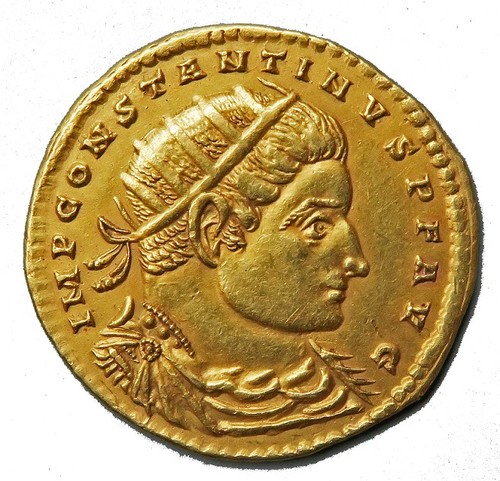
Aureus of Constantine I the Great
A Roman gold aureus struck for Constantine I the Great, showing his laureate portrait, from the era of his rise to sole power around AD 313.
Ancient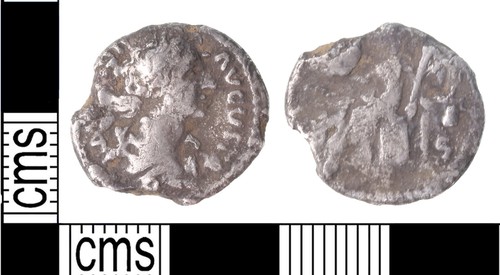
Denarius of Faustina the Younger
Roman Imperial silver denarius of Faustina the Younger, showing her draped bust with an elaborate curled hairstyle and a standing deity or personification on the reverse.
Ancient