Ecu of Louis XVI
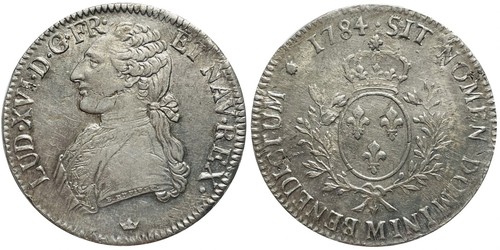
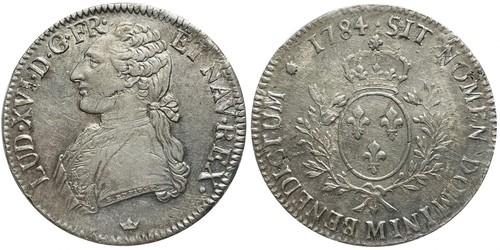
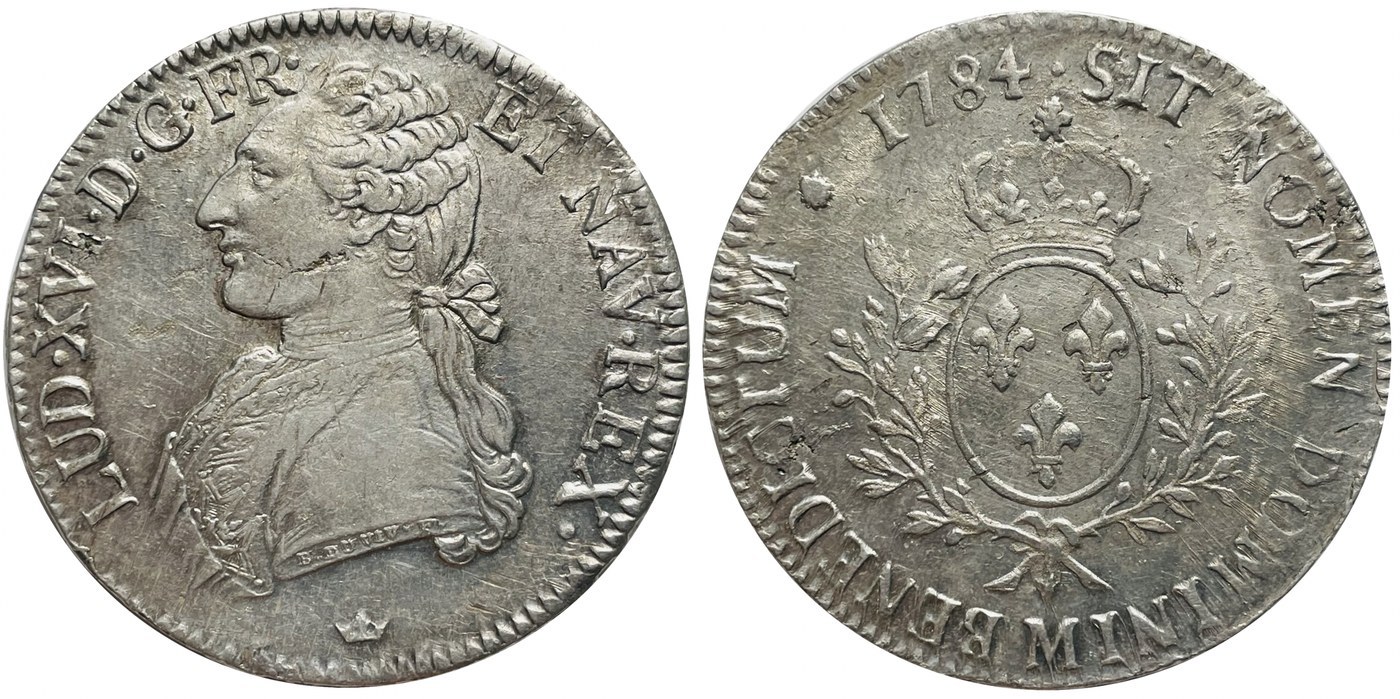
A large French silver ecu of Louis XVI dated 1784: left-facing royal bust obverse, crowned arms of France and Navarre framed by laurel on the reverse.
- Country
- France
- Denomination
- 1 Ecu
- Metal
- Silver
Got a coin like this?
Identify any coin from a photo, free.
Overview
The ecu of Louis XVI is the large silver crown-sized coin of pre-Revolutionary France, worth six livres. This example, dated 1784, shows the king in profile facing left with the Latin legend LUDOVICUS XVI D G FR ET NAV REX, naming Louis XVI as king of France and Navarre by the grace of God.
The reverse carries an ornate crowned coat of arms combining the fleur-de-lis of France with the arms of Navarre, framed by two laurel branches. Because of this framing the type is known to collectors as the ecu aux lauriers, the "ecu with laurel branches." It was the workhorse high-value silver coin of Louis XVI's reign until the Revolution swept away the royal coinage.
History & Background
The ecu was the principal large silver denomination of the French monarchy in the 18th century. Under Louis XVI (reigned 1774–1792) the ecu aux lauriers type was introduced early in the reign and struck across many of France's provincial mints for more than a decade, including the 1784-dated pieces.
Each ecu was valued at six livres and formed the backbone of large silver payments, alongside gold louis d'or for higher sums and copper and billon coins for small change. The coins were struck at numerous royal mints across the kingdom, each identified by its own mint letter, so the same 1784 type exists from several different cities.
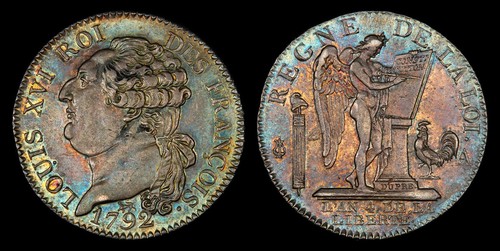
The type's history ends with the French Revolution. After 1792 the monarchy was abolished and the royal ecu gave way to Revolutionary and later decimal coinage, making Louis XVI ecus among the last of France's centuries-old livre-based crown coins.
How to Identify
Identify the obverse by the bust: Louis XVI faces left, and the surrounding Latin legend reads LUDOVICUS XVI D G FR ET NAV REX. The left-facing portrait is a key marker—Louis XV's ecus of the same broad type face the opposite way.
The reverse shows an oval crowned shield bearing the arms of France and Navarre, flanked and framed by laurel branches, with the date (here 1784) in the legend. A pious Latin motto runs around the reverse. A small mint letter and engravers' privy marks appear in the legends and identify the specific mint that struck the coin.
In hand the ecu is a large, heavy silver coin roughly 40–41 mm across and close to 29 grams, struck in high-grade silver. Its crown size and weight, left-facing bust, and laurel-framed arms together confirm the Louis XVI ecu aux lauriers.
Value & Collectibility
As a large, high-silver crown coin of a famous guillotined king, the Louis XVI ecu enjoys steady collector demand. Value depends heavily on condition, mint, and eye appeal: heavily worn or cleaned examples are relatively affordable, while sharply struck, original-surface coins bring strong premiums.
Because the type was struck across many mints and years, some date-and-mint combinations are common and others scarce, which can move prices considerably above the coin's silver content. Rare mints, full detail, and attractive toning all add value.
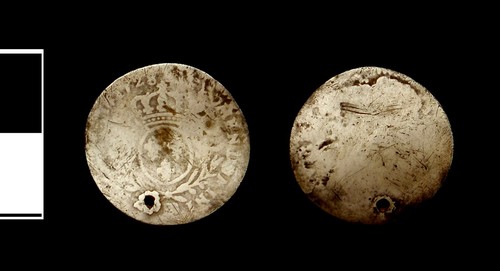
Condition problems matter: cleaning, scratches, edge knocks, and mount marks reduce value on a coin this size. For any specific 1784 ecu, compare it to recent auction and dealer results for the same mint and grade rather than relying on melt value alone.
Frequently asked questions
What is the Ecu of Louis XVI worth?
It varies widely with condition and mint. A worn, cleaned example is modest, while a well-struck original-surface coin commands a healthy premium over its silver value. Check recent sales for the exact mint and grade.
Is the Louis XVI ecu made of real silver?
Yes. The ecu is a large, high-grade silver coin—crown-sized, roughly 40–41 mm across and near 29 grams—and was the main big silver denomination of the French monarchy.
How much was an ecu worth at the time?
One ecu equalled six livres, the standard large silver payment in pre-Revolutionary France. Gold louis d'or covered higher sums and copper or billon coins handled small change.
Why is it called the ecu aux lauriers?
Because the crowned coat of arms on the reverse is framed by two laurel branches. Collectors use this feature to name the type and to separate it from earlier ecu designs.
Ecu of Louis XVI guides
In-depth guides for identifying, valuing, and collecting Ecu of Louis XVI.