Unidentified Silver Coin (Louis XV era)
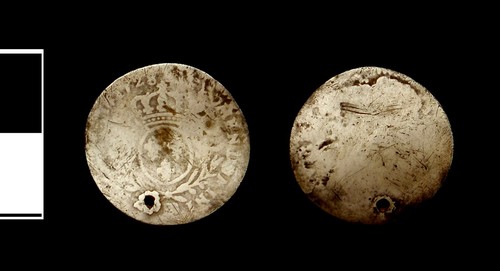
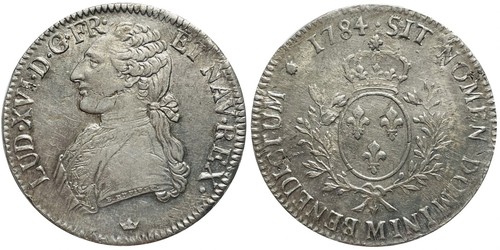
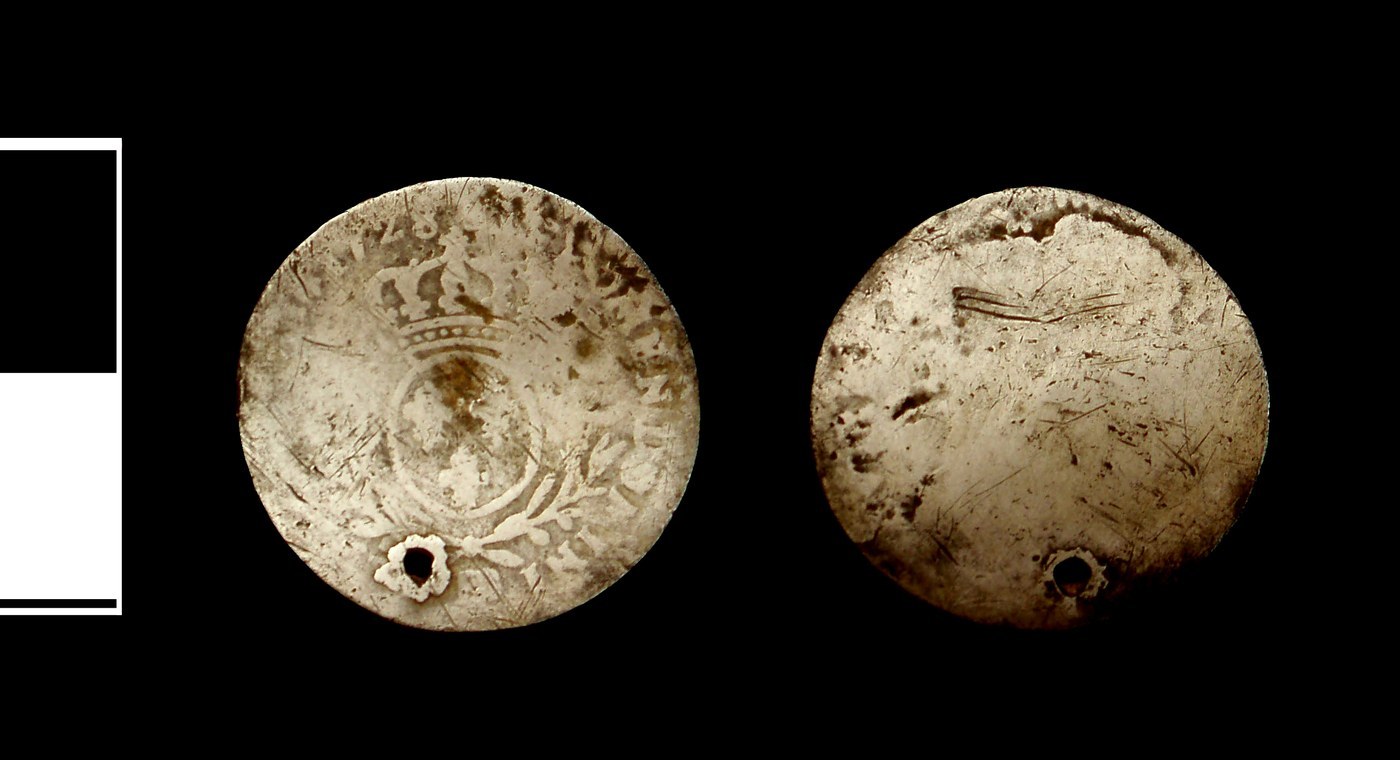
An 18th-century French royal silver coin of the Louis XV era, showing a right-facing bust and a crowned fleur-de-lis shield; the exact denomination is not confirmed.
- Country
- France
- Denomination
- Unknown
- Metal
- Silver
Got a coin like this?
Identify any coin from a photo, free.
Overview
This is an eighteenth-century French silver coin from the era of King Louis XV, identified here from its imagery rather than from a confirmed legend or mint mark. The obverse shows a bust facing right surrounded by an inscription, and the reverse carries a royal shield charged with fleur-de-lis inside a decorative wreath — the standard visual language of French royal (pre-Revolution) silver coinage.
Because the coin has not been attributed to a specific denomination, it should be treated as a type-level identification: a French royal silver piece consistent with the reign of Louis XV. French silver of this period ran across several denominations — from small pieces up to the large écu — so the precise face value cannot be stated from the photographs alone.
The combination of a right-facing royal portrait and a fleur-de-lis armorial reverse is characteristic of the Bourbon monarchy and helps place the coin, even where the finer details needed for an exact catalogue attribution are worn or unread.
History & Background
Louis XV reigned from 1715 to 1774, one of the longest French reigns, and his silver coinage was struck at numerous mints across the kingdom. French royal coins of this era typically pair the king's profile with heraldic reverses built around the fleur-de-lis, the emblem of the House of Bourbon, often beneath a crown and framed by branches or a wreath.
Throughout the eighteenth century French silver circulated widely in Europe and its colonies, and the large silver écu in particular was a significant trade coin. Coins were produced under a tightly regulated royal system, with letters and symbols identifying the mint responsible for each strike.
Without a confirmed reading of this coin's legends, date and mint letter, it can be placed in this broad historical context but not tied to a single issue. Many surviving pieces of the period show honest wear from long circulation, which is consistent with the general appearance of coins of this type.
How to Identify
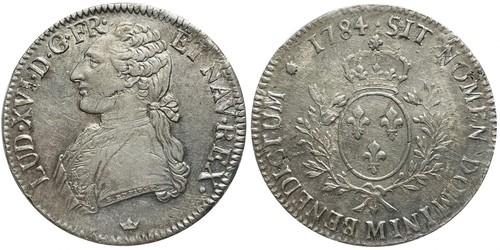
Obverse (shown): a bust facing right, encircled by an inscription. On French royal silver this legend normally gives the ruler's name and titles in Latin (for Louis XV, forms such as LUD XV D G FR ET NAV REX). Reading these letters is the key step in confirming both the ruler and the exact type.
Reverse (shown): a royal shield bearing fleur-de-lis, set within a decorative wreath and usually beneath a crown. The specific arrangement of the arms, the crown, and any surrounding legend or date determines the denomination and issue.
Metal and size: the coin is silver. French royal silver ranged from small fractional pieces to the large écu of roughly 40 mm, so measuring the diameter and weighing the coin is essential to narrowing the denomination. Because the piece is currently unattributed, treat any denomination or exact date as unconfirmed until the legends, a date, and a mint letter can be read directly from the coin.
Value & Collectibility
Value for an unattributed French royal silver coin depends heavily on the actual denomination, date, mint, and condition — none of which is fully confirmed here — so no single figure can be given. As a general guide, larger and better-preserved silver pieces of the Louis XV era command more than small, heavily worn fractional coins.
Even where the exact type is unknown, a genuine eighteenth-century French silver coin usually carries at least its silver content plus a collector premium; worn but authentic pieces often trade in the modest tens, while well-preserved or scarcer denominations and mints can reach substantially higher.
To value the coin properly, it must first be attributed: read the legends, date and mint letter, then compare recent sales of that specific issue in matching grade. Treat any estimate made before attribution as provisional only.
Frequently asked questions
Why is this coin listed as "unidentified"?
The photographs show a French royal silver coin of the Louis XV era, but the exact denomination, date and mint have not been confirmed from the legends and mint marks, so it is catalogued at type level only.
How do we know it is French and from the Louis XV era?
The right-facing royal bust paired with a fleur-de-lis shield inside a wreath is the standard design of French royal (Bourbon) silver, and these features are consistent with coinage of Louis XV (reigned 1715–1774).
What denomination is it?
That is not confirmed. French royal silver spanned several denominations up to the large écu, so the face value cannot be determined from the images alone — measuring and weighing the coin is needed.
Is it made of real silver?
The coin is silver, consistent with French royal silver coinage of the eighteenth century. Confirming fineness and weight requires examining the actual coin.
How can I get an exact identification?
Read the obverse and reverse legends, find the date and the mint letter, and measure the diameter and weight, then match those details against a catalogue of Louis XV silver coinage or ask a specialist.
Unidentified Silver Coin (Louis XV era) guides
In-depth guides for identifying, valuing, and collecting Unidentified Silver Coin (Louis XV era).