
Coin Encyclopedia
Search and identify coins from around the world — with country, denomination, metal, mint, history, and how to tell them apart.
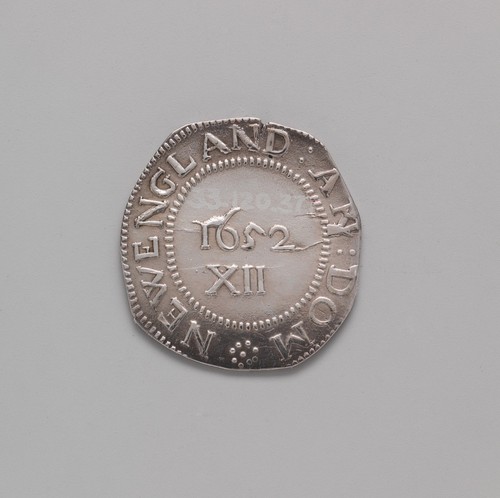
English Shilling
English silver shilling of William III, showing his right-facing laureate bust and a crowned cruciform-shield reverse; this example is dated 1692.
World Coin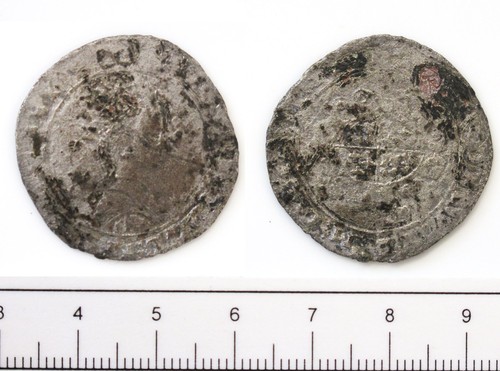
Shilling of Edward VI
A hammered Tudor silver shilling of Edward VI, showing the young king's crowned profile and a reverse cross over the quartered royal-arms shield.
World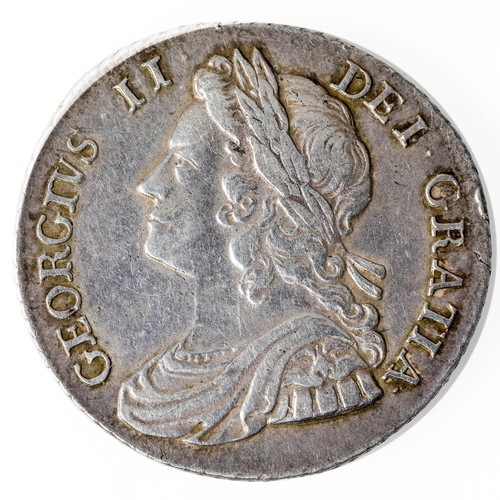
Shilling of George II
A milled silver shilling of George II, with a left-facing bust reading GEORGIVS II DEI GRATIA and a crowned cruciform-shields reverse; this one is a 1736 roses and plumes issue.
Milled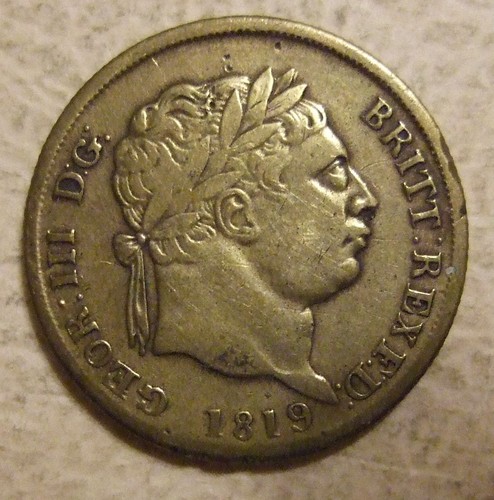
Shilling of George III
A milled silver shilling of George III from the Great Recoinage, with his laureate bust facing right and a crowned quartered royal shield within the Garter.
Milled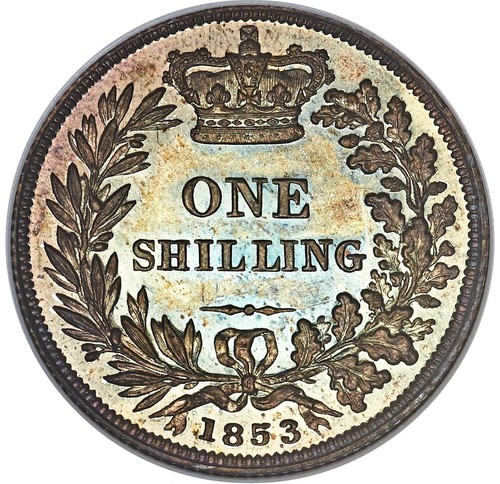
Shilling of Victoria
A milled sterling-silver British shilling of Queen Victoria, worth twelvepence, with the queen's head on the obverse and a crowned 'ONE SHILLING' reverse.
Milled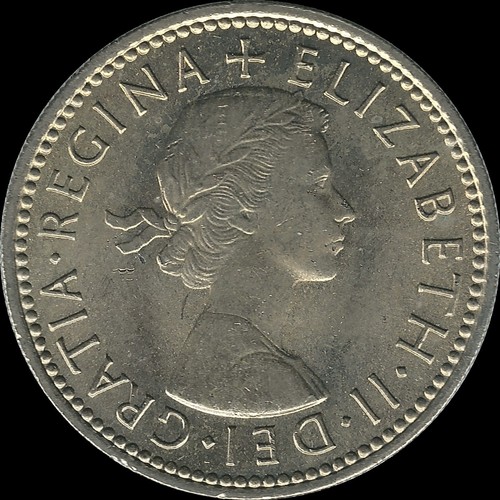
British Shilling
Small Victorian silver shilling showing Queen Victoria's crowned, veiled Jubilee portrait and a crowned heraldic shield reverse.
World Coins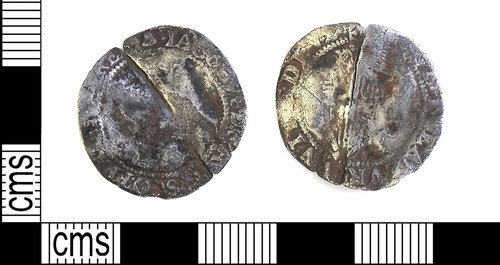
English Sixpence
A hammered silver sixpence of James I, showing his crowned profile bust and a quartered royal shield with a long cross on the reverse.
Hammered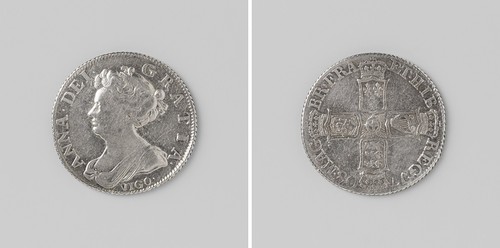
Shilling of Anne
A machine-struck silver shilling of Queen Anne, with her draped bust facing right and a reverse of crowned shields bearing the royal arms in a cross.
Milled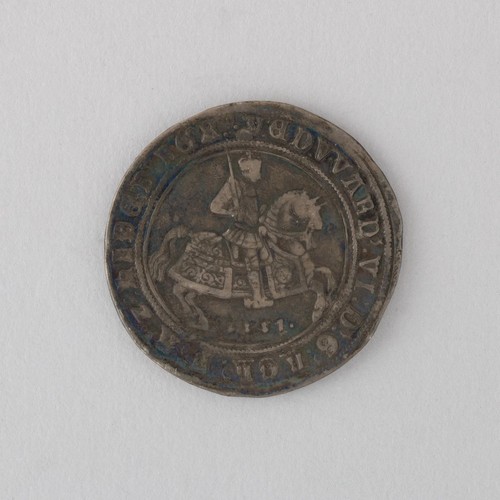
Edward VI Crown
Hammered English silver crown of Edward VI (1547-1553), the first English crown coin and among the earliest English coins to carry a date.
Hammered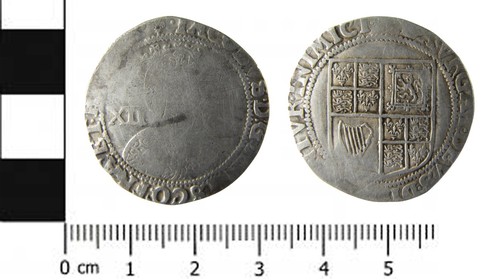
Shilling of Charles I
A hammered silver English shilling of King Charles I, showing his crowned left-facing profile with the value mark XII and a quartered royal shield.
World Coins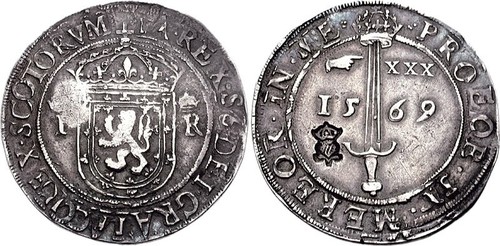
James VI Ryal
A large hammered silver Scottish ryal of James VI, showing a crowned lion-rampant shield and a mailed swordhand grasping an upright sword, dated 1569.
Hammered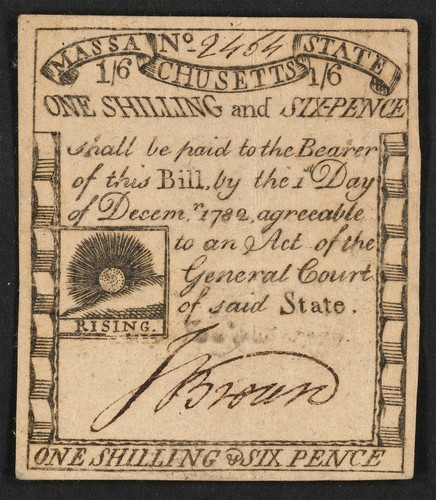
Massachusetts Shilling (1 Shilling 6 Pence)
A colonial-era Massachusetts silver piece valued at one shilling and sixpence, joining a pine-tree obverse with a rising-sun reverse and the date 1779.
Colonial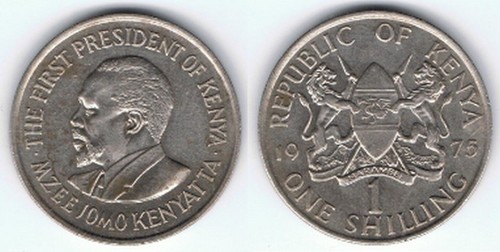
Kenya 1 Shilling
A circulating one-shilling coin of the Republic of Kenya bearing President Jomo Kenyatta on the obverse and the Kenyan coat of arms on the reverse.
World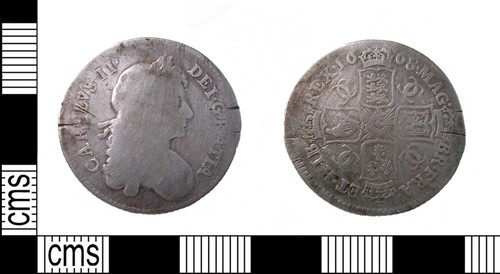
Charles II Shilling
A machine-struck Stuart silver shilling of Charles II, with his laureate bust facing right and a reverse of crowned shields bearing the royal arms.
Milled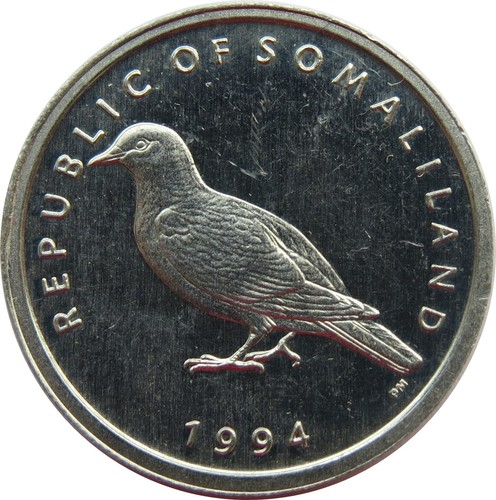
Somaliland 1 Shilling
An early circulation coin of the self-declared Republic of Somaliland, its reverse showing a dove above the country's name and the value.
World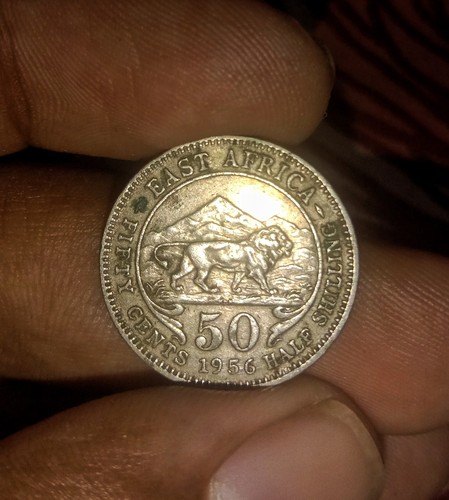
British East Africa Half Shilling
A small low-fineness silver coin of British East Africa bearing King George VI; the half shilling equalled fifty cents in the East African system.
World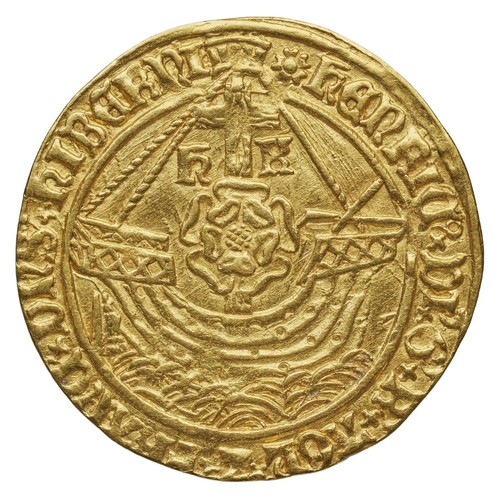
George-noble
A rare Tudor gold noble of Henry VIII showing St George slaying the dragon, valued at 6 shillings 8 pence.
Hammered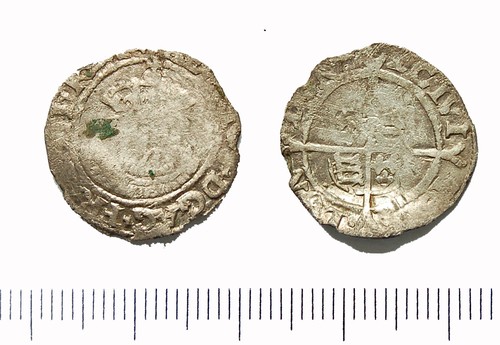
Edward VI Half Groat
Small hammered silver twopence of Edward VI (1547-1553), with a left-facing royal profile and a cross-and-shield reverse.
Hammered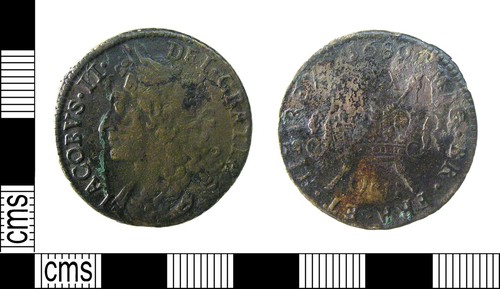
Irish Gun Money Shilling
A base-metal Irish emergency shilling struck for James II in 1689-1690, with his laureate bust and a crowned reverse dated by month, here October 1689.
Emergency Coinage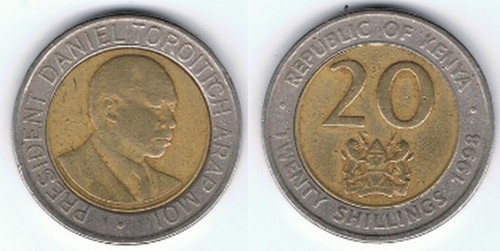
Kenya 20 Shillings
A modern bimetallic Kenyan circulation coin showing a president's portrait on the obverse and the national coat of arms on the reverse.
World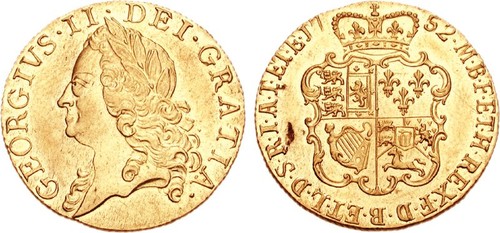
Guinea of George II
A milled gold guinea of Great Britain struck during the reign of George II, with a left-facing royal bust and a crowned heraldic shield reverse.
Milled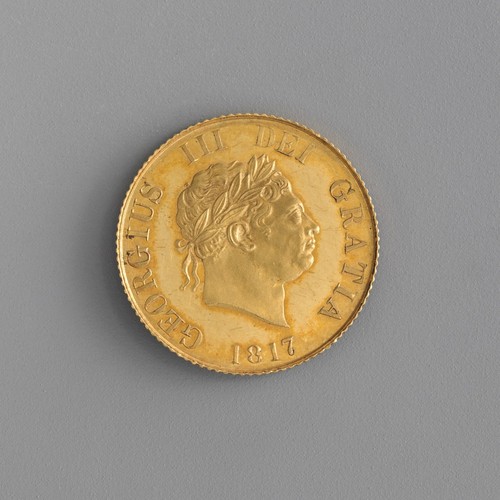
Half Sovereign of George III
British 22-carat gold half sovereign of George III, introduced in 1817 with a laureate bust and a crowned shield of arms; face value ten shillings.
Milled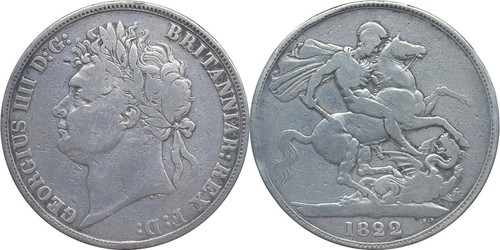
Crown of George IV
A milled silver crown of George IV, with a laureate head facing left and Pistrucci's St George and the dragon on the reverse; the photographed piece is dated 1822.
Milled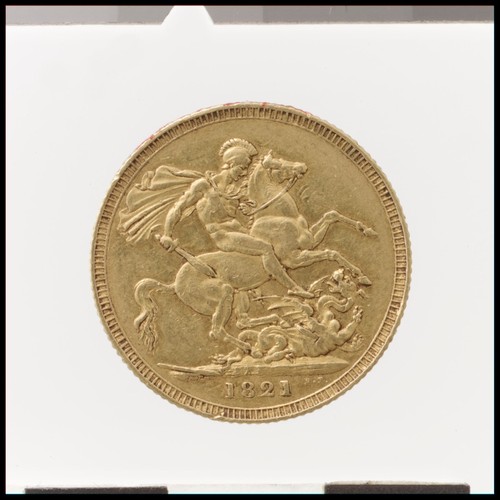
Sovereign of George IV
A milled gold sovereign of Great Britain struck under George IV, with the king's laureate head and Pistrucci's St George slaying the dragon reverse, dated 1821.
Milled