
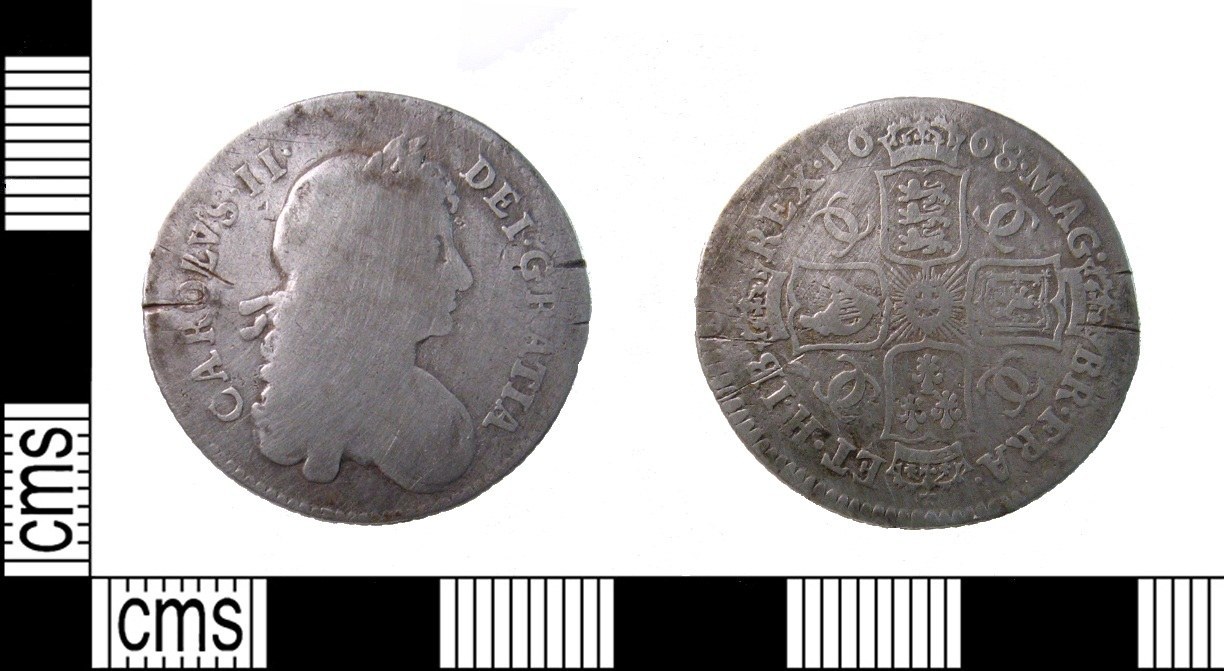
Charles II Shilling
A machine-struck Stuart silver shilling of Charles II, with his laureate bust facing right and a reverse of crowned shields bearing the royal arms.
- Country
- England
- Denomination
- Shilling
- Metal
- Silver
Got a coin like this?
Identify any coin from a photo, free.
Overview
The Charles II Shilling is a silver coin of the English Stuart period, struck during the reign of Charles II (1660-1685). The obverse shows a laureate, draped bust of the king in profile facing right, encircled by a Latin legend naming him as king. The reverse carries the royal arms of England, Scotland, France and Ireland, displayed on shields arranged in the form of a cross, each surmounted by a crown, with the interlinked initials of the king in the angles.
Charles II is best known for the introduction of fully milled, or machine-struck, coinage. The earliest shillings of his reign, from 1660 to 1662, were still hammered by hand in the old manner, but from 1663 the shilling was produced by mill and screw press, giving a rounder, more even flan with sharper, more uniform detail than the irregular hammered coins that came before.
Unlike the shillings of earlier Stuart and Tudor reigns, the milled Charles II shilling carries no mark of value such as XII in the field; the denomination is judged instead from its size, weight and design. The series is a popular starting point for collectors of milled English silver, spanning the Restoration through to the end of the reign.
History & Background
Charles II was restored to the throne in 1660 after the Commonwealth and Protectorate, and his reign lasted until 1685. His first shillings continued the traditional hammered method, but the reign is chiefly remembered for the permanent adoption of machinery at the Royal Mint. From 1663 the shilling was struck by the mill and screw press, work associated with the engraver John Roettier, and the hand-hammering of English coin was brought to an end.
The milled shillings bear a dignified right-facing laureate bust and a reverse of four crowned shields set in a cross. Some issues carry small marks below the bust that record the source of the silver: plumes for Welsh silver, and an elephant or elephant-and-castle for metal supplied by the African (Guinea) Company. These provenance marks, together with the date and small varieties of the bust, distinguish the different issues across the reign.
Because the coins were now produced on machinery, the standard of striking became far more consistent than under the hammered coinage. The shilling served as one of the core silver denominations of Restoration England, and surviving examples range from heavily circulated pieces to well-preserved coins that still show the crisp, even detail that the new presses made possible.
How to Identify
Look first at the obverse. A milled Charles II Shilling shows the king in profile facing right, wearing a laurel wreath, with a Latin legend running around the edge naming him as king. This right-facing laureate bust is a key distinction from the shillings of Charles I, which show a crowned bust facing left with an XII value mark. The Charles II milled shilling carries no such value mark.
The reverse shows the royal arms on four crowned shields arranged as a cross, representing England, Scotland, France and Ireland, with the interlinked royal initials in the angles between them. On the milled issues the flan is round and evenly struck, and later coins have a decorated or grained edge rather than a plain hammered one. Look below the bust for any small plumes or an elephant device, which indicate the source of the silver.
Genuine milled examples are struck in silver on a regular round flan with sharp, uniform detail and weigh in the range typical of a Stuart shilling. Precise attribution of the exact issue depends on the date, the bust variety and any provenance marks, matched against published references on Charles II milled silver.
Value & Collectibility
Value depends heavily on the date, the bust and provenance variety, the strength of strike and overall condition. Common milled dates in worn, circulated grade are among the more accessible genuine Restoration silver coins and can make an affordable entry point, while sharply struck examples with a clear portrait and full legends command more. Scarcer dates and the elephant or plume provenance issues sit well above the common pieces.
Eye appeal matters as much as technical grade. A coin with a well-centred, sharp bust, clear shields and legible legends is worth considerably more than a worn, cleaned or damaged piece of the same date. The early hammered shillings of 1660-1662 are a distinct and generally scarcer part of the reign.
Because this is a genuinely old and historically resonant coin from the Restoration, prices span a wide range, from modest sums for heavily worn common dates to substantial amounts for choice, high-grade or scarce-variety examples. For any purchase of consequence, confirm authenticity and grade through a specialist dealer or reputable auction record rather than a single listing.
Frequently asked questions
Is the Charles II Shilling hammered or milled?
Both exist. The earliest shillings of 1660 to 1662 were hammered by hand, but from 1663 onward the shilling was fully milled, or machine-struck, on a screw press. The milled coins are rounder and more evenly struck.
Why is there no XII value mark on my Charles II Shilling?
The milled shillings of Charles II do not carry a mark of value in the field, unlike the earlier hammered shillings of Charles I. The denomination is identified instead from the coin's size, weight and design.
What do the plumes or elephant below the bust mean?
They are provenance marks recording the source of the silver. Plumes indicate Welsh silver, while an elephant or elephant-and-castle indicates metal supplied by the African (Guinea) Company. Coins with these marks are generally scarcer.
How do I tell a Charles II Shilling from a Charles I Shilling?
Charles II faces right and wears a laurel wreath, with no value mark, and the milled issues are round and evenly struck. Charles I faces left, wears a crown, and carries an XII value mark on an irregular hammered flan.
Charles II Shilling guides
In-depth guides for identifying, valuing, and collecting Charles II Shilling.
Other coins you may enjoy
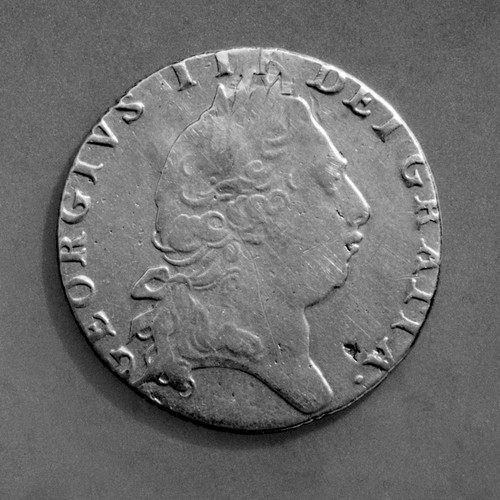
Spade Guinea
1760-1820
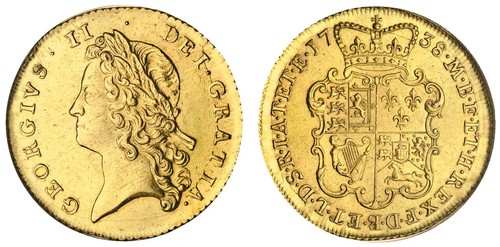
Two Guineas of George II
1738–1753
Shilling of Victoria
1838-1901
Sovereign of George IV
1821-1830
Sovereign of William IV
1831–1837
Penny of William IV
1831-1837
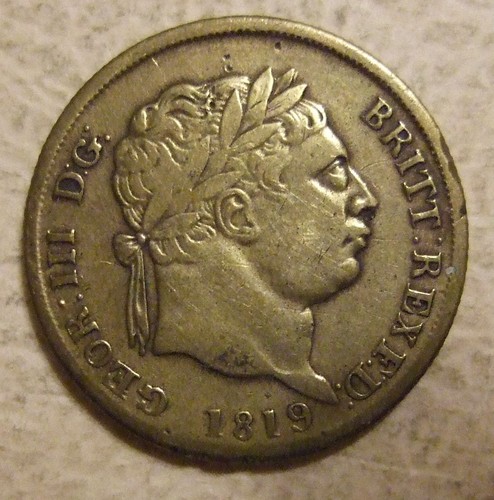
Shilling of George III
1816-1820
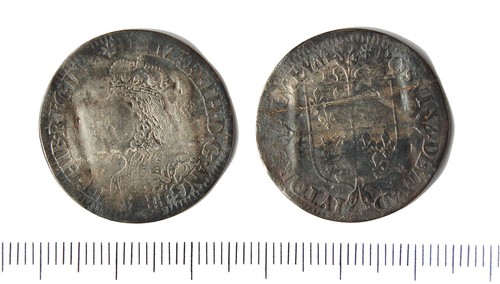
Milled Sixpence of Elizabeth I
1561-1571
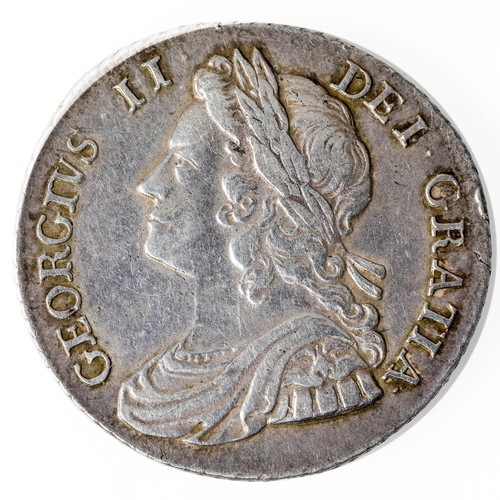
Shilling of George II
1727-1758
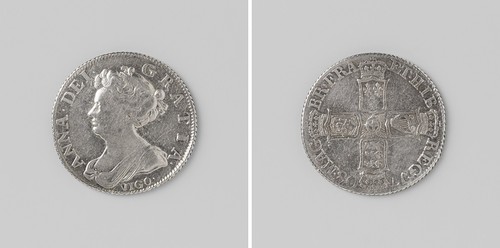
Shilling of Anne
1702-1714
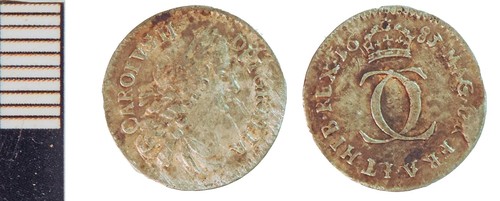
Charles II Twopence
1660-1685
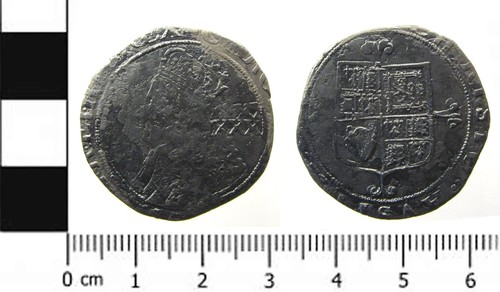
Charles II Half Crown
1660–1685