
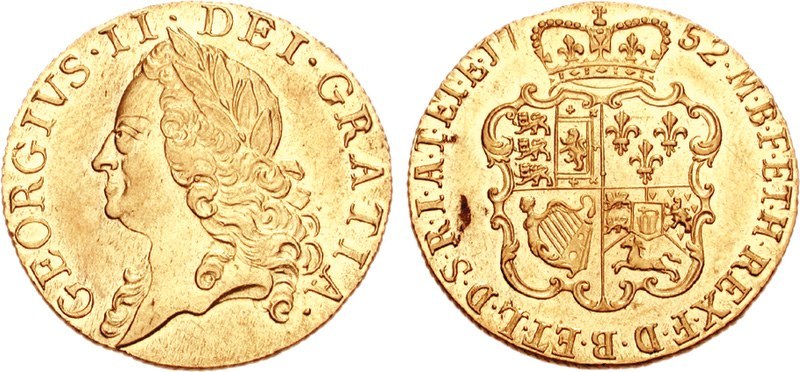
Guinea of George II
A milled gold guinea of Great Britain struck during the reign of George II, with a left-facing royal bust and a crowned heraldic shield reverse.
- Country
- England
- Denomination
- Guinea
- Metal
- Gold
Got a coin like this?
Identify any coin from a photo, free.
Overview
This is a gold guinea struck during the reign of George II, whose coinage runs across the years 1727 to 1760. The photographed coin shows the king's laureate bust in profile facing left on the obverse, rendered in the Baroque style of the period, with the abbreviated Latin legend beginning GEORGVS.II.D.G. The reverse carries a crowned heraldic shield surrounded by ornamental Baroque design.
The guinea was the principal English gold coin of the eighteenth century and the standard unit for larger transactions. Milled (machine-struck) rather than hammered, it was produced at the Royal Mint with the regular, well-centred flan and even lettering that distinguish the milled series from earlier hand-struck coinage.
George II guineas were issued over more than three decades, so the portrait and details vary by period. As with any long reign, the exact bust style, legends, and date must be read from the individual coin; this piece is best described broadly as a George II guinea unless the specific year and variety are confirmed.
History & Background
The guinea took its name from the Guinea region of West Africa, a source of the gold from which many early examples were struck. First issued under Charles II in 1663, it became the leading English gold denomination and remained central to British commerce through the eighteenth century. Its value in shillings fluctuated with the gold price for many years before being fixed at twenty-one shillings.
George II reigned from 1727 to 1760, and his guineas were struck throughout that period. The obverse followed the established convention of a profile royal bust with a Latin legend giving the king's name and titles, while the reverse displayed the crowned arms of the realm in the Baroque taste of the day. Over the reign the portrait was revised more than once, so early and later guineas of George II differ in the king's appearance.
The guinea continued after George II's death and was struck under George III until it was replaced by the gold sovereign in the great recoinage of 1816-17. As a result, George II guineas belong to the mature phase of the denomination, before its eventual retirement, and are collected today as substantial pieces of Georgian gold coinage.
How to Identify
The obverse shows the laureate bust of George II in profile facing left, in the Baroque style, with the legend commencing GEORGVS.II.D.G — an abbreviation of the Latin for "George II, by the grace of God." The remainder of the legend continues the royal titles. Reading the full legend and the date, where present, is the key to confirming the reign and the year.
The reverse displays a crowned heraldic shield bearing the quartered arms, framed by ornamental Baroque detailing. The precise arrangement of the arms and the surrounding legend help distinguish issues within the reign and separate the guinea from related gold denominations of the period.
As a gold coin the guinea has the warm yellow tone and heft of high-purity gold, and as a milled piece it shows regular, machine-struck lettering and a well-formed edge. Diameter, weight, and the fineness of the gold are important diagnostics, since the guinea sits between the smaller half-guinea and larger multiple-guinea pieces; measuring the coin and comparing it to published specifications is more reliable than judging by eye.
Value & Collectibility
As a gold coin of the eighteenth century, a George II guinea carries both bullion value from its gold content and a collector premium tied to its age, portrait, and condition. Even a worn example is a substantial gold piece, so values start well above those of contemporary silver and copper coins.
Condition, the specific date, and the bust variety drive the collector premium. Common dates in circulated grades trade for a base level reflecting gold plus a modest numismatic markup, while sharp, well-preserved examples, scarcer dates, and desirable early portraits can command considerably more. Damage, mounting, or later cleaning reduce value.
Because gold guineas are valuable and were historically imitated, and because condition grading strongly affects price, any example of significance should be weighed, measured, and ideally examined by a specialist or submitted for professional grading. Treat any single figure as broad context and rely on recent auction results for comparable dates and grades for a realistic estimate.
Frequently asked questions
What is a guinea of George II?
It is a British gold coin of the guinea denomination struck during the reign of George II (1727-1760). It shows the king's left-facing bust with the legend beginning GEORGVS.II.D.G on the obverse and a crowned heraldic shield on the reverse.
Is it made of real gold?
Yes. Guineas were struck in high-purity gold and were the principal English gold coin of the eighteenth century, so the piece carries both bullion and collector value.
How much was a guinea worth?
The guinea's value in shillings varied for many years with the price of gold before being fixed at twenty-one shillings. It was used for larger transactions rather than everyday small change.
How can I tell which year mine is?
Read the date and the full Latin legend on the coin and note the exact bust style, then compare against a reference catalogue of George II guineas. The portrait was revised during the reign, so details differ between early and later issues.
Are George II guineas valuable?
They are, both as gold and as historic coins. Value depends on the date, bust variety, and condition; common circulated dates carry a modest premium over gold, while scarce dates and well-preserved examples are worth considerably more.
Guinea of George II guides
In-depth guides for identifying, valuing, and collecting Guinea of George II.
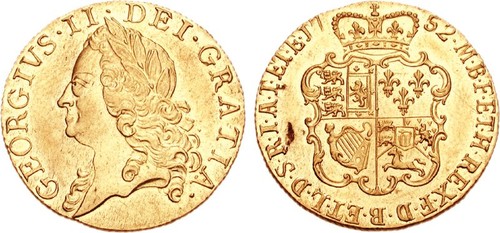
Guinea of George II identified by the community
Real coins identified with Coin Identifier.
Other coins you may enjoy
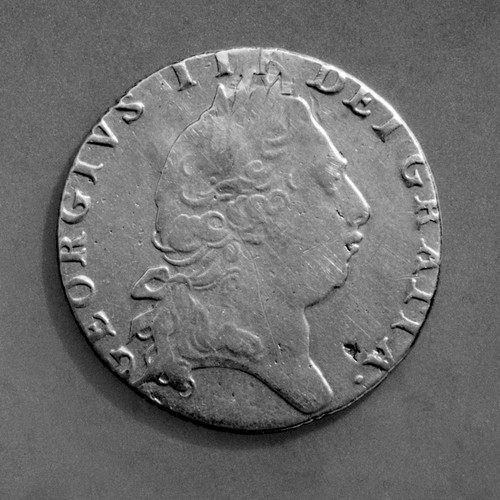
Spade Guinea
1760-1820
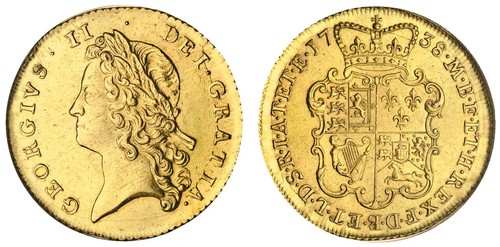
Two Guineas of George II
1738–1753
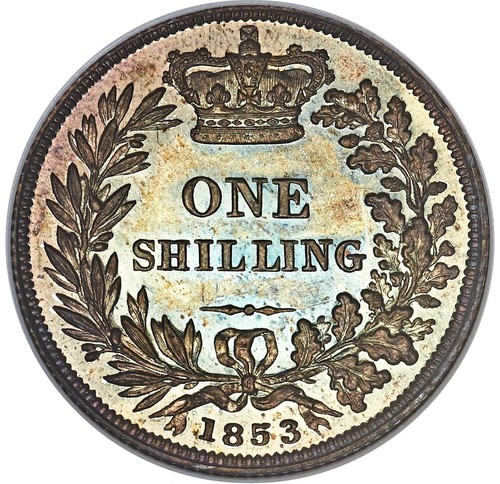
Shilling of Victoria
1838-1901
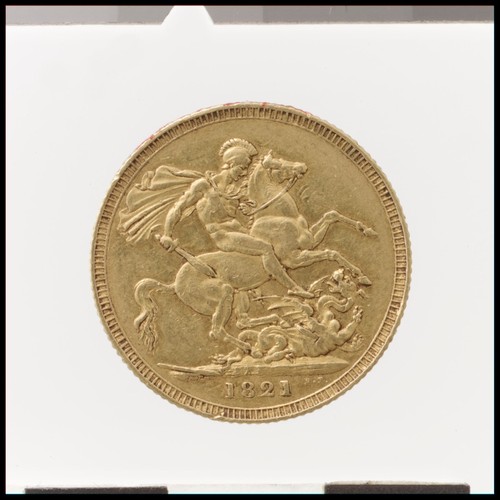
Sovereign of George IV
1821-1830
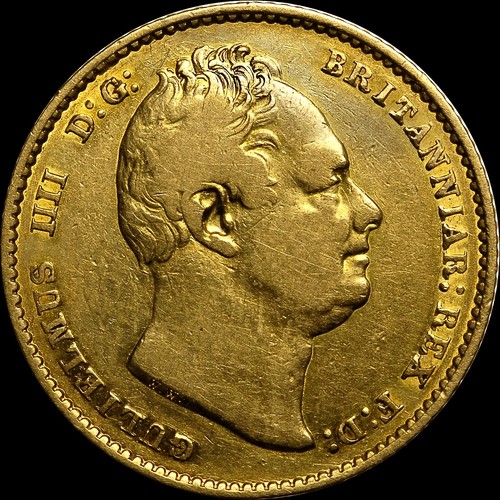
Sovereign of William IV
1831–1837
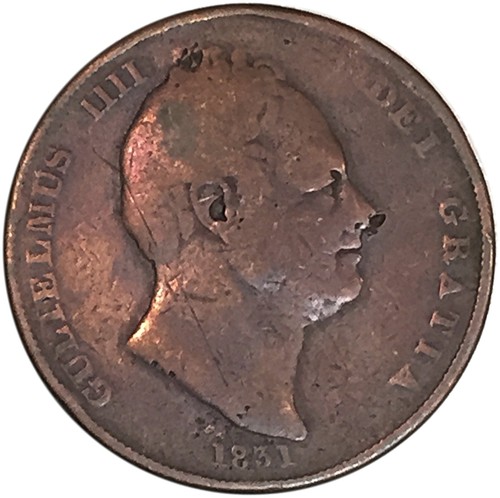
Penny of William IV
1831-1837
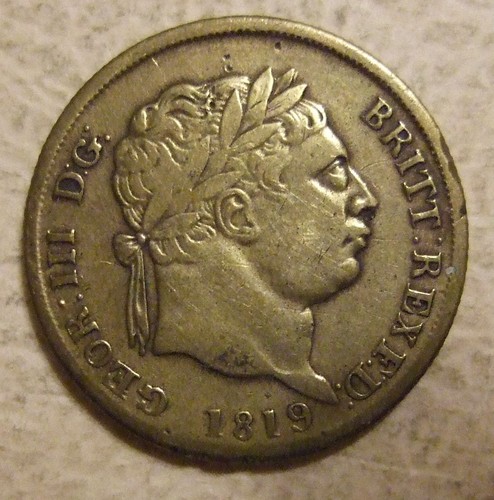
Shilling of George III
1816-1820
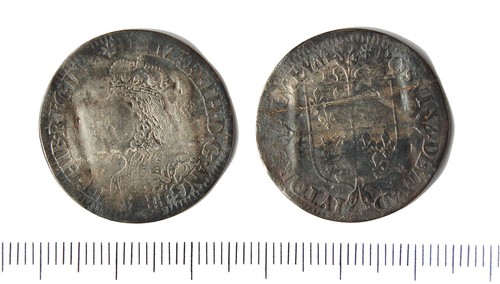
Milled Sixpence of Elizabeth I
1561-1571
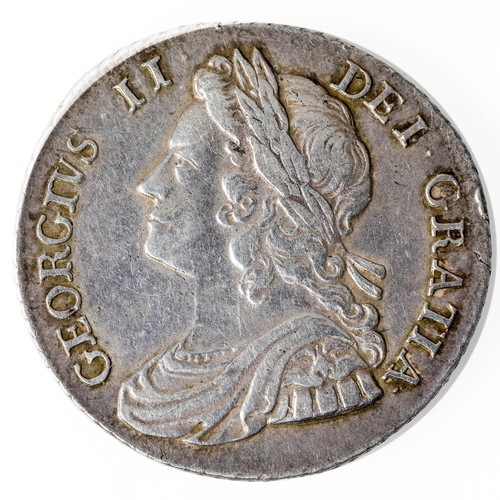
Shilling of George II
1727-1758
Shilling of Anne
1702-1714
Charles II Twopence
1660-1685
Charles II Half Crown
1660–1685