
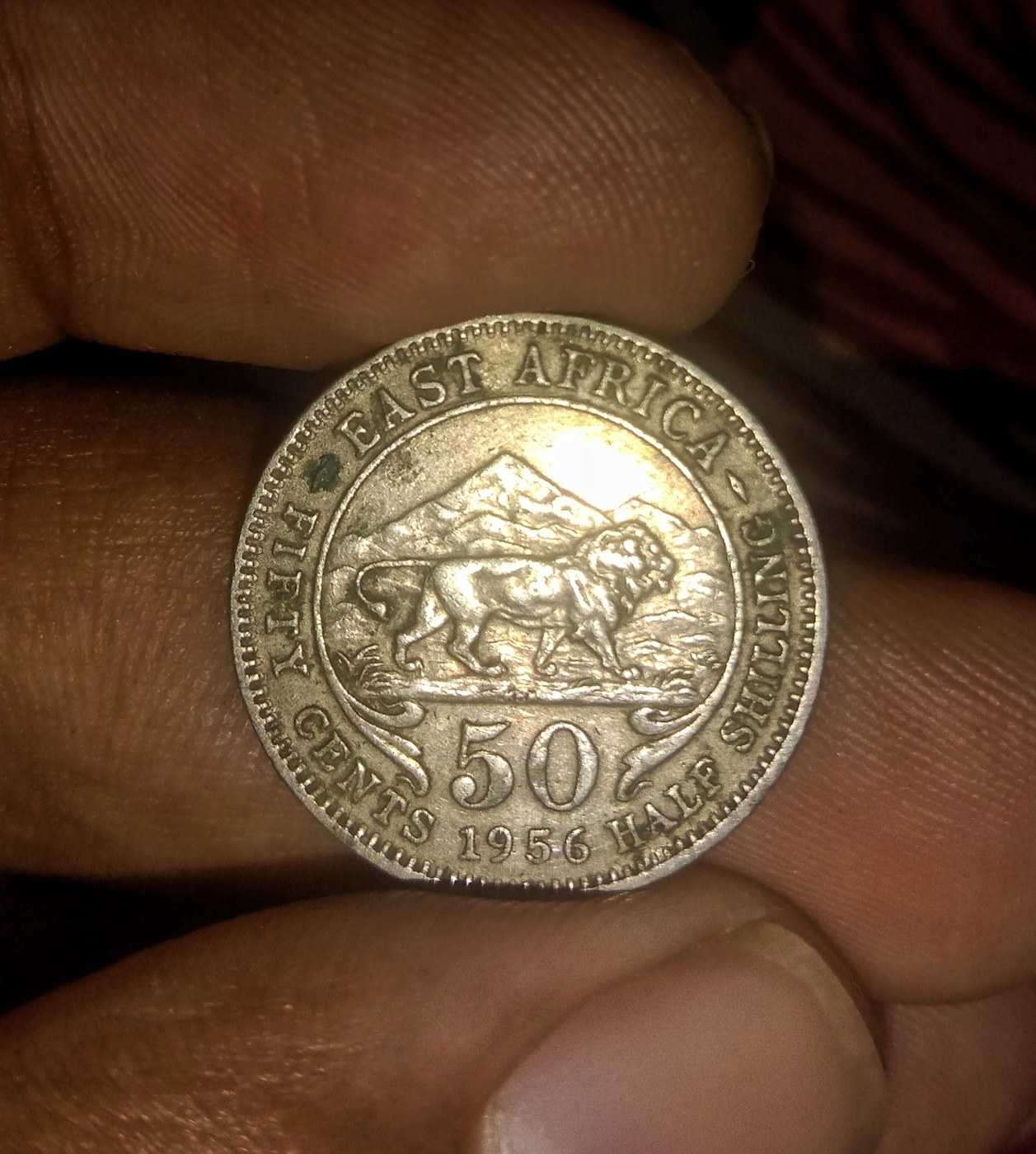
British East Africa Half Shilling
A small low-fineness silver coin of British East Africa bearing King George VI; the half shilling equalled fifty cents in the East African system.
- Country
- British East Africa
- Denomination
- Half Shilling
- Metal
- Silver
Got a coin like this?
Identify any coin from a photo, free.
Overview
The British East Africa half shilling is a small silver coin struck during the reign of King George VI (1936-1952) for the East African territories then under British administration. In this currency system one shilling was divided into 100 cents, so the half shilling was equal to fifty cents and served as a mid-range piece between the small base-metal cents and the full shilling.
The example shown carries the portrait of George VI facing left on the obverse and a crowned heraldic design — an armorial shield beneath a crown — on the reverse. It was struck in a low-fineness silver alloy typical of the region's silver denominations in this period, giving it a modest but genuine precious-metal content.
As a everyday circulating coin of a shared colonial currency, the half shilling is a familiar and collectible type for those interested in British Commonwealth, African, and George VI-era numismatics.
History & Background
For much of the first half of the twentieth century the British-administered territories of East Africa shared a common currency managed by a regional currency board rather than issuing separate national coins. Coinage was produced in the name of the region and circulated across the linked territories, giving the area a single, standardized money supply for trade and daily use.
Under George VI, who came to the throne in 1936, the silver denominations of this system — including the half shilling (fifty cents) — bore his crowned portrait. The coins were struck at British mints and shipped out for circulation, following the same design conventions used across contemporary Commonwealth coinage of the reign.
During the George VI period the region's higher silver coins were minted in a reduced-fineness alloy, reflecting wider wartime and mid-century economising on precious metal. Later issues of the denomination moved away from silver entirely toward base-metal compositions, but the piece shown here belongs to the silver phase of the reign.
How to Identify
The obverse shows the bare or crowned head of King George VI facing left, encircled by a legend naming the king. The reverse displays a crowned armorial design — a heraldic shield surmounted by a crown — together with the denomination and the issuing name and date. The stated value identifies the coin as a half shilling, equal to fifty cents in the East African hundred-cent shilling.
This is a small silver coin, considerably lighter and narrower than a crown or a full-size silver dollar, and it was struck in a low-fineness silver alloy rather than sterling. Expect the grey, softly toned surfaces of a circulating low-silver coin rather than the bright white of high-purity silver.
Key diagnostics are the left-facing George VI portrait, the crowned shield reverse, the 'half shilling' denomination paired with the fifty-cent equivalence, and a date falling within 1936-1952. Confirm the reading of the legends and match the design to published references for the region's George VI silver coinage rather than relying on general appearance alone.
Value & Collectibility
Value for the British East Africa half shilling rests on a combination of its low-fineness silver content and collector demand for George VI colonial types. Because the coin is small and only partly silver, its intrinsic metal value is modest, so condition and eye appeal are the main drivers for most examples.
Well-struck coins with sharp portrait and shield detail, original surfaces, and pleasing tone bring more than worn, cleaned, or damaged pieces. Individual dates within the reign vary in availability, and scarcer years or higher grades command premiums over common circulated coins, which trade at modest collector levels.
Exact prices depend on the specific date, grade, and where a coin is sold, so figures are best treated as ranges rather than fixed values. For better examples, professional grading or an expert opinion helps confirm authenticity and place a coin accurately within the market.
Frequently asked questions
What is the British East Africa half shilling?
It is a small silver circulating coin of the British-administered East African territories, struck under King George VI and equal to fifty cents in the region's hundred-cent shilling system.
Is the half shilling the same as fifty cents?
Yes. In the East African currency one shilling equalled 100 cents, so the half shilling was worth fifty cents, and the two descriptions refer to the same denomination.
Who is on the front of the coin?
The obverse bears the portrait of King George VI facing left, who reigned from 1936 to 1952, the period to which this coin belongs.
Is the coin made of pure silver?
No. Coins of this type were struck in a low-fineness silver alloy rather than sterling, so they contain genuine but limited silver and show the softly toned look of a low-silver circulating coin.
Are these coins valuable?
They carry modest silver and collector value; price depends chiefly on date, grade, and eye appeal, with scarcer years and well-preserved examples bringing premiums over common circulated coins.
British East Africa Half Shilling guides
In-depth guides for identifying, valuing, and collecting British East Africa Half Shilling.
Other coins you may enjoy
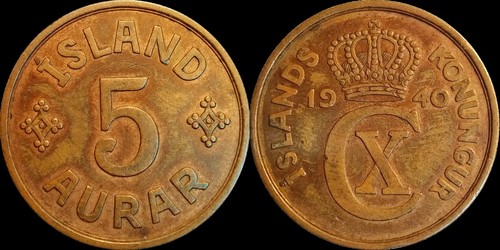
5 Aurar
1926-1942
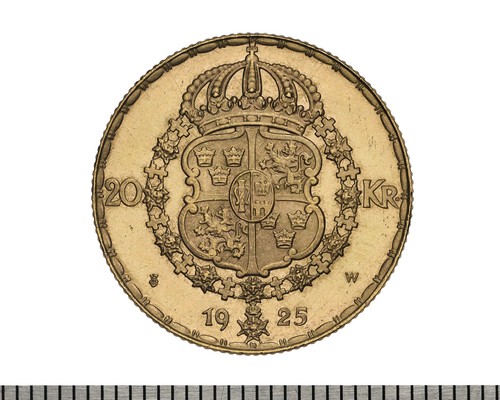
20 Kronor
1925 (denomination struck 1873-1925)
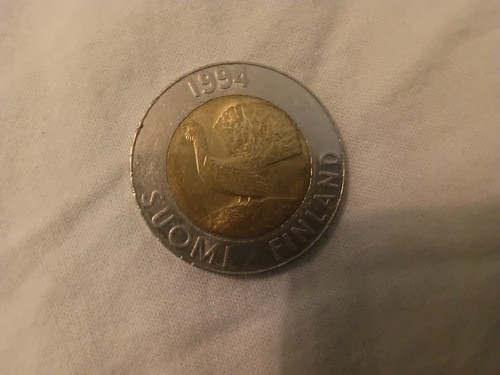
10 Markka
1993–2001
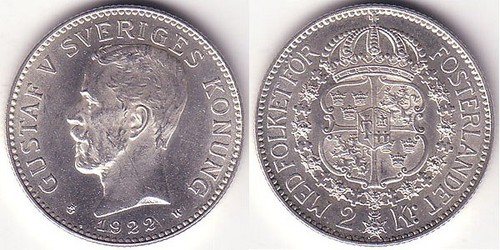
2 Kronor
1910-1940 (this example dated 1922)
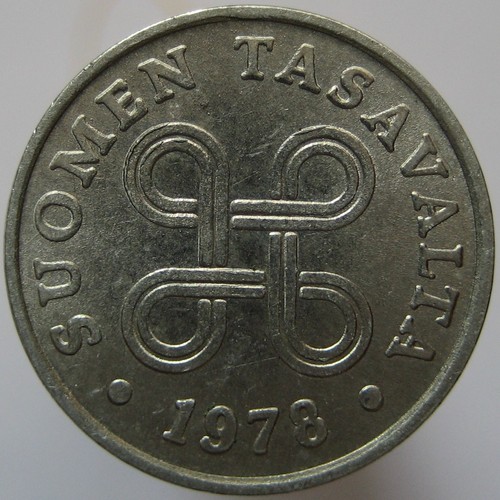
1 Penni
1969–1979
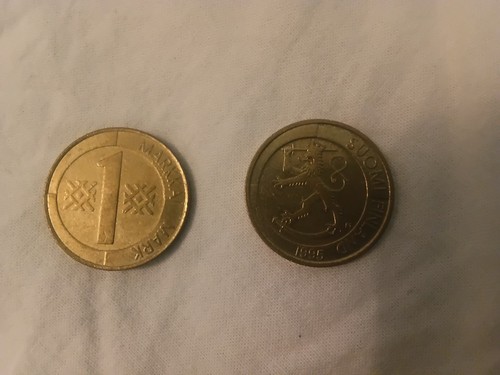
1 Markka
1993–2001
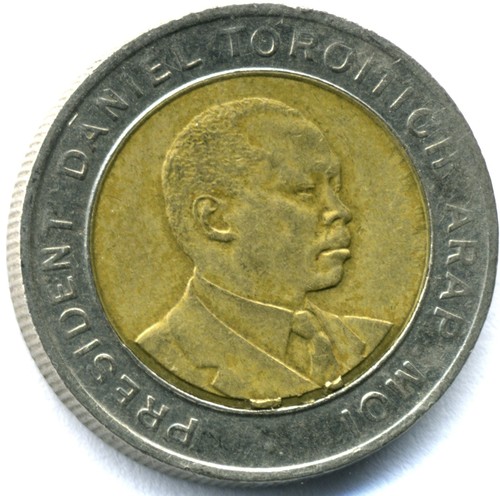
Kenya 5 Shillings
Bimetallic issues (2005–2010)
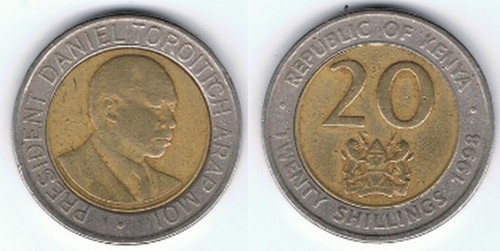
Kenya 20 Shillings
Modern issue (late 1990s–2000s)
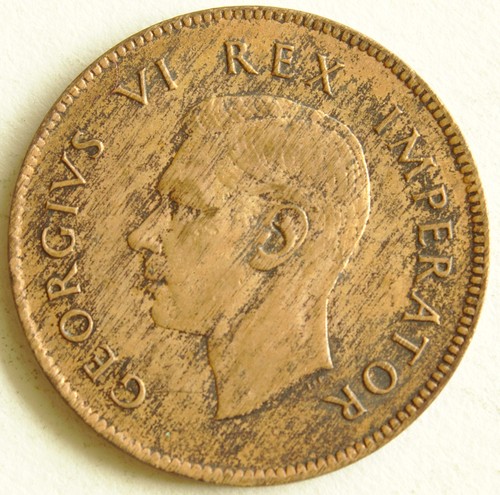
South Africa Farthing
1923-1960
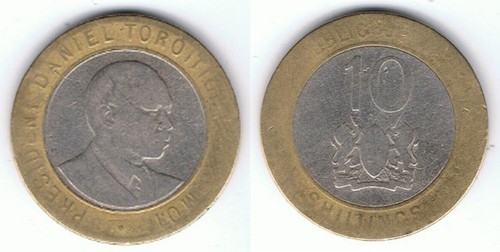
Kenya 10 Shillings
Republic of Kenya, bimetallic issues (mid-1990s to c. 2010)
Gold Sovereign
1817–present
Henri V Five Francs
1831