
How to Identify the British East Africa Half Shilling
A collector's guide to identifying the George VI British East Africa half shilling by its portrait, crowned shield reverse, small silver flan, and look-alikes.
Read the full British East Africa Half Shilling encyclopedia entry →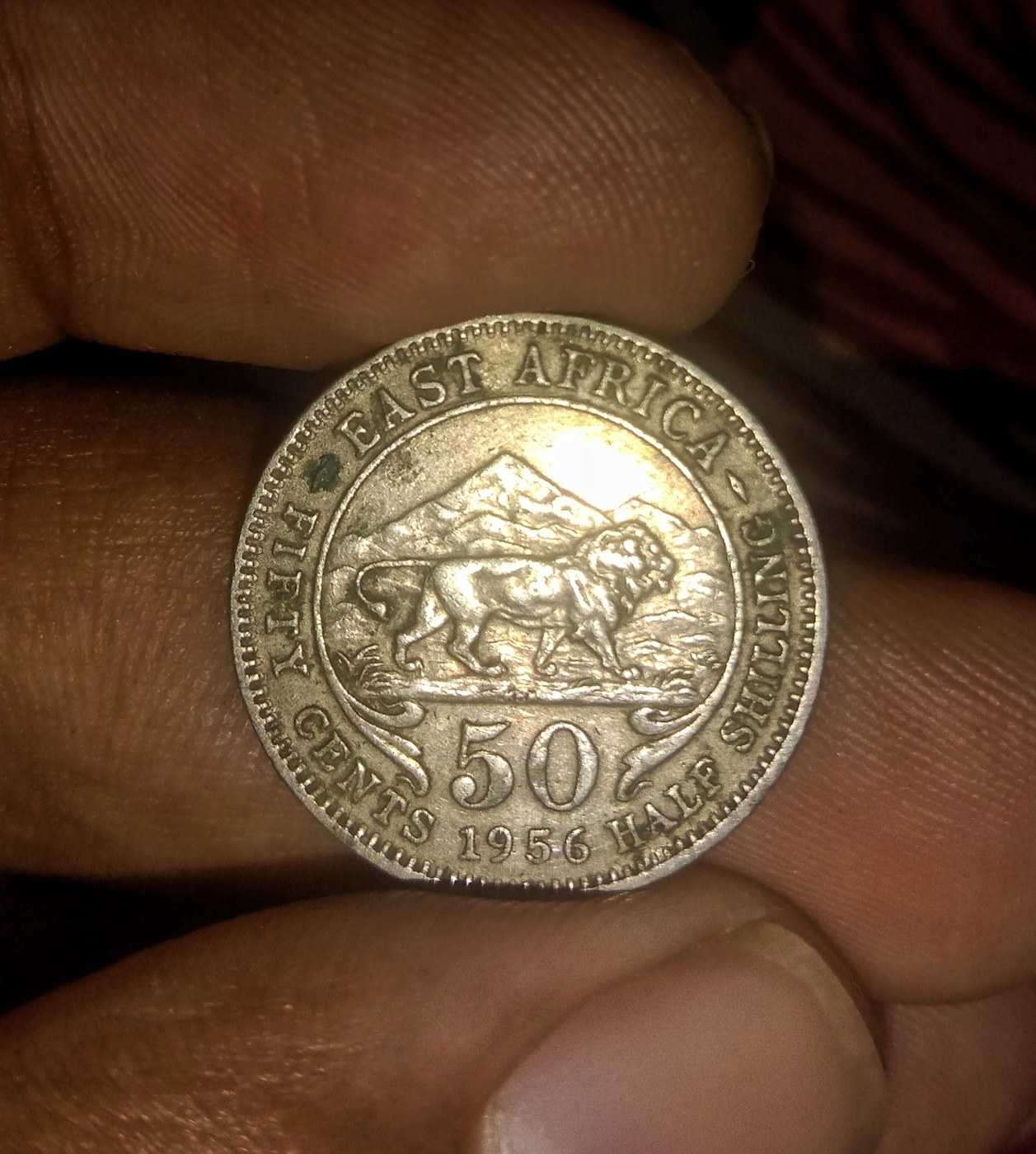
What This Coin Is
The British East Africa half shilling is a small George VI-era silver coin from the British-administered East African territories, where one shilling equalled 100 cents and the half shilling therefore equalled fifty cents. Identifying one starts with recognizing a small, low-fineness silver coin bearing a left-facing portrait of King George VI paired with a crowned heraldic reverse and a date between 1936 and 1952.
Reading the Obverse
The obverse centers on the head of George VI facing left, ringed by a legend that names the king. The style of the portrait and the wording of the royal titles are consistent with Commonwealth coinage of his reign, so they are useful confirmation points. Read the legend rather than judging by the bust alone, since many George VI colonial coins share a similar profile.
Reading the Reverse
The reverse shows a crowned armorial design — a heraldic shield beneath a crown — accompanied by the denomination, the issuing name, and the date. Confirm that the value reads as a half shilling (fifty cents); the pairing of that denomination with the crowned shield and the East African issuing name is the core attribution clue that separates this piece from other British colonial half-units.
Size, Metal, and Fabric
This is a small, light silver coin struck in a reduced-fineness alloy, not sterling, so it is considerably smaller than a crown or dollar-size coin and shows the muted grey toning of a low-silver piece rather than bright white metal. Weigh and measure any candidate and compare against published specifications for the type; a coin that is markedly off in weight or diameter, or that looks like plain base metal, warrants a closer look, since later issues of the denomination were struck in non-silver compositions.
Look-Alikes and Authentication Cautions
Other George VI colonial silver coins carry very similar left-facing portraits and can be mistaken for this type if the reverse and legends are not checked, so always confirm the denomination and the issuing name. The region's full shilling shares the design family but is larger, so verify size and value together. Because George VI silver is widely collected, be alert to cleaned or tooled surfaces, altered dates, and cast copies (seams, bubbles, soft detail); for anything of value, match the coin to a standard reference for the region's George VI coinage or seek professional authentication.
Frequently asked questions
How do I tell the half shilling from the full shilling?
They share a similar design family, so check the stated value and the size — the half shilling reads as fifty cents and is distinctly smaller and lighter than the full shilling.
How can I confirm the coin is from the George VI reign?
Look for the left-facing George VI portrait and royal legend on the obverse and a date between 1936 and 1952; both together confirm the reign.
How is this coin distinguished from other British colonial half-units?
Read the reverse legend for the East African issuing name and the half shilling value paired with the crowned shield; the combination separates it from similar George VI coins of other territories.
What are common signs of a fake or altered coin?
Casting seams, surface bubbles, soft or mushy detail, incorrect weight or diameter, altered dates, and unnaturally bright or smoothed surfaces are all warning signs worth checking on a small silver coin.