
Coin Encyclopedia
Search and identify coins from around the world — with country, denomination, metal, mint, history, and how to tell them apart.
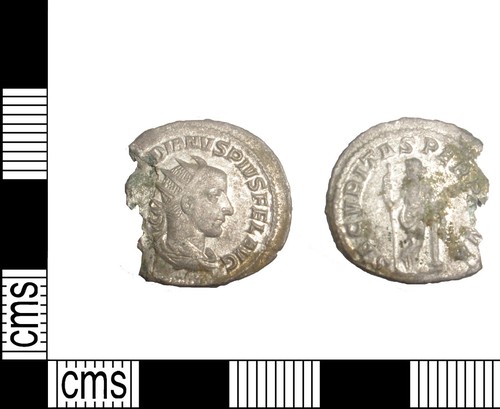
Antoninianus of Gordian III
Silver double-denarius of the young emperor Gordian III (238-244 AD), marked by his radiate crown and a standing deity on the reverse.
Ancient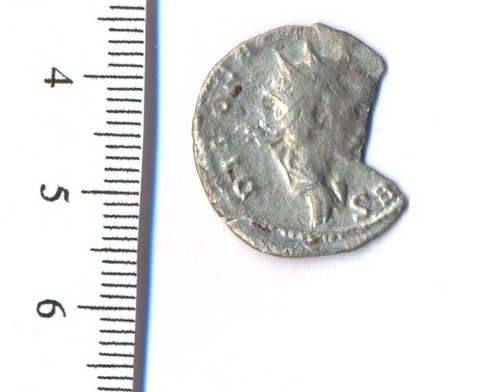
Antoninianus of Valerian II
Roman radiate coin of Valerian II, the young Caesar (c. 253-260 AD), showing his spiked crown and a standing figure on the reverse.
Ancient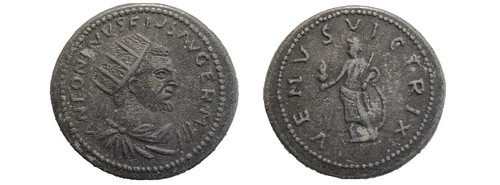
Antoninianus of Caracalla
The antoninianus introduced by Caracalla around AD 215, a radiate-crowned double denarius in debased silver that reshaped Roman coinage.
Ancient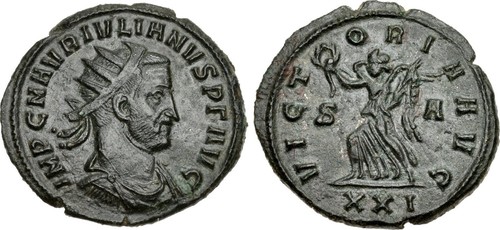
Antoninianus of Julian of Pannonia
Copper-alloy radiate antoninianus attributed to Julian of Pannonia, with a spiked-crown portrait and an ORIENTIS RESTIT standing-figure reverse.
Ancient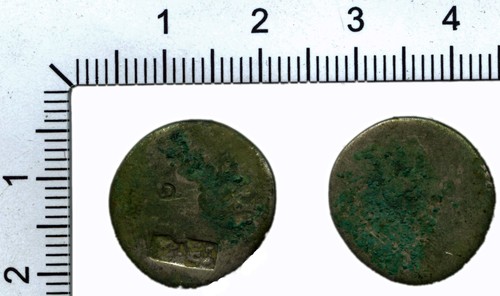
Mark Antony Legionary Denarius
Silver denarius struck by Mark Antony in 32-31 BC to pay his army and fleet; reverse aquila between two standards, this example countermarked IMP VES.
Ancient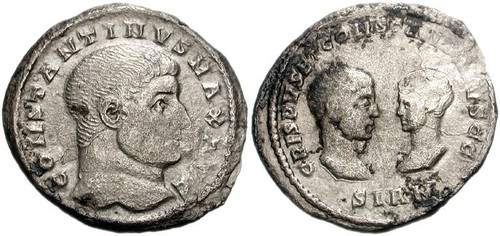
Follis of Constantine I and Crispus
A late-Roman bronze follis linking Constantine the Great to his son Crispus, with the emperor's right-facing portrait and a paired father-and-son bust reverse.
Ancient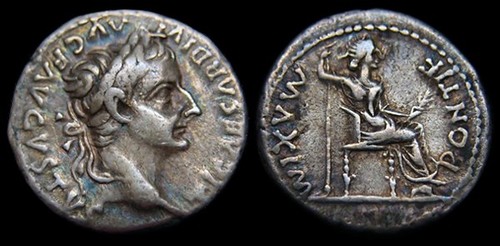
Denarius of Tiberius (Tribute Penny)
Silver denarius of Emperor Tiberius (14–37 AD), obverse his laureate head, reverse a seated female figure — the famous "Tribute Penny" of the Gospels.
Ancient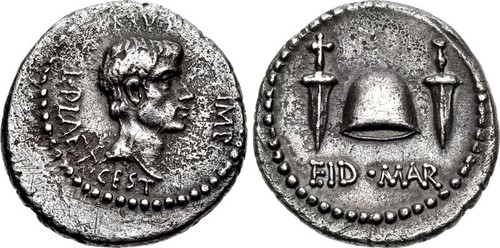
Brutus & Plaetorius Denarius
The silver EID MAR denarius: M. Junius Brutus on the obverse, a Phrygian cap between two daggers and EID MAR on the reverse, struck 42 BC.
Ancient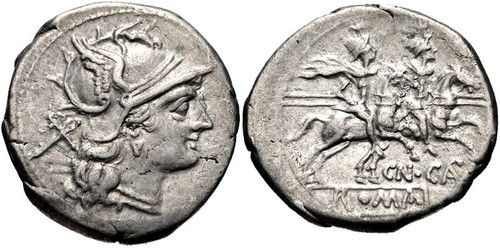
Calpurnia Denarius
Silver Roman Republican denarius of the Calpurnia gens: a right-facing male head on the obverse and a galloping horseman with inscription on the reverse.
Ancient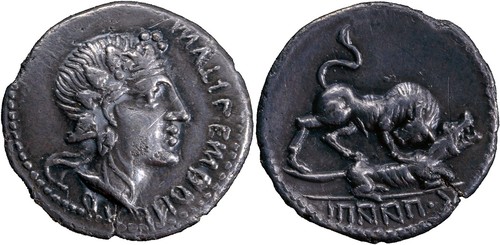
Denarius of C. Papius Mutilus
Silver denarius bearing the name C PAPIUS MUTILUS, a Social War-era Italic type of c. 90 BC with a portrait bust and a horseman or chariot reverse.
Ancient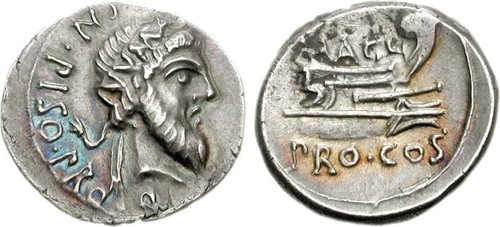
Denarius of Cn. Pompeius Magnus
Silver Roman Republican denarius of the Pompeian party (46–45 BC), with a bearded portrait of Pompey the Great and a galley reverse reading PRO COS.
Ancient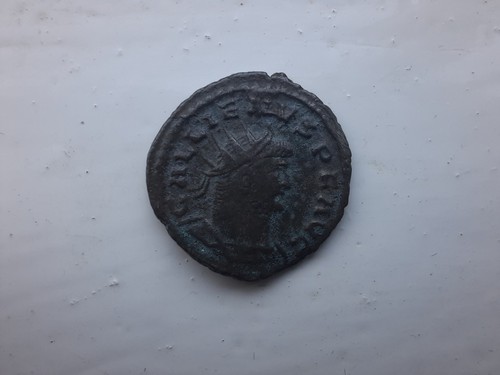
Antoninianus of Gallienus
Billon double-denarius of the emperor Gallienus, marked by a radiate crown; this piece shows a radiate male head and a standing deity on the reverse.
Ancient Coins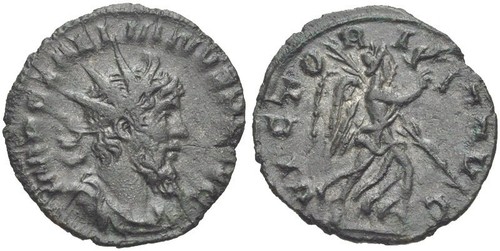
Antoninianus of Laelianus
Rare billon antoninianus of the short-lived Gallic usurper Laelianus, showing his radiate-crowned bust and a Roman deity or personified virtue.
Ancient Coins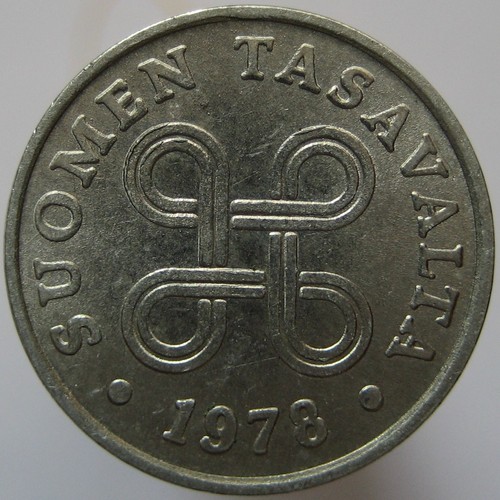
1 Penni
Finland's smallest post-1963 coin: a tiny light base-metal piece with a bold numeral 1 and SUOMI on the front and a geometric line pattern on the back.
World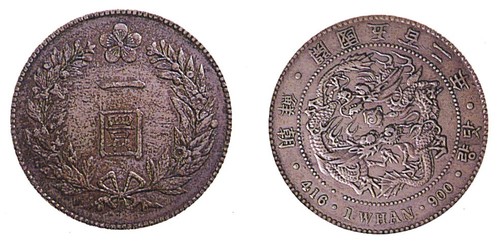
1 Hwan
A late-Joseon Korean bronze coin of one hwan, carrying a chrysanthemum-and-cartouche obverse and a traditional dragon motif with East Asian characters on the reverse.
Historic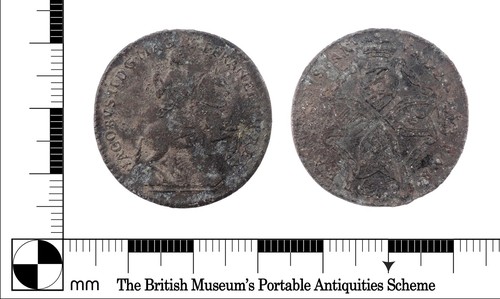
American Plantations Token
A 1688 tin token struck under James II for England's American colonies, valued at 1/24 of a Spanish real — the first regal-authorized coinage for British America.
Colonial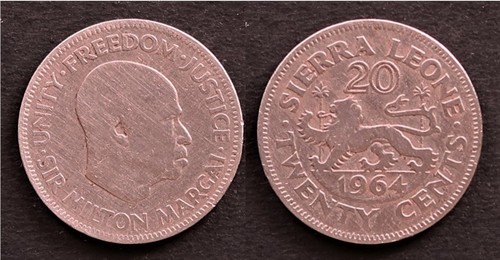
Sierra Leone 20 Cents
A 1964 Sierra Leone 20 cents from the country's first decimal coinage, showing a portrait profile on one side and the national coat of arms with its lion on the other.
World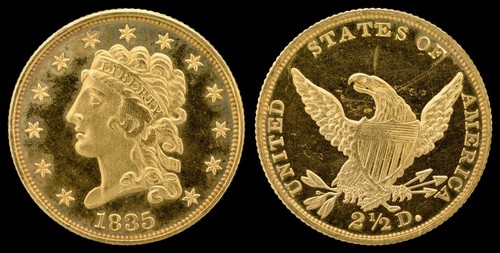
Classic Head Quarter Eagle
U.S. $2.50 gold coin struck 1834–1839, with a band-bound Liberty head obverse and a shield-breasted eagle reverse marked "2½ D."
Quarter Eagle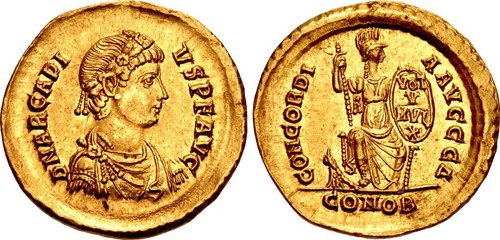
Solidus of Arcadius
A late Roman gold solidus struck for Arcadius, first emperor of the East after AD 395, showing his diademed profile facing right.
Ancient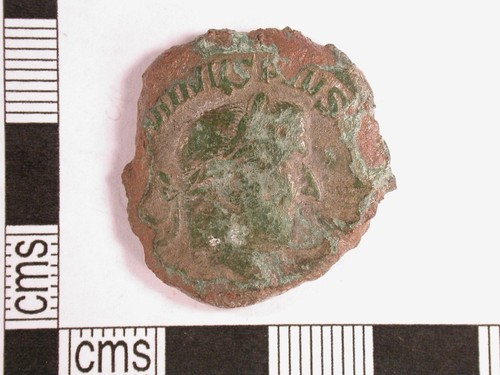
Sestertius of Maximinus Thrax
Large Roman bronze sestertius of Maximinus Thrax (235-238 AD), the first soldier-emperor, with a laureate bust facing right.
Ancient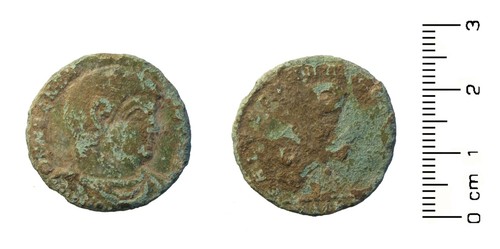
Nummus of Magnentius
A late Roman bronze struck for the usurper Magnentius (AD 350-353), noted for its bold bare-headed portrait and large Chi-Rho reverses.
Ancient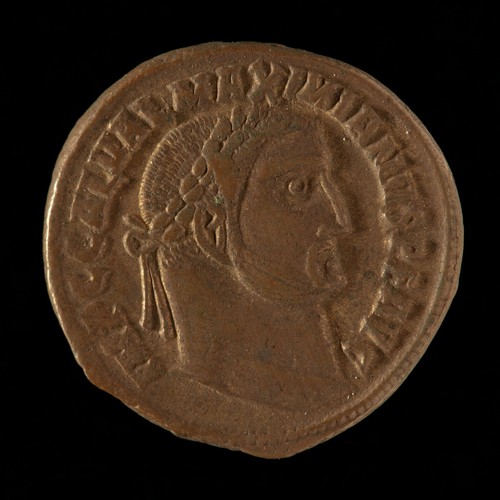
Follis of Galerius
A large silvered bronze follis of the emperor Galerius (Augustus AD 305-311), struck across the Tetrarchic mints with a laureate portrait and a standing deity reverse.
Ancient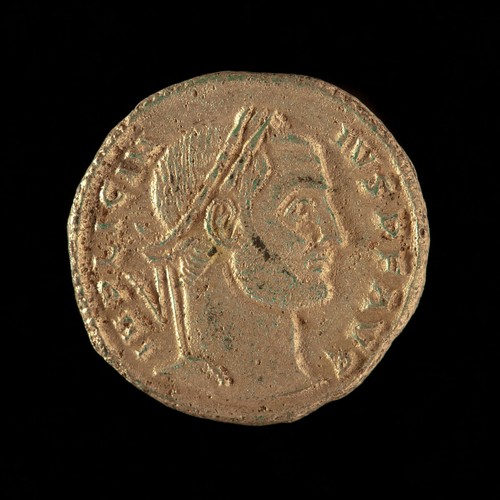
Follis of Licinius I
A small bronze follis of the emperor Licinius I (AD 308-324), showing his portrait and a standing deity reverse, struck around AD 320-321.
Ancient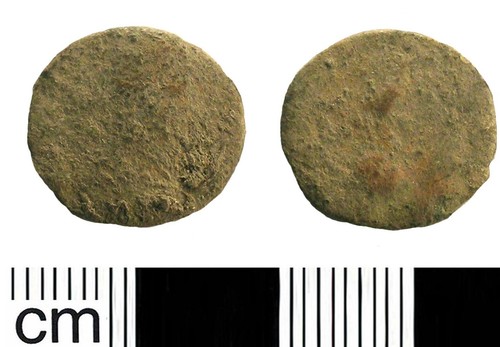
Half Centenionalis of Constans or Constantius II
A small mid-4th-century Roman bronze attributed to Constans or Constantius II, sons of Constantine the Great, worn but identifiable by its imperial portrait and era.
Ancient