
Calpurnia Denarius
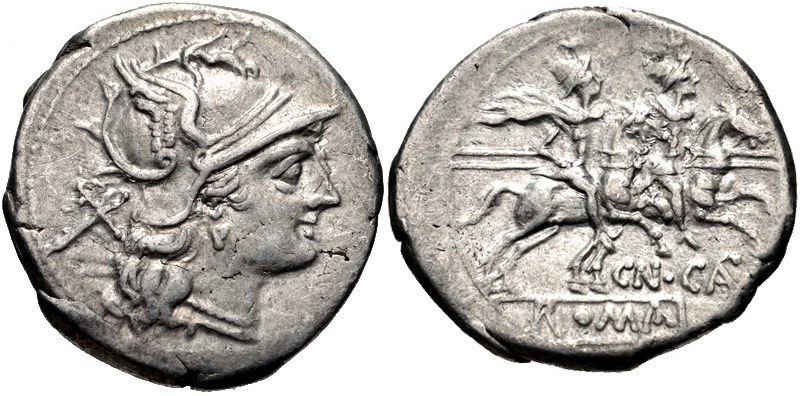
Silver Roman Republican denarius of the Calpurnia gens: a right-facing male head on the obverse and a galloping horseman with inscription on the reverse.
- Country
- Roman Republic
- Denomination
- Denarius
- Metal
- Silver
Got a coin like this?
Identify any coin from a photo, free.
Overview
This is a silver denarius of the Roman Republic issued by a moneyer of the Calpurnia gens, one of the prominent families that controlled the striking of Roman coinage in the late second and first centuries BC. The type shown here follows the standard late-Republican denarius format, with a right-facing male head on the obverse and a mounted figure on the reverse accompanied by an inscription.
The most familiar Calpurnia denarius, and the one matching this design, is the issue of Lucius Calpurnius Piso Frugi, struck around 90 BC. Its obverse carries a laureate head of Apollo facing right, and its reverse shows a horseman galloping, usually holding a palm branch or torch, with the moneyer's name and ROMA in the field or exergue. As with all Roman Republican silver, each coin was struck by hand from individually engraved dies, so the example pictured is a single survivor of a very large ancient issue.
History & Background
The Calpurnii were an old plebeian family that produced consuls, censors, and moneyers across the Republic. Roman moneyers, the tresviri monetales, were junior magistrates responsible for overseeing the mint, and they used the coinage to advertise their family names and ancestral achievements. A Calpurnius striking a denarius was both funding the state, chiefly to pay soldiers and public expenses, and promoting his own name before a political career.
The Piso Frugi denarius of about 90 BC was produced in enormous quantity, coined to help finance Rome's military needs around the outbreak of the Social War, when Rome fought its Italian allies. Because the issue was so large, it was struck from a great many dies, each marked with small control symbols, letters, or numerals that allowed the mint to track production. This is why surviving examples show an almost bewildering range of tiny control marks.
The head of Apollo and the galloping horseman are usually connected to the Ludi Apollinares, the games in honor of Apollo, which tradition held were founded by an ancestor of the moneyer. The imagery thus served as family propaganda, linking the Calpurnii to a celebrated Roman religious festival.
How to Identify
Look for a small, hand-struck silver coin in the size and weight range of a Republican denarius, broadly on the order of about 3.5 to 4 grams and roughly the diameter of a small modern coin. Ancient hammered flans are often slightly irregular and off-center, which is normal.
The obverse shows a right-facing male head, on the classic Calpurnia type a laureate head of Apollo, sometimes with small control symbols or letters in the field. The reverse shows a nude or lightly draped horseman galloping, commonly right, often carrying a palm branch or a torch, with the moneyer's name such as an abbreviated form of Piso Frugi and the legend ROMA. The exact control marks vary from die to die and are not a sign of a different coin.
Because so many dies and control marks were used, no two examples are identical in their minor details. Focus on the core design, an Apollo-style head paired with a galloping rider and a Republican legend, rather than trying to match every tiny mark. Attributing a specific variety usually means matching the control marks against a specialist catalogue such as Crawford.
Value & Collectibility
The common Calpurnia denarii, especially the Piso Frugi issue, were struck in huge numbers and remain among the more affordable Roman Republican silver coins. Well-worn but clearly identifiable examples are widely available, while sharply struck, well-centered, and attractively toned pieces command a premium. Values are best understood as a range driven by condition, centering, and eye appeal rather than any single fixed price.
Condition matters more than rarity for the ordinary varieties. A coin with a full, well-centered rider and clear legends is worth considerably more than a worn or off-center piece, even though both share the same design. Certain scarcer control-mark combinations and unusual varieties can carry higher premiums with collectors who specialize in the series.
As with any ancient coin, authenticity and surface quality strongly affect value. Deposits, tooling, or harsh cleaning reduce desirability. For a meaningful valuation, compare against recent specialist auction results for the same type and grade, and treat any single asking price with caution.
Frequently asked questions
Who is on the obverse of the Calpurnia denarius?
On the classic Piso Frugi type the obverse shows a laureate head of the god Apollo facing right. It is a divine portrait rather than a real person, which was standard for Roman Republican coinage of the period.
What is the horseman on the reverse?
The reverse shows a galloping horseman, usually holding a palm branch or torch. The image is generally linked to the Ludi Apollinares, the games in honor of Apollo that the moneyer's family claimed to have founded, and it appears alongside the moneyer's name and ROMA.
Why are there so many small symbols and numbers on these coins?
The Piso Frugi issue was struck from a very large number of dies, each marked with control symbols, letters, or numerals so the mint could track output. These marks vary from coin to coin and do not indicate a different type.
Is the Calpurnia denarius rare?
The common Piso Frugi type is not rare; it was produced in great quantity and survives in large numbers. Certain control-mark varieties and finer conditions are scarcer and more sought after by specialists.
How much is a Calpurnia denarius worth?
Values vary widely with condition. Worn but identifiable examples are among the more affordable ancient silver coins, while well-centered, sharply struck pieces bring a premium. Compare recent auction results for the same type and grade rather than relying on a single price.
Calpurnia Denarius guides
In-depth guides for identifying, valuing, and collecting Calpurnia Denarius.
Other coins you may enjoy
Tetradrachm of Ptolemy XII
80-51 BC
Tetradrachm of Ptolemy I
305-283 BC
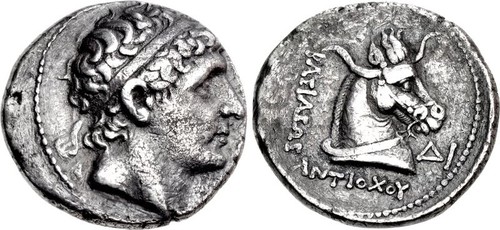
Tetradrachm of Antiochos I Soter
281-261 BC
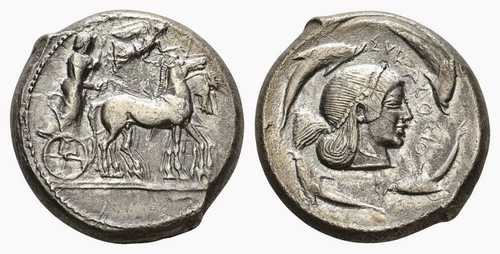
Syracuse Tetradrachm
c. 5th-4th century BC (Classical period)
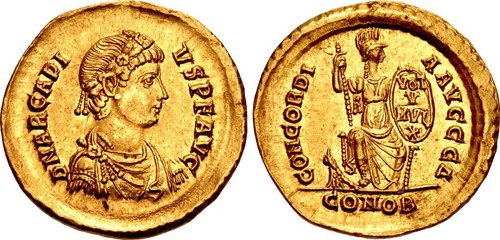
Solidus of Arcadius
AD 395-402
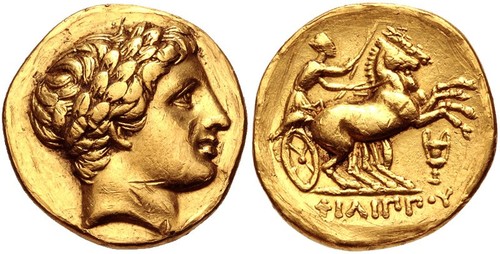
Philip III Gold Stater
323-317 BC
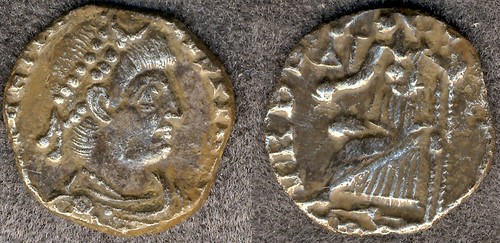
Siliqua of Gratian
AD 367-383
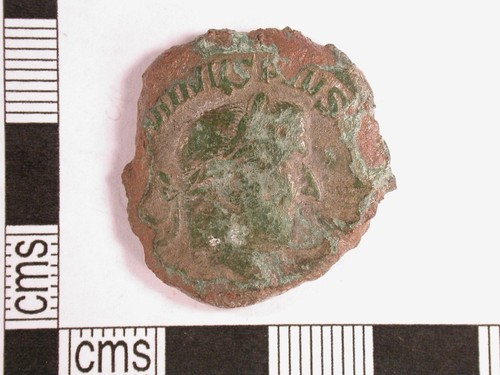
Sestertius of Maximinus Thrax
235-238 AD
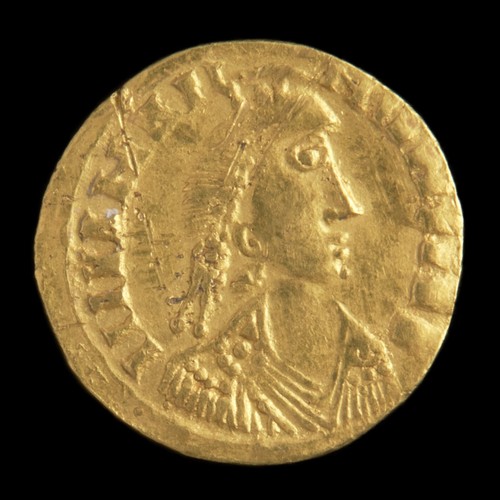
Solidus of Valentinian III
AD 425-455
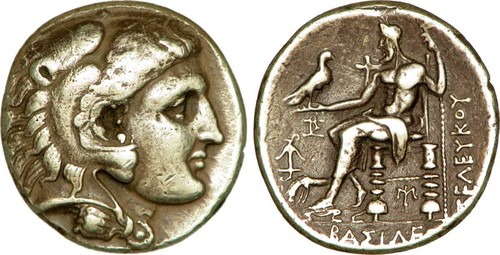
Seleucus I Nicator Tetradrachm
Late 4th-3rd century BC
Nummus of Magnentius
AD 350-353
Follis of Galerius
AD 308-310