
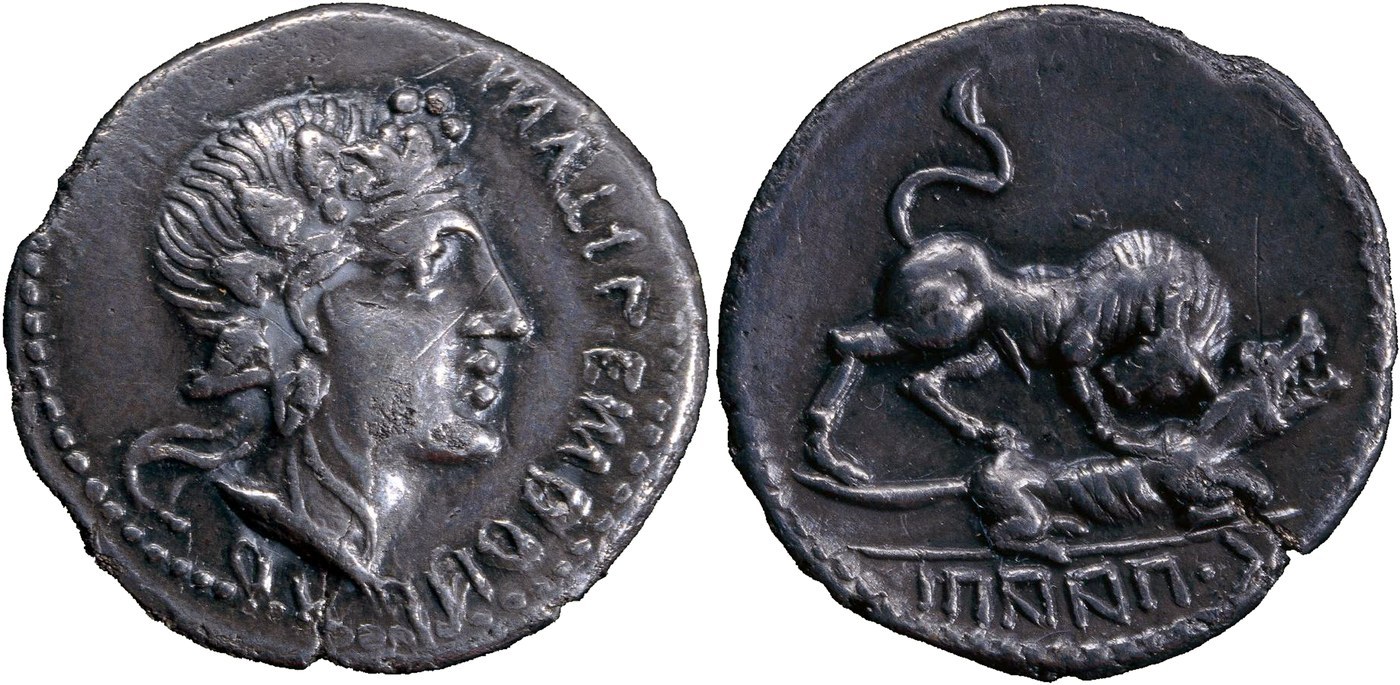
Denarius of C. Papius Mutilus
Silver denarius bearing the name C PAPIUS MUTILUS, a Social War-era Italic type of c. 90 BC with a portrait bust and a horseman or chariot reverse.
- Country
- Roman Republic
- Denomination
- Denarius
- Metal
- Silver
Got a coin like this?
Identify any coin from a photo, free.
Overview
This is a silver denarius carrying the inscription C PAPIUS MUTILUS, a name tied to the leadership of the Italic allies who revolted against Rome in the Social War of 91–88 BC. Gaius Papius Mutilus was a Samnite commander of that rebellion, and coins bearing his name belong to the insurgent Italian coinage struck in the manner of the Roman denarius. Such pieces are conventionally catalogued alongside Roman Republican silver even though they were issued by the breakaway confederation rather than by Rome itself.
The coin shown here presents a portrait bust on the obverse beside the legend C PAPIUS MUTILUS, and on the reverse a figure shown on horseback or in a chariot. It is a small, hand-struck silver piece of standard denarius size and weight, made to circulate on equal footing with contemporary Roman denarii. Because these Social War issues were produced briefly and in limited quantity, they are scarce and historically significant relics of Italy's war for citizenship and independence from Rome.
History & Background
The Social War (Latin: Bellum Sociale, from socii, "allies") erupted in 91 BC when the Italic peoples who had fought alongside Rome for generations rose up to demand Roman citizenship and equal rights. A confederation of rebel states organized its own government and army, and among its principal leaders was the Samnite general Gaius Papius Mutilus, whose name appears on this coinage.
To pay their troops and assert their sovereignty, the allied states struck their own silver coinage on the Roman denarius standard, sometimes with Latin legends and sometimes in the Oscan language and alphabet. These issues borrowed the size, weight, and general format of the Roman denarius so they could pass in the same hand-to-hand economy, while their imagery and inscriptions proclaimed the identity of the Italian cause and its commanders.
The war ended by 88 BC after Rome extended citizenship to the Italians, and the rebel coinage ceased with it. Because the confederation minted for only a few years under wartime pressure, denarii naming leaders such as Papius Mutilus survive in small numbers and are prized as tangible evidence of one of the defining conflicts of the late Roman Republic.
How to Identify
The decisive feature is the inscription C PAPIUS MUTILUS, which names the Samnite leader and sets this apart from the many Roman moneyer denarii of the same era. The coin is silver, hand-struck, and of standard denarius module, roughly 17–20 mm across and near 3.5–4 grams, with the slightly irregular flan and off-center strike typical of ancient dies.
The obverse carries a portrait bust accompanied by the legend. The reverse of this example shows a figure on horseback or driving a chariot, a martial motif in keeping with the military character of the Social War issues. Surfaces should show the toned gray of ancient silver and genuine wear from circulation and burial, not the crisp uniform sharpness of a modern strike.
Because the insurgent coinage imitated Roman denarii, expect the same overall look and feel as a Republican denarius; the name in the legend, not the general style, is what identifies it. Any attribution should be confirmed against a standard reference and, given the rarity and value of these types, ideally by a specialist in Roman Republican and Italic coinage.
Value & Collectibility
Social War denarii tied to named Italic commanders are scarce and carry substantial collector interest, far above the level of common Roman Republican moneyer denarii. As a historically important and limited wartime issue, a genuine, correctly attributed example can be a significant purchase, with realized prices commonly ranging into the hundreds and, for well-preserved or especially desirable specimens, well into the thousands of dollars.
Condition, centering, completeness of the legend, and clear attribution are the main value drivers. A worn or partially struck piece with an unclear inscription will sell for far less than a sharp, well-centered example on a full flan, and provenance from a recognized collection or auction adds confidence and premium.
Because values are high and demand is strong, these coins are frequently faked or misattributed. Any figure quoted here is general context rather than a firm appraisal; a specific coin should be valued by a specialist after authentication, since a modern forgery or a misidentified Roman type is worth a small fraction of a genuine Social War denarius.
Frequently asked questions
Who was C. Papius Mutilus?
Gaius Papius Mutilus was a Samnite general and one of the leaders of the Italic allies during the Social War of 91–88 BC, when the Italian peoples revolted against Rome to win citizenship and equal rights.
Is this a Roman coin or a rebel coin?
It was struck by the insurgent Italian confederation, not by Rome, but on the Roman denarius standard and in Roman format. Such issues are conventionally studied and catalogued alongside Roman Republican silver.
Why does it look like a normal Roman denarius?
The rebels deliberately used the same size, weight, and silver standard as the Roman denarius so their coinage could circulate freely. The name in the legend, here C PAPIUS MUTILUS, is what marks it as a Social War issue.
Are these coins rare?
Yes. The Italian confederation minted for only a few wartime years in limited quantity, so denarii naming leaders such as Papius Mutilus are scarce and historically prized.
How much is one worth?
Genuine examples typically range from the hundreds into the thousands of dollars depending on condition, centering, and attribution. Because values are high and fakes exist, any real coin should be appraised by a specialist after authentication.
Denarius of C. Papius Mutilus guides
In-depth guides for identifying, valuing, and collecting Denarius of C. Papius Mutilus.
Other coins you may enjoy
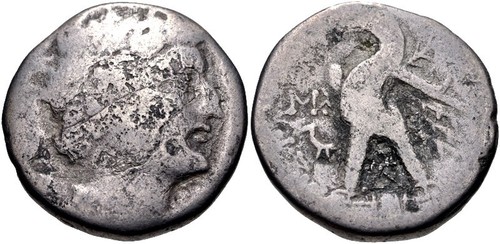
Tetradrachm of Ptolemy XII
80-51 BC
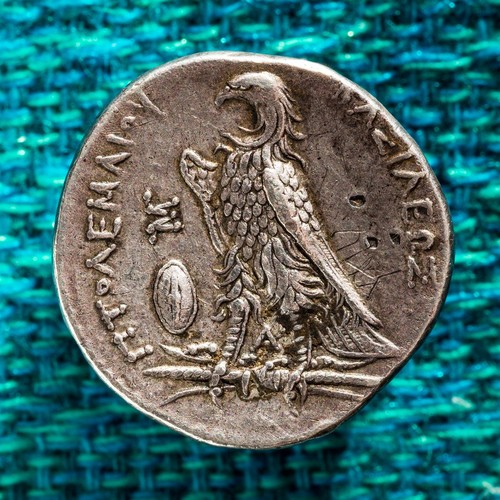
Tetradrachm of Ptolemy I
305-283 BC
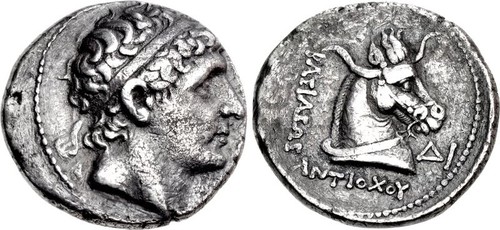
Tetradrachm of Antiochos I Soter
281-261 BC
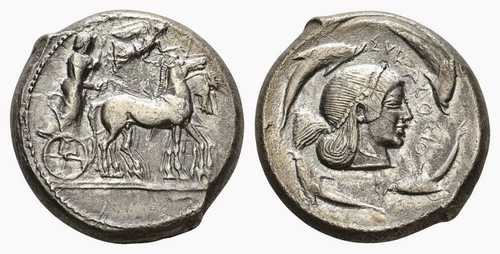
Syracuse Tetradrachm
c. 5th-4th century BC (Classical period)
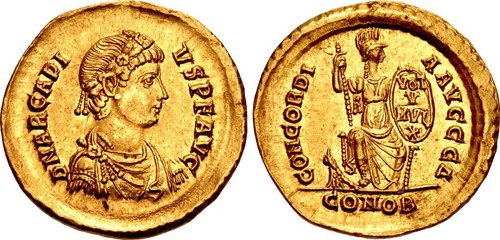
Solidus of Arcadius
AD 395-402
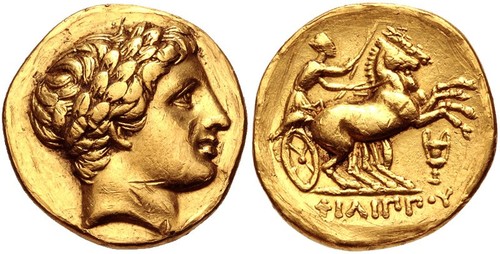
Philip III Gold Stater
323-317 BC
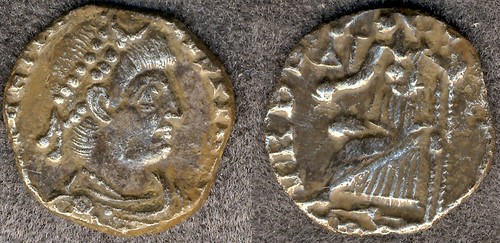
Siliqua of Gratian
AD 367-383
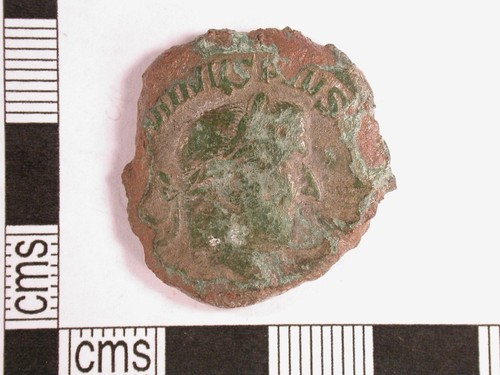
Sestertius of Maximinus Thrax
235-238 AD
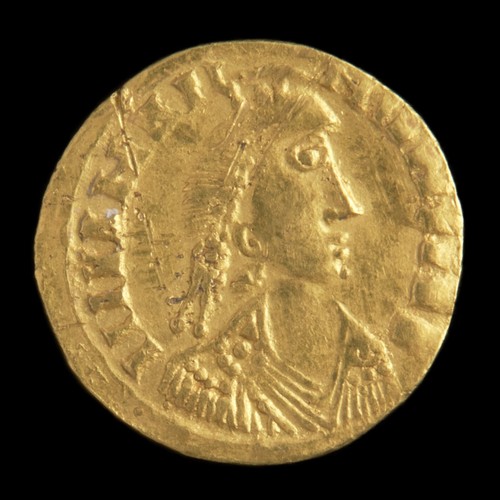
Solidus of Valentinian III
AD 425-455
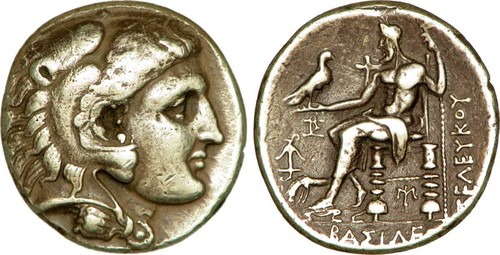
Seleucus I Nicator Tetradrachm
Late 4th-3rd century BC
Nummus of Magnentius
AD 350-353
Follis of Galerius
AD 308-310