
Coin Encyclopedia
Search and identify coins from around the world — with country, denomination, metal, mint, history, and how to tell them apart.
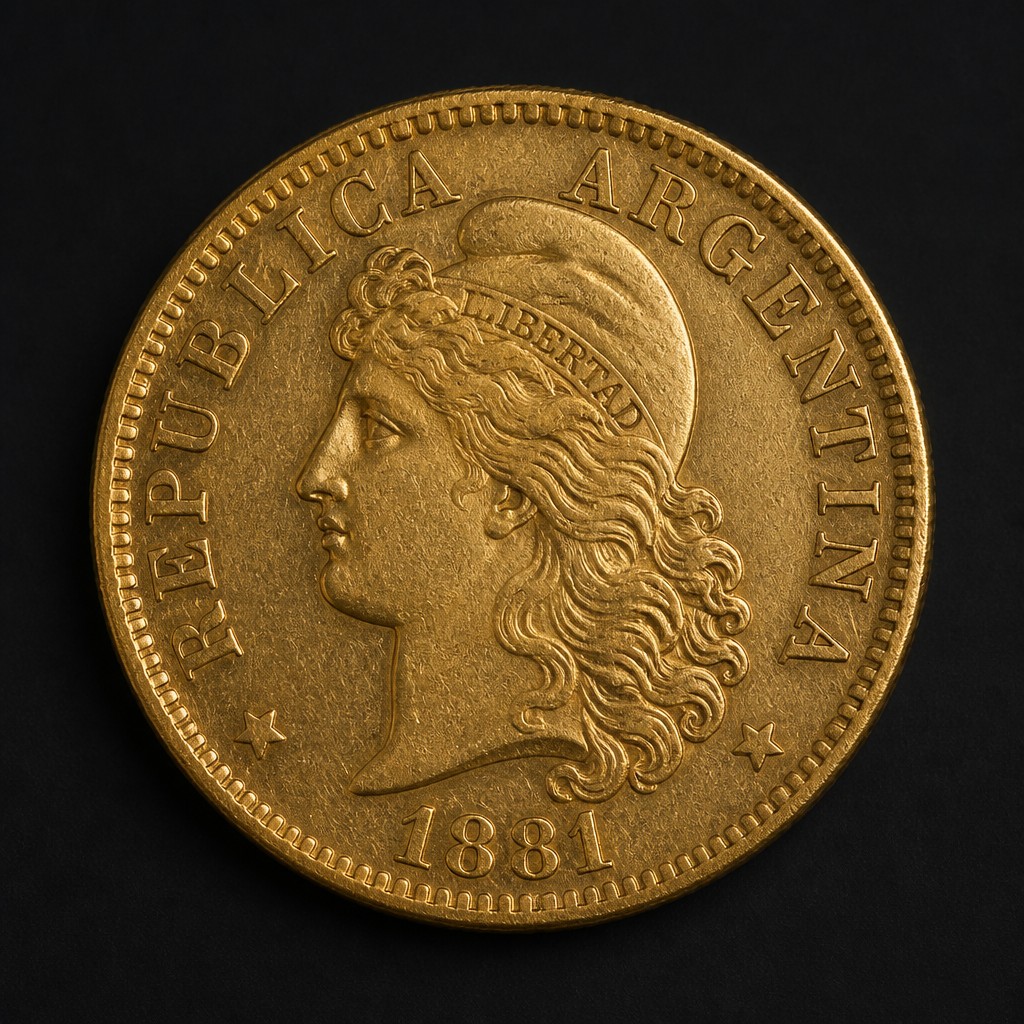
Argentine Argentino Gold (5 Pesos)
Argentina's principal 19th-century gold coin, worth 5 pesos oro and called an "Argentino," struck to Latin Monetary Union weight standards for use in international trade.
Latin American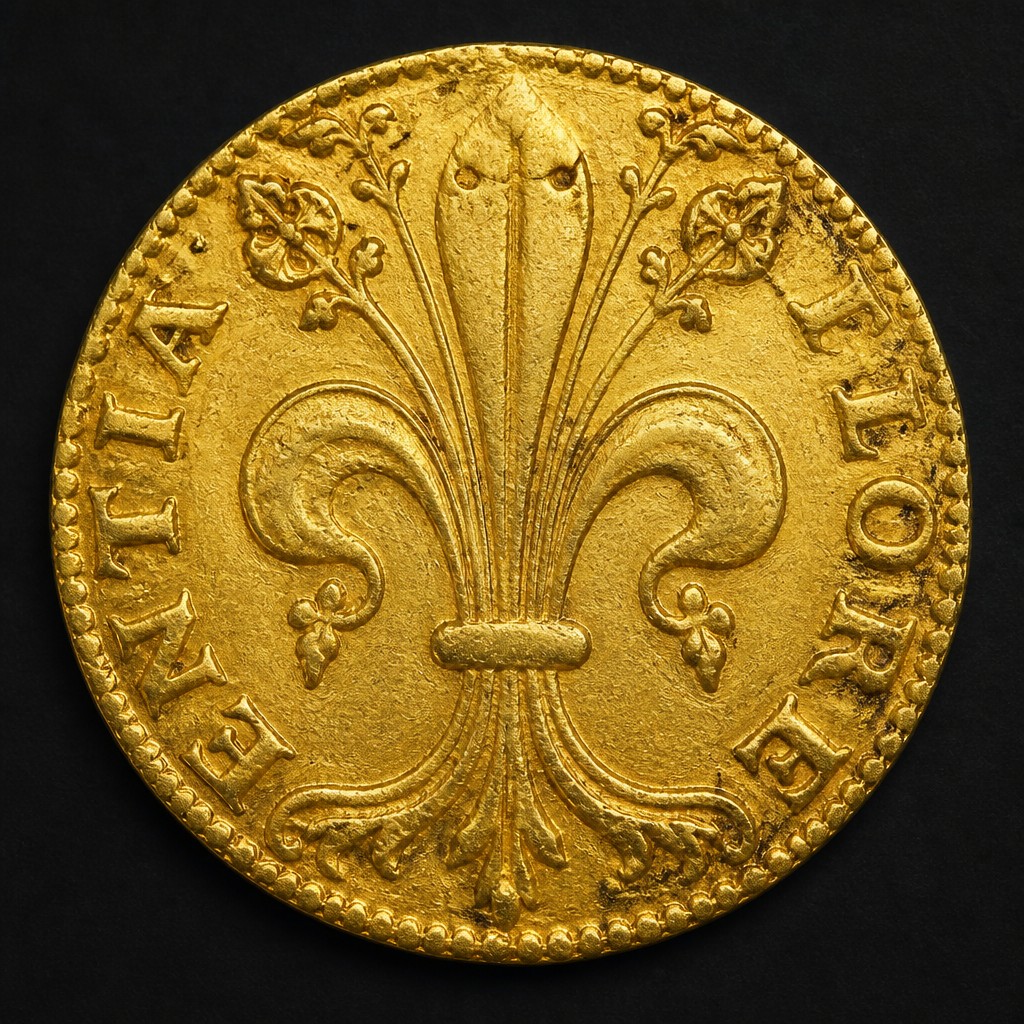
Florentine Florin
Introduced in 1252, the gold florin of Florence became medieval Europe's leading trade coin, its lily emblem and fixed gold standard copied by dozens of other mints.
European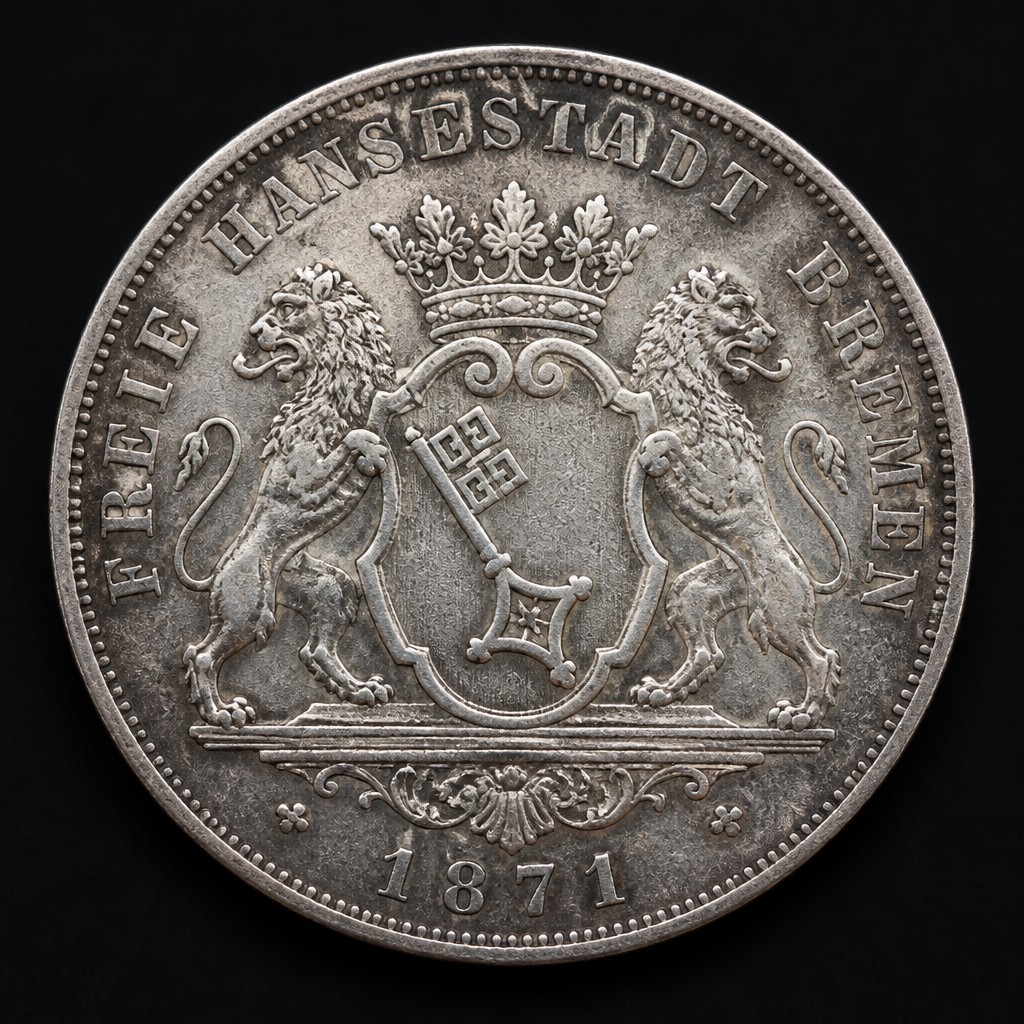
Bremen Thaler
A silver thaler of the free Hanseatic city of Bremen, typically featuring the city's key emblem, issued for centuries as an independent trading city's own coinage.
European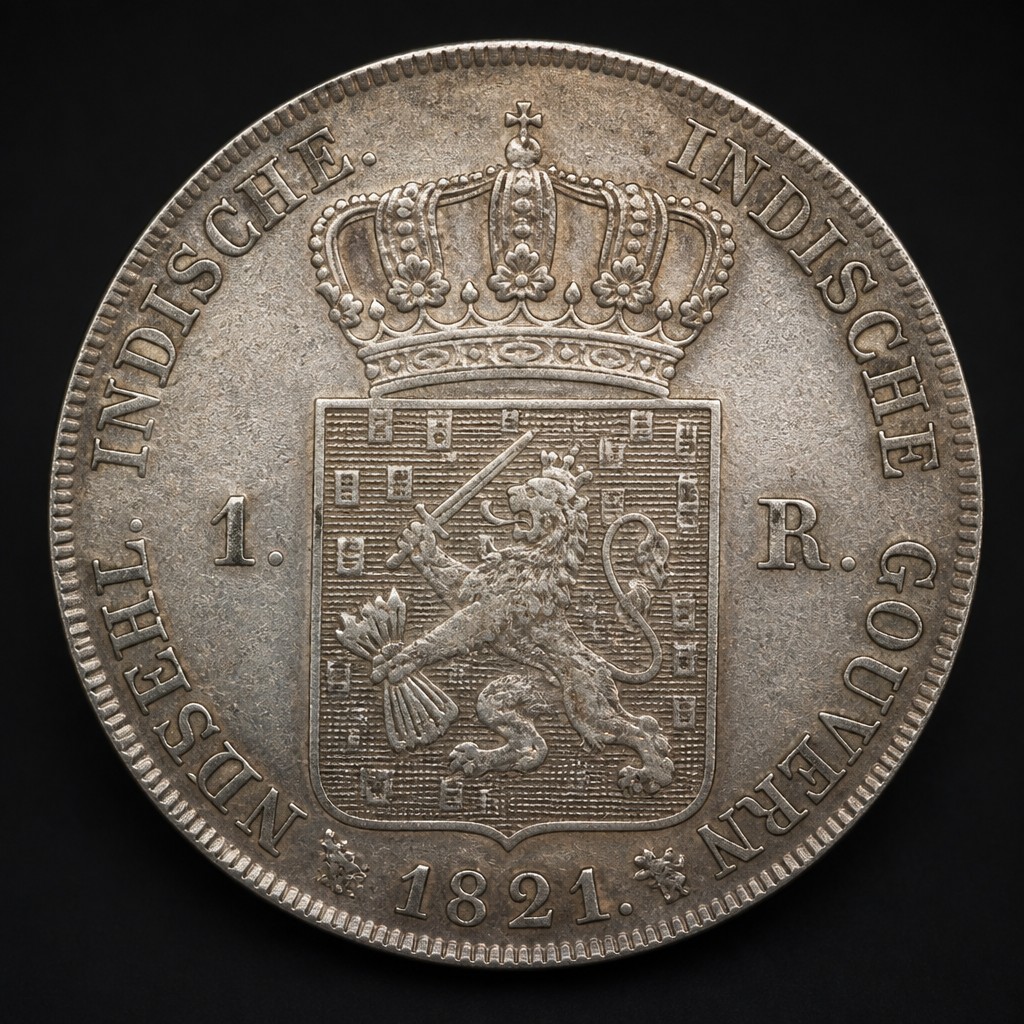
Netherlands East Indies Java Rupee
A Dutch colonial silver rupee struck specifically for the island of Java, issued to standardize local currency amid the many foreign trade coins circulating in the Dutch East Indies.
Asian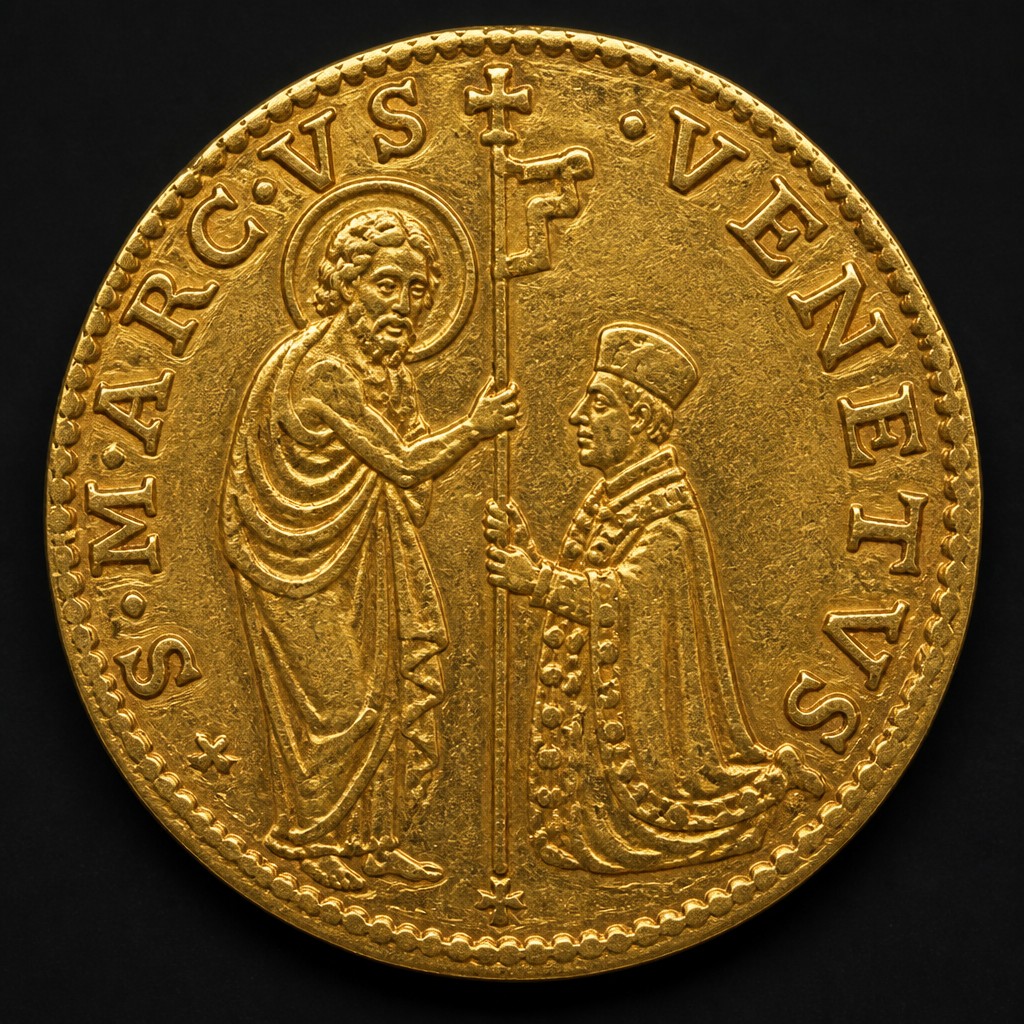
Venetian Ducat
Gold coin first struck by the Republic of Venice in 1284, prized for its remarkably consistent weight and purity, which made it a dominant trade coin across medieval and Renaissance Europe.
European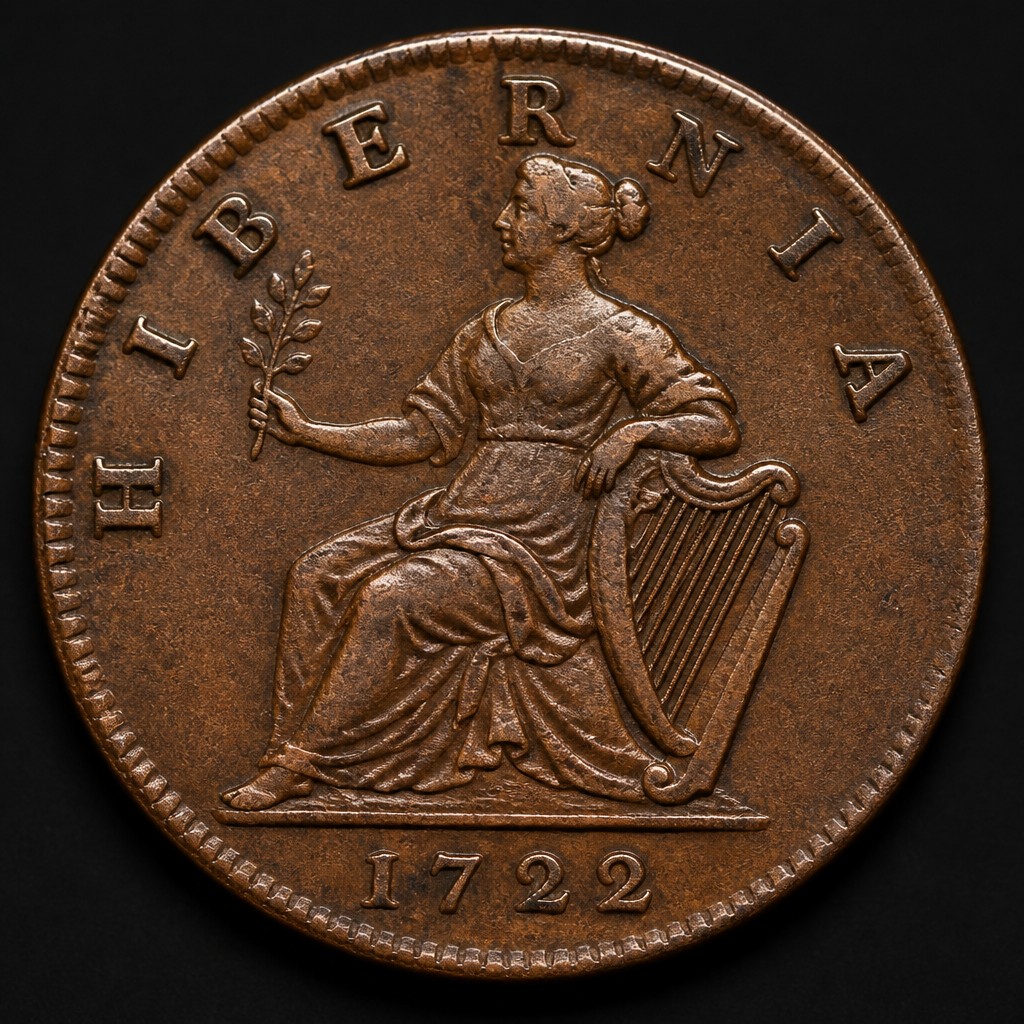
Wood's Hibernia Halfpenny
A British copper coinage patented by William Wood for Ireland, controversially rejected there but widely circulated instead in colonial America, where large surplus shipments ended up in everyday trade.
United States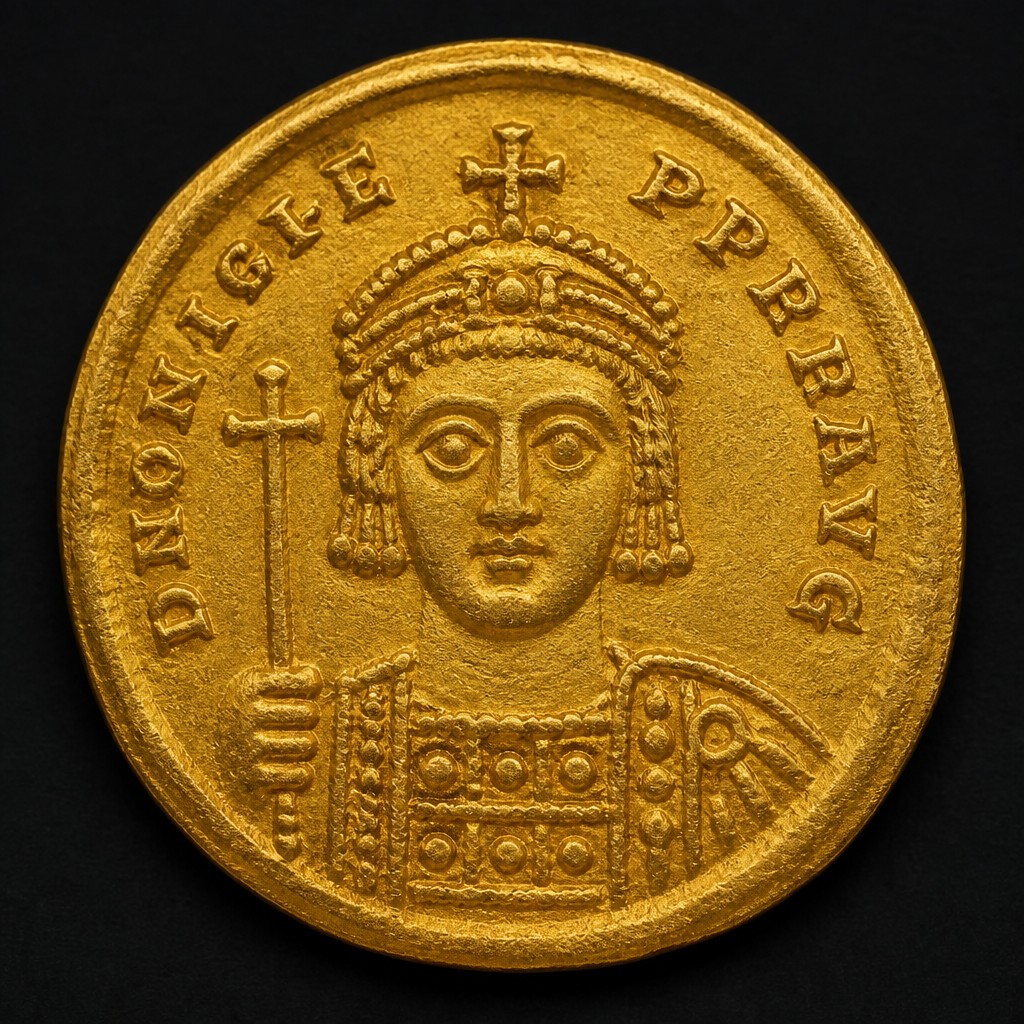
Byzantine Solidus
The gold standard coin of the Byzantine Empire for over 700 years, the solidus funded an empire, financed trade across three continents, and remained one of history's most stable currencies.
Ancient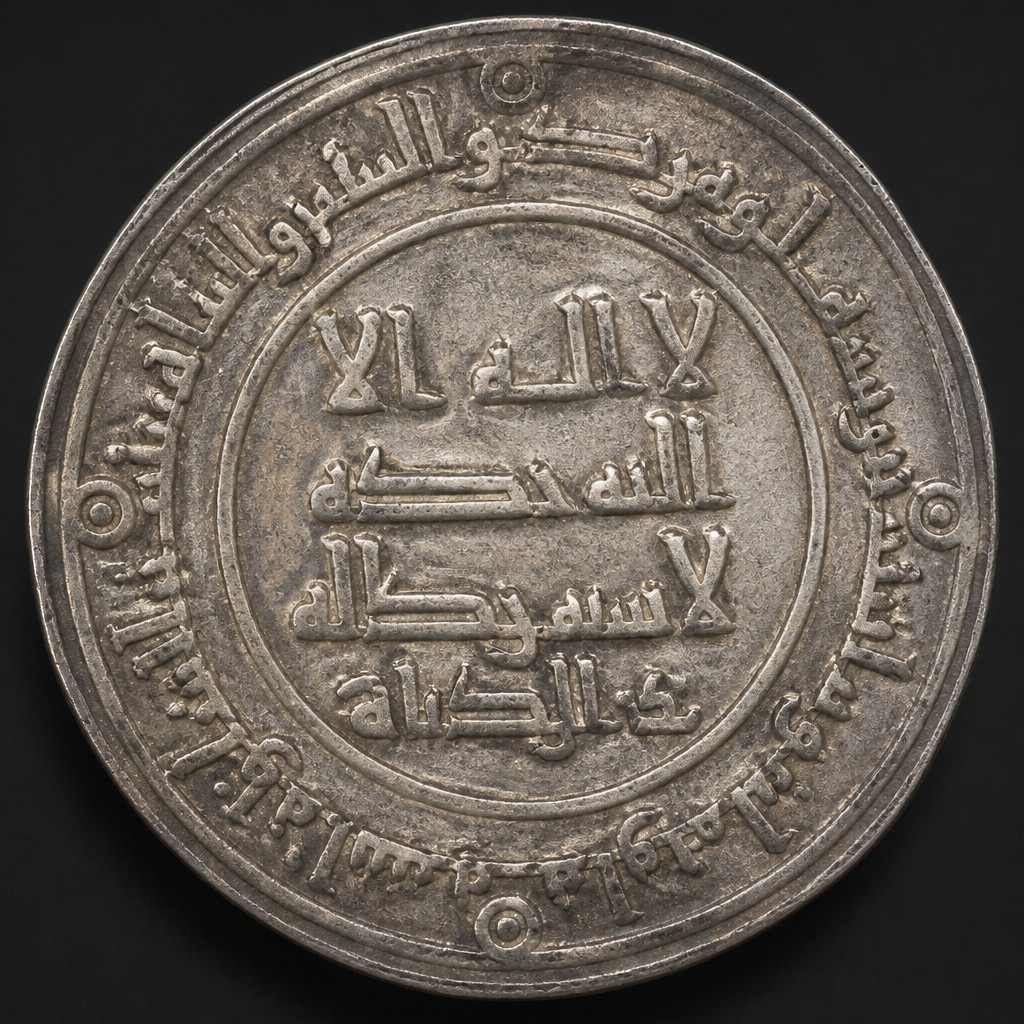
Islamic Silver Dirham (Abbasid)
The standard silver coin of the Abbasid Caliphate, continuing the text-only Kufic script tradition and widely used across a vast medieval trade network stretching from Europe to Central Asia.
Ancient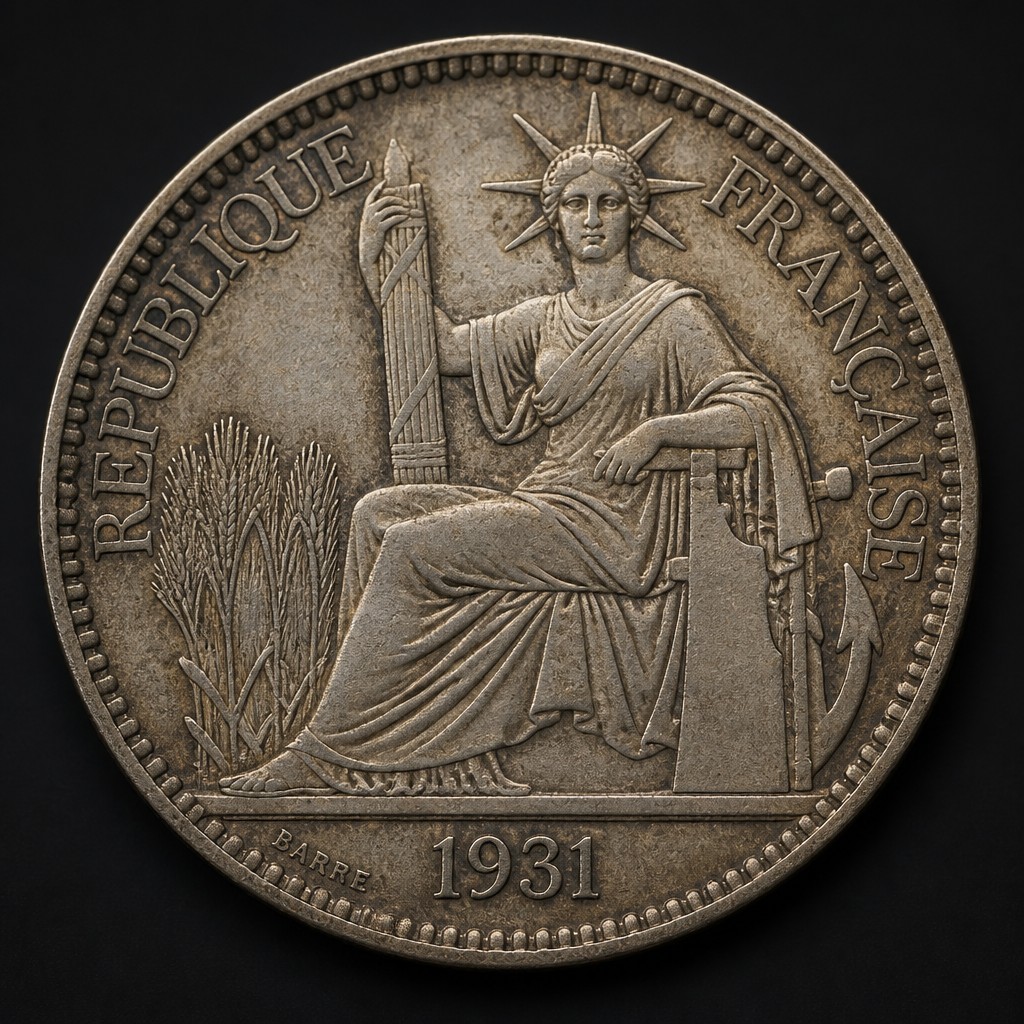
French Indochina Sarraut Piastre (1931)
A reduced-weight silver piastre introduced in 1931 for French Indochina after rising world silver prices made the older, larger trade piastre worth more in bullion than in face value.
Asian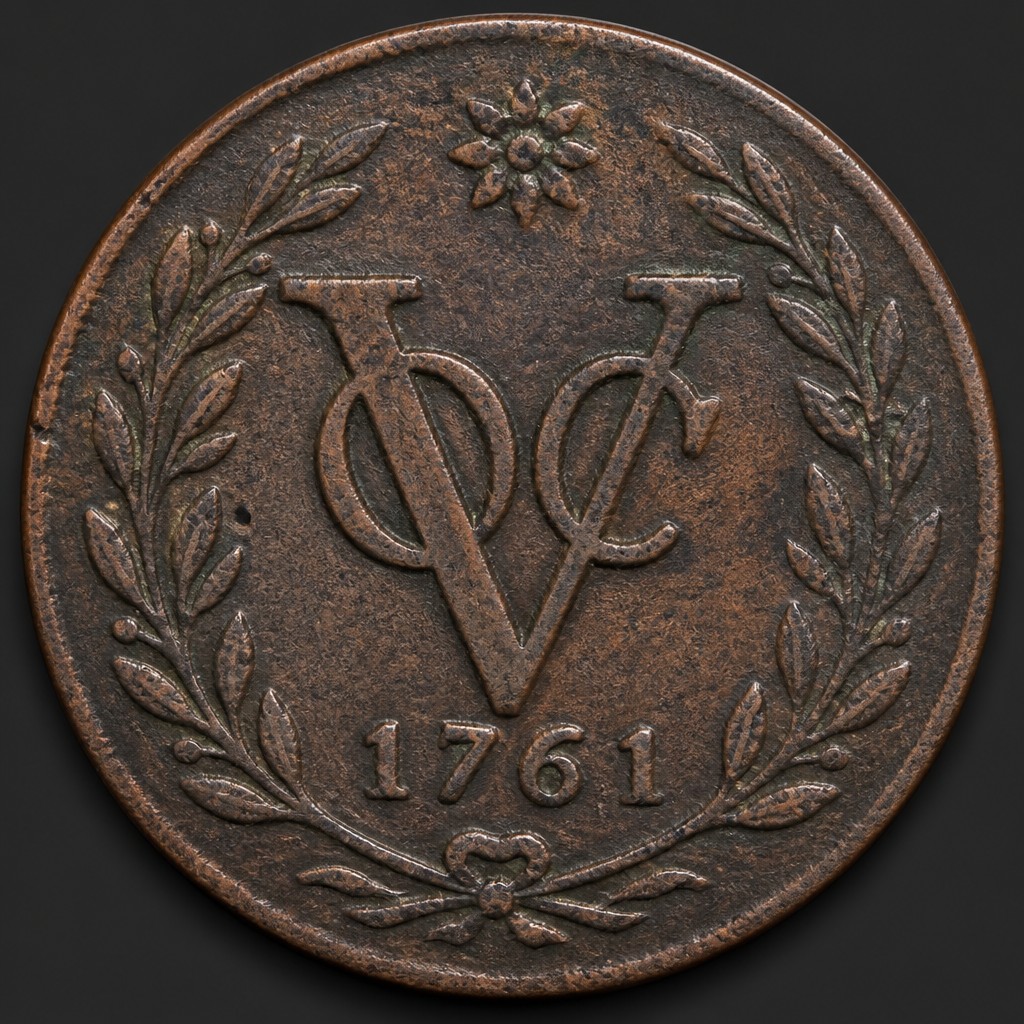
Netherlands East Indies VOC Duit
Copper coin struck by the Dutch East India Company (VOC) for circulation in its Asian trading territories, a common relic of 18th-century colonial commerce.
Asian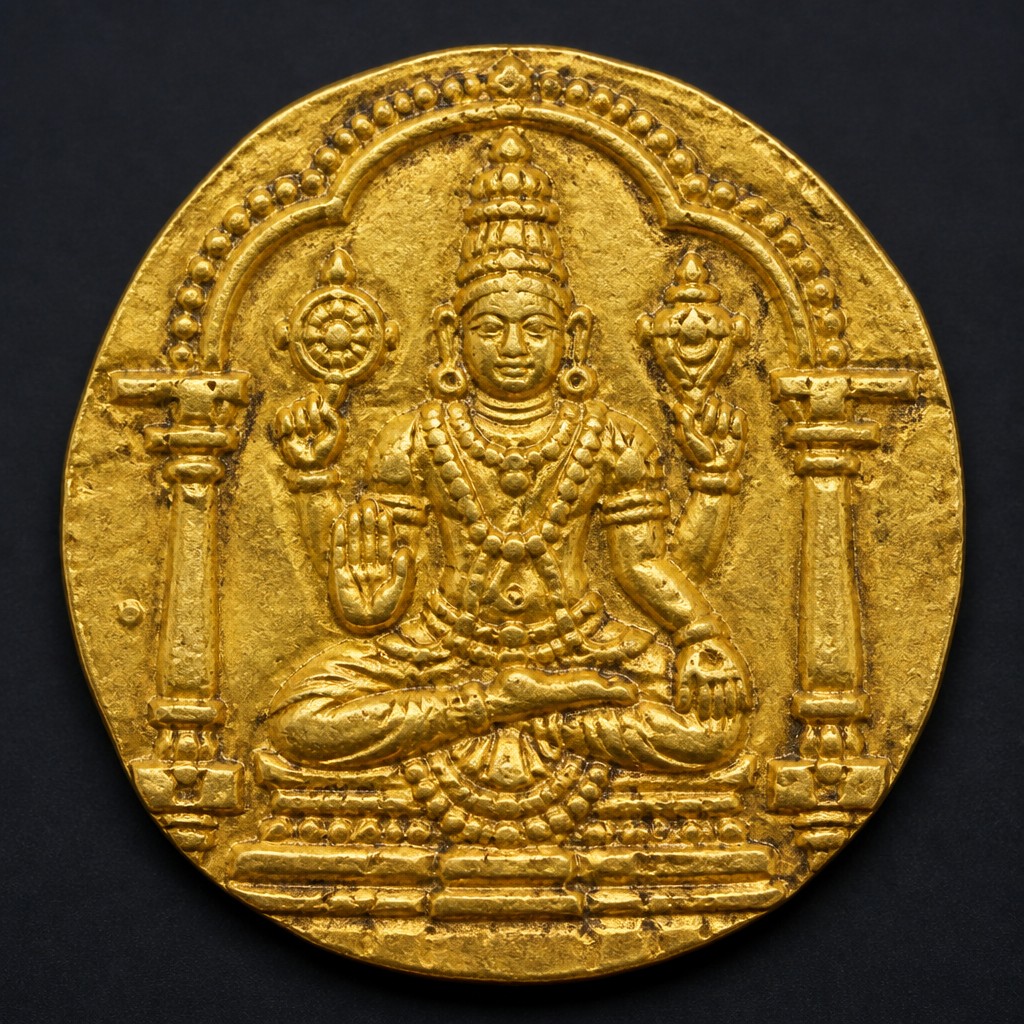
Vijayanagara Gold Pagoda
A small, thick gold coin of the South Indian Vijayanagara Empire, typically showing Hindu deities or a bull, whose type became so trusted it was widely imitated as the standard South Indian trade "pagoda."
Asian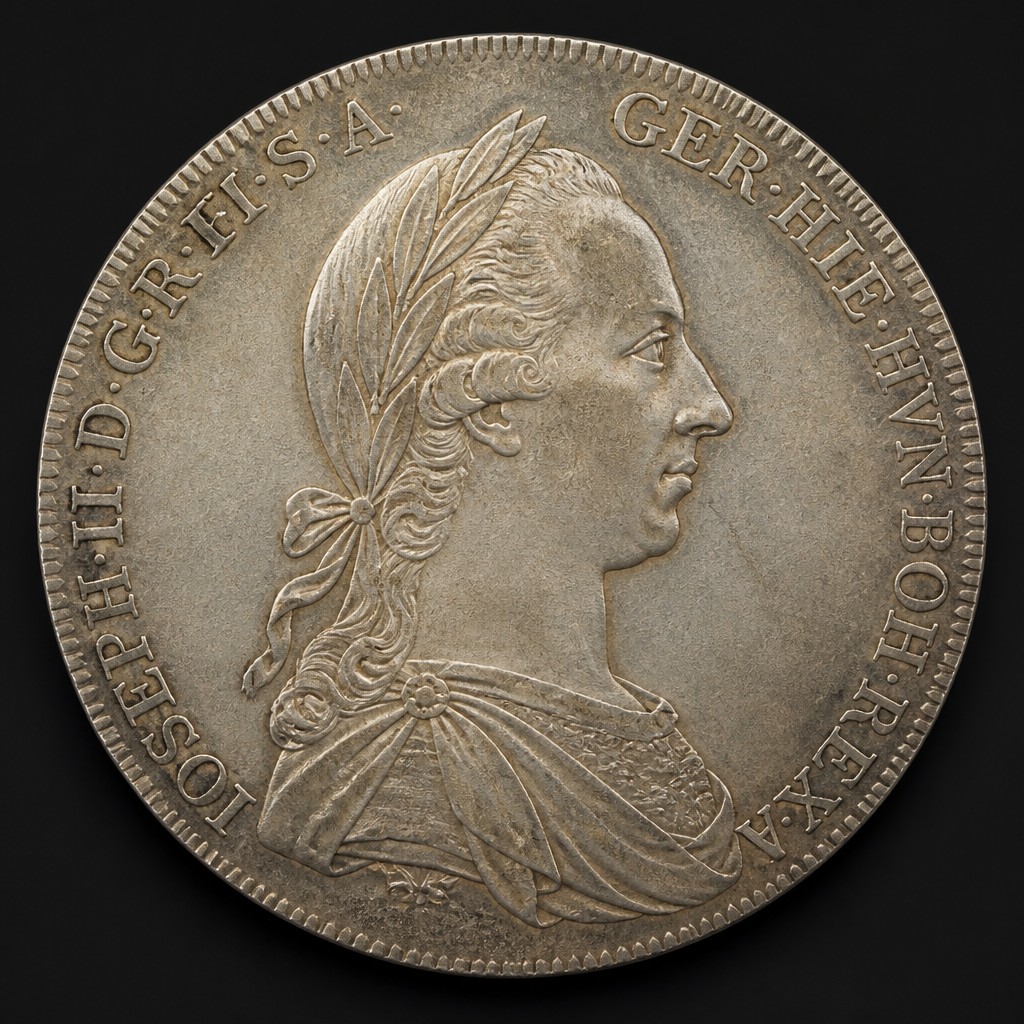
Austrian Thaler (Joseph II)
A silver thaler bearing the portrait of Holy Roman Emperor Joseph II, struck in the late 18th century and, like the more famous Maria Theresa thaler, later restruck for use in Levant and African trade.
European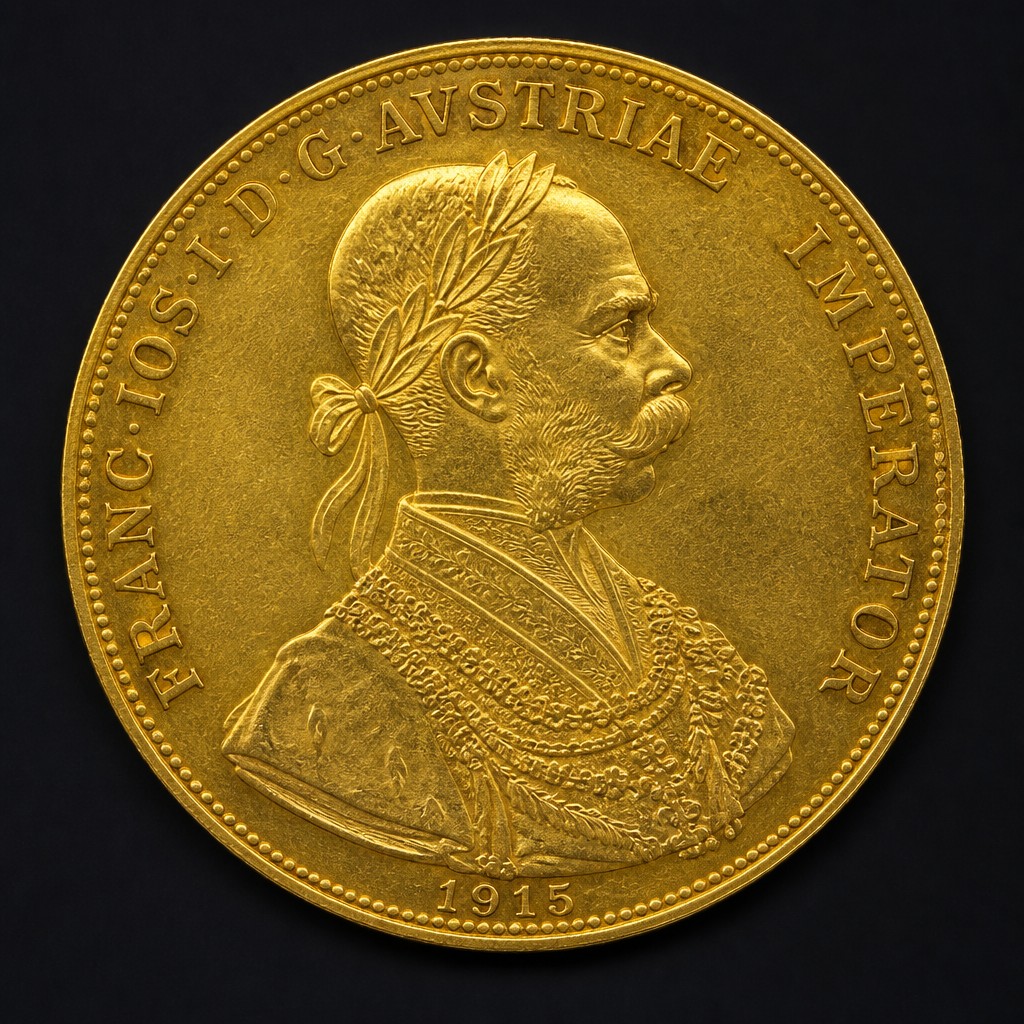
Austrian 4 Ducat Gold
The Austrian 4 Ducat is a large, high-purity gold coin historically used for trade and hoarding, best known today through the officially restruck 1915-dated pieces still produced for the bullion market.
European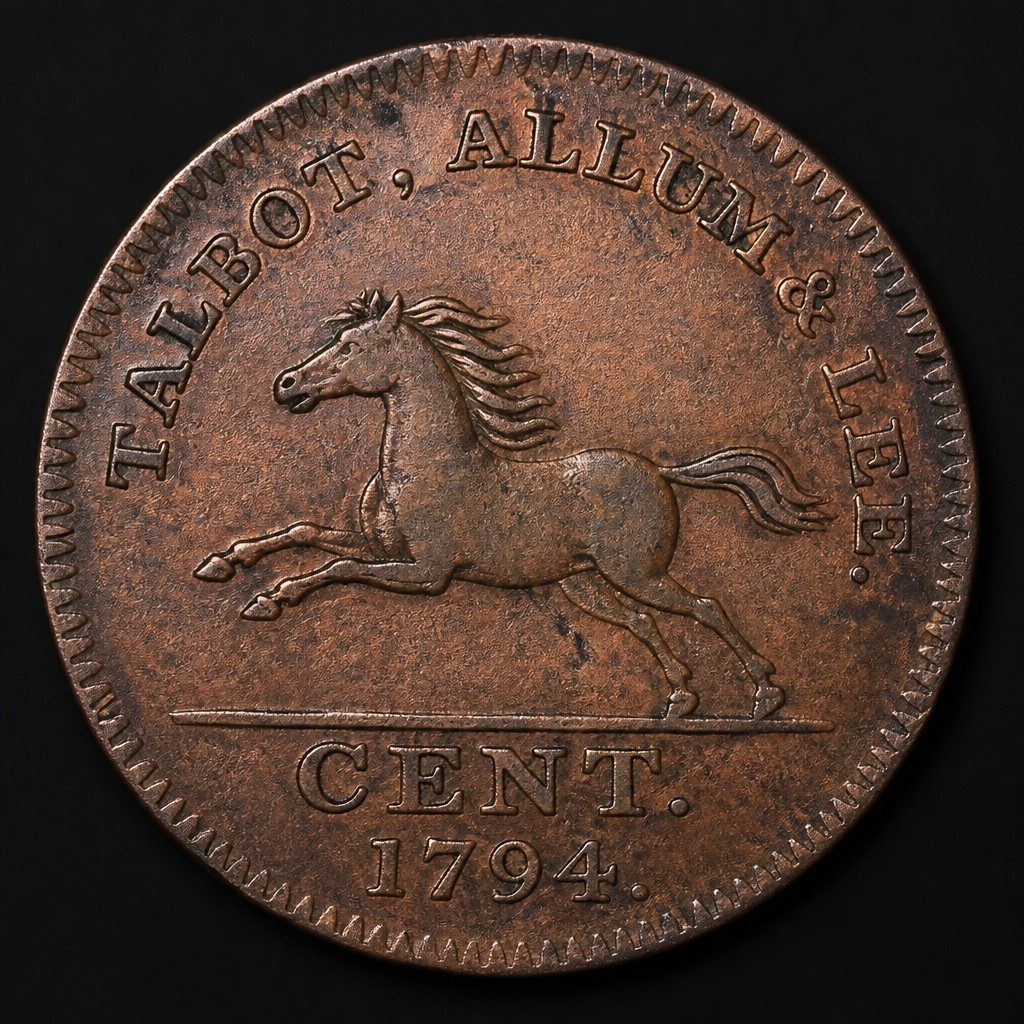
Talbot, Allum & Lee Cent
A merchant token issued by the New York trading firm Talbot, Allum & Lee to help ease the shortage of small change in the 1790s, featuring a sailing ship on the obverse.
United States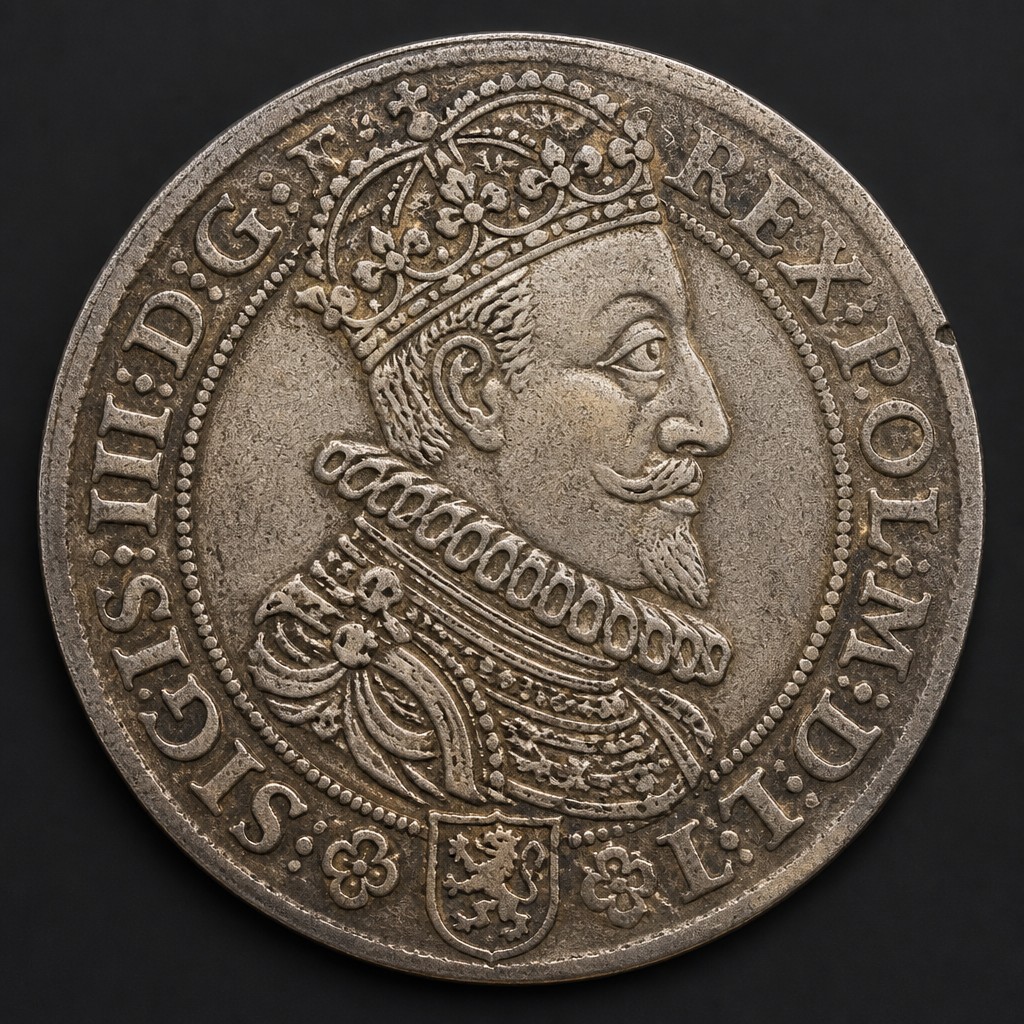
Polish-Lithuanian Thaler
The large silver trade coin of the Polish-Lithuanian Commonwealth, struck under successive kings from the 16th through 18th centuries, bearing royal portraits paired with the combined Polish eagle and Lithuanian Vytis arms.
European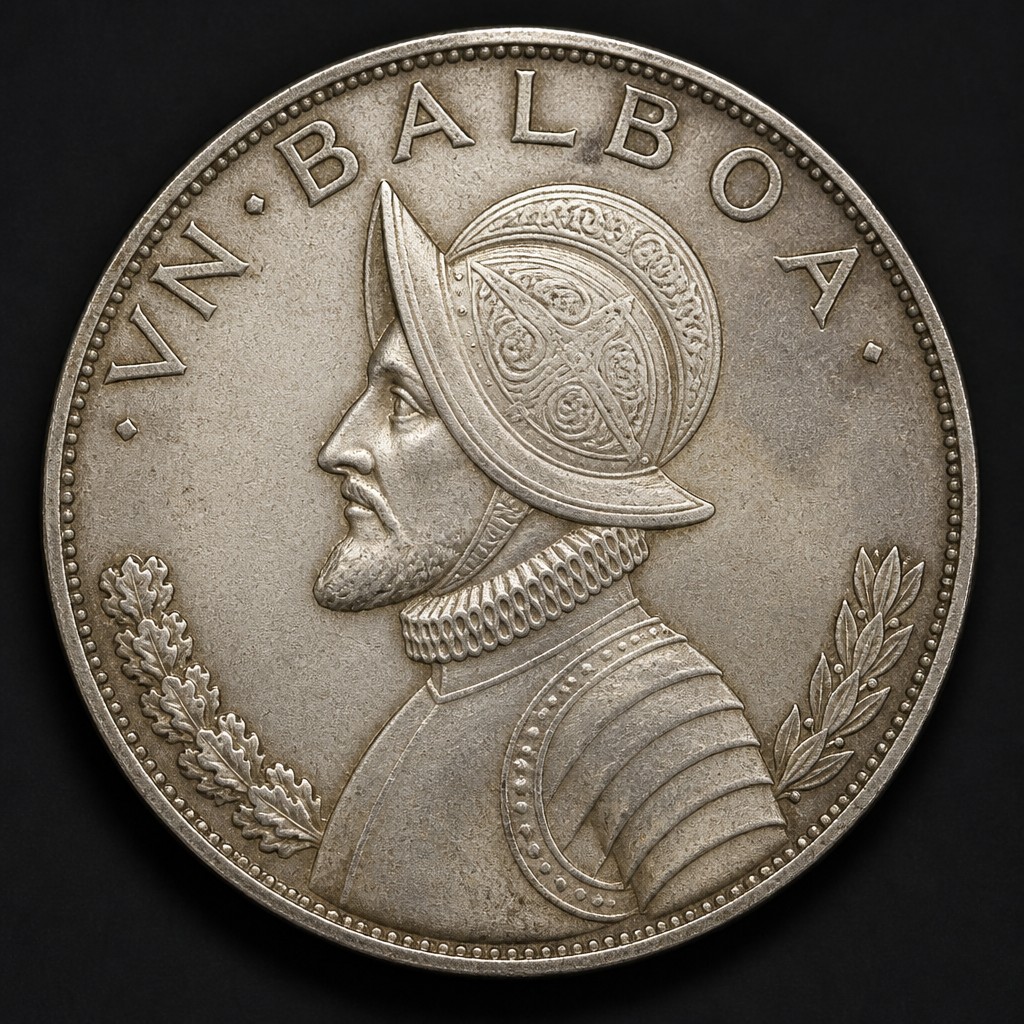
Panama Balboa Silver
Panama's dollar-sized silver crown, named for explorer Vasco Nunez de Balboa and pegged 1:1 to the US dollar throughout its history.
Latin American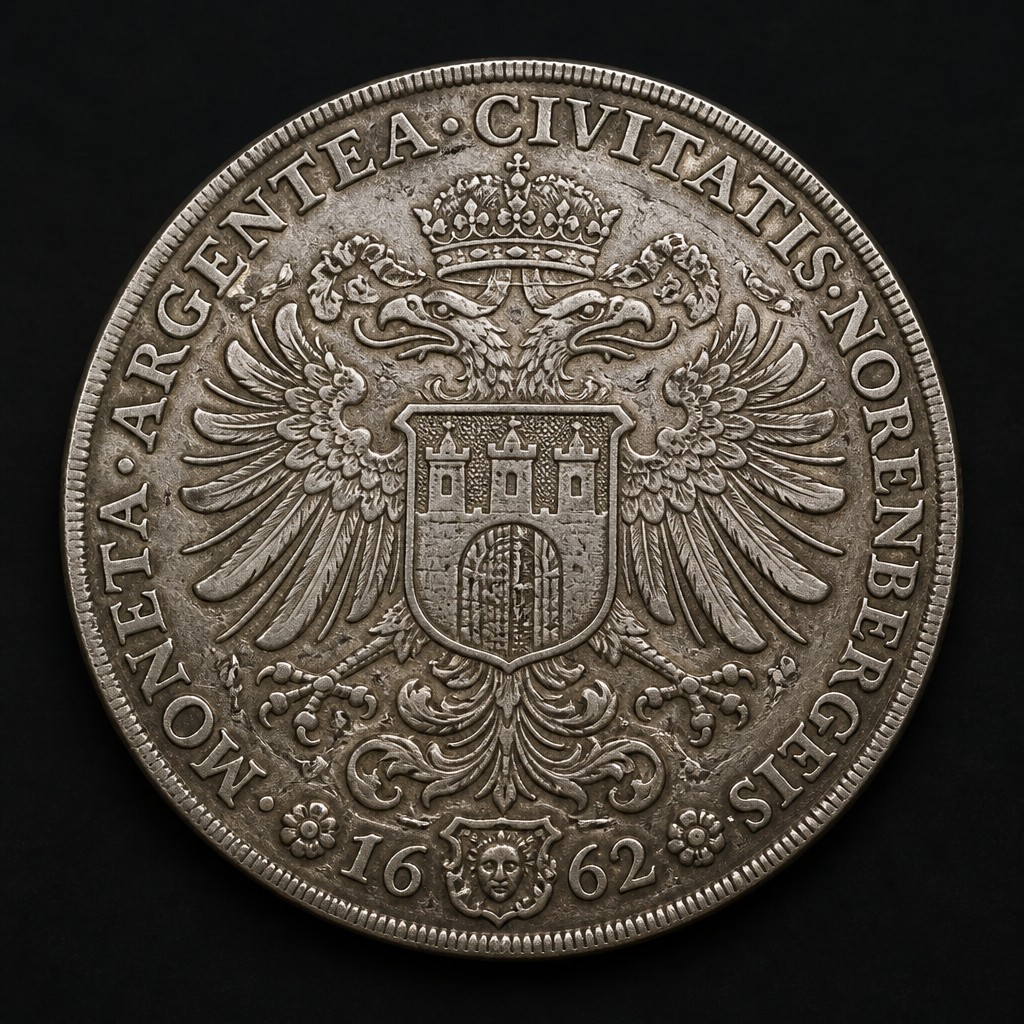
Nuremberg Thaler
Silver taler struck by the free imperial city of Nuremberg, often showing a detailed cityscape view rather than a ruler's portrait, reflecting its status as a self-governing trading city.
European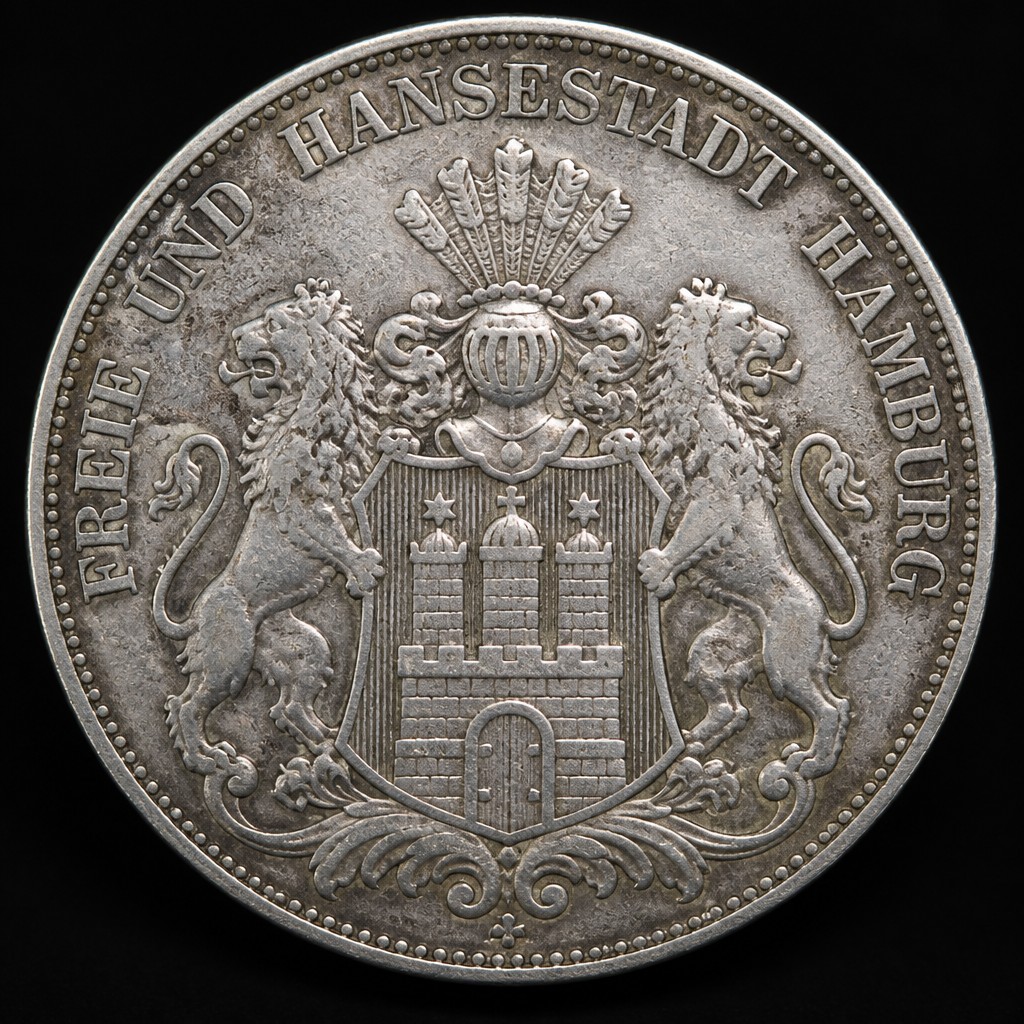
Hamburg Thaler
A silver thaler struck by the free city-state of Hamburg, bearing the city's iconic castle-and-towers coat of arms, reflecting Hamburg's status as a leading Hanseatic trading center.
European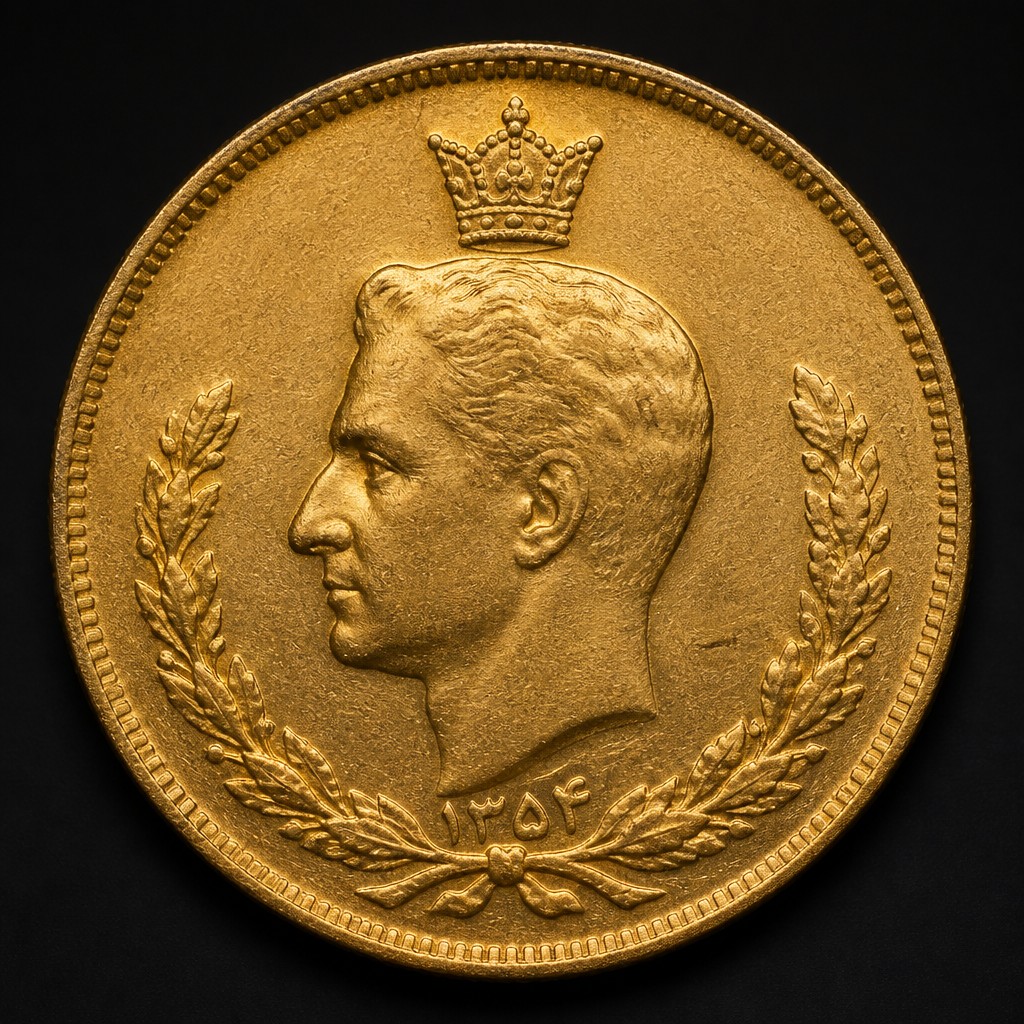
Iranian Pahlavi Gold Coin
A gold coin series named for Iran's Pahlavi dynasty, issued from the 1920s until the 1979 revolution and still widely traded today as a recognized gold bullion and savings coin.
Bullion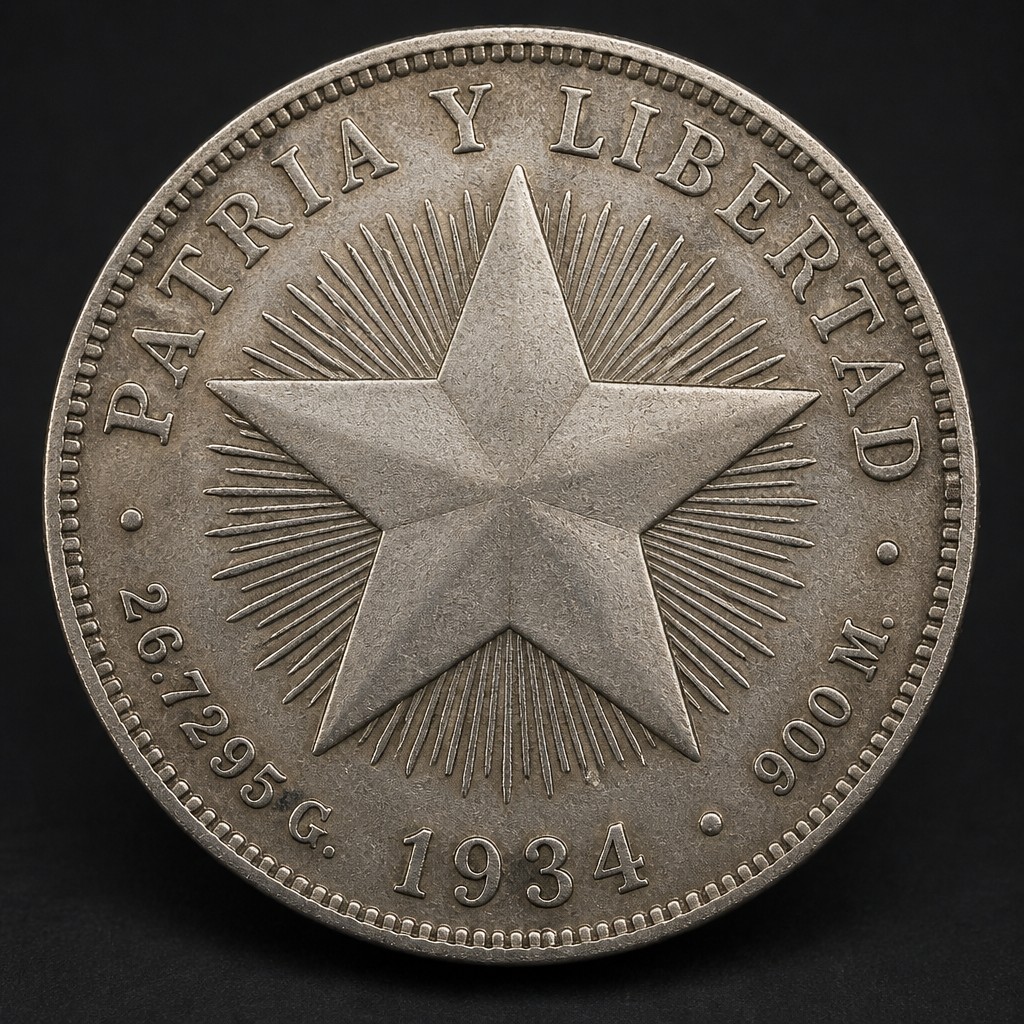
Cuba Peso 'Star' Silver (ABC Peso)
A silver dollar-sized Cuban peso featuring a prominent five-pointed star, popularly nicknamed the 'ABC Peso' and widely used interchangeably with the US silver dollar in the 1930s.
Latin American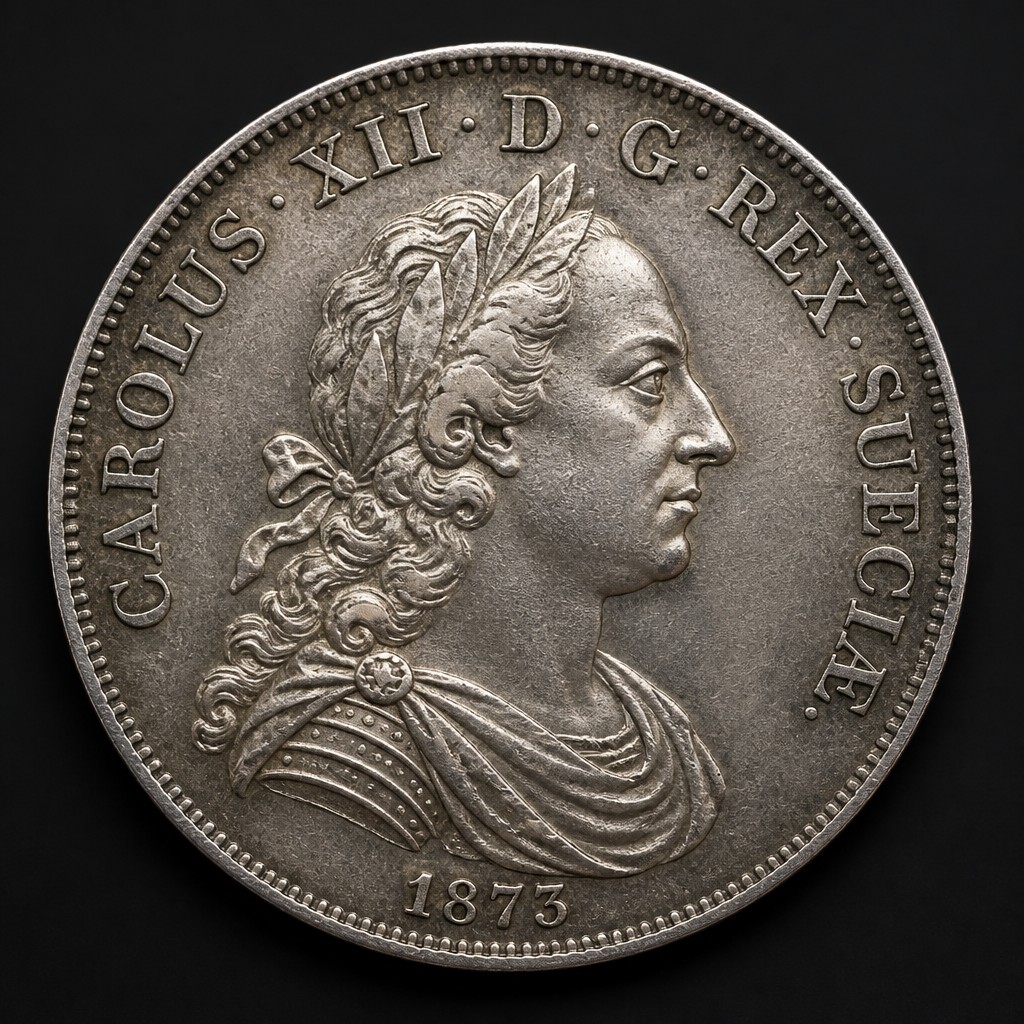
Swedish Riksdaler
Sweden's traditional silver dollar denomination, used for roughly two centuries before being replaced by the krona in the 1870s currency reform.
European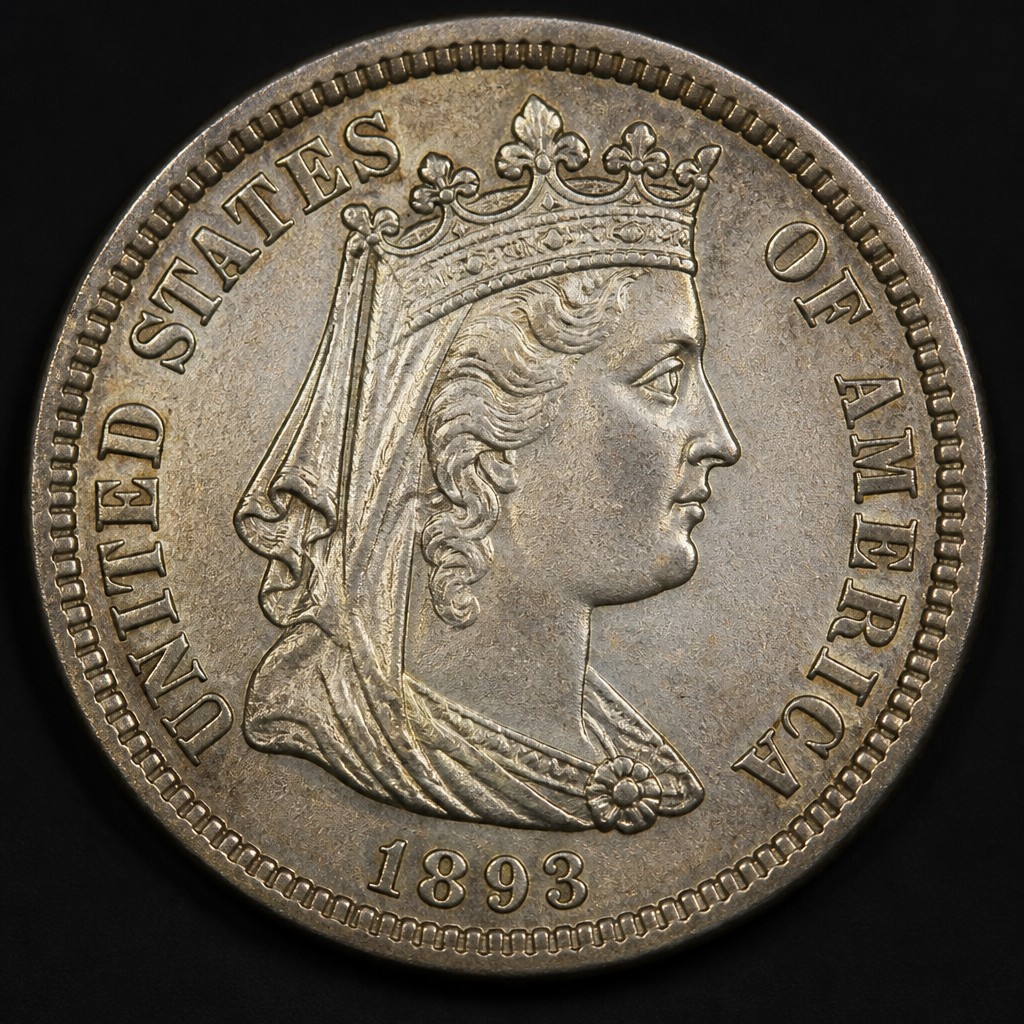
Isabella Quarter
The only U.S. commemorative quarter dollar, struck for the 1893 World's Columbian Exposition and featuring Queen Isabella I of Spain, sponsor of Columbus's voyage.
Commemorative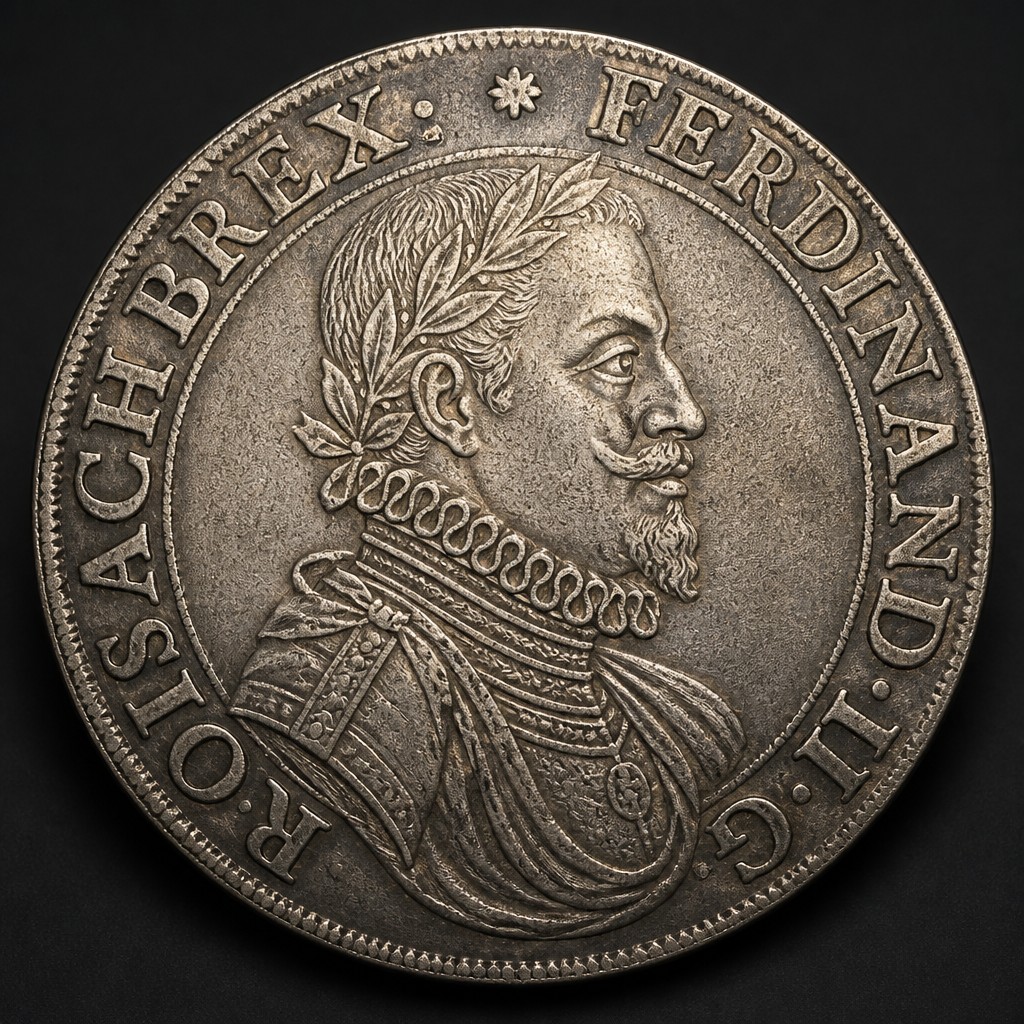
German States Thaler
A large silver coin struck by the many independent states of the German-speaking world for over three centuries, and the direct linguistic ancestor of the word 'dollar.'
European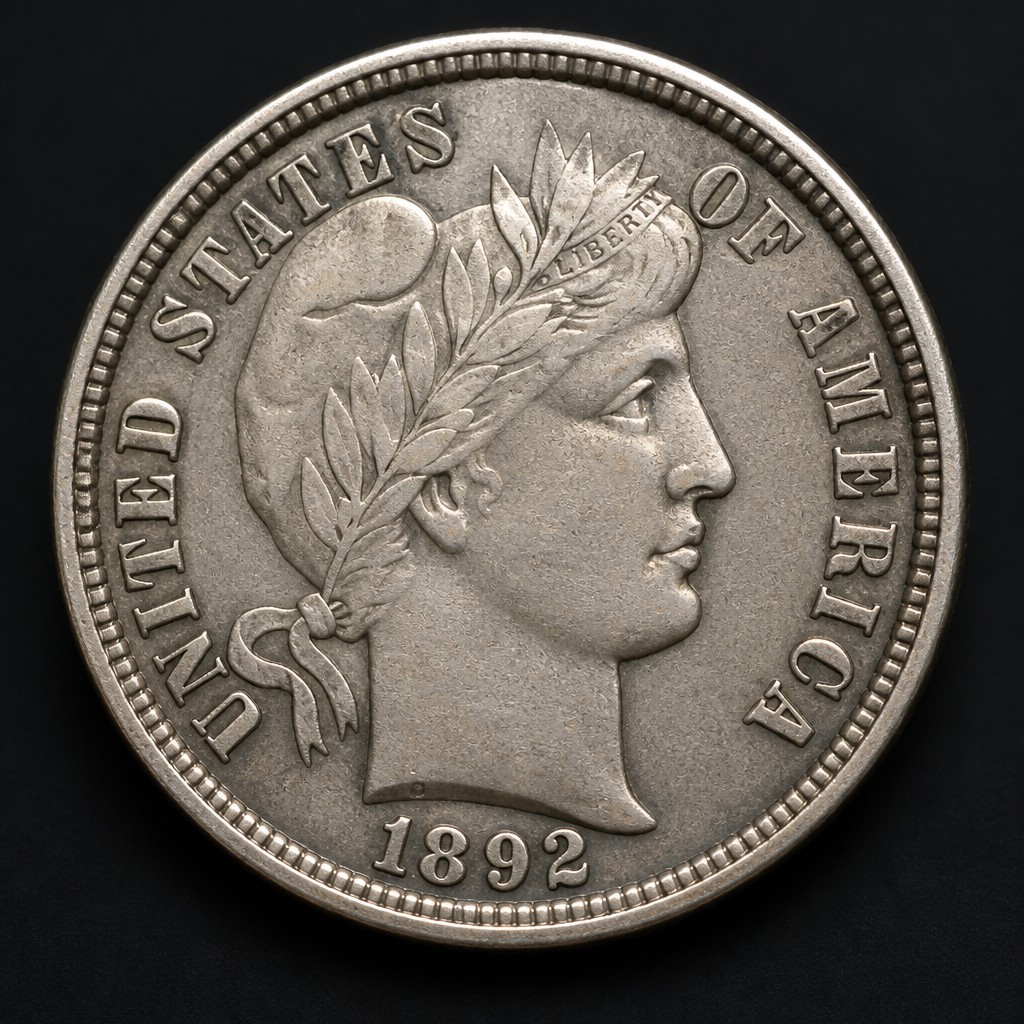
Barber Dime
A late-19th and early-20th century silver dime designed by Charles E. Barber, featuring a classical Liberty head, part of a matching set with the Barber quarter and half dollar.
United States