
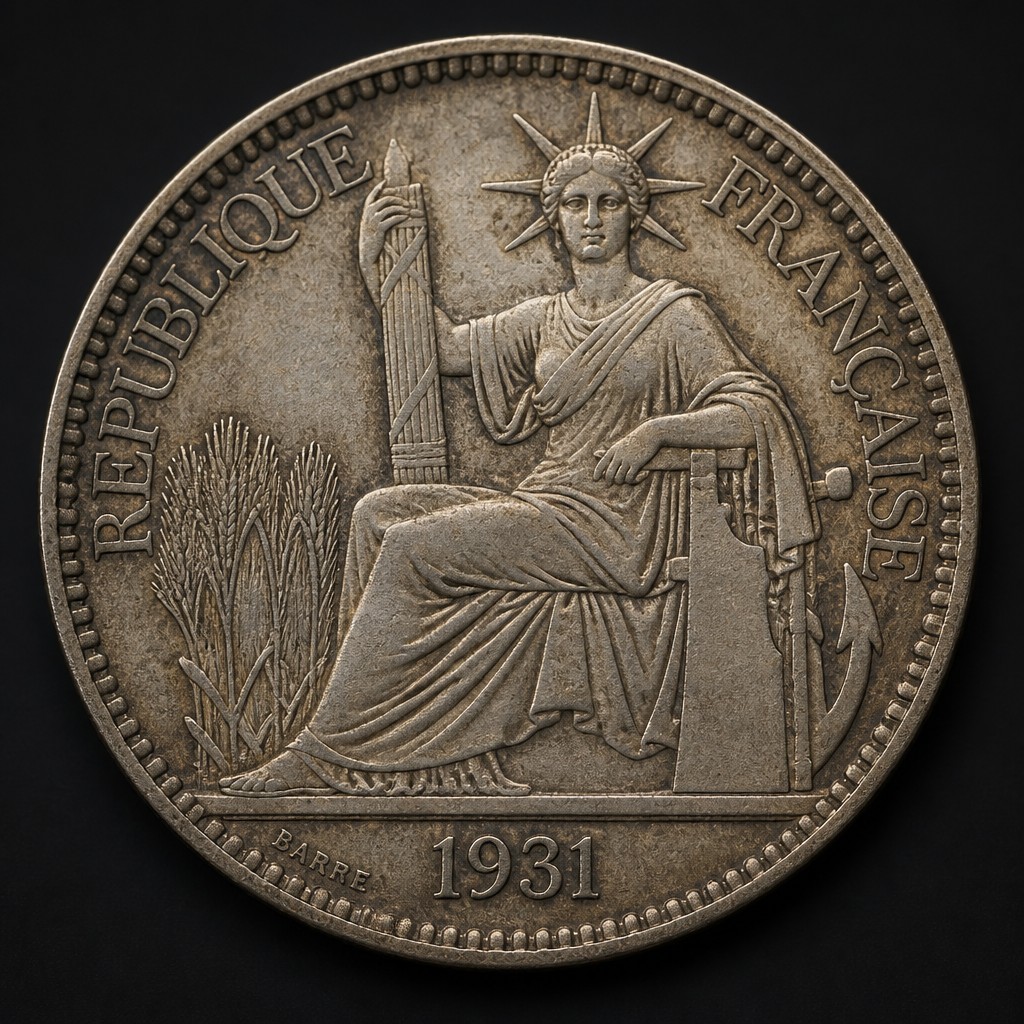
French Indochina Sarraut Piastre (1931)
A reduced-weight silver piastre introduced in 1931 for French Indochina after rising world silver prices made the older, larger trade piastre worth more in bullion than in face value.
- Country
- French Indochina
- Denomination
- 1 Piastre
- Metal
- Silver (.900 fine, reduced weight)
Got a coin like this?
Identify any coin from a photo, free.
Overview
The Sarraut Piastre is a smaller, lighter version of French Indochina's standard silver piastre, introduced in 1931 to address a monetary crisis caused by soaring global silver prices. As silver's market value climbed in the early 1930s, the older full-weight Piastre de Commerce became worth more melted down than at face value, encouraging hoarding and melting that threatened the colony's currency supply.
Named informally after Albert Sarraut, the influential French colonial minister associated with Indochina policy, this reduced coin kept the traditional .900 silver fineness but cut the overall weight and diameter, restoring a workable balance between bullion value and face value.
Its short production run, limited essentially to the first half of the 1930s before Indochina's currency system evolved further, makes it a distinctive marker of the global silver price disruptions of the interwar period.
History & Background
The early 1930s brought a sharp rise in world silver prices, part of the broader monetary turbulence of the Great Depression era, and colonial silver coinages across Asia faced the same problem: older full-weight silver trade coins were increasingly worth more as bullion than as currency. French Indochina responded by decree in 1931, authorizing a new, smaller piastre to replace the older Piastre de Commerce for ongoing circulation.
The reform is popularly linked to Albert Sarraut, a prominent French statesman who served multiple terms as Governor-General of Indochina and later as a government minister overseeing colonial affairs, giving the coin its informal name. The reduced piastre continued to serve as Indochina's principal coin denomination through the mid-1930s until further currency and exchange rate adjustments were made later in the decade.
How to Identify
The Sarraut piastre generally continues the visual theme of French Indochina's earlier piastre coinage, showing an allegorical French Republic motif on the obverse with "RÉPUBLIQUE FRANÇAISE," and the denomination and "INDO-CHINE FRANÇAISE" with date on the reverse, though the overall design proportions are noticeably smaller.
The key identifying feature is its reduced size and weight compared to the earlier full piastre: it measures smaller in diameter, roughly in the 30 mm range rather than the older coin's approximately 38–40 mm, and weighs proportionally less, while retaining .900 fine silver content. The edge remains reeded.
Collectors comparing the two piastre types side by side will immediately notice the size difference; when in doubt, a scale or caliper comparison against a known full-weight Piastre de Commerce quickly confirms which type is in hand.
Value & Collectibility
The Sarraut piastre had a comparatively short production window, and surviving examples in circulated condition are generally available at modest premiums over silver bullion value, similar to many colonial trade coins of the era. Higher-grade or particularly well-struck examples draw stronger interest from specialists in French colonial coinage.
Because the series is less commonly encountered than the earlier full-size piastre in general circulation today, particularly sharp or fully lustrous examples can command a noticeable premium among collectors focused on French Indochina. As with related colonial issues, exact values vary widely by date, condition, and mint state.
Collectors should be cautious of confusing worn full piastres with Sarraut piastres; verifying diameter and weight against published specifications is the most reliable way to confirm the type before assessing value.
Frequently asked questions
Why is it called the Sarraut piastre?
It is informally named after Albert Sarraut, a French statesman closely associated with Indochina's colonial administration, though the coin was an official government issue rather than his personal creation.
Why was the coin made smaller in 1931?
Rising world silver prices made the older full-weight piastre worth more in bullion than its face value, so a reduced-weight coin was introduced to keep the currency in circulation instead of being melted.
Is the silver purity different from the earlier piastre?
No, it retained the same .900 fine silver standard; only the overall size and weight were reduced.
How do I tell it apart from the earlier full piastre?
Compare the diameter and weight: the Sarraut piastre is noticeably smaller and lighter than the earlier Piastre de Commerce, despite similar design themes.
How long was this coin produced?
It was issued for a relatively short window in the first half of the 1930s before further monetary changes were made to Indochina's currency system.
Other coins you may enjoy
Bahraini Dinar
1965–present
Omani Rial (Baisa Coinage)
1970–present
United Arab Emirates Dirham
1973–present
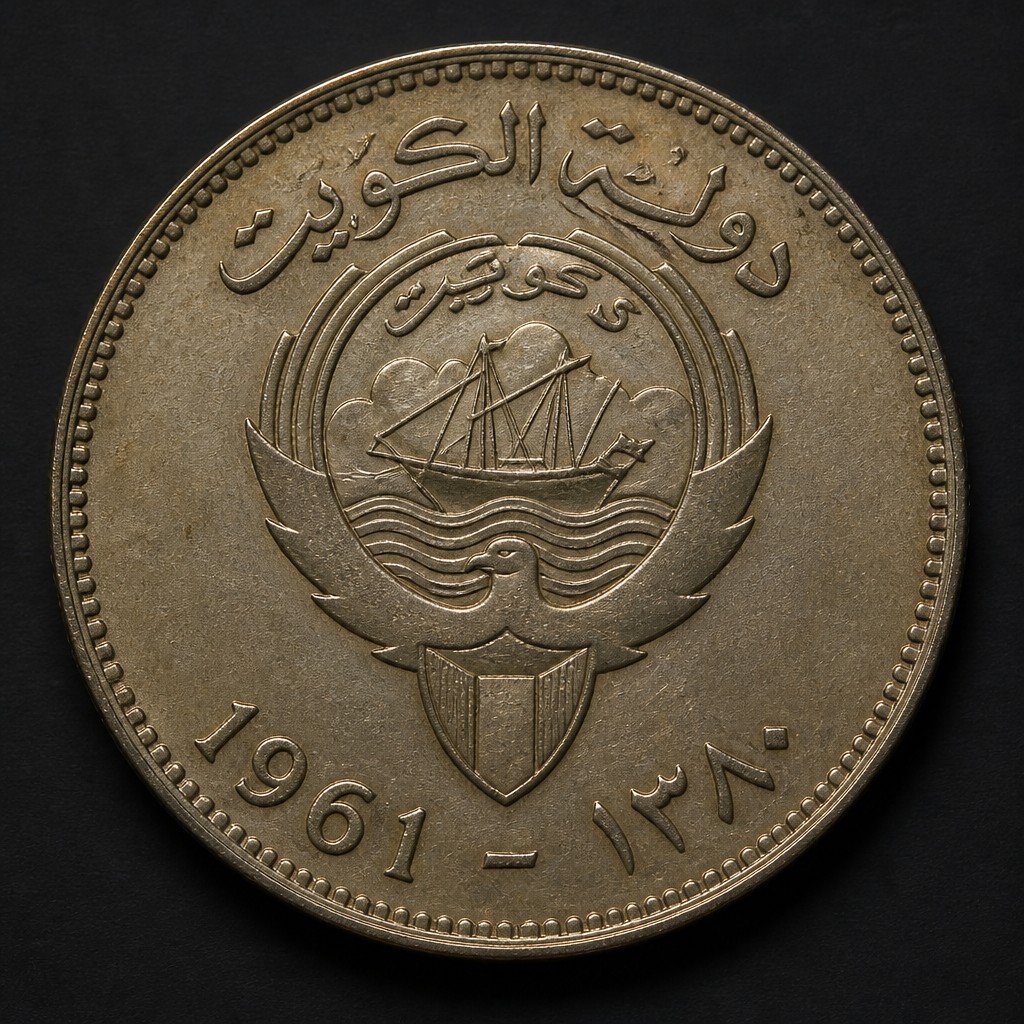
Kuwaiti Fils
1961–present
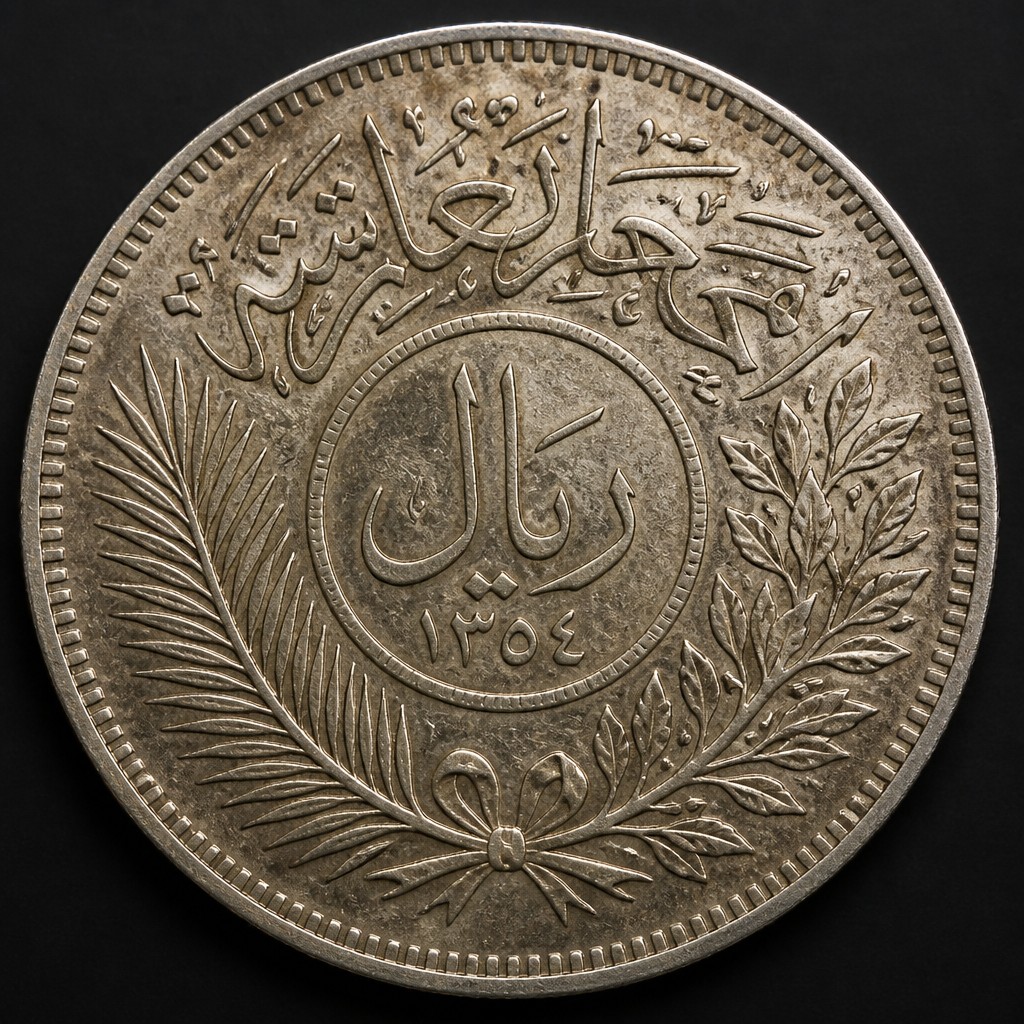
Saudi Arabian Riyal (silver)
1935 (Kingdom-wide standardization) and related issues
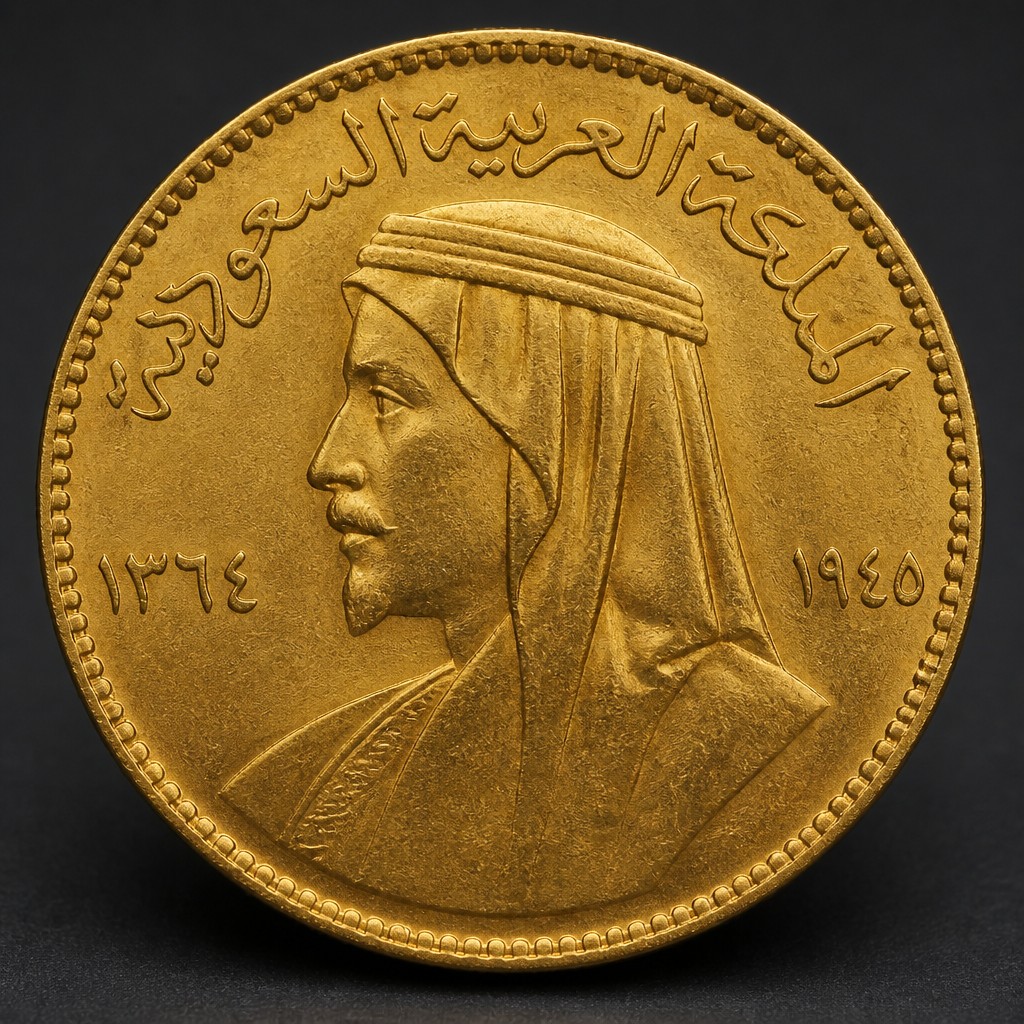
Saudi Arabian Gold Guinea (Sovereign)
1945 and later issues
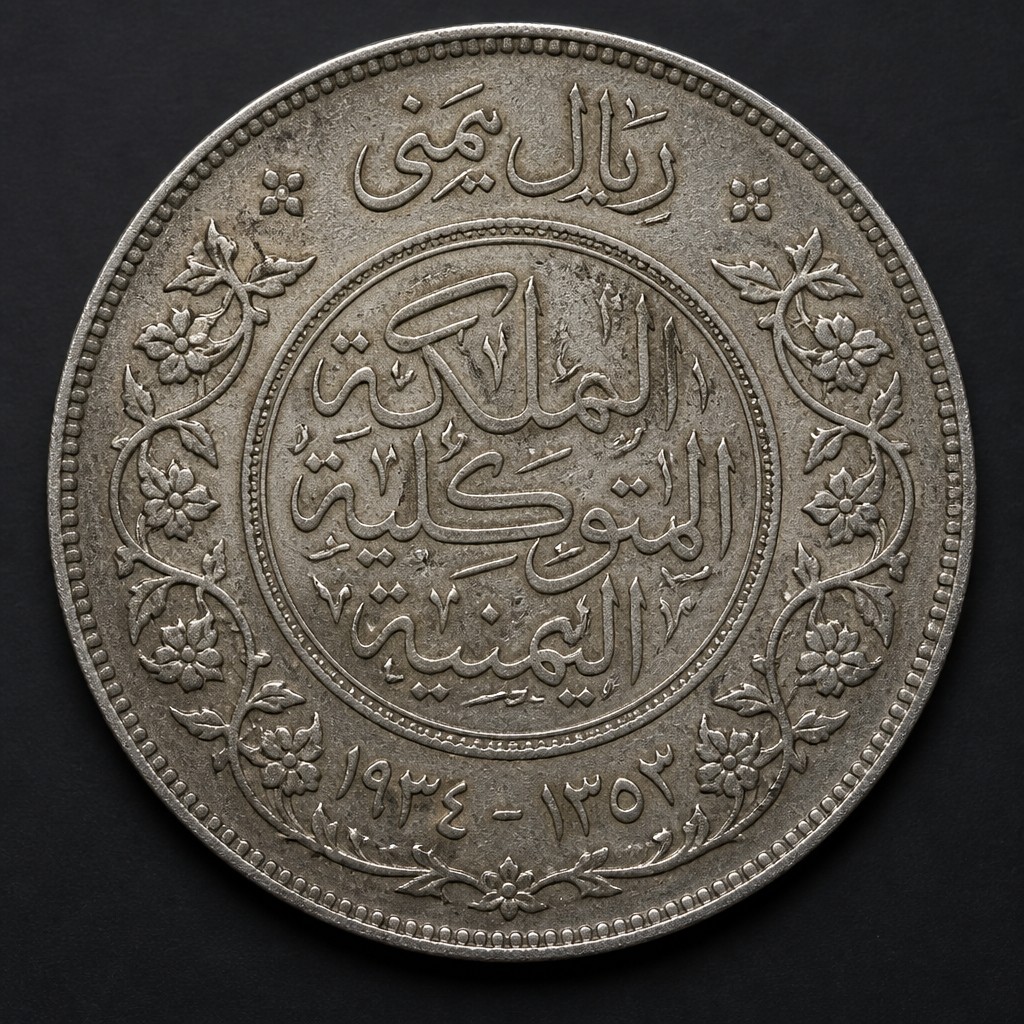
Yemeni Riyal (Ahmadi/Imadi Kingdom Coinage)
Early-to-mid 20th century
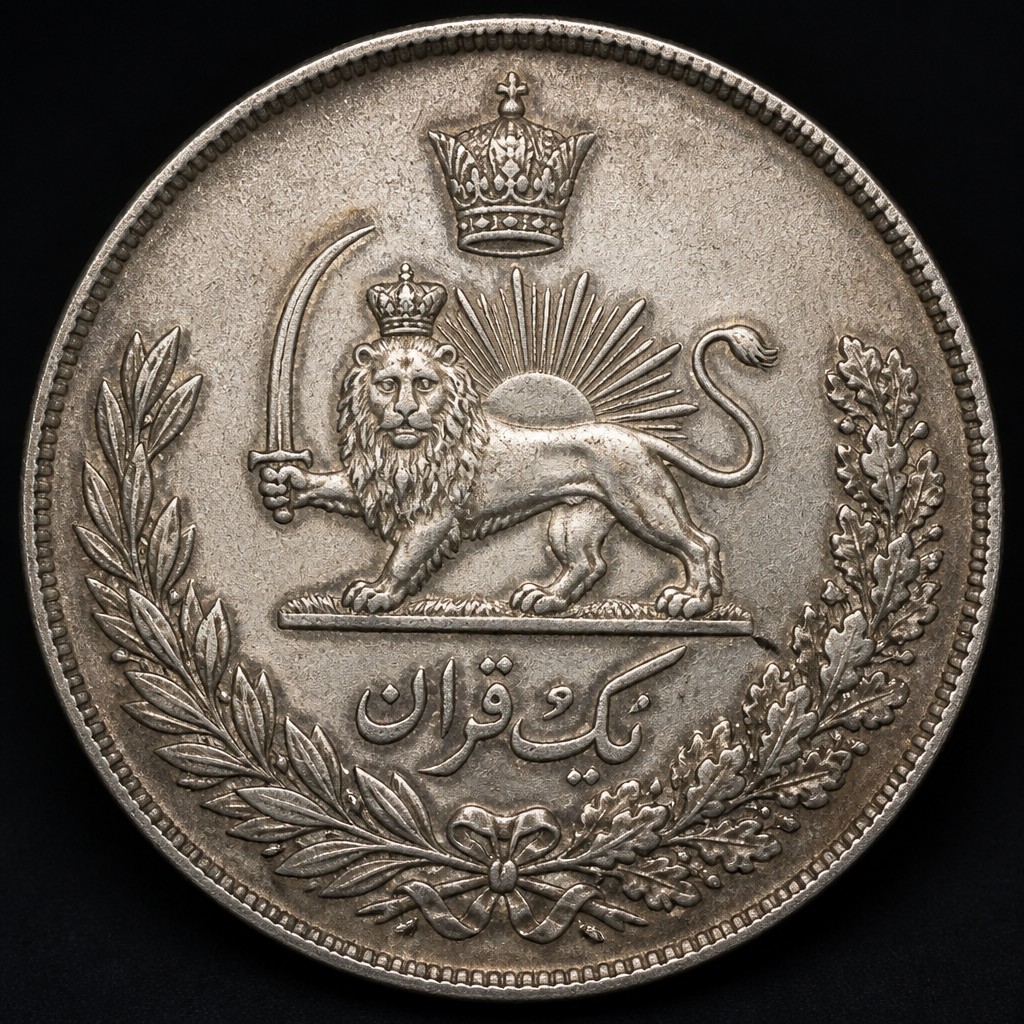
Persian Kran (Qajar silver)
Mid-19th century–1925
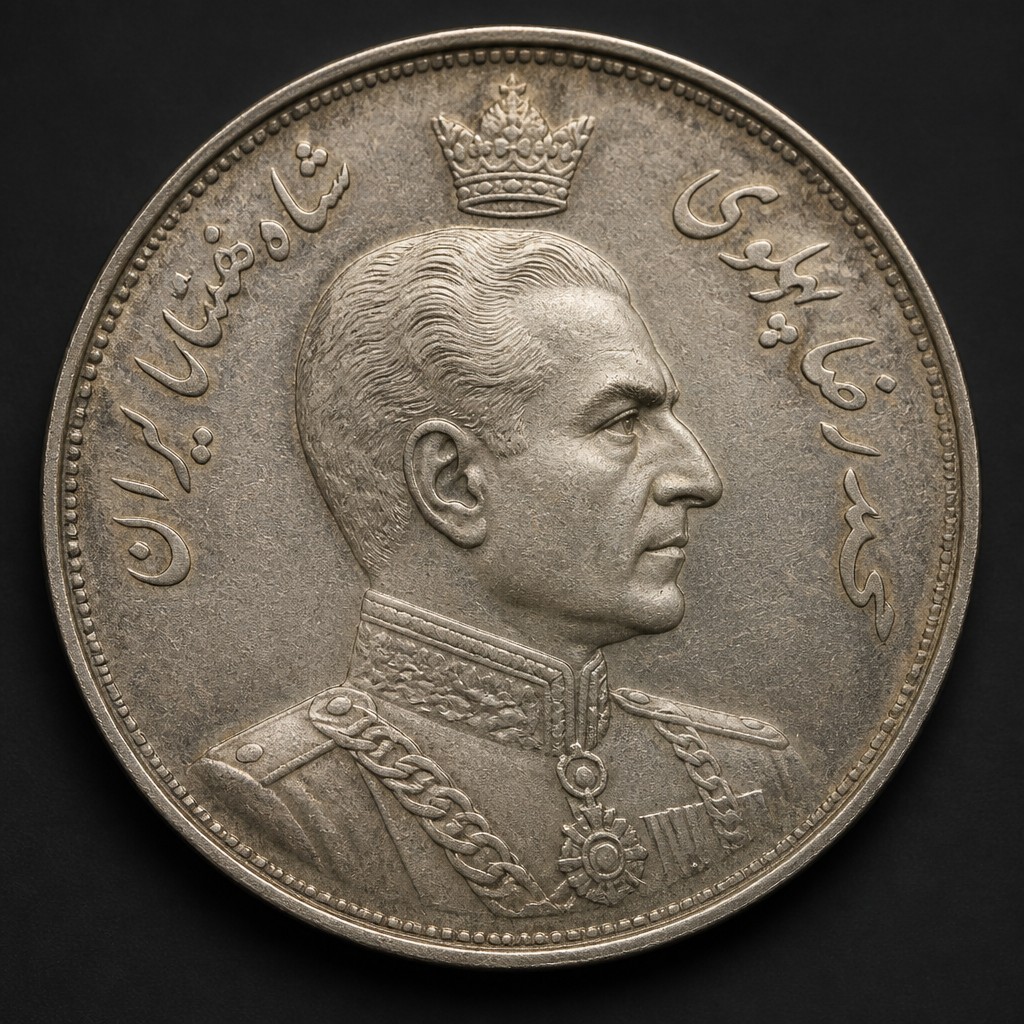
Iranian Rial
1932–present
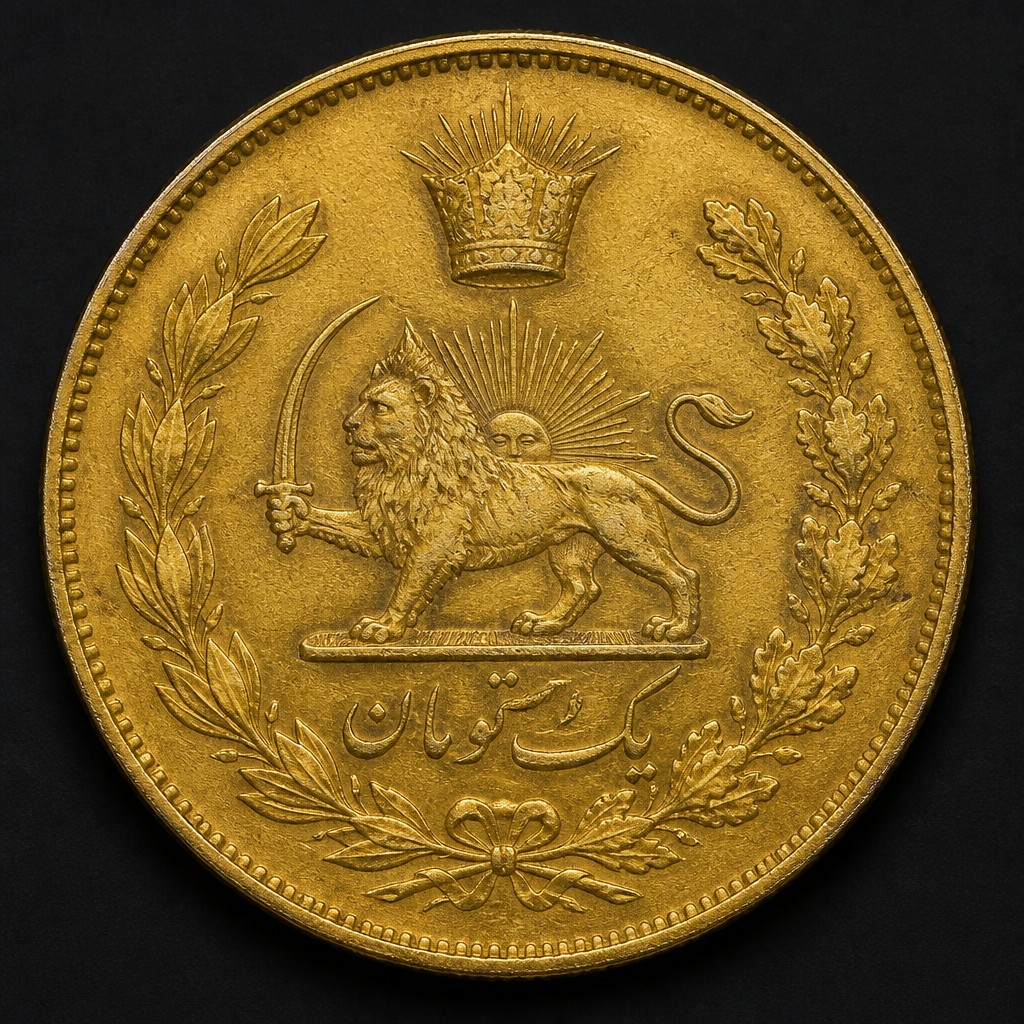
Persian Gold Toman (Qajar)
1796–1925
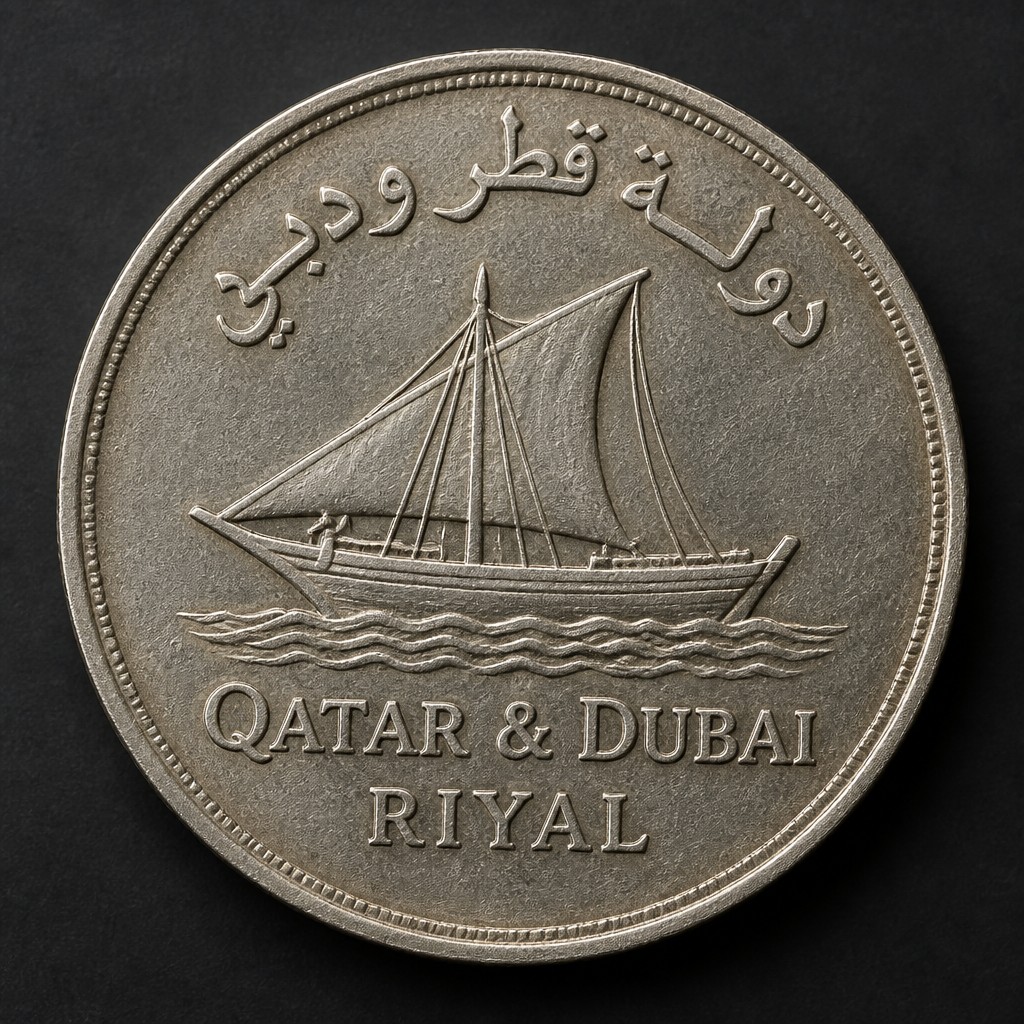
Qatar and Dubai Riyal
1966–1973
British India Rupee (Silver)
1835–1947