
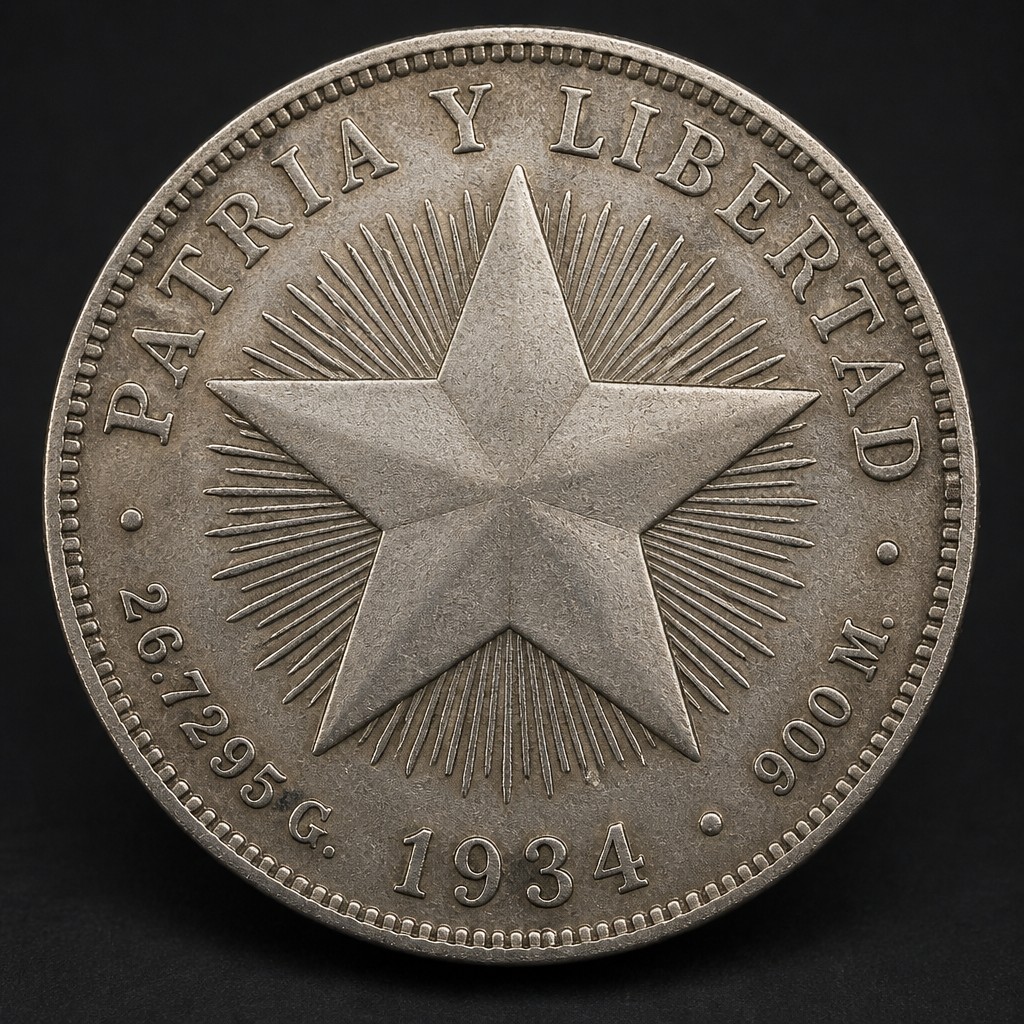
Cuba Peso 'Star' Silver (ABC Peso)
A silver dollar-sized Cuban peso featuring a prominent five-pointed star, popularly nicknamed the 'ABC Peso' and widely used interchangeably with the US silver dollar in the 1930s.
- Country
- Cuba
- Denomination
- 1 Peso
- Metal
- .900 fine silver
Got a coin like this?
Identify any coin from a photo, free.
Overview
The Cuban silver peso of the 1930s, often called the 'Star Peso' for its bold radiant star device, is a dollar-sized coin that closely matched the weight and fineness of a contemporary US silver dollar, allowing it to circulate almost interchangeably with US currency in Cuba during a period when the two nations' monetary systems were tightly linked. The design tradition traces back to an earlier 1915 Cuban peso of similar appearance.
The popular nickname 'ABC Peso' is associated by collectors with the turbulent Cuban political climate of the 1930s, a period marked by the activity of underground opposition groups during and after the Machado dictatorship, though the coin's design itself carries no direct political imagery beyond national symbols.
Because of its substantial silver content and dollar-like size, the coin remains a popular and relatively affordable entry point for collectors interested in Latin American silver crowns.
History & Background
Cuba first issued a silver peso of this general 'star' design in 1915 as part of its early independent coinage system, struck to match the specifications of the US silver dollar to facilitate easy exchange between the two currencies, which were pegged closely together. Production of one-peso silver coins resumed in the 1930s, continuing through the end of the decade.
The coins were struck under contract at the Philadelphia Mint in the United States, reflecting Cuba's close economic and political ties to its northern neighbor during this era. The nickname 'ABC Peso' arose during a time of significant political upheaval in Cuba, tied by popular association with the ABC, a clandestine revolutionary organization active against the Machado government.
Production of the silver one-peso ceased by the end of the 1930s as Cuban coinage evolved, and the coin today stands as a widely collected relic of an era when Cuban and American currency circulated side by side.
How to Identify
The obverse features a Liberty-style female bust in profile, with flowing hair and a radiant five-pointed star prominently placed nearby, along with the legend REPUBLICA DE CUBA and the date.
The reverse displays the Cuban coat of arms, incorporating a shield with a rising sun over mountains and sea, palm tree, and a Phrygian cap, surrounded by a laurel and oak wreath, with UN PESO below.
The coin is silver dollar-sized (about 38 mm) with a reeded edge, and is easily distinguished from other Latin American pesos by its prominent star device and close resemblance in size and heft to a US Morgan or Peace dollar.
Value & Collectibility
Because it was struck in large enough numbers and closely tracks silver bullion value, the ABC Peso in worn, circulated condition is generally affordable, often trading in the range of the coin's silver melt value plus a modest premium.
Higher-grade uncirculated examples with strong luster and minimal wear command noticeably higher prices, and certain dates within the 1930s run are scarcer than others in top condition.
As with most silver crowns of this type, condition and originality of surfaces matter more to price than rarity for the common dates.
Frequently asked questions
Why is it called the ABC Peso?
The nickname is popularly linked to the ABC, a Cuban clandestine political organization active during the turbulent 1930s, though the coin's design does not depict the group directly.
Why does it resemble a US silver dollar?
It was deliberately struck to match the weight, fineness, and size of the US silver dollar, since the Cuban peso was pegged closely to the US dollar at the time.
Where was the coin minted?
It was struck under contract at the Philadelphia Mint in the United States.
What does the star on the coin represent?
It is a national symbol commonly associated with Cuban independence-era iconography, similar to the star on the Cuban flag.
Other coins you may enjoy
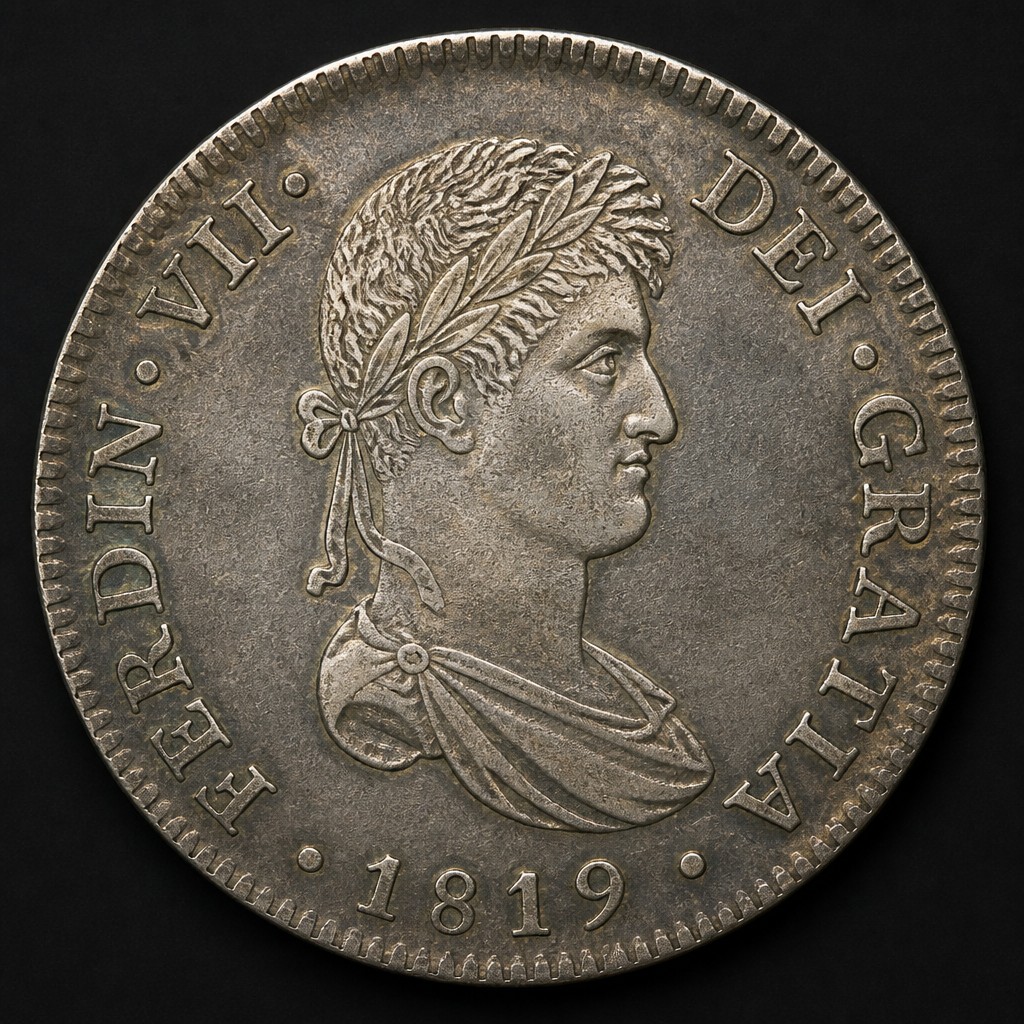
Colombia 8 Reales
Colonial issues through late 18th/early 19th century; republican issues 1820s–1830s
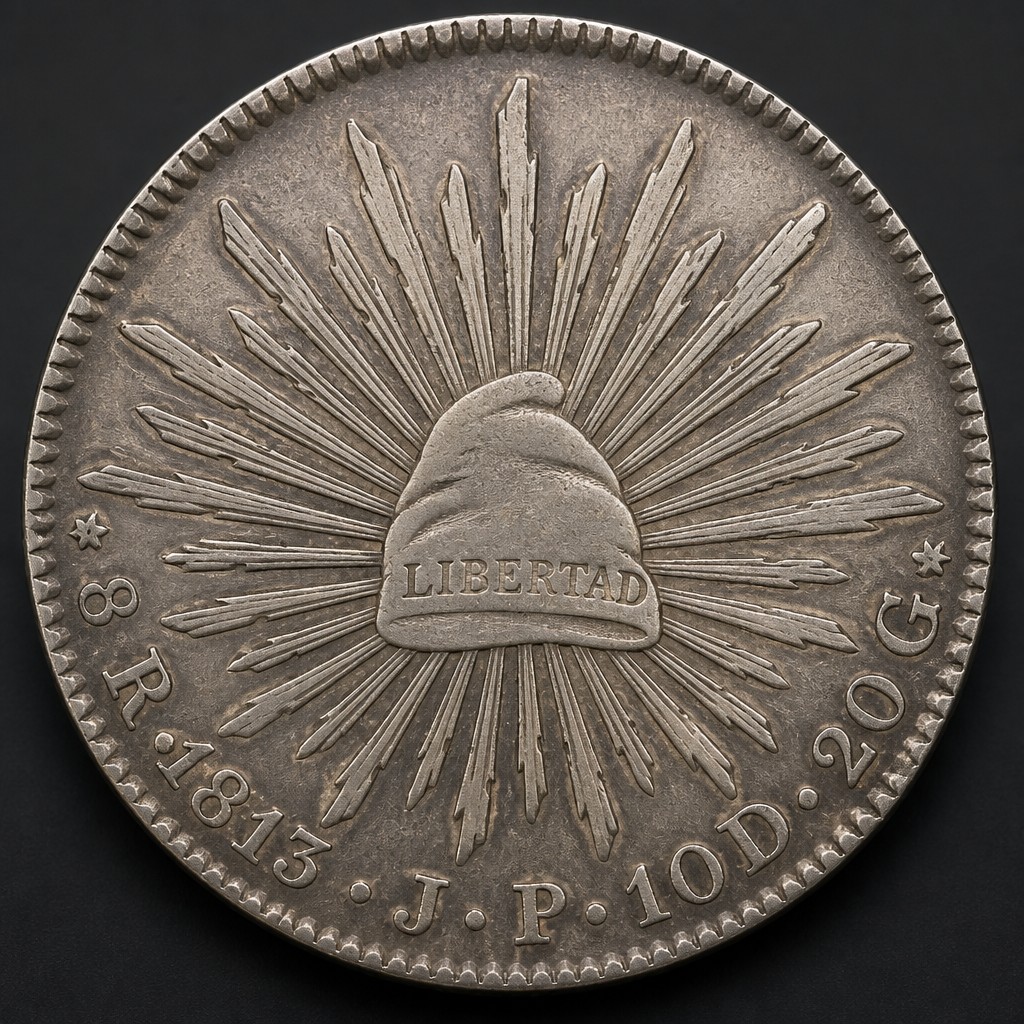
Argentina 8 Reales
c. 1813–1836
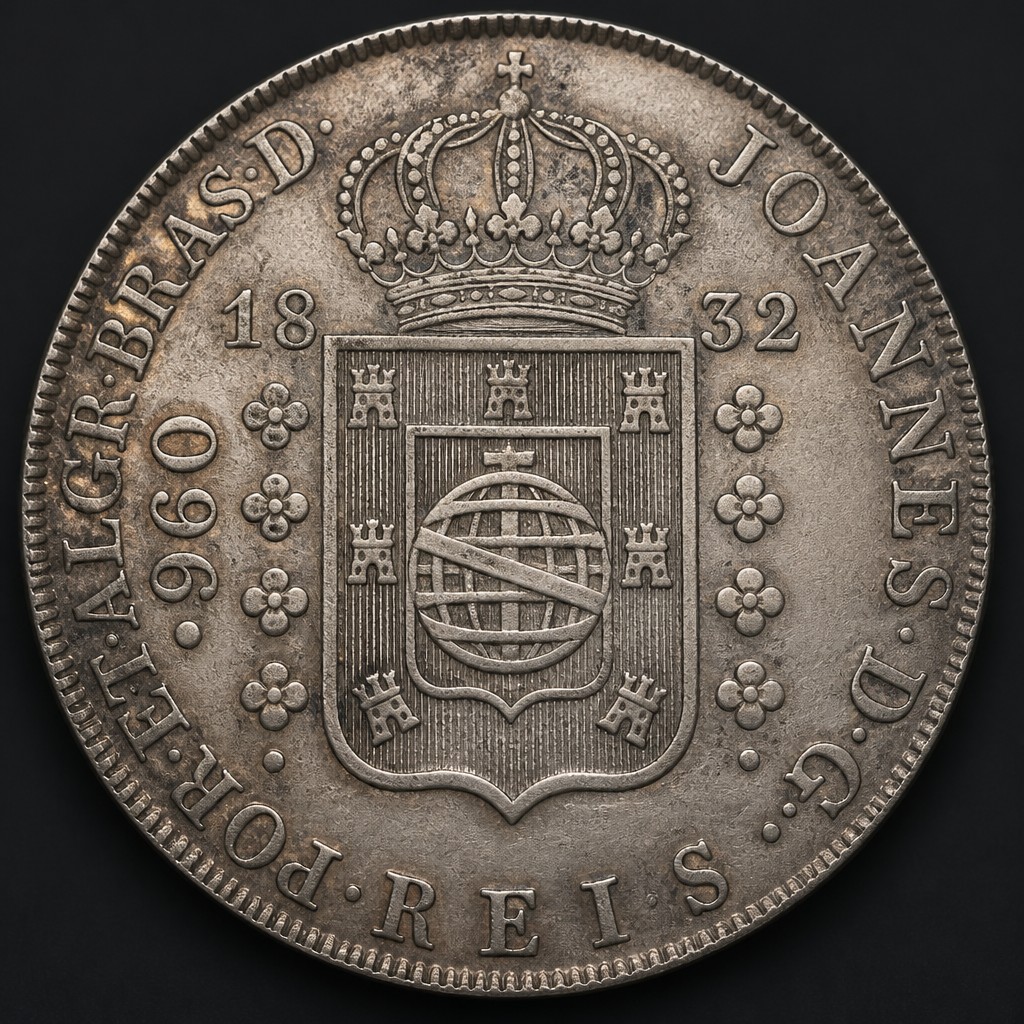
Brazil 960 Reis
1809–1832
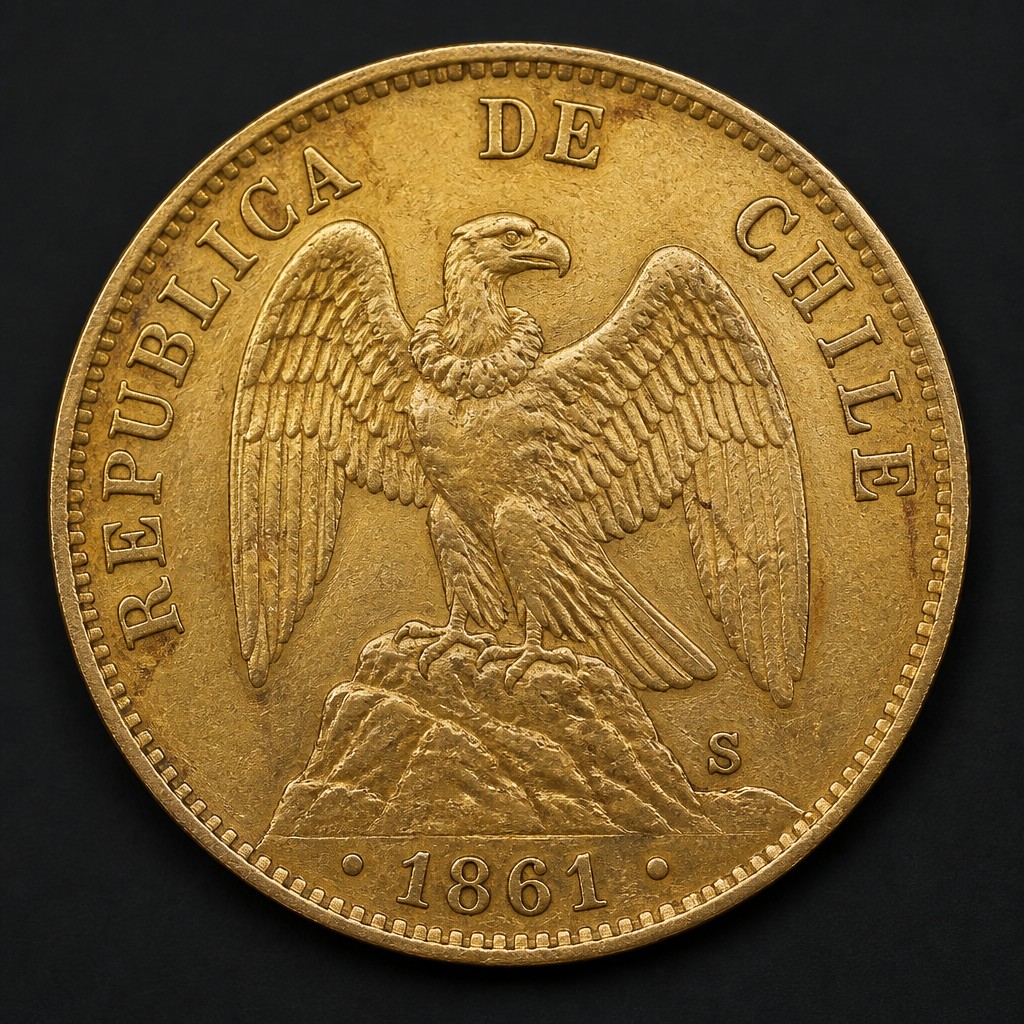
Chile Peso (Condor)
1851–1873 (gold condor series); modern base-metal peso 1990s–present
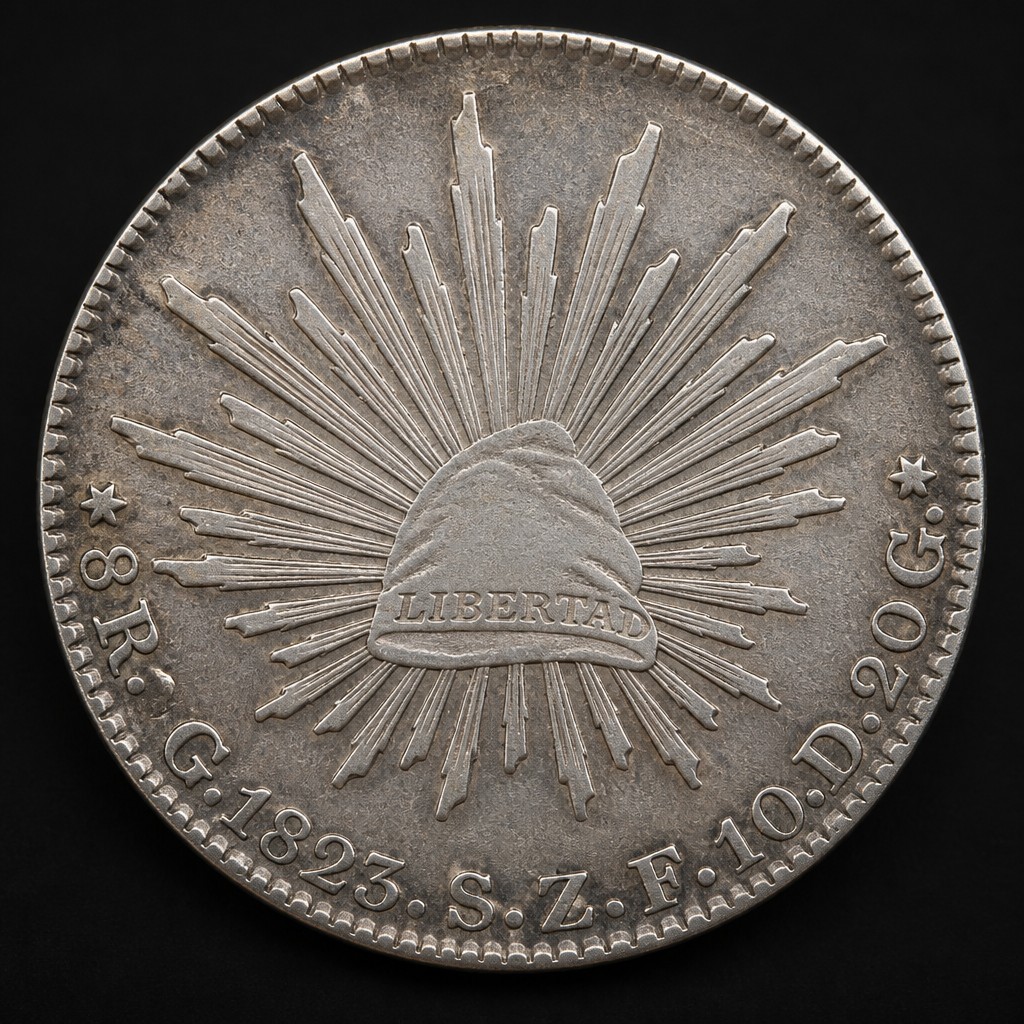
Mexican 8 Reales Cap and Rays
1823-1897
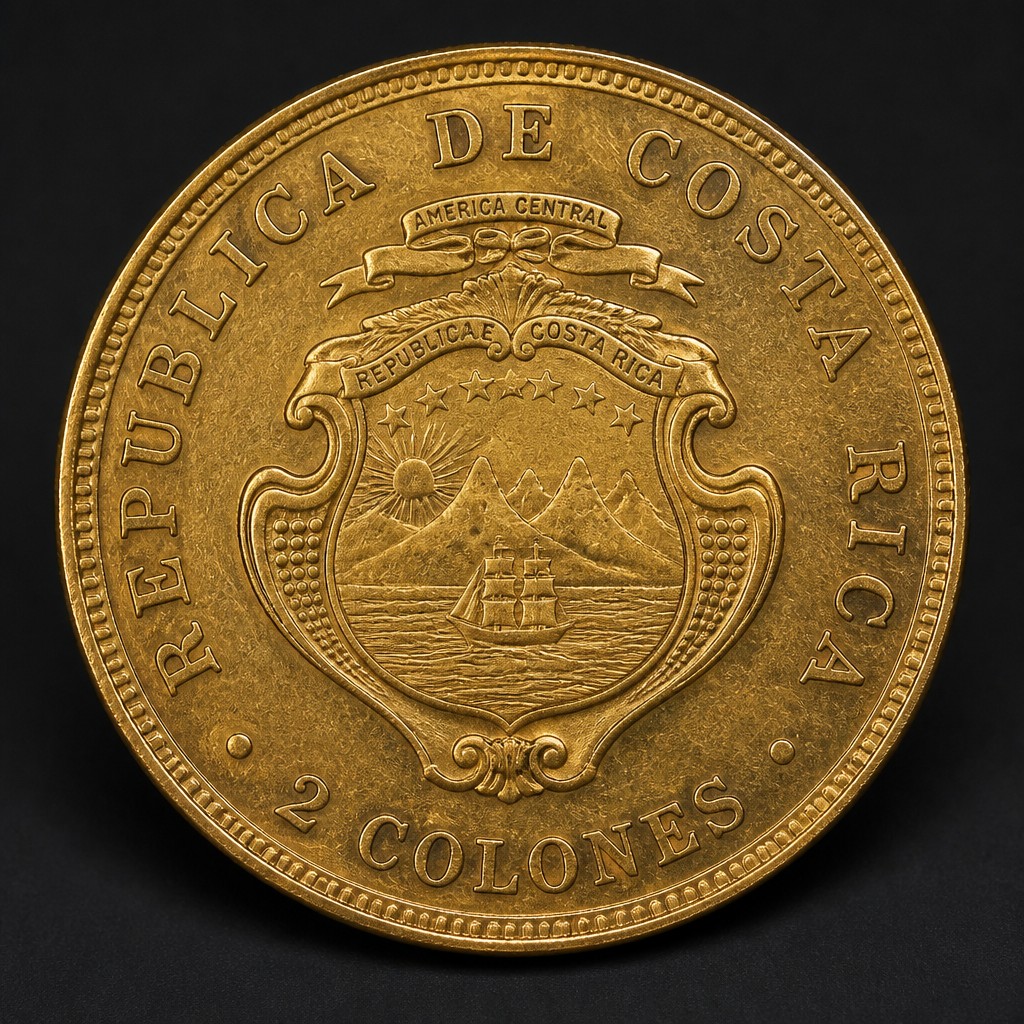
Costa Rica 2 Colones Gold
Late 1890s–early 1900s
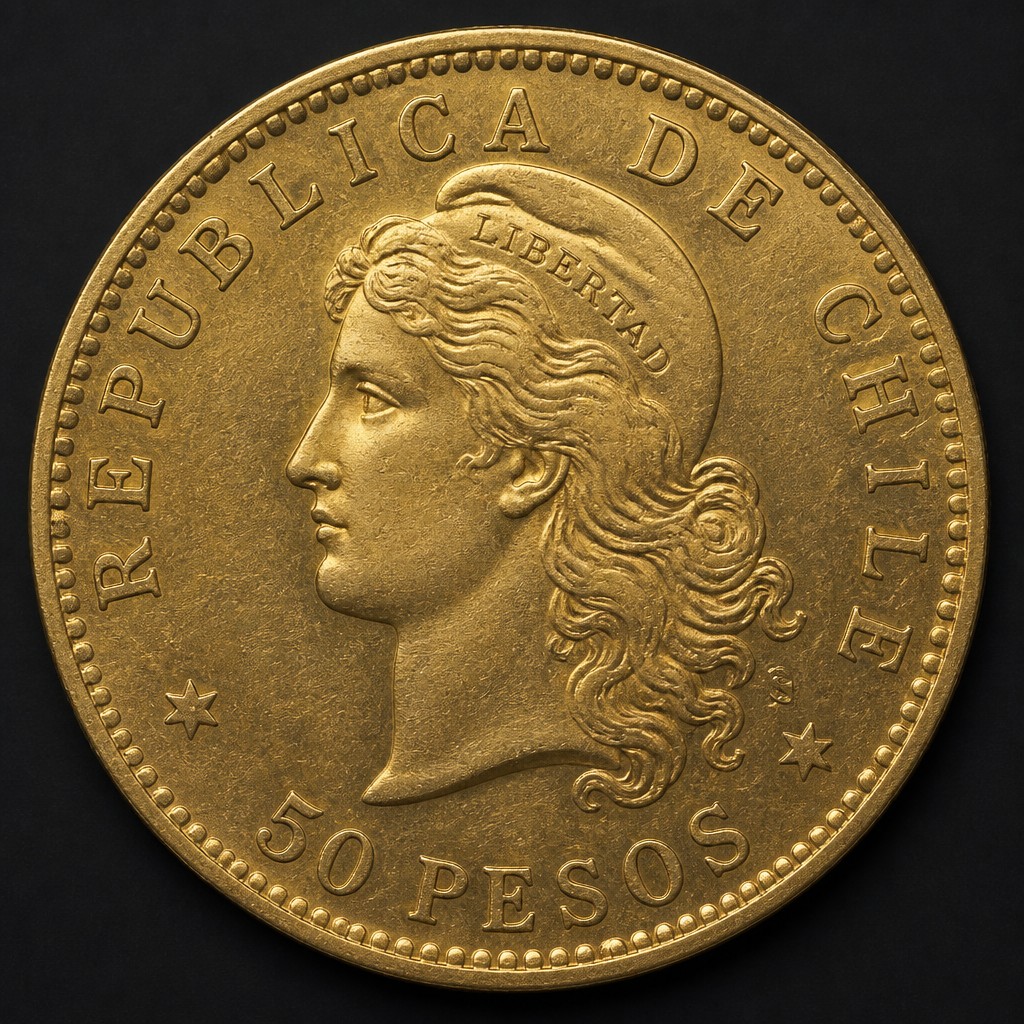
Chilean 50 Pesos Gold
1926–1980 (with interruptions)
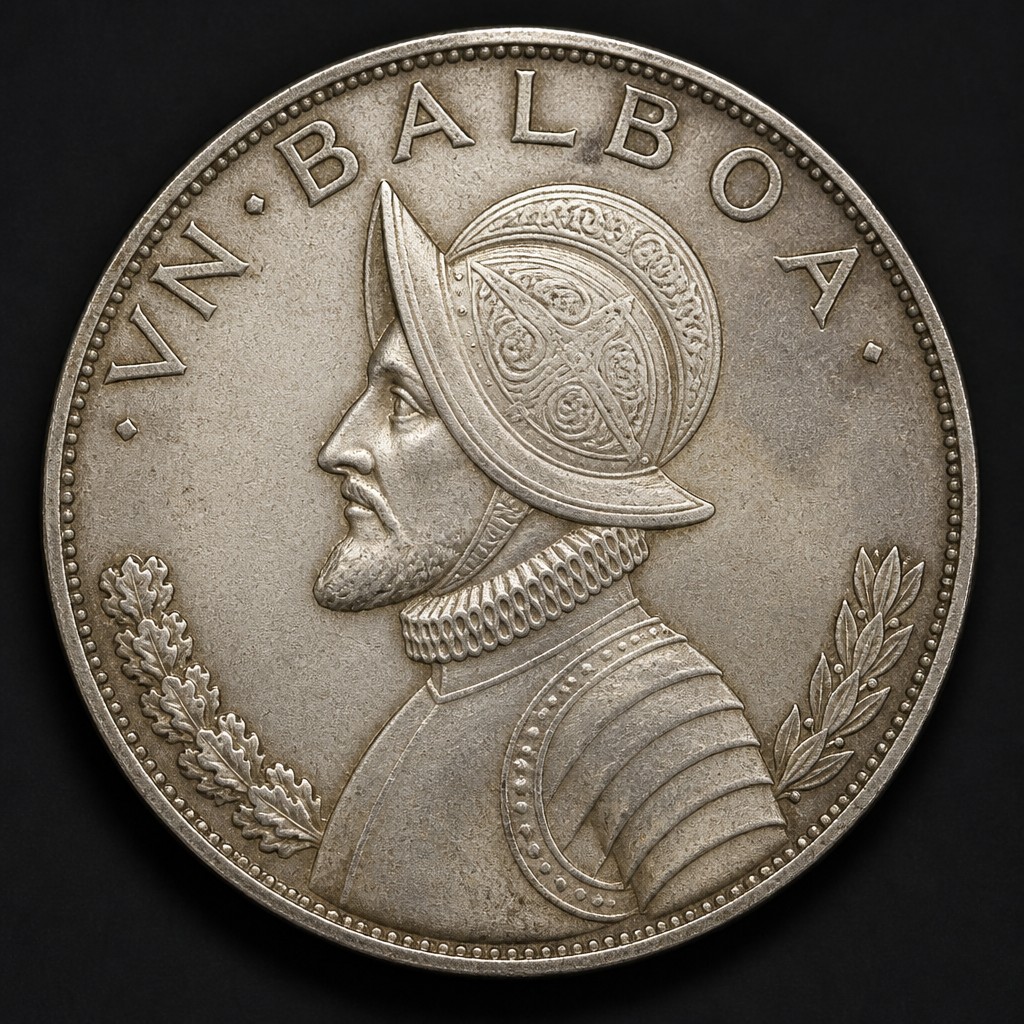
Panama Balboa Silver
1904, 1931, 1934, 1947, 1953, 1966 (various dates)
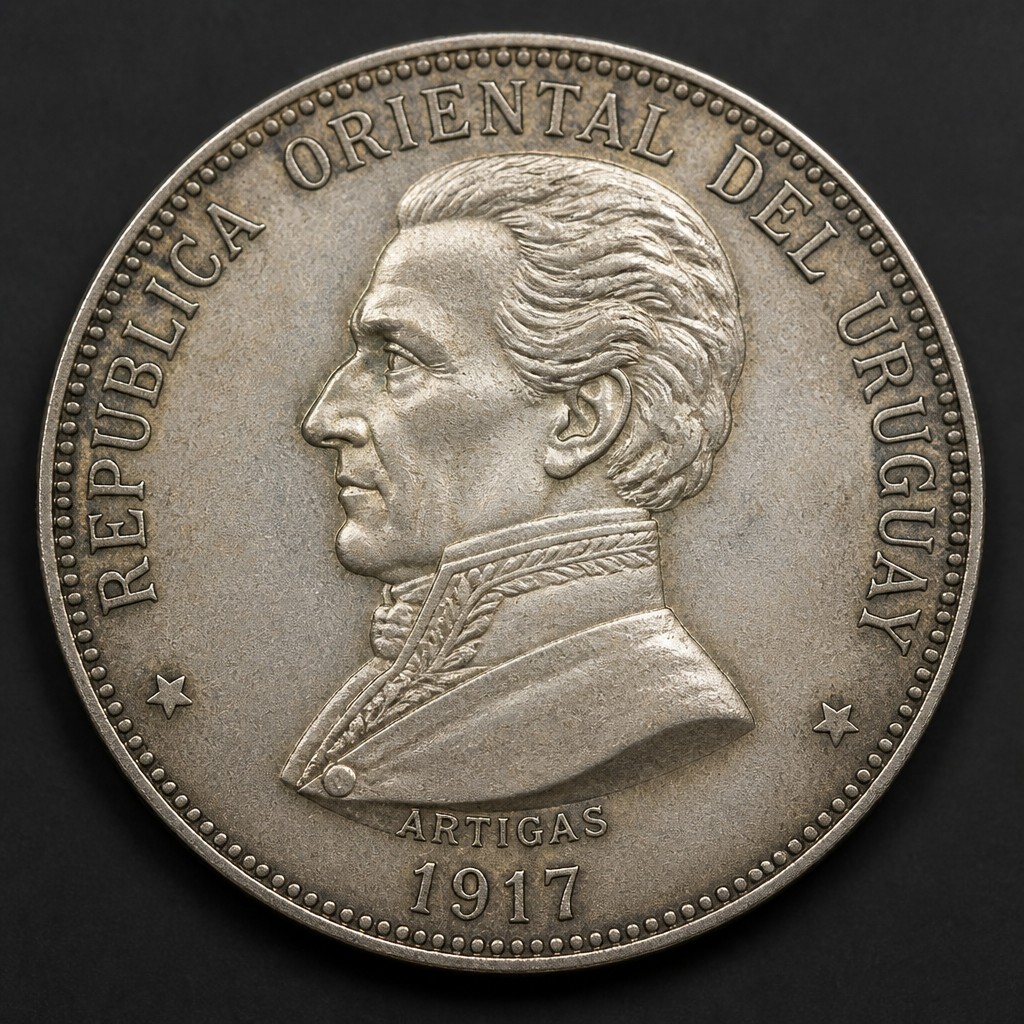
Uruguay Peso Silver 'Artigas'
1917–1920 (with related commemorative issues in later decades)
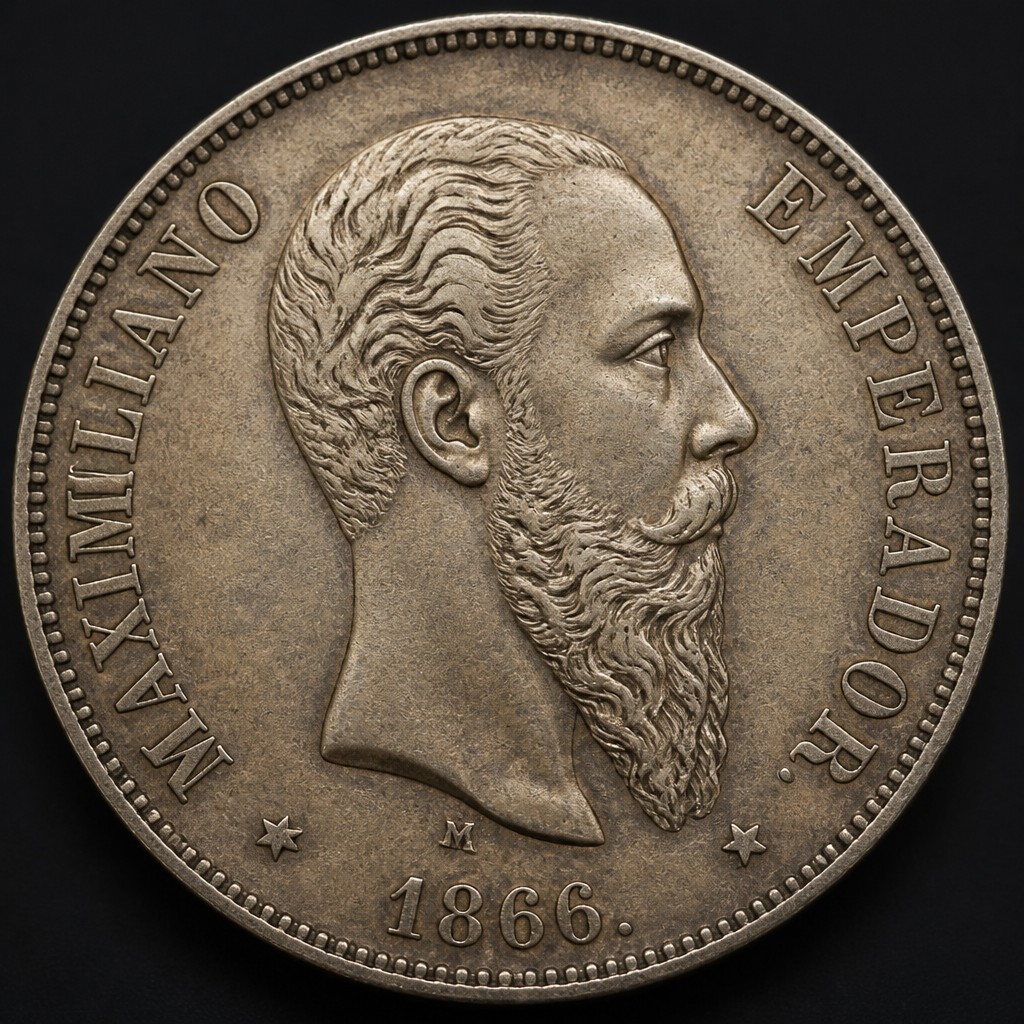
Mexican Emperor Maximilian Peso
1866–1867
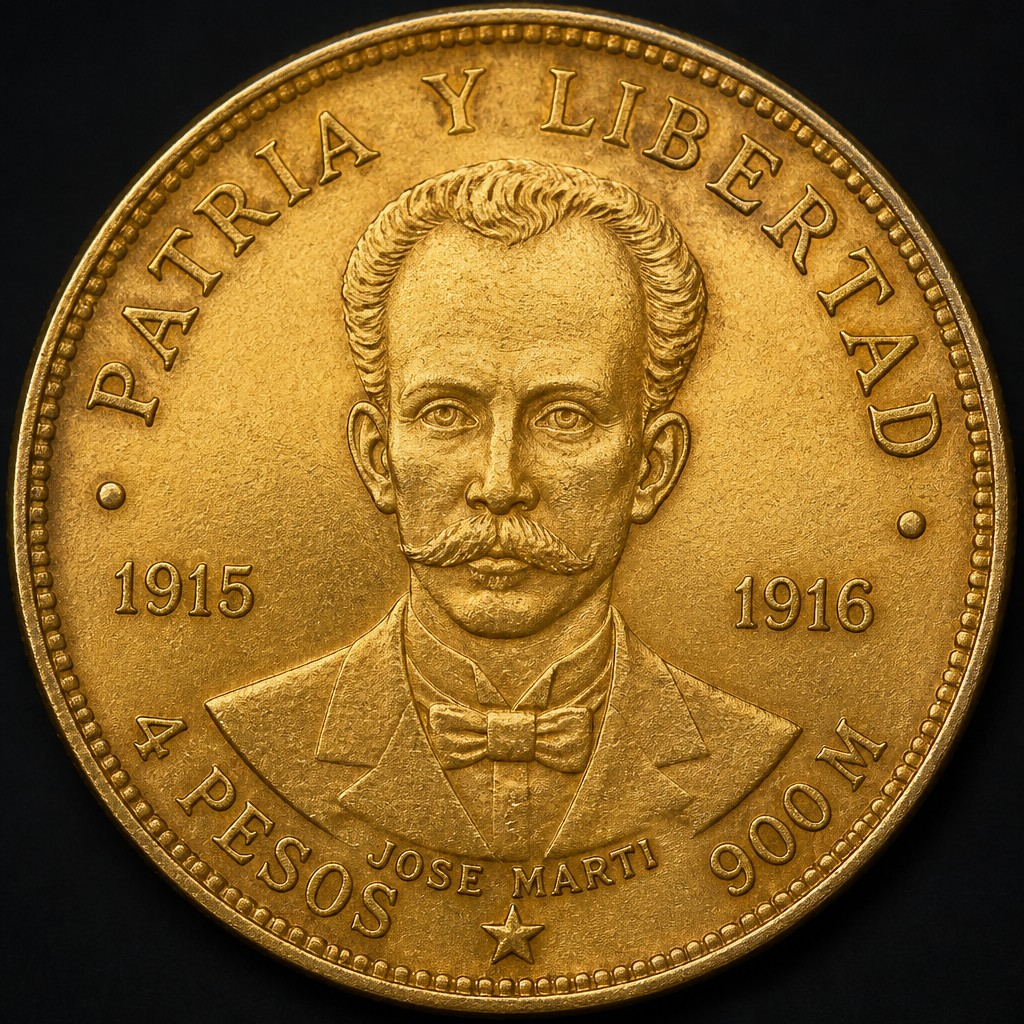
Cuba 4 Pesos Gold Jose Marti
1915–1916
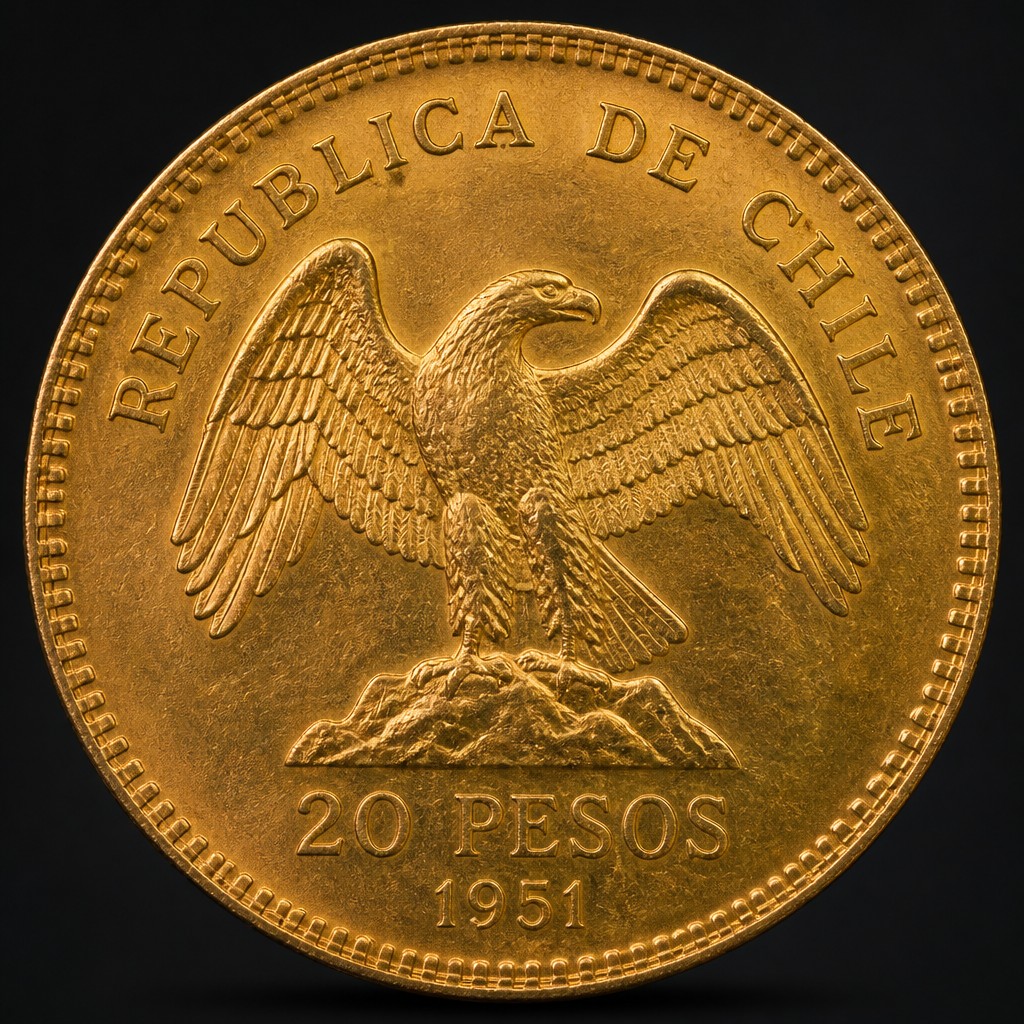
Chilean 20 Pesos Gold
19th century issues and 1926–1980 condor series