
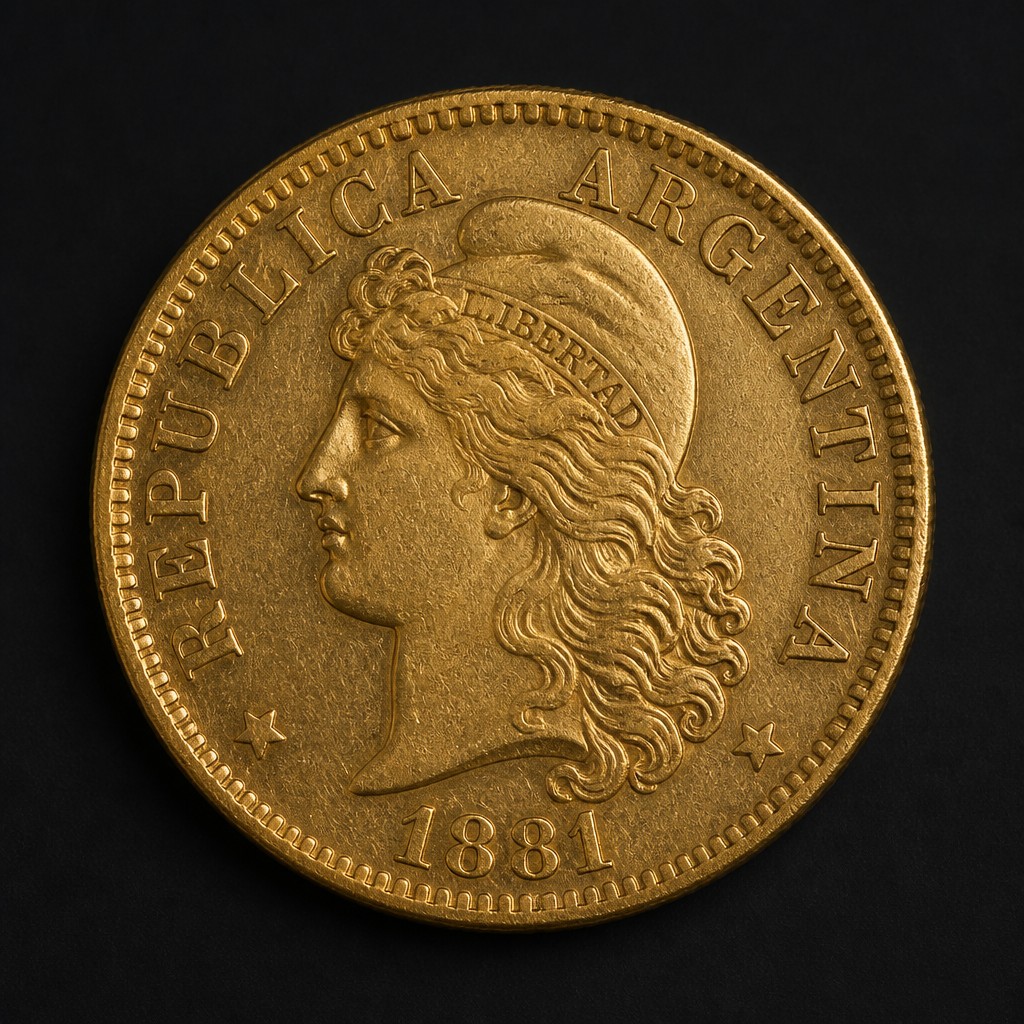
Argentine Argentino Gold (5 Pesos)
Argentina's principal 19th-century gold coin, worth 5 pesos oro and called an "Argentino," struck to Latin Monetary Union weight standards for use in international trade.
- Country
- Argentina
- Denomination
- 5 Pesos (1 Argentino)
- Metal
- Gold, .900 fine
Got a coin like this?
Identify any coin from a photo, free.
Overview
The Argentino was the flagship gold coin of the Argentine Republic's bimetallic monetary system established in the 1880s, valued at 5 pesos oro sellado ("stamped gold pesos"). It was struck to a weight and fineness compatible with major international gold coins of the era, allowing it to circulate in trade alongside British sovereigns and French 20-franc pieces.
Although production was limited to a relatively short window and was never as extensive as contemporary silver peso coinage, the Argentino remains an important symbol of Argentina's ambitions to anchor its currency to gold following a turbulent early history of paper money and provincial issues.
History & Background
Argentina adopted a gold-based monetary law in 1881 that created the peso oro as the country's standard unit and authorized gold coinage in denominations including the 5-peso Argentino and a smaller 2.5-peso half-Argentino. The coins were struck at the national mint in Buenos Aires during intervals when economic conditions and gold reserves permitted, with issues appearing in scattered years through the mid-1890s.
Recurring financial crises, including the Baring crisis of 1890, disrupted convertibility and gold coin production, making some dates considerably scarcer than others. The Argentino coinage ultimately gave way to a paper currency era, and gold coins of this type ceased to circulate widely by the early 20th century, surviving today mainly as collector pieces.
How to Identify
The obverse depicts a left-facing female head personifying Liberty or the Argentine Republic, often wearing a laureate or radiate design element, encircled by the legend "REPUBLICA ARGENTINA." The reverse shows the national coat of arms or a sun-and-value motif with the denomination "UN ARGENTINO" and the numeral value, along with the date below.
The coin measures roughly 22 mm in diameter and weighs about 8.065 grams of .900 fine gold, a standard shared with several other Latin Monetary Union-influenced gold coins of the period, which helps in cross-checking authenticity by weight and diameter. A reeded edge is typical.
Collectors should watch for cleaned or polished examples, since gold's softness makes it prone to surface wear from mishandling, and should compare suspect pieces against reference weights, as underweight coins may indicate later fabrications or mounts that have been repaired.
Value & Collectibility
Because the Argentino saw limited mintages compared to major world gold coins, most dates carry a premium over simple bullion melt value, with well-preserved, lightly circulated pieces commanding low-to-mid hundreds of dollars and choice uncirculated or particularly scarce dates reaching considerably higher figures at auction.
Condition, date rarity, and originality of surfaces are the primary value drivers; coins that have been cleaned, holed, or mounted as jewelry lose significant value even if the gold content remains intact. As with all historic gold coinage, prices also track the underlying bullion market, so melt value acts as a price floor.
Frequently asked questions
What was an Argentino worth?
It was Argentina's 5-peso oro gold coin, part of a bimetallic standard introduced in 1881 to align the peso with international gold values.
How much gold does it contain?
Approximately 8.065 grams of .900 fine gold, comparable in standard to other Latin Monetary Union-era gold coins.
Why are some dates rarer than others?
Argentina's gold coinage was interrupted by financial crises such as the 1890 Baring crisis, so mintages varied greatly year to year.
Is the Argentino the same as a peso oro banknote?
No, the Argentino is a physical gold coin denominated in pesos oro, distinct from the paper peso currency that later replaced gold coinage in circulation.
Other coins you may enjoy
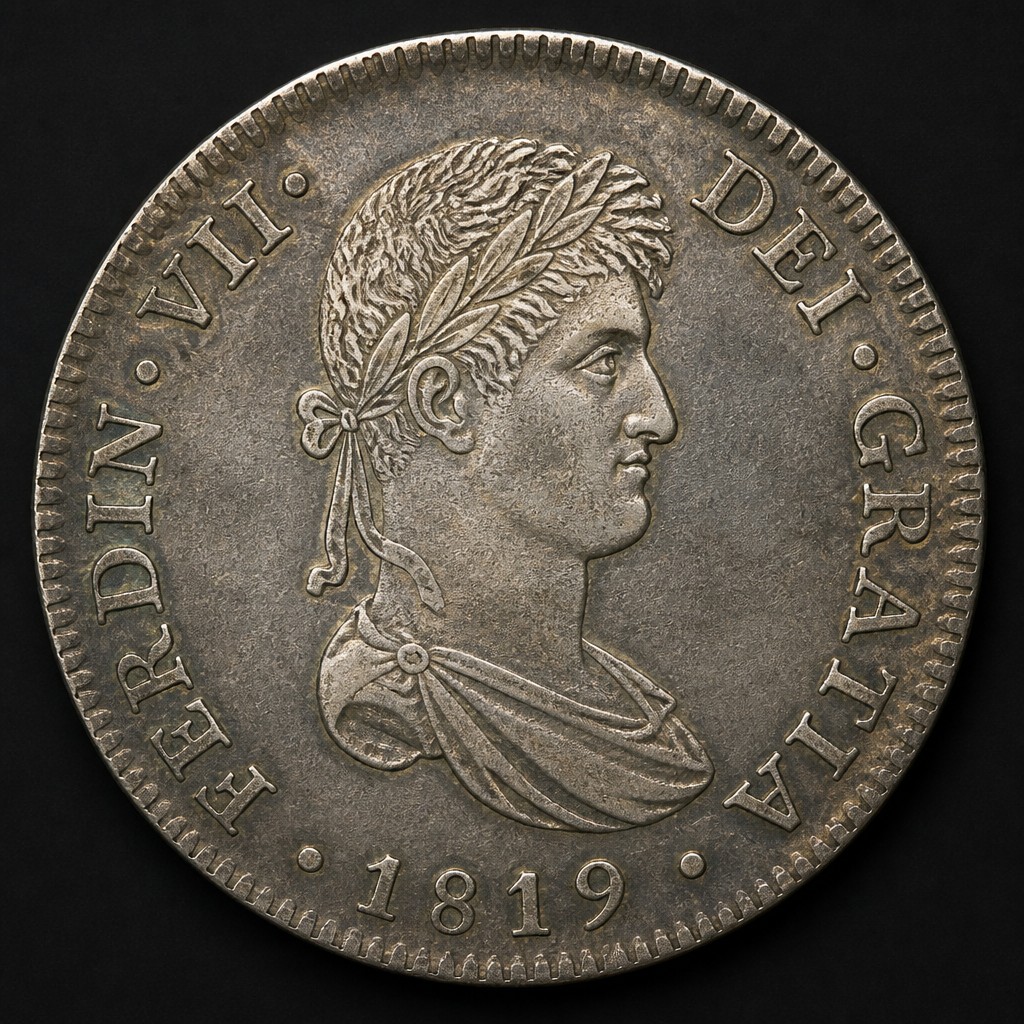
Colombia 8 Reales
Colonial issues through late 18th/early 19th century; republican issues 1820s–1830s
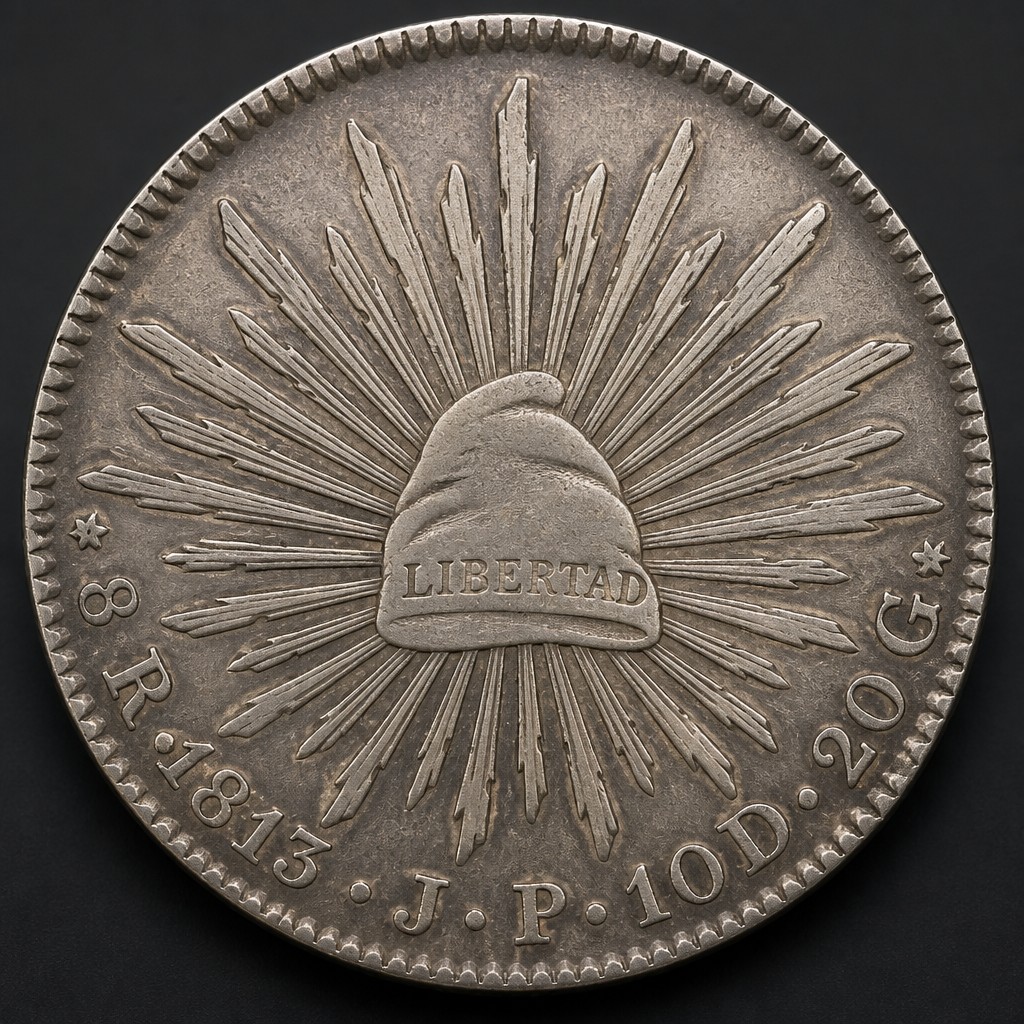
Argentina 8 Reales
c. 1813–1836
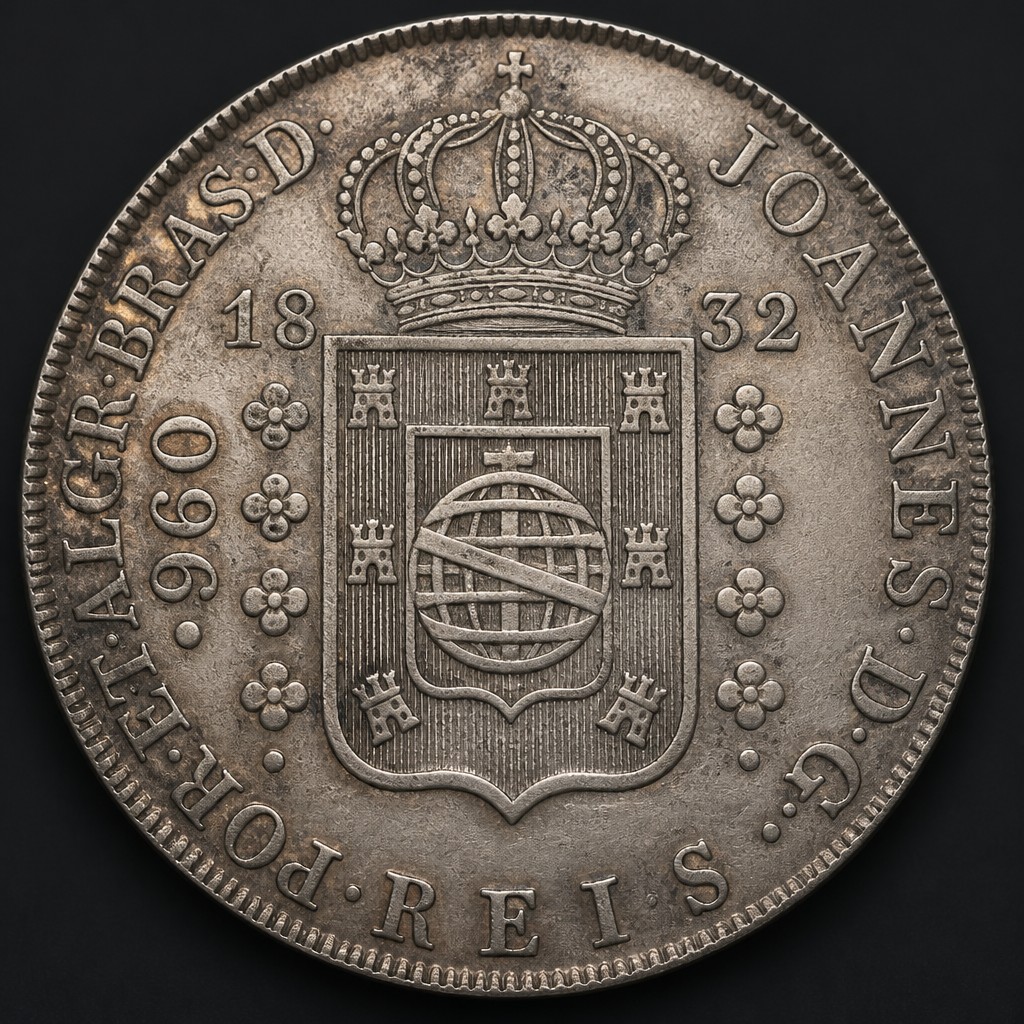
Brazil 960 Reis
1809–1832
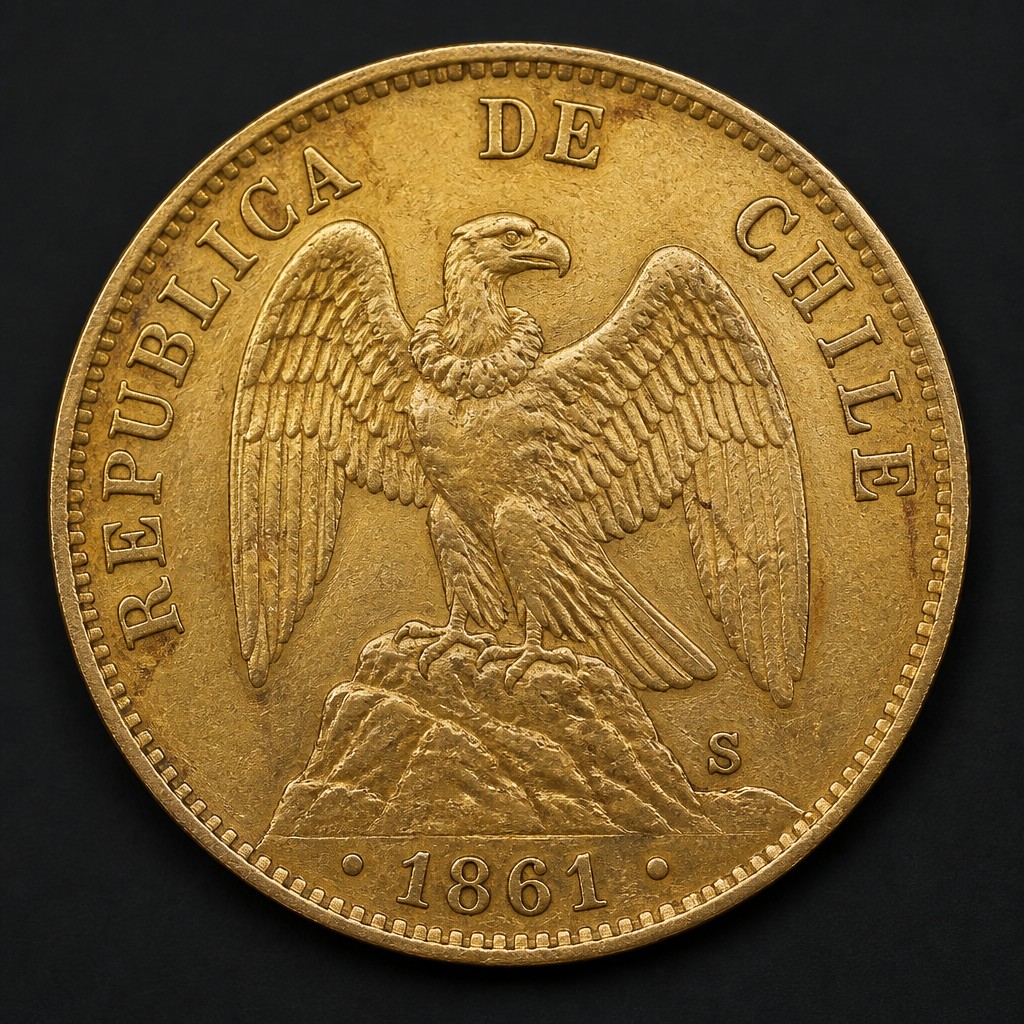
Chile Peso (Condor)
1851–1873 (gold condor series); modern base-metal peso 1990s–present
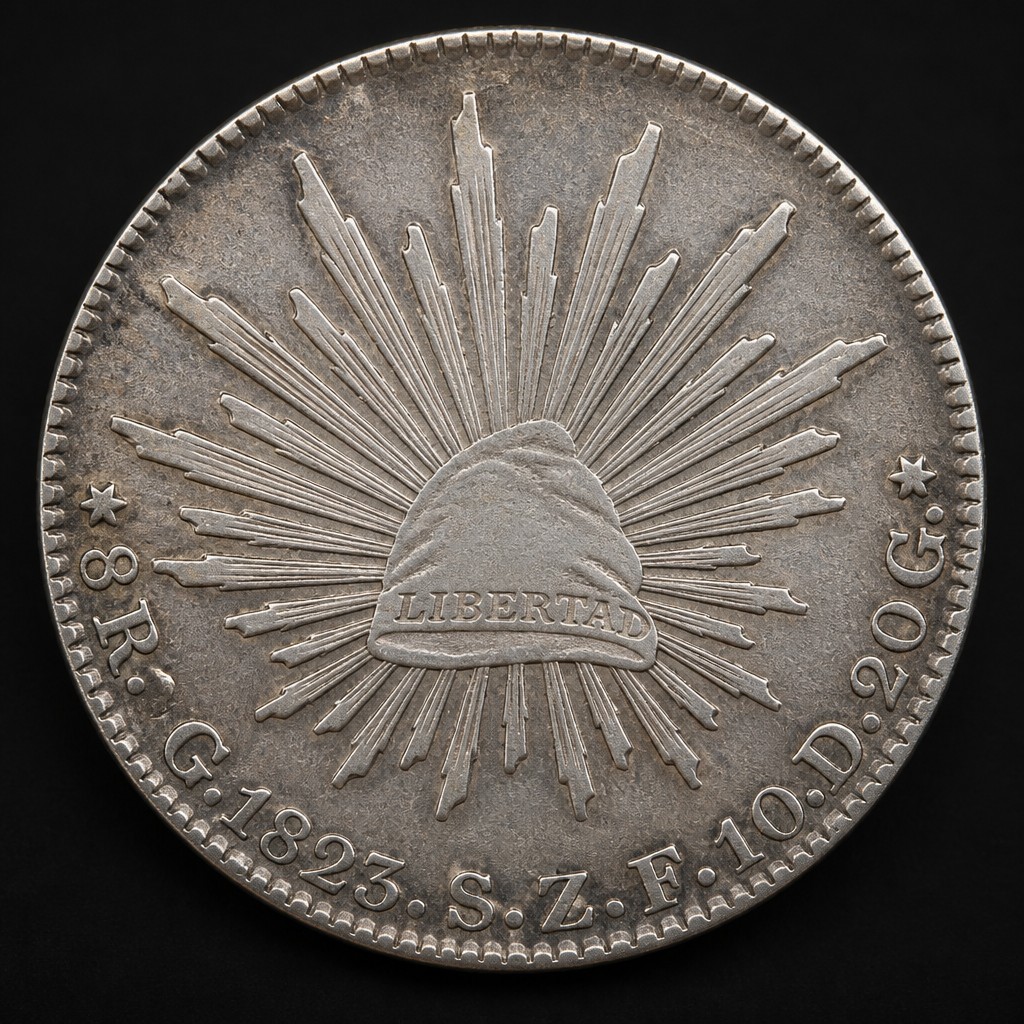
Mexican 8 Reales Cap and Rays
1823-1897
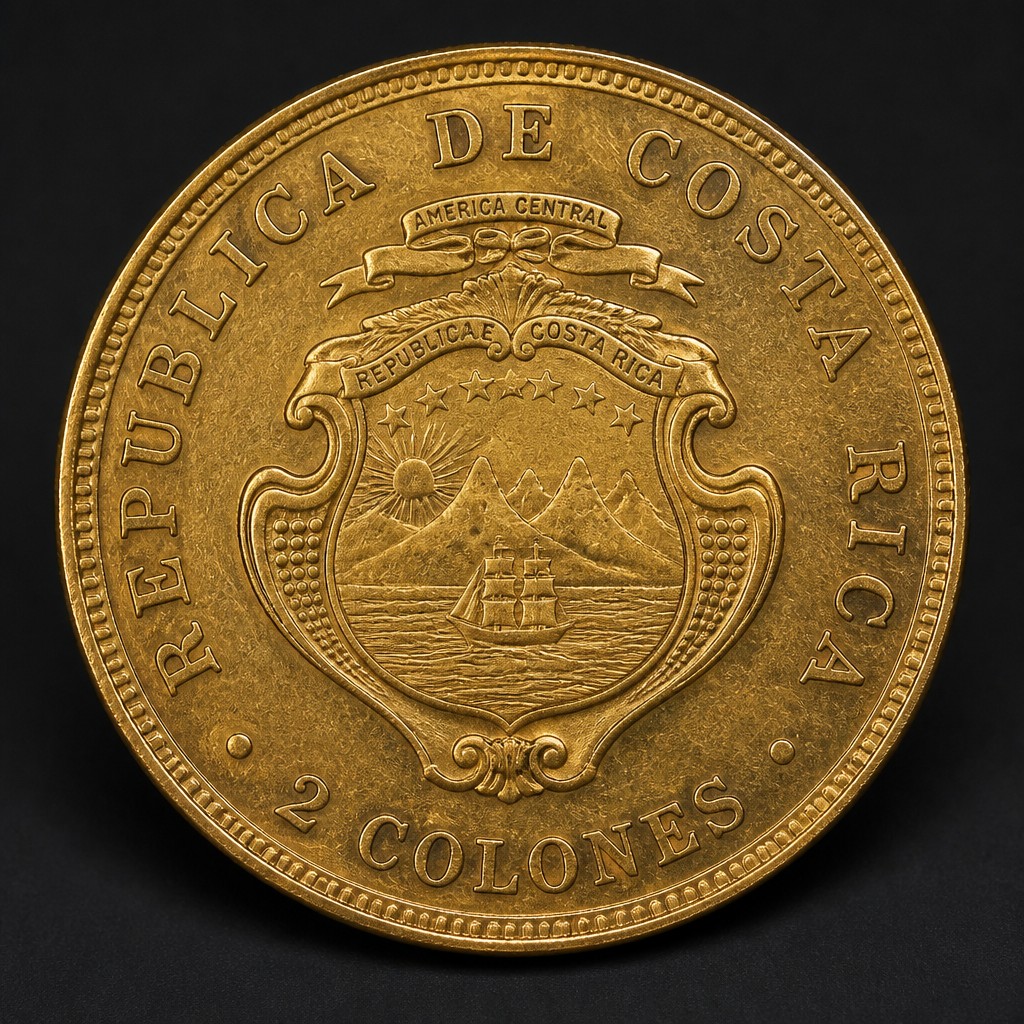
Costa Rica 2 Colones Gold
Late 1890s–early 1900s
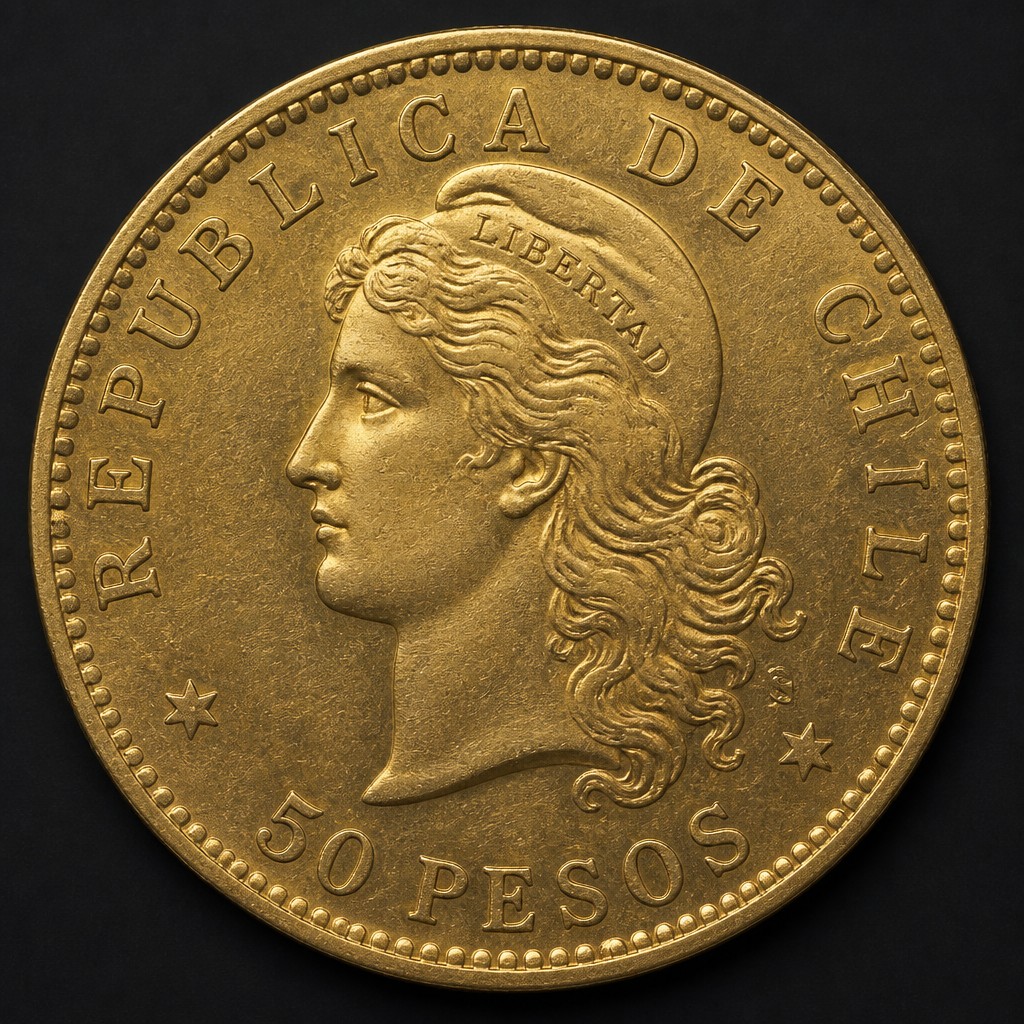
Chilean 50 Pesos Gold
1926–1980 (with interruptions)
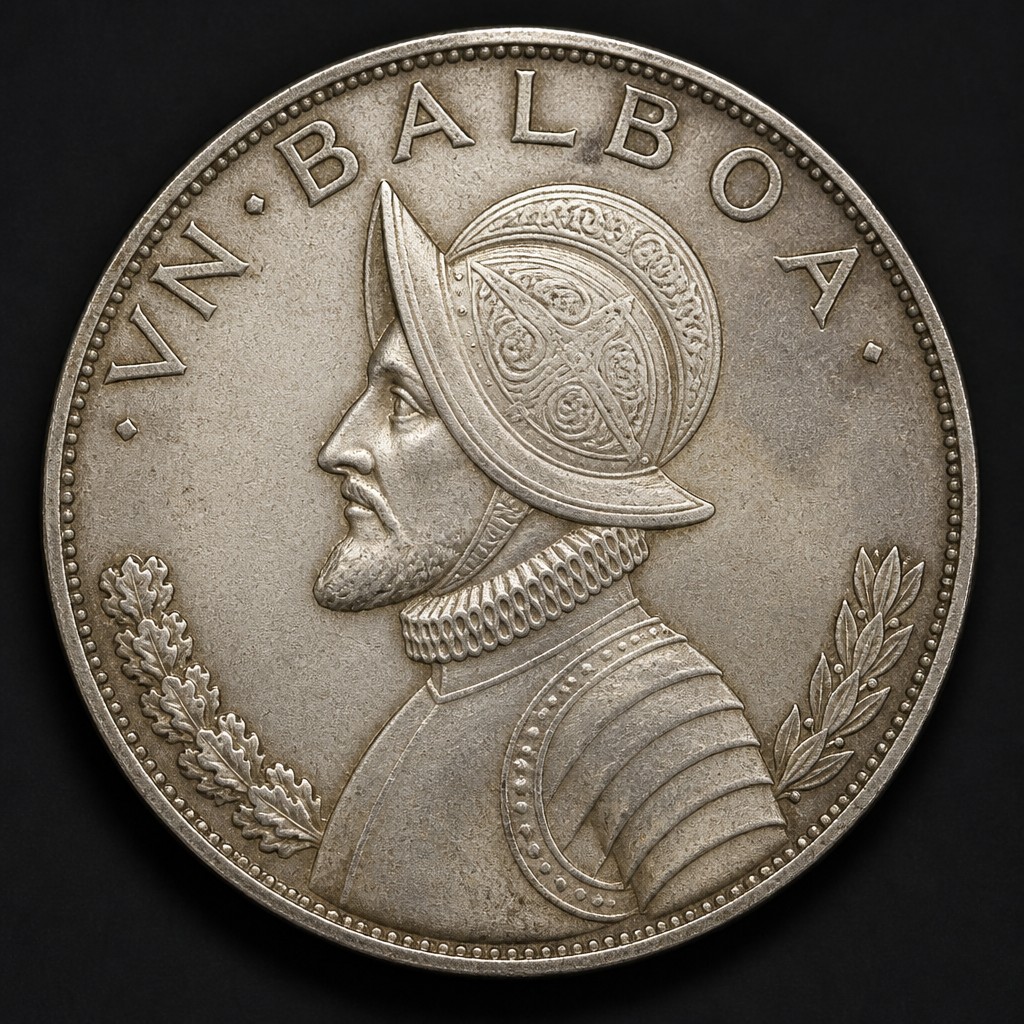
Panama Balboa Silver
1904, 1931, 1934, 1947, 1953, 1966 (various dates)
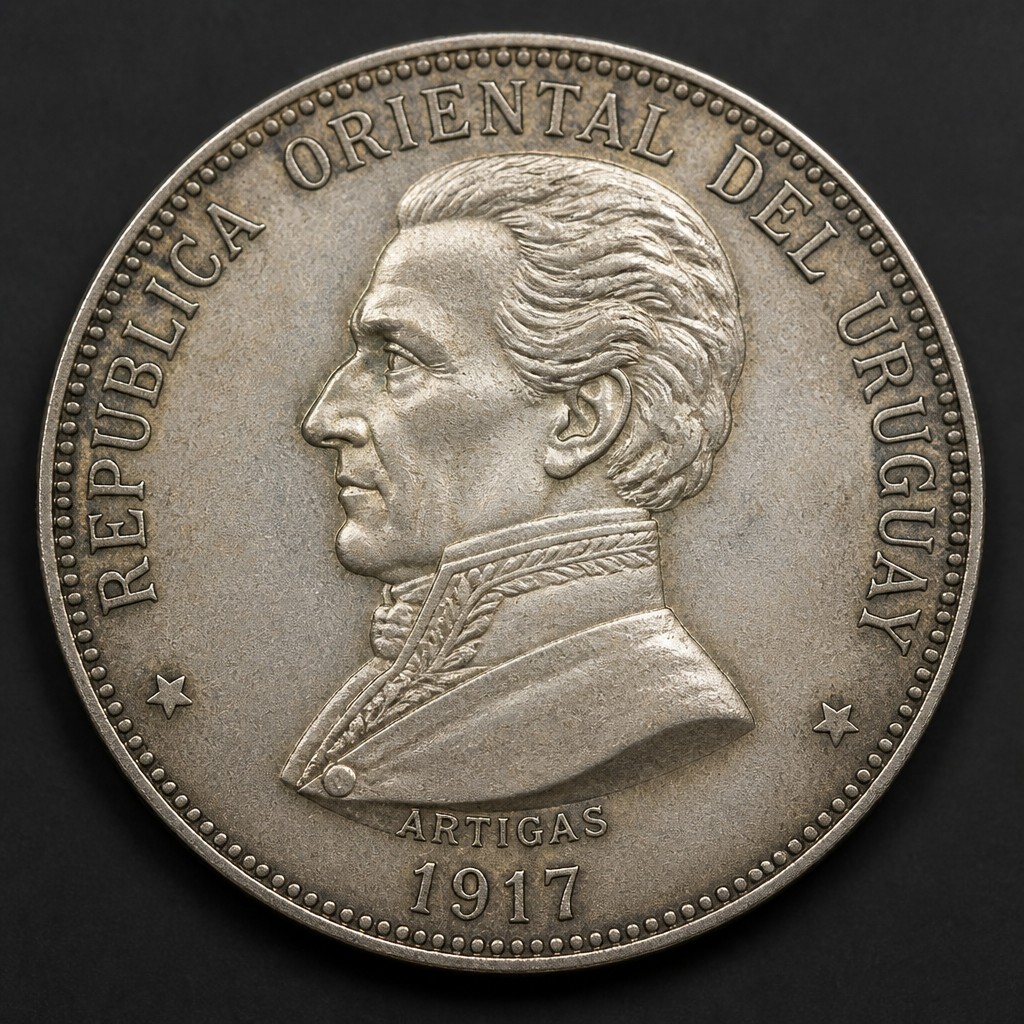
Uruguay Peso Silver 'Artigas'
1917–1920 (with related commemorative issues in later decades)
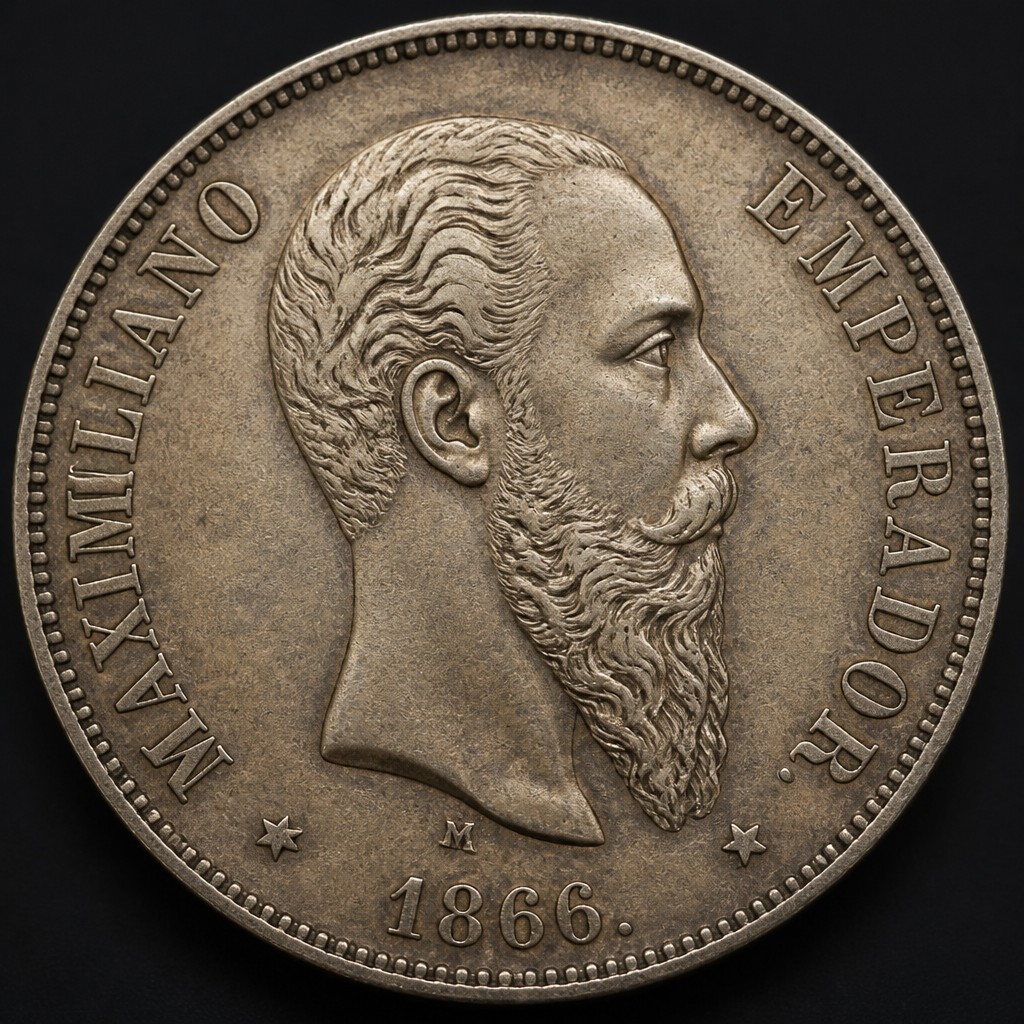
Mexican Emperor Maximilian Peso
1866–1867
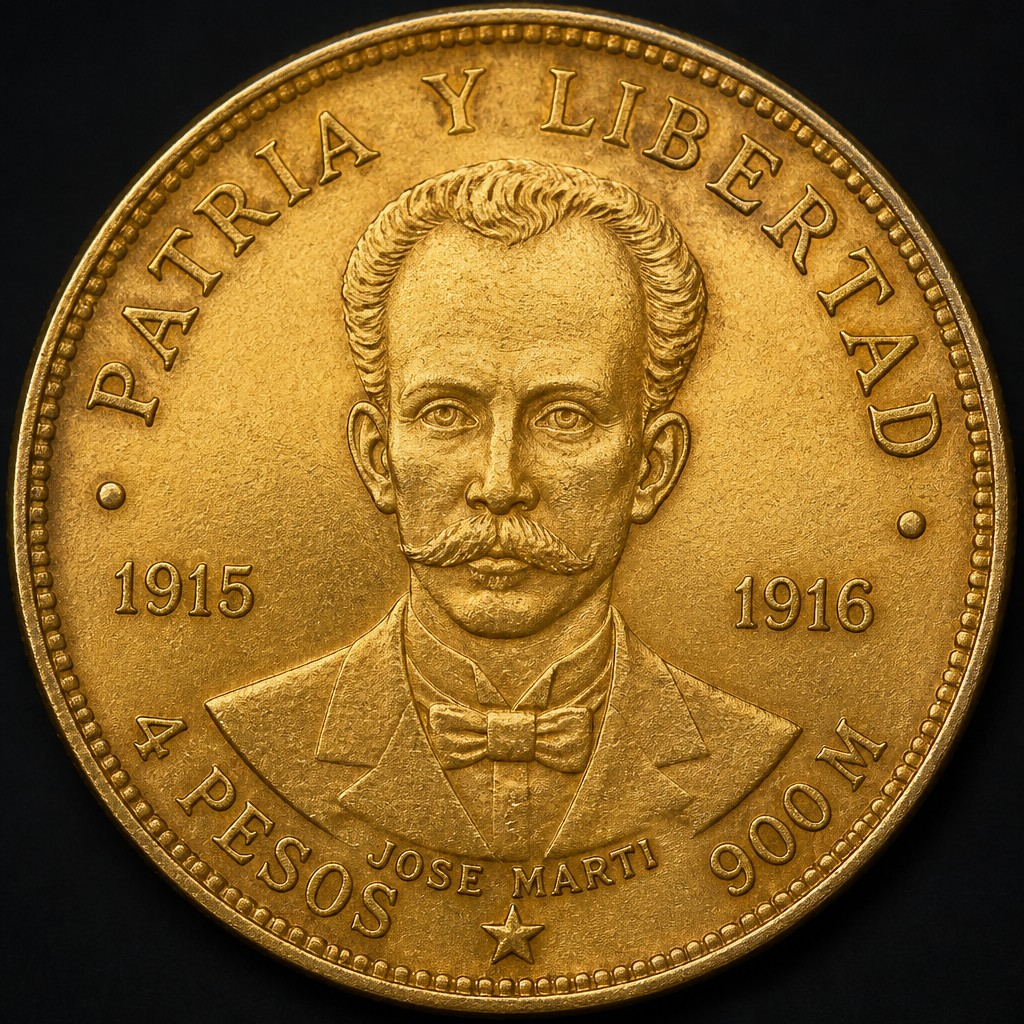
Cuba 4 Pesos Gold Jose Marti
1915–1916
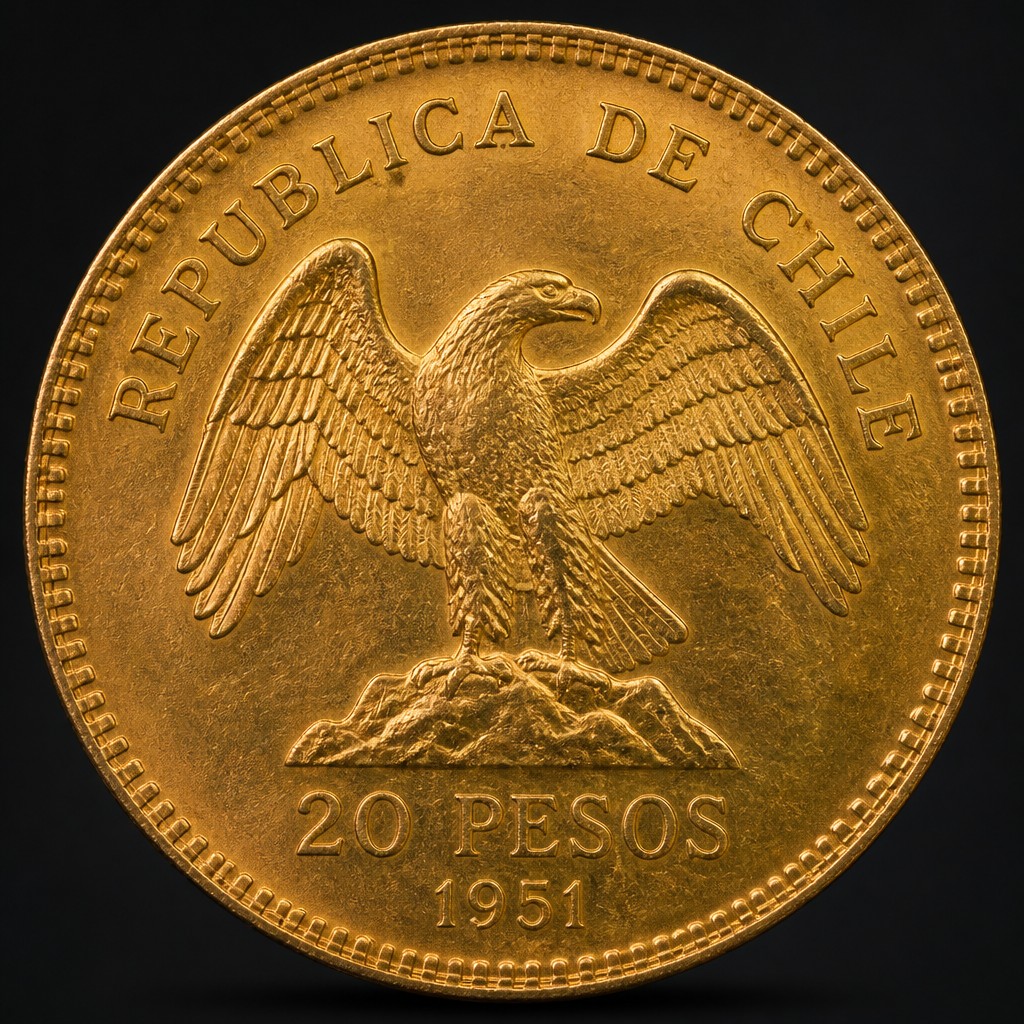
Chilean 20 Pesos Gold
19th century issues and 1926–1980 condor series