
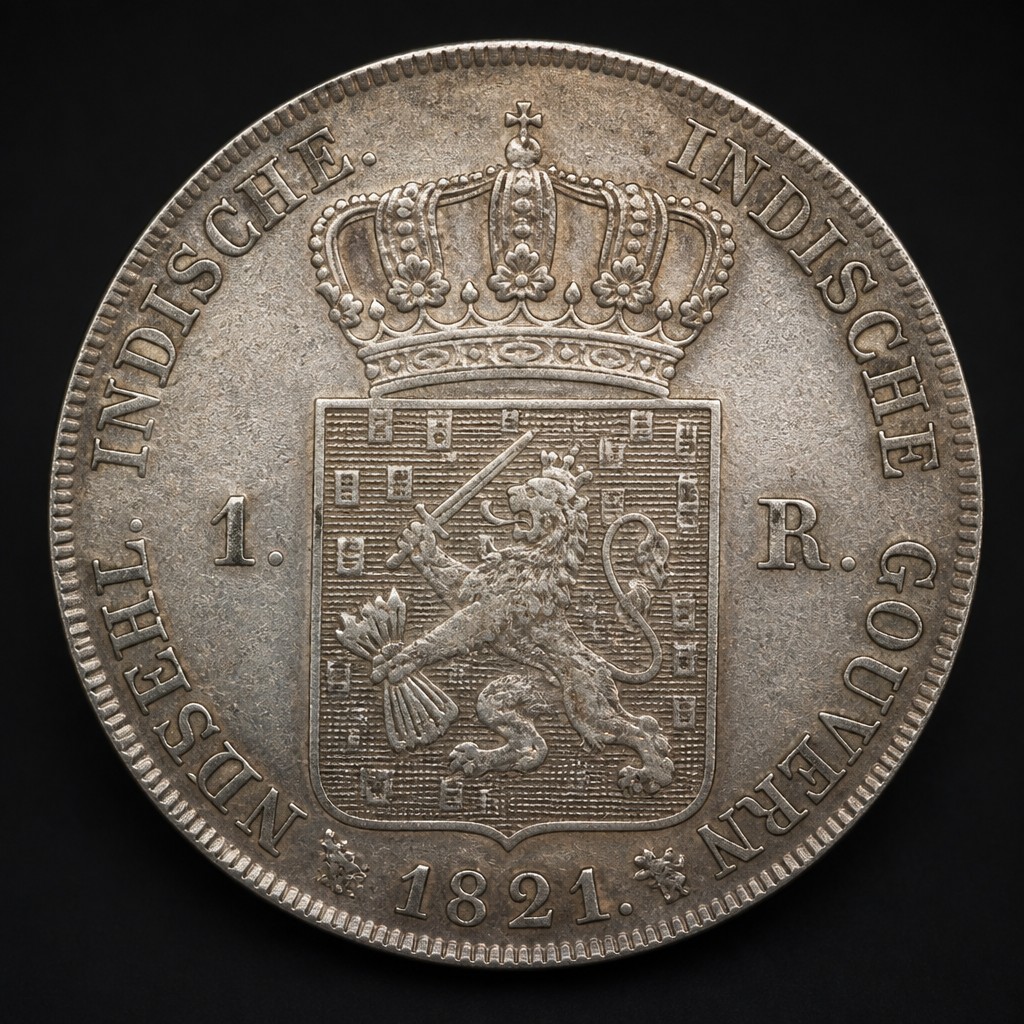
Netherlands East Indies Java Rupee
A Dutch colonial silver rupee struck specifically for the island of Java, issued to standardize local currency amid the many foreign trade coins circulating in the Dutch East Indies.
- Country
- Netherlands East Indies (Dutch colonial Java)
- Denomination
- 1 Rupee (and fractions)
- Metal
- Silver
Got a coin like this?
Identify any coin from a photo, free.
Overview
The Java Rupee is a silver coin struck under Dutch colonial authority specifically for circulation on the island of Java, part of a broader effort to bring order to the patchwork of foreign and local currencies used across the Dutch East Indies. Denominated in rupees, a unit reflecting the strong influence of Indian and broader South Asian trade currency conventions across the Indian Ocean world, it served the island's commerce during a formative period of Dutch colonial administration.
These coins emerged from the transitional era spanning the decline of the Dutch East India Company (VOC) and the rise of direct Dutch state administration of the Indies, a period marked by significant monetary experimentation as colonial authorities tried different coin standards to stabilize trade.
Collectors value the Java Rupee as a tangible artifact of this transitional colonial period, bridging the VOC's monopolistic trading era and the later, more standardized Netherlands Indies guilder coinage of the nineteenth century.
History & Background
Through the eighteenth century, the Dutch East India Company (VOC) dominated trade across the Indonesian archipelago, and Java served as the administrative and commercial heart of its Asian operations centered on Batavia (modern Jakarta). As the VOC's finances weakened toward the end of the century, and following its dissolution around 1800, Dutch colonial authorities sought new coinage solutions to stabilize the local economy and reduce dependence on a confusing mix of foreign silver coins.
The Java Rupee emerged in this context as a silver coin specific to Java's needs, part of a broader pattern across the Indies where different islands and regions sometimes used distinct local coin types before later unification under the Netherlands Indies guilder system in the nineteenth century. Its issuance reflects the practical challenges Dutch administrators faced in extending stable, trusted currency across a vast and commercially diverse archipelago.
How to Identify
Designs on Java Rupee issues generally reflect Dutch colonial authority, often featuring the arms or monogram of the Dutch administration or the VOC on one side, with inscriptions in Dutch, Latin, or sometimes Arabic or Javanese script reflecting the local population's languages, along with the denomination and date.
The coins are struck in silver, with weight and fineness set to approximate regional rupee-standard trade coins circulating in South and Southeast Asia at the time, making them broadly comparable in size to other silver rupee-denominated coins of the era. Some Java Rupee issues carry Arabic-script legends to aid acceptance among the local Muslim trading population, a common practice in Dutch East Indies coinage.
Because "rupee" coinage from this era and region is a specialized area, collectors should compare specific design and legend details closely against reference catalogs of Dutch East Indies and VOC coinage to correctly attribute a given piece, as several related but distinct rupee and related silver issues exist from this transitional colonial period.
Value & Collectibility
Java Rupee coins are a specialized area of Dutch colonial numismatics, and well-preserved examples in original condition are considerably scarcer than the later, more mass-produced Netherlands Indies guilder coinage, reflecting their more limited and regionally specific production.
Values vary substantially based on condition, specific type, and rarity, with well-struck, clearly legible examples commanding solid premiums from specialists in Dutch East Indies coinage, while worn or damaged examples are valued more modestly. Given the specialized nature of the series, prices are best assessed with reference to dedicated Netherlands Indies numismatic literature and recent auction results for comparable pieces.
Collectors interested in this series should be attentive to authenticity and correct type attribution, since a range of related silver rupee and related Dutch East Indies coin types can be superficially similar but carry meaningfully different values.
Frequently asked questions
What is a Java Rupee?
It is a Dutch colonial silver coin struck specifically for circulation on the island of Java during a transitional period of Dutch East Indies monetary history.
Why use the term 'rupee' in a Dutch colony?
The rupee was a widely recognized trade currency unit across South and Southeast Asia, and Dutch authorities adopted the term to aid acceptance of the coin in regional commerce.
Is this the same as the later Netherlands Indies guilder?
No, it predates the more standardized Netherlands Indies guilder coinage of the nineteenth century and represents an earlier, more regionally specific coinage effort.
What metal is it made of?
It is made of silver, with weight and fineness set to be broadly comparable to other regional rupee-denominated trade coins of the period.
Are these coins common?
They are relatively scarce and specialized compared to later, more widely produced Dutch East Indies coinage, making them a niche but interesting area for colonial coin collectors.
Other coins you may enjoy
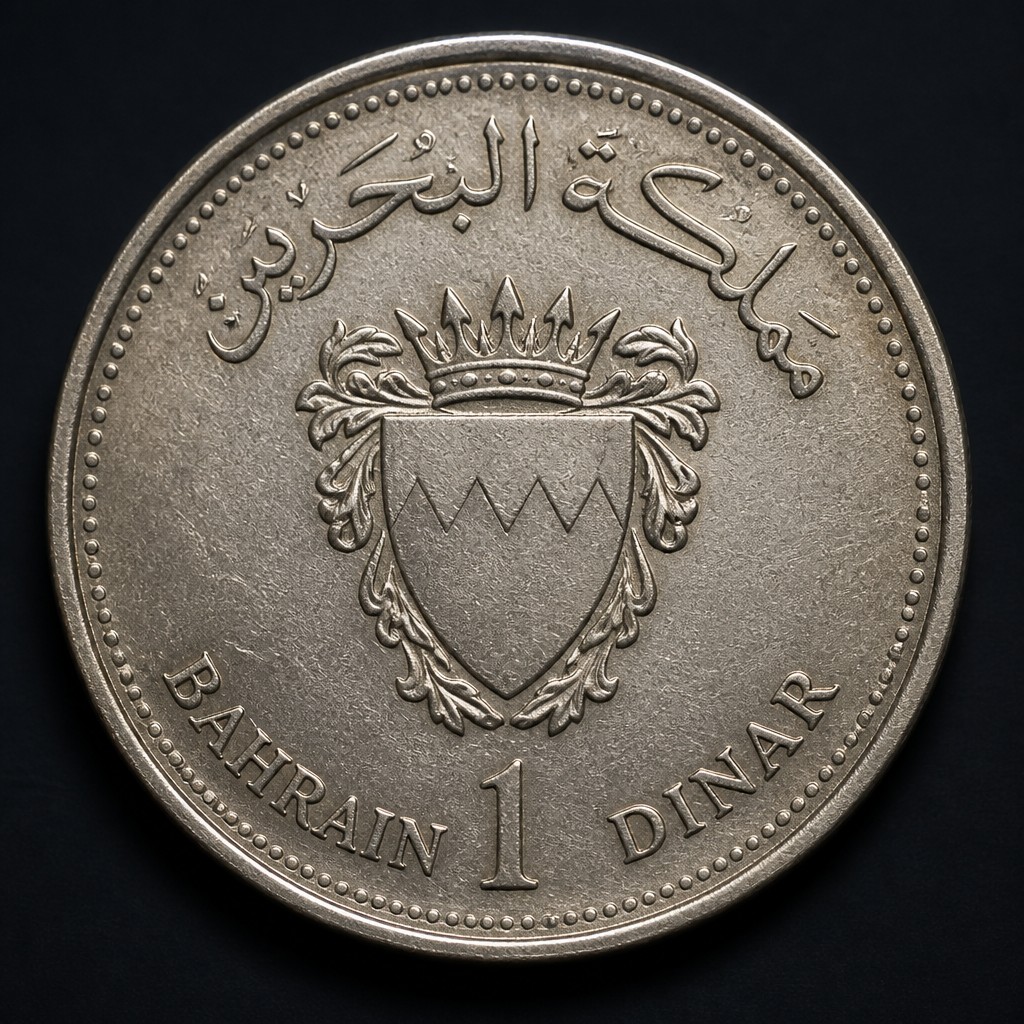
Bahraini Dinar
1965–present
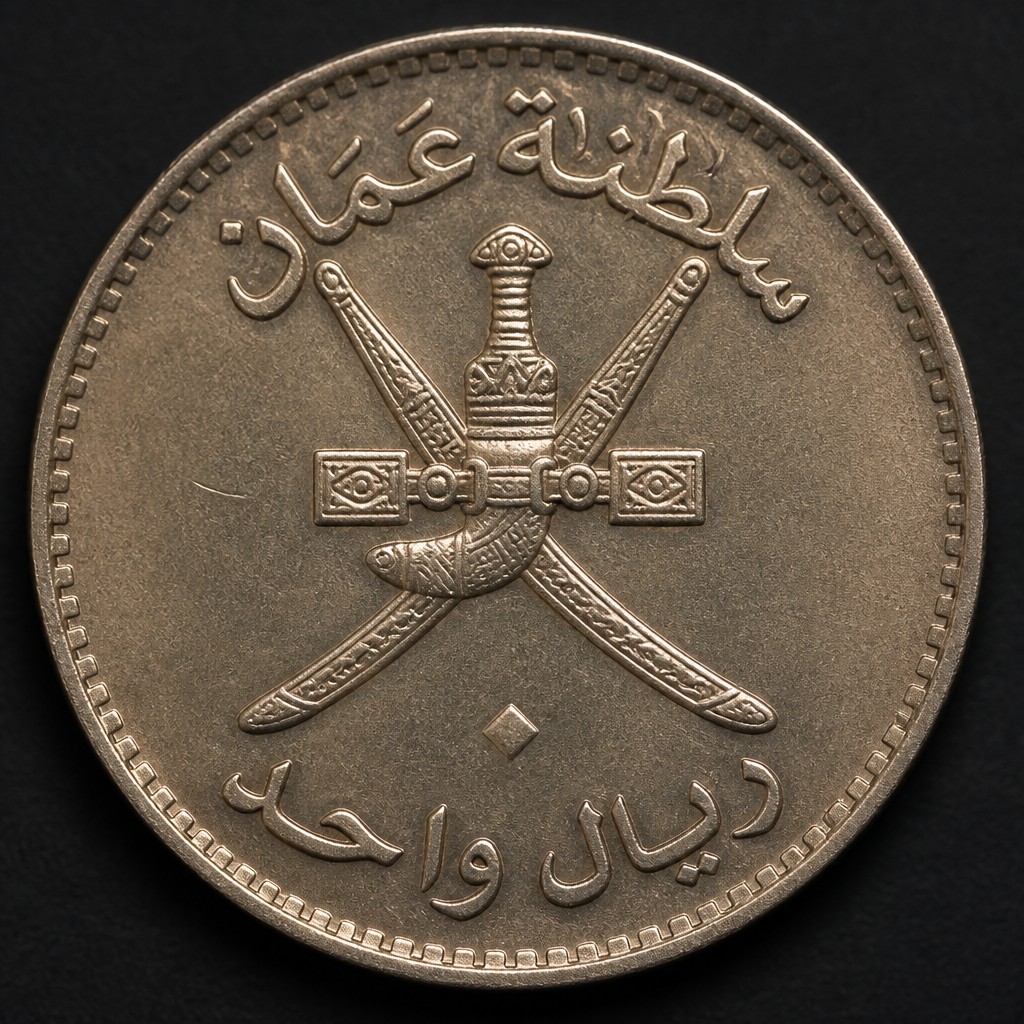
Omani Rial (Baisa Coinage)
1970–present
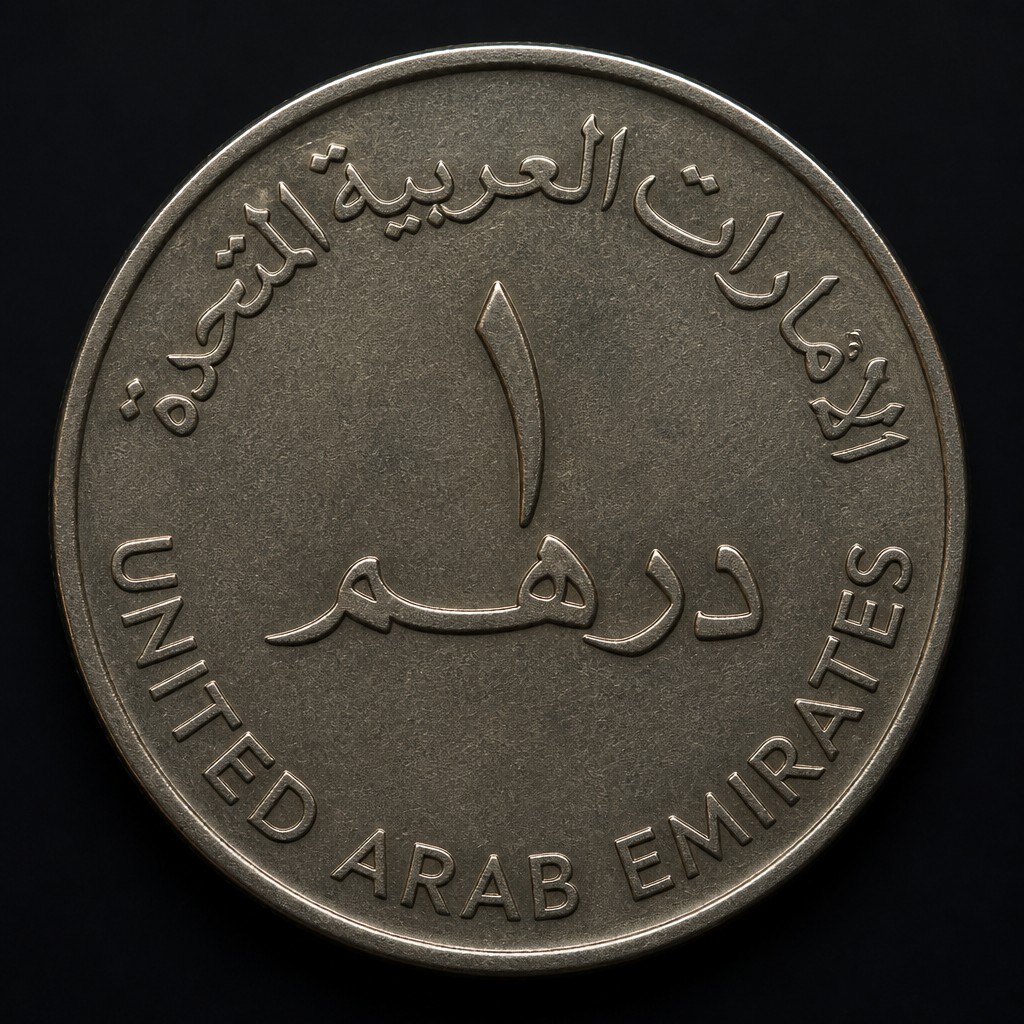
United Arab Emirates Dirham
1973–present
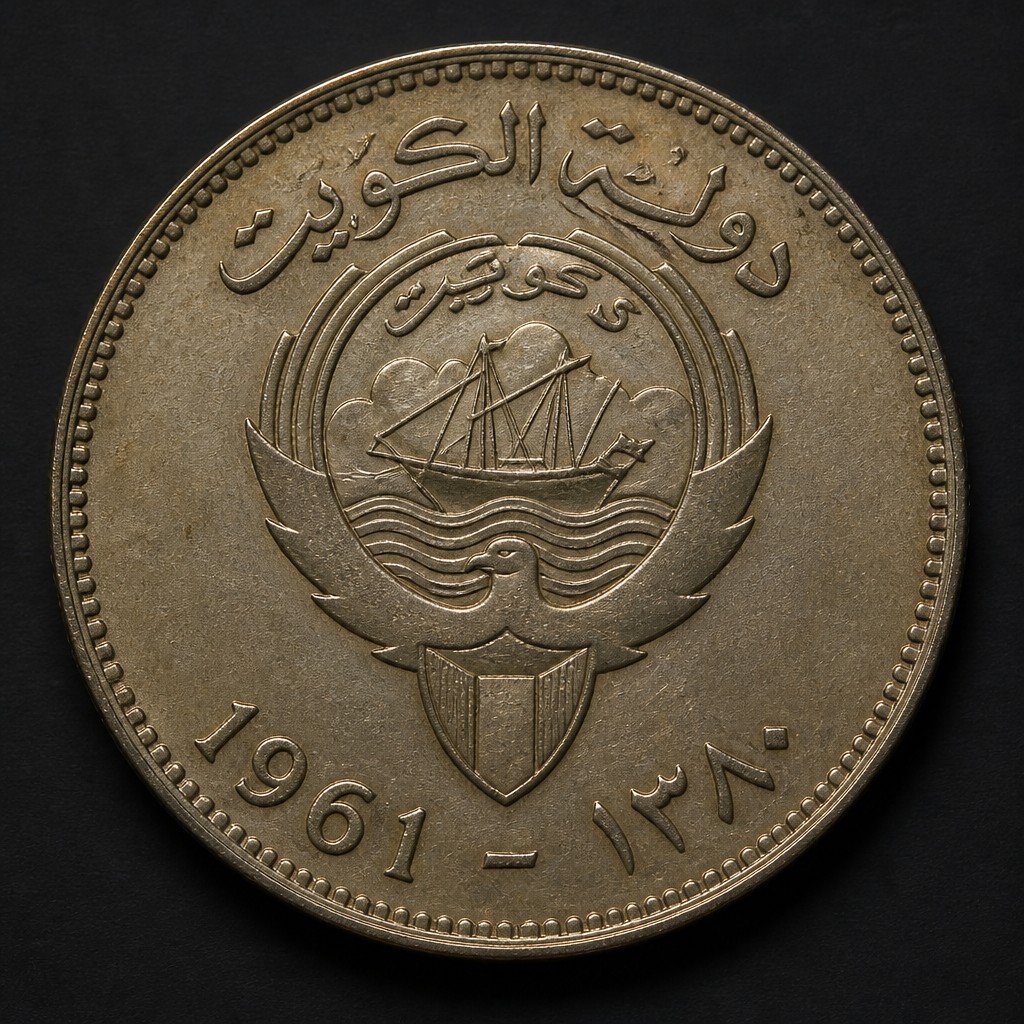
Kuwaiti Fils
1961–present
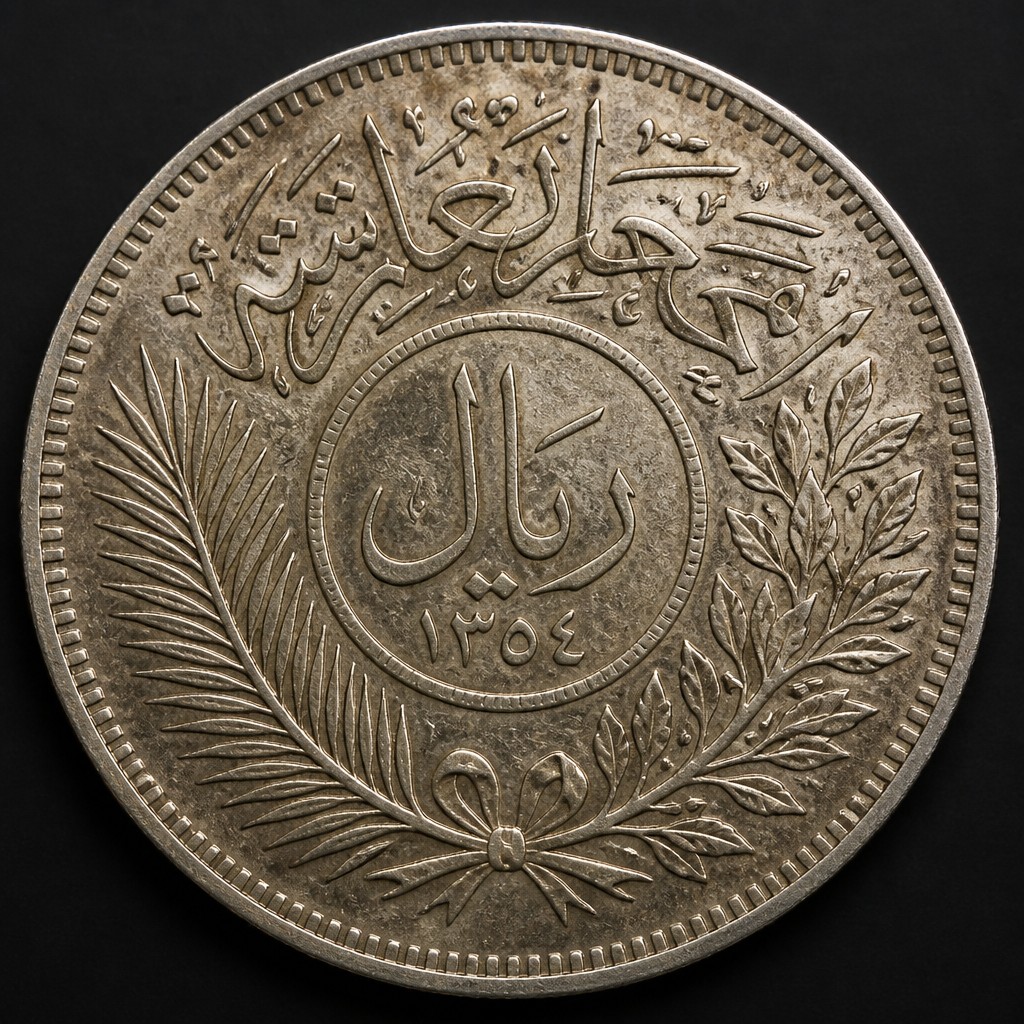
Saudi Arabian Riyal (silver)
1935 (Kingdom-wide standardization) and related issues
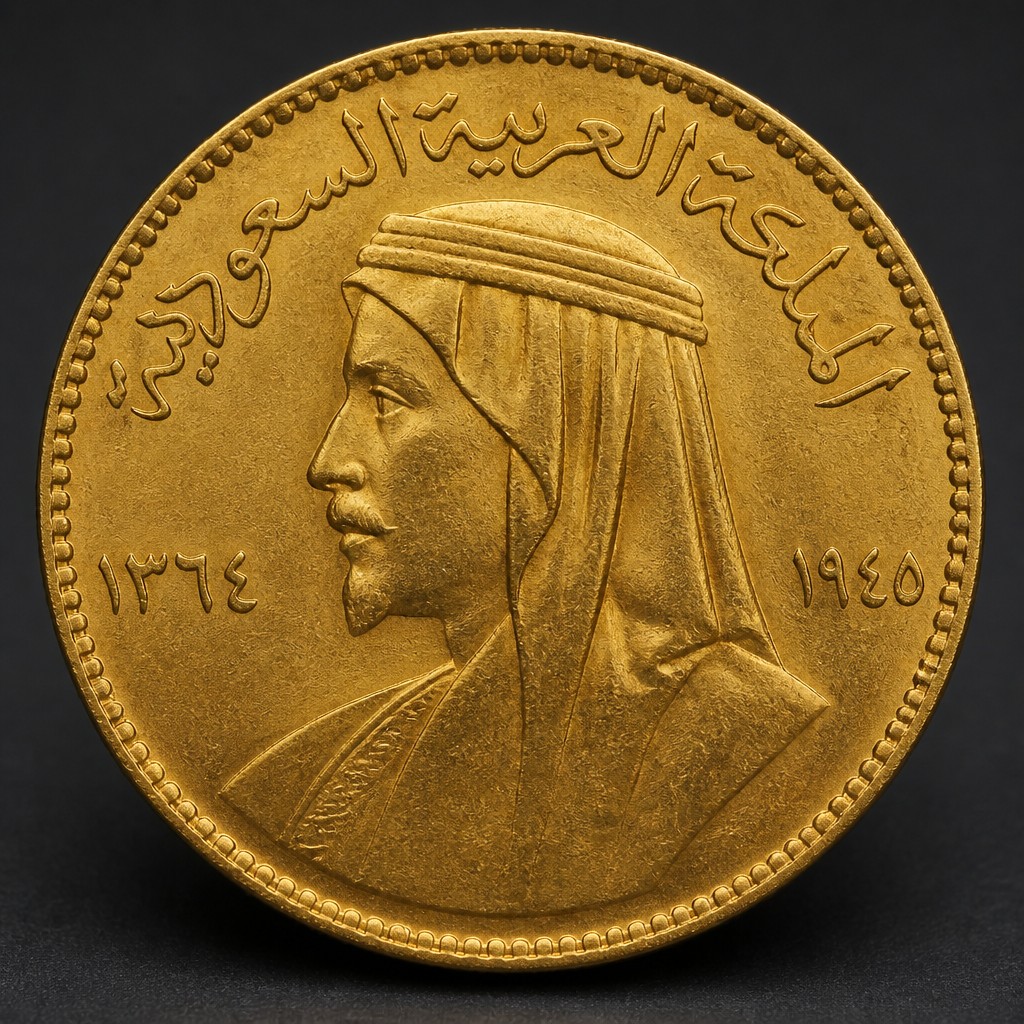
Saudi Arabian Gold Guinea (Sovereign)
1945 and later issues
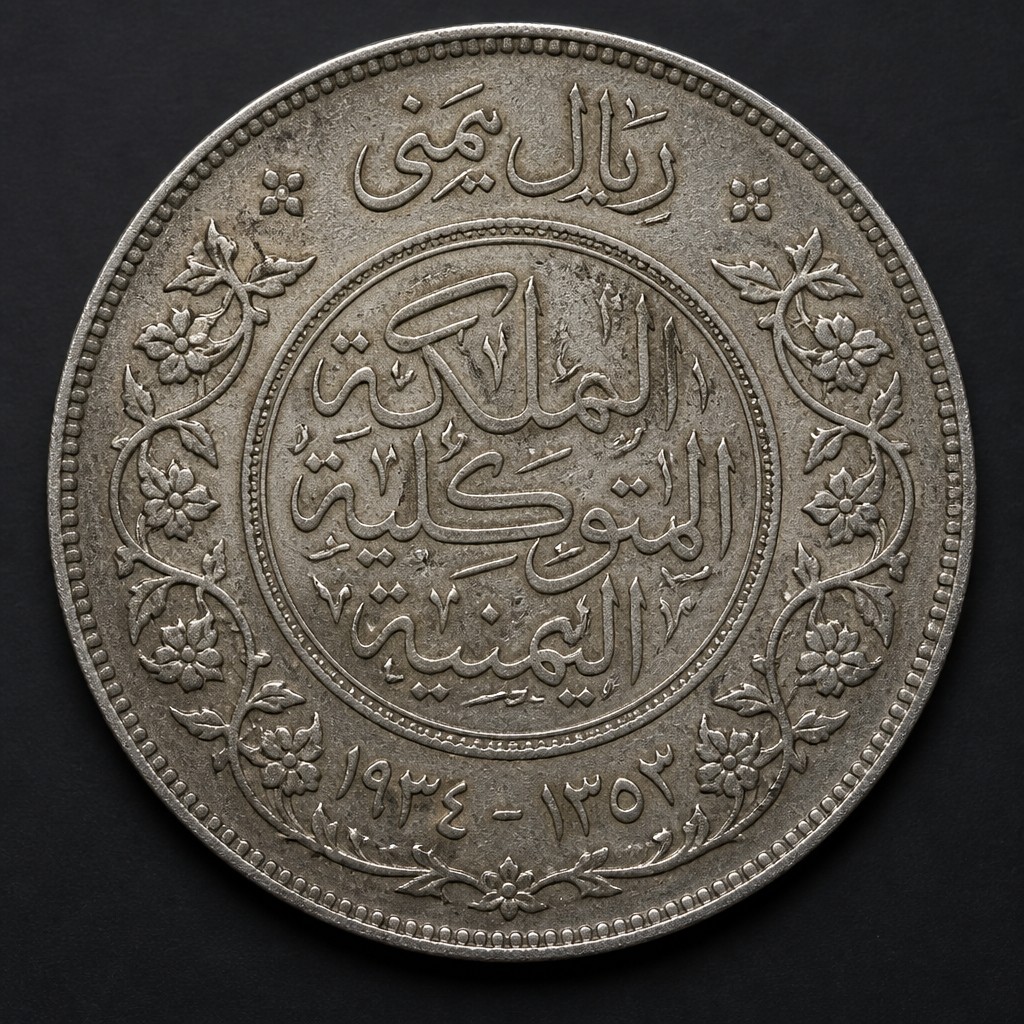
Yemeni Riyal (Ahmadi/Imadi Kingdom Coinage)
Early-to-mid 20th century
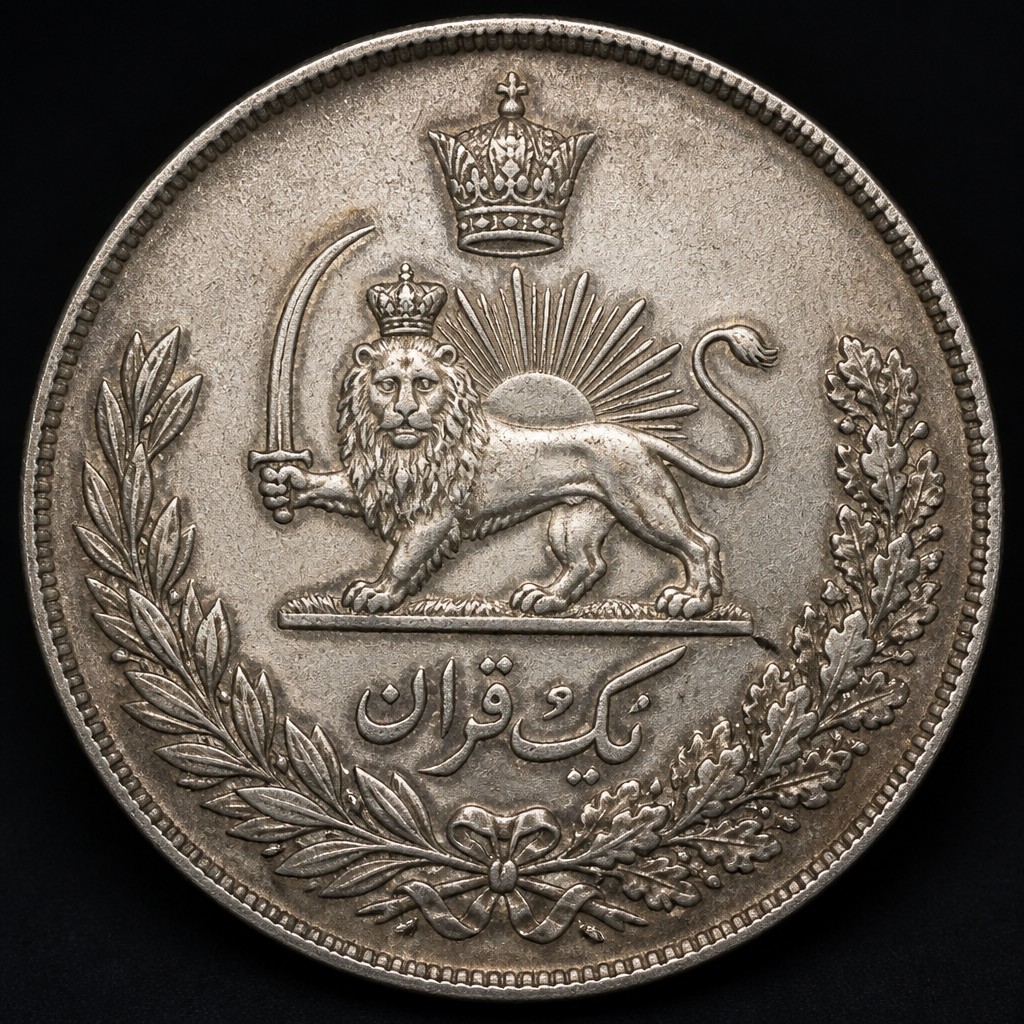
Persian Kran (Qajar silver)
Mid-19th century–1925
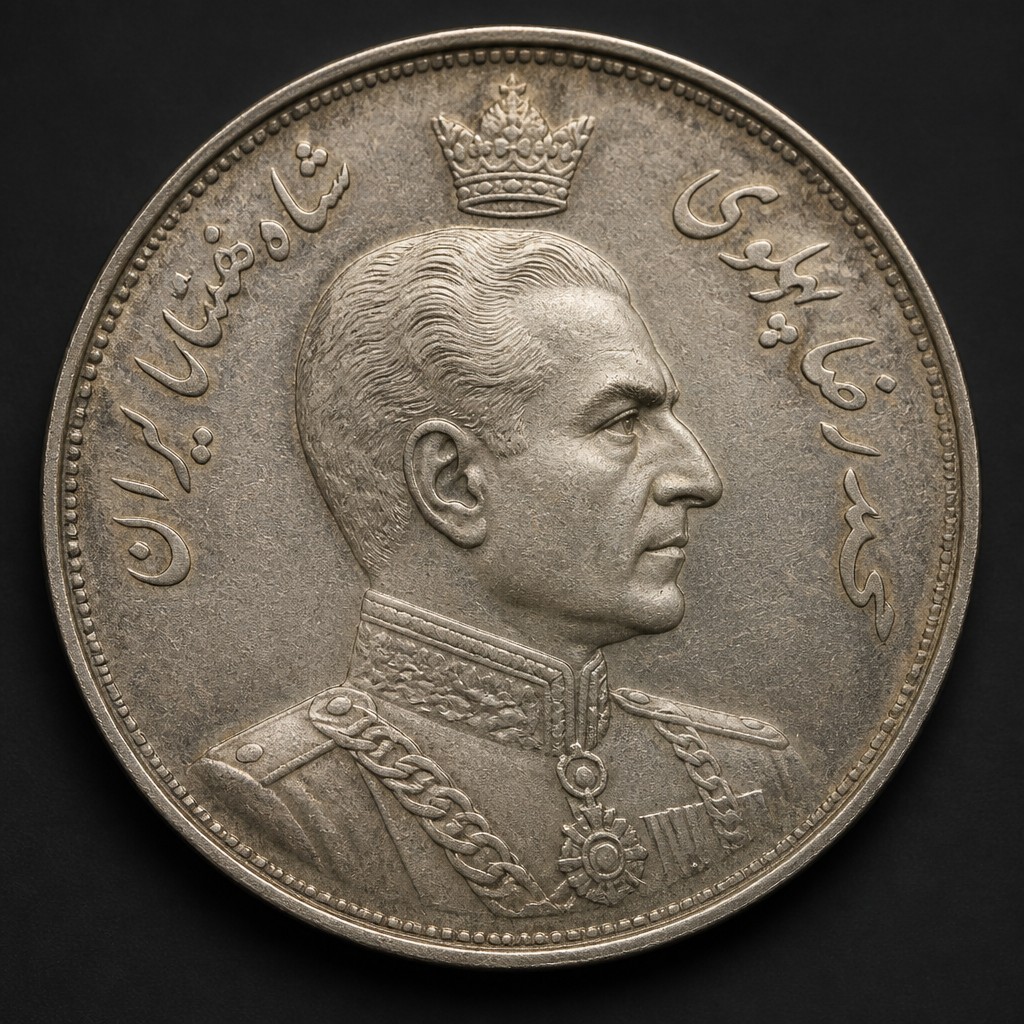
Iranian Rial
1932–present
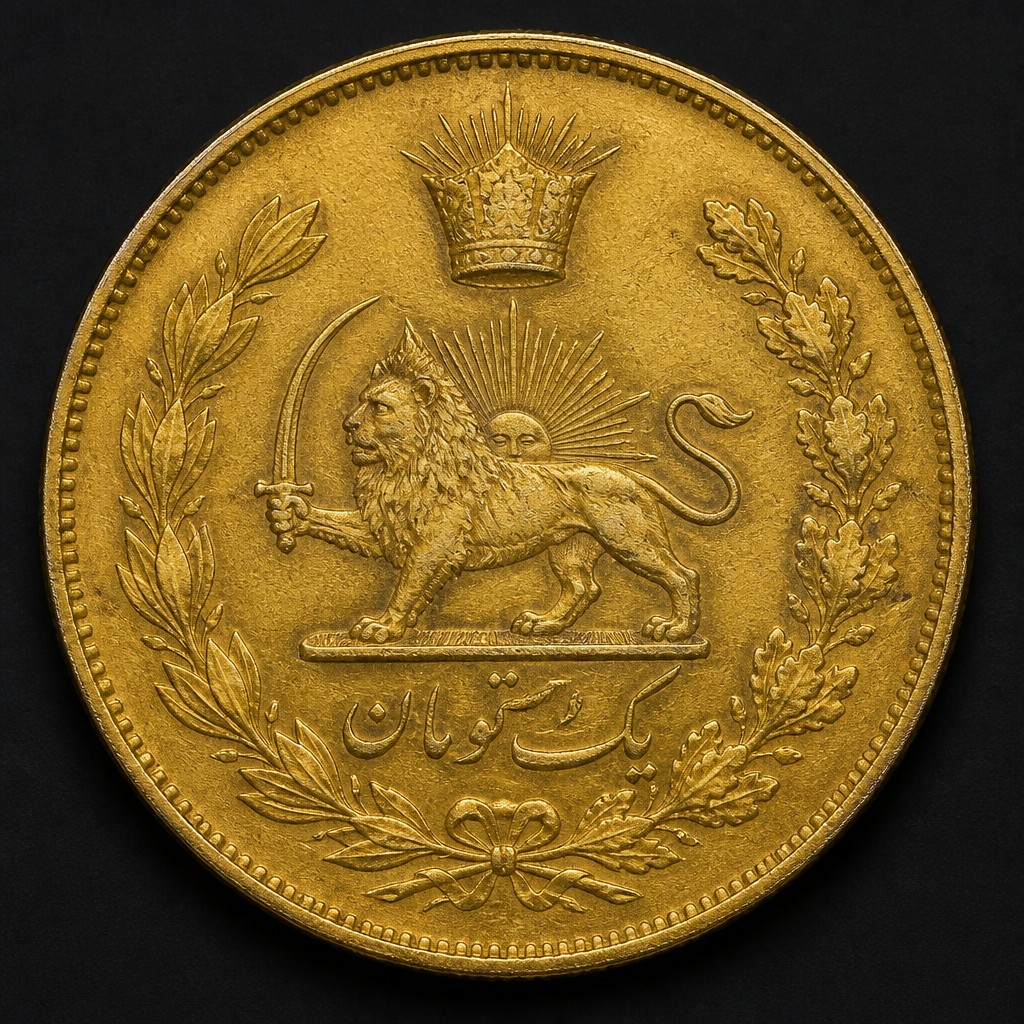
Persian Gold Toman (Qajar)
1796–1925
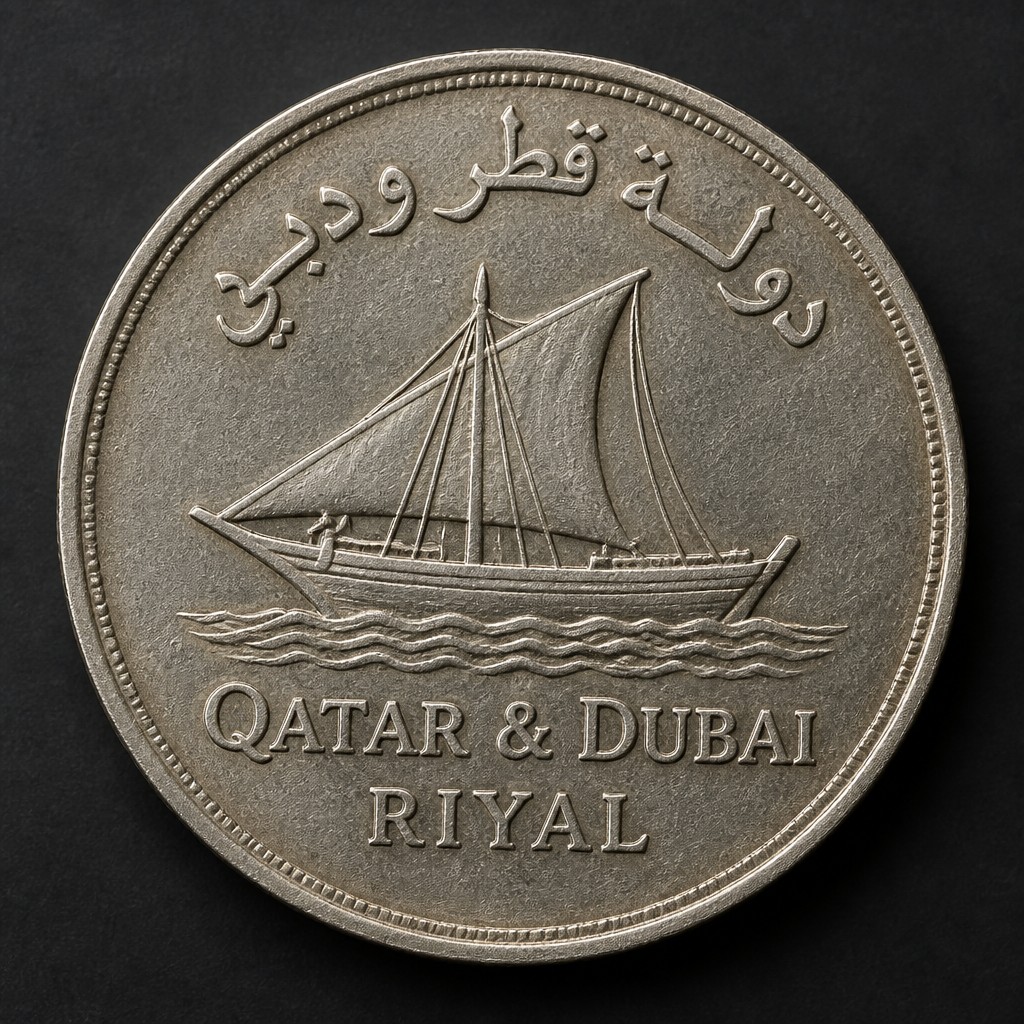
Qatar and Dubai Riyal
1966–1973
British India Rupee (Silver)
1835–1947