
Coin Encyclopedia
Search and identify coins from around the world — with country, denomination, metal, mint, history, and how to tell them apart.
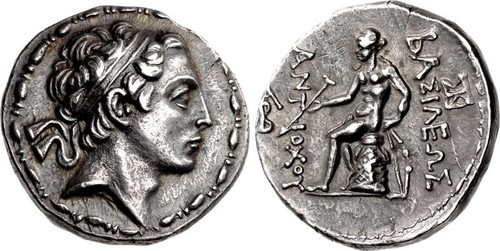
Antiochos IV Epiphanes Tetradrachm
Large silver tetradrachm of the Seleucid king Antiochos IV Epiphanes, 175-164 BC, with his diademed head and an enthroned deity reverse.
Ancient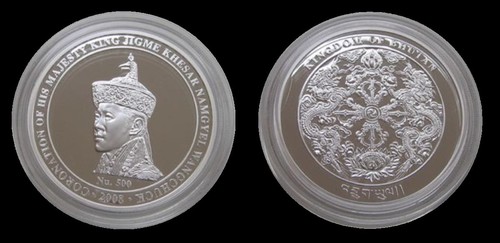
Bhutan 500 Ngultrum Commemorative
Modern Bhutanese silver commemorative dated 2008, with a portrait of King Jigme Khesar Namgyel Wangchuck and an ornate dragon-and-mythical-creature reverse.
Himalayan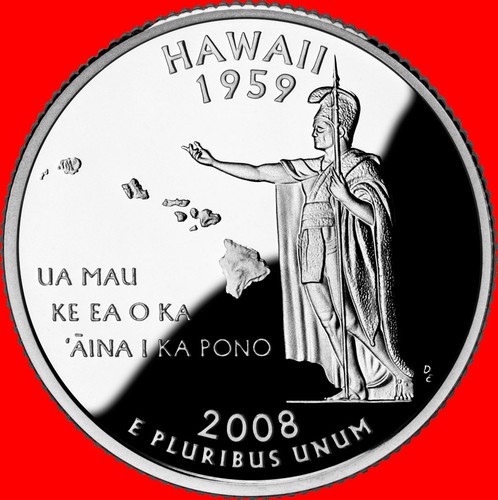
Hawaii State Quarter
The 2008 Hawaii State Quarter, final coin in the 50 State Quarters series, showing King Kamehameha I reaching over the islands.
Quarter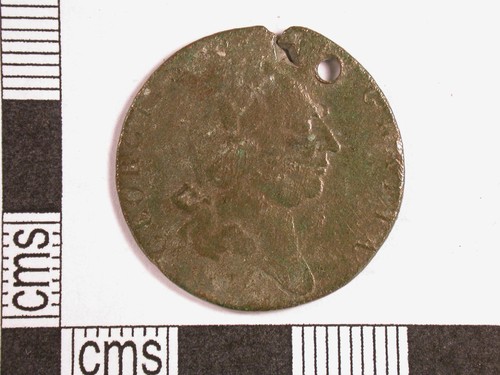
Guinea Counter (Imitation)
A brass or bronze gaming counter made to imitate a George III guinea, showing a faint male profile and a shield reverse; a token, not money.
Token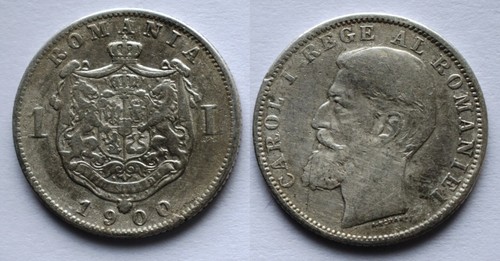
1 Leu (Carol I)
Silver 1 Leu of the Kingdom of Romania under King Carol I, with his left-facing portrait and the crowned national arms, dated 1900.
Modern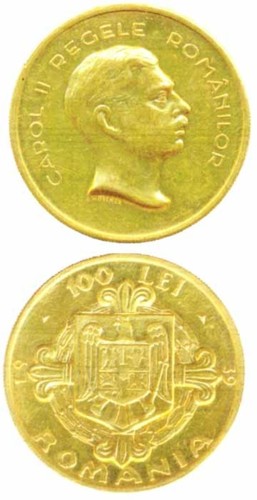
100 Lei
A scarce Kingdom of Romania gold 100 Lei of 1939, showing King Carol II in profile on the obverse and the crowned Romanian coat of arms on the reverse.
Modern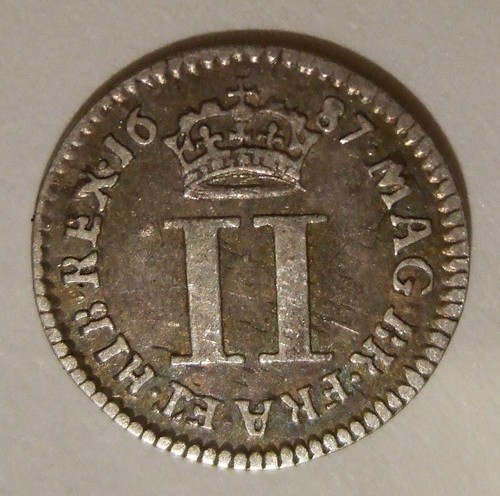
Maundy Money Twopence
A tiny sterling-silver British twopence with a crowned Roman numeral II reverse; this example bears the profile of King James II, dated 1687.
Maundy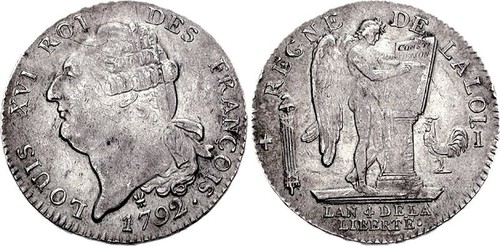
Constitutional Ecu
A French silver ecu of the constitutional-monarchy era showing King Louis XVI on the obverse and a standing armed Liberty figure on the reverse, dated 1792.
Revolutionary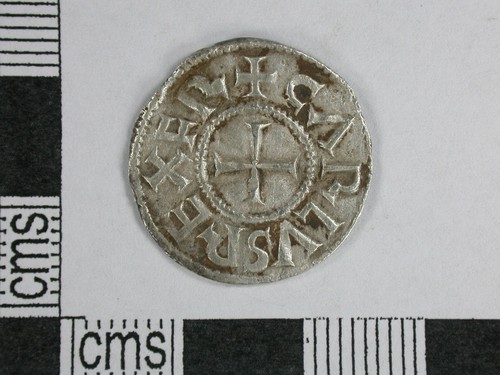
Denier of Charlemagne
A hand-struck silver denier of Charlemagne, king of the Franks: a central cross ringed by the CARLVS REX FR legend, with a royal monogram design on the reverse.
Medieval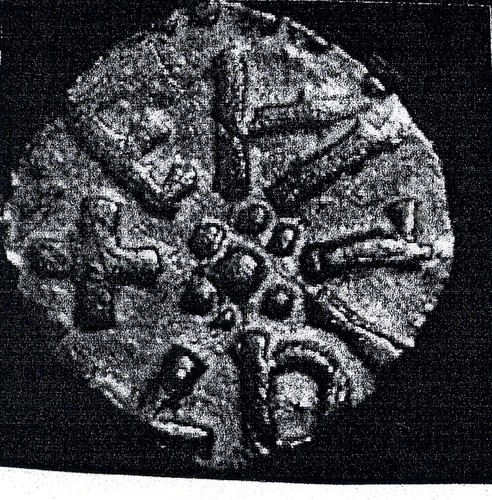
Styca of Aethelred
Small base-metal coin of the Anglo-Saxon kingdom of Northumbria, naming King Aethelred, with a central device and legend on one face and a cross on the other.
Medieval Coins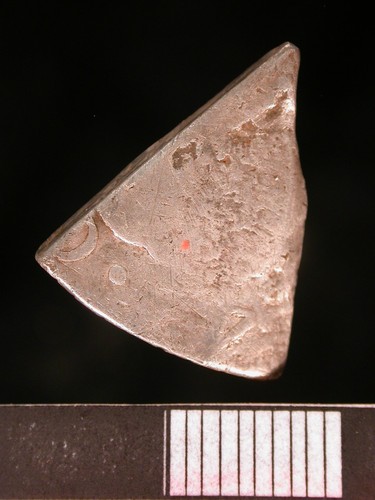
8 Reales (Portrait/Bust Type)
Large silver Spanish Empire dollar showing the bust of King Carlos III and a crowned coat of arms with lions and castles.
World Coins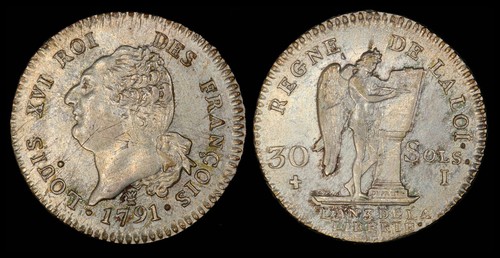
French 30 Sols
A silver coin of the early French Revolution showing Louis XVI as constitutional king on one side and a standing Liberty on the other.
Revolutionary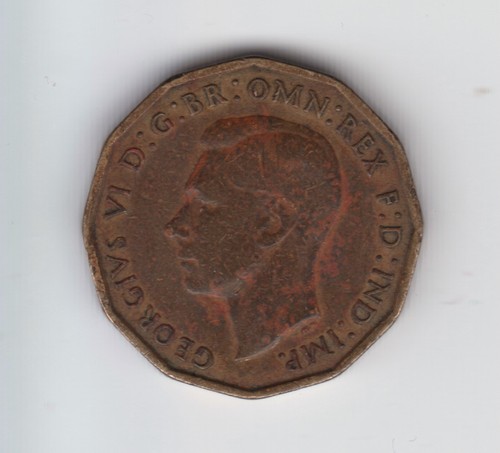
British Brass Threepence
Chunky twelve-sided nickel-brass threepence of George VI, showing his head and a thrift plant reverse; the example shown is dated 1942.
British Isles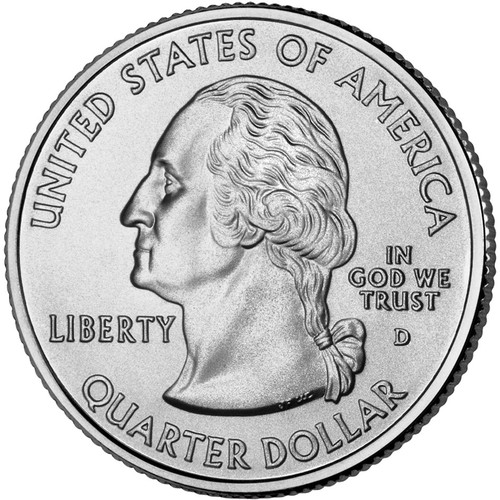
Washington Quarter
U.S. twenty-five-cent coin introduced in 1932, showing George Washington's profile and an eagle reverse; early issues struck in 90% silver.
Quarter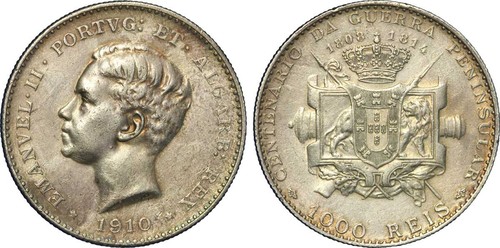
Reis (Peninsular War)
A 1910 Portuguese silver Reis struck under King Manuel II to mark the centenary of the Peninsular War, dated 1808-1814 across the king's bust.
Modern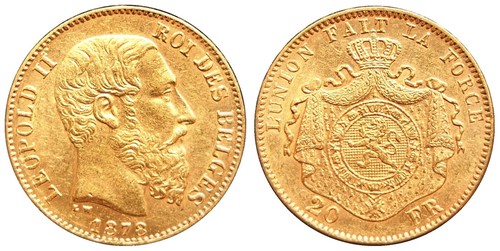
20 Francs (Leopold II)
Belgium's gold 20 francs under King Leopold II, a small Latin Monetary Union coin with the bearded king's profile and the crowned national arms.
Modern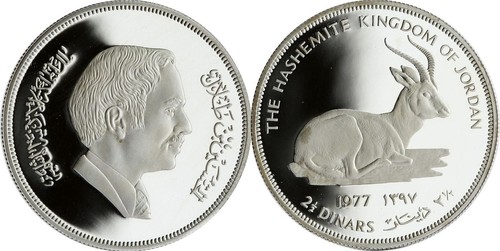
Jordanian 2½ Dinars
A crown-sized 1977 silver commemorative of the Hashemite Kingdom of Jordan, pairing King Hussein's portrait with a standing gazelle from the wildlife-conservation coin theme.
World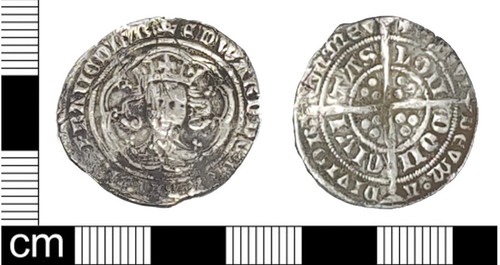
Edward IV Groat
A hammered silver fourpence of King Edward IV of England, struck 1461-1483, with a crowned facing bust on one side and a long cross with rosettes on the other.
Medieval Coins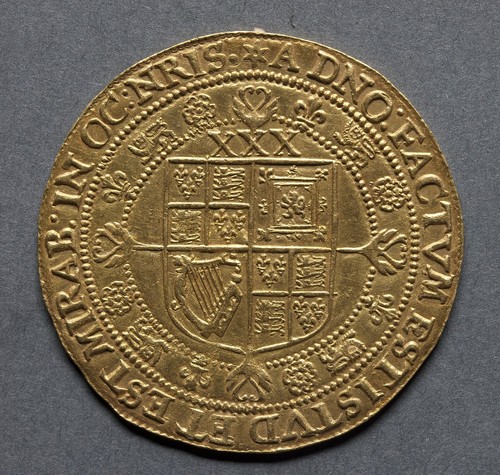
Edward IV Ryal
English medieval gold coin of Edward IV showing the king armored in a ship with a shield, and a radiant rose-on-sun design on the reverse.
Medieval Coins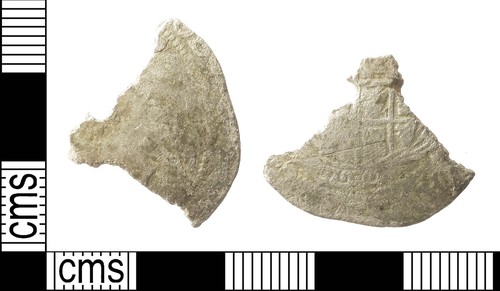
Charles I Half Crown
A large hammered silver half crown of Charles I, showing the king in portrait facing left and a crowned royal shield on the reverse.
Hammered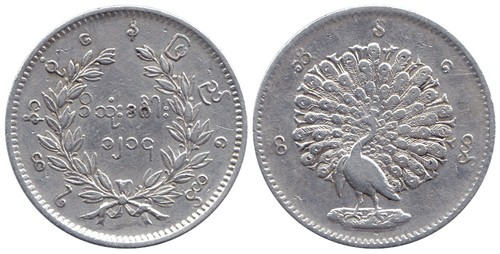
Burma One Kyat (Mindon Min)
Silver kyat of King Mindon Min's Burma, showing the royal peacock with spread tail on the obverse and the denomination within a wreath on the reverse.
Southeast Asia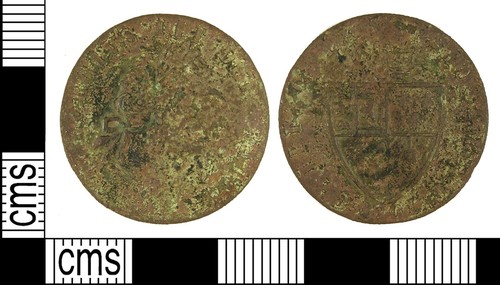
Spade Guinea Token
A base-metal imitation of the George III spade guinea, made as a gaming counter or advertising token, with a male profile obverse and a spade-shaped shield reverse.
Token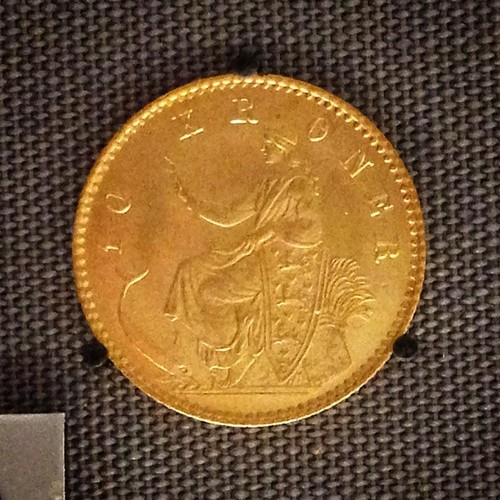
10 Kroner
A small Danish gold 10 kroner dated 1873, the first year of the type, with the bearded profile of King Christian IX and a seated allegorical figure of Denmark on the reverse.
Modern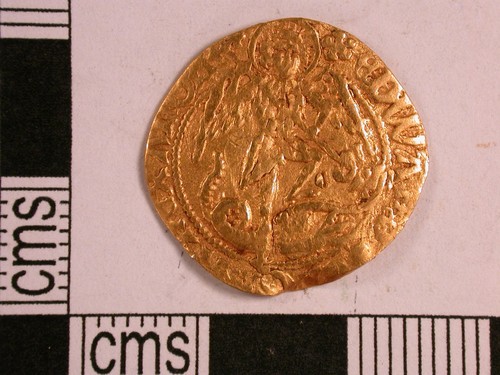
Edward IV Half Angel
Medieval English gold coin of King Edward IV, half the value of the angel, showing Saint Michael slaying a dragon with a spear and shield.
Medieval Coins