
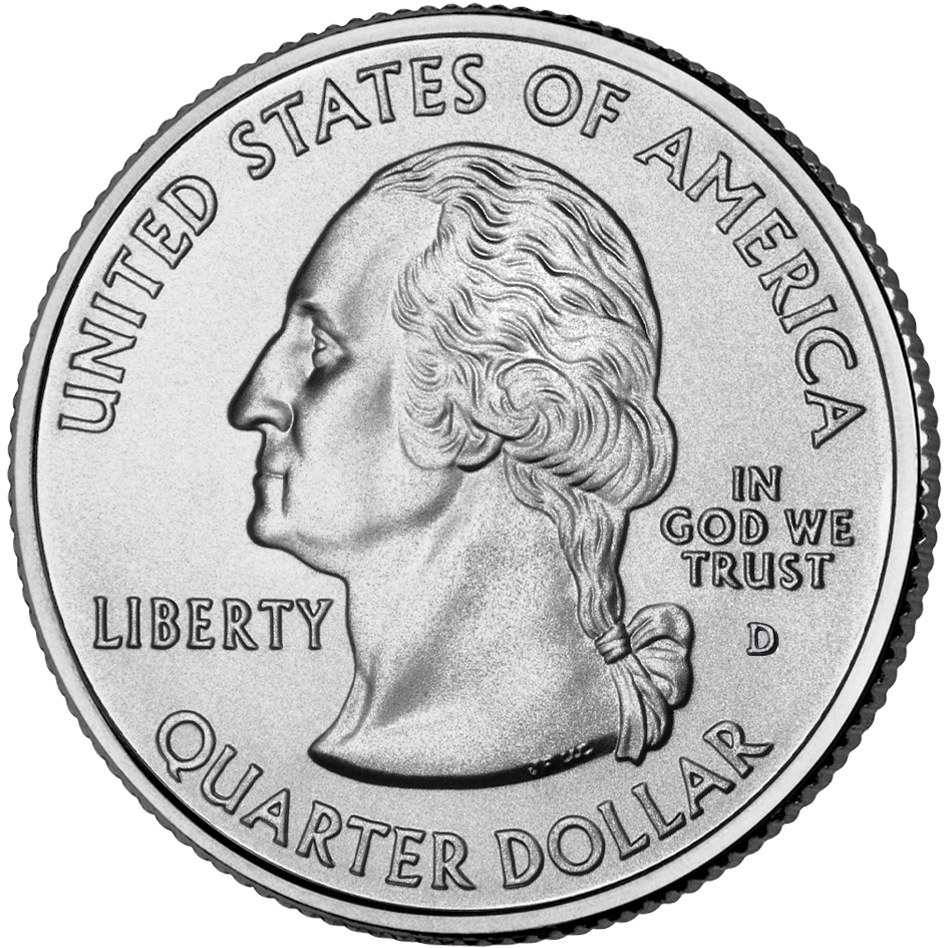
Washington Quarter
U.S. twenty-five-cent coin introduced in 1932, showing George Washington's profile and an eagle reverse; early issues struck in 90% silver.
- Country
- United States
- Denomination
- 25 Cents
- Metal
- Silver / Copper-Nickel Clad
Got a coin like this?
Identify any coin from a photo, free.
Overview
The Washington Quarter is a United States twenty-five-cent coin first issued in 1932. The obverse carries a left-facing profile bust of George Washington with "LIBERTY" above, "IN GOD WE TRUST" to the left, and the date below. The reverse of the classic type shows an eagle with outstretched wings perched on a bundle of arrows, with laurel sprays beneath, the motto "E PLURIBUS UNUM" above, and the legends "UNITED STATES OF AMERICA" and "QUARTER DOLLAR."
The 1932 example shown here is a first-year coin struck in 90% silver and 10% copper. It measures about 24.3 mm in diameter, weighs roughly 6.25 grams, and has a reeded (grooved) edge. The Washington portrait has appeared on the quarter continuously since 1932, though the composition changed to copper-nickel clad in 1965 and the reverse has been altered many times in later decades.
History & Background
The Washington Quarter was created to mark the 200th anniversary of George Washington's birth in 1932. It was originally intended as a one-year commemorative half dollar, but Congress and the Treasury instead chose to place Washington's portrait on the quarter as a permanent circulating design, replacing the Standing Liberty Quarter. The accepted design came from sculptor John Flanagan, whose initials "JF" appear at the base of Washington's neck.
From 1932 the coin was struck in 90% silver. Production paused in 1933 and resumed in 1934, and the silver composition continued through 1964. In 1965 the U.S. Mint switched to a copper-nickel clad composition to address rising silver costs. The Flanagan eagle reverse ran until 1998, after which the reverse was repeatedly redesigned for the 50 State Quarters, territories, America the Beautiful, and later programs, while Washington's portrait remained the constant obverse motif.
How to Identify
The obverse shows George Washington's head in profile, facing left, with "LIBERTY" curving across the top, "IN GOD WE TRUST" in the left field, and the four-digit date at the bottom — this coin reads 1932. On the classic reverse, an eagle spreads its wings while perched on a bundle of arrows, with two laurel sprays below and "E PLURIBUS UNUM" above the eagle; the surrounding legends read "UNITED STATES OF AMERICA" and "QUARTER DOLLAR."
A 1932 coin is 90% silver, about 24.3 mm across, near 6.25 grams, with a reeded edge and a light gray silver tone. On silver-era quarters the mint mark, when present, sits on the reverse below the eagle and laurel, above the word "DOLLAR." A "D" indicates Denver and an "S" indicates San Francisco; coins struck at Philadelphia carry no mint mark. Later clad coins from 1968 onward moved the mint mark to the obverse beside Washington's hair ribbon, so mint-mark position helps place a coin in the series.
Value & Collectibility
Common-date silver Washington Quarters in worn grades carry a base value tied to their silver content plus a modest collector premium, and clad quarters from 1965 onward generally circulate at face value unless in high grade. Value rises with condition, sharp strike, and original, unblemished surfaces.
The 1932 first-year issues are the most closely watched dates in the silver series. The plain 1932 Philadelphia coin is relatively affordable in circulated grades, but the low-mintage 1932-D and 1932-S are recognized key dates that command strong premiums, especially in higher grades. Because these two branch-mint dates are valuable, prices swing widely with grade and with the silver market, so a certified example from a reputable grading service is the most reliable guide.
Frequently asked questions
Why was the Washington Quarter first made in 1932?
It was issued to mark the 200th anniversary of George Washington's birth. Originally considered as a commemorative, Washington's portrait was instead placed permanently on the quarter, replacing the Standing Liberty design.
Is a 1932 Washington Quarter silver?
Yes. Quarters dated 1932 through 1964 are 90% silver and 10% copper, weighing about 6.25 grams. The composition changed to copper-nickel clad in 1965.
Who designed the Washington Quarter?
The portrait and the classic eagle reverse were designed by sculptor John Flanagan, whose initials "JF" appear at the base of Washington's neck on the obverse.
Which 1932 quarters are the valuable ones?
The 1932-D (Denver) and 1932-S (San Francisco) are the recognized key dates, both struck in low numbers. The no-mint-mark 1932 Philadelphia coin is far more common and affordable.
Where is the mint mark on an early Washington Quarter?
On silver-era coins it is on the reverse below the eagle and laurel, above "DOLLAR." A "D" means Denver and an "S" means San Francisco; no mint mark means Philadelphia.
Washington Quarter guides
In-depth guides for identifying, valuing, and collecting Washington Quarter.
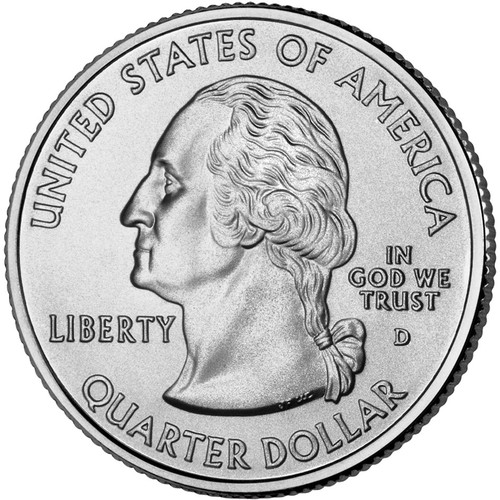
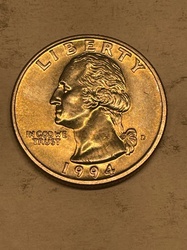
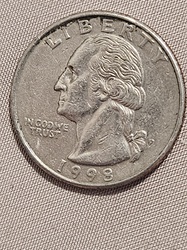
Washington Quarter identified by the community
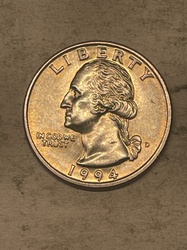
Real coins identified with Coin Identifier.
Other coins you may enjoy
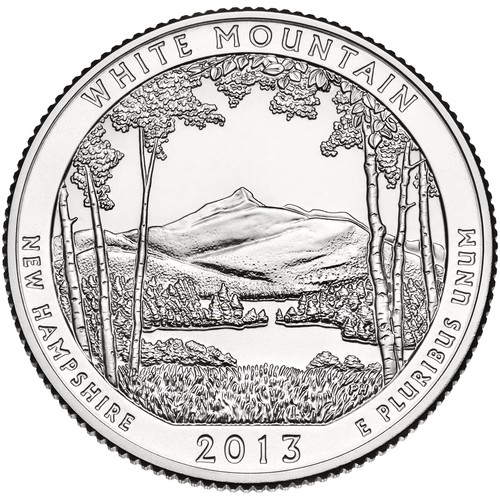
White Mountain Quarter
2013
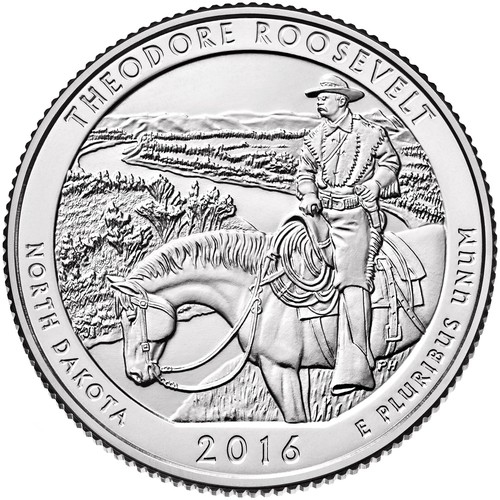
Theodore Roosevelt Quarter
2016
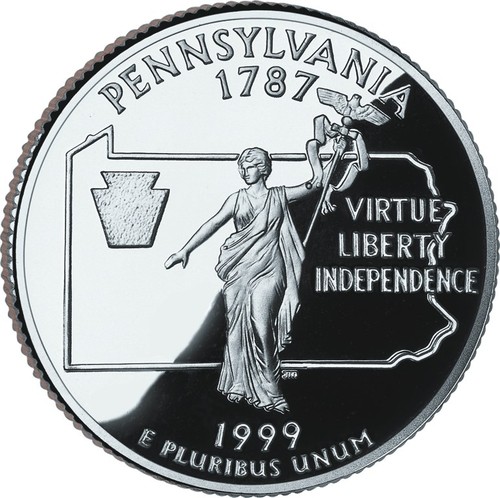
Pennsylvania State Quarter
1999
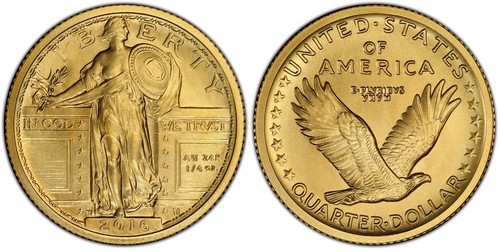
Standing Liberty Quarter Centennial Gold
2016
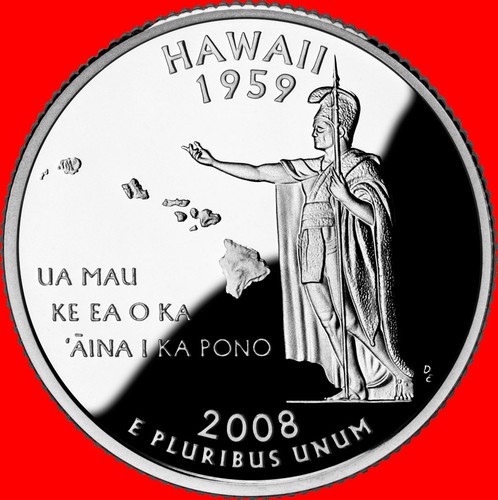
Hawaii State Quarter
2008
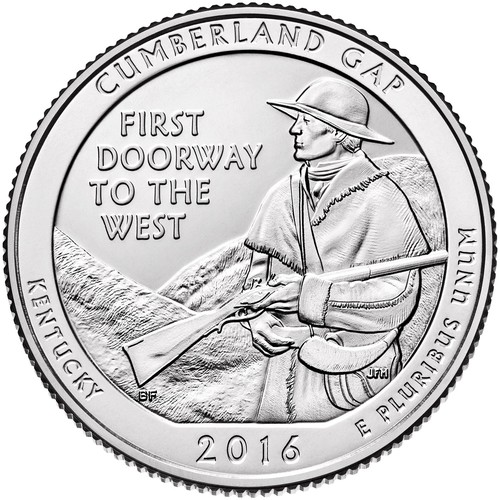
Cumberland Gap Quarter
2016
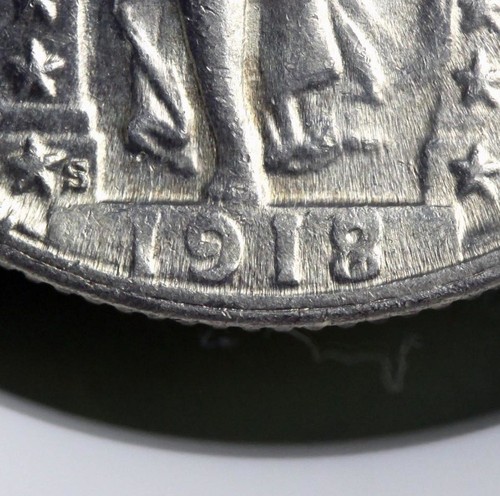
Standing Liberty Quarter
1916–1930
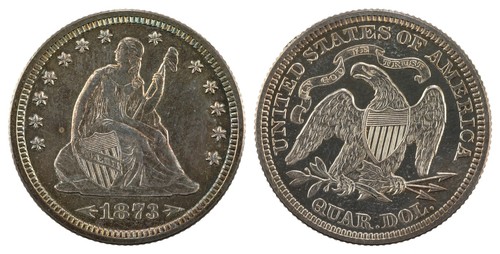
Seated Liberty Quarter
1838–1891
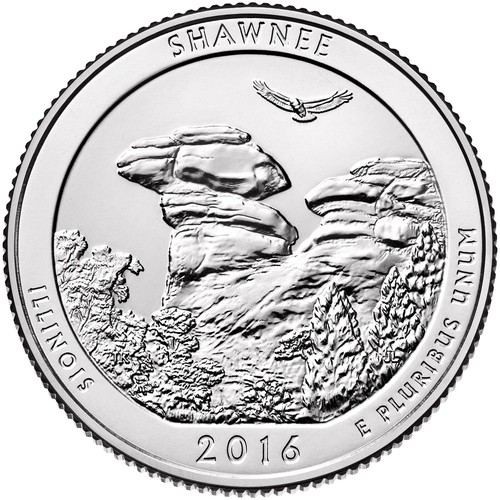
Shawnee Quarter
2016
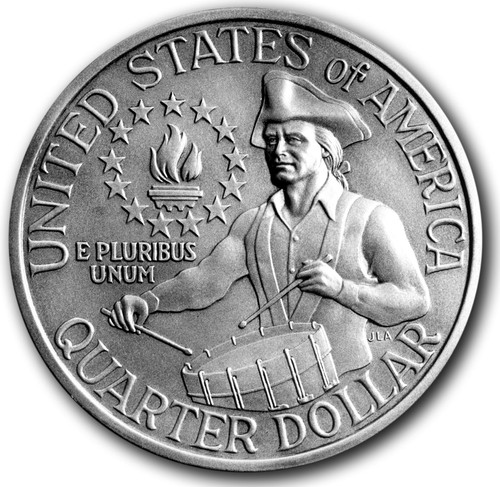
Bicentennial Quarter
1975–1976 (dated 1776-1976)
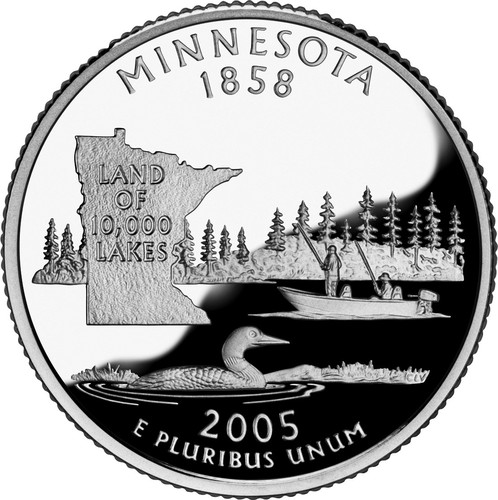
Minnesota State Quarter
2005
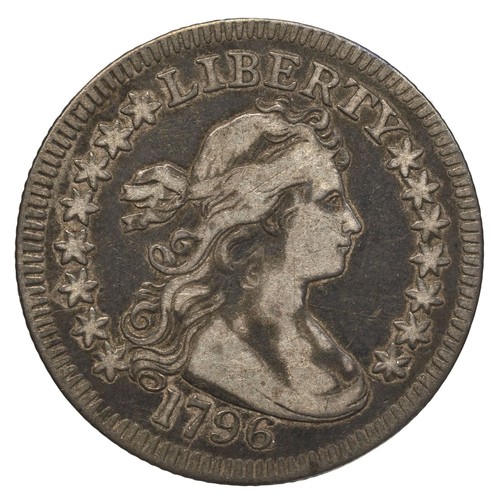
Draped Bust Quarter
1796, 1804–1807