
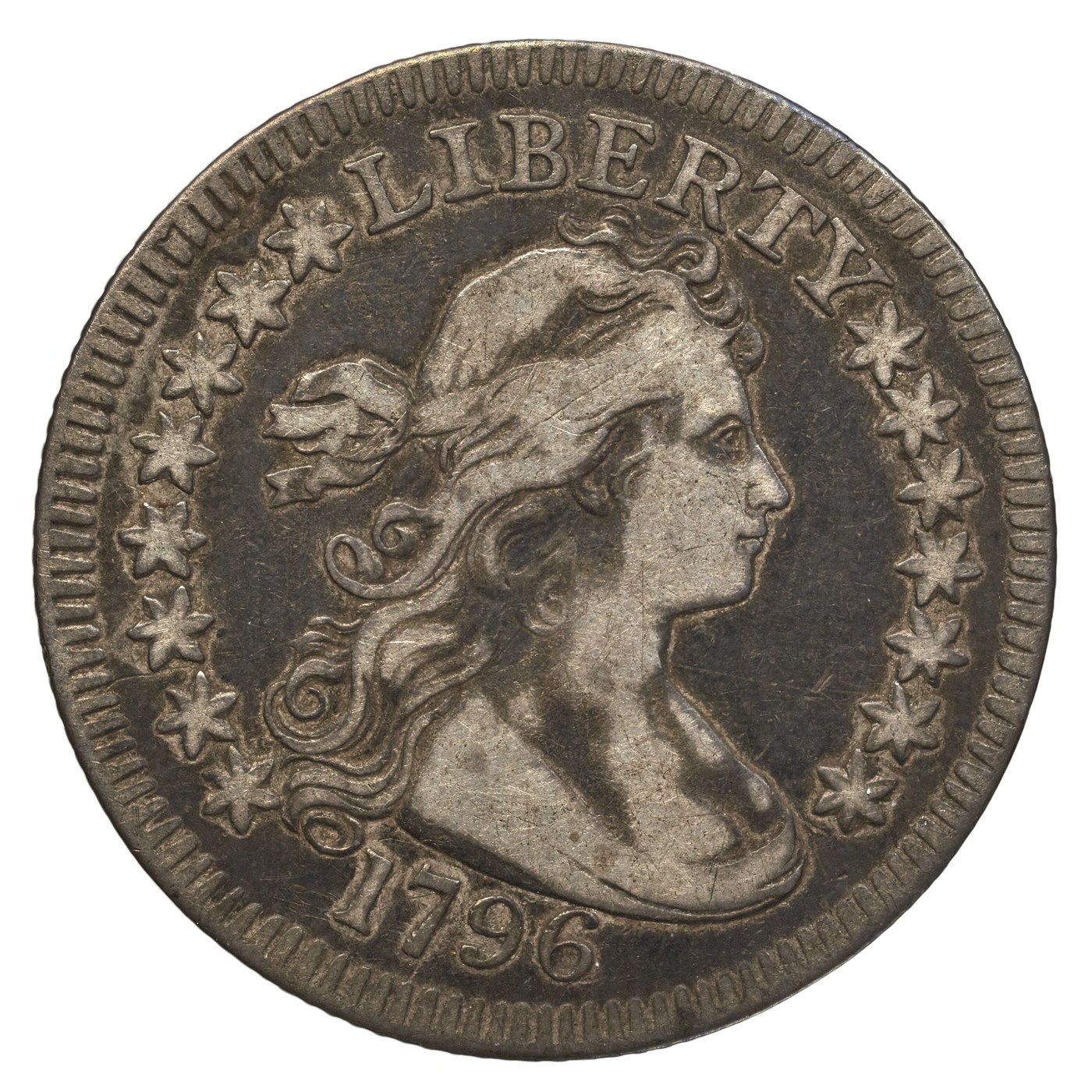
Draped Bust Quarter
The first United States quarter dollar, struck in silver with a draped Liberty and border stars on the obverse and an eagle reverse; the type began in 1796.
- Country
- United States
- Denomination
- 25 Cents
- Metal
- Silver
Got a coin like this?
Identify any coin from a photo, free.
Overview
The Draped Bust Quarter is the first twenty-five-cent piece struck by the United States Mint. The example shown here is dated 1796, the inaugural year of the denomination and the only year the design was made before a multi-year pause. It is an early American silver coin, larger than the dime and half dime but smaller than the half dollar of the same era.
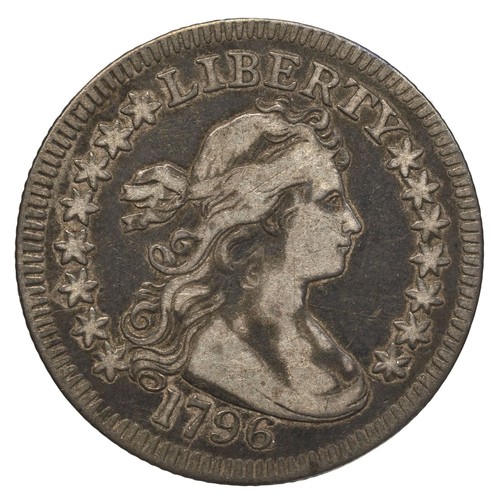
The obverse carries a bust of Liberty facing right, with long flowing hair tied by a ribbon and drapery across the shoulder, ringed by stars, with LIBERTY above and the date below. The reverse shows an eagle within UNITED STATES OF AMERICA. On the 1796 first-year coin this is the delicate "Small Eagle" perched in a wreath, while later dates of the type (1804–1807) use a larger heraldic eagle bearing a shield. No quarters at all were struck between 1797 and 1803.
History & Background
The Draped Bust motif was introduced across United States silver coinage in the mid-1790s and reached the quarter dollar in 1796. The portrait is attributed to engraver Robert Scot, working from a drawing associated with the artist Gilbert Stuart, and the same design appeared on the half dime, dime, half dollar, and silver dollar of the period. The quarter was among the last of these denominations to be produced.
The 1796 quarter was struck in tiny numbers — only about six thousand pieces — making it a famous one-year type coin. The Mint then made no quarters for several years and resumed the denomination only in 1804, this time pairing Liberty with the heraldic "shield" eagle based on the Great Seal. That second reverse type continued through 1807, after which the Draped Bust quarter gave way to the Capped Bust quarter in 1815. All coins were struck by hand-operated presses at the Philadelphia Mint, so dies were cut individually and numerous die varieties exist.
How to Identify
Start with the obverse: Liberty facing right with long, flowing hair and drapery at the neckline, surrounded by a ring of stars, with LIBERTY arched above and the date below — 1796 on this coin. The first-year 1796 issue carries fifteen stars. The reverse determines the sub-type: the 1796 coin shows a small, slender eagle perched within an open wreath (the Small Eagle), while quarters of 1804–1807 show a broad heraldic eagle with a shield on its breast.
The coin is struck in silver — roughly 27–28 mm across and about 6.7 grams — with a reeded edge and gray, toned surfaces on honest survivors. There is no mint mark, because every quarter of this period came from the Philadelphia Mint. The 1796 Small Eagle reverse shows no mark of value at all; the denomination "25 C." was added to the reverse only on the later 1804–1807 heraldic-eagle coins.
Value & Collectibility
The Draped Bust Quarter is a scarce and important early type, and the 1796 first-year date shown here is one of the most prized single-year coins in all of United States numismatics. With a mintage of only about six thousand pieces, genuine 1796 quarters command strong collector premiums far above their silver content in essentially any grade, and high-grade examples are true rarities.
Value depends heavily on date, reverse type, die variety, and condition, so precise figures vary widely; even a well-worn, honest 1796 quarter is a significant coin, while sharp, problem-free pieces can be extremely valuable. Because early silver of this scarcity is frequently counterfeited, cleaned, or altered, any suspected Draped Bust quarter should be authenticated and graded by a reputable service before a value is assigned.
Frequently asked questions
Is the 1796 Draped Bust Quarter really the first U.S. quarter?
Yes. 1796 was the inaugural year of the twenty-five-cent denomination, and the Draped Bust design is the first quarter dollar the United States Mint produced.
Why weren't quarters made between 1797 and 1803?
After the small 1796 issue the Mint simply did not strike quarters for several years, resuming the denomination only in 1804 with a new heraldic-eagle reverse.
Does my 1796 quarter show its value?
No. The 1796 Small Eagle reverse carries no mark of value. A denomination, '25 C.', was added only on the later 1804–1807 heraldic-eagle quarters.
Does a Draped Bust Quarter have a mint mark?
No. Every quarter of this era was struck at the Philadelphia Mint, which used no mint mark, so a genuine coin carries none.
Is a worn Draped Bust Quarter still valuable?
Yes. As a scarce early type — and especially in the rare 1796 first year — even a worn example carries a substantial collector premium far above its silver value, though condition and variety strongly affect the price.
Draped Bust Quarter guides
In-depth guides for identifying, valuing, and collecting Draped Bust Quarter.
Other coins you may enjoy
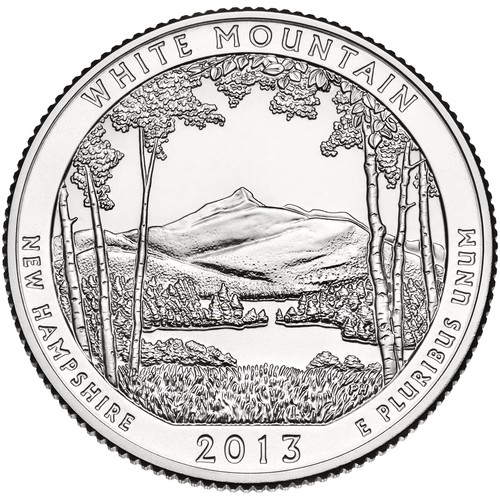
White Mountain Quarter
2013
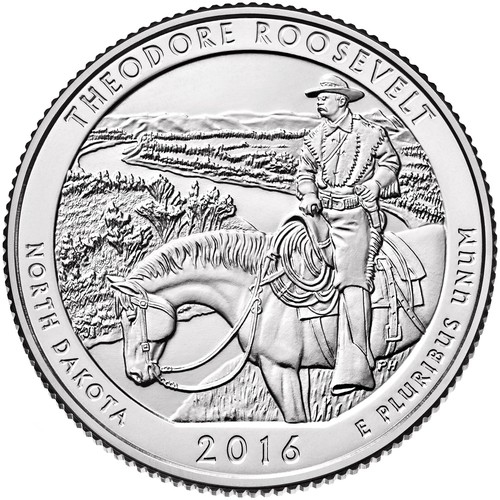
Theodore Roosevelt Quarter
2016
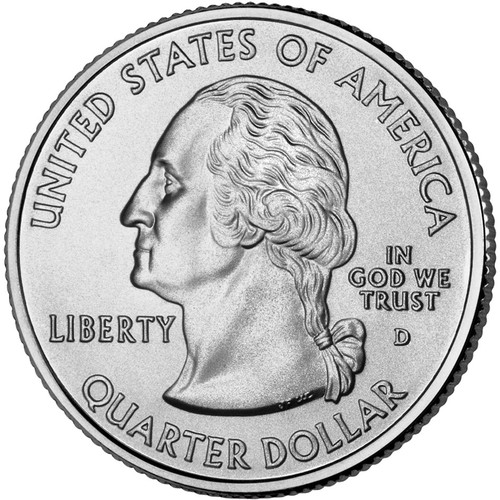
Washington Quarter
1932–present
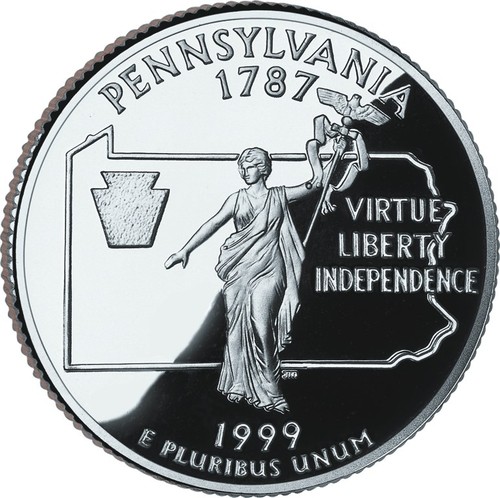
Pennsylvania State Quarter
1999
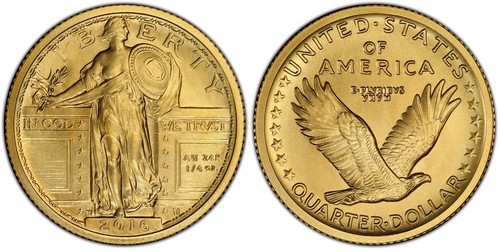
Standing Liberty Quarter Centennial Gold
2016
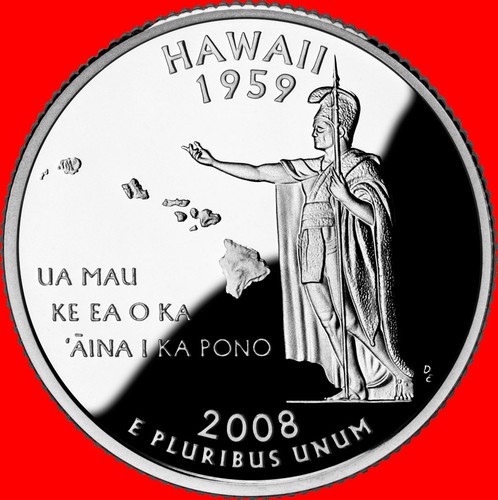
Hawaii State Quarter
2008
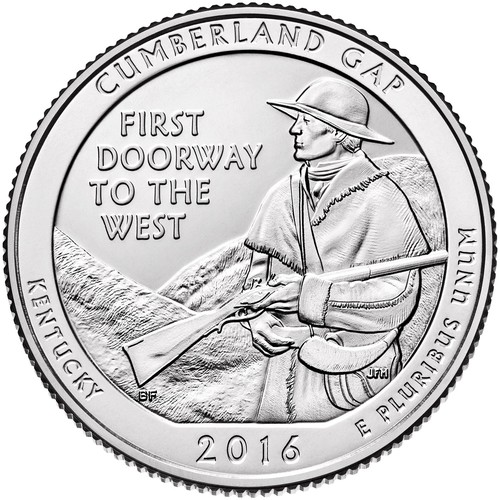
Cumberland Gap Quarter
2016
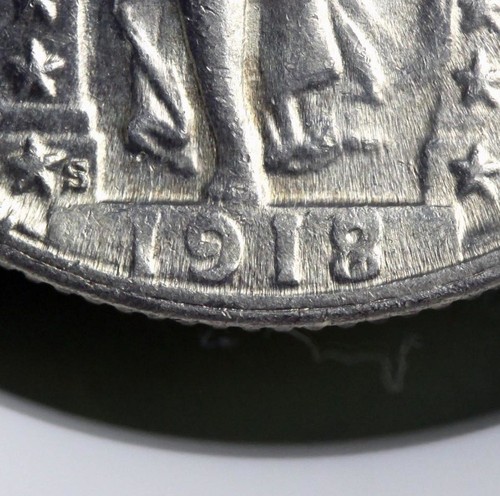
Standing Liberty Quarter
1916–1930
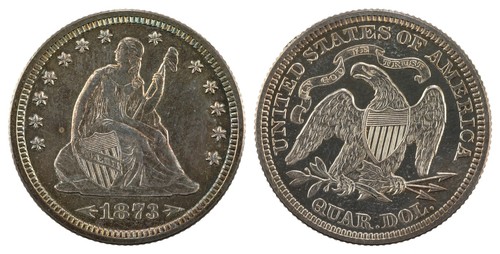
Seated Liberty Quarter
1838–1891
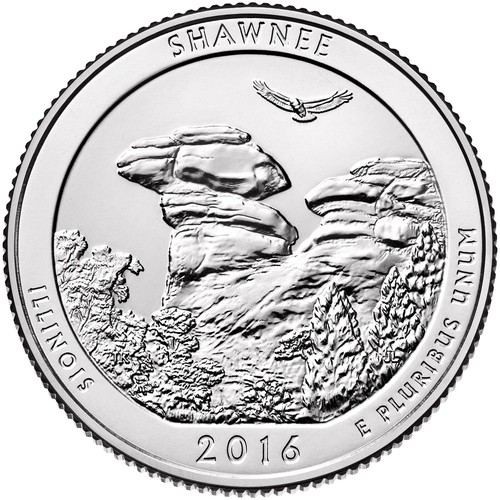
Shawnee Quarter
2016
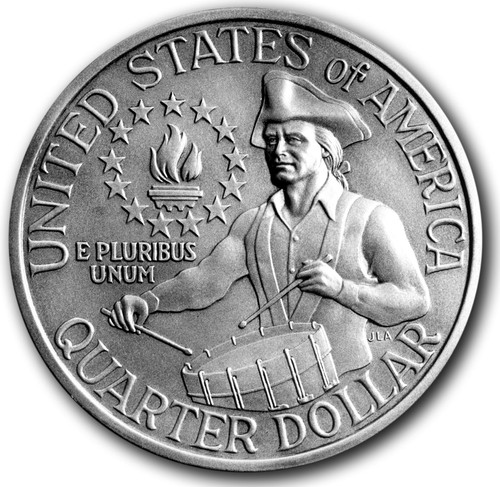
Bicentennial Quarter
1975–1976 (dated 1776-1976)
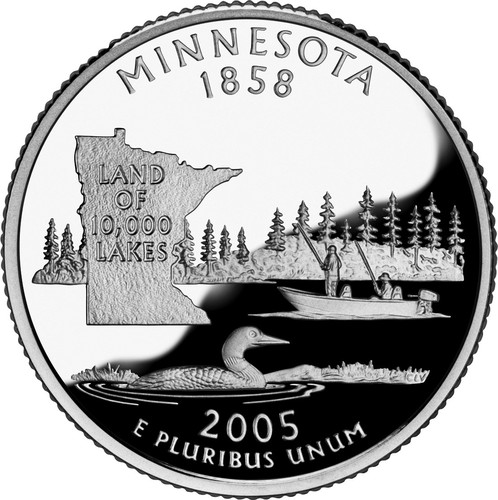
Minnesota State Quarter
2005