How to Identify the Washington Quarter
A step-by-step look at Washington's profile, the eagle reverse, silver versus clad, mint-mark placement, and the 1932 key dates to check for.
Read the full Washington Quarter encyclopedia entry →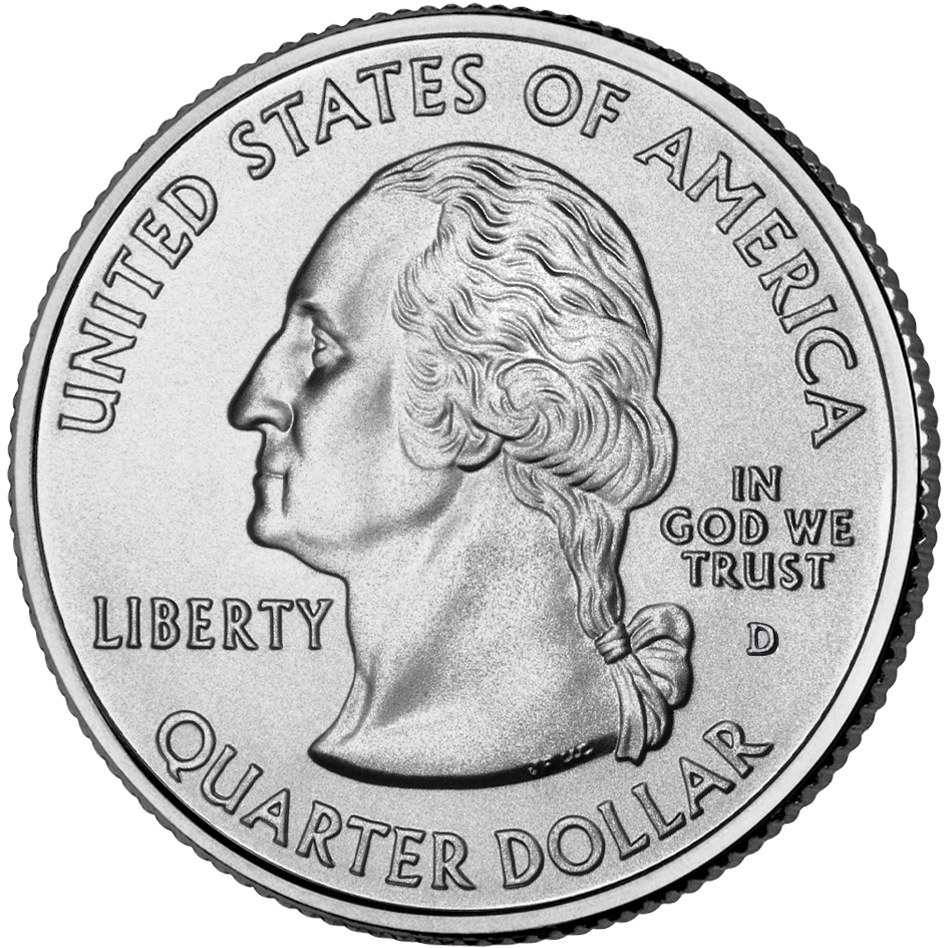
Start With the Obverse
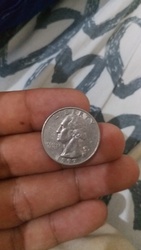
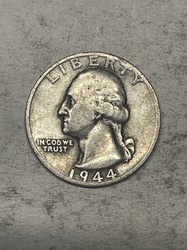
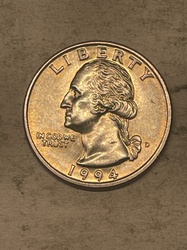
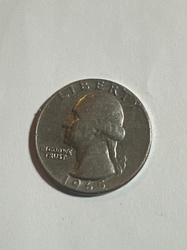
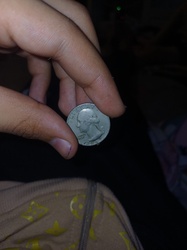
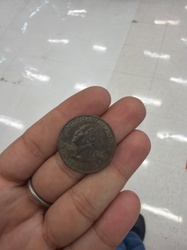
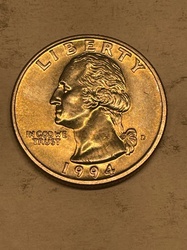
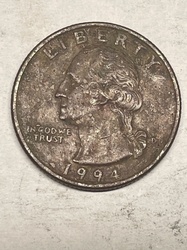
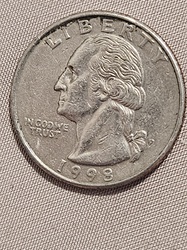
Look for a left-facing profile bust of George Washington with "LIBERTY" curving across the top, "IN GOD WE TRUST" in the field to the left, and the four-digit date at the bottom — our example reads 1932. Washington's portrait has anchored the quarter since 1932, so a confident read of the obverse tells you the type immediately, even when the reverse differs on later coins. Look for the small "JF" initials at the base of the neck, the mark of designer John Flanagan.
Check the Classic Reverse
Turn a 1932-era coin over and confirm an eagle with outstretched wings perched on a bundle of arrows, with laurel sprays below and "E PLURIBUS UNUM" above. The outer legends read "UNITED STATES OF AMERICA" and "QUARTER DOLLAR." This Flanagan eagle reverse was used from 1932 to 1998; if you instead see a state emblem, landmark, or other scene, you have a later commemorative-program quarter with the same Washington obverse.
Tell Silver From Clad
A 1932 quarter is 90% silver: about 24.3 mm in diameter, roughly 6.25 grams, with a reeded edge and a light gray silver tone and no copper stripe on the rim. Quarters dated 1965 and later are copper-nickel clad and show a distinct reddish-brown copper core when viewed edge-on. Checking the edge for that copper layer is a quick way to separate a silver 1932–1964 coin from a modern clad one of the same size.
Find the Mint Mark
On silver-era coins the mint mark sits on the reverse, below the eagle and laurel, just above the word "DOLLAR." A "D" indicates Denver and an "S" indicates San Francisco; no mint mark means Philadelphia. This placement matters for 1932, when the low-mintage 1932-D and 1932-S are the key dates. From 1968 onward the mint mark moved to the obverse, next to Washington's hair ribbon, so position also helps date a coin.
Watch for Altered Dates and Mint Marks
Because the 1932-D and 1932-S are valuable, be cautious of coins with added or altered mint marks, or with a common date re-cut to read as a key date. Compare the style and position of any mint mark against known genuine examples, and be wary of a 1932 quarter that seems too clean for its wear. For any coin that appears to be a scarce 1932 branch-mint issue or a high-grade example, rely on a reputable third-party grading service to confirm the date, mint mark, and authenticity.
Frequently asked questions
How can I tell a silver Washington Quarter from a modern clad one?
Look at the edge. A silver 1932–1964 quarter is solid light-gray metal, while a 1965-and-later clad quarter shows a reddish-brown copper stripe sandwiched in the rim. Weight and tone differ too, but the copper edge is the fastest check.
Where do I look for the mint mark on a 1932 quarter?
On the reverse, below the eagle and laurel, just above "DOLLAR." A "D" is Denver and an "S" is San Francisco; no mint mark means Philadelphia. The 1932-D and 1932-S are the key dates to watch for.
My quarter has Washington but not an eagle on the back. Is it still a Washington Quarter?
Yes. The Washington obverse has been paired with many reverse designs since 1999, including state, territory, and landmark themes. Only 1932–1998 coins use the Flanagan eagle reverse; later coins are still Washington Quarters.
Should I clean an old silver quarter to see it better?
No. Cleaning scratches the soft silver surface and reduces value to collectors. Examine the coin under good light and magnification instead, and leave any conservation to professionals.
Washington Quarter identified by the community
Recent Washington Quarter coins identified with Coin Identifier.