
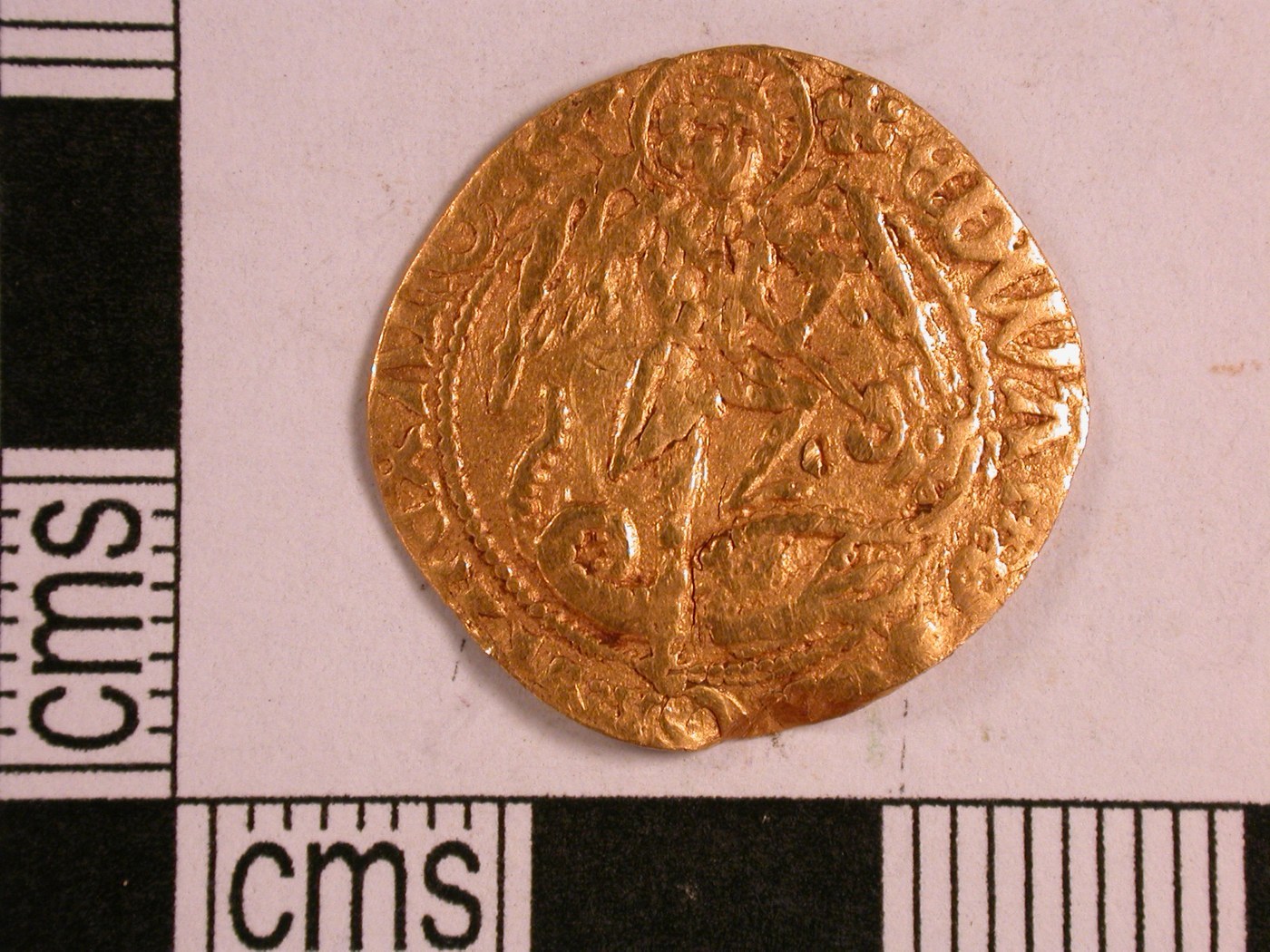
Edward IV Half Angel
Medieval English gold coin of King Edward IV, half the value of the angel, showing Saint Michael slaying a dragon with a spear and shield.
- Country
- England
- Denomination
- Half Angel
- Metal
- Gold
Got a coin like this?
Identify any coin from a photo, free.
Overview
The Edward IV Half Angel is a small medieval English gold coin struck during the reign of King Edward IV (1461-1483). It is the half-value companion to the gold angel, and it repeats the angel's religious imagery at reduced size and weight. The obverse shows Saint Michael the Archangel standing, armored and winged, thrusting a spear and bearing a shield as he tramples a dragon beneath his feet.
The reverse, not visible on this obverse image, typically carries a ship bearing a large cross with a shield of the royal arms at its base, accompanied by a Latin legend of devotional character. As a fraction of the angel, the half angel served everyday high-value transactions and is prized today for its saintly design and its place in the coinage reform that reshaped English gold in the 1460s.
History & Background
The angel and its half were introduced as part of Edward IV's recoinage of 1464-1465, which reduced the weight of English gold and replaced the older noble series. The new coins took their imagery from Saint Michael, the warrior archangel, and the popular name 'angel' arose directly from this figure. The half angel, sometimes called the angelet, was issued as a smaller denomination alongside the full angel.
Edward IV's reign was interrupted by the Wars of the Roses, including the brief restoration of Henry VI in 1470-1471, and the coinage is usually divided into first-reign and second-reign issues. Because dies, mint marks, and legend details changed over these phases, half angels can often be attributed to a particular period of the reign. The saintly design proved durable and was continued by later Tudor monarchs, making Edward IV's issues among the earliest of the long-running angel series.
How to Identify
The defining feature is the obverse: Saint Michael shown as a standing, winged, armored figure driving a spear downward into a dragon at his feet while holding a shield. This Saint Michael and dragon scene, framed by a Latin legend and a beaded border, identifies the coin as part of the angel family. On the reverse (not shown here) expect a ship carrying a tall cross, with a shield of the royal arms of England and France at the base and a devotional Latin legend.
The half angel is a small, thin gold coin, roughly half the weight and value of the full angel, and it is struck in high-purity medieval gold with a warm color. Mint marks placed at the start of the legend, together with letter forms and small differences in the design, help assign a coin to Edward IV's first or second reign. The closely related full angel carries the same imagery at larger size and heavier weight, so diameter and weight are the quickest way to separate the two.
Value & Collectibility
The Edward IV Half Angel is a scarce medieval gold coin, and genuine examples sell well above their bullion content because of their age, religious imagery, and collector demand. Value depends heavily on the reign phase, mint mark, strike quality, centering, and state of preservation, so prices range widely from more affordable worn pieces to substantial sums for sharp, well-struck examples.
Because medieval gold is valuable and frequently reproduced, authentication and grade strongly affect price. The full angel generally commands more than the half angel of the same period. Treat any single figure as approximate and check recent auction results and expert opinion before buying or selling.
Frequently asked questions
What is shown on the Edward IV Half Angel?
The obverse shows Saint Michael the Archangel, winged and armored, spearing a dragon at his feet while holding a shield. The reverse typically shows a ship bearing a cross with a royal shield and a Latin legend.
Why is it called an 'angel'?
The name comes directly from the figure of Saint Michael the Archangel on the obverse. The half angel, or angelet, is the half-value version of the full gold angel.
Is the half angel made of real gold?
Yes. It is a high-purity medieval gold coin, small and thin, struck as half the weight and value of the full angel introduced in Edward IV's coinage reform.
How is it different from the full angel?
The two share the same Saint Michael and ship designs, but the half angel is smaller, thinner, and lighter, worth half the value of the full angel. Diameter and weight are the clearest differences.
Are Edward IV half angels valuable?
Genuine examples are scarce and worth well above their gold content, with prices driven by reign phase, mint mark, strike, and condition. Because fakes exist, authentication matters.
Edward IV Half Angel guides
In-depth guides for identifying, valuing, and collecting Edward IV Half Angel.
Other coins you may enjoy
Edward IV Ryal
c. 1465-1470
Penny of Offa
c. 757-796 (8th century)
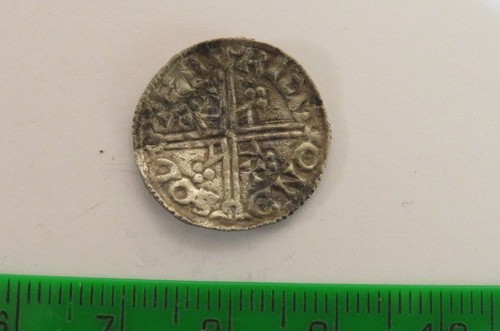
Medieval Penny
c. 8th-15th century
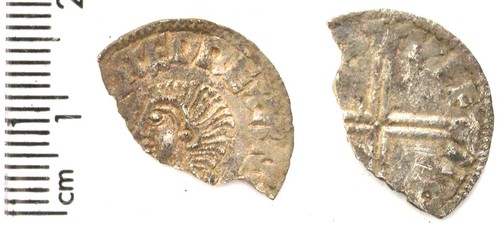
Penny of Aethelred II
978-1013
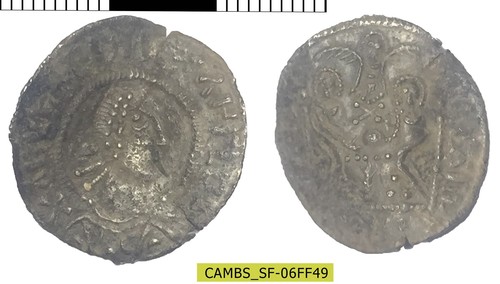
Penny of Alfred the Great
c. 871-899 (late 9th century)
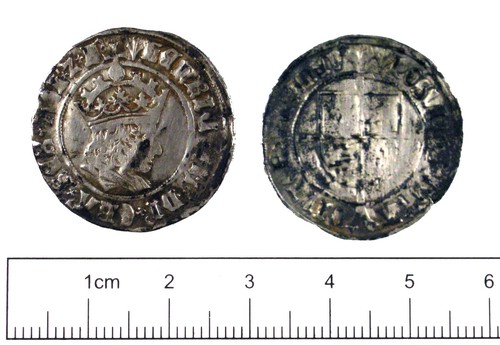
Henry VII Groat
1485-1509
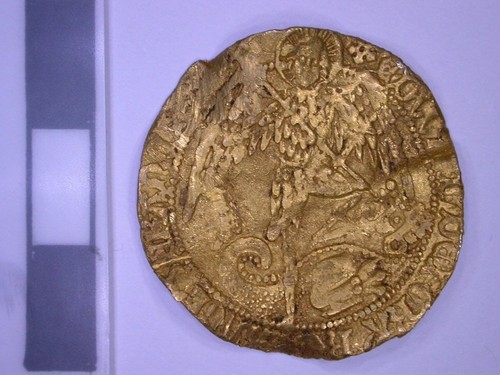
Edward V Angel
1483
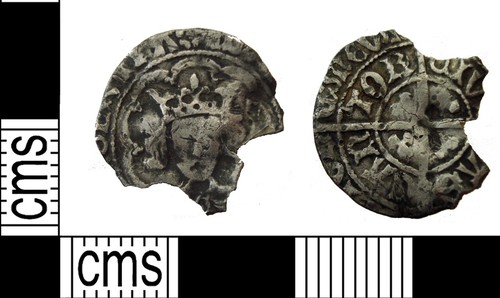
Edward IV Half Groat
1461-1483
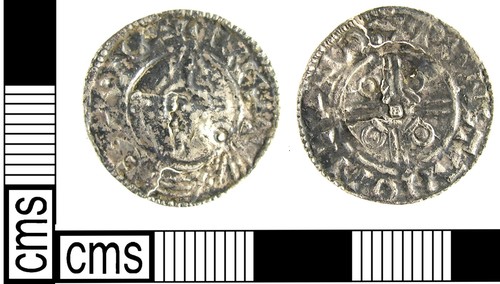
Penny of Cnut
1024-1030
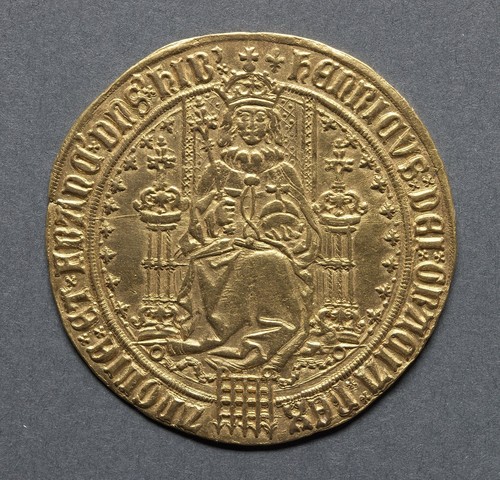
Henry VII Sovereign
1485-1509
Long Cross Penny
1247-1279 (13th century)
Anglo-Saxon Styca
8th-9th century