10 Kroner
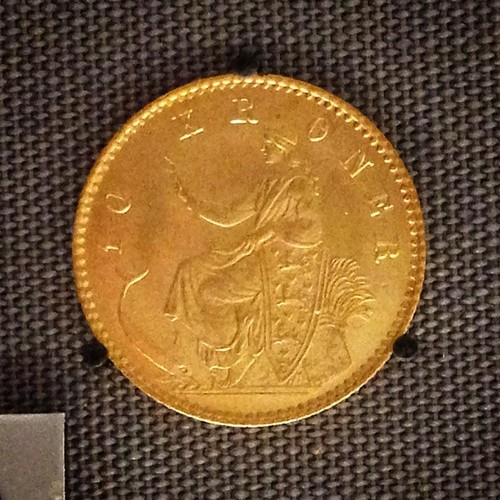
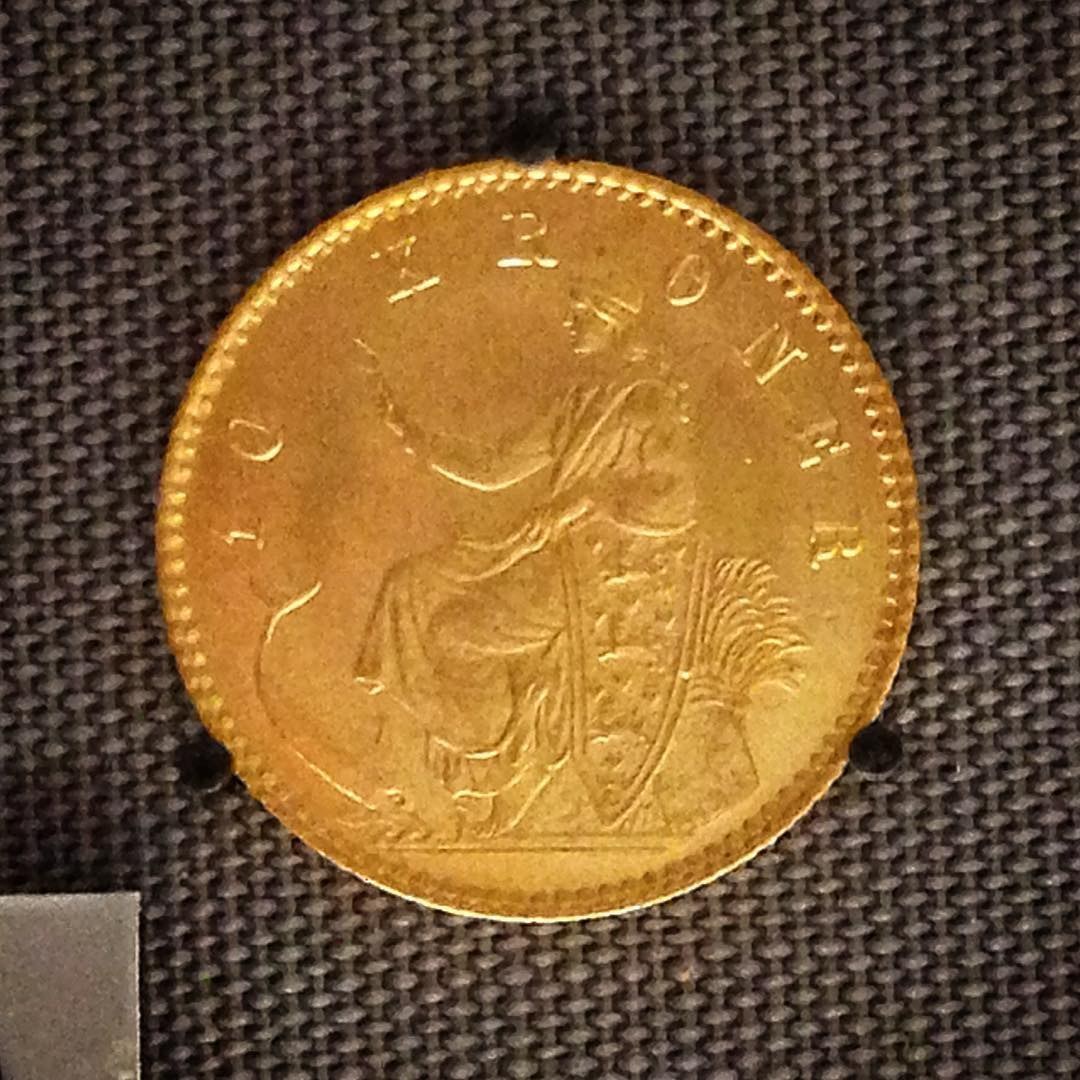
A small Danish gold 10 kroner dated 1873, the first year of the type, with the bearded profile of King Christian IX and a seated allegorical figure of Denmark on the reverse.
- Country
- Denmark
- Denomination
- 10 Kroner
- Metal
- Gold
Got a coin like this?
Identify any coin from a photo, free.
Overview
The 10 Kroner dated 1873 is a gold circulation coin of the Kingdom of Denmark, struck in the first year the krone replaced the older rigsdaler currency. It is a compact gold piece rather than a large presentation medal, made for actual monetary use under the newly formed Scandinavian Monetary Union.
The obverse carries the bearded profile of King Christian IX facing left, the long-reigning monarch whose portrait defines Danish coinage of the late nineteenth century. The reverse shows a seated allegorical female figure, a personification of Denmark, accompanied by a shield bearing heraldic arms and the value.
Because it contains gold and dates to the opening year of the krone system, the 1873 10 kroner is collected both as a historical type coin and as a small piece of nineteenth-century Danish bullion. It is more substantial and desirable than everyday base-metal issues, but it was still money meant to circulate.
History & Background
In 1873 Denmark, Sweden, and Norway formed the Scandinavian Monetary Union, agreeing on a shared gold standard in which the krone (crown) replaced each country's older currency. Denmark's krone superseded the rigsdaler, and new gold denominations of 10 and 20 kroner were introduced to anchor the reform. This coin belongs to that founding moment, carrying the 1873 date of the first issue.
The portrait is that of Christian IX, who reigned from 1863 to 1906 and became known as the "father-in-law of Europe" through his children's royal marriages. His bearded profile appears on Danish coinage throughout this long reign, and the 1873 10 kroner is among the earliest krone-era coins to bear it.
The Scandinavian gold coinage circulated into the early twentieth century until the First World War and the collapse of the gold standard ended the union. Surviving 1873 10 kroner pieces are now historical artifacts of that shared Nordic monetary experiment and of Christian IX's reign.
How to Identify
The obverse shows a bearded male profile facing left, the head of King Christian IX, typically encircled by his royal name and title in Danish. The reverse features a seated allegorical female figure representing Denmark, holding or set beside a shield with heraldic arms, together with the value 10 KRONER and the 1873 date. This portrait-and-allegory pairing is the core diagnostic of the type.
The coin is small but dense because it is struck in gold, giving it a warm yellow color and a heft out of proportion to its modest diameter of roughly 17 to 18 mm. It should not be confused with the larger 20 kroner of the same design family, which is a bigger, heavier gold piece. The metal, small size, and clear 10 KRONER legend together fix the denomination.
Key identifiers are the left-facing bearded Christian IX portrait, the seated female personification of Denmark with a heraldic shield, the 10 KRONER value, the 1873 date, and the gold fabric. These distinguish it from Danish silver and bronze coins of the era and from the companion 20 kroner denomination.
Value & Collectibility
As a gold coin, the 1873 10 kroner has a baseline worth tied to its precious-metal content, so it will always trade well above face value and above ordinary circulation coins. Its small gold weight sets a floor that moves with the gold market.
Beyond bullion, being the first-year 1873 issue and a nineteenth-century royal type gives it a collector premium over later, more common dates. Condition matters greatly: worn examples trade closer to melt with a modest numismatic markup, while sharp, lustrous, or certified high-grade pieces can command meaningfully more. First-year gold from the founding of the Scandinavian union carries added historical appeal.
Treat any figures as ranges rather than fixed quotes, since gold prices fluctuate and prices vary by grade, eye appeal, and market demand. For a specific valuation, weigh the gold content against the coin's grade and have high-value examples authenticated.
Frequently asked questions
Who is the man on the 1873 10 kroner?
It is King Christian IX of Denmark, who reigned from 1863 to 1906. His bearded profile facing left appears across Danish coinage of the period, and this 10 kroner is among the earliest krone-era coins to bear it.
Is the 1873 10 kroner really gold?
Yes. It is a small but dense gold circulation coin from the Scandinavian Monetary Union. Its warm yellow color and weight relative to its small size reflect the gold content, which gives it value above ordinary coins.
What is the figure on the reverse?
The reverse shows a seated allegorical female figure personifying Denmark, shown with a shield bearing heraldic arms alongside the 10 KRONER value and the 1873 date.
Why is 1873 significant?
1873 was the founding year of the Scandinavian Monetary Union and the introduction of the krone in Denmark, replacing the older rigsdaler. This coin is a first-year issue of that gold-standard reform.
How is it different from the 20 kroner?
The 20 kroner shares the same Christian IX portrait and allegorical design but is a larger, heavier gold coin of double the value. The 10 kroner is smaller, and its reverse clearly reads 10 KRONER.
10 Kroner guides
In-depth guides for identifying, valuing, and collecting 10 Kroner.