
How to Identify the 10 Kroner
A collector's guide to confirming the Danish gold 10 kroner by its Christian IX portrait, seated Denmark allegory, value legend, small gold format, and 1873 date.
Read the full 10 Kroner encyclopedia entry →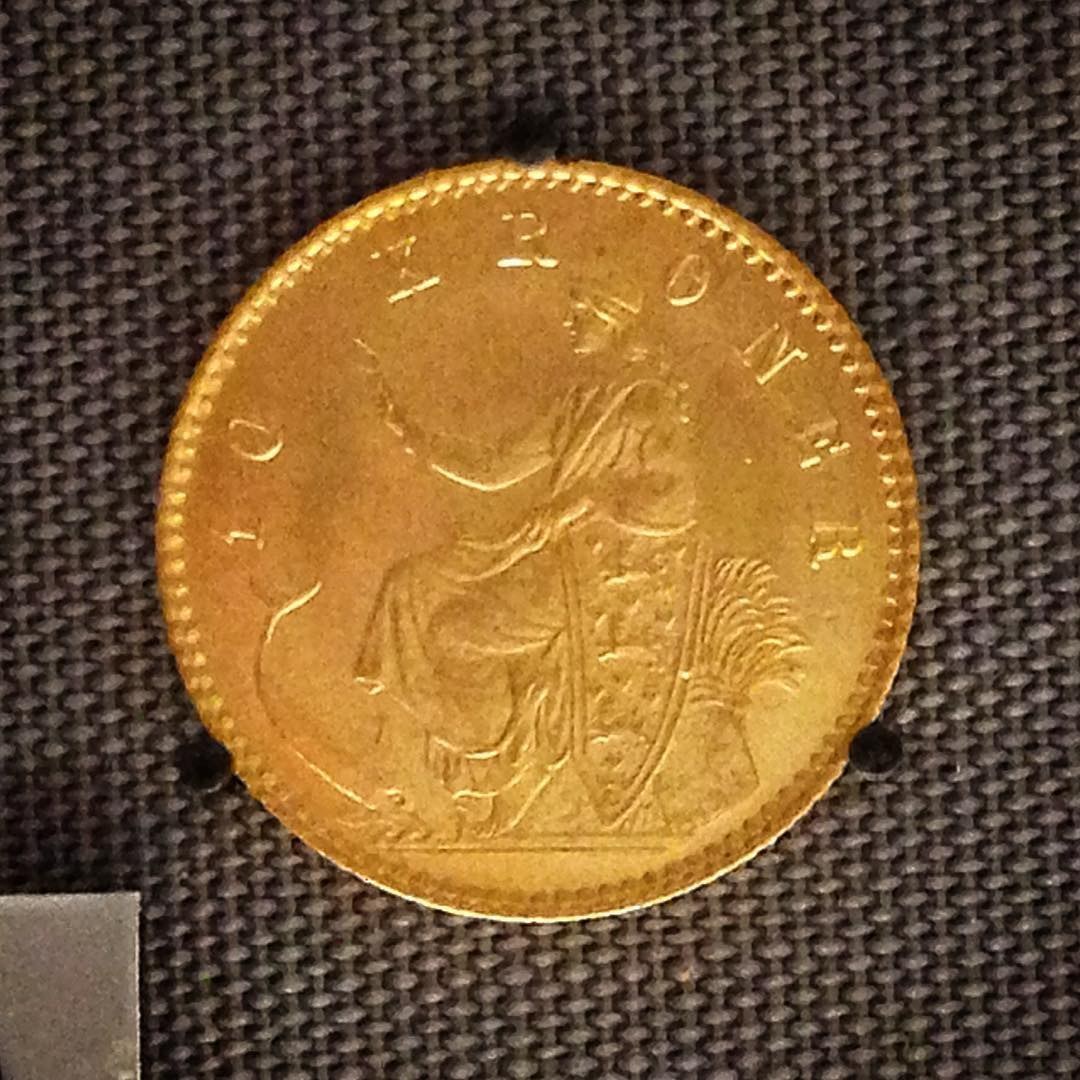
Confirm the Portrait and the King
Start with the obverse. A genuine coin of this type shows a bearded male profile facing left, the head of King Christian IX, usually ringed by his Danish name and title. The specific left-facing bearded portrait, rather than a later monarch such as Frederik VIII or Christian X, is your first anchor. If the head faces right or belongs to a clean-shaven or younger ruler, you are looking at a different reign.
Match the Reverse Allegory and Value
The reverse should present a seated allegorical female figure personifying Denmark, shown with a shield carrying heraldic arms, together with the value 10 KRONER and the date. Read the numeral carefully: the same design family was used for the 20 kroner, so the coin must actually say 10 KRONER. The presence of the seated Denmark figure with a shield, not a simple arms-only or crowned-shield reverse, confirms the type.
Weigh the Gold and Measure the Size
This is a small gold coin, roughly 17 to 18 mm across, but it is noticeably dense and warm yellow because of its gold content. Its heft relative to its small diameter is a useful authenticity cue. A same-size coin that feels light, looks pale, or shows a white silver tone is not this gold 10 kroner. Compare against the larger, heavier 20 kroner if you are unsure which denomination you hold.
Verify the Date and Rule Out Look-Alikes
Confirm the 1873 date, the founding year of the Scandinavian Monetary Union and the first issue of the type. Christian IX gold 10 kroner were struck in several later years, so 1873 specifically is the first-year variant. Distinguish this coin from the companion 20 kroner (larger, double value) and from Danish silver and bronze coins of the era, which lack the gold color and weight. Also beware of similar Norwegian and Swedish 10 kronor gold of the same union, which carry their own monarchs and legends.
Authentication Cautions
Because it is a gold coin, it carries real intrinsic value, so counterfeits and gold-plated copies do exist. Check that the weight and diameter fall in the expected gold range rather than trusting appearance alone, and be wary of any example that is underweight, magnetic, or off-color. For higher-grade or higher-value pieces, third-party grading and authentication are worthwhile. Never clean the coin, as cleaning damages both value and the surfaces used to judge originality.
Frequently asked questions
How do I tell the 10 kroner from the 20 kroner?
Read the value on the reverse and compare size and weight. Both share the Christian IX portrait and seated Denmark allegory, but the 20 kroner is a larger, heavier gold coin of double the value, while the 10 kroner is smaller and reads 10 KRONER.
What size and weight should it be?
Expect a small gold coin around 17 to 18 mm across that feels dense for its size and shows a warm yellow color. A light, pale, or silver-toned coin of similar diameter is a different type, not this gold 10 kroner.
Could this be a Swedish or Norwegian coin?
The Scandinavian union also issued gold 10 kronor in Sweden and Norway. Read the legends and monarch: this Danish coin names Christian IX and reads KRONER in Danish, with the seated Denmark allegory, distinguishing it from its Nordic neighbors.
Is authentication worth it?
For a gold coin, yes, especially in higher grades. Verify weight and diameter against gold specifications, watch for underweight or off-color fakes, and consider third-party grading for valuable examples.