
Coin Encyclopedia
Search and identify coins from around the world — with country, denomination, metal, mint, history, and how to tell them apart.
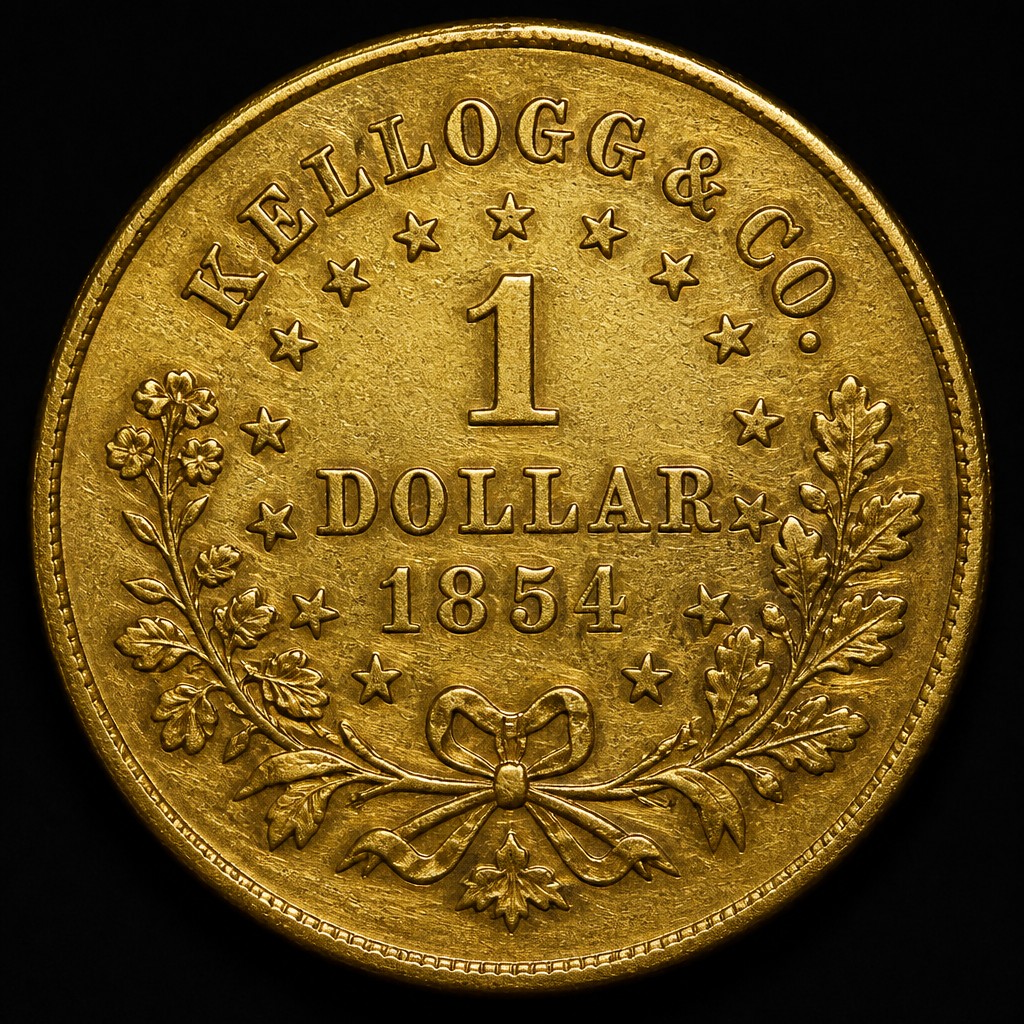
Kellogg & Co. Gold Piece
Private gold coinage struck by the San Francisco firm Kellogg & Co. during the California Gold Rush, including the famous octagonal fifty-dollar 'slug' of 1855, filling a shortage of circulating coin.
United States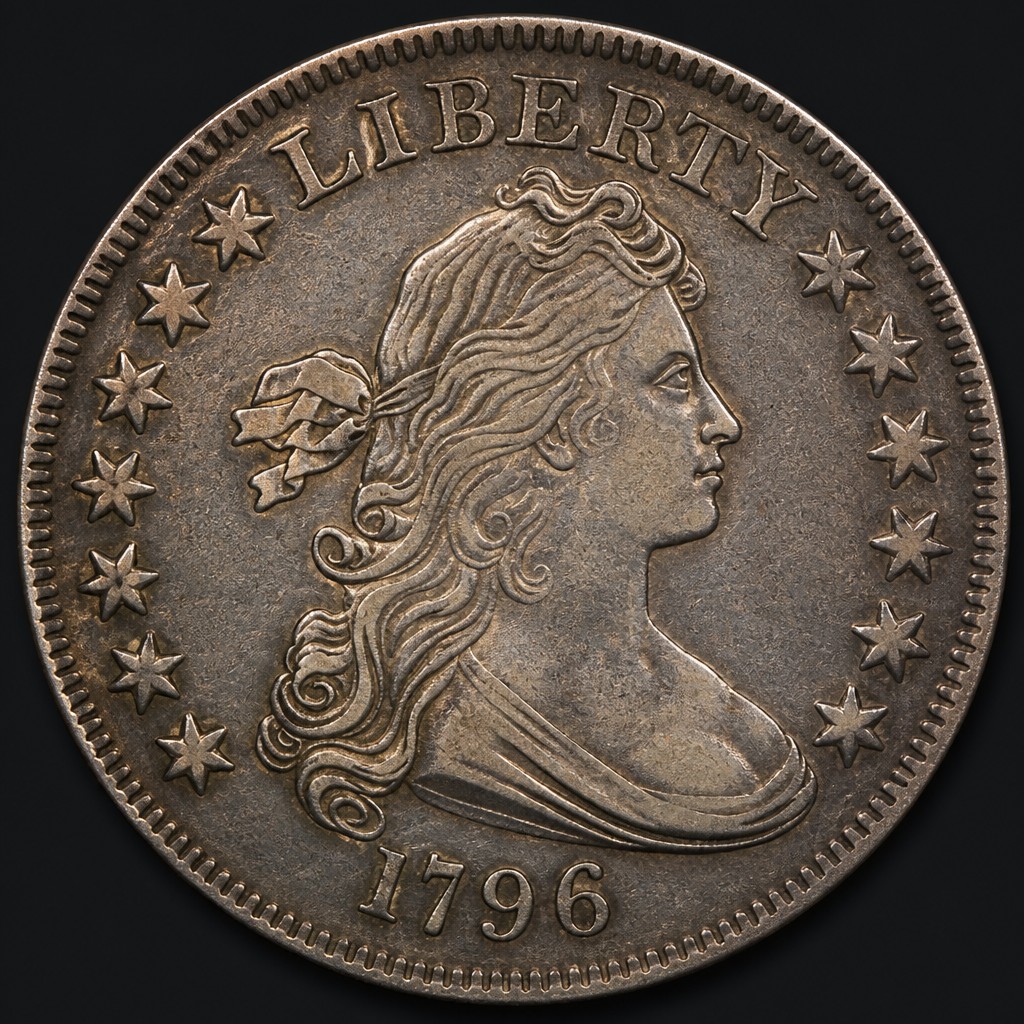
1796 Draped Bust Quarter
The very first quarter dollar struck by the United States Mint, a one-year type coin with a tiny mintage that is treasured by collectors of early American silver.
United States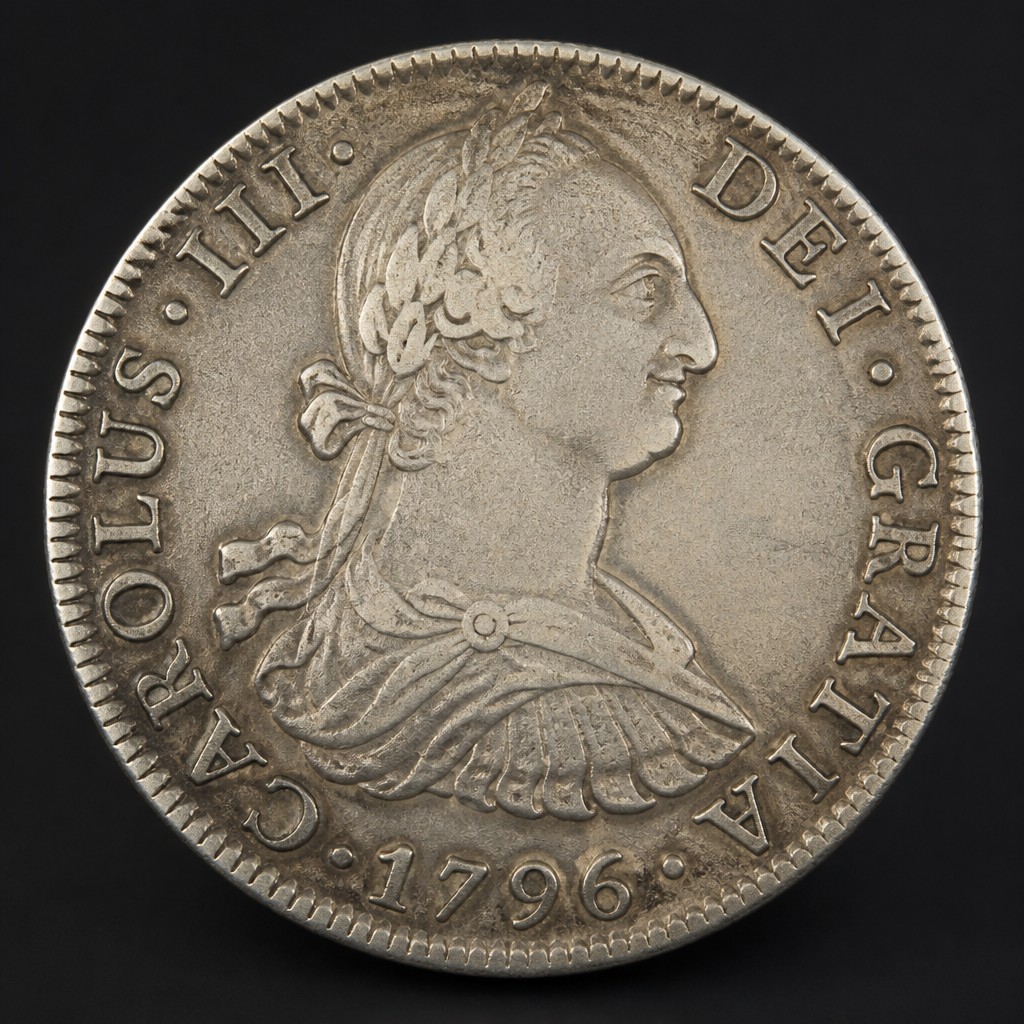
Spanish 8 Reales (Piece of Eight)
The legendary 'piece of eight,' Spain's silver dollar-sized coin that became the world's first truly global currency and the direct ancestor of the U.S. dollar.
World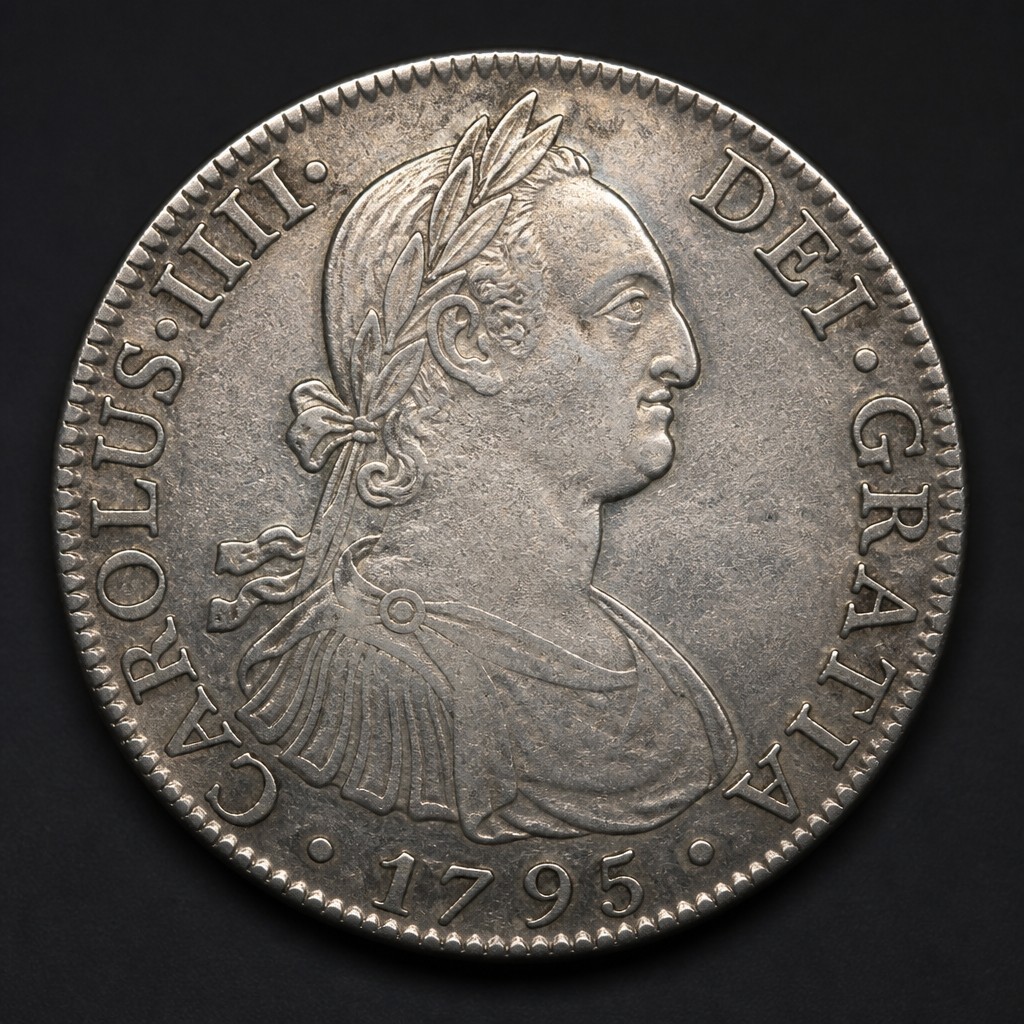
Peru 8 Reales (Lima Mint)
The flagship silver dollar-size coin of colonial and early republican Peru, struck at the historic Lima mint from cob and pillar types through crowned-shield busts.
Latin American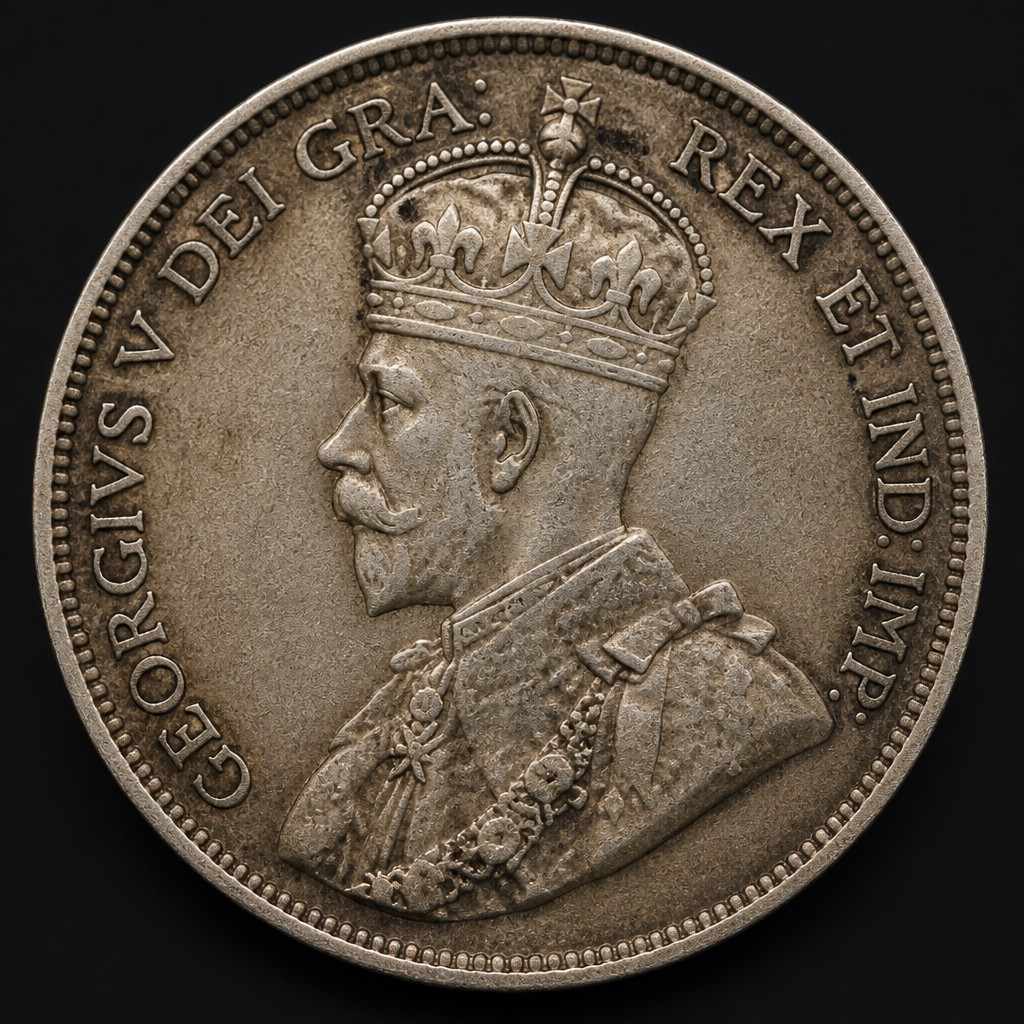
George V Fifty Cents
Canada's fifty-cent silver coin issued under King George V, spanning a reduction in silver fineness in 1920 and including the famously rare 1921 date.
Canadian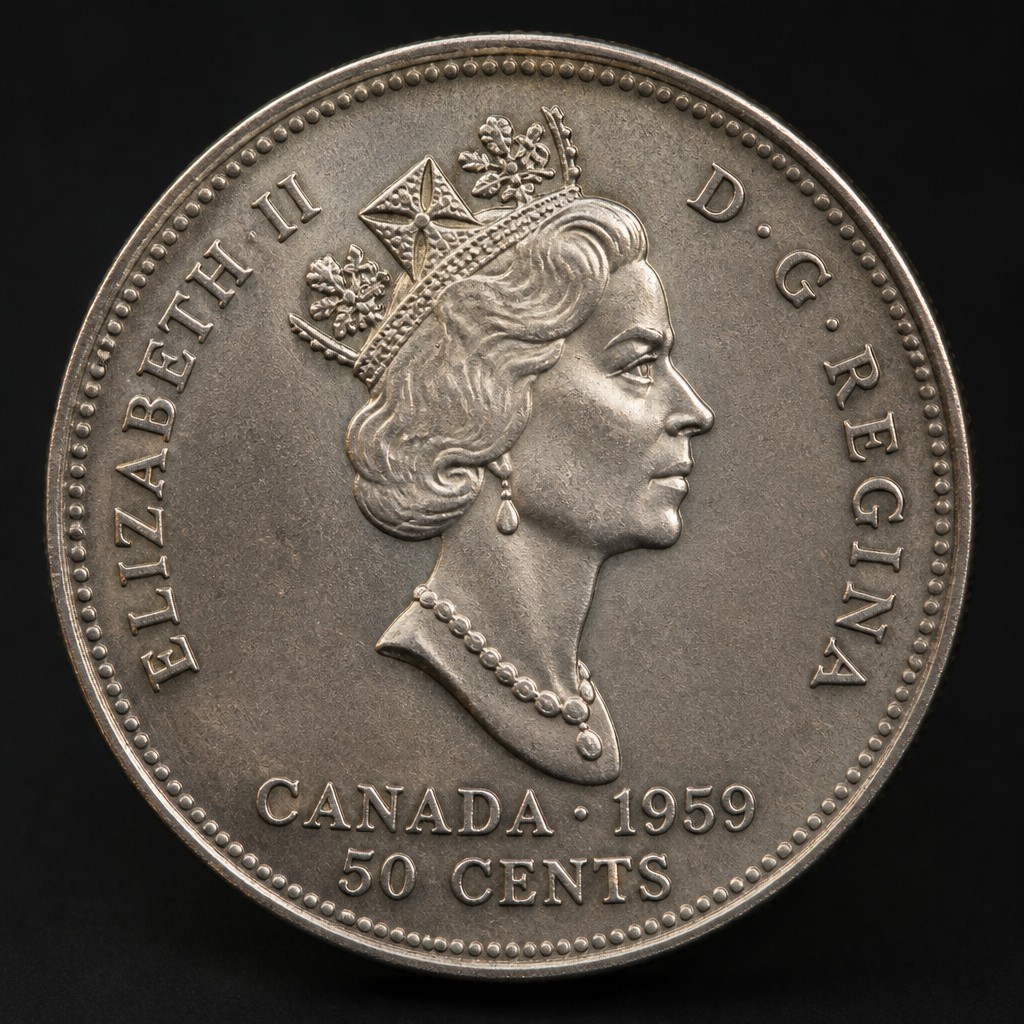
Coat of Arms Fifty Cents (Elizabeth II)
Canada's modern fifty-cent piece, showing the Canadian coat of arms on the reverse since 1959 under successive obverse portraits of Queen Elizabeth II and, later, King Charles III.
Canadian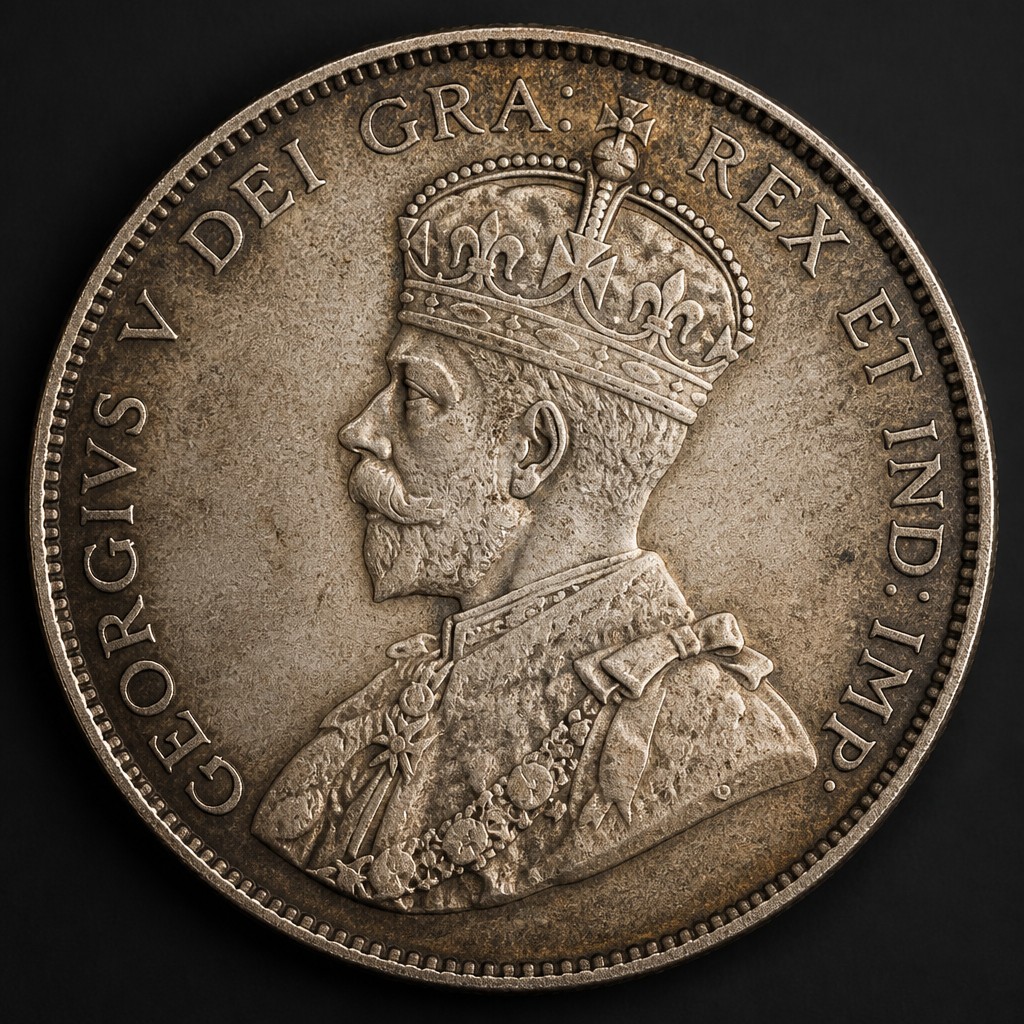
1921 Fifty Cents (King of Canadian Coins)
Canada's most famous rarity, the 1921 fifty-cent piece survives in only a small number of known examples after most of its mintage was melted, earning it the nickname King of Canadian Coins.
Canadian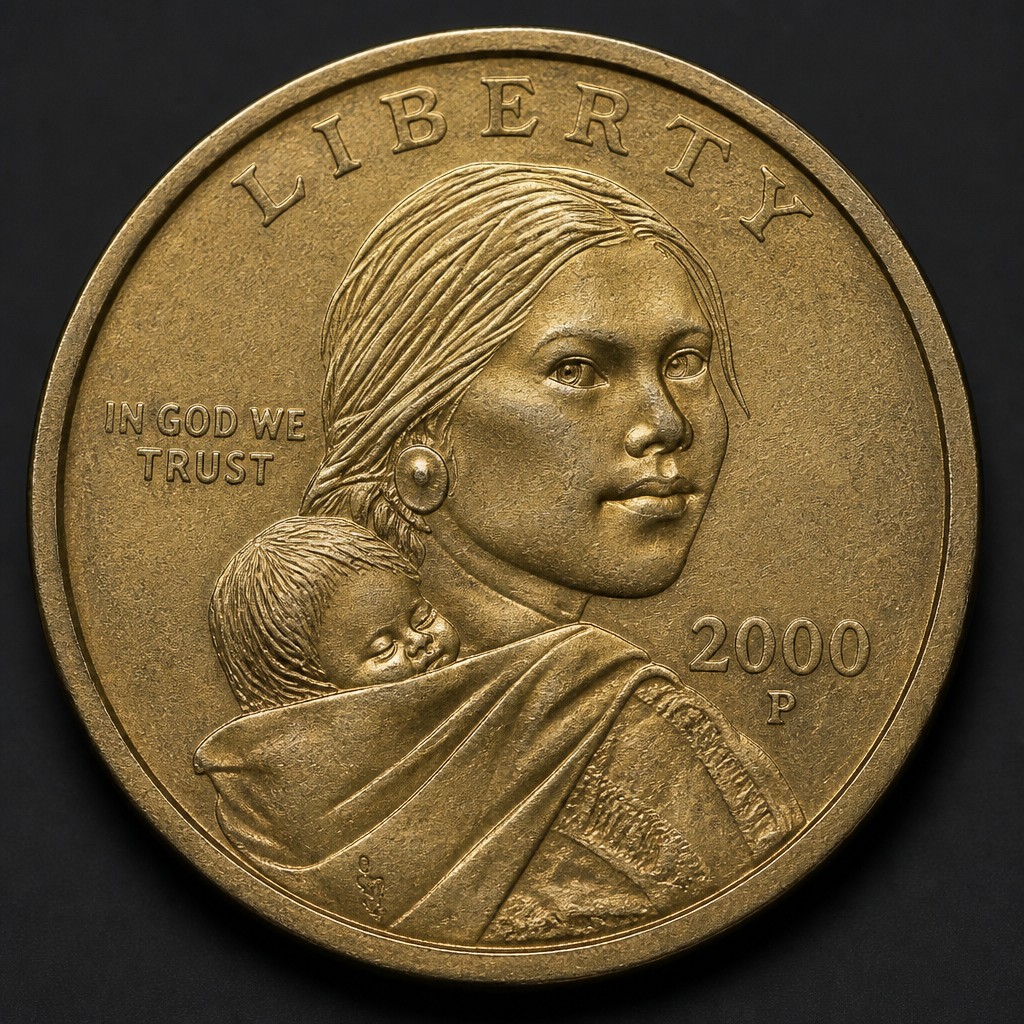
2000-P Sacagawea/Washington Quarter Mule
An extraordinarily rare mint error pairing the golden Sacagawea dollar obverse with a Washington quarter reverse die, one of the most famous modern mule errors in U.S. coinage.
Errors & Varieties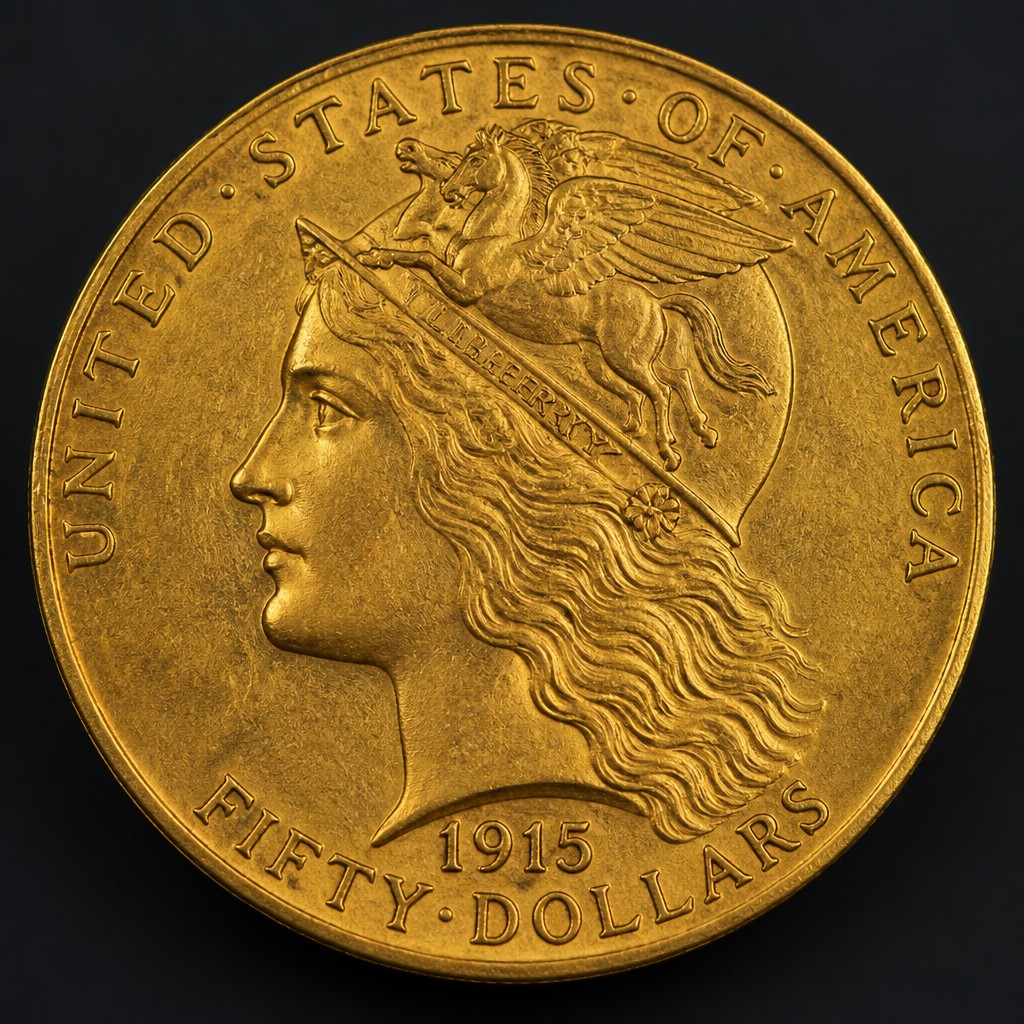
Panama-Pacific $50 Gold (Round)
A massive round commemorative gold piece struck for the 1915 Panama-Pacific International Exposition, one of the rarest and most valuable U.S. commemorative coins ever issued.
Commemorative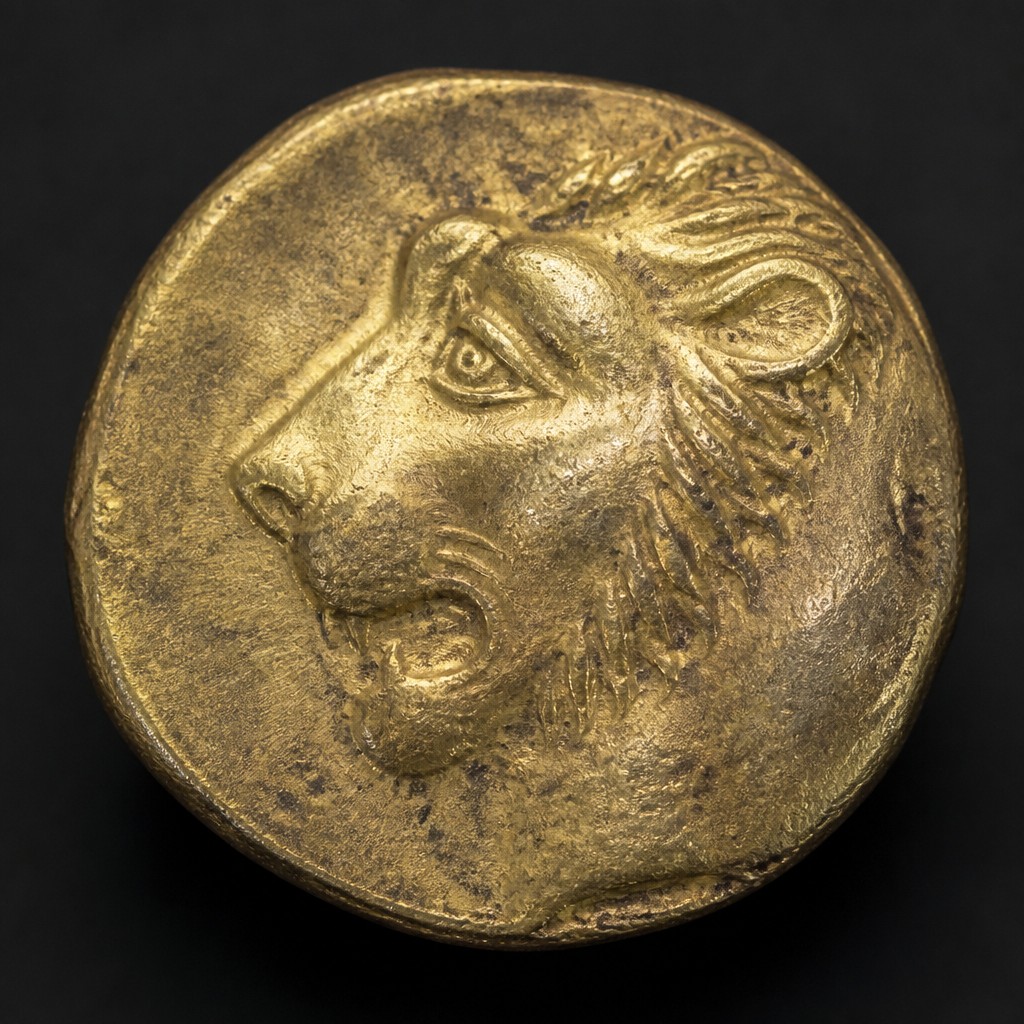
Cyzicus Electrum Stater
An electrum stater from the trading city of Cyzicus on the Sea of Marmara, part of one of the most important and long-lived precious-metal trade currencies of the ancient world.
Ancient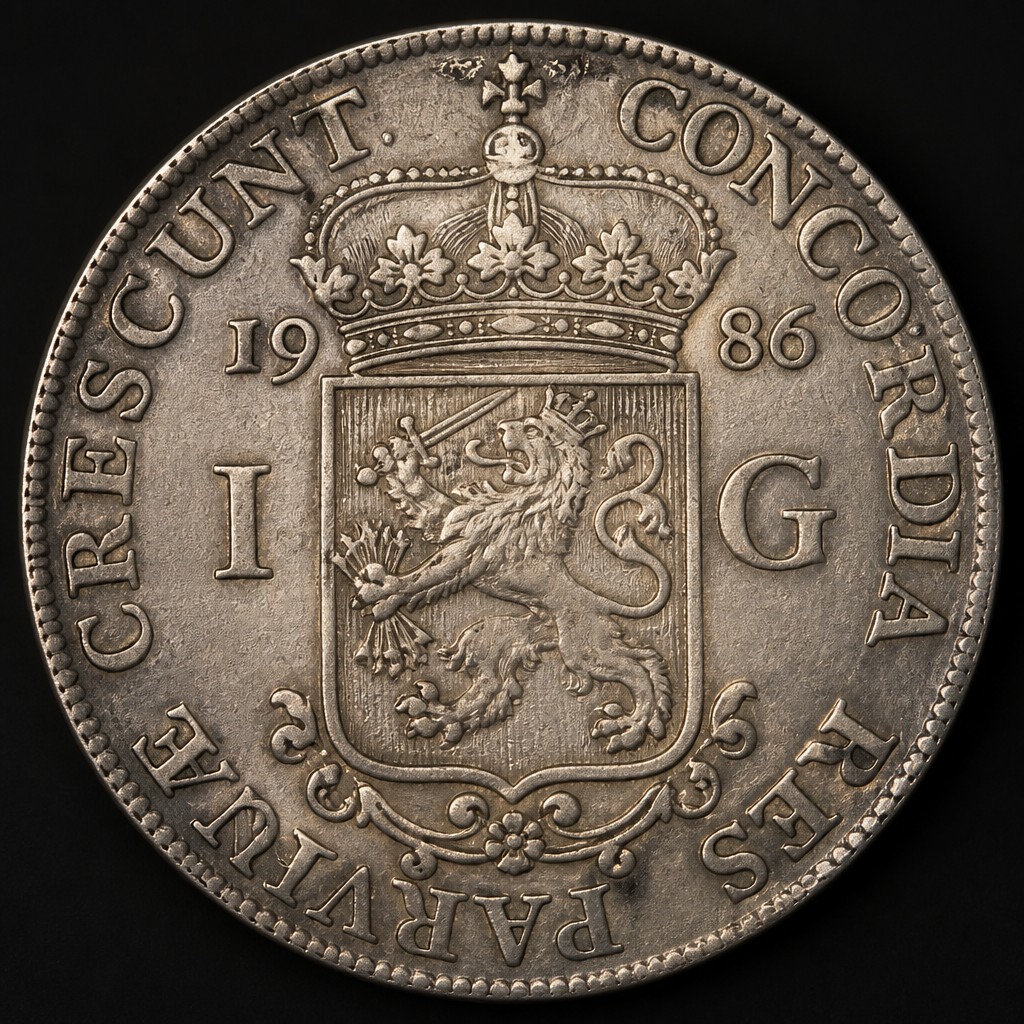
Dutch Rijksdaalder
A historic Dutch silver trade coin dating to the Dutch Republic, later continued as a denomination of the Kingdom of the Netherlands.
European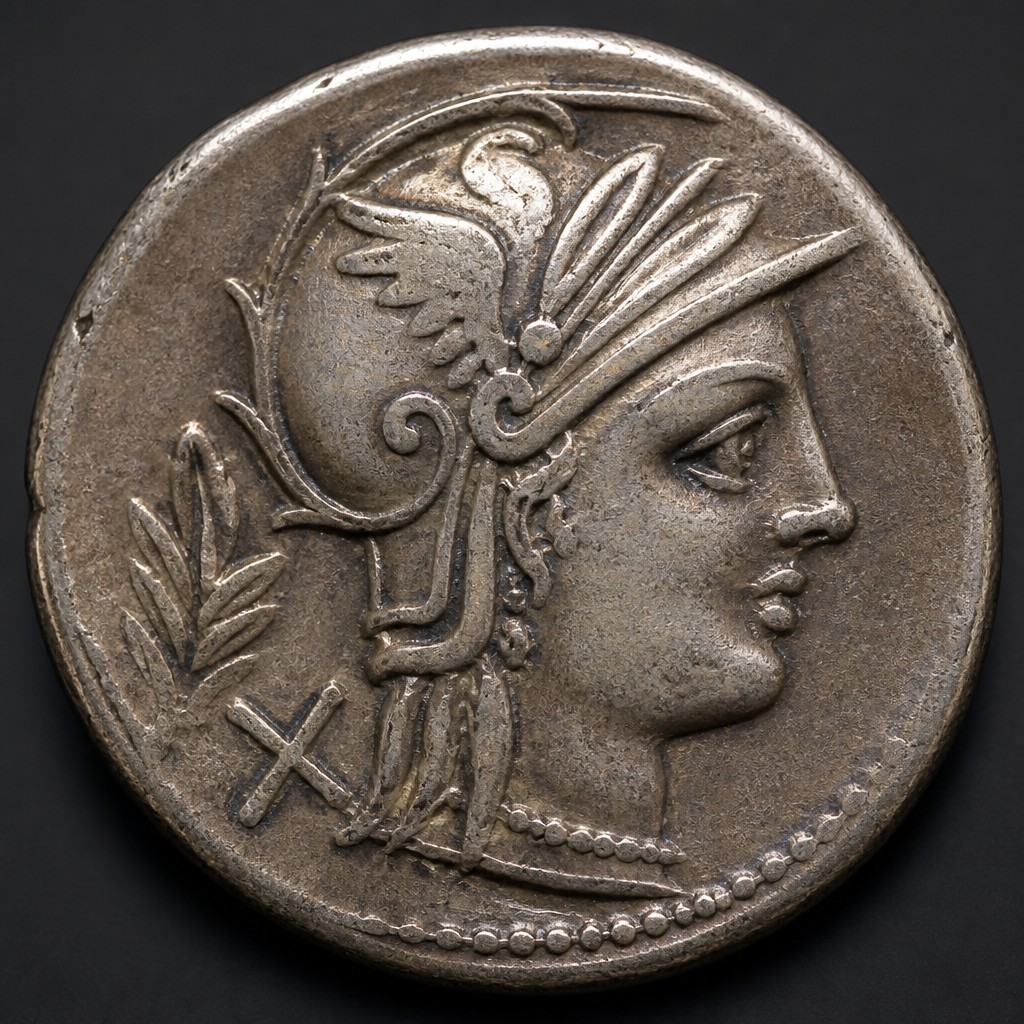
Republican Victoriatus
A lighter-weight Roman Republican silver coin depicting Jupiter and a Victory crowning a trophy, used largely for trade with the Greek-influenced south.
Ancient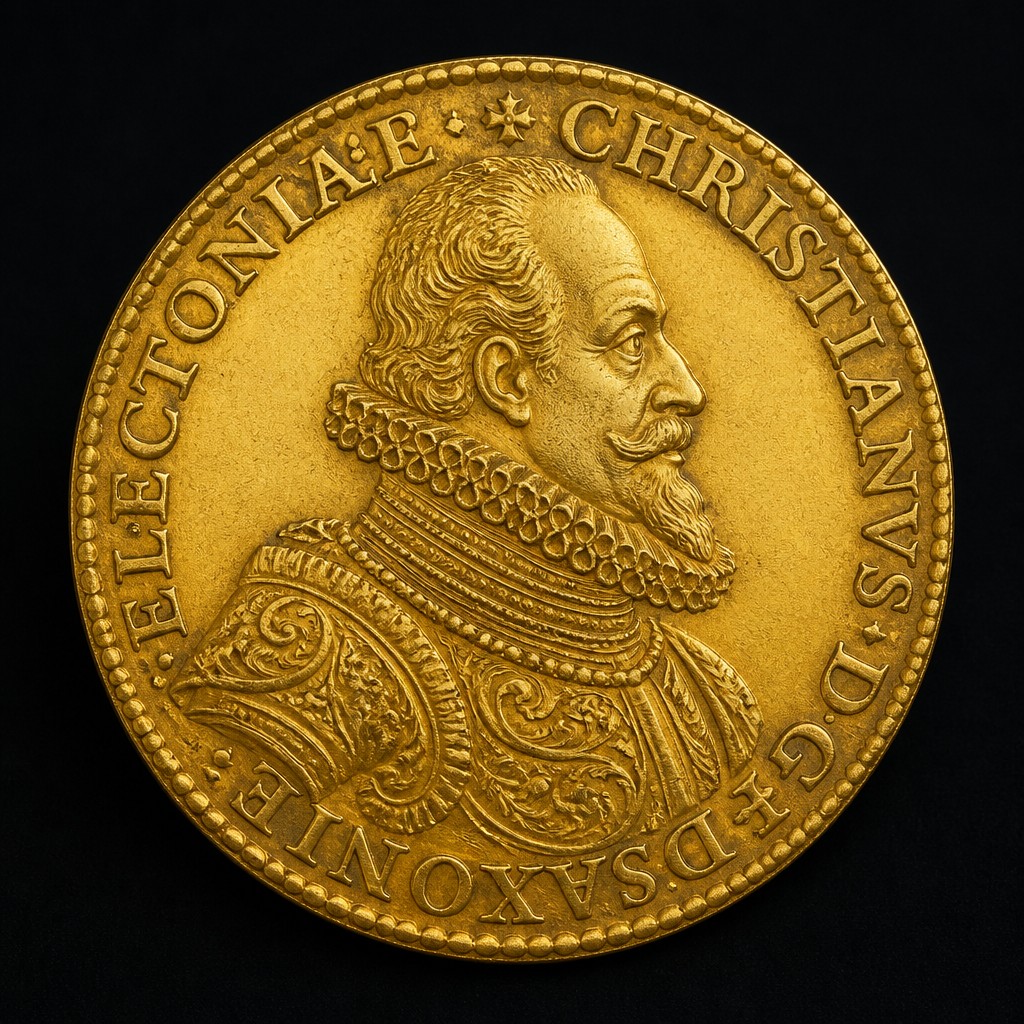
German Saxony Ducat
A high-purity gold trade coin struck for centuries by the rulers of Saxony, one of the most important German states before national unification.
European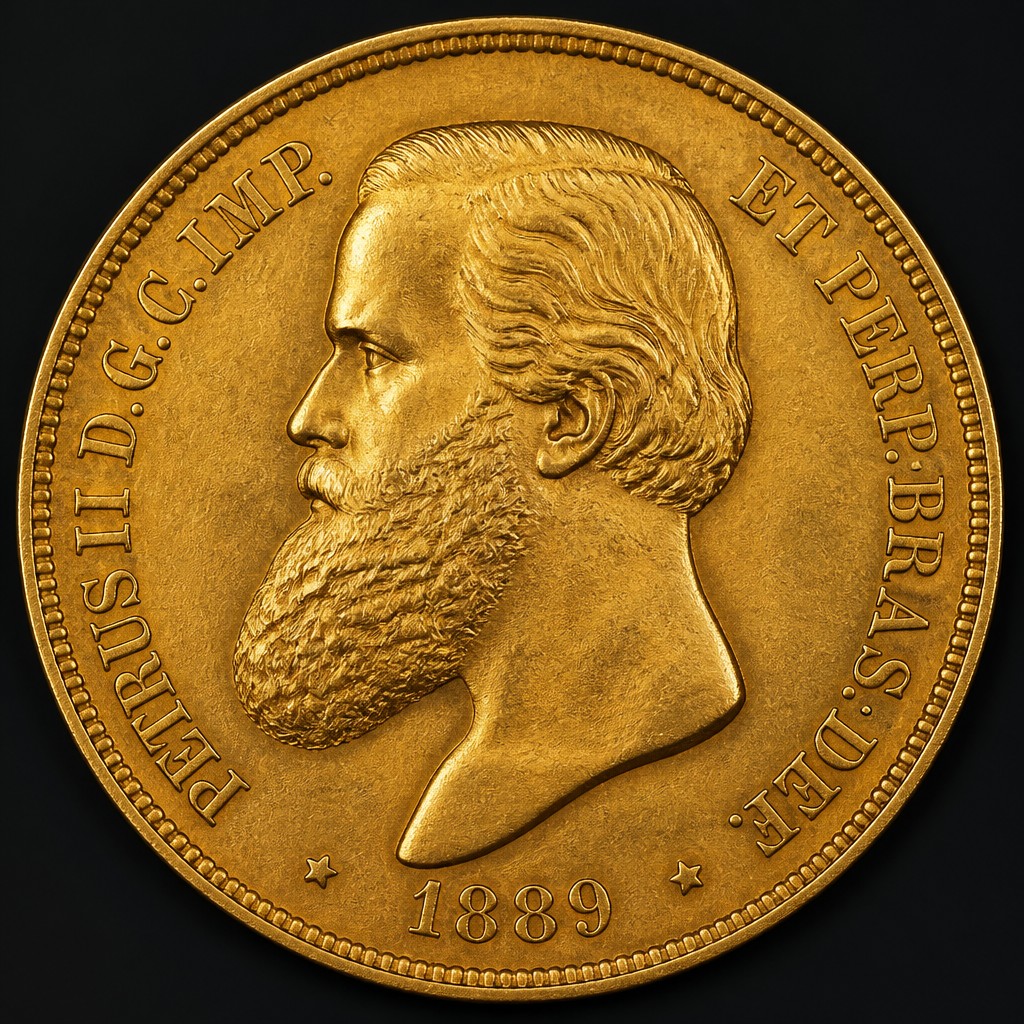
Brazilian 20000 Reis Gold
The highest-value gold coin of the Empire of Brazil, struck intermittently under Emperor Pedro II to support the country's monetary reserves and international trade.
Latin American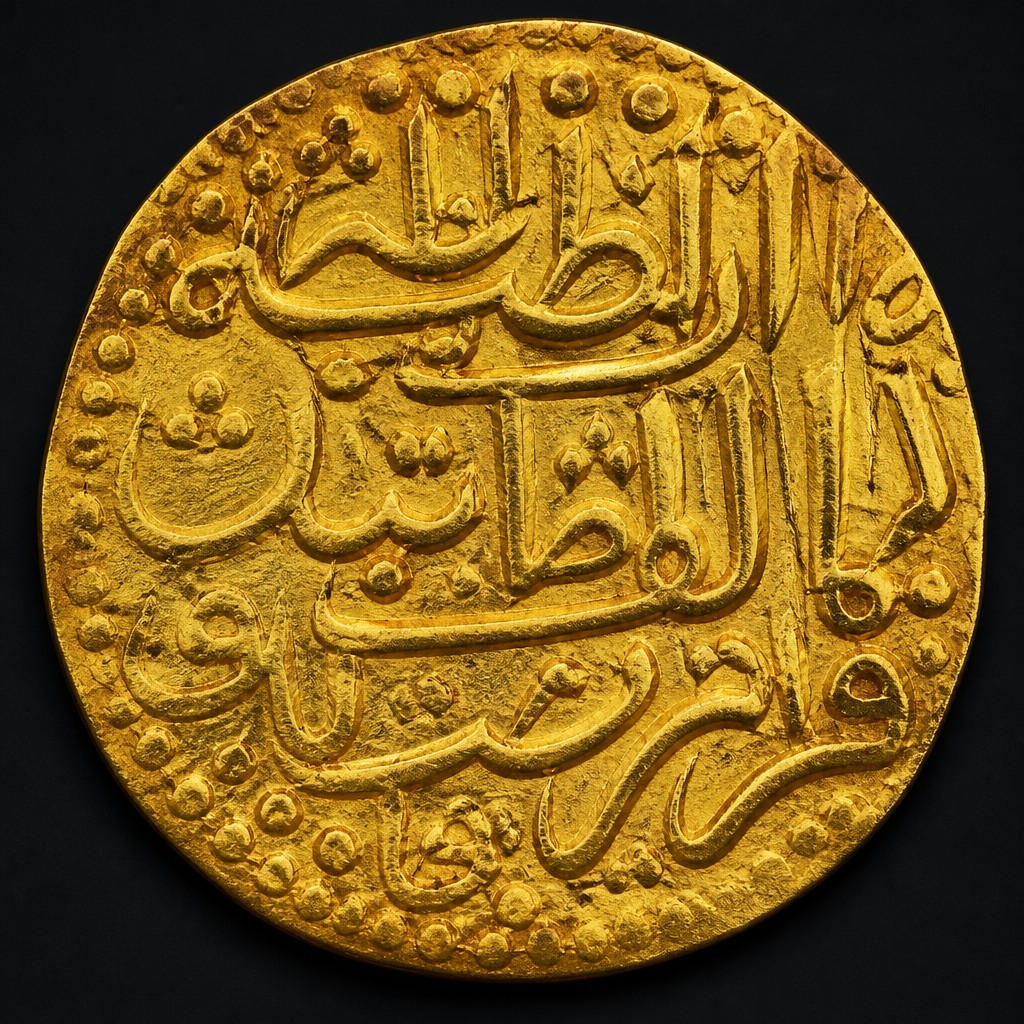
Ottoman Gold Sultani
The principal gold trade coin of the early Ottoman Empire, struck to match the weight and fineness of the Venetian ducat so it could compete in Mediterranean commerce.
World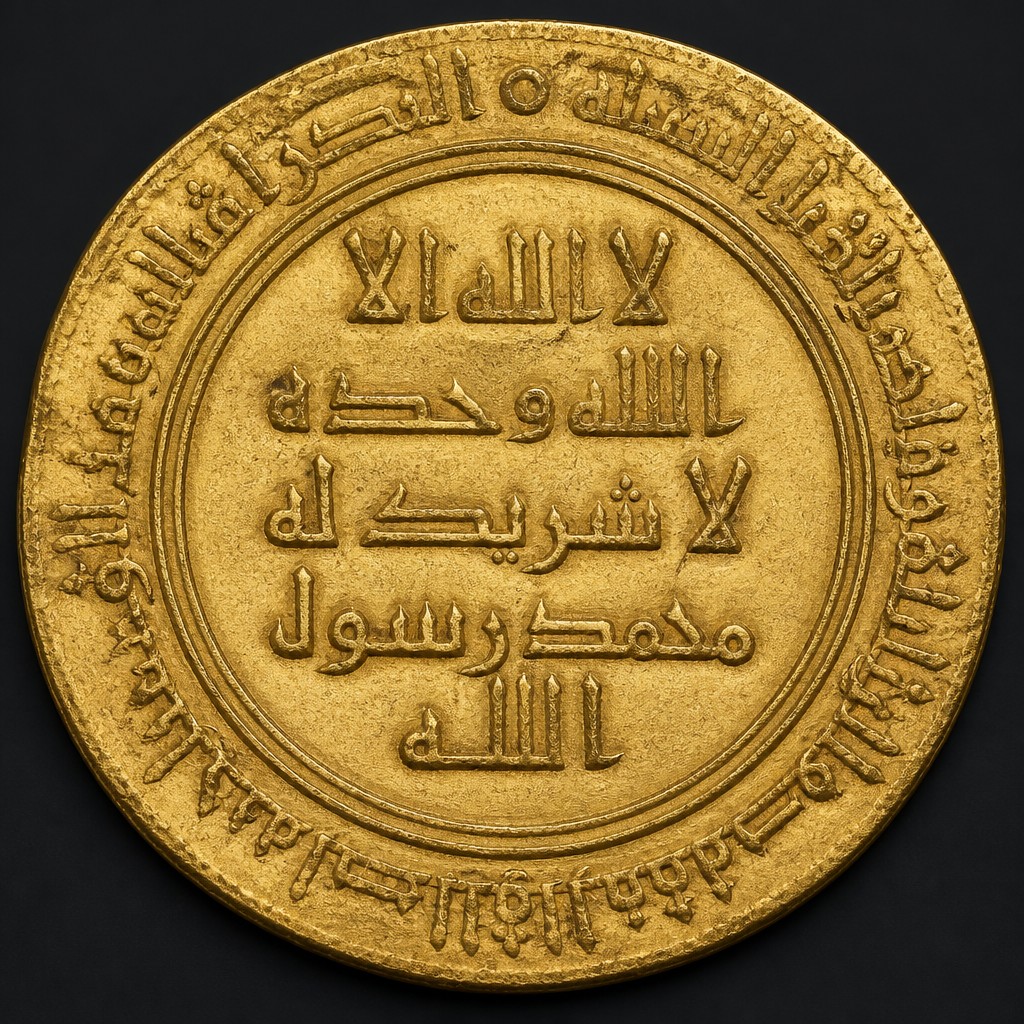
Fatimid Gold Dinar
A high-purity gold coin of the Ismaili Shia Fatimid Caliphate, historically prized for its consistent fineness and widely trusted in medieval Mediterranean trade.
World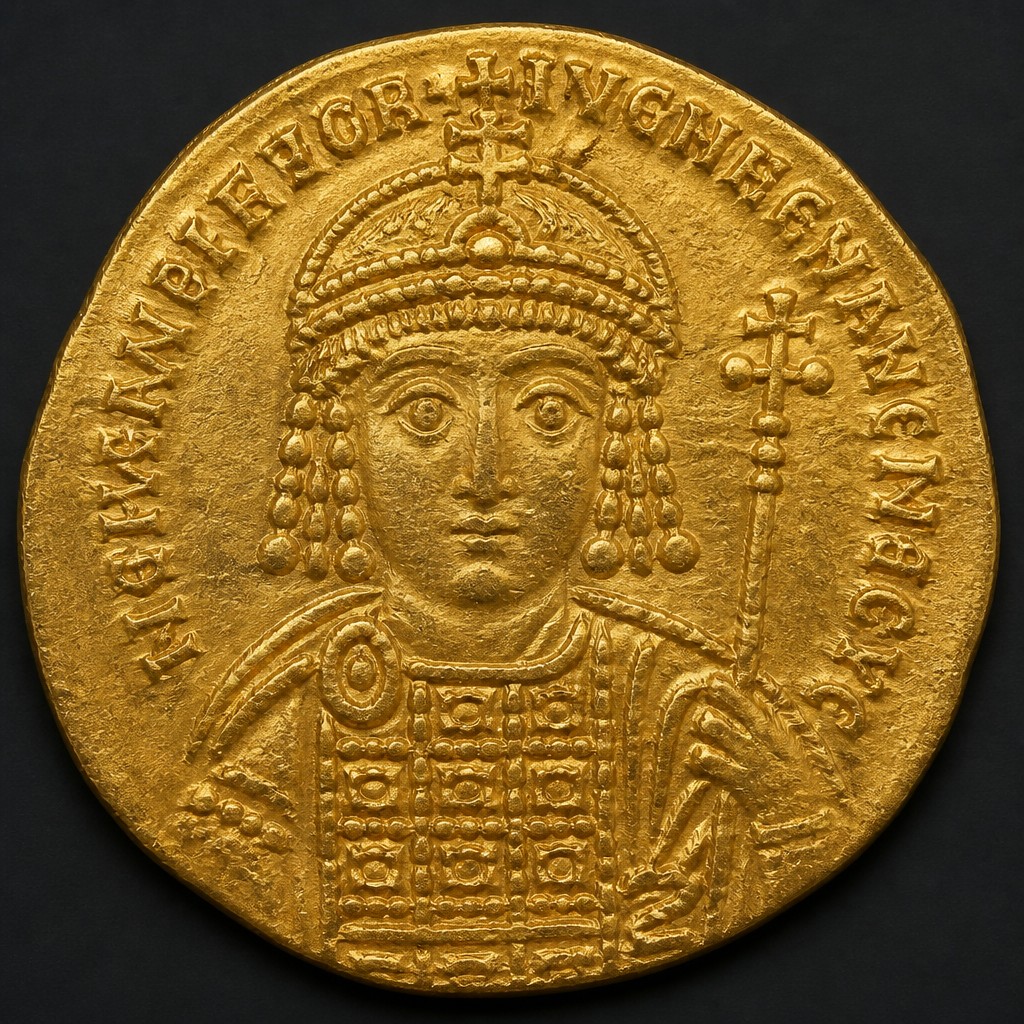
Byzantine Gold Solidus
The gold standard coin of the Byzantine Empire for over 700 years, prized in medieval trade as far away as India and Scandinavia under the nickname "bezant."
Ancient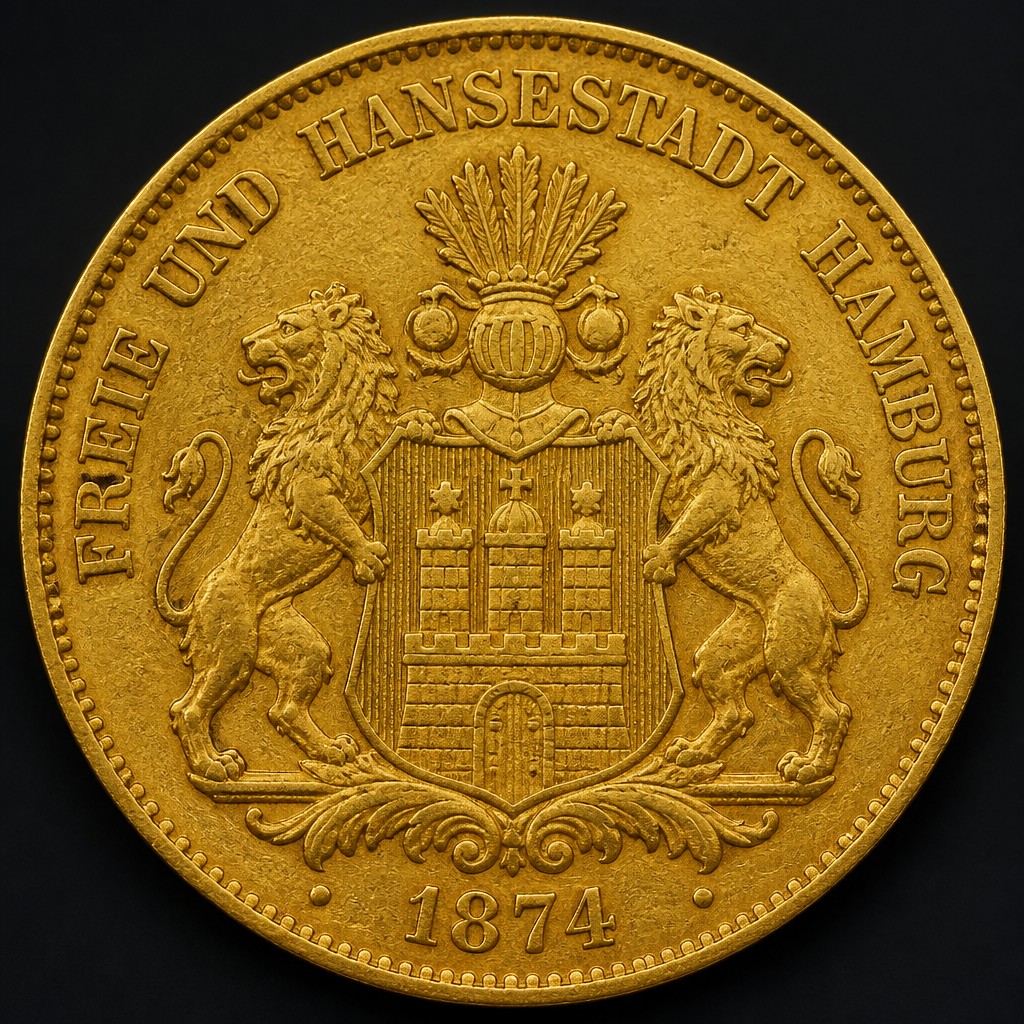
German Hamburg Ducat
A small, exceptionally high-purity gold trade coin struck for centuries by the free city of Hamburg, prized for its consistent fineness and long production history.
European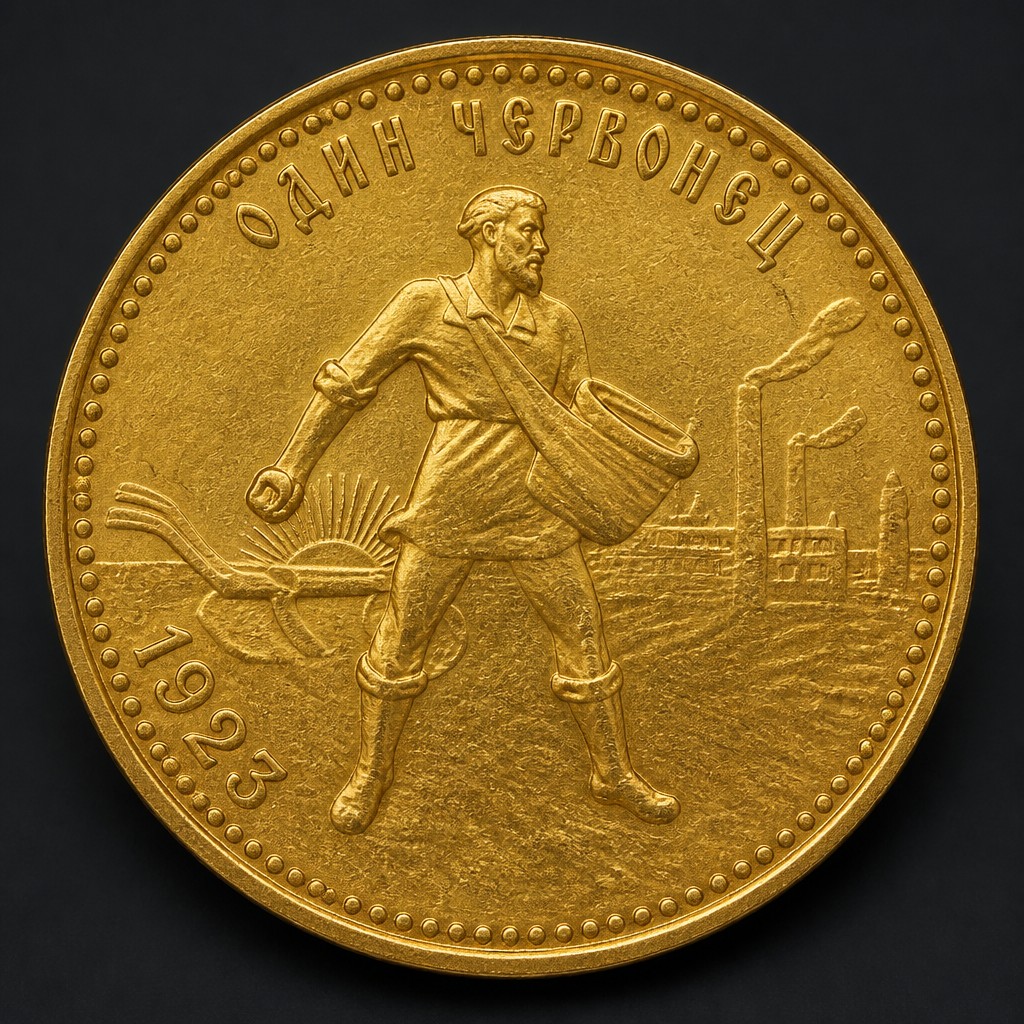
Chervonets (Soviet Gold)
A Soviet gold coin depicting a peasant sower, originally struck in 1923 to stabilize the new Soviet currency and later restruck for decades as a bullion and trade coin.
European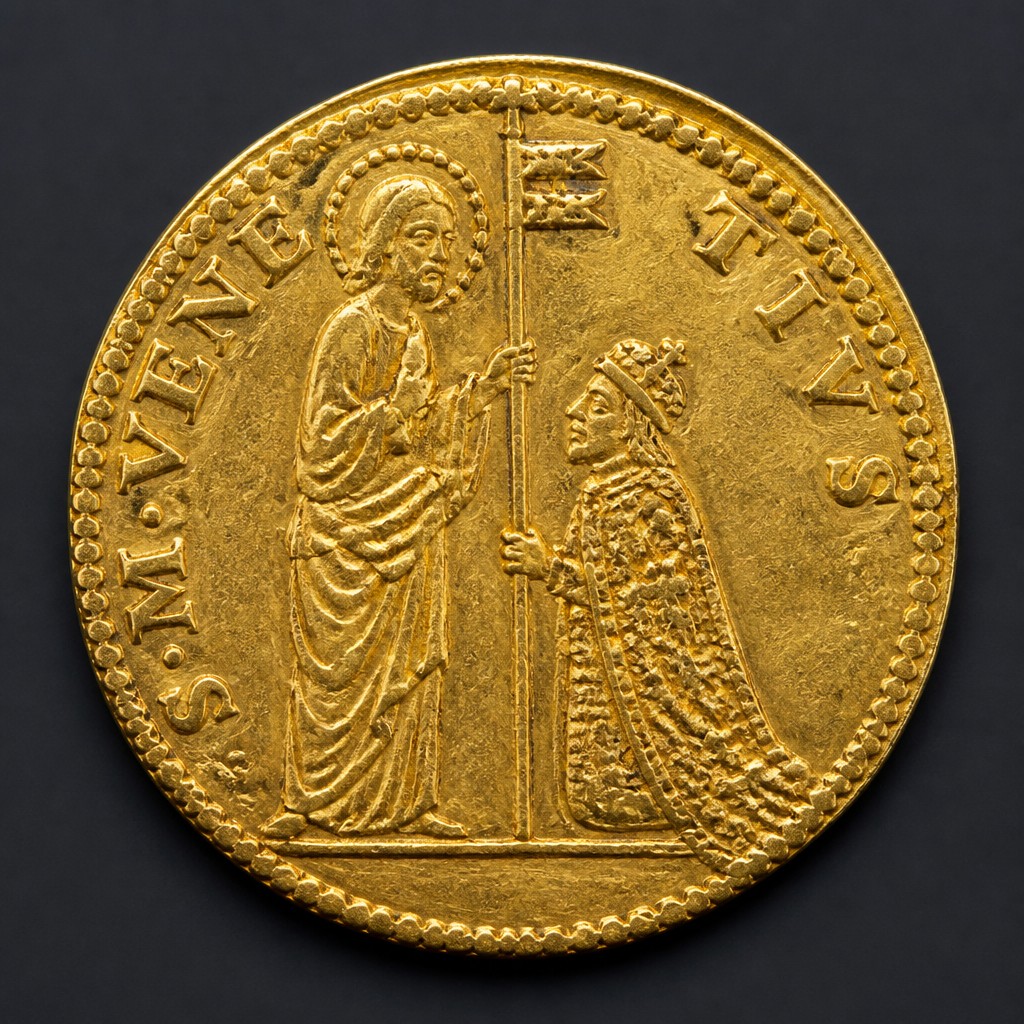
Venetian Gold Ducat
First struck in 1284, the Venetian gold ducat became medieval Europe's most trusted trade coin, prized for centuries for its unwavering weight and purity.
European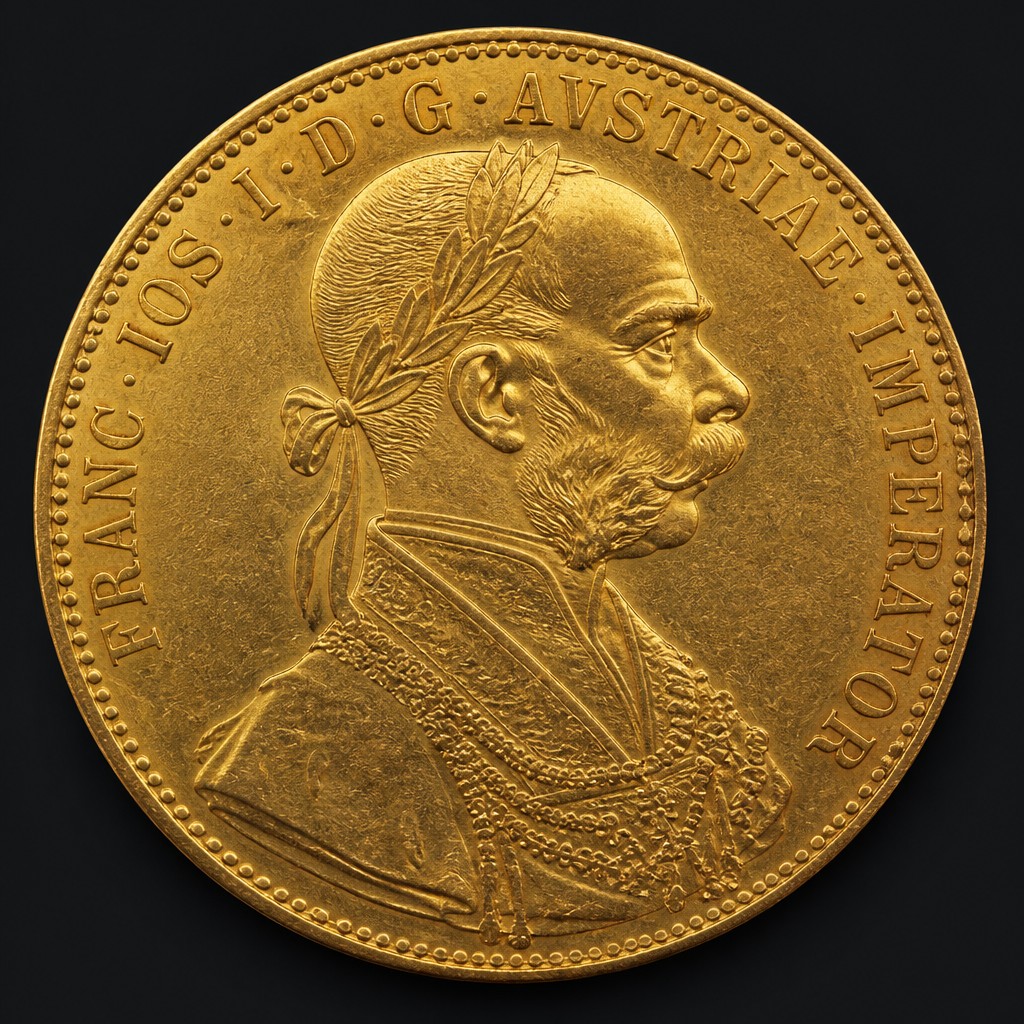
Austrian Gold Ducat
A traditional high-purity Austrian gold trade coin with centuries of history, still struck today by the Austrian Mint as an official restrike permanently dated 1915.
European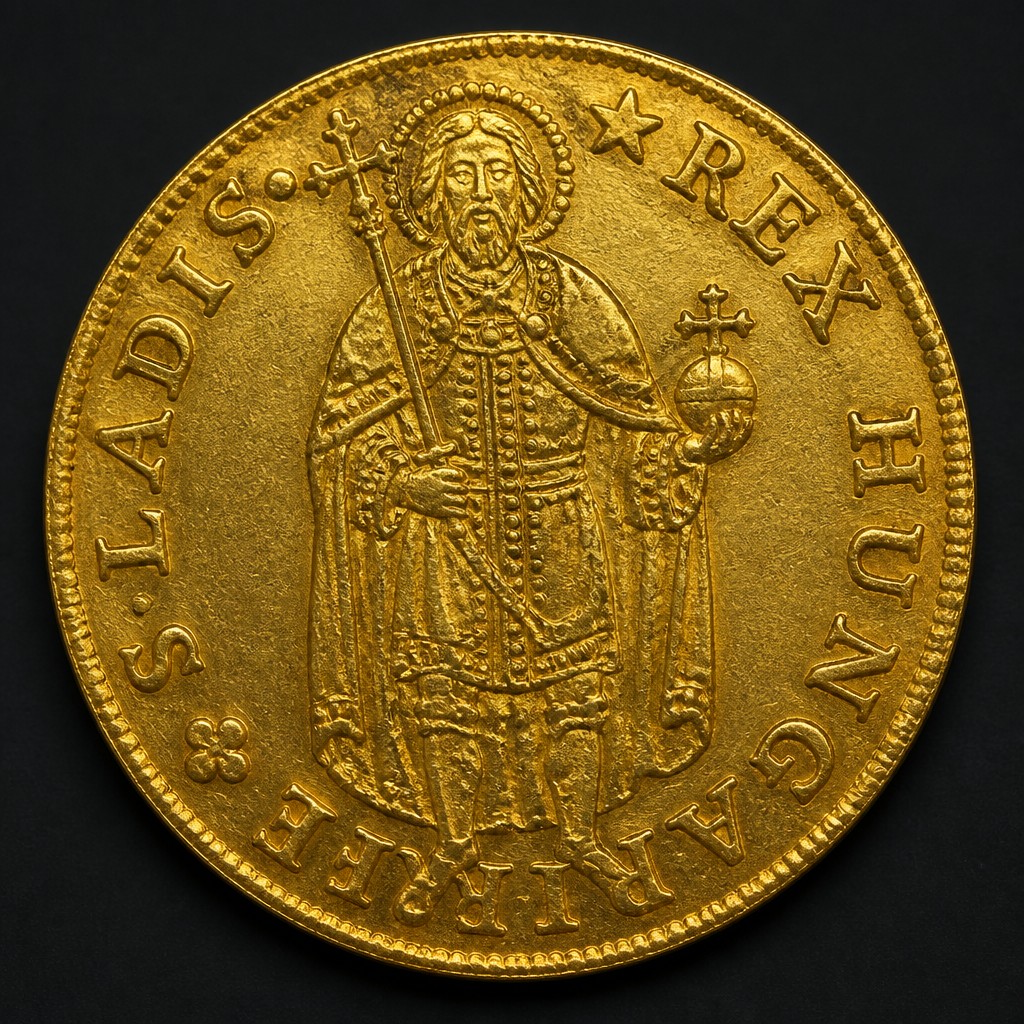
Hungarian Ducat
A remarkably long-lived gold coin of the Kingdom of Hungary, showing St. Ladislaus and the Madonna and Child, prized for centuries as one of Europe's most trusted trade coins.
European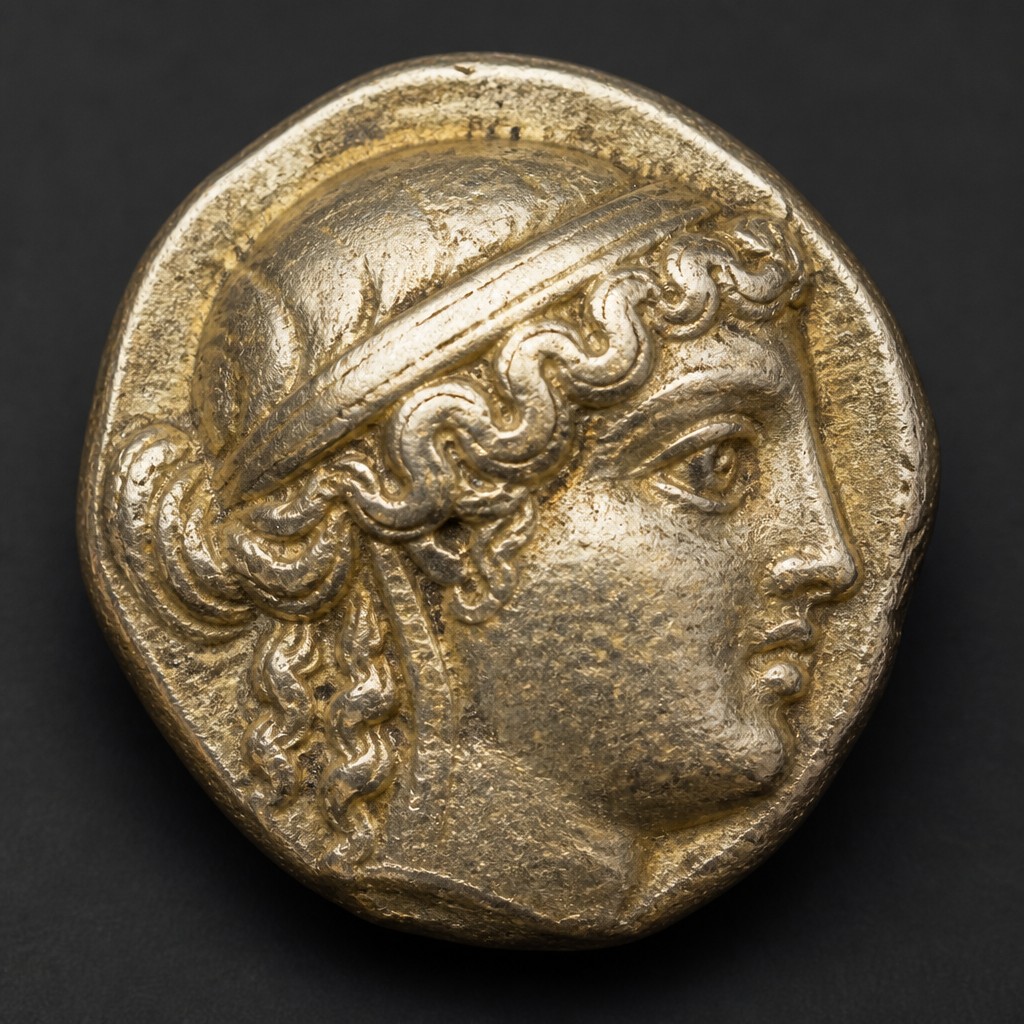
Lampsakos Electrum Stater
An electrum stater from Lampsakos on the Hellespont, another important early precious-metal trade coinage of Asia Minor, often featuring a winged horse or janiform head.
Ancient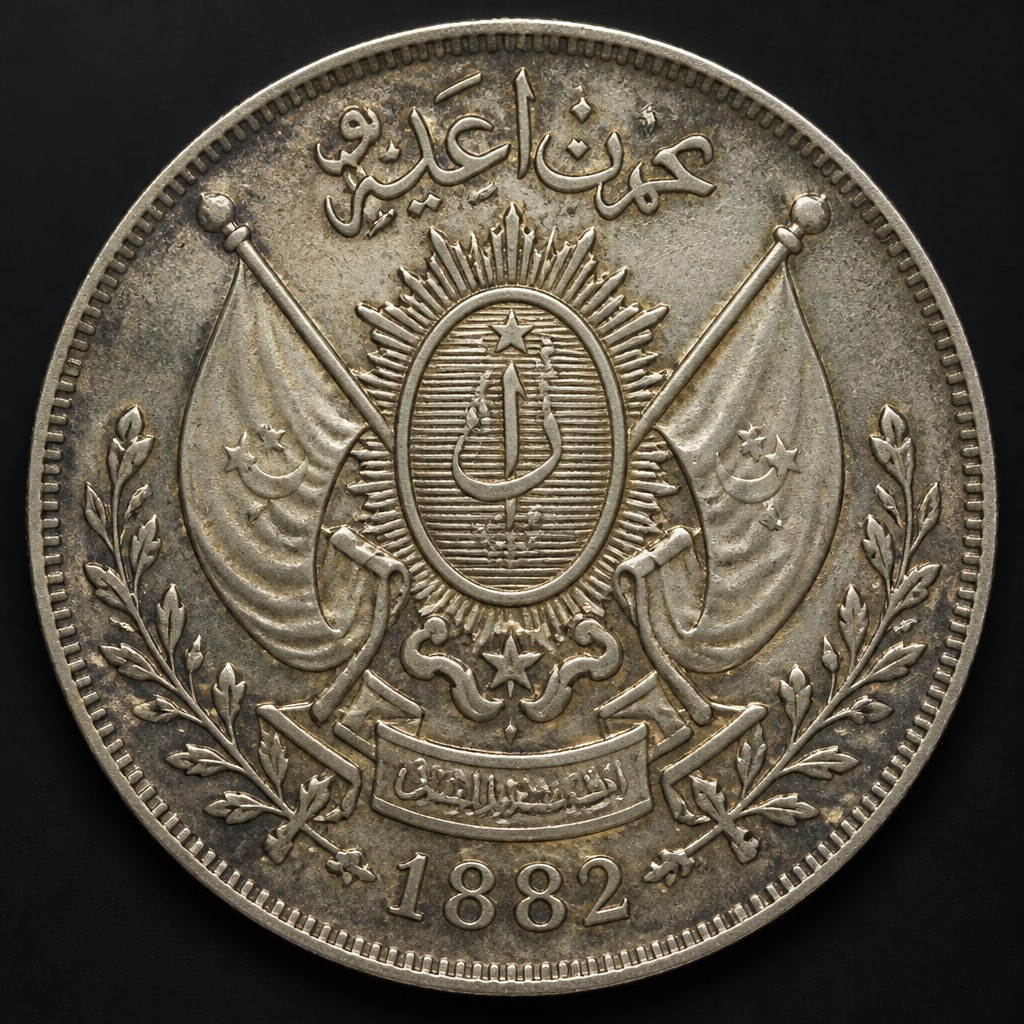
Zanzibar Riyal
Silver riyal issued by the Sultanate of Zanzibar under Sultan Barghash bin Said, designed to circulate alongside the widely trusted Maria Theresa thaler in East African trade.
Africa & Oceania