
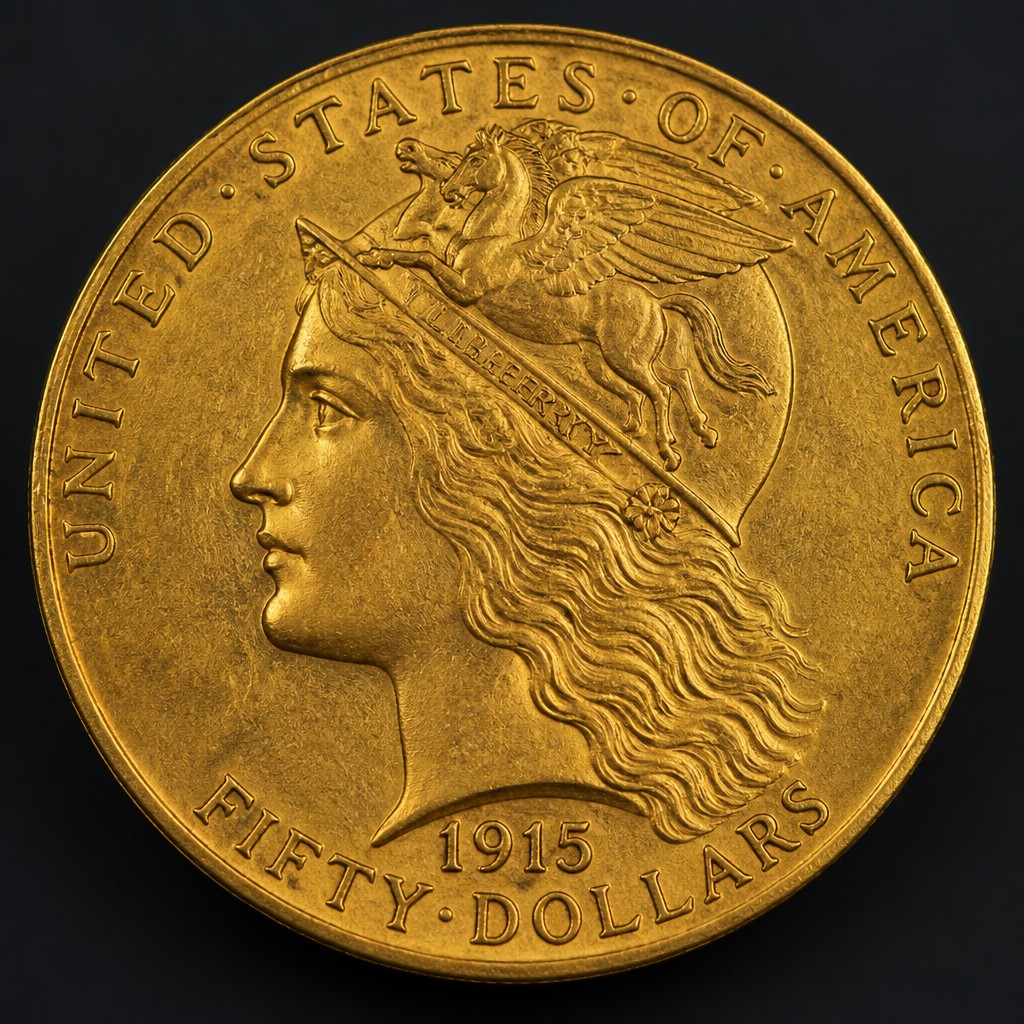
Panama-Pacific $50 Gold (Round)
A massive round commemorative gold piece struck for the 1915 Panama-Pacific International Exposition, one of the rarest and most valuable U.S. commemorative coins ever issued.
- Country
- United States
- Denomination
- Fifty Dollars
- Metal
- Gold (.900)
Got a coin like this?
Identify any coin from a photo, free.
Overview
The Panama-Pacific $50 Gold piece, struck in a round format at the San Francisco Mint in 1915, is among the most celebrated and valuable commemorative coins in American history. It was issued alongside an octagonal version of the same design to mark the Panama-Pacific International Exposition, a world's fair held in San Francisco to celebrate the completion of the Panama Canal.
At roughly 44mm in diameter and containing a substantial amount of gold, it is, together with its octagonal companion, the largest denomination and physically largest coin ever issued by the United States Mint. Sculptor Robert Aitken designed both the round and octagonal versions.
Because relatively few were sold at the time (with a large portion of the mintage returned to the Mint and melted), the coin is scarce today and highly prized by collectors of both commemorative coinage and large-format gold pieces.
History & Background
The Panama-Pacific International Exposition, held in San Francisco in 1915, celebrated the recent completion of the Panama Canal and served as a showcase for the city's recovery after the 1906 earthquake. Congress authorized a set of commemorative coins for the fair, including a round and an octagonal fifty-dollar gold piece, in addition to smaller denominations.
Sculptor Robert Aitken, a member of the National Sculpture Society, designed both fifty-dollar pieces, giving them a shared allegorical theme celebrating Minerva, goddess of wisdom, and the owl, symbol of wisdom, reflecting the exposition's civic and cultural ambitions.
The coins were sold at the exposition at a substantial premium over their face value to help fund exposition activities, but demand fell well short of the number struck; the unsold balance was returned to the Mint and melted, leaving a relatively small number in the hands of the public and collectors.
How to Identify
The obverse depicts Minerva, goddess of wisdom, wearing a crested helmet, facing left, with UNITED STATES OF AMERICA around the border and the date 1915 below.
The reverse shows an owl perched on a branch of Ponderosa pine, a design element chosen for its California associations, encircled by PANAMA-PACIFIC EXPOSITION and SAN FRANCISCO, with the denomination FIFTY DOLLARS.
The coin is notably large and heavy for a U.S. coin, struck in gold, with a mintmark S on the reverse for San Francisco. The round format distinguishes it from its companion octagonal $50 piece, which carries the same design but has eight small dolphins in the corners of the octagonal shape and a scalloped edge; the round coin instead has a plain, unadorned circular edge.
Value & Collectibility
The Panama-Pacific Round $50 is one of the most valuable regular-issue U.S. commemorative coins, reflecting both its low number sold at the time and strong ongoing demand from collectors of large, historic gold pieces.
Prices for even modestly circulated or lightly handled examples typically start in the tens of thousands of dollars, with choice, well-struck, high-grade specimens commanding considerably more; the octagonal version is generally considered scarcer still and often brings a premium over the round piece.
Because of the coin's size, weight, and value, most examples in the market have been certified and encapsulated by a major grading service, and buyers should expect prices to move with both the broader gold market and collector demand for classic commemoratives.
Frequently asked questions
What is the difference between the round and octagonal Panama-Pacific $50?
They share the same Minerva-and-owl design by Robert Aitken, but the octagonal version has an eight-sided shape with small dolphins in the corners, while the round version is a plain circular coin.
Why was this coin issued?
It commemorated the 1915 Panama-Pacific International Exposition in San Francisco, held to celebrate the completion of the Panama Canal and the city's recovery from the 1906 earthquake.
Why is it so rare today?
A large share of the coins struck were not sold at the exposition and were later melted by the Mint, leaving relatively few in collector hands.
Is this the largest coin the U.S. Mint has ever issued?
Along with its octagonal companion piece from the same series, it is generally regarded as the largest and highest-denomination coin ever struck by the U.S. Mint.
Other coins you may enjoy
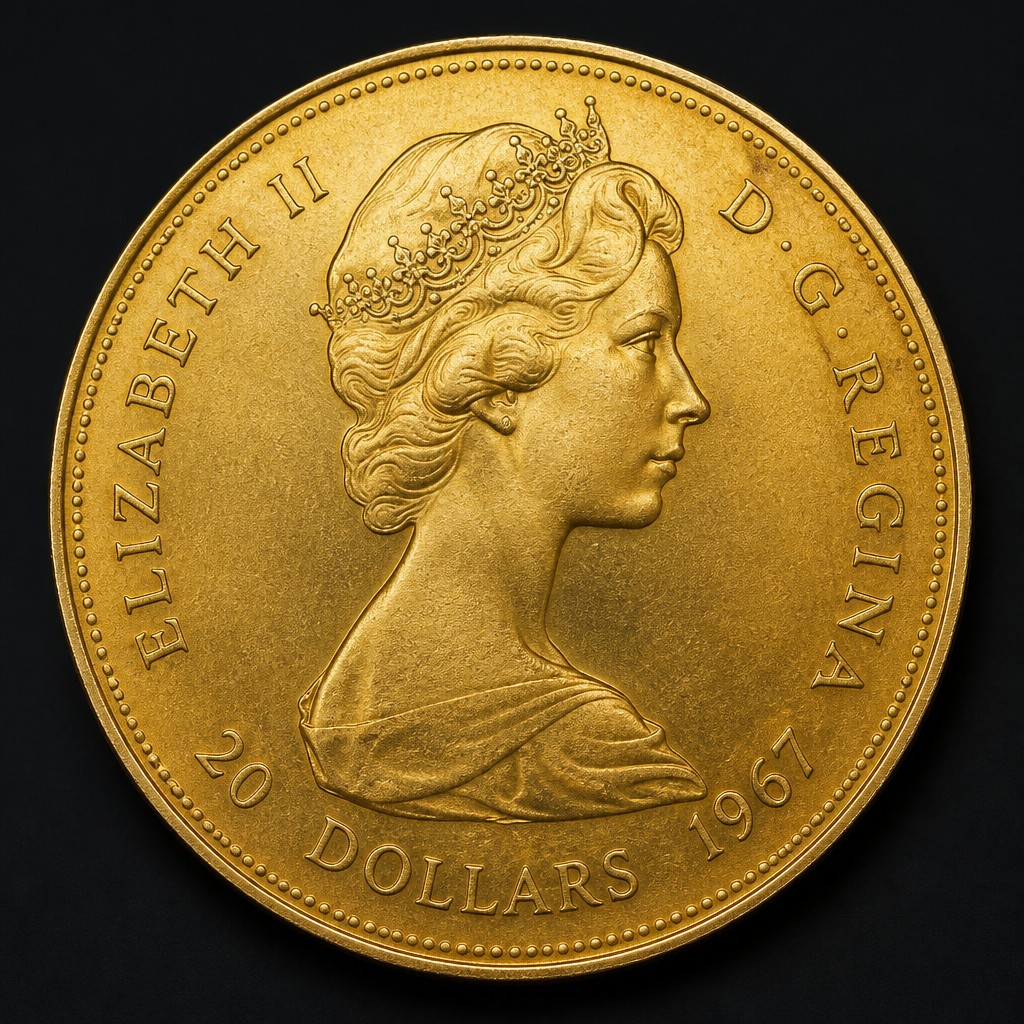
1967 Centennial Gold $20 Coin
1967
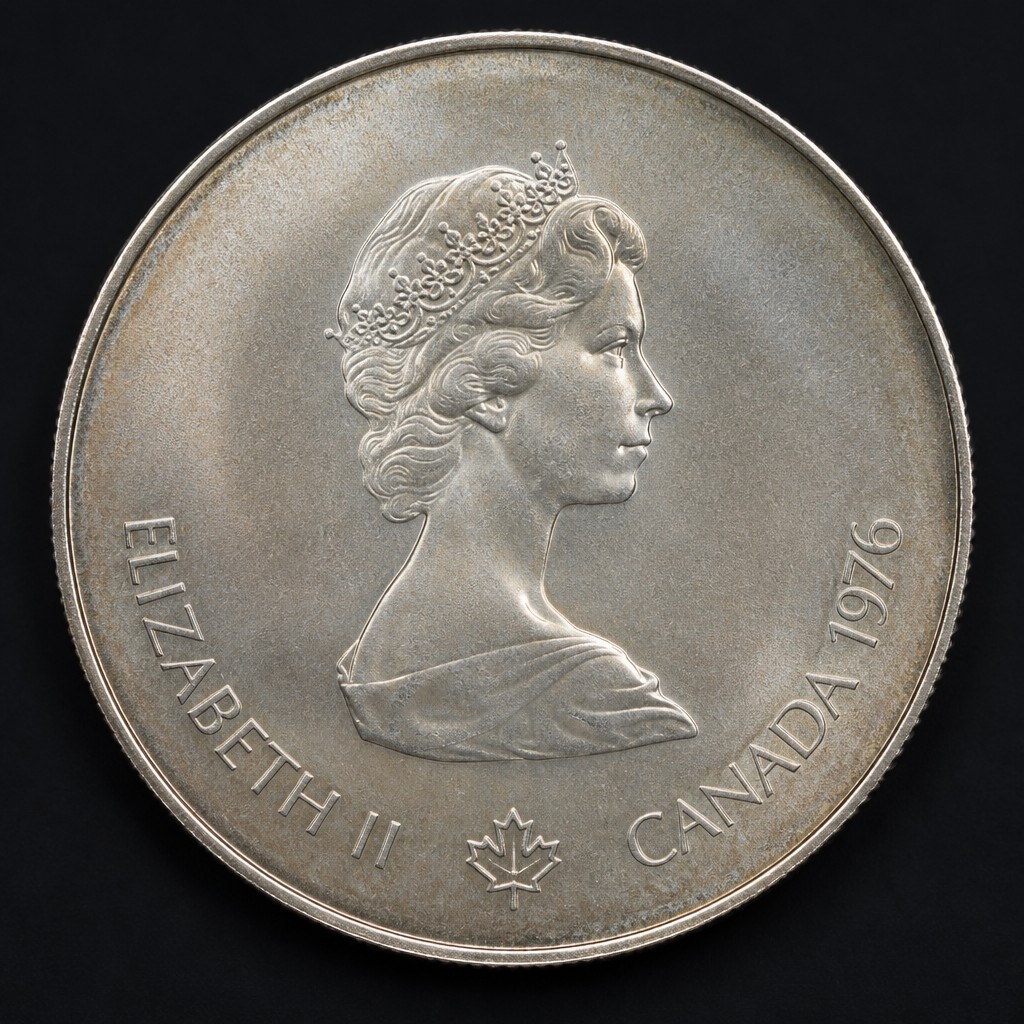
1976 Montreal Olympics Silver Coin Series
1973–1976
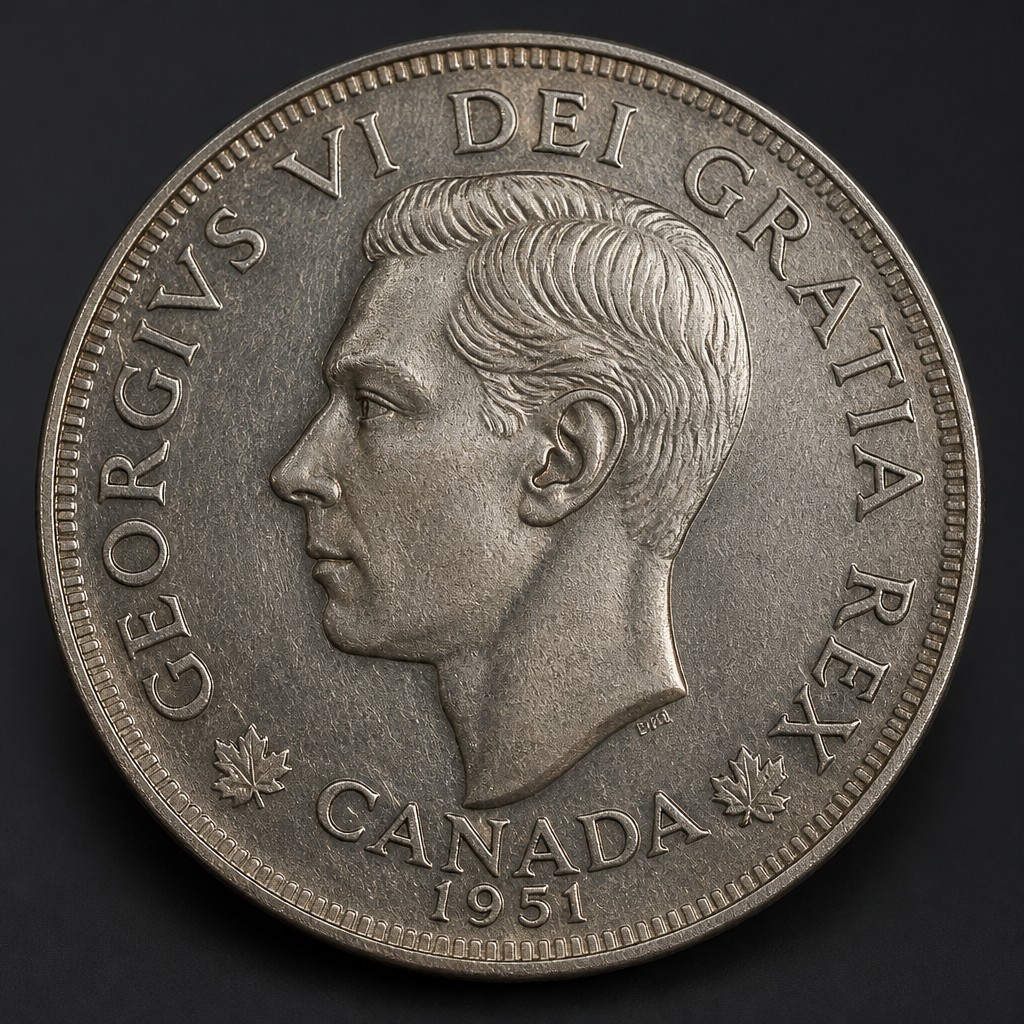
1951 Nickel Commemorative Five Cents
1951
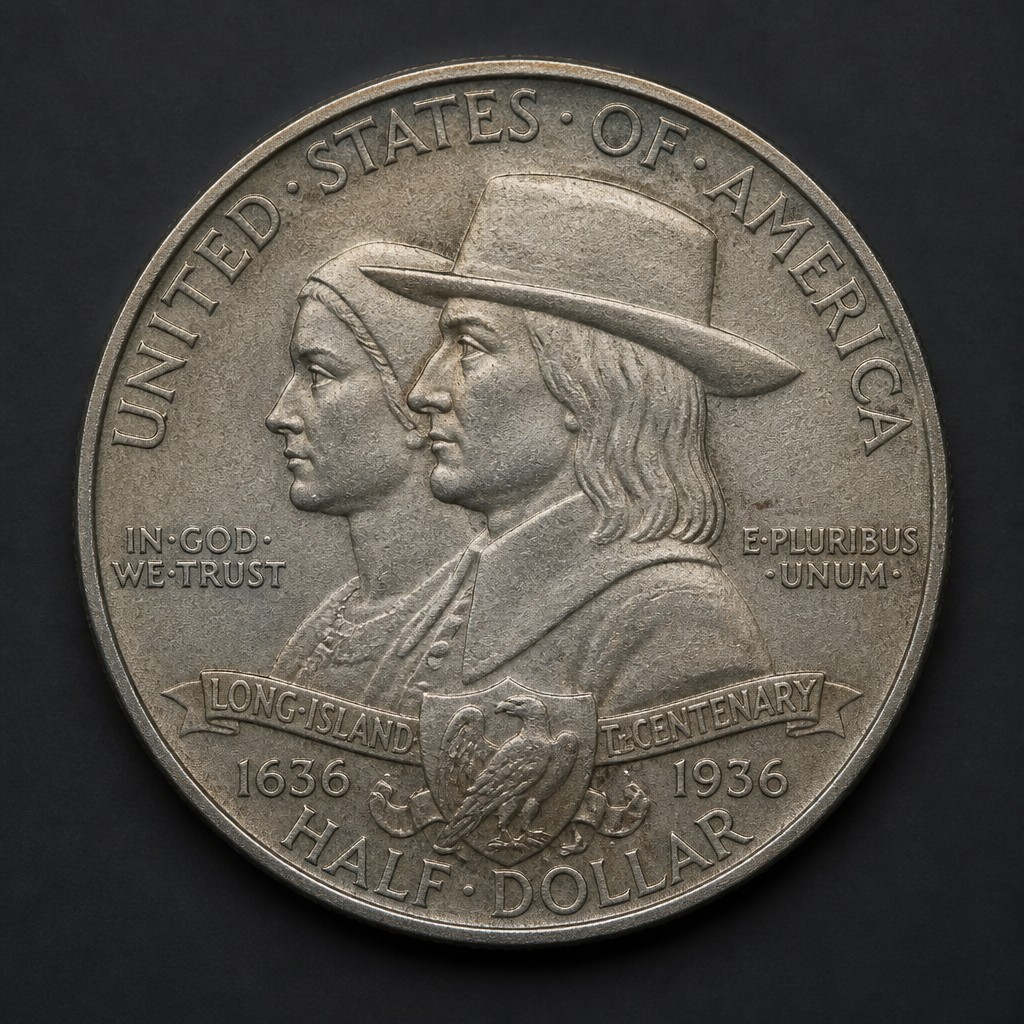
Long Island Tercentenary Half Dollar
1936
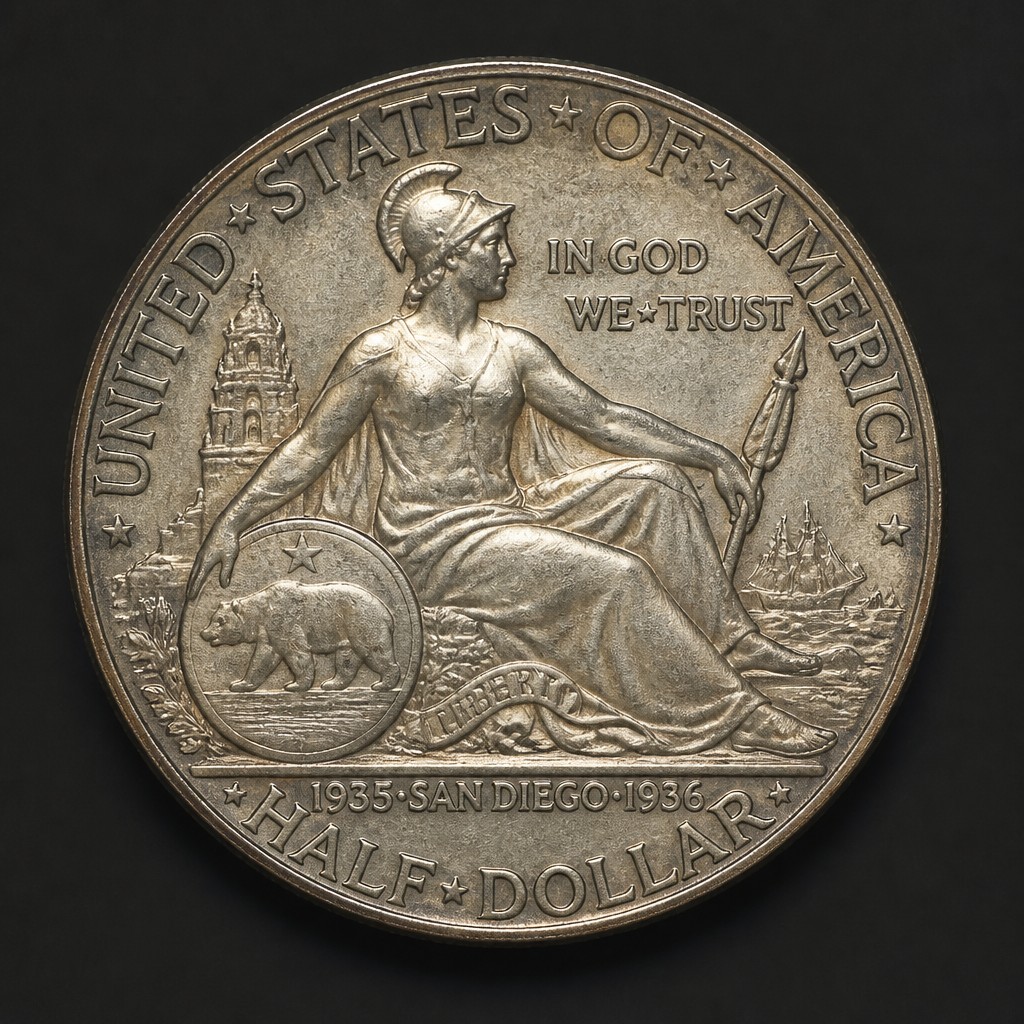
San Diego Pacific Exposition Half Dollar
1935–1936
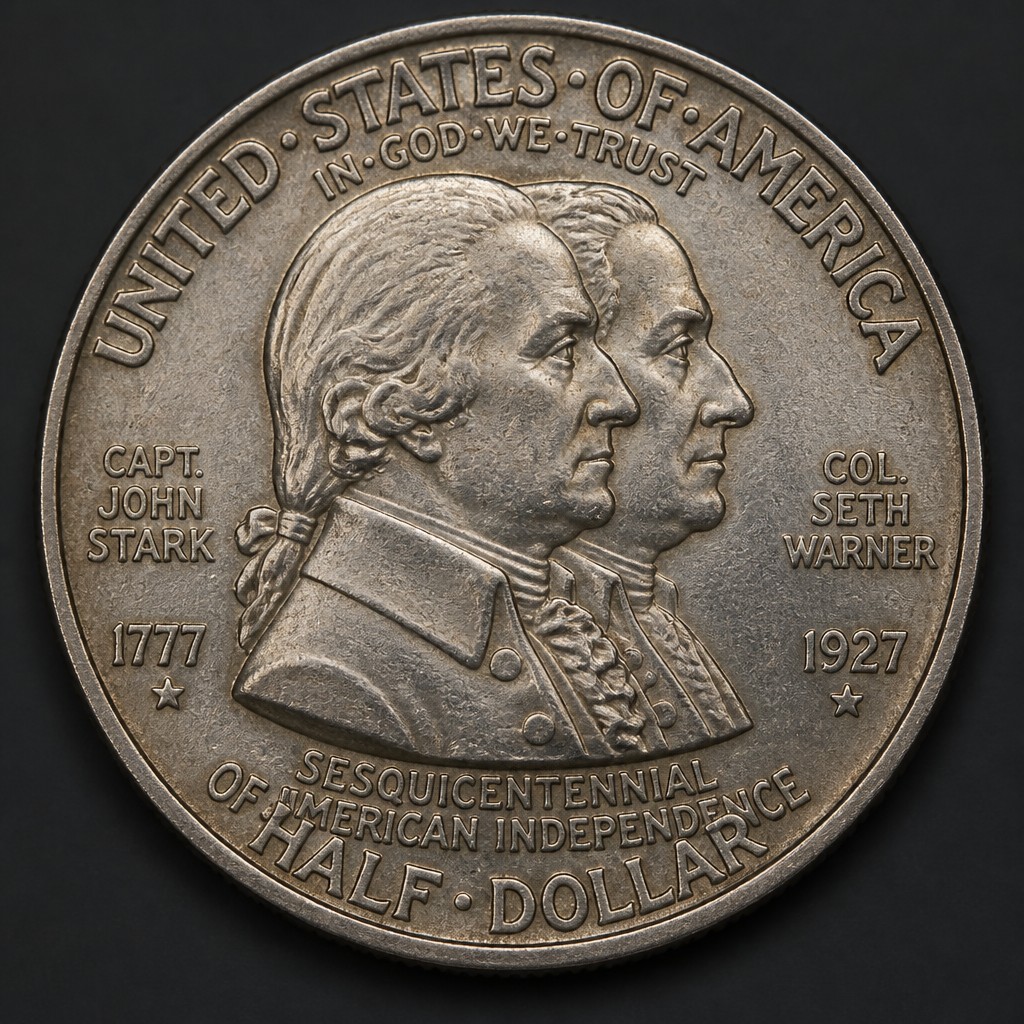
Vermont Sesquicentennial Half Dollar
1927
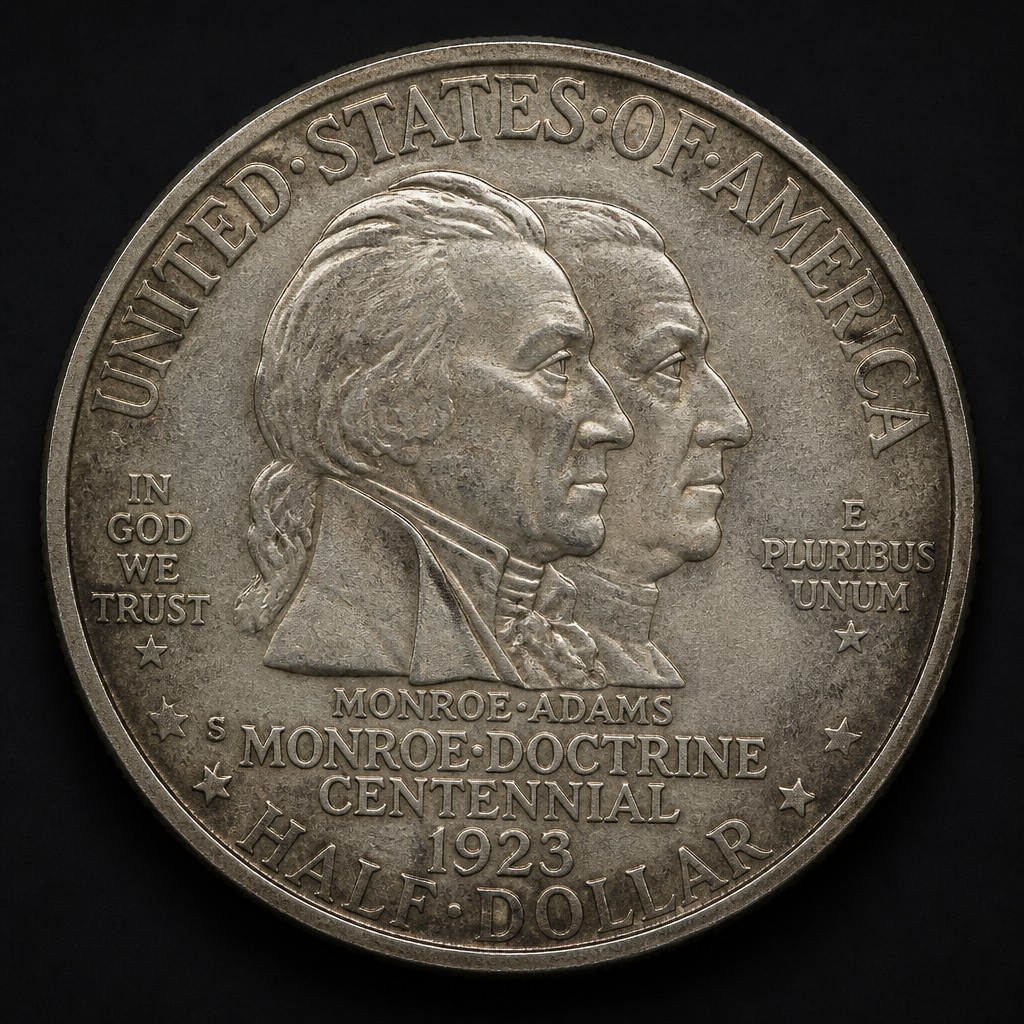
Monroe Doctrine Centennial Half Dollar
1923
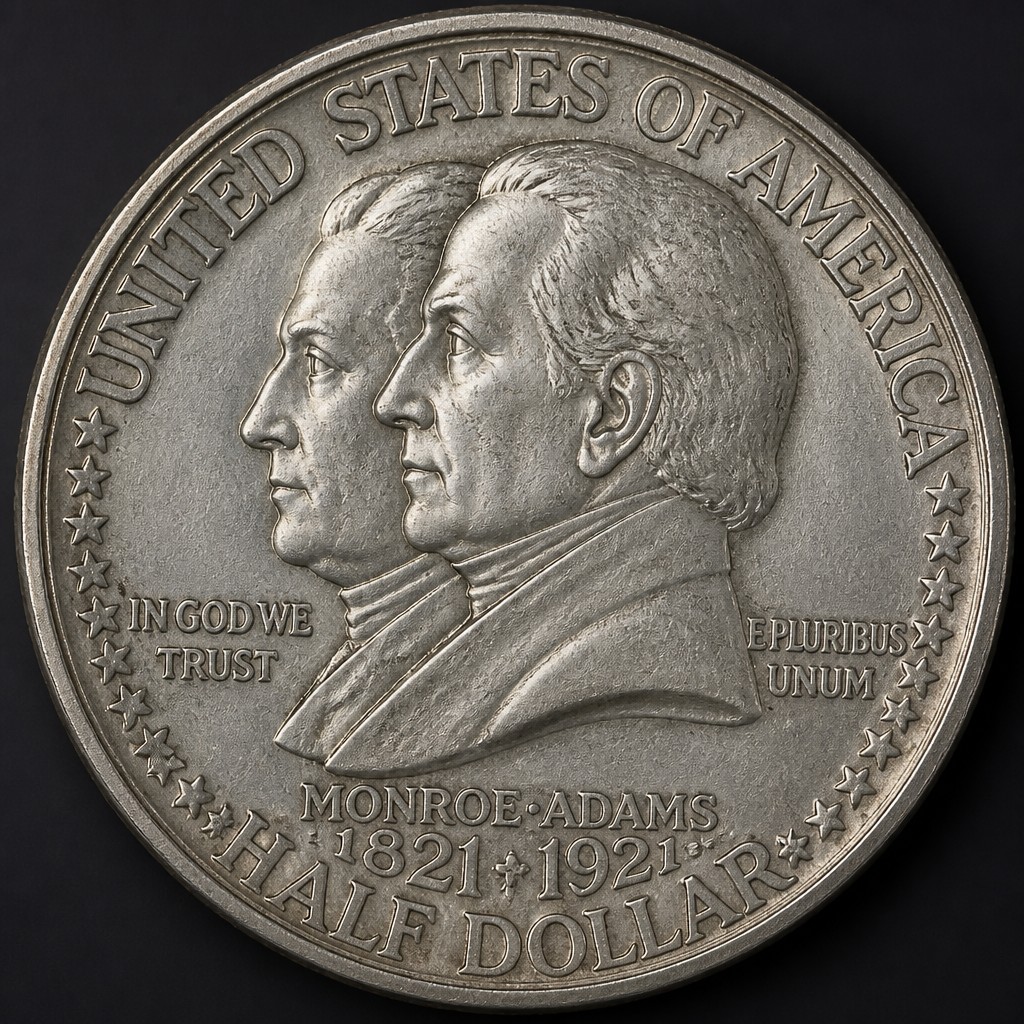
Alabama Centennial Half Dollar
1921
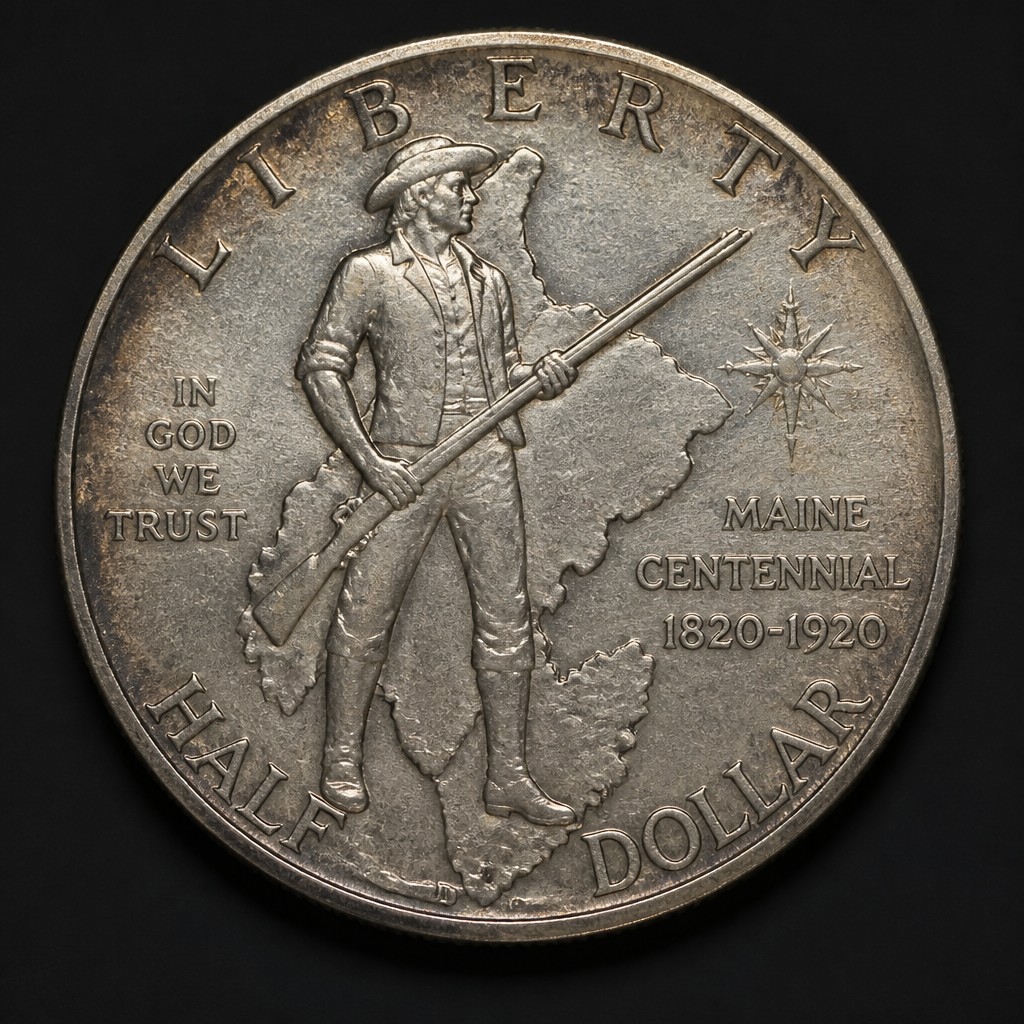
Maine Centennial Half Dollar
1920
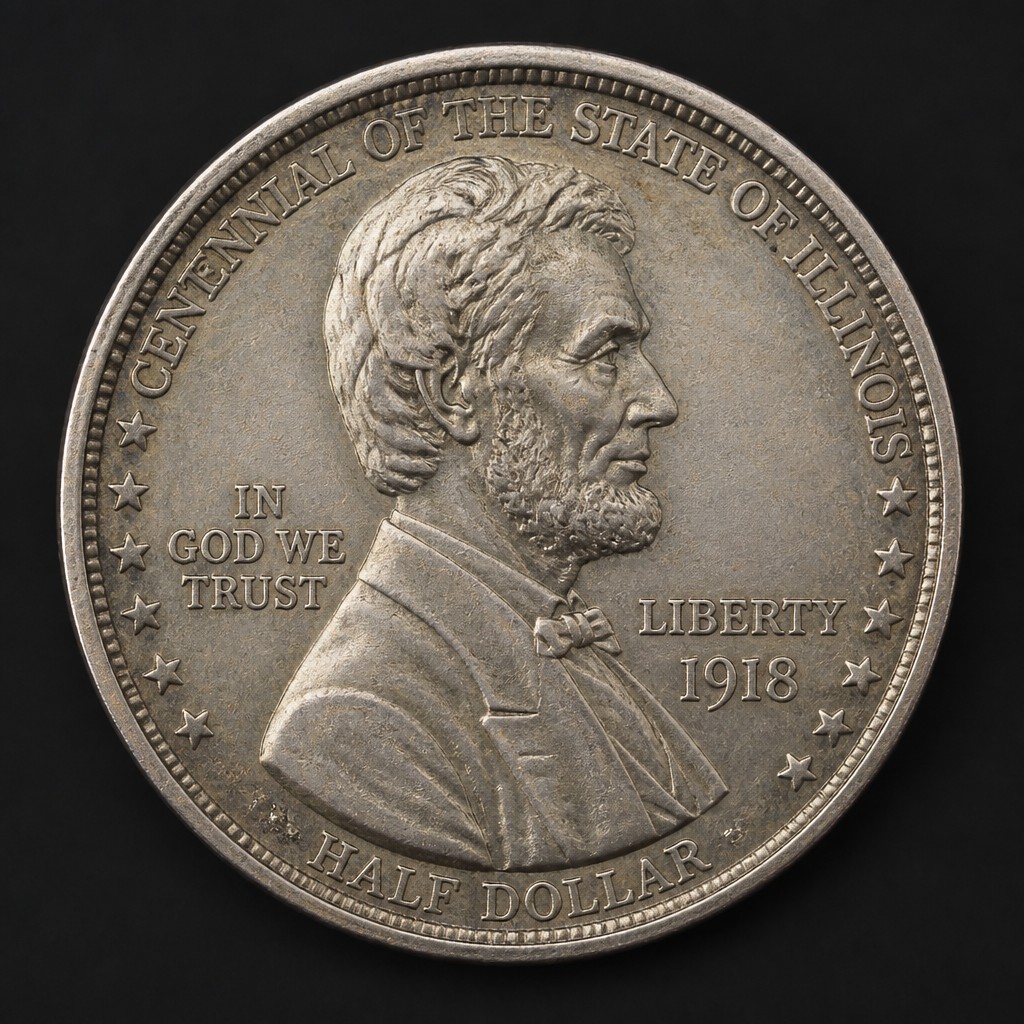
Lincoln-Illinois Centennial Half Dollar
1918
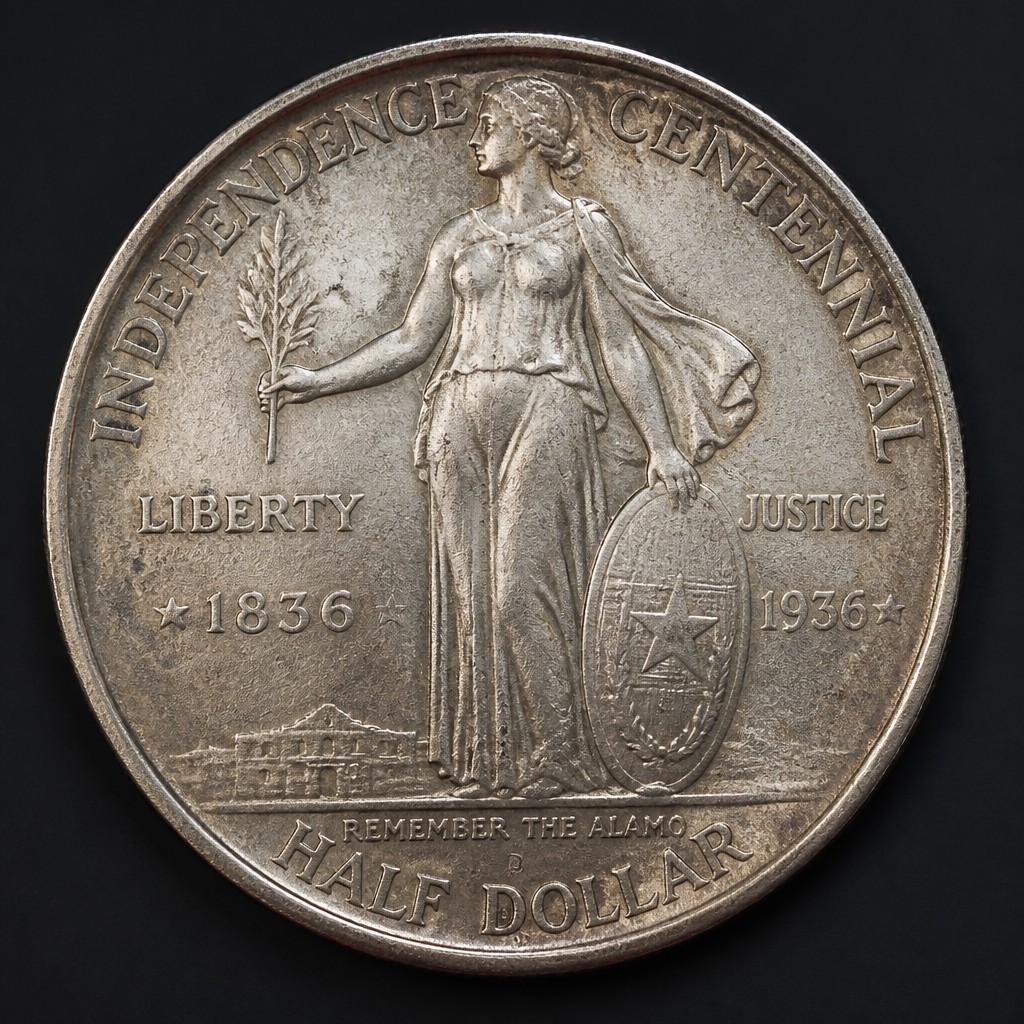
Texas Independence Centennial Half Dollar
1934–1938
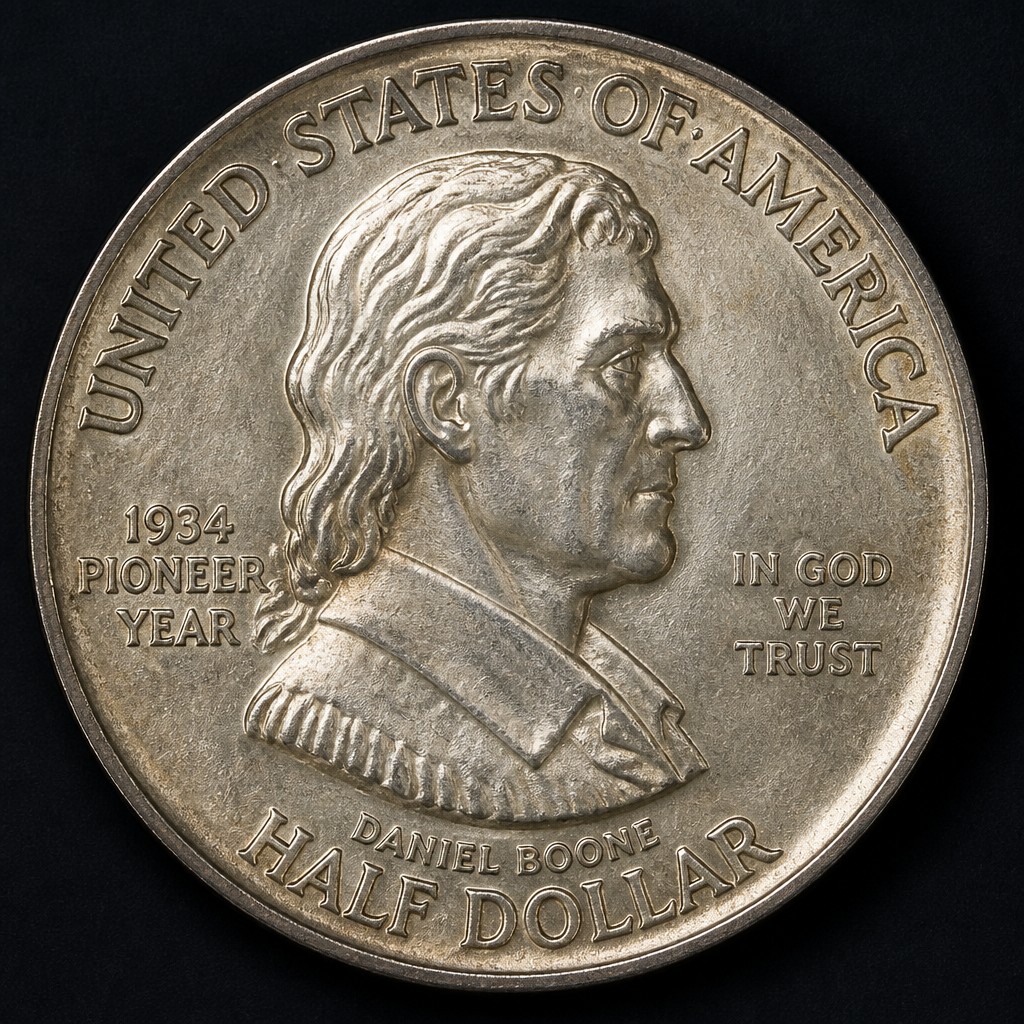
Daniel Boone Bicentennial Half Dollar
1934–1938