
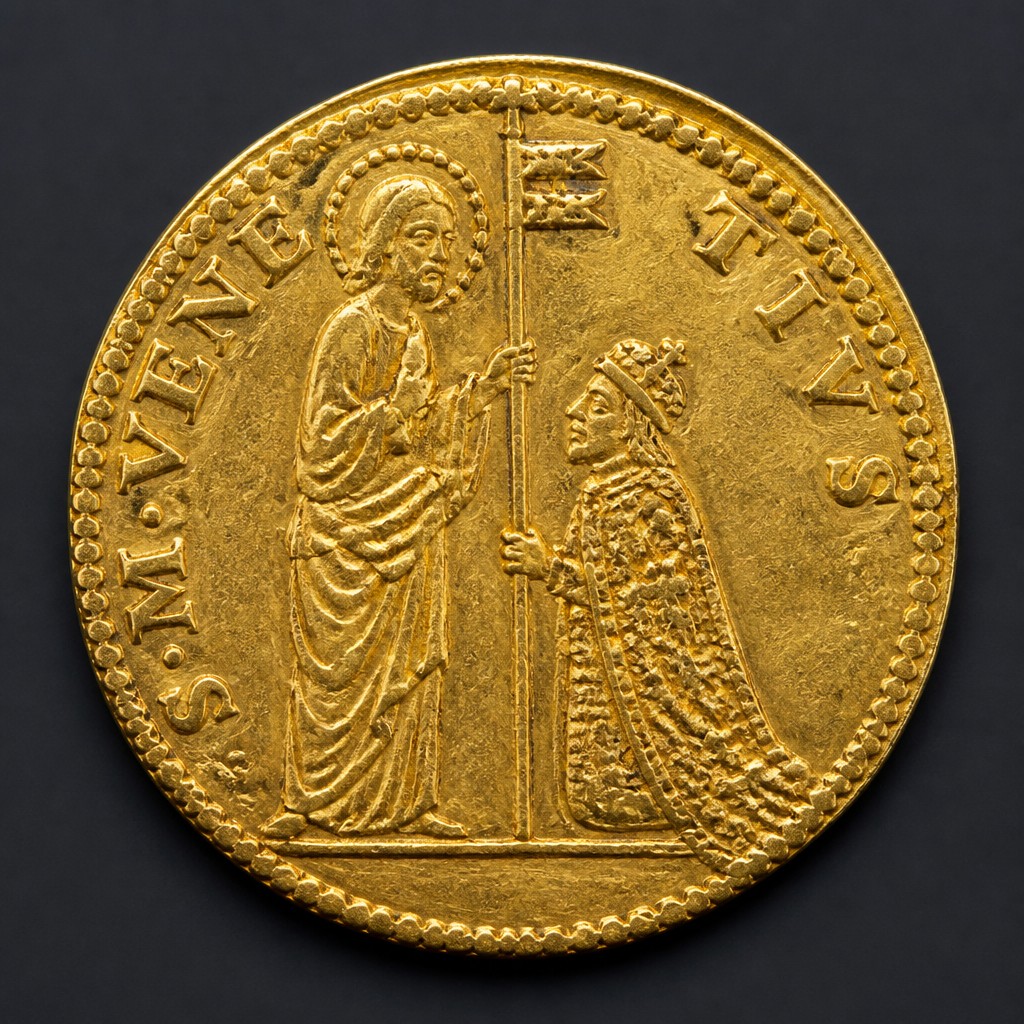
Venetian Gold Ducat
First struck in 1284, the Venetian gold ducat became medieval Europe's most trusted trade coin, prized for centuries for its unwavering weight and purity.
- Country
- Republic of Venice (Italy)
- Denomination
- Ducat
- Metal
- Gold (.986 fine, approx. 3.5g)
Got a coin like this?
Identify any coin from a photo, free.
Overview
The Venetian ducat, later also called the zecchino after Venice's mint (the Zecca), is one of the most influential coins in monetary history. Its design and standard remained essentially unchanged for over 500 years, a remarkable feat that made it a byword for reliability across medieval and early modern trade networks stretching from Western Europe to the Ottoman Empire and beyond.
Collectors value the ducat both for its long, largely uninterrupted production run under successive Doges and for the sheer geographic reach of its influence, since it was imitated by dozens of other states seeking similar trust in their own gold coinage.
Because ducats were struck by many Doges over five centuries, the series offers a wide range of collecting angles, from common later Doge issues to earlier, scarcer types tied to specific rulers or historical episodes.
History & Background
Venice introduced the ducat in 1284 under Doge Giovanni Dandolo, deliberately fixing its gold content at a high standard to build confidence among the merchants who used Venice as a hub for Mediterranean trade. The design, showing the Doge kneeling before Saint Mark and Christ in a mandorla on the reverse, remained essentially fixed even as the reigning Doge's name changed with each issue.
Because Venice was a dominant maritime and commercial power, the ducat circulated well beyond the city's borders, becoming a preferred trade coin throughout the Mediterranean, the Balkans, and parts of the Middle East. Its reliability inspired direct imitations by numerous states, including Hungary, the Ottoman Empire, and various Italian and Central European mints.
Venice continued striking ducats, later called zecchini, until the fall of the Venetian Republic to Napoleon in 1797, giving the coin one of the longest continuous production runs of any medieval gold coin type.
How to Identify
The obverse shows the standing Doge, identified by name in the surrounding legend, kneeling and receiving a banner from a standing Saint Mark. The reverse depicts Christ standing within an oval mandorla of stars, surrounded by a Latin legend referencing Christ as ruler of the realm being governed.
The coin is small and thin, roughly 20mm in diameter and about 3.5 grams of high-purity gold, typically around .986 fine, giving it a rich, almost pure gold color. Because the design template stayed nearly constant, identifying the specific issuing Doge requires reading the obverse legend carefully, since that is usually the only element that changes between issues.
Collectors should be aware that many contemporary and later imitations exist from other states copying the ducat's design and weight standard, so confirming the Venetian mint and correct Doge's name in the legend is important for accurate identification.
Value & Collectibility
Common ducats from well-documented, longer-reigning Doges are widely available and relatively affordable in worn to average condition, often in the low hundreds of dollars. Ducats from rarer or shorter Doge reigns, especially in higher grade with sharp strikes, can be considerably more valuable, sometimes into four figures.
Because the design changed little over centuries, value is driven heavily by the specific Doge, the coin's condition and strike quality, and its overall eye appeal, with well-centered, lustrous examples commanding the strongest premiums.
Frequently asked questions
What is a Venetian ducat?
It is a gold trade coin first struck by the Republic of Venice in 1284, later also called a zecchino, known for its consistent weight and purity over centuries.
How can I tell which Doge issued my ducat?
The name of the reigning Doge appears in the obverse legend around the kneeling figure receiving the banner from Saint Mark.
Why was the ducat so widely trusted?
Venice maintained a strict, unchanging gold standard for the coin for hundreds of years, which gave merchants confidence in its value across many regions.
When did Venice stop making ducats?
Production continued until the Republic of Venice fell in 1797, giving the ducat one of the longest production runs of any medieval coin.
Are Venetian ducats rare?
Common types from long-reigning Doges are fairly available to collectors, while certain rarer Doges or early issues are considerably scarcer and more valuable.
Other coins you may enjoy
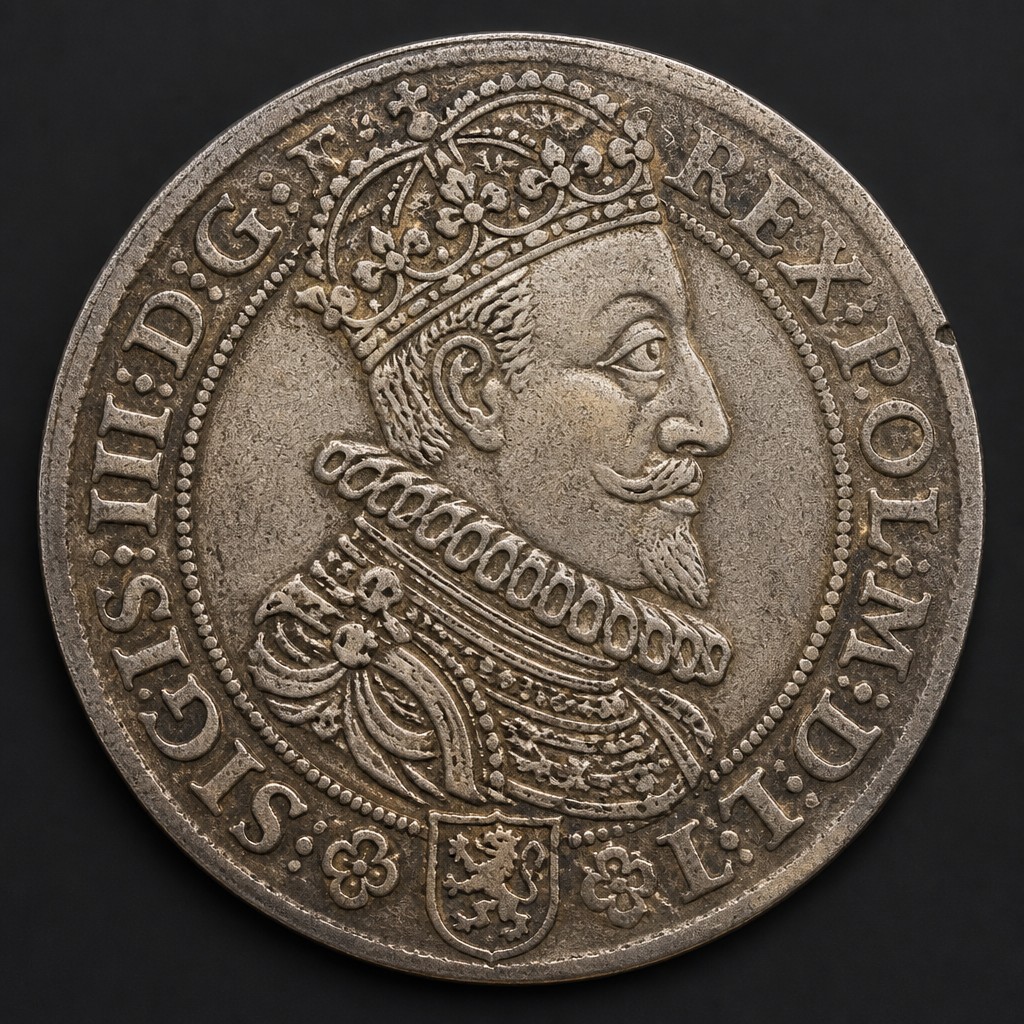
Polish-Lithuanian Thaler
circa 16th–18th century
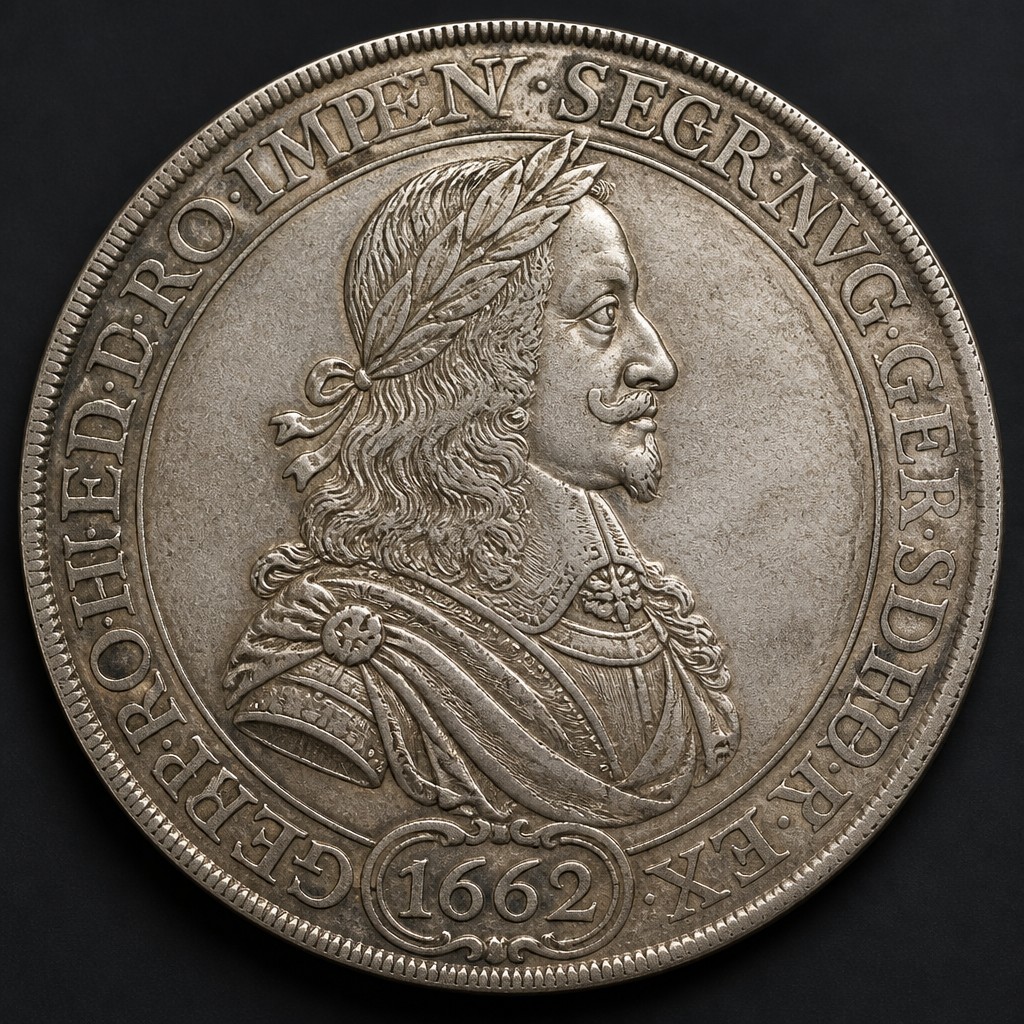
Reichsthaler
circa 1566–early 19th century
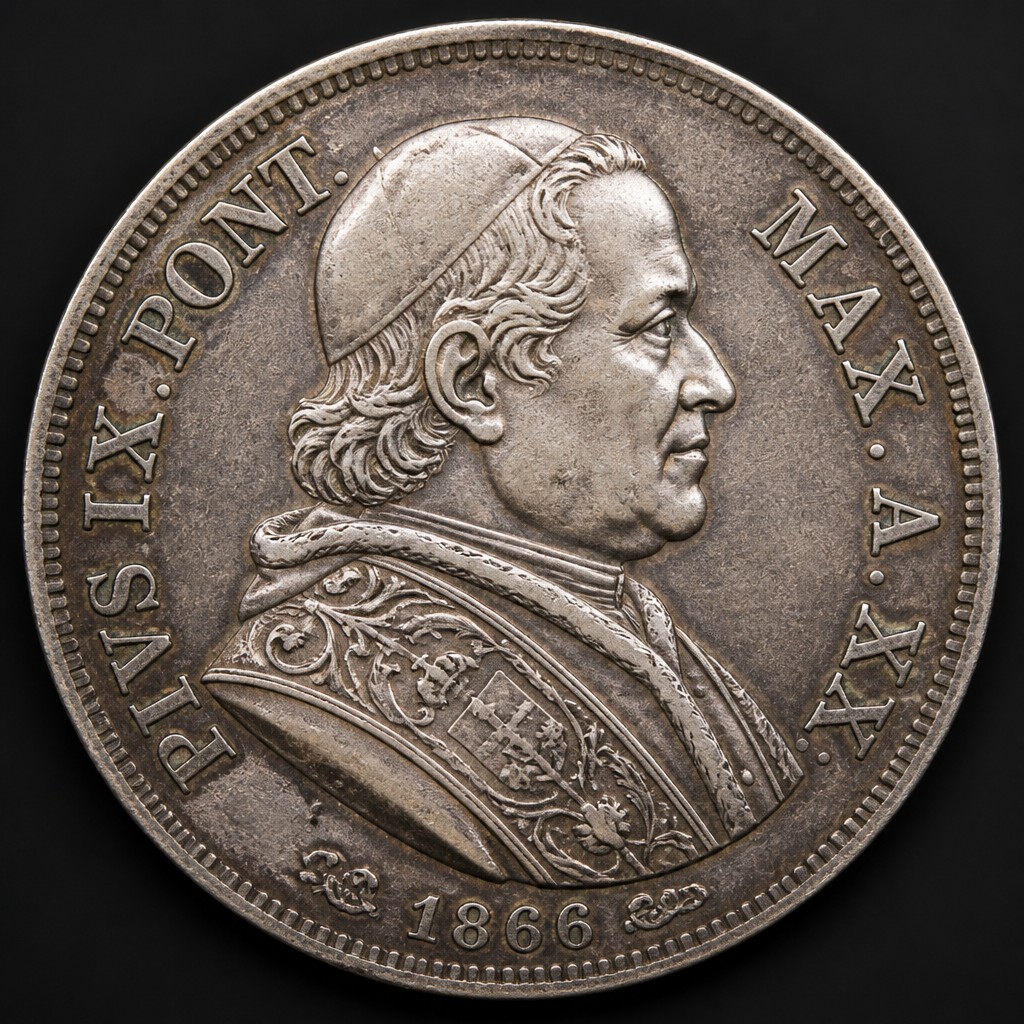
Papal States Scudo
16th century–1866
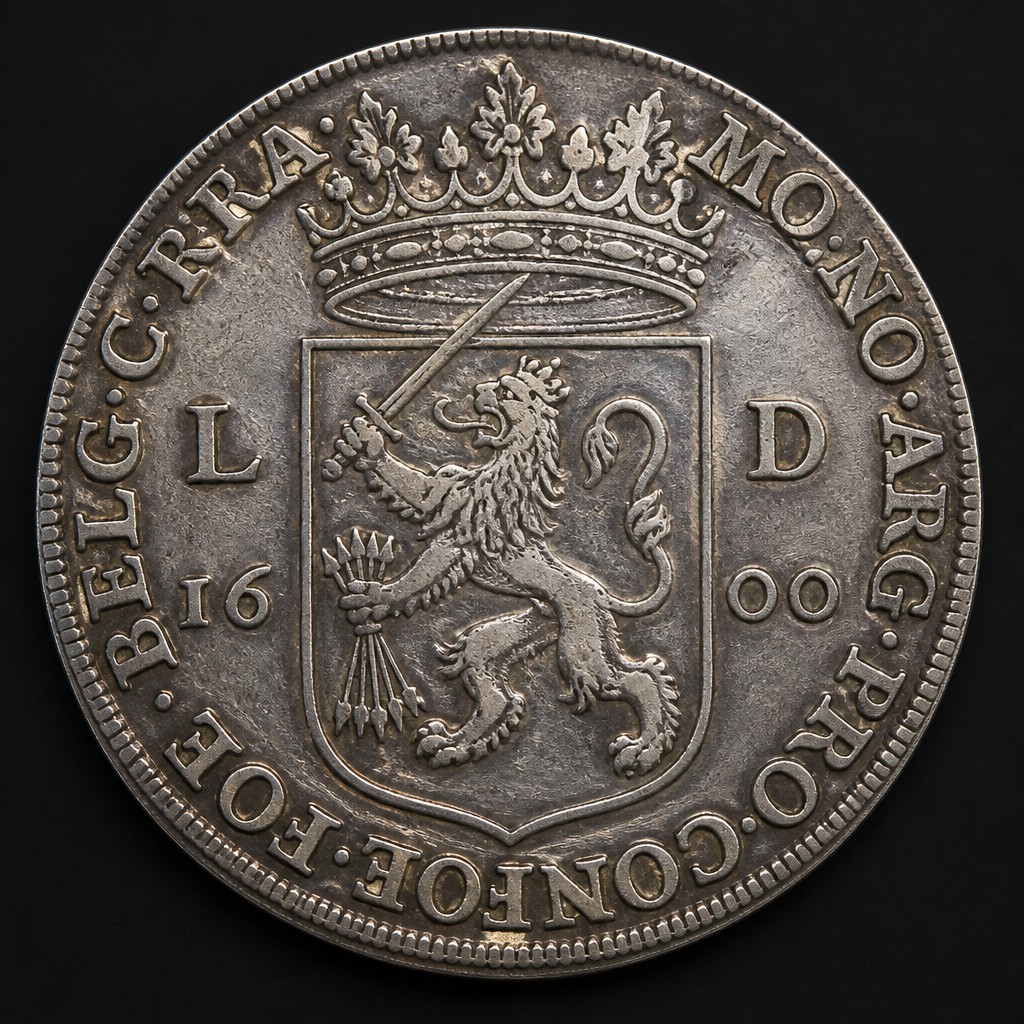
Netherlands Lion Daalder (Leeuwendaalder)
1575–1713
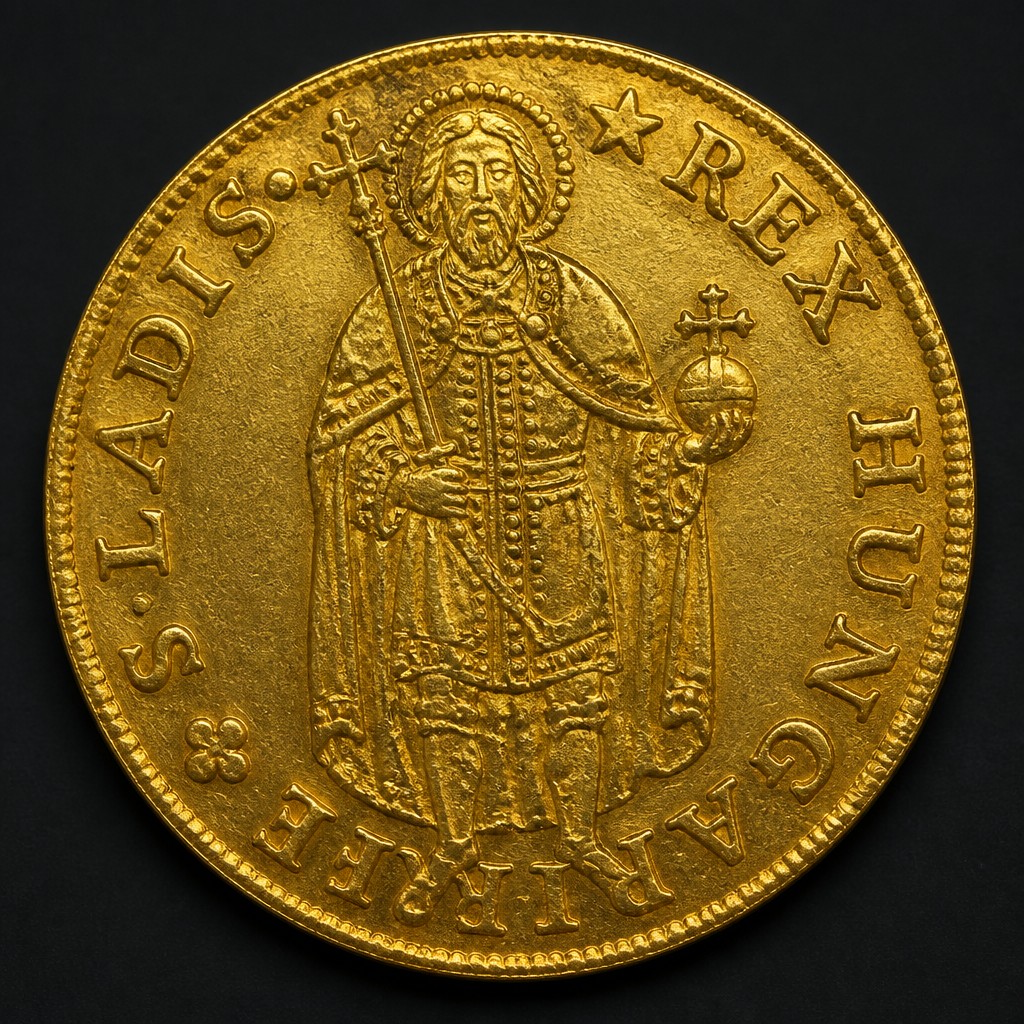
Hungarian Ducat
c. 1325–1918
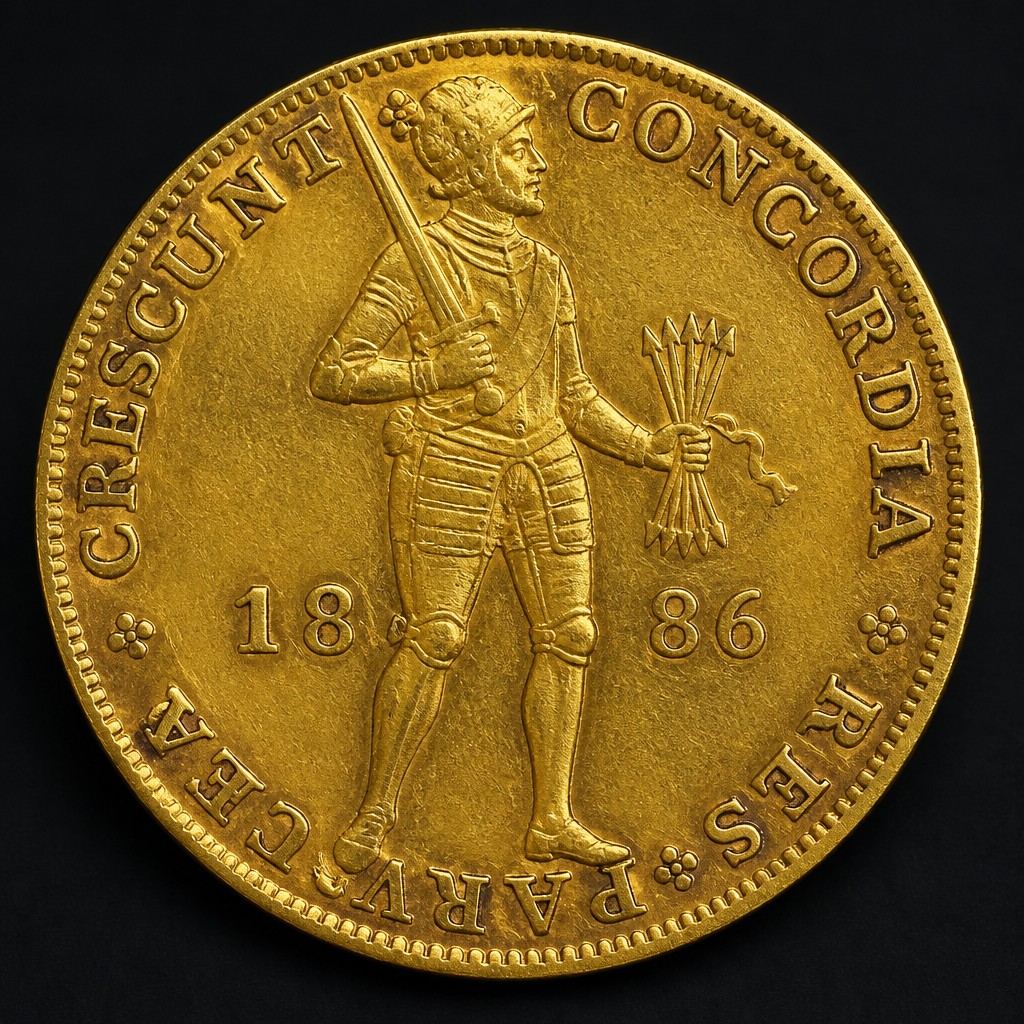
Dutch Ducat
c. 1586–present (classic type standardized after 1817)
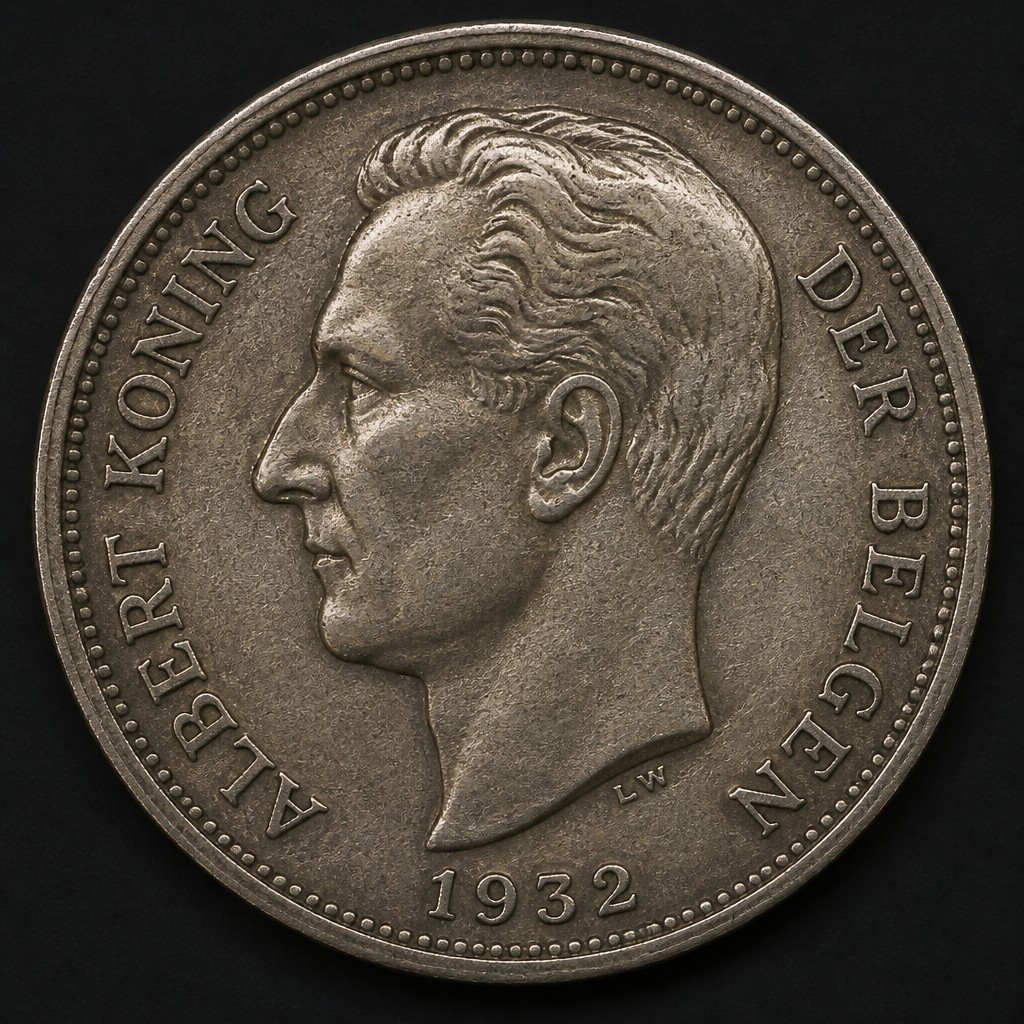
Belgian Franc
1832–2002
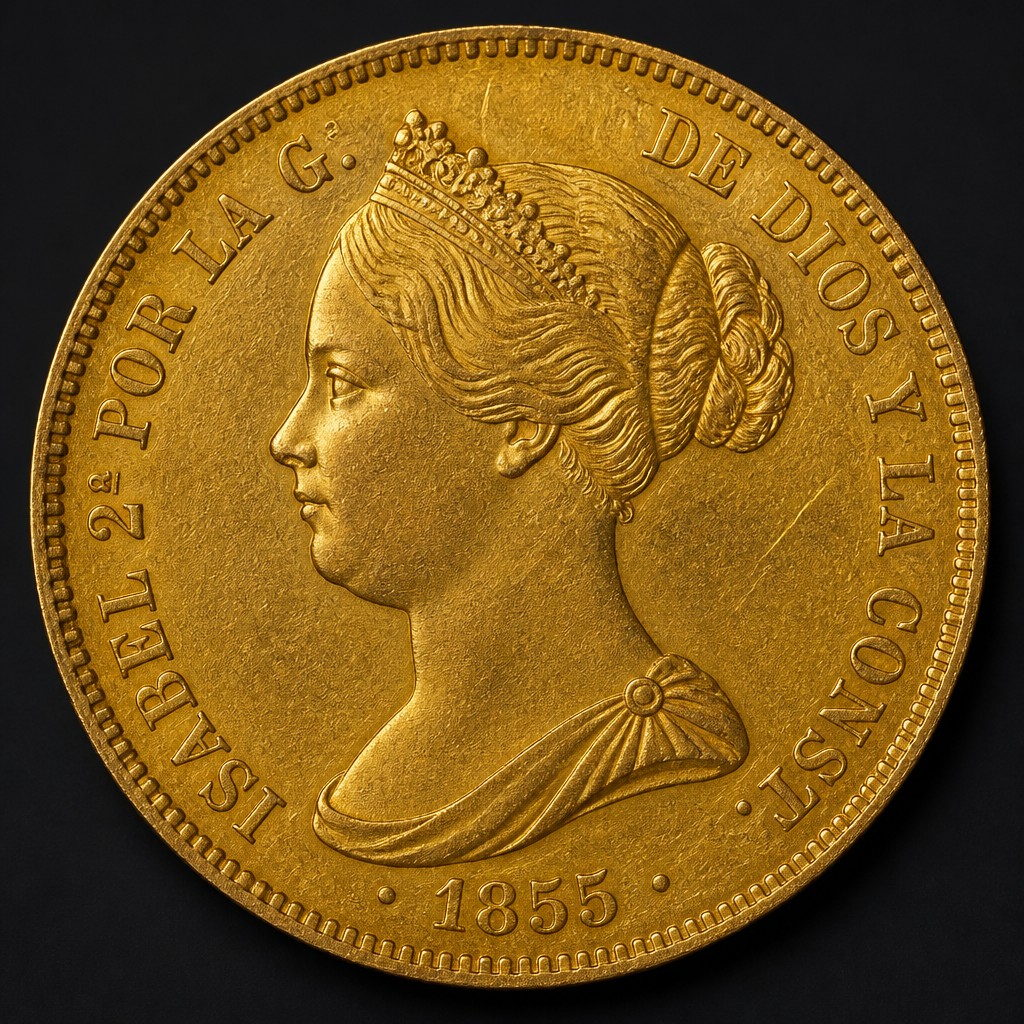
Spanish 100 Reales Gold (Isabel II)
1850s–1868
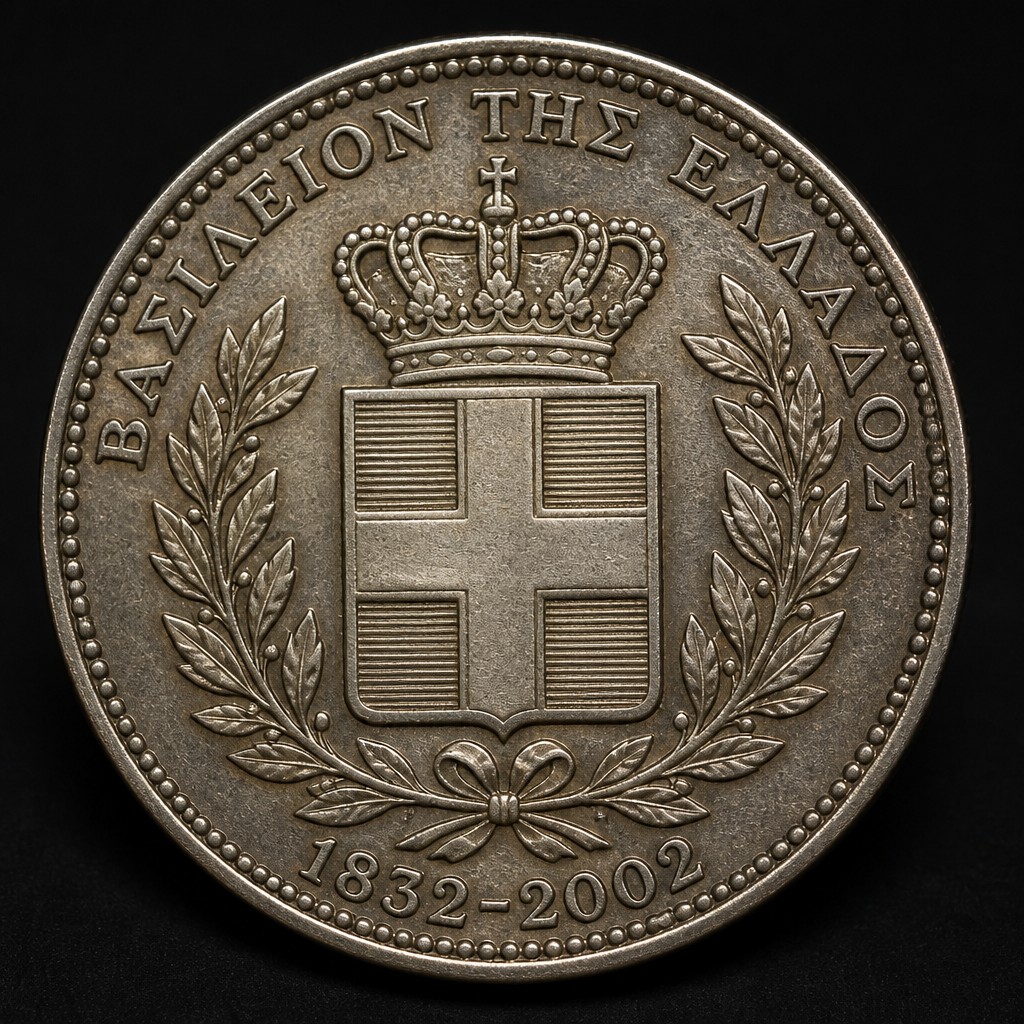
Greek Drachma
1832–2002
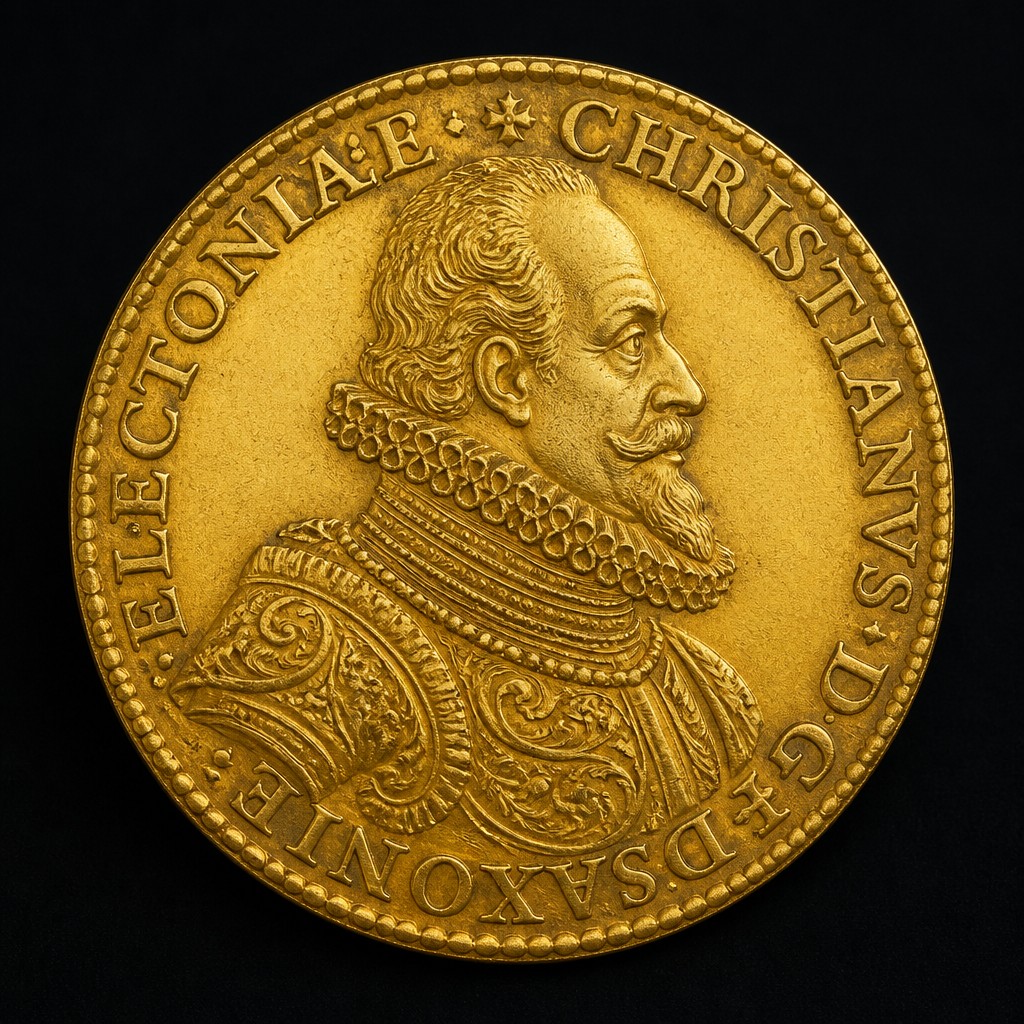
German Saxony Ducat
16th century–19th century
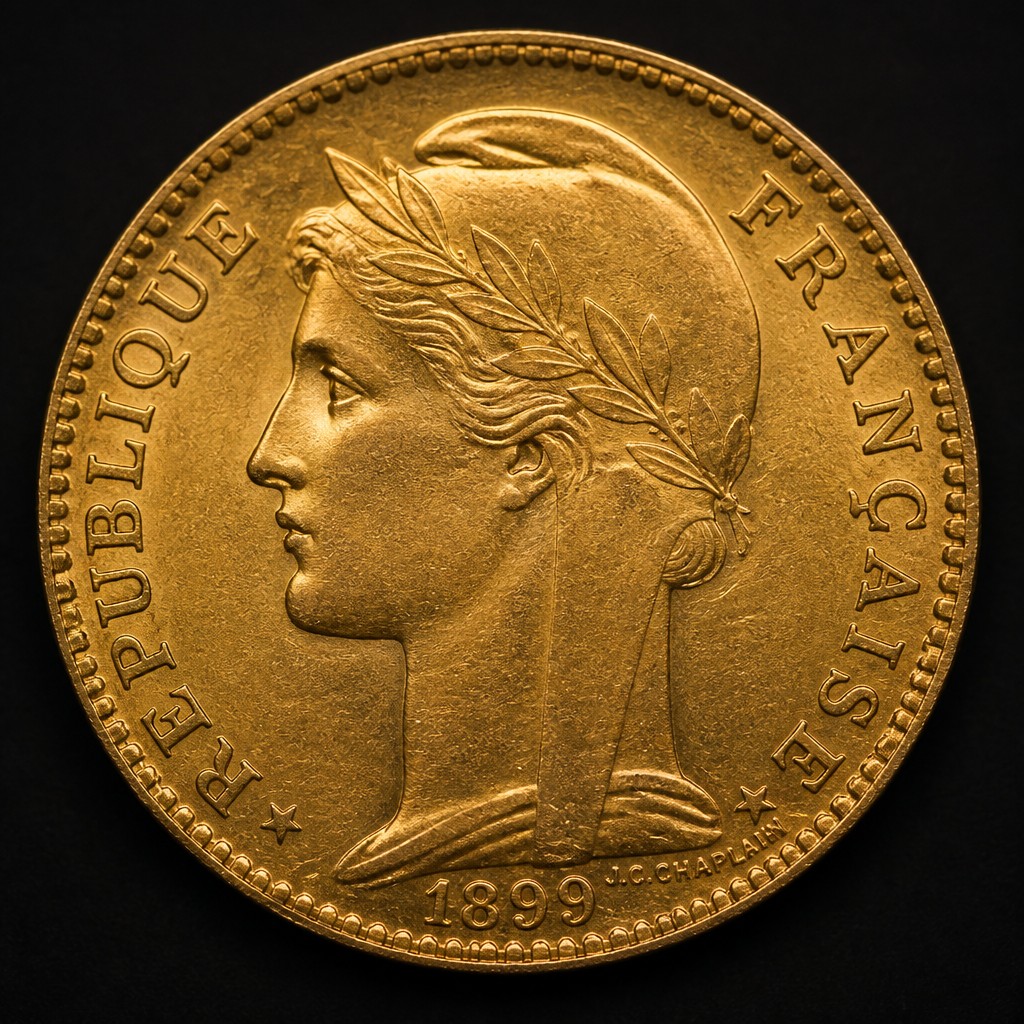
French 10 Francs Gold (Napoleon Rooster)
1899–1914
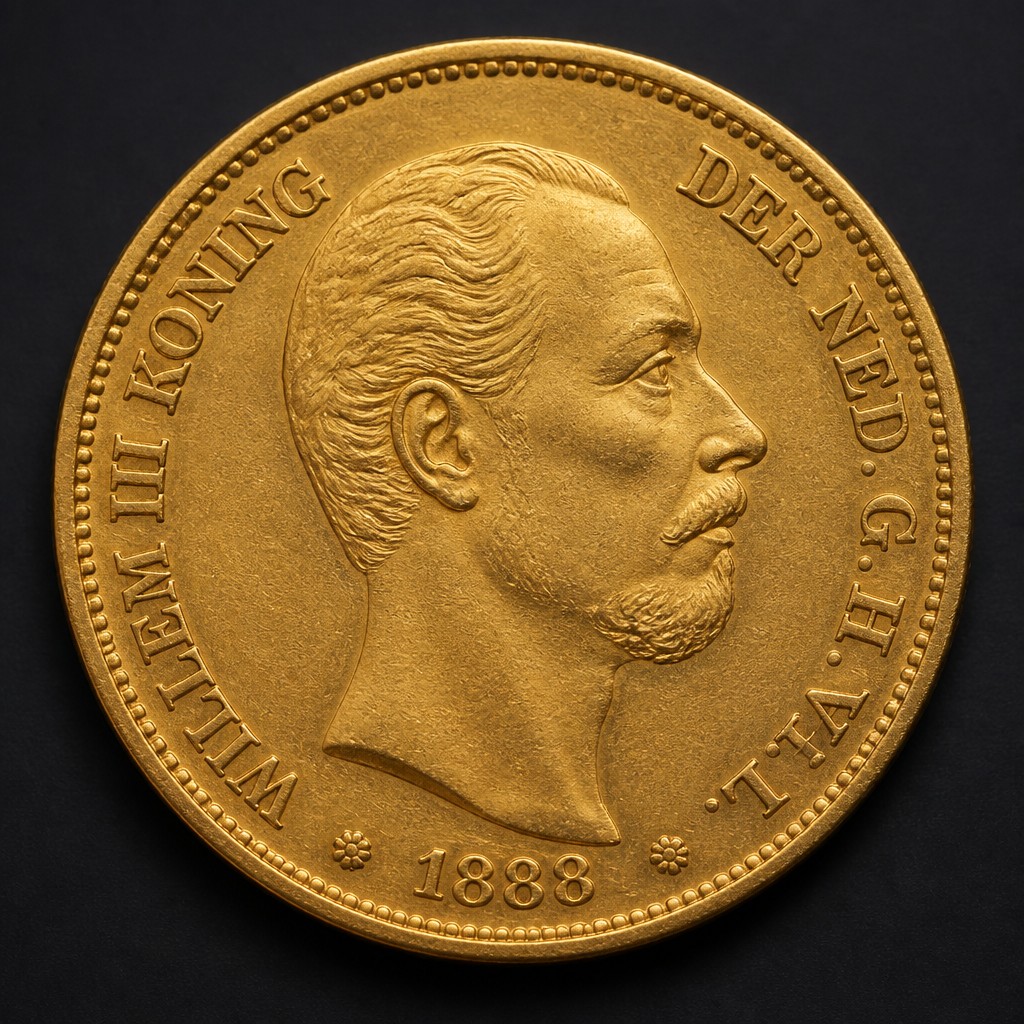
Netherlands 5 Gulden Gold
1826–1912 (intermittent)