
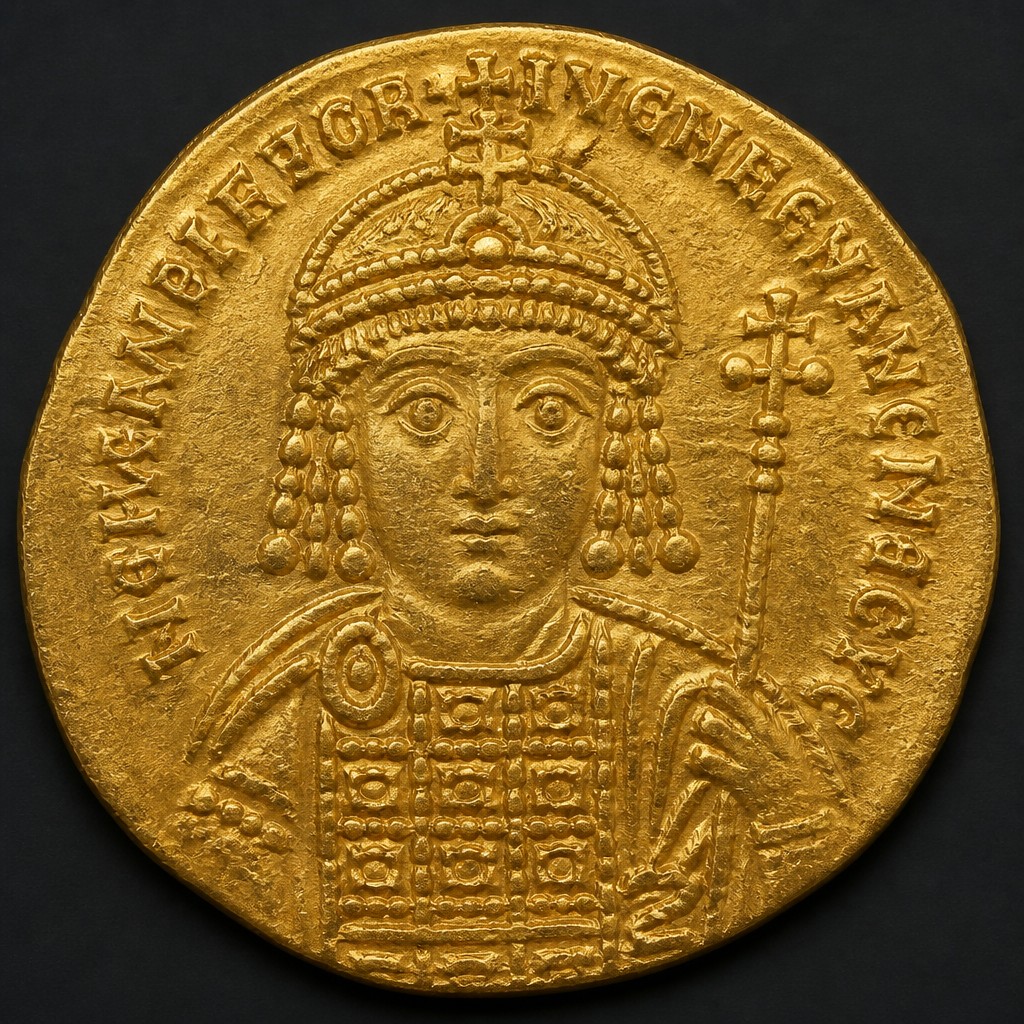
Byzantine Gold Solidus
The gold standard coin of the Byzantine Empire for over 700 years, prized in medieval trade as far away as India and Scandinavia under the nickname "bezant."
- Country
- Byzantine Empire
- Denomination
- Solidus
- Metal
- Gold (near-pure, c. .955–.980 fine)
Got a coin like this?
Identify any coin from a photo, free.
Overview
The gold solidus was the backbone of Byzantine finance, remaining remarkably stable in weight and purity for centuries while most other medieval coinages were repeatedly debased. It circulated far beyond imperial borders, used in international trade from Western Europe to the Islamic world and South Asia, and is often cited by historians as one of the most successful and long-lived coinages in history.
For collectors, the solidus offers an entry point into Byzantine numismatics that spans emperors, empresses, and co-emperors across many centuries, with portrait styles evolving from naturalistic Roman-influenced busts to increasingly stylized, frontal religious imagery.
History & Background
The solidus was introduced by Constantine I in the early 4th century AD as part of a broader monetary reform that replaced the debased aureus of the late Roman Empire. Struck at 72 to the Roman pound, it proved so reliable that it remained the empire's principal gold coin for roughly 700 years, long after the western Roman Empire had collapsed.
Throughout the Byzantine centuries, the solidus's obverse design evolved from a profile imperial bust to a facing bust, and eventually to designs incorporating Christ Pantocrator or the Virgin Mary alongside the ruling emperor, reflecting the increasingly religious character of Byzantine imperial ideology. Its purity began to be compromised only in the 11th century under fiscal pressures, most notably during the reign of Alexios I Komnenos, who replaced it around 1092 with the hyperpyron.
Because of its reliability, Western European and Islamic sources referred to it simply as the "bezant," and it served as a de facto international reserve currency for much of the early medieval Mediterranean world.
How to Identify
Early solidi typically show a diademed or helmeted bust of the emperor in profile or three-quarter view on the obverse, often holding a spear or globe, with a Latin legend naming the ruler. Later solidi commonly depict a facing imperial bust, sometimes with a nimbate (haloed) figure, and by the middle Byzantine period often pair the emperor with a depiction of Christ or the Virgin Mary on the obverse or reverse.
Reverse types vary widely by period, including a standing angel (Victory), a cross on steps, or an enthroned Christ, typically encircled by a Latin legend. The coin is small and thick, roughly 20mm in diameter and about 4.5 grams, with a plain edge; its rich yellow color and dense heft distinguish it from silver or bronze Byzantine issues.
Collectors identify the ruling emperor (and any co-emperors shown) by the portrait and accompanying legend, since many rulers issued distinct solidus types during their reigns. Mint attribution is generally based on style and any small mint signature in the exergue, though Constantinople issues dominate the surviving population.
Value & Collectibility
Values for Byzantine gold solidi vary enormously by ruler, condition, and rarity of type. Common issues from well-represented emperors such as Justinian I, Heraclius, or Constantine VII can often be found in the low hundreds of dollars in decent condition, making the series relatively accessible for ancient gold.
Solidi of short-reigned emperors, unusual multi-figure types, or exceptionally well-preserved and well-struck examples can bring several thousand dollars or more. As with all ancient coins, centering, wear, and surface quality strongly affect price, and authentication by a knowledgeable dealer or grading service is advisable before any purchase.
Frequently asked questions
What does "solidus" mean?
It is Latin for "solid" or "whole," reflecting its role as a stable, dependable gold coin, in contrast to earlier debased Roman gold issues.
Why is it also called a bezant?
Medieval Western Europeans and Islamic traders called Byzantine gold coins "bezants," a name derived from Byzantium, since the coin circulated widely as an international currency.
How can I tell which emperor issued a given solidus?
The obverse portrait style and the accompanying Latin legend naming the ruler are the primary clues; reference catalogs of Byzantine coinage organize types by reign.
Is the gold in a solidus pure?
Most solidi were struck at a very high gold fineness, often above 95%, until debasement began in the 11th century.
What replaced the solidus?
Around 1092, Emperor Alexios I Komnenos introduced the hyperpyron as a new, purer gold standard coin, effectively retiring the debased solidus.
Other coins you may enjoy
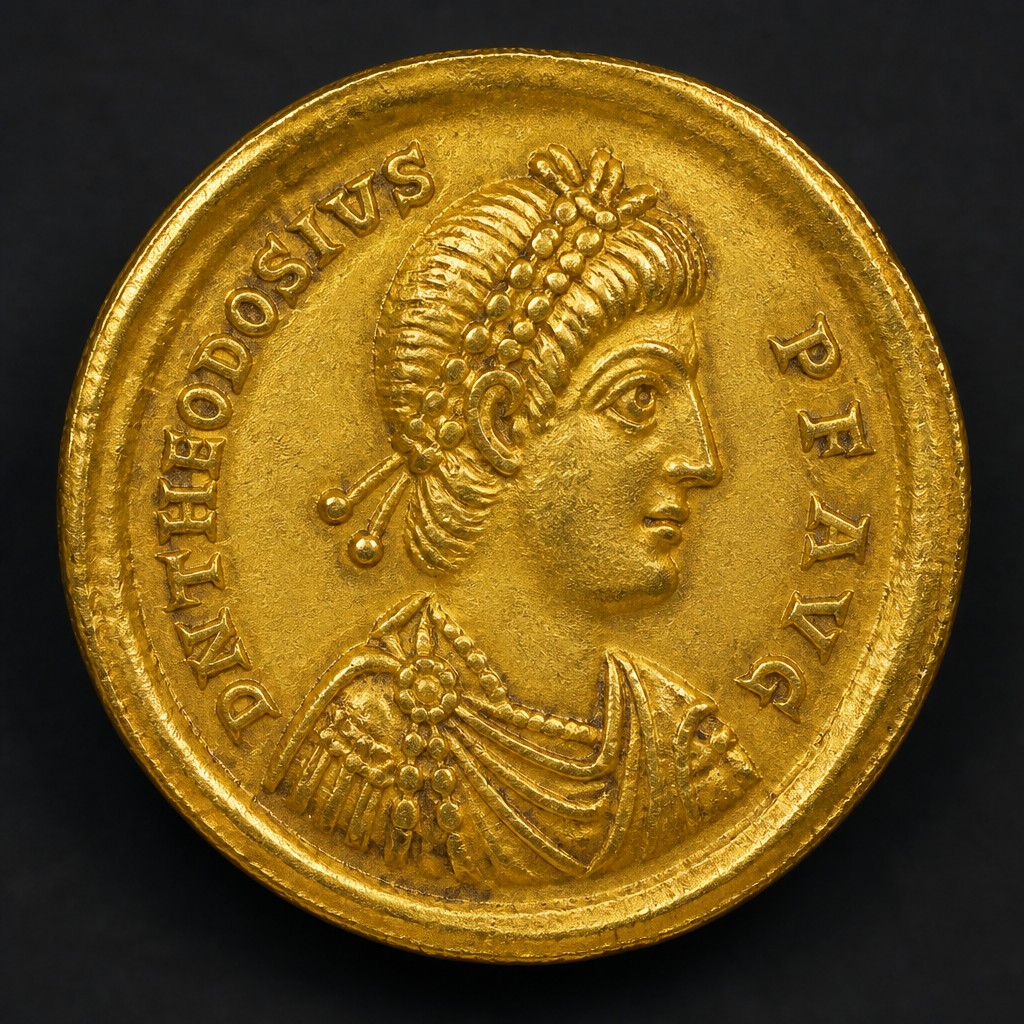
Theodosius I Solidus
379–395 AD
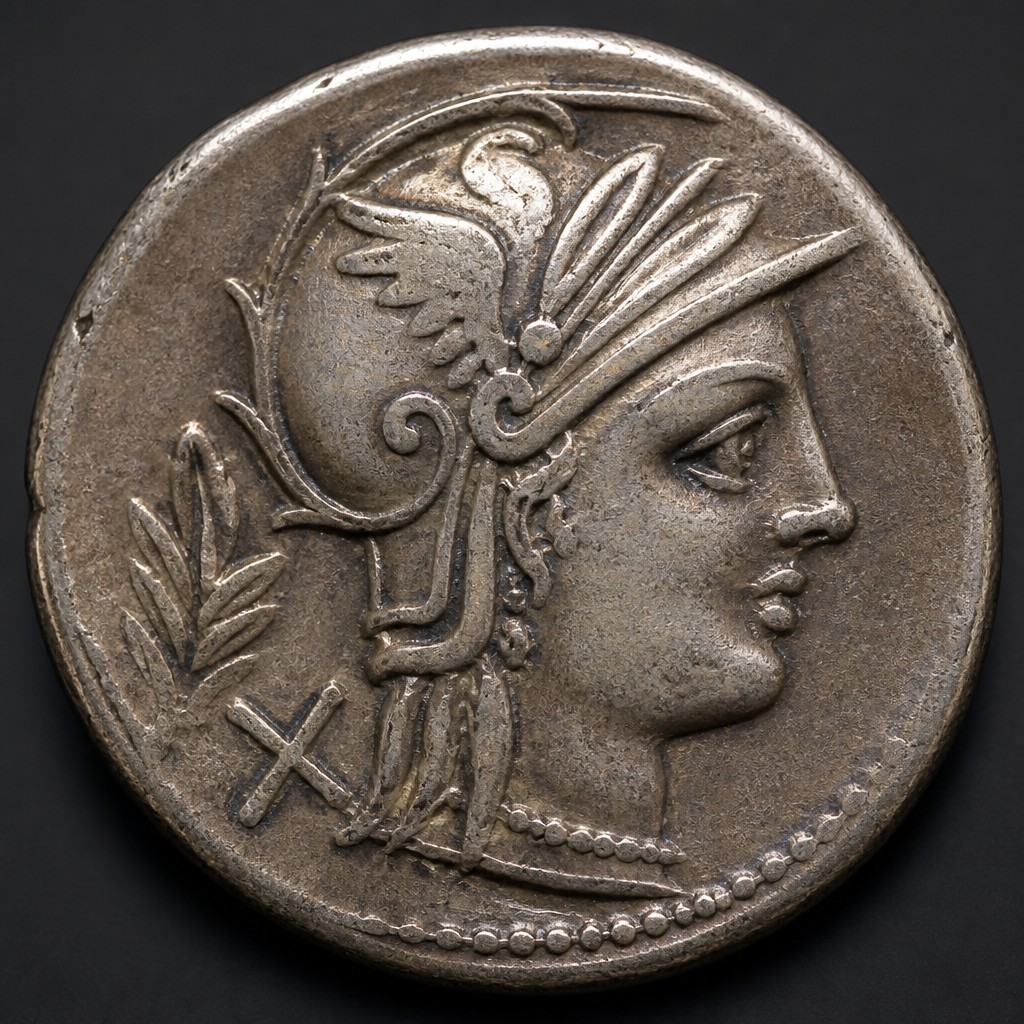
Republican Victoriatus
c. 211–170 BC
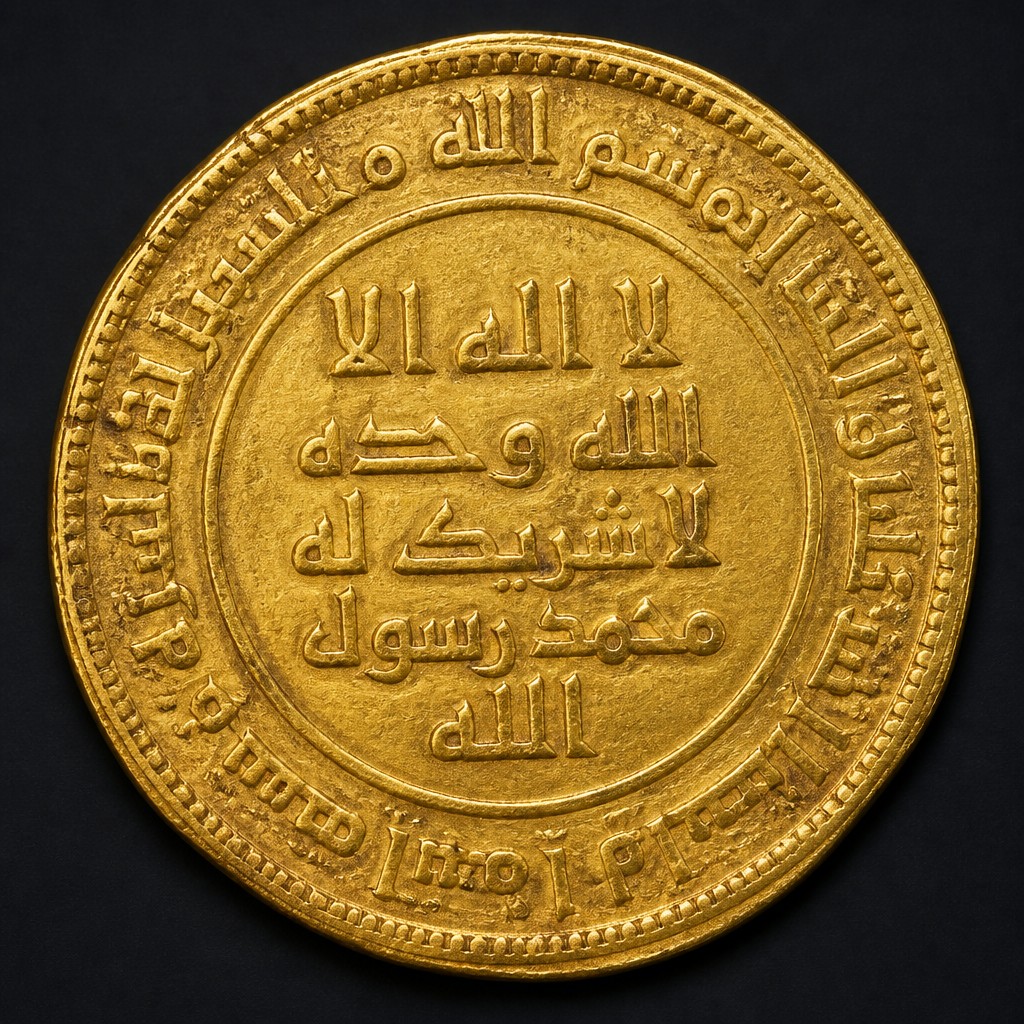
Islamic Gold Dinar (Umayyad)
c. 696–750 AD
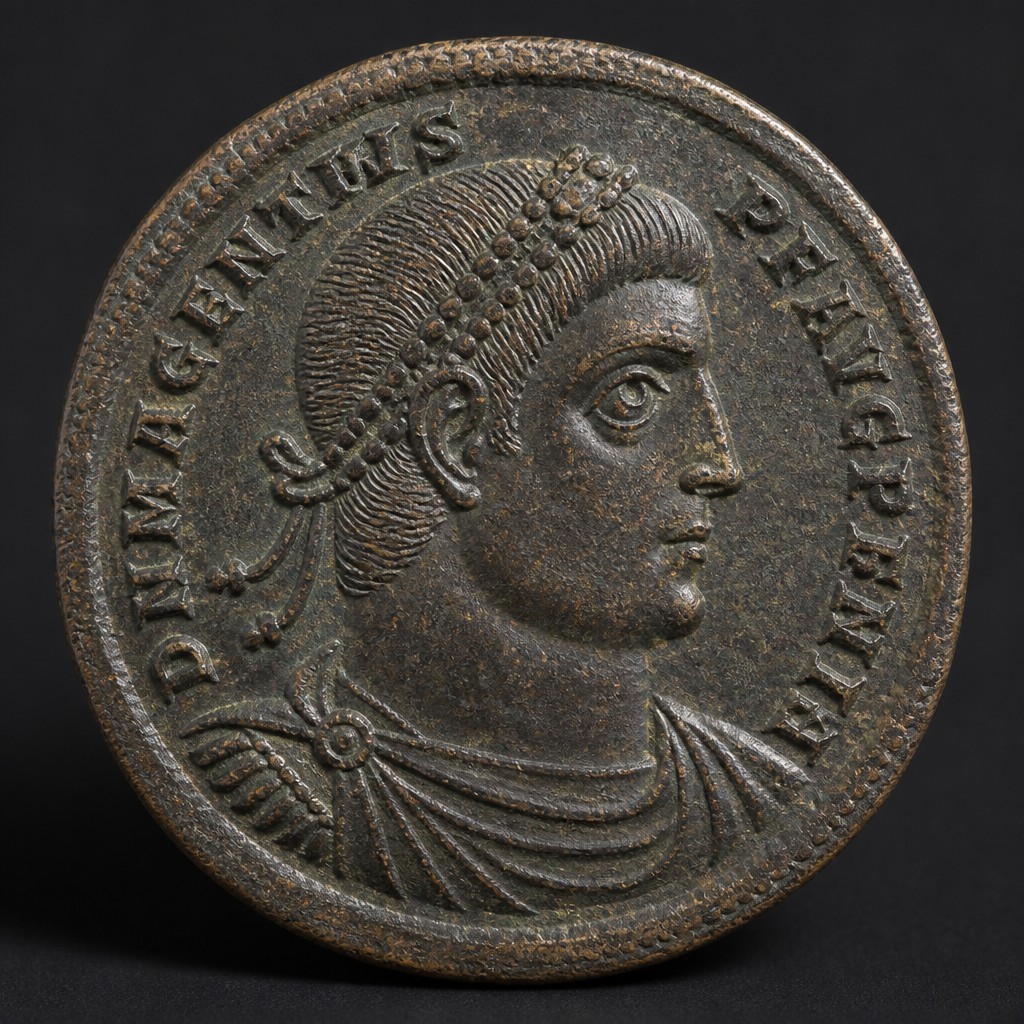
Magnentius Double Centenionalis
350–353 AD
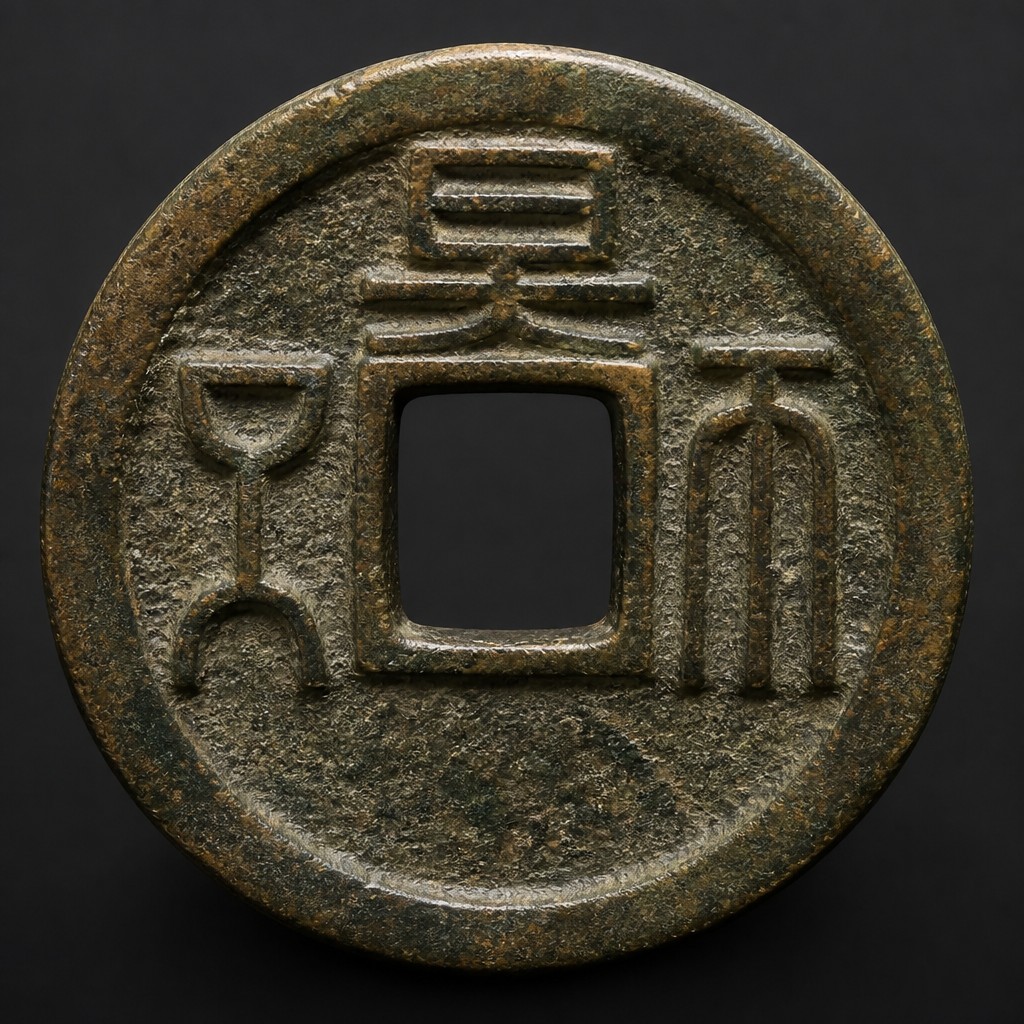
Chinese Wu Zhu Cash
118 BC – 618 AD
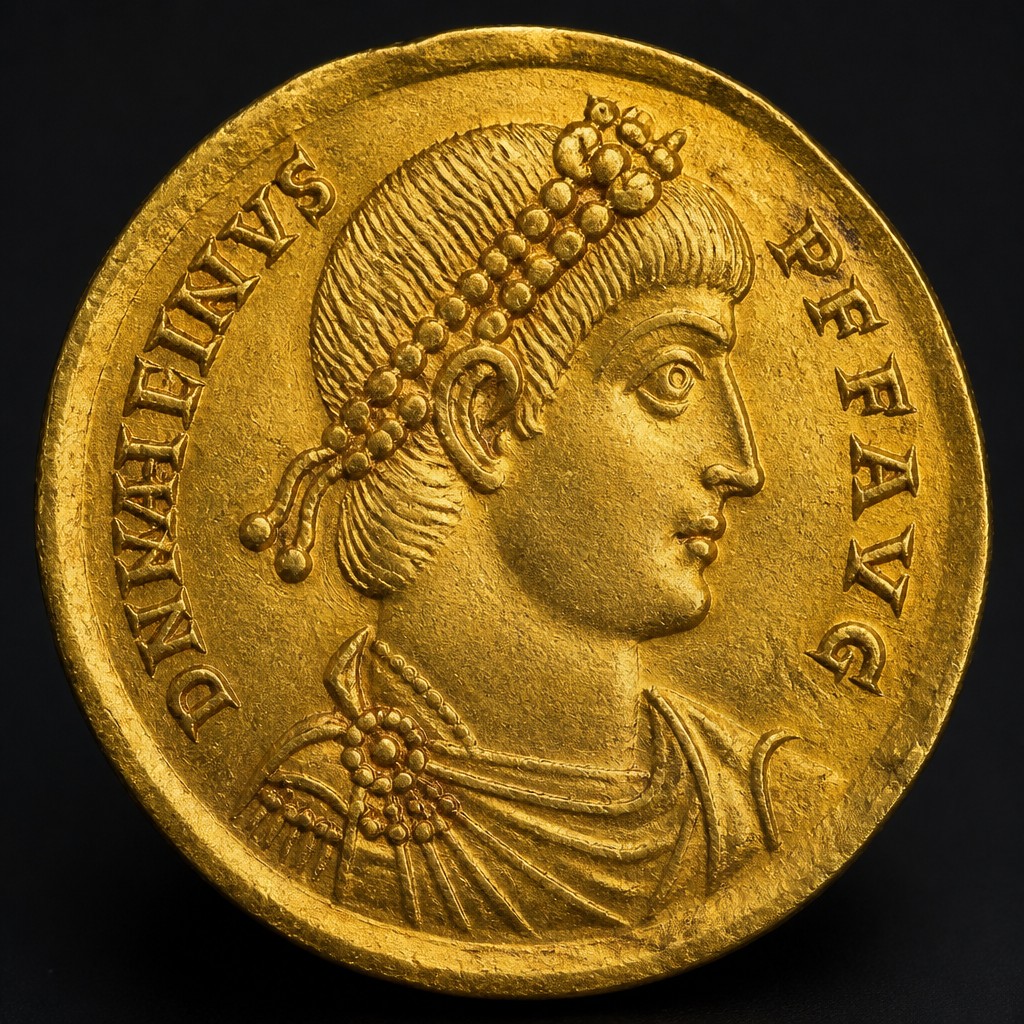
Valentinian I Solidus
364–375 AD
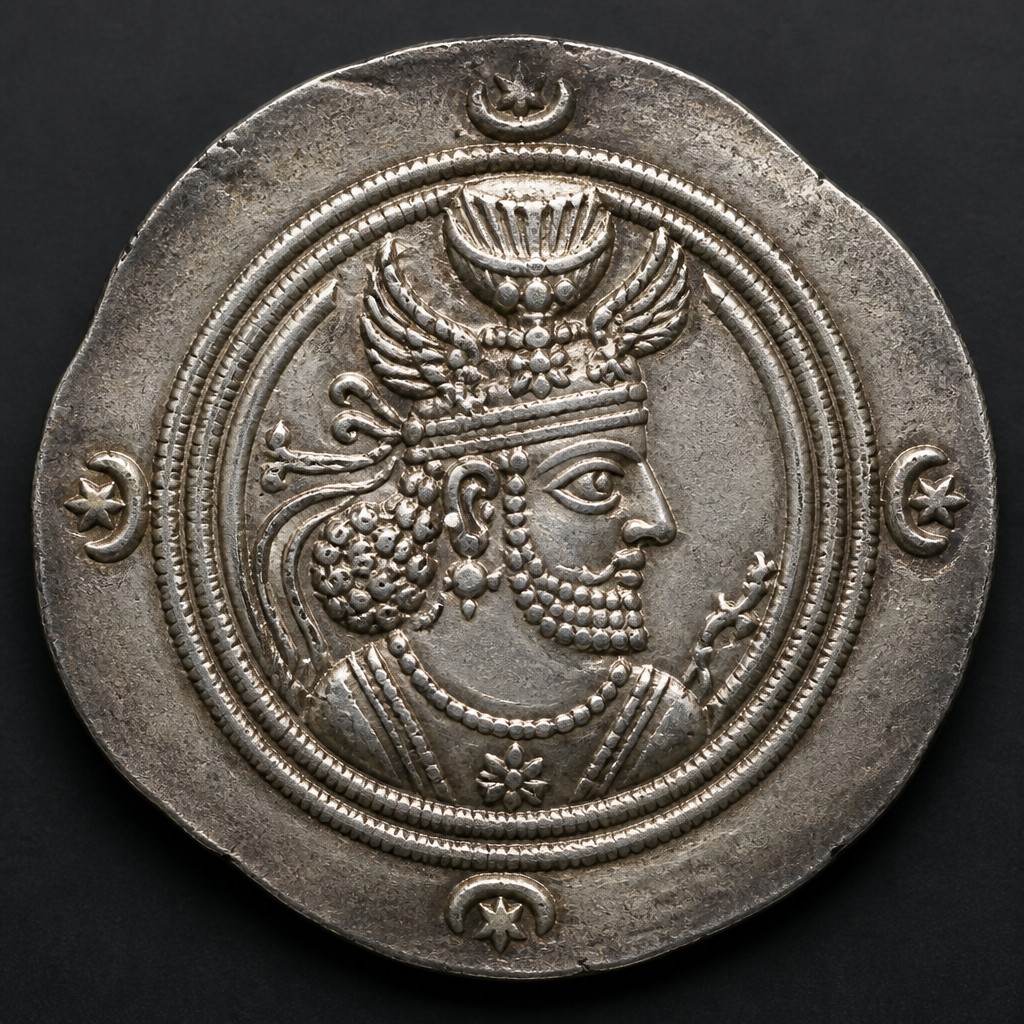
Sassanian Silver Drachm
c. 224–651 AD
Chinese Ban Liang Cash
c. 221–118 BC
Gupta Empire Gold Dinar
c. 320–550 AD
Byzantine Gold Tremissis
c. 4th–7th century AD
Byzantine Follis
498–c. 11th century AD
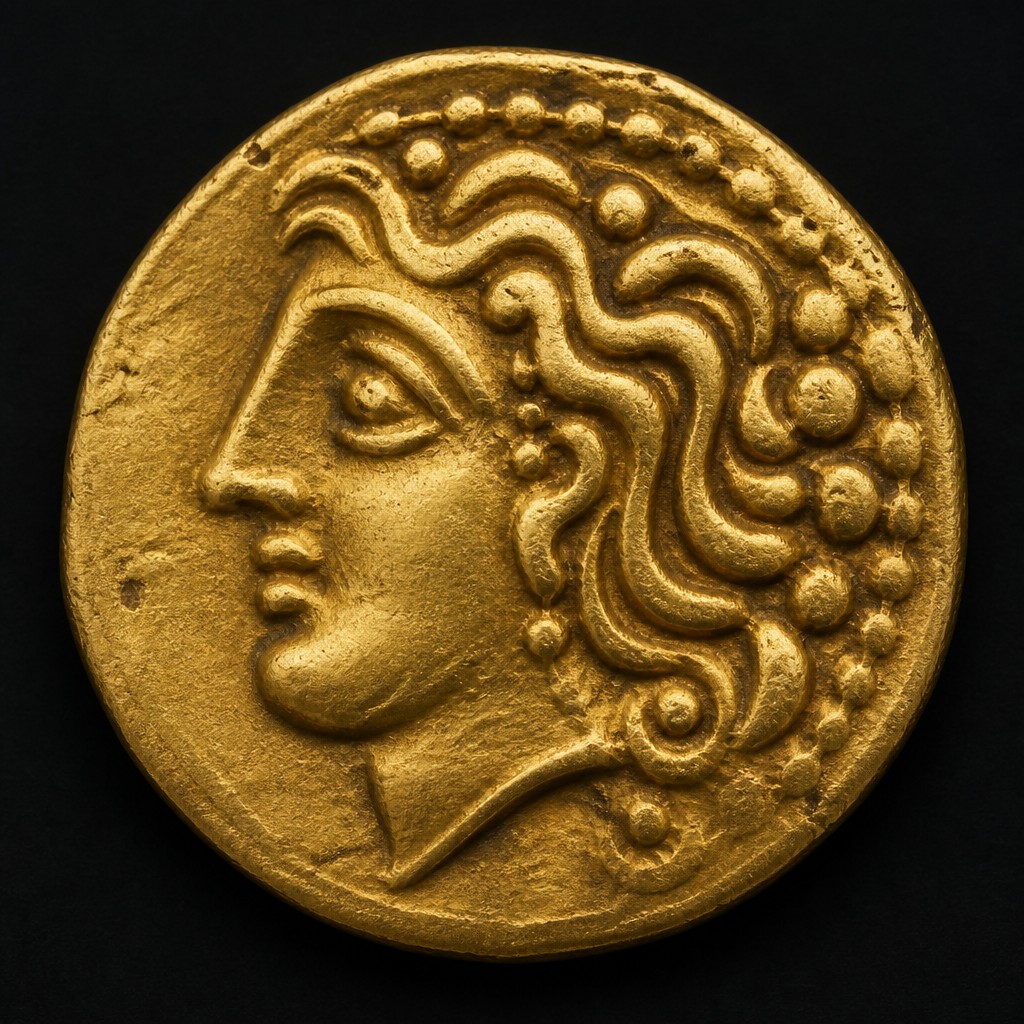
Celtic Gold Stater
c. 3rd century BC – 1st century AD